A Book You Should Read

Becoming Earth: How Our Planet Came to Life by Ferris Jabr

I read about this book in Sierra but postponed ordering a copy for several months. When it arrived, I decided I must read it before the sun set on Earth Day this year. I was captivated at the dedication page. Jabr wrote a poem for the myriad parts of our planet’s system that brought tears to my eyes. He concluded, “For our living planet. For our miracle. For Earth.” Each section and chapter ended with equally beautiful poetic summaries.

Becoming Earth is a journey with an excellent tour guide. From a subterranean lab a mile and a half below Earth’s surface, to Brazil’s Amazon Tall Tower Observatory (ATTO) 1066 feet above the Amazon’s canopy, from Siberia’s Pleistocene Park to massive kelp forests off the coast of California, Jabr guides his readers on a tour of the planet through its 4.5-billion-year history to the present day. He examines life forms deep underground to bacteria and bits of organic matter high in the atmosphere which provide core particles for ice crystals and cloud formation.

With a survey of scientific data accumulated in the last few decades, from various fields in the relatively new discipline of Earth system science (ESS), he describes how our home planet is one vast living system. We humans are but one small part of it.

Notable points include the concept that even Earth’s variety of minerals is unique in the known cosmos, dependent as much on the existence of life as living things depend on the chemical composition of the planet. “The chance of two planets having an identical set of mineral species is one in ten to the 322nd power. Given that there are only an estimated ten to the 25th power Earthlike planets in the cosmos, there is almost certainly no other planet [like ours.]”

We inhabit a truly unique “pale, blue dot” in the universe, where life existing deep underground has helped create the land on which the rest of us depend.

Jabr makes the point that humans have altered Earth’s surface and climate since they appeared, but that our species is not the only one which acts to alter its environment. We could learn from pre-historic events. In examining the geologic history of life on the planet, Jabr also compares our current situation to impacts of other species. “Like so many animals before us—from termites to four-ton ground sloths—humans have radically altered Earth’s crust and soils.”

Chapters cover agricultural innovations from the plow to fertilizer and other chemical additives. When we expose soil to the weather, it degrades much faster than soil can be created. “Our living planet typically requires centuries to create a single inch of fertile topsoil.”

The plastic revolution has polluted our oceans to the point where there will soon be more plastic in the seas than there is life. Spewing chemicals, especially extra carbon dioxide and methane into our air has impacted everything, acidifying the oceans, and warming the planet faster than Earth has ever before experienced.

“It has never been more important,” Jabr writes, “to reject the idea that we are masters of the planet, while simultaneously accepting our outsized influence; to recognize that we and all living creatures are members of the same garden. . . humans have a long history of trying to harness and subjugate other species. . .Breaking that cycle has never been more urgent.”

While explaining the severity of our current crisis, Jabr also emphasizes that humans have capabilities that can mitigate the worst of the consequences. If only we would. We can’t afford to wait. The time is now.

In Becoming Earth, we read about life in the most unexpected places. Literally every place on Earth is home to some form of life, whether infinitesimally small, or complex larger species such as trees, and mammals. Though science has typically considered the origin of life as something that happened on Earth, “the two cannot be separated. . .Life is Earth. Our living Earth is the miracle.” The only way for us to survive is together, with all the other life forms that share our planet.

One chapter examines the history of fire on the planet. For millions of years, conditions prevented fires since three things are necessary for a fire to burn: heat, oxygen, and fuel. It took much of Earth’s pre-history for life forms to accumulate enough organic matter that would burn, (fuel) as well as form enough free oxygen in the atmosphere that would allow a flame to burn. Life processes (photosynthesis) created that oxygen, and until the atmosphere held enough of it, fires simply wouldn’t burn. Since that time, fires have become essential for maintaining various systems on the surface.

Life also impacted the carbon cycle. Through respiration, oxygen combines with carbon to form carbon dioxide. Burning fossil fuels adds the greenhouse gas to the atmosphere faster than at any other time in Earth’s history. There have been periods in the past when the surface temperatures were much warmer, when trillions of tons of carbon were released into the atmosphere. This happened over thousands of years, however. “Humanity is releasing a comparable amount in just a few hundred years. . .throughout the greater part of Earth’s 4.5-billion-year history, this much carbon has never been released to the atmosphere this quickly.”

We are in uncharted territory. Nobody really knows what the consequences will be, but they most certainly will change the planet in ways we would not recognize. “If humanity does not drastically cut greenhouse gas emissions, Earth will become a planet incapable of supporting the world as we have known it: the world that our species evolved in.”

As the world’s premier scientists have been telling us for decades, we are living in an escalating planetary emergency that is of our own making. “Without the necessary interventions, the planet will become inhospitable. . . to countless forms of complex life.” Jabr reminds us, though, that we are capable of preserving Earth, “the one living planet we have and the only one we’ve ever found.”

Each of us has a relationship with Earth, through our metabolic processes. Each of us is playing a duet with the planet. May our tunes all be hymns of joy.

Earth Day 55

Sharing my respect and appreciation for our home planet, a truly unique gem in the cosmos that sustains all living things. Today is Earth Day #55, and we stand on a more precarious precipice than before with a hostile leadership that chooses to ignore the warning signs of impending disaster. What kind of creature will take energy and sustenance that Earth provides free to all, and turn it all into a profit-making venture, future be damned? I think we stand alone in that category. Mine may be the first generation who fully recognizes the peril we face and the last generation with the window available to do something to prevent the worst climate disasters.
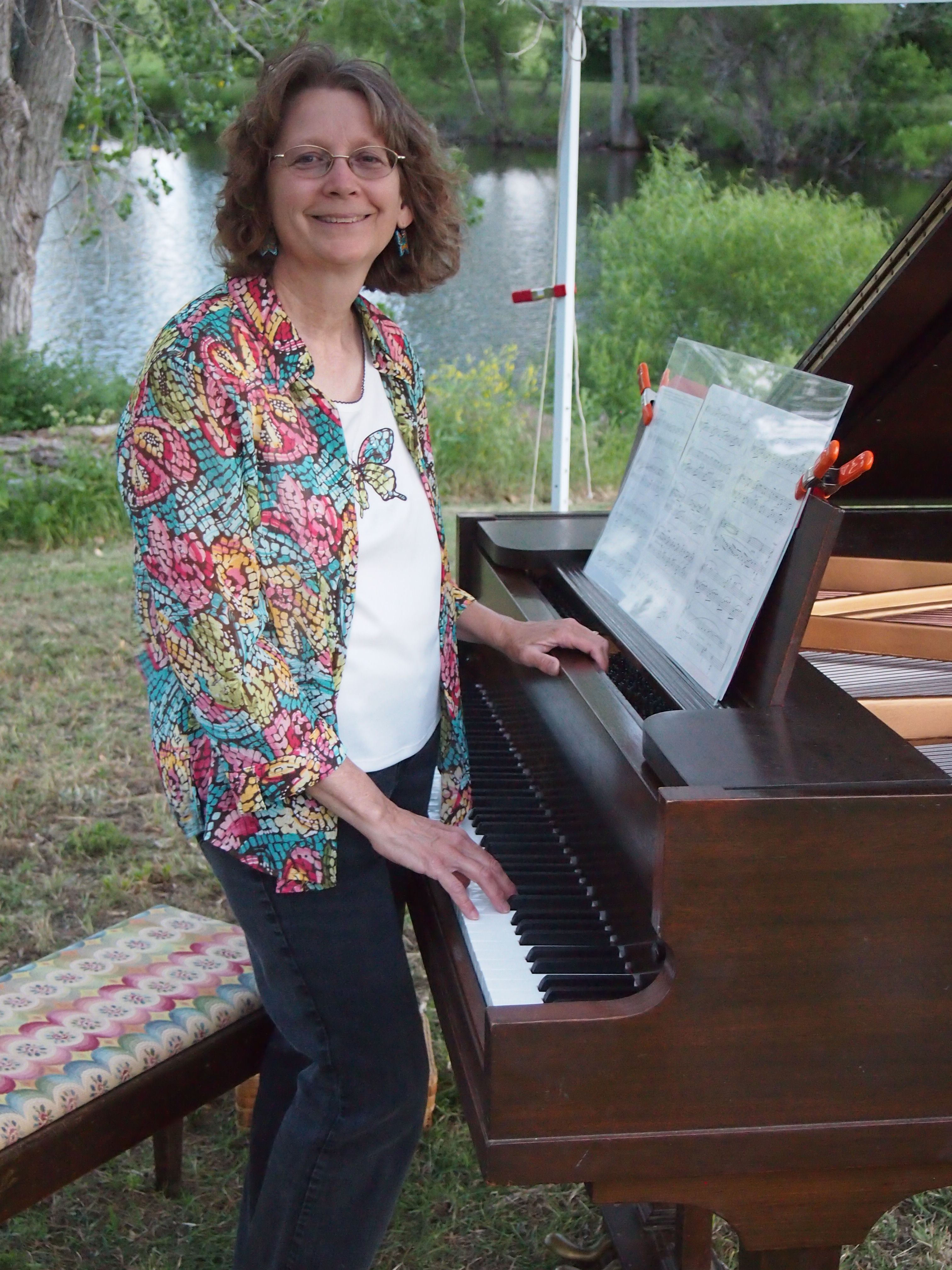
What are you doing to honor Earth? I’m leading a group (We the People of Cowley County) to fold as many origami fish as we can to share with Wisconsin Sierra Club in a unique protest against Enbridge Line 5 pipeline that endangers the Great Lakes and its human and wild inhabitants.
I’m reading a book (Becoming Earth–How Our Planet Came to Life by Ferris Jabr) with growing amazement at his research results and the growth of knowledge in my field of geology since I earned my diploma. (Stay tuned for a book report.) I highly recommend this book to all.
I’m taking steps to reduce my own and my family group’s consumption of fossil fuel energy in favor of the energy provided by our sun and Earth’s systems.
Please share the things you are doing in the comments. Thank you!

Firestorm Sonata: The Story Behind the Story

The third novel in my Sonata series of adventure tales featuring pianos and their families is now available on Amazon. I have mixed feelings about it. The completion of this journey has been months in the making and I’m relieved to finally get there. It’s been a lot of hard work, with repeated readings and editing through the summer, each time thinking this would be it, and each time finding more things that needed to change. I finally drew a line. This is it. Ready or not. And Firestorm is launched. May she find a path through the maze of words out there in the cyberverse and not disappoint.

Firestorm Sonata:

In peak condition, scout Sharenda Kamine is certain her field skills will insure her safety as she seeks supplies needed by the fortress she calls home. She must, however, prove her worth to the authoritarian commander of this isolated pocket of survivors. With reluctance, he grants her request to work alone and she heads across dust dunes of what once was southern Kansas, confident she will master any challenge she meets. But she is unprepared to find a window into the past, which simultaneously offers a future ripe with possibilities. She must decide whether she will honor her commitment to the Fort, or escape to freedom with Gran, the only family she knows.

This tale is a first for me, to set the events in the future. During my work on the second Sonata, Sonata of Elsie Lenore, a friend I respect, a retired college professor and elder in my community, shared an article with me. “Confronting the Climate Crisis Through Fiction: Visualizing a climate-ravaged world may actually be the key to mobilizing action.” Those who know me well know my passion for the natural world, for the planet Earth. As a college freshman 50 years ago—get that FIFTY—I took a life-changing class called “Can Man Survive?” in the biology department at Fort Hays State University in Kansas. It was based on the then-current knowledge about all the impacts our human activities had on water, air, land—and climate. We’ve known about greenhouse gasses for my entire life. Even longer. Some folks predicted serious impacts early in the industrial revolution, over a hundred years ago.

The evidence is mounting in 2023. This summer is already setting records. Extreme weather events around the world fill the news from catastrophic flooding to record-setting temperatures and untamable fires. Chile, Canada, Greece, Italy, China, India, Japan, Taiwan, Philippines, Sudan, Madagascar, Zimbabwe–the list goes on. In North America, water temperatures in the Gulf of Mexico hit 100+ in places, with 100% mortality in some coral reefs.

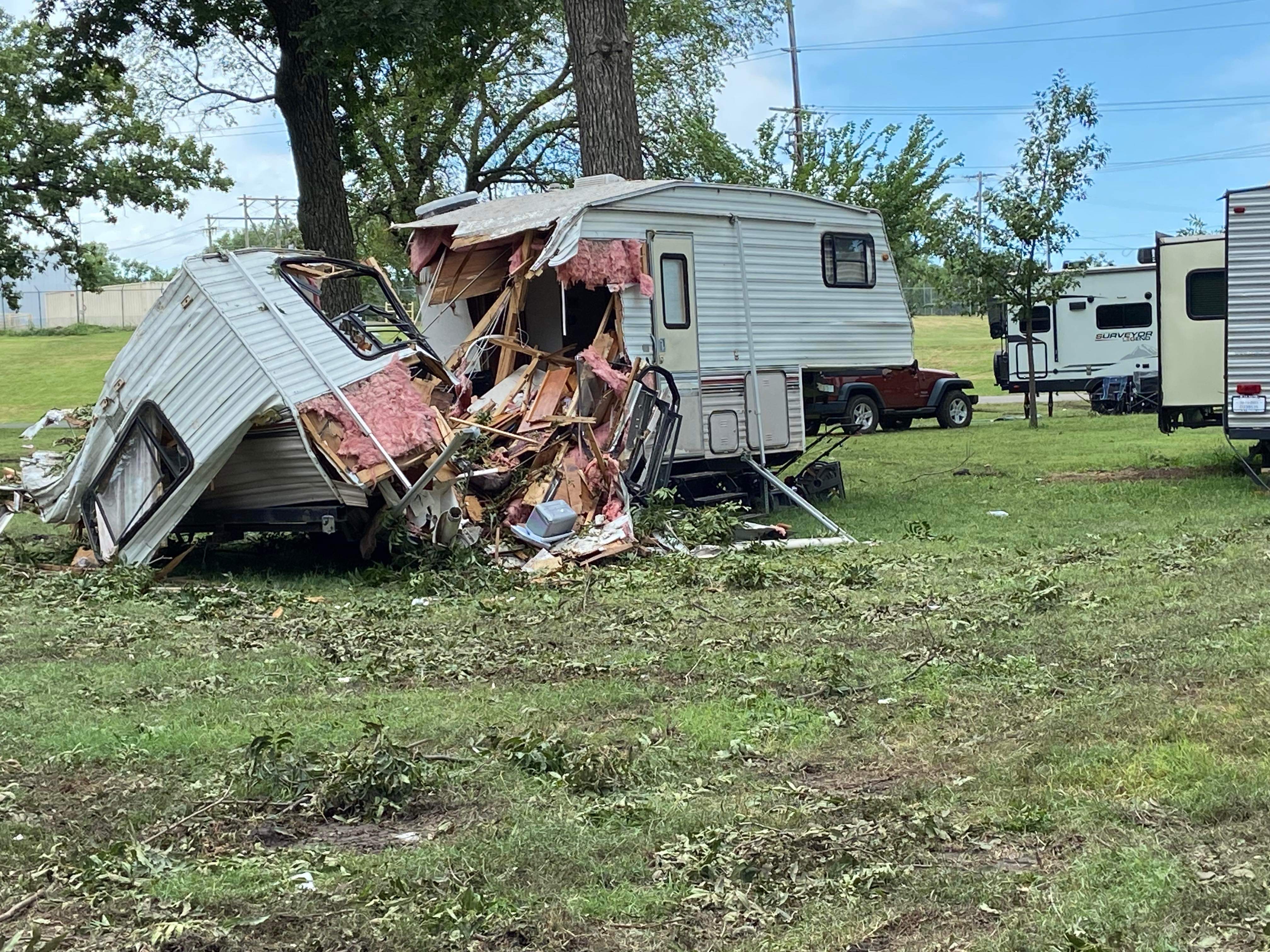
My own community cleans up after a straight-line windstorm that downed whole trees in our favorite parks and city streets, demolished our neighbor’s hay storage barn, and wreaked havoc on the county fair. Cleanup will continue for weeks. The cost has soared toward $2,000,000 already in our one small town.  And yet, we humans continue a path deemed to be disastrous for all life on the planet, just so oil companies can reap growing mega-profits at the expense of everything else we hold dear. If fictional tales set in a grim future environment will shake us into action, I decided I must try.

It’s been my privilege to offer continued piano service across south-central Kansas for nearly thirty years. I’ve kept climate records at each job, recording temperature and humidity. It’s increasingly hard to advise piano owners what their best plan of service should be. With seasonal swings in temperature and humidity becoming more unpredictable, the effects on pianos are easy to see. Tuning stability is now a figment of the imagination.

Pianos are my world. So is the prairie ecosystem. I began to ask some hard questions as I twisted those pins on my annual calls. “What’s with all the earthquakes in Kansas and Oklahoma?” In my college geology classes I learned this area is the “stable” part of the continent. Earthquakes are supposed to be extremely rare. And yet here we are.

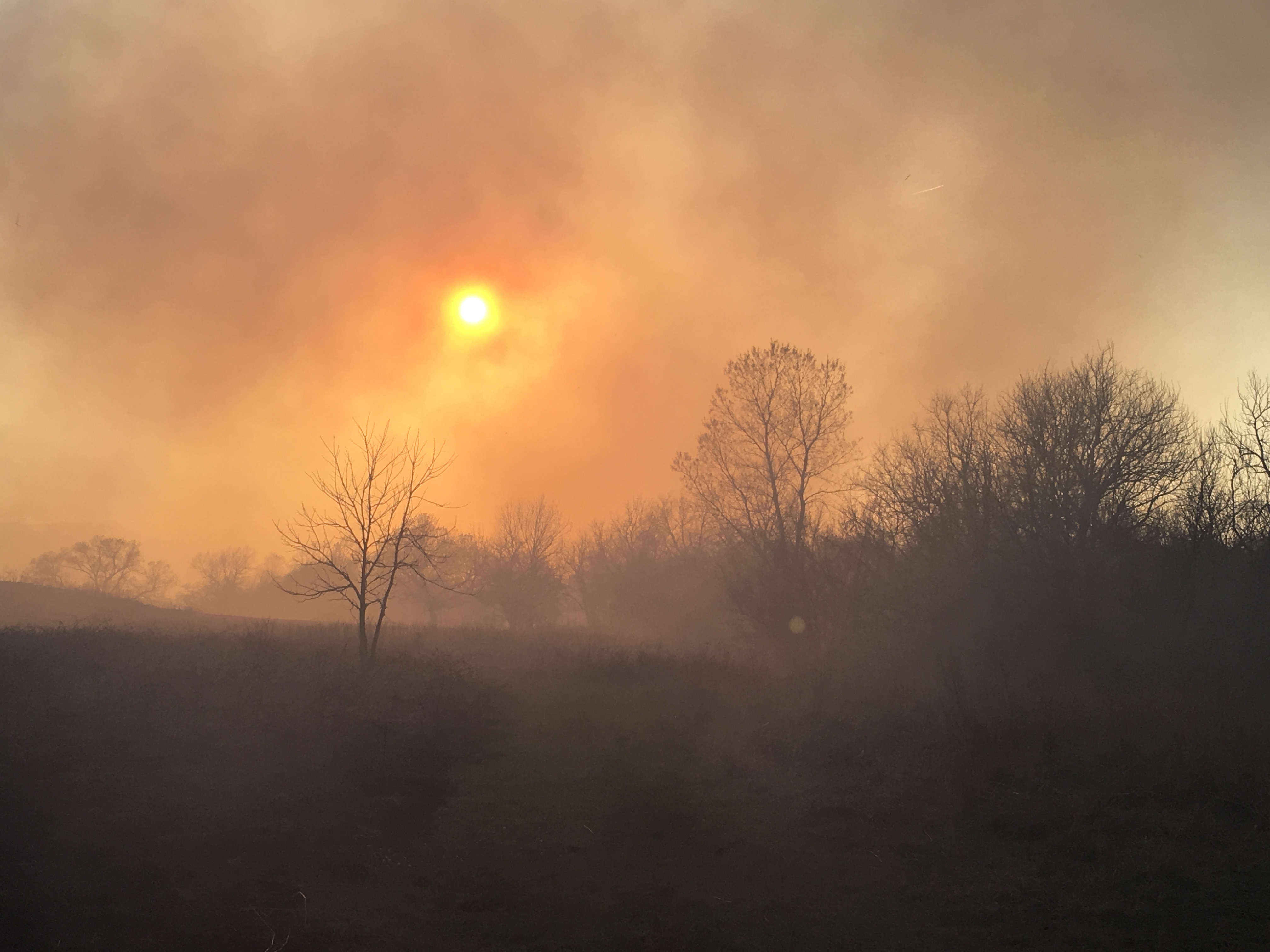
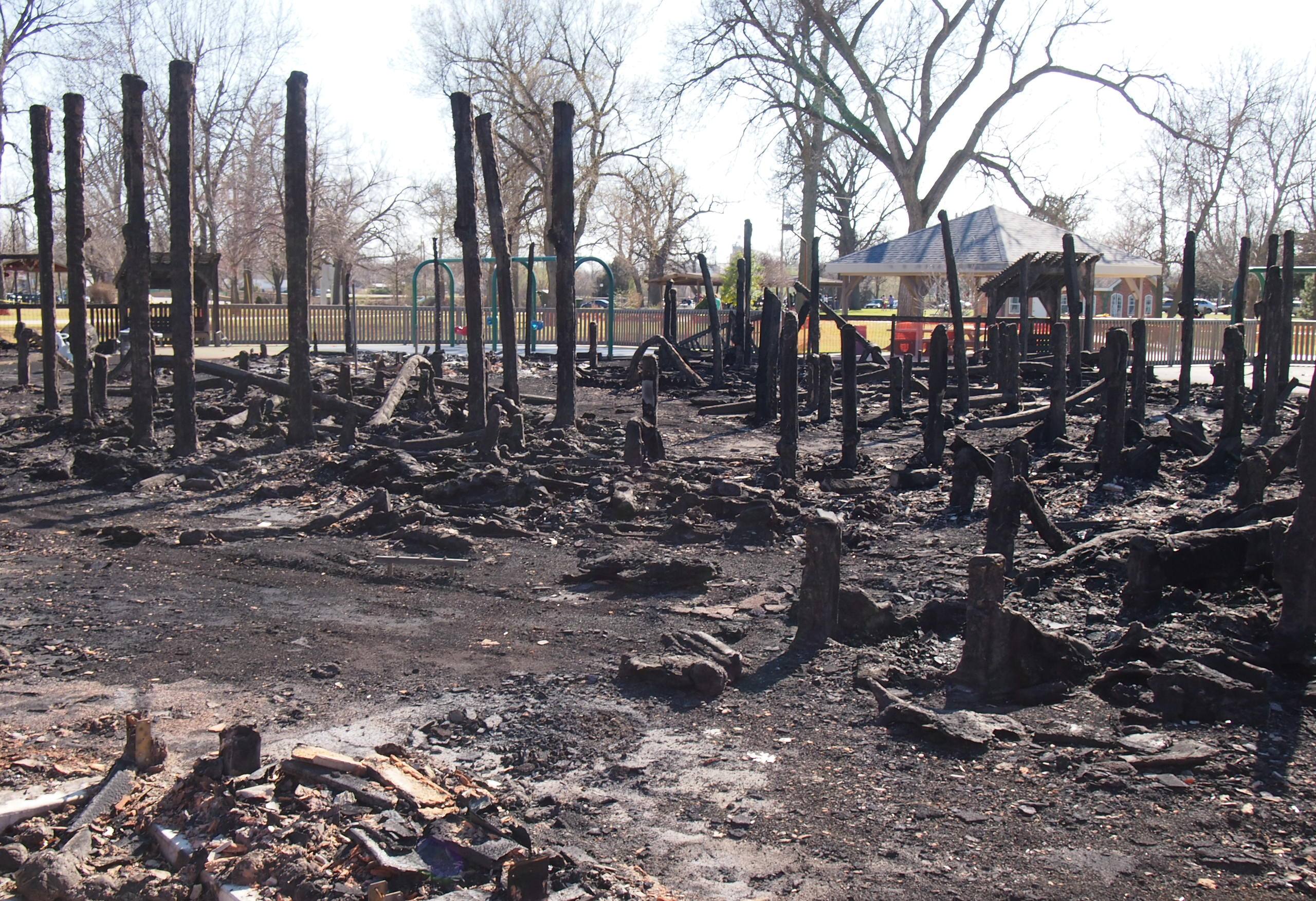
“What about the wildfires?” Every year we hear about more extreme fires. California, Oregon, Texas, Idaho. There have been successive record-breaking fires that started in Oklahoma and raged across the state line into Kansas, burning hundreds of thousands of grass acres, killing animals (including livestock) that were trapped in its path.April 2016, a fire burned over 400,000 acres, the largest blaze ever in Kansas (at the time);  March 2017, 600,000 acres burned in southwest Kansas, people were evacuated from small towns in the area; December 2021—fires in northwest Kansas, fanned by winds stronger than hurricane force, burned 400,000 acres.

Then there were the Canadian fires this summer that burned for weeks, sending ash and smoke into the air across northern US. And Maui—MAUI?? An island in the middle of the Pacific Ocean with a drought and a spark? The death toll from the Maui fire continues to grow.

I tried to imagine what my home county would look like after an extended drought, followed by a massive firestorm. Perhaps lightning would ignite an oil spill created by one of those fracking earthquakes. Add to the mix technology that can’t receive satellite signals, towers that topple in storms, and no way to receive news from the rest of the world.

The field of stepping stones.

What would my piano family do? What would become of them and their pianos? Would it even matter anymore if basic survival was the most pressing need? Unfortunately basic survival is already the most pressing need for far too many of Earth’s creatures, including pockets of human beings.

Thus, Firestorm Sonata was born. My deepest thanks to everyone who begged for another tale, who listened when I felt discouraged, and who offered words that bolstered me to keep on writing. You all comprise the village which raised Firestorm Sonata from a small seed to fruition. May she have wings to take her beyond my imagination and in her own way make our planet and our future a little brighter for all living things.


From Alpha . . . to Omega Part 2

Since I was young, I found peace and unconditional acceptance in the natural world, even in difficult times. Especially in difficult times. During a traumatic adolescence, I surrounded myself with nature in my hideaway room at home. There was a fifty-gallon aquarium, and shelves in the windows filled with houseplants. Some even vined across the ceiling. My own private forest.

In Nature, I found evidence of a supreme being beyond what our senses show. Through countless moments filled with awe and wonder at the mystery of life, of connections with other beings, I grew to love the Earth, its life, and its mysteries. As we approach a precipice of no-return in the global crisis brought on by our industrial and consumer-oriented lifestyle, I feel great sadness, along with deep gratitude for the gift of life itself, and for all the moments when I sense the Beyond through simple contacts with other living things. Climate grief is a true thing.

I wonder what awe-filled moments do you recall that you wish your grandchildren—and theirs—could experience?

Have you ever . . .

Watched an eagle soar and listened to its distant call?

Sat on a trailside boulder and watched an aspen seed float to the ground?

Had a hummingbird check your red bandanna for nectar?

Watched a glacier calve an iceberg?

Heard a rush of wings in the stillness of a heavy mist?

Watched a loggerheaded shrike hang a field mouse on a locust thorn?

Risen before dawn to visit booming grounds of lesser prairie chickens?


Watched a lone prairie dog scamper away from its village into the sunset?

Surprised a family of deer on a winter walk?

Watched a flock of robins sip melting snow from your house gutters?

Walked with a flashlight after dark in September to watch orb spiders at work?

Witnessed a black bear check out the milo fields on the high plains of Kansas?

Heard the scream of a cougar outside your tent in the middle of the night?

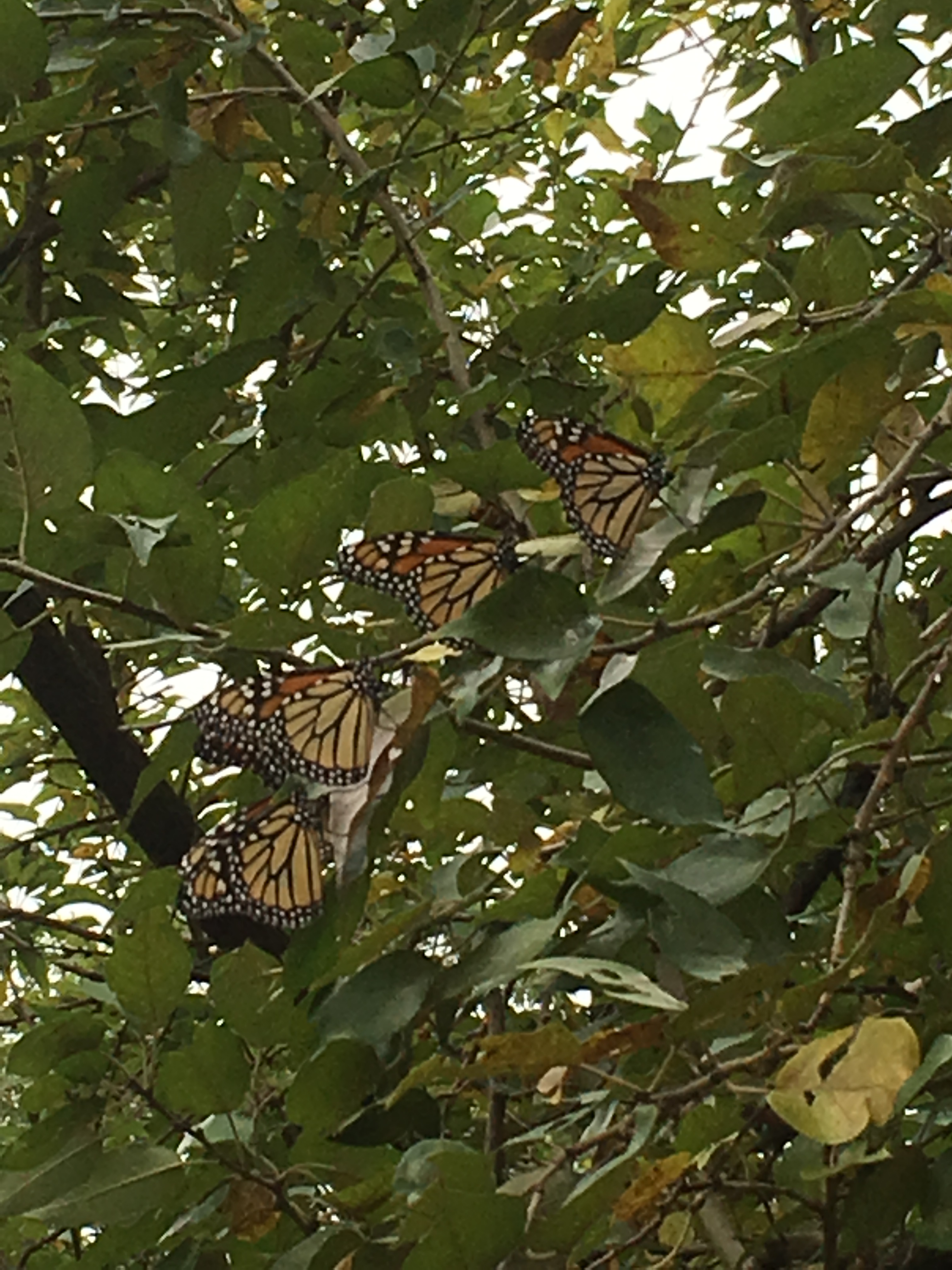
Watched autumn leaves dance with hundreds of migrating monarch butterflies at dusk?

Held a newly metamorphosed moth in your hand and watched its virgin flight?

Heard barking sea lions as they congregated on the shore below the seaside cliff where you stood?

Through six decades, travels from Oregon and California to Maryland and Florida, Minnesota to Arizona, as well as journeys to Japan, India, Hawaii, Canada, Alaska, Cuba, and Mexico—not to mention my own backyard—the wonderments of Earth have held me spellbound in every little nook. With deep gratitude for all I have been fortunate to witness, and with fervent hope that we can stop our catapult into disaster at COP26, I offer Part 2 of the slide show from my younger days. Let humanity not be responsible for the Omega curtain on our gem of a planet.

Music: Beethoven’s Symphony No. 9 in D minor, “Chorale Symphony.”


From Alpha . . . to Omega

A week from today in Glasgow, Scotland, COP26 is set to begin. The 26th Conference of the Parties (COP) of the 1994 United Nations treaty on Climate Change has been called the planet’s last best chance to establish commitments around the globe that will mitigate the worst consequences of human blundering and greed. Glasgow, a Global Green City with plans to achieve carbon neutrality by 2030, is an appropriate location for the conference. Like Greta Thunberg, I have grave doubts that anything pertinent will come from the proceedings.

But, it’s crucial that we take drastic steps to reverse the damage humanity has done to this gem of a planet. Every culture and faith tradition that I know of dictates great honor and respect for the forces that created the living biosphere we call home and rely on for our very existence. My background is the Christian tradition, where in earliest stories, God the divine, the Creator, brought into being the systems on Earth—and saw that it was very good.

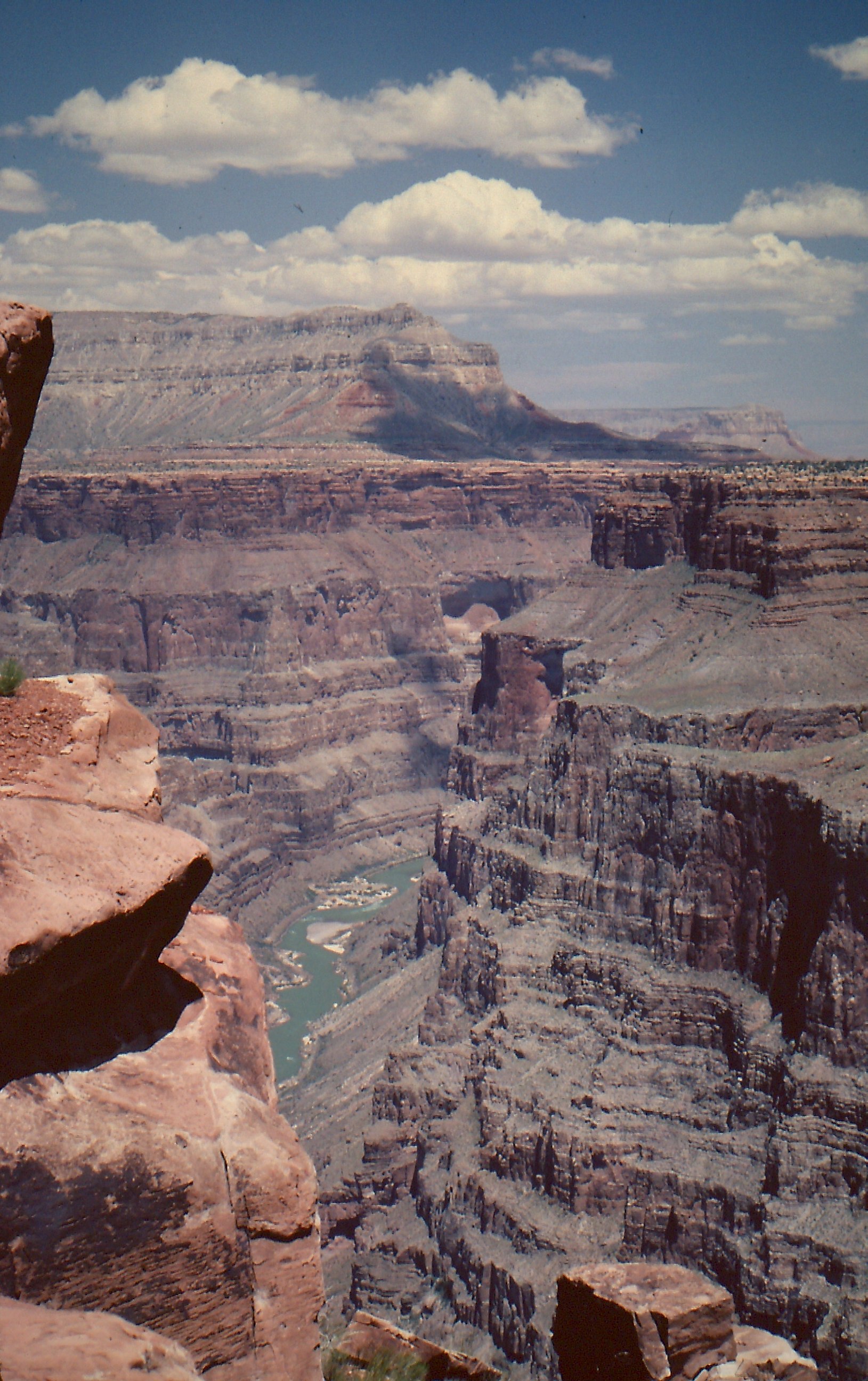
Grand Canyon, Arizona

The greatest crime against the universe is human arrogance and greed that ignores the rest of our brother and sister species to bring about catastrophic change and ultimately destruction of the Earth systems that support all life forms.

I fell in love with nature in my childhood. My parents took us traveling to wonderful places every year and we camped in the wilderness before RV-ing became a “thing.” The church were I learned “God is Love” used beautiful scenic photos on the weekly bulletins, and I wanted to take photos like them.

In college, my best friend (who later became my husband) and I bonded over escapades in natural settings. We reveled in outings where we traipsed joyfully through hills and meadows with our 35mm SLR cameras slung over our shoulders.

The first church we attended as newlyweds was a country Mennonite church in southwestern Kansas. Though neither of us had a Mennonite background, the love, the service, and the music of this congregation provided a perfect support for beginning our married life. For these people, we put together a slide show of our own scenic shots, accompanied by scripture from the Bible. The original show was held in 1978 in a local auditorium, using a Kodak carousel projector and reading scripture at a microphone as we advanced the slides. At the time we thought how nice it would have been to include musical background, but lacked technological skills to accomplish that.

I lost my first soul mate to cancer. A lifetime later, with advancing digital products and home computers, I was able to convert the original 35mm slides to digital format, set it all to music with the help of a tech-savvy stepson, and post to a YouTube video channel.

I offer the show here, for love of the Earth, of Creation, of our gem of a planet which unquestionably deserves better than we’ve allotted to it. As COP26 approaches, can we all agree that Earth is unique in the universe? Can we, out of respect for its Creator and Creation itself, and for love of generations to come—generations of all species that make up our Earth family—commit to protecting and preserving this unique planet which holds mystery and miracles and wondrous splendor?

See Part 1 of the slide show we called “In the Beginning” here, set to Beethoven’s Egmont Overture in F minor op. 84:

Part 2 to come.

Two Hundred and Fifty Years

Today is Wednesday, December 16, 2020. Happy 250th birth anniversary to Ludwig van Beethoven, one of the world’s musical geniuses. I have tried to share some amazing works of this creative master with my piano students through the year. Thanks to the generosity of Carl Martin, some of us attended the symphony in February featuring a guest pianist performing Beethoven’s piano concertos. Each of the students has explored some of Beethoven’s work this fall. We took turns watching a family video called Beethoven Lives Upstairs.

What could have been an occasion for a great musical party is somewhat dampened due to the COVID virus situation that keeps everyone distant. But, Happy Birthday anyway, to a revered composer.

I try to imagine the world when he was born in 1770. That was just a few years before American revolutionaries declared independence from England. As a child in Germany, he could hardly have been aware of the struggle across the sea. But I have no doubt there existed notable unrest in the colonies the year Beethoven was born. In just six short years a new nation would begin, conceived in liberty and dedicated to the idea that we are all equal. It was a grand experiment—government of the people, by the people, and for the people.

Nearly 250 years later, on this day of celebrating the birth of Beethoven, I have to wonder if our country will actually make it another 6 years. The tumultuous last few years leave us as divided as we were when Abraham Lincoln’s priority was to preserve the union. Divisions are less neat this time around, with every city, county, and state in a struggle to retain a representative government for all its varied people.

We have witnessed the erosion of our constitutional principles, mainstream disregard for the voting rights of all citizens, militant objections to election results, and a seditious attempt by many elected officials to overturn the results of our recent election—to deny the voice of the people in the voting process.

While it’s gratifying to know that the electoral college fulfilled its role in confirming the election of the Biden/Harris team, there’s no denying that our new administration will face obstacles no previous incoming team has faced. Ever. In the last 244 years.

Lord, help them.

Not only is this nation deeply divided, we also face dire situations never before seen in the history of humans on Earth. We have desperate climate refugees fleeing homelands that have become unlivable, while at the same time the world’s wealthiest businessmen call for accelerating the depletion of Earth’s available resources in a blatant attempt to exploit nature’s blessings to benefit those wealthy few. We have unjust policies in regards to resource distribution, and disrespect for the limitations of the planet.

The human population on Earth approaches 8 billion people. If every single person were to consume goods and resources at the level seen in North America, we would exhaust five whole planets. Clearly this cannot continue. We only have one planet. The struggle for basic necessities is reaching extreme levels, and this doesn’t take into account other living beings that call Earth home. In the year 2020, we witness continued selfishness and ignorance in the refusal to recognize a planet-wide crisis identified by trained scientists around the world.

There is every bit as much unrest in 2020 as there was in the colonies in 1770. Maybe even more. And I wonder: What kind of celebration, if any, will we face in 6 years? Is our country, a nation founded on democratic principles of government by the people, even going to exist in 2026?

Unless we stop the militias, stop the abuse of our chosen government officials and public servants, stop exploiting the planet’s natural systems, and begin to show a willingness to listen to others and respect their needs, it seems unlikely that we will survive.

Voting With the Voiceless

Sometimes it is next to impossible to feel even the slightest optimism. Days like that—like today—come more frequently as we dig ourselves deeper into the vast chasm of no-return. Then, when I least expect it, Tanna, a breath of hope arrives most unexpectedly. I hope you possess a cheerful, optimistic heart, and that you have the fortitude to hold onto the last shred of hope until the end.

Today, we are three weeks away from the most important election of the last hundred years. This is the last day a person could register to vote in the November 3 election. I hope everyone has taken care to get registered to vote. What if some have overlooked this important date?

I keep thinking about the arrogance—the conceit and spitefulness—of so many of today’s powerful executives, insisting on their right to extract every last bit of natural wealth from the planet for their own gain. The tragedy of this is that they hardly need more wealth in their bank accounts, with billions of dollars already there. They just like to throw around their money-backed power, and ridicule the rest of us. Let the future go to hell, as long as they can watch figures accrue in their un-taxed accounts.

It is so important to change the way our government rules the corporations, for the sake of all of us, successive generations, and for all the life forms on the planet. There is a growing movement to secure basic rights for nature in scattered places around the world. Ecuadorians even wrote it into their revised constitution. It’s an uphill battle here in North America, but as Thomas Berry wrote, “We must now understand that our own well-being can be achieved only through the well-being of the entire natural world. . .”

What, exactly is the concept “Rights of Nature?” From the website of Global Alliance for the Rights of Nature (GARN: www.therightsofnature.org) it is the recognition and honoring that Nature has the “right to exist, persist, maintain, and regenerate its vital cycles.” Our ecosystems and their elements—including trees, water systems, animals, and the land itself—have rights just as humans do in our judicial system. All life on Earth is deeply connected.

Years ago, I attended several family-oriented seminars designed to help parents discover the values and strengths that give purpose to their family, as well as to individuals. Through the seminars I understood that my life’s purpose lay in writing, since I had been occupied in pursuits to discover, preserve, and creatively express the beauty of the world around me all my life. I also realized that I am most satisfied when I lend aid, support, and encouragement to others, including elements of the wilderness. I seek to gently support the inner greatness of those with little voice.

That would include Nature, and the entire web of systems that all life forms rely on for sustenance. And that, Tanna, is why I’m working like never before to support candidates who are aware of the environmental risks we face, and willing to listen and work for climate solutions that will benefit every one of us.

This election, I start with Ken White, the musician. Not only has he worked as a professional entertainer, he and his wife Robin Macy together manage the Bartlett Arboretum, one of the natural wonders of Kansas, a thriving oasis that is on the National Register of Historic Places. Someone that close to the heartbeat of the earth, with mottos of “Loyal to Local” and “People Over Politics” surely has the determination to act with the future in mind.

In an online rally, Laura Lombard, a candidate for the US House of Representatives from the local District 4 in Kansas, explained her three top priorities. One was to bolster the economy of rural areas. Another was to make sure everyone had access to affordable health care.

And the third priority she mentioned was the climate crisis. As mother to a toddler, she is worried about what the world will be like when her son grows up. With some creative work, some of her concerns can be solved together. New jobs can be those which benefit the local environment.

The League of Conservation Voters and Natural Resources Defense Council endorsed Dr. Barbara Bollier for the US Senate, two more reasons to support Dr. Bollier. It was thrilling to participate in an online rally jointly sponsored by those groups where they highlighted the environmental statements of six Senatorial candidates around the nation. Dr. Bollier was one of those. And after they spoke, Paul Simon picked up his guitar and sang good old songs from an age long ago.

The Joe Biden/Kamala Harris team has a plan to rebuild crumbling infrastructure, at the same time creating millions of new jobs in the alternative energy and environmental fields. Win/win, right?

These candidates in the upcoming election represent what is best for the people, the nation, the land, and the world, not merely what is best for the millionaires who finance campaigns of their opposition. May the peoples’ candidates prevail! In three weeks, we will know.

One of my life values is harmony. I suppose that could coincide with my musical interests and career as a piano technician. Let’s get rid of the dissonance. (Tune that piano.) Let’s get rid of the obstinate governing bodies that do very little beyond argue with each other—tune that government!

Tanna, with my focus on harmony, I abhor confrontation. I shy away from disagreements, even though I hold some very firm beliefs about where we are and where we should go. To post my support of the green candidates at various levels of government was a big leap in my playbook. I usually don’t do things like that. But this year, it’s too important not to take a stand. If we don’t change our direction—NOW—there will be no tomorrows to look forward to. That’s why we posted signs for our candidates at the end of our driveway. And it’s why I have added bumper stickers to my car.

My heart pounds a little harder whenever I leave home. We’ve been pumped so full of mistrust of each other that I would not be surprised to be challenged by some belligerent, bearded, gun-toting white man. But I must do it anyway. The time has come—indeed, is long past—to take a stand. With my own perceived life’s purpose, I must vote for the Earth, for all the trees, and wildlife that have no vote, nor voice. As Thomas Berry pointed out decades ago, and others even long before that, without nature we are nothing.

Day 5: Never Lose Hope

Dear Tanna,

I have limited experience with hospice workers. My mother was on hospice before she died and my dad was deeply grateful for the compassionate assistance the workers brought to their home. This concept of providing dignity to those facing imminent death is fairly recent. There was nothing like that available for me three decades ago when my husband struggled with cancer.

It seems somewhat audacious, maybe even preposterous, to think that those responsible for the decline of our planet’s life systems would dare to consider themselves hospice workers. How could agents of death possibly bring compassion and dignity to the decline of the climate conditions that support all life forms on Earth?

When I am in a down mood, I see humanity as a species that needs to go, in order to save the rest. Nature needs to eliminate her threat and we are the major cause of today’s destruction. Those who care seem to have little influence on the those in leadership positions. We are caught in a system that we cannot seem to change, trapped like animals in a live trap.

As a young widow, years ago, I taught earth science at the local high school when I was struggling to find a new life and purpose. I tried to infuse awareness of the decline of the environment in the teenagers. Considering all of geologic history, today’s situation apparently is not the first time that a life form created mass extinction through its waste products. The waste product for early single-celled life in the oceans was oxygen. Through proliferation, the simple metabolic processes of early life changed the composition of the atmosphere, paving the way for new life to evolve.

Geologically and astronomically speaking, our solar system is roughly halfway through the sun’s expected life. Given a few more billion years, there should be plenty of time for new life to evolve from the scraps left after this climate crisis settles into a new equilibrium. Am I comforted by this thought?

I have mixed feelings about it. When I watch neighbors roar past my Prius on the highway in 4-wheel drive fuel-guzzling pick-ups, or watch Styrofoam cups blow into the tall grasses along the road, or see trash, littered by passing motorists, build up around our small pond at the corner of two paved roads, I think to myself, “Humans are such slobs. Maybe it’s time. Nature is out to rectify our wrongs.” If we view the entire planet as one living organism, we humans, through our collective ignorance and apathy, are a disease to the planet, like its terminal cancer.

Then I talk to cherished friends who suffer anguish at the exploitation of the natural world, or I work with my piano students to help them master skills that will enable them to express themselves through music, or I watch my grandson playing with the baby goats in our front yard, and I am reminded that “We aren’t all bad.”

The eras of geologic history are separated by mass extinctions, as witnessed in the fossil records. PreCambrian, Paleozoic, Mesozoic, Cenozoic. Based also on the geologic record, the previous eras were millions of years in duration. We are responsible for the mass extinction we are witnessing now, and it’s happening much more rapidly than any we have evidenced in the rock records. If we compare all of geologic history to a half-mile walk, humans appeared mere inches before the end that represents today. From the first appearance of a human to now encompasses a few seconds on a 24-hour clock that represents Earth’s history.

To disregard and exploit everything on the planet for selfish reasons, with no check on ourselves, empathy for other species, or consideration for future generations, has got to be the biggest crime against this remarkable and fragile speck of a planet in the cosmos. We are guilty of that crime. Our lifestyles trap us in a system that is dooming life as we know it.

Nobody knows what will come of the situation we face today, but I have to wonder how we are any different from those early single cell life forms? One way is this: We know what we’re doing. Science has instruments to measure the health of our planet, and to record its ruin. Yet we seem unable to stop our actions. Assuming that the early life lacked thought processes and their waste contamination was purely accidental and a product of their success, I have to think this is vastly more irresponsible. To know and not to take steps to stop the atmospheric decline surely is an unpardonable sin.

Tanna, with the weight of this responsibility on our shoulders, how can we possibly presume to act as hospice workers in Earth’s decline?

I struggle to remind myself that we humans are as much a part of the universe as the meadowlarks and coyotes and deer and butterflies. And I also remember, through my mother’s experience with hospice, that it’s entirely possible to reverse the diagnosis. Mother was admitted to hospice, not once, but three times before she passed from this life. The first two times, she got better and was released. So hospice doesn’t always carry despair and finality with it. The challenge becomes restoring dignity, and easing the decline. Maybe—maybe—with enough of us working toward a solution, we can drawdown the greenhouse gasses in our atmosphere and restore the climate to one where life as we know it can thrive.

Hope is the other part of hospice. We must never lose hope. That’s why I’m writing these letters to you.

I love nature for the answers it suggests. How do we move towards the light? The prairie suggests, no matter how bad things may look, “Bloom anyway.”

Ralph Waldo Emerson suggested that “Earth Laughs in Flowers.”

I don’t laugh often enough, but when I do, it’s wonderful. Laughter is healing, as documented by Norman Cousins when he postponed his predicted demise by embarking on a process of regular daily laughter. Perhaps we should all do what we can to encourage flowers to bloom, to tickle the planet and laugh with nature.

I think it’s unlikely that any one effort of mine will make a difference for the planet. However, added to other efforts, we will make a difference. Maybe individual actions don’t matter much, but they count for something. If we do nothing, we are part of the problem, not part of the solution.

This is absolutely an exciting time to be alive. We are on the edge of tomorrow, of a time when the course of history will be determined by our collective actions. Will we prevail? Will we assist nature to overcome this dire threat?

One thing that I plan to do very soon is vote. I will vote for candidates who are on the record for their commitment to act for the climate. I will vote for the Earth.

In the end, everything that we do matters. Every decision we make, every product we select, and every choice we make to fill our minutes will matter for the future. Through action, hope is born and hope is crucial to redemption. Never forget that. Never lose hope. To do so would cement the terminal diagnosis of the planet.

With enduring love,

Your seventh-generation Grandmother


Day 4: Hot Buttons and Getting Hotter

Dear Tanna,

The top priority in changing the course of our nation for some people is to abolish abortion. But I don’t think it’s that simple. Abortion is not an either/or issue, not simply “yes” or “no.” It’s not black and white. There are many shades of gray. There always are with complicated issues.

For me, the environment is the hot button issue. Exploitation, degradation, and destruction of the natural systems we all rely on for basic necessities are the biggest problems we face. Environmental destruction will destroy us, if we don’t hearken to the urgency. And then it won’t matter if women can govern their own bodies, or if we can shop for the latest fashions, or a new car, or even if we have enough to eat.

It. Won’t. Matter.

My love of the natural world goes back to my childhood. We traveled and camped every chance we had, all over the western states. I hope, Tanna, that you will have access to the amazing redwood forests like I did. I hope you will experience awe as you look over magnificent mountain scenes, canyons, rivers, and oceans of grass. This is truly a remarkable land and I hope we find the ingenuity—and the will—to preserve it far beyond your generation. Like every other child, you deserve the chance to feel wonder at the annual butterfly migrations, to catch your breath when an unexpected wild visitor turns your head, to watch a white-tailed deer chew its cud, to fill your lungs with fresh, clean air in an autumn breeze.

The concern for our wanton destruction and exploitation of nature is not new. It was well documented before I was born. By the time I entered college, there were ecology classes focused on our careless destruction of the natural world, and what that would inevitably mean to every living thing on the planet.

We are some of those living things.

To me, nature is teacher and healer, a holy place where I retreat to seek the divine. Nature can be that for you, also, if you learn how to listen.

I once watched an exhausted moose lunge through shoulder-deep snow and I learned the dangers of choosing an easy path. In a downpour I heard the rain plummet from the heavens and it spoke to me of cycles in life. I watched a family of ducks chase madly from one point to another and back again and I saw human fads and opinions mirror the whimsical parade of a flock of ducks. I watched my best friend waste away in a losing battle with cancer and I understood how the growing demands of humanity sap the vitality of our home planet in a similar fashion. Meadowlarks leapt into the wind so they might gain lift and fly away. And I learned I must face the adversities in my life before I could ever rise above them. A stately and beautiful tree crashed to the ground in tornado-strength straight line winds, and whispered that sometimes our roots will not be able to support us against a barrage of adversity. Messages arrive on the dust of a sunbeam and the wings of the wind.

Long ago, I read books by Thor Heyerdahl. One was titled Fatu Hiva: Back to Nature.  In the narrative of his return to simple life on a remote island, he described the music he found in nature. “There is fine music everywhere in nature between moss-covered stones and foliage. . .The lights, the colors, the sounds, the perfumes, the touch, the shapes were never the same, and were always playing on our minds like a vast orchestra. We could hardly take in more music—and I do not mean the singing of birds and the tinkling of a rivulet: . . .I mean music beyond the eardrums. We have had to create flutes and violins to leave impressions deeper in than the eardrums, where nature used to play.”

The musician inside me revels in the symphony of nature. I have delighted in taking piano students (and a grand piano) to outdoor recitals where every piece they played showed a musical glimpse of nature. Everything we humans have created has its source in nature, one way or another. I cannot find words to describe that inner union of my consciousness with the constant prairie symphony in my backyard. Without nature, I would be nothing.

Nature is not exactly constant. It is, if anything, constantly changing, providing variety in daily life. Even the sky presents many faces and no two are the same. We see a lot of sky out here above the prairie. It is our grandiose landscape. Clouds provide our mountains, the earth propels us forward, and the view changes hourly.

From observing my grandchildren, I realize fresh eyes see things as new and wondrous, no matter how much they have changed in my lifetime. My wish for my grandchildren—times seven generations and more—is that they never lose a sense of wonder. Natural processes continue. Even the Earth’s response to humanity’s bludgeoning of the biosphere is Nature’s way to restore a sort of balance. What will emerge from this process is something I can’t imagine, but will be awesome in its own right. Perhaps your generation, if there is one, Tanna, will be able to answer that question.

In the evolution of homo sapiens, our intellect seems to have surpassed our compassion. We have developed the ability to manipulate the physical world—to the point where we even create earthquakes—but not the will or the heart to care enough to halt in our tracks and find another path, a better path, a path that leads to sustainability and life for future generations.

Currently I am dealing with a sense of profound loss for what I once knew the natural world to be. In some ways, this can be compared to the radical loss a person feels after the death of a spouse and soulmate. The loss of a spouse is a radical loss, tearing a hole in the fabric of your being. You not only have lost a person, a partner, and a friend, you have lost a marriage, a relationship, the shared experiences, the dreams and plans you made together. Everything—Yes EVERYTHING—has changed.


What do you do? Widowhood can become a very empty place. In some respects, the changes occurring on Earth are like witnessing the last agonized moments of a beloved soulmate. Many of us are grieving already, to the point where we are paralyzed by hopelessness and inaction.

Grief is not possible without love. And, perhaps, love is not possible without grief. If you never feel sad, lonely, or in despair, you will never appreciate the times you feel ecstatic and joyful. I treasure the joyful memories of a vibrant natural world. The process of working through the sense of loss makes me wonder many things. Are things so far gone that there is no hope? In our final attempts to right the wrongs of humanity toward nature, are we merely playing as hospice workers in a futile attempt to ease that final decline?

“Hospice care is a special kind of care that focuses on the quality of life for those who are experiencing an advanced, life-limiting illness.” How can one person provide this kind of care for an entire dying planet? How can thousands of us? Millions? How can we restore quality to the living systems surrounding us?

That is a huge question. I think the answer begins with hope. And I will tell you more about that tomorrow.

With my enduring love,

Your Seventh Generation Grandmother

Day 2: The Power of Love

Dear Tanna,

I wonder where and how you live, so far removed from my own reality. Are there crowds around you? Or has the human population declined? Do you live isolated from communities? Or do you live in a town? Or a city? Is there any countryside left?

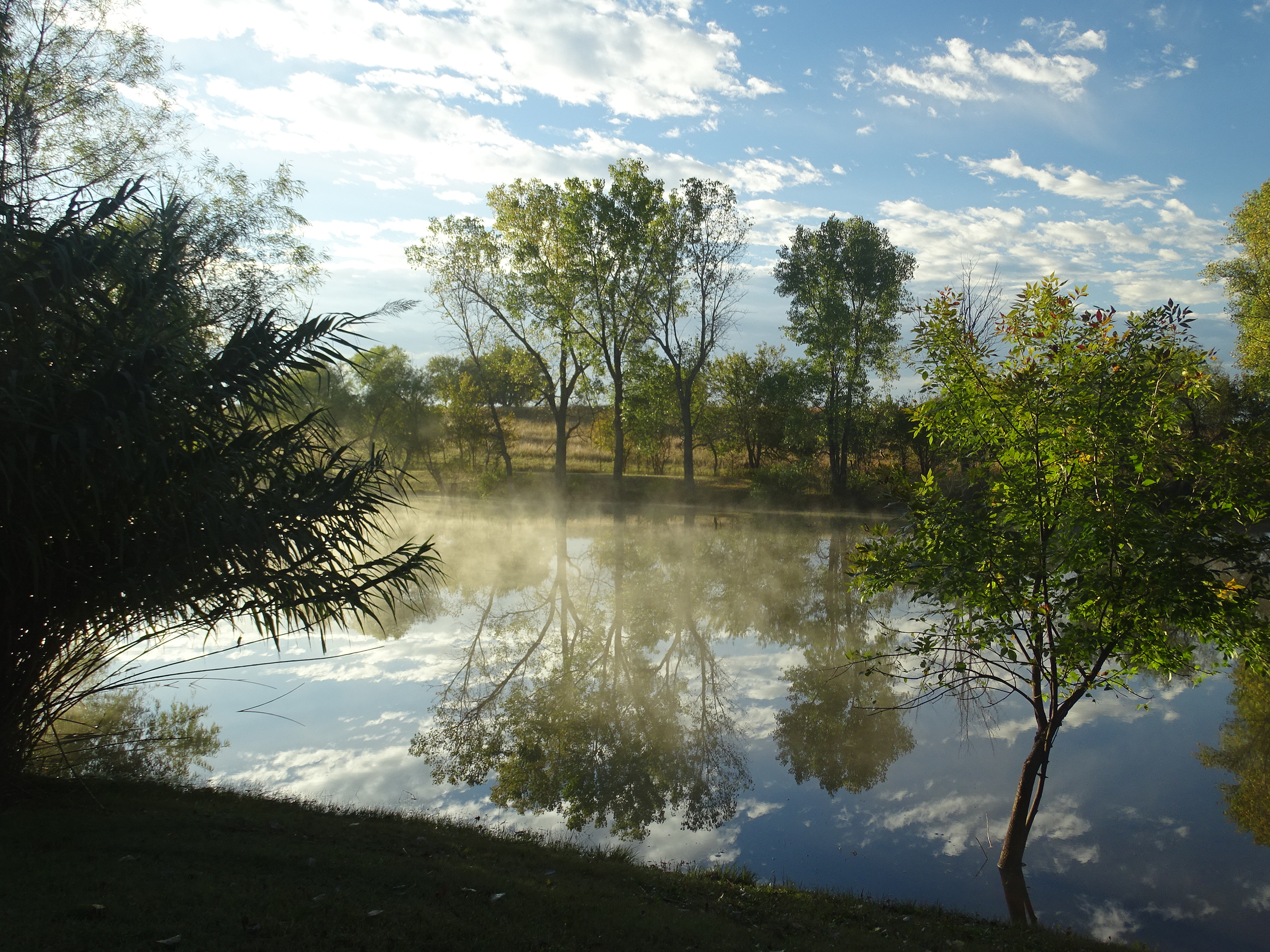
We live on a small farm, with a picturesque pond in our front yard. A few years ago, our daughter brought half a dozen ducks and they provided passing entertainment through the years. Ducks can be hilarious when you watch them.

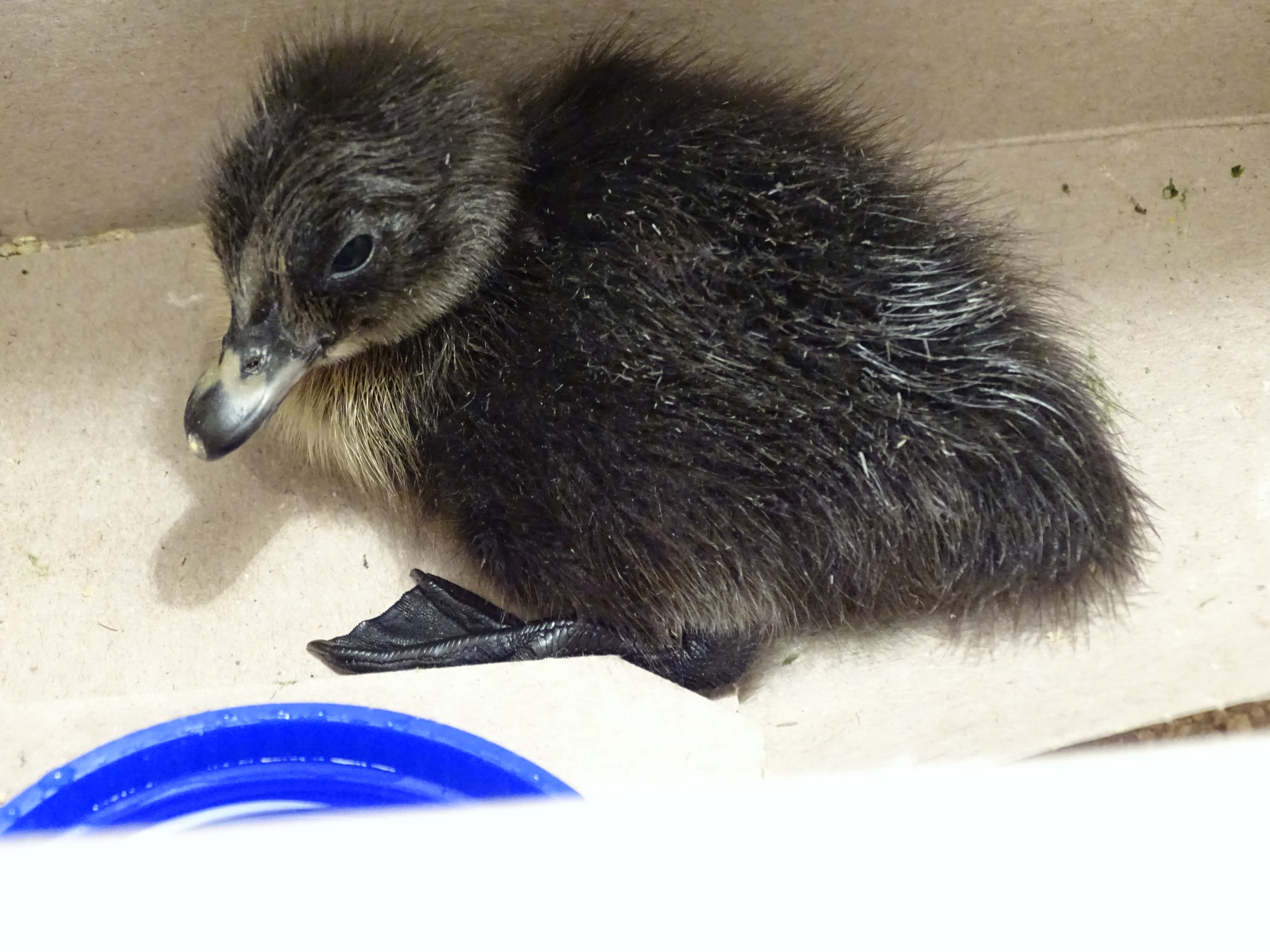
But they provided moments of introspection as well. Sometimes a duck will successfully hatch a clutch of eggs and it becomes imperative to herd them into the hen house for their own protection. This world is a big bad place for a baby duck—cats, coyotes, turtles, skunks, opossums, and even duck siblings make survival a real challenge. Hazards await even in a hen house.

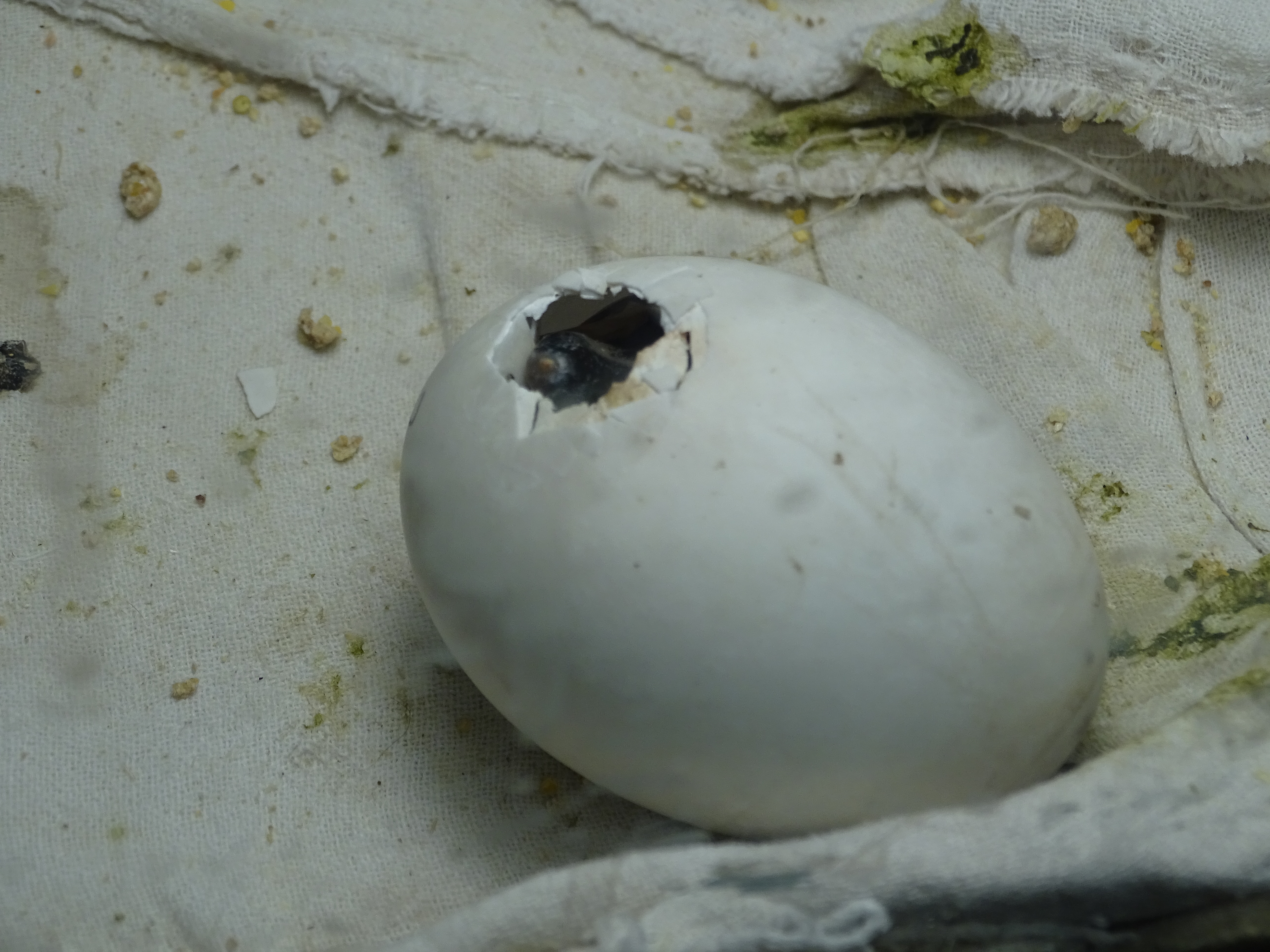
Baby ducks are some of the cutest things! But messy. With a capital M. And they grow fast. After incubation, when that first chip appears on the egg shell, you wait and watch with bated breath until the little duck fully emerges. I am astounded at how compactly they curl into that little egg.

But the ducklings don’t always make it to adulthood. One morning I arrived in the hen house to release the fowl for some sunshine in the fenced yard, and found one little duck dead in the corner, smothered by cuddling ducklings during the night. I lifted that limp little body. Recently vibrant, it had peeped to its mother duck, and ran to keep up with her. And now—nothing. The body was the same perfect little miracle, but the spark of life was gone.

Life truly is a mystery. You could have all the right ingredients, a perfect physical specimen, but without that spark, there is nothing. When I held my own newborn daughter, I felt reverence for the spark which filled her perfect little form with life, so recently infused from the great mystery, so close to the Divine. I closed my eyes and breathed in the miracle, a prayer of awe and gratitude swirling in my mind.

I have been reading more than usual these last months, due in part to the slower pace of life brought on by the COVID 19 pandemic. One book, Eyes to the Wind, was written by a young man named Ady Barkan during the time he suffered with declining health due to ALS, a dread disease which in my time is a certain death proclamation. In your time, Tanna, I hope this disease has become non-existent, but today it is an incurable descent into neurological and physical hell until only the eyes can be controlled by the spark of life trapped inside the withered body.

Technology has provided remarkable possibilities for someone diagnosed with ALS. Ady described his excruciatingly slow writing process, with a special computer mounted on his wheel chair that tracked his eye pupils to identify letters, one-at-a-time, through infrared light. He finished an amazing book this way.

Tears filled my eyes as I visualized his painstaking process. He was still there. His essence remained vitally alive, trapped in a shrinking world. When the control he exerts over his eyes disappears, the essence of the man will be vitally alive, screaming silently inside his head.

I thought of that duckling and began to wonder if the essence of Ady wouldn’t even still exist after his physical self dies? What will I discover about my own spark of life as I pass from the physical realm?

With more final farewells than I care to count in my own life—family members and friends, including two infant children, my first husband, my parents, grandmothers, fathers-in-law, friends—I ponder their sparks, their essences. Instead of simply being squelched like a candle flame in the breeze, their essences returned to the mysterious invisible divine pool, an ocean of love. They are with me still, swirling and caressing, whispering encouragement as I scratch words across this page.

It’s not a big leap of faith to include my grandmothers and grandfathers back seven generations when our nation was still young. The essences of Charley and Frank, Wiley, Eliza, Alma, John, William, Clarissa, Edwin, Edith, Thomas and even another Ann swirl around me—people I never met but who contributed to my own life and breath. And it’s not such a stretch to think that the coming generations swirl in that ether of love, all the way through seven to you, Septanna. You also are with me as I write today, the mystery and miracle of life to come.

I keep thinking of the miracle of life during these days of vicious campaigning. We get hits several times a week in the postal box or on our phones from groups bent on spreading blatant lies about candidates we favor. I hope my friends and neighbors can see through the propaganda. When one candidate has nothing specific to offer besides lies about the other, that is called negative campaigning. It lacks integrity and makes me angry. Why not explain what you have to offer instead of slander your opponent? Voters should go to the source and seek the “rest of the story.”

Take Dr. Barbara Bollier, for example. I heard her speak. She’s intelligent and compassionate—hardly the extremist the other side claims. Dr. Bollier is a physician whose focus in life is to make things better for people. She wants to heal the ailing government. The opposition calls her an extremist liberal. How they come up with that is beyond me. She recently left the conservative party due to its extremist demands.

They say she wants to take away guns, but she herself grew up hunting with her family. She is not anti-gun. She wants common sense gun control to protect children, and to keep firearms away from psychotic shooters. She wants to save lives. Who can argue with that?

They say she is in favor of late term abortions, when in reality, she voted against an late term extremist abortion bill because it was based on flawed science. It also represented an unconscionable intrusion into the patient/physician relationship by government.

If we acknowledge that every life is unique, does it not follow that no two pregnancies are the same? You can’t have a one-size-fits-all policy for pregnant women. If something goes deadly wrong in an unborn child’s development, there need to be options—legal, safe options, offered with love and compassion to a mother already in anguish. As a woman, physician, and mother herself, Dr. Barbara Bollier understands this. Furthermore, given our ailing atmosphere, chemically ridden food, and poisonous water supply, the chances of severe birth defects increase as the environment degrades. There must be options for desperate, grieving families.

For many voters in today’s world, abortion is a hot-button issue. I suppose we all have them. For me, the climate crisis we face overshadows every other issue. If we cannot arrest the degradation of the living planet, nothing else on the list of issues matters. Dr. Bollier has been endorsed by environmental groups. That matters to me. I want you to have a healthy world in your time, Tanna.

The most powerful force in the universe is Love. We’re surrounded by love, the essence of our ancestors and departed loved ones. And there is a big difference between loving compassion and regulating life through legislation. Dr. Bollier is correct. The government should stay out of medicine and leave it up to trained physicians.

And so, I plan to vote for Dr. Bollier this November because of her common sense, and her compassionate approach to the current issues. I hope she wins.

You are out there, Tanna. I lift my affection on the winds of the Spirit to touch you in the unrealized future domain.

With my enduring affection and best wishes, Your 7th Generation Grandmother.