Day 4: Hot Buttons and Getting Hotter

Dear Tanna,

The top priority in changing the course of our nation for some people is to abolish abortion. But I don’t think it’s that simple. Abortion is not an either/or issue, not simply “yes” or “no.” It’s not black and white. There are many shades of gray. There always are with complicated issues.

For me, the environment is the hot button issue. Exploitation, degradation, and destruction of the natural systems we all rely on for basic necessities are the biggest problems we face. Environmental destruction will destroy us, if we don’t hearken to the urgency. And then it won’t matter if women can govern their own bodies, or if we can shop for the latest fashions, or a new car, or even if we have enough to eat.

It. Won’t. Matter.

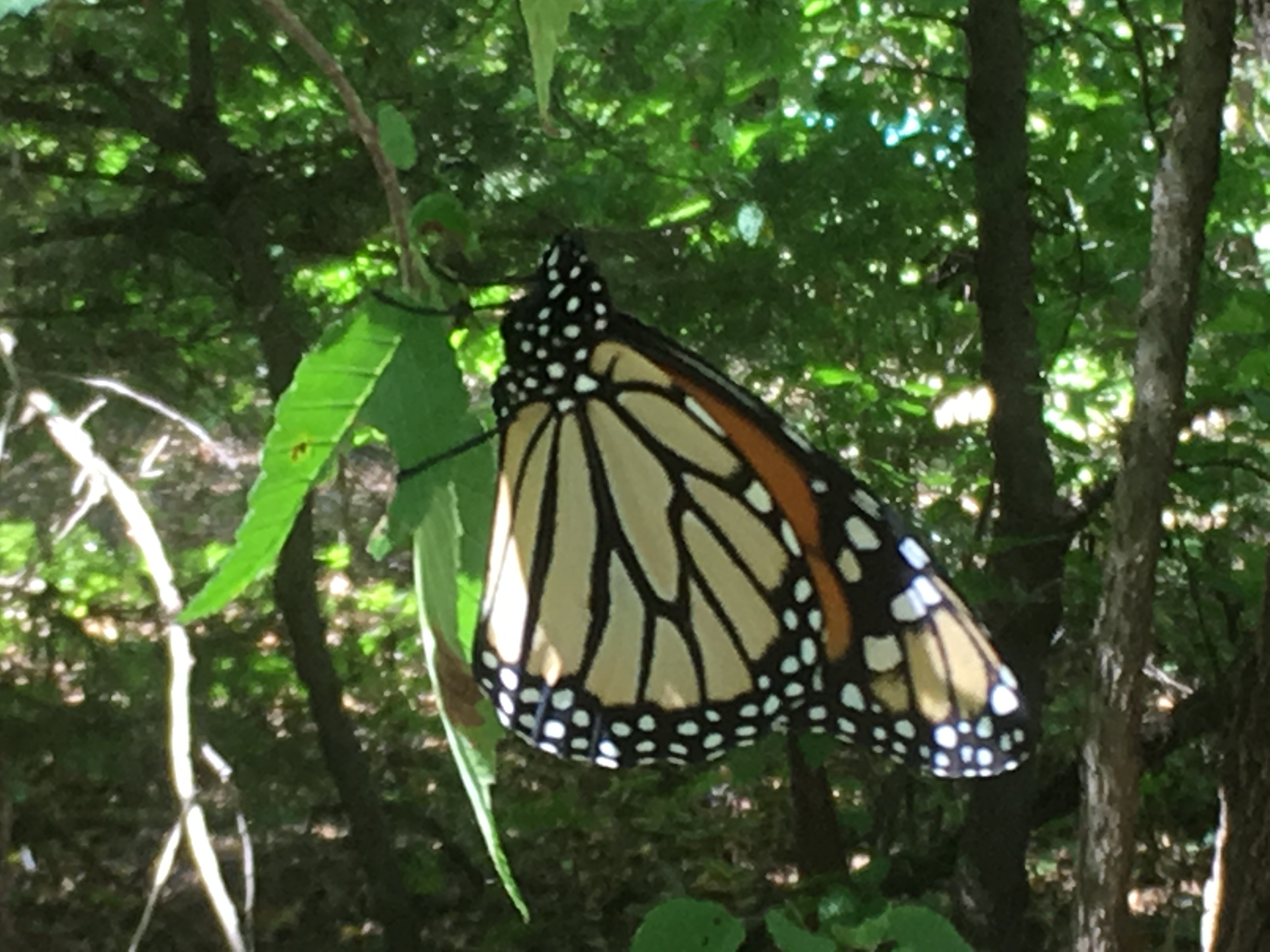
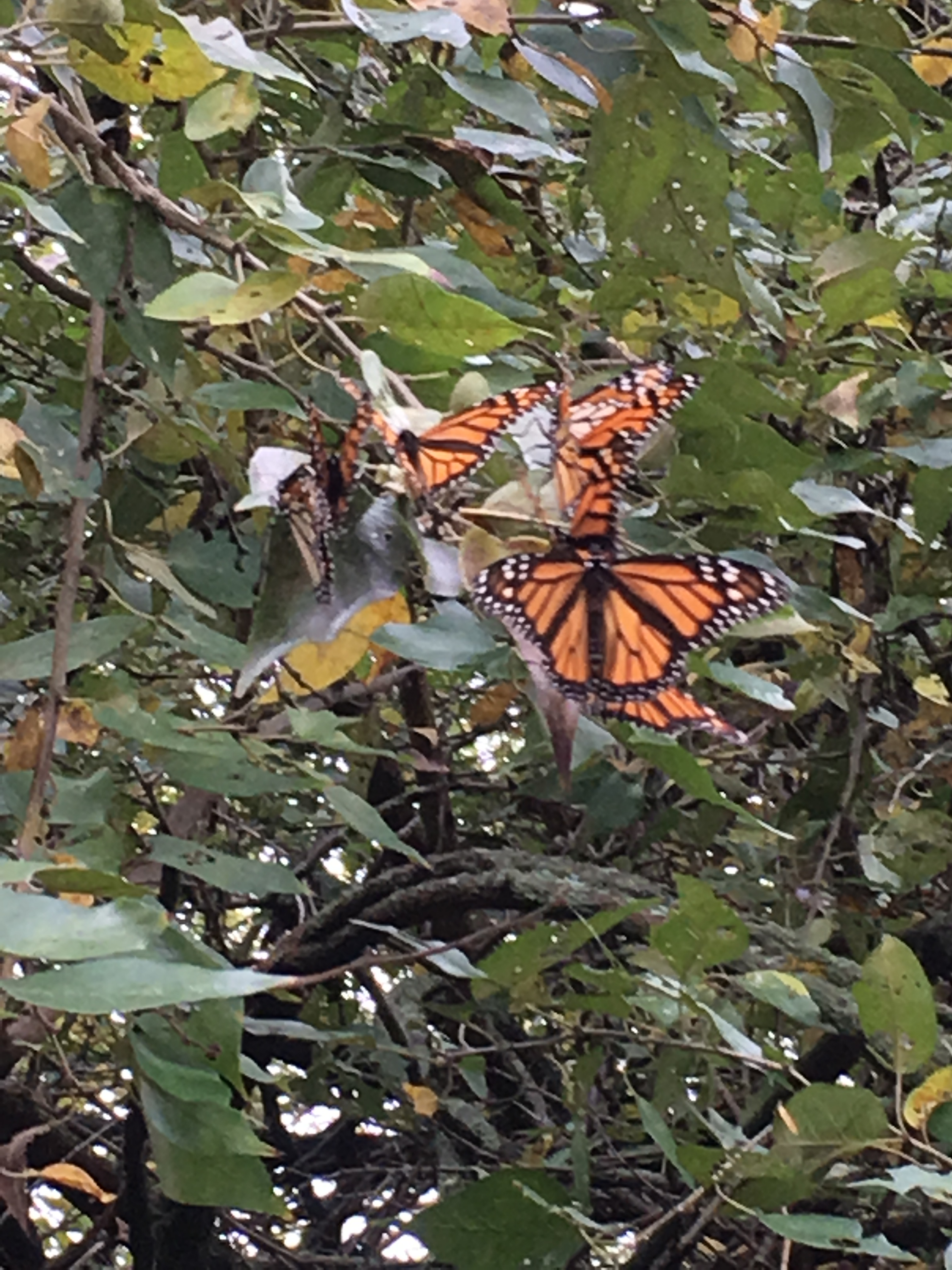
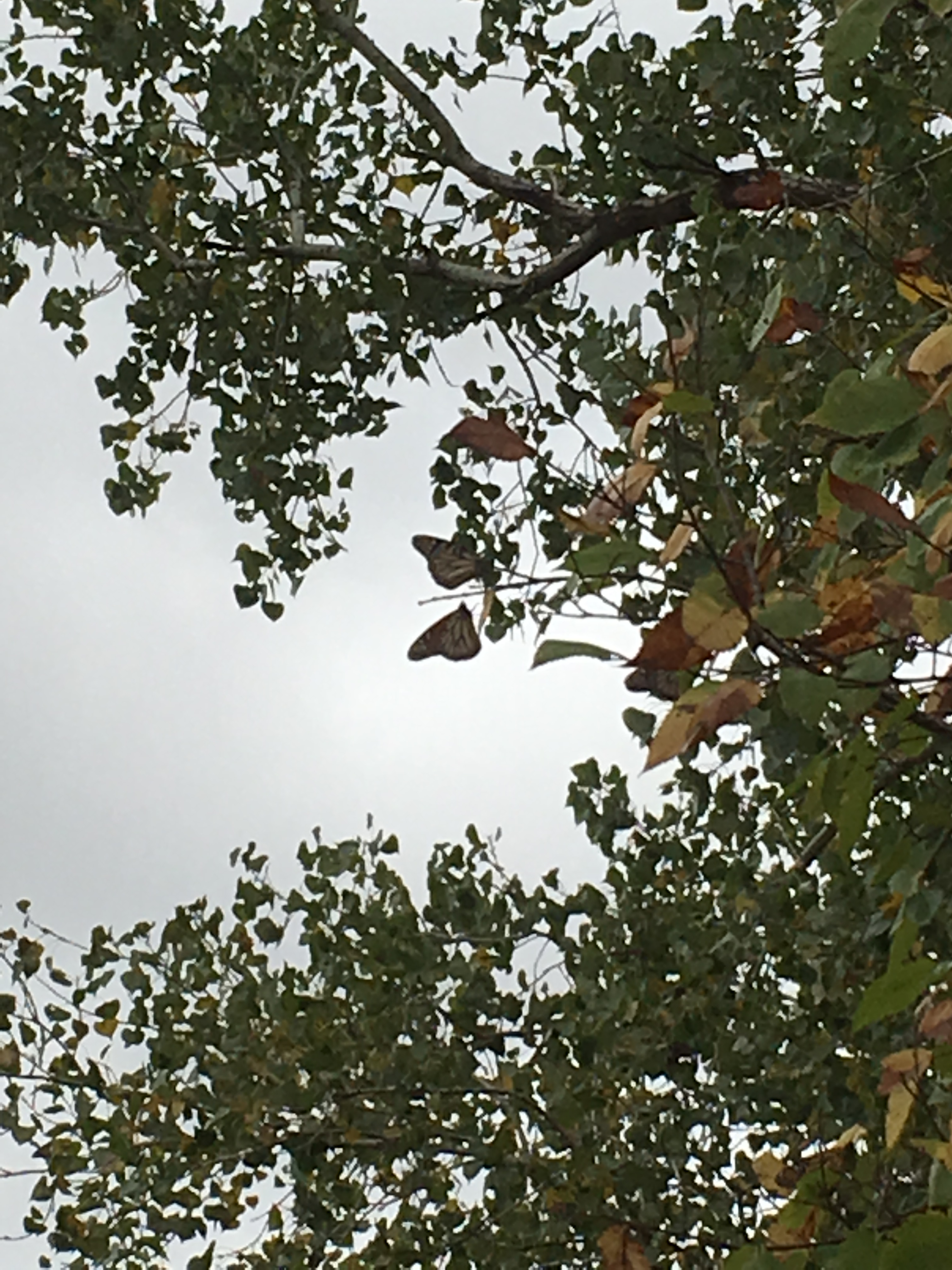
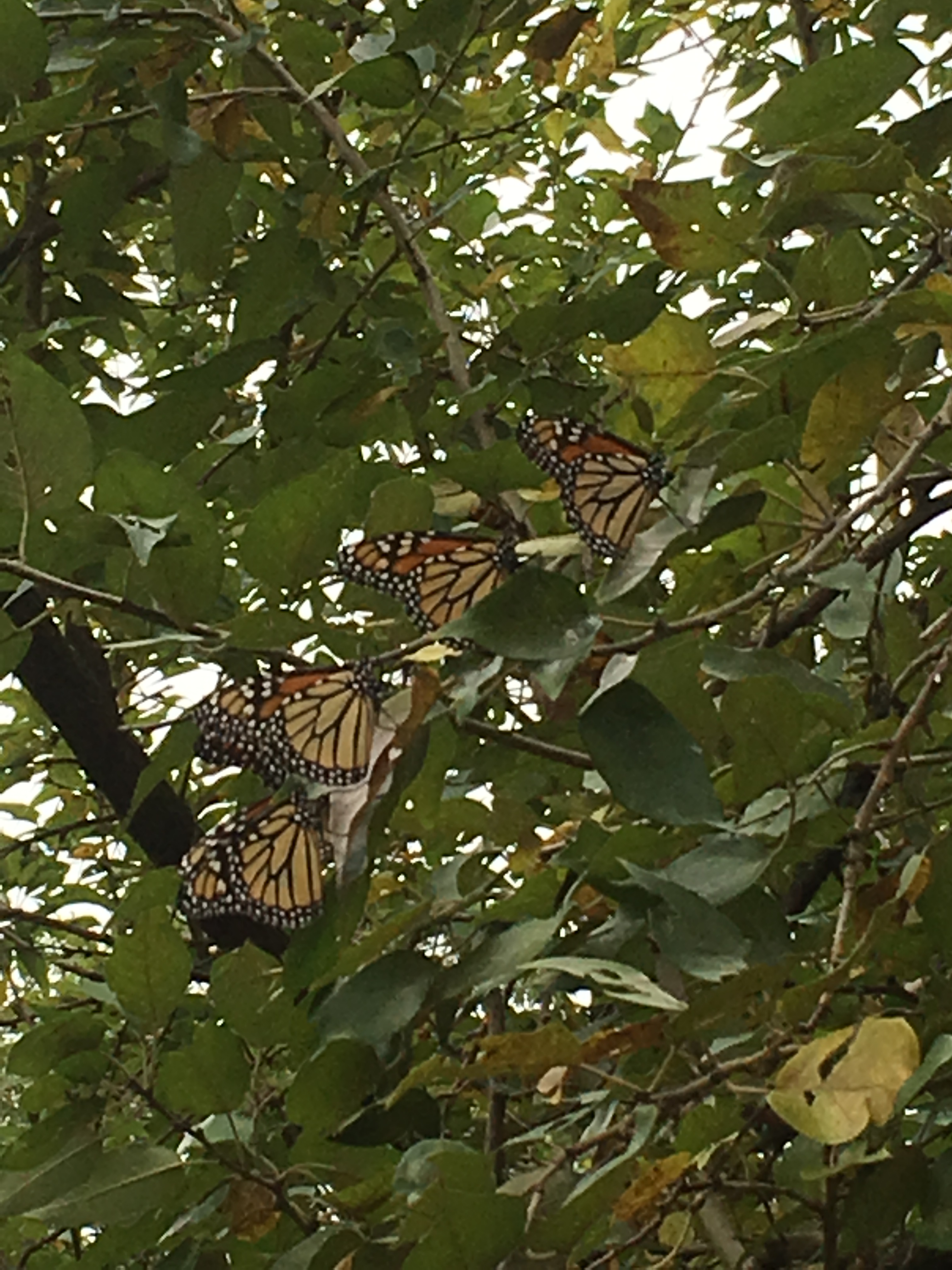
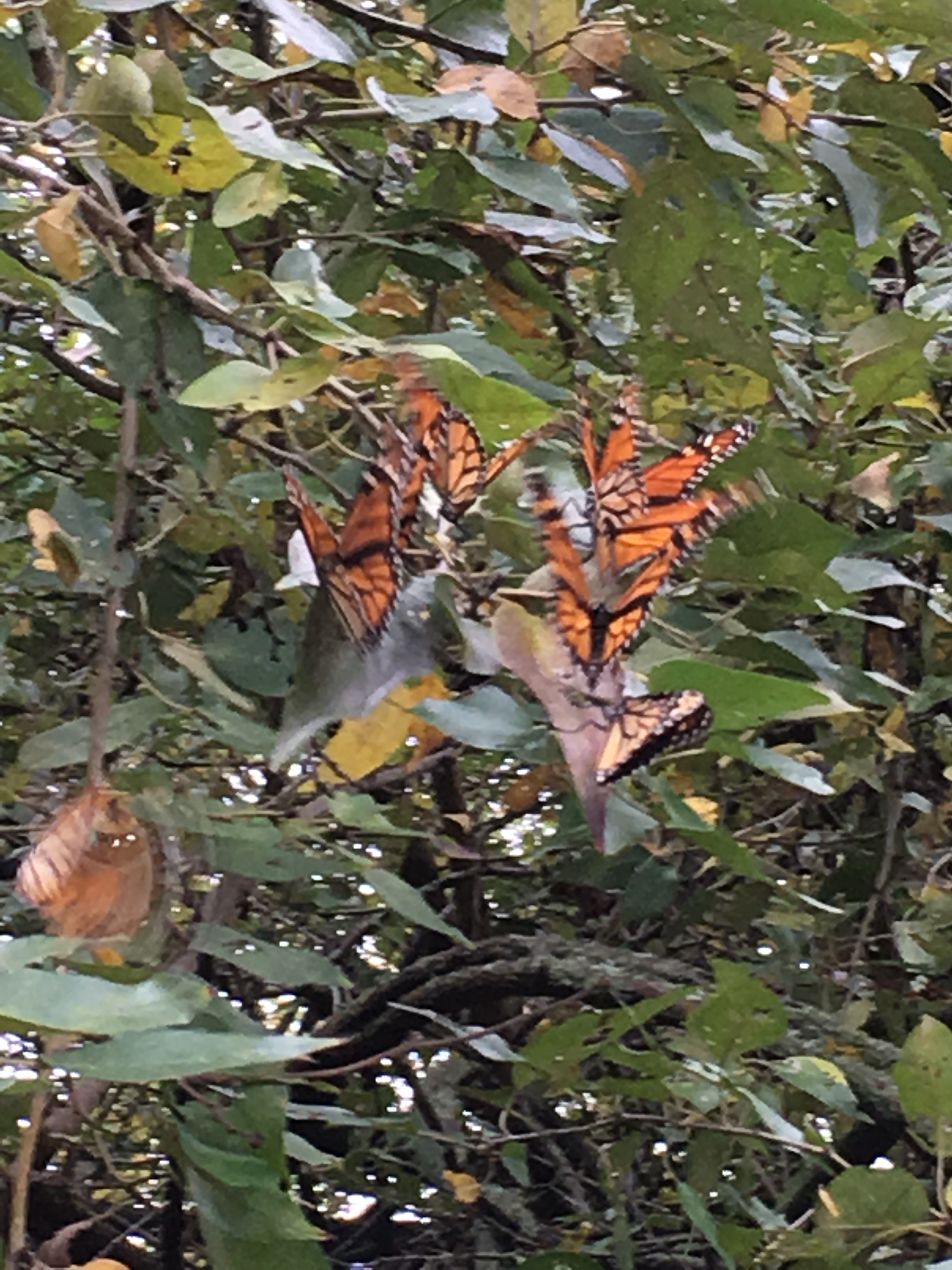
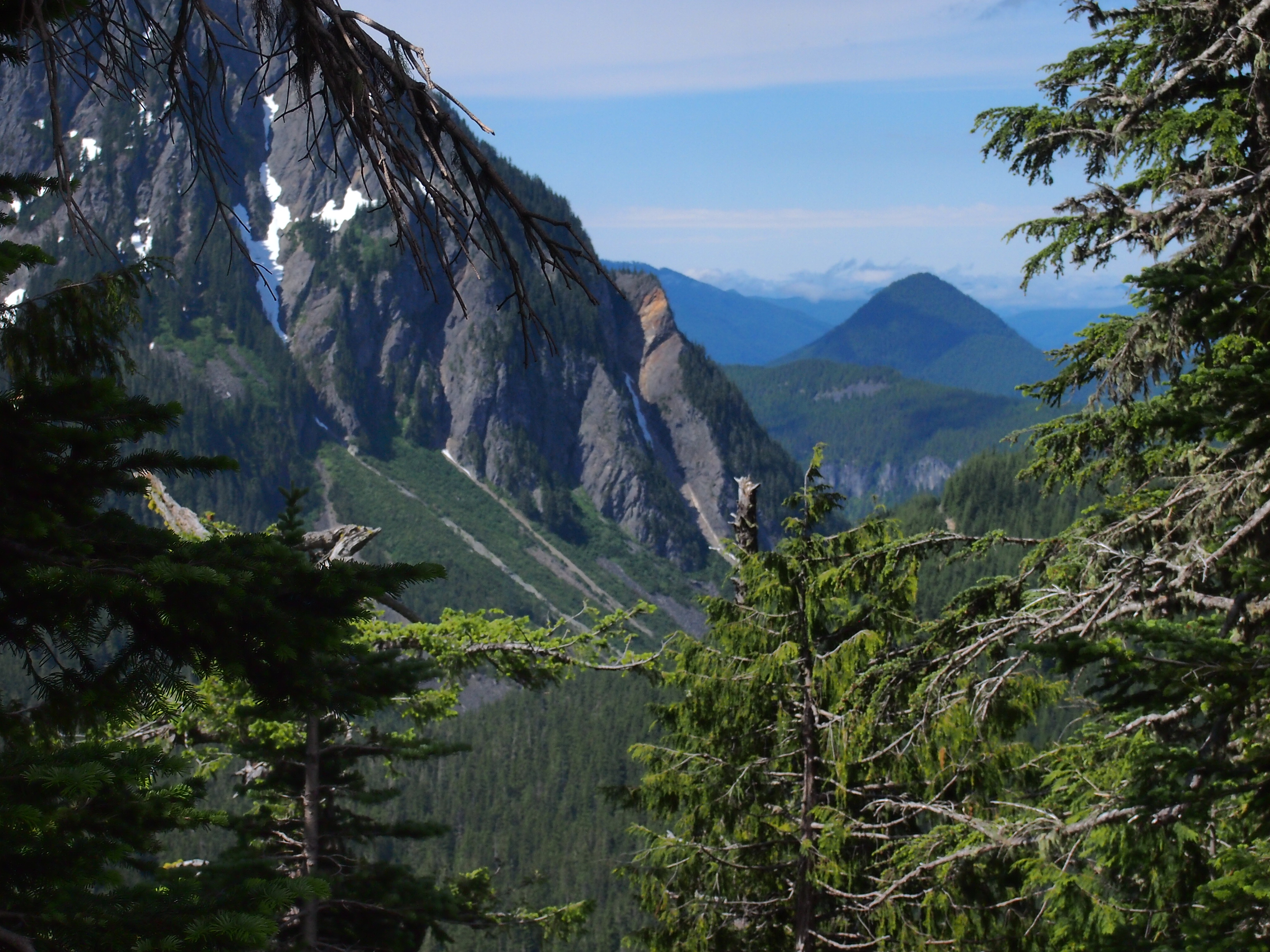
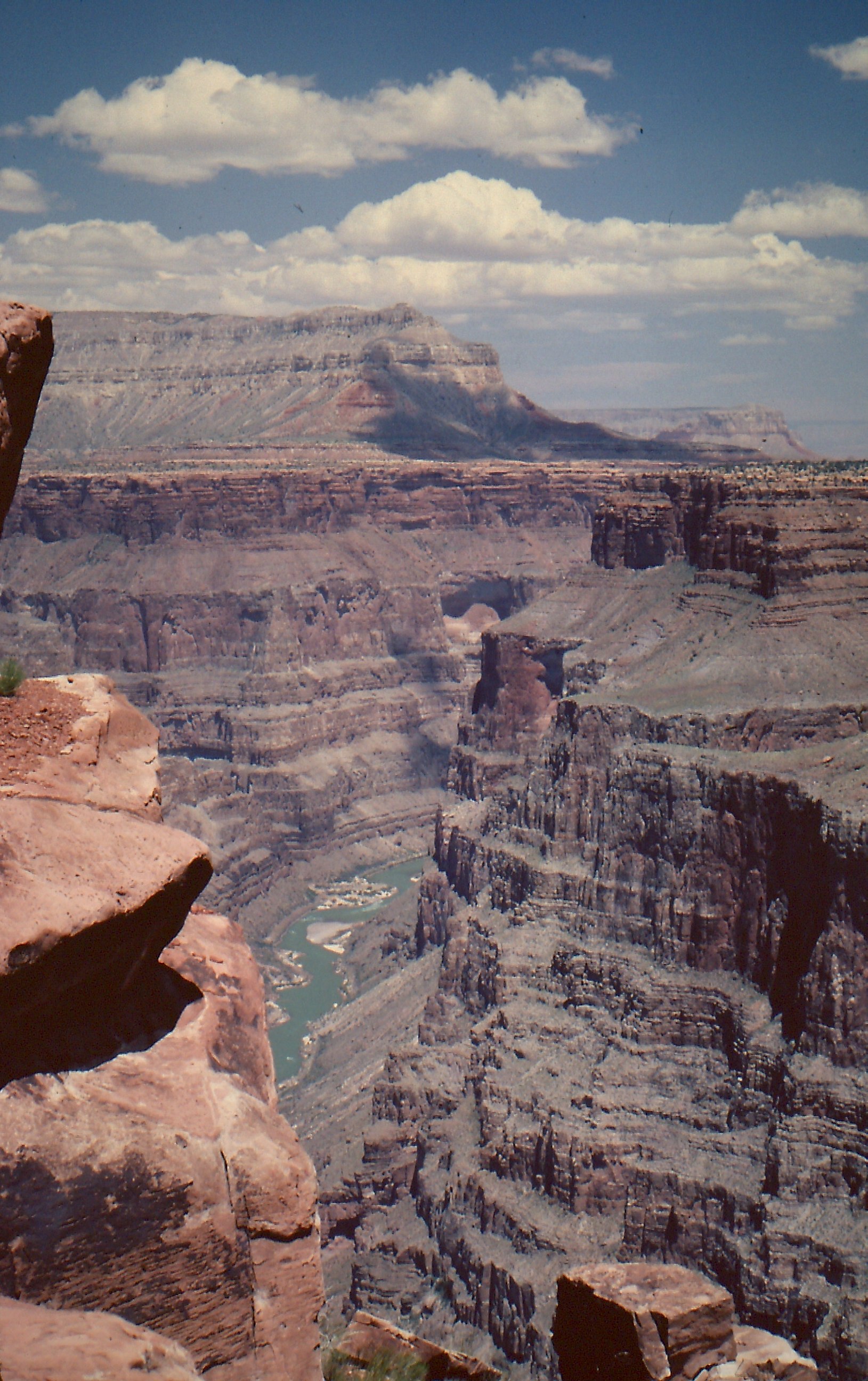
My love of the natural world goes back to my childhood. We traveled and camped every chance we had, all over the western states. I hope, Tanna, that you will have access to the amazing redwood forests like I did. I hope you will experience awe as you look over magnificent mountain scenes, canyons, rivers, and oceans of grass. This is truly a remarkable land and I hope we find the ingenuity—and the will—to preserve it far beyond your generation. Like every other child, you deserve the chance to feel wonder at the annual butterfly migrations, to catch your breath when an unexpected wild visitor turns your head, to watch a white-tailed deer chew its cud, to fill your lungs with fresh, clean air in an autumn breeze.

The concern for our wanton destruction and exploitation of nature is not new. It was well documented before I was born. By the time I entered college, there were ecology classes focused on our careless destruction of the natural world, and what that would inevitably mean to every living thing on the planet.

We are some of those living things.

To me, nature is teacher and healer, a holy place where I retreat to seek the divine. Nature can be that for you, also, if you learn how to listen.

I once watched an exhausted moose lunge through shoulder-deep snow and I learned the dangers of choosing an easy path. In a downpour I heard the rain plummet from the heavens and it spoke to me of cycles in life. I watched a family of ducks chase madly from one point to another and back again and I saw human fads and opinions mirror the whimsical parade of a flock of ducks. I watched my best friend waste away in a losing battle with cancer and I understood how the growing demands of humanity sap the vitality of our home planet in a similar fashion. Meadowlarks leapt into the wind so they might gain lift and fly away. And I learned I must face the adversities in my life before I could ever rise above them. A stately and beautiful tree crashed to the ground in tornado-strength straight line winds, and whispered that sometimes our roots will not be able to support us against a barrage of adversity. Messages arrive on the dust of a sunbeam and the wings of the wind.
Long ago, I read books by Thor Heyerdahl. One was titled Fatu Hiva: Back to Nature.  In the narrative of his return to simple life on a remote island, he described the music he found in nature. “There is fine music everywhere in nature between moss-covered stones and foliage. . .The lights, the colors, the sounds, the perfumes, the touch, the shapes were never the same, and were always playing on our minds like a vast orchestra. We could hardly take in more music—and I do not mean the singing of birds and the tinkling of a rivulet: . . .I mean music beyond the eardrums. We have had to create flutes and violins to leave impressions deeper in than the eardrums, where nature used to play.”
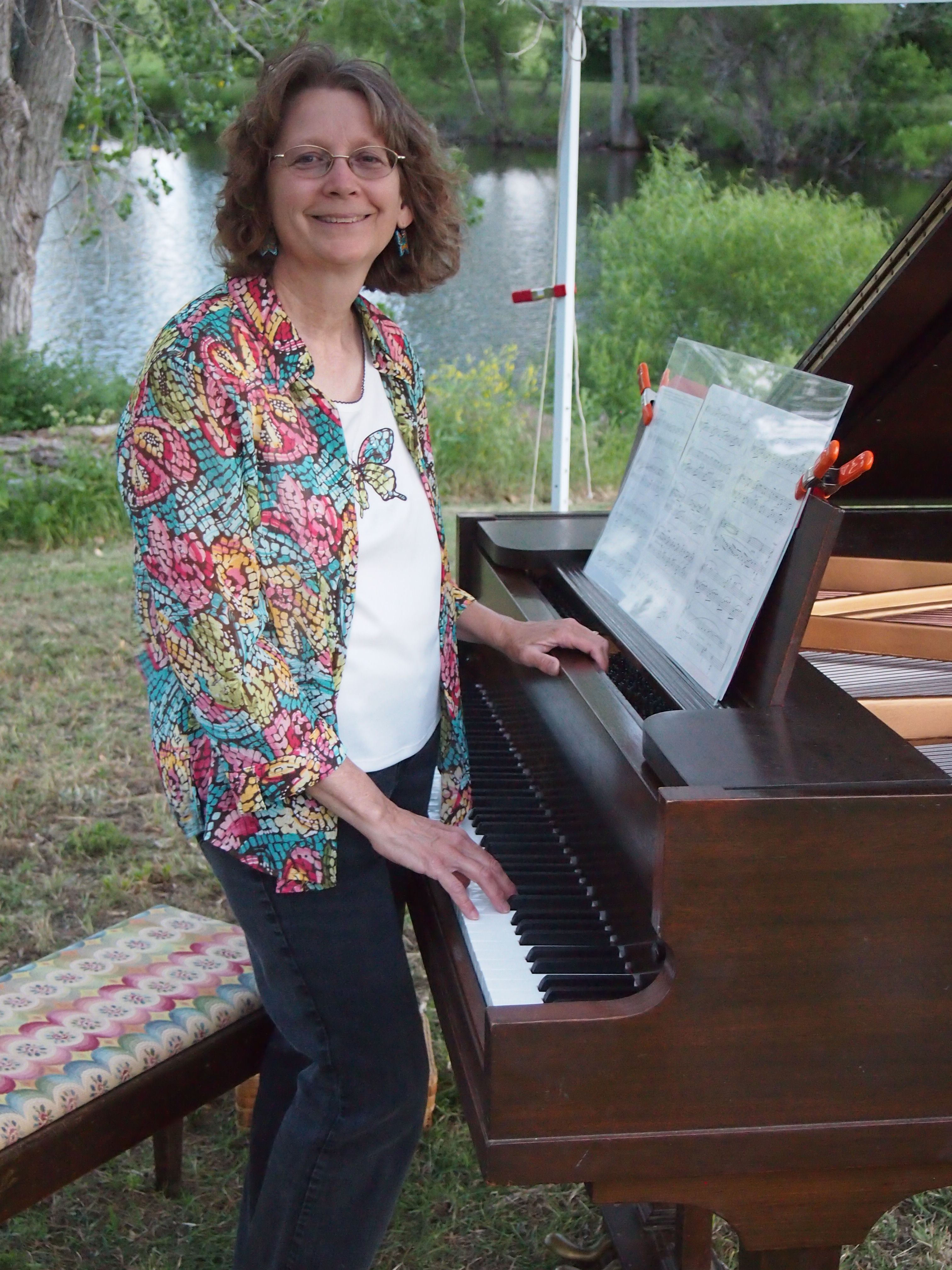
The musician inside me revels in the symphony of nature. I have delighted in taking piano students (and a grand piano) to outdoor recitals where every piece they played showed a musical glimpse of nature. Everything we humans have created has its source in nature, one way or another. I cannot find words to describe that inner union of my consciousness with the constant prairie symphony in my backyard. Without nature, I would be nothing.
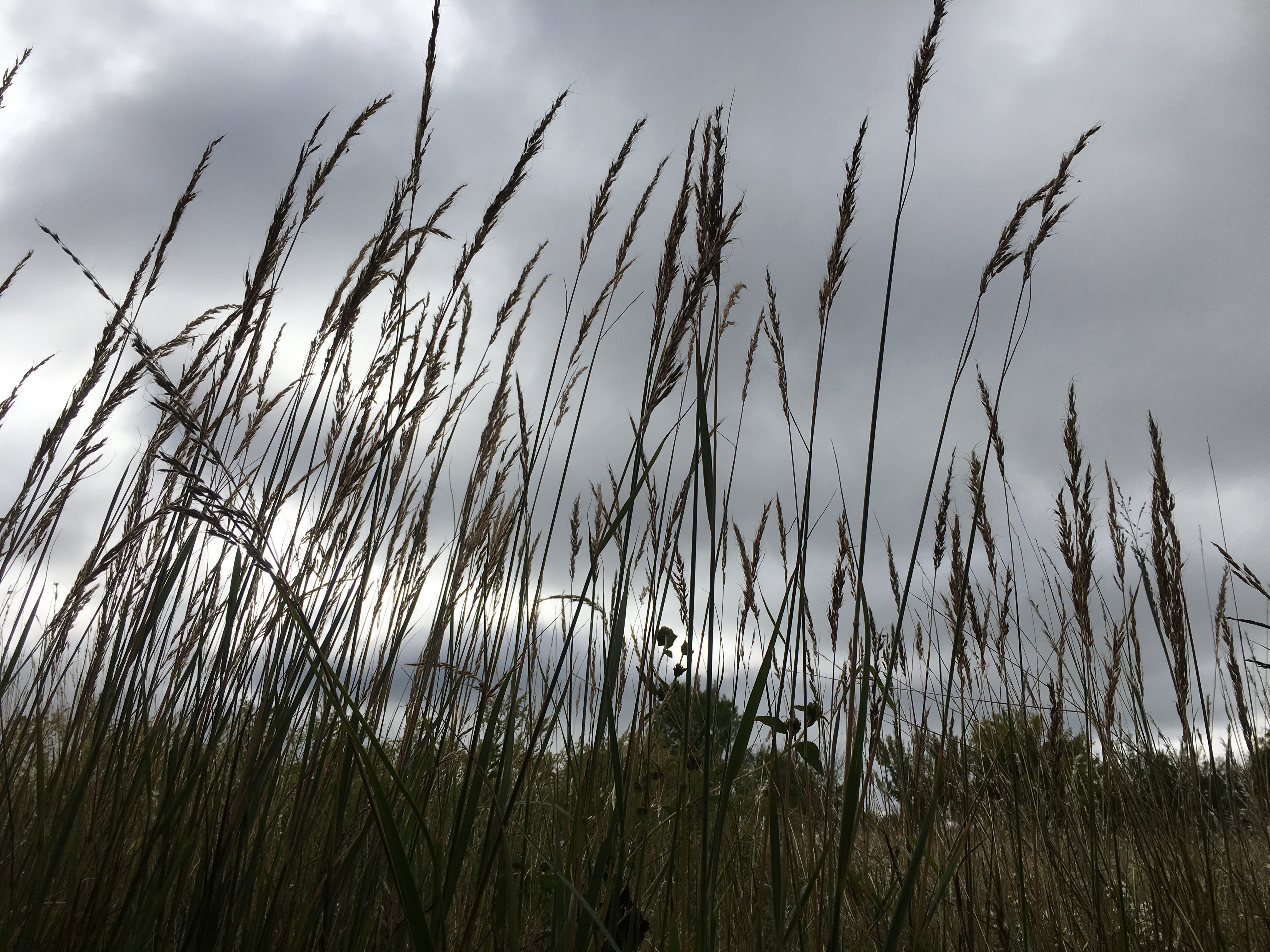
Nature is not exactly constant. It is, if anything, constantly changing, providing variety in daily life. Even the sky presents many faces and no two are the same. We see a lot of sky out here above the prairie. It is our grandiose landscape. Clouds provide our mountains, the earth propels us forward, and the view changes hourly.

From observing my grandchildren, I realize fresh eyes see things as new and wondrous, no matter how much they have changed in my lifetime. My wish for my grandchildren—times seven generations and more—is that they never lose a sense of wonder. Natural processes continue. Even the Earth’s response to humanity’s bludgeoning of the biosphere is Nature’s way to restore a sort of balance. What will emerge from this process is something I can’t imagine, but will be awesome in its own right. Perhaps your generation, if there is one, Tanna, will be able to answer that question.

In the evolution of homo sapiens, our intellect seems to have surpassed our compassion. We have developed the ability to manipulate the physical world—to the point where we even create earthquakes—but not the will or the heart to care enough to halt in our tracks and find another path, a better path, a path that leads to sustainability and life for future generations.

Currently I am dealing with a sense of profound loss for what I once knew the natural world to be. In some ways, this can be compared to the radical loss a person feels after the death of a spouse and soulmate. The loss of a spouse is a radical loss, tearing a hole in the fabric of your being. You not only have lost a person, a partner, and a friend, you have lost a marriage, a relationship, the shared experiences, the dreams and plans you made together. Everything—Yes EVERYTHING—has changed.
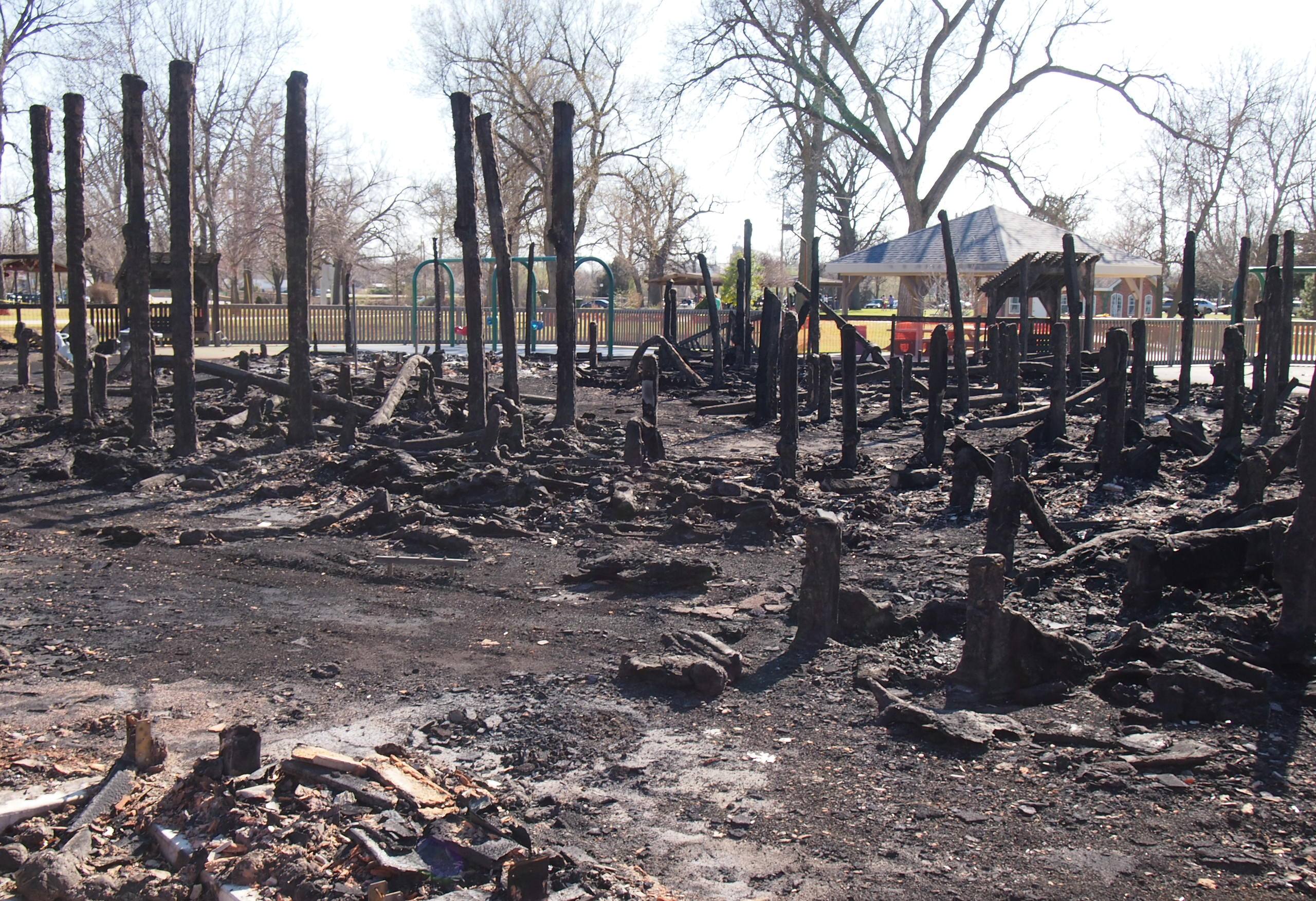
 

What do you do? Widowhood can become a very empty place. In some respects, the changes occurring on Earth are like witnessing the last agonized moments of a beloved soulmate. Many of us are grieving already, to the point where we are paralyzed by hopelessness and inaction.

Grief is not possible without love. And, perhaps, love is not possible without grief. If you never feel sad, lonely, or in despair, you will never appreciate the times you feel ecstatic and joyful. I treasure the joyful memories of a vibrant natural world. The process of working through the sense of loss makes me wonder many things. Are things so far gone that there is no hope? In our final attempts to right the wrongs of humanity toward nature, are we merely playing as hospice workers in a futile attempt to ease that final decline?

“Hospice care is a special kind of care that focuses on the quality of life for those who are experiencing an advanced, life-limiting illness.” How can one person provide this kind of care for an entire dying planet? How can thousands of us? Millions? How can we restore quality to the living systems surrounding us?

That is a huge question. I think the answer begins with hope. And I will tell you more about that tomorrow.

With my enduring love,

Your Seventh Generation Grandmother

Day 3: Of Love and Wind, Two Recurring Themes

Dear Tanna,

Considering the power of love, scattered on the Wind of the Spirit, there was John Lewis, another hero who passed from this life on July 17 this past summer. All the publicity since George Floyd’s murder in late May–the demonstrations against police violence, Black Lives Matter, racism, and white privilege–bring social inequities front and center. With each successive generation, the wounds re-open. We were all reminded of John Lewis’s struggle to grant basic civil rights to all American citizens when he died. Our local library selected his memoir as part of the adult summer reading selection. With a Zoom meeting planned that included Lewis’s co-author Michael D’Orso, a man Lewis claimed was like a brother to him in the book’s introduction, I wanted to participate.

The book itself was daunting, 503 pages of relatively small print. But the metaphor in the prologue hooked me, a description of a wind storm Lewis experienced as a preschool boy. The wind blew so strong it lifted a corner of the shack his sharecropper aunt and uncle lived in. Harboring in the shack with his aunt and fifteen cousins, they held hands and walked from corner to corner, bringing the house down to the ground when the wind began to lift it. That became the metaphor for his life, and provided the title for his book, Walking With the Wind: A Memoir of the Movement.

Lewis was a teenager by the time I showed up in the world. I remember the events of the civil rights struggle of the early 60s as a child overhearing her parents discuss the nightly news. It was not until I read this book almost six decades later that I fully realized what had occurred during those years.

The chapters in the memoir flowed, easy to read. It was like sitting with John Lewis over coffee and listening to him tell about his life. And what a life! He personally knew the key players. John F. Kennedy, Bobby Kennedy, Martin Luther King, Jr.

He told of the first time he heard MLK give a sermon on the radio. It was titled, “Paul’s Letter to American Christians.”

Wouldn’t it be cool, I thought, to read King’s words? An online search for his sermons produced a website—www.kinginstitute.stanford.edu—that includes his entire collection of sermons. So I did read “Paul’s Letter to American Christians,” in the year 2020.

Lewis was a key figure in all the civil rights actions: the restaurant sit-ins, freedom rides, marches, Selma’s Bloody Sunday, the efforts to safely register black people as voters. His premise was aligned with Ghandi and Nelson Mandela, a non-violent protest. Love your neighbor, even those who beat on you.

Why? We may ask.

Because they are victims of this unjust system too.

Imagine the strength of character needed to love someone who was busting your head open with a wooden club. How could a person manage that?  Lewis shared one of his secrets. You imagine the oppressor as an infant, a precious child of God.

I was struck by the uncanny parallels to today’s social and political climate. Lewis, a genuine and unassuming man, shared lessons he’d learned from MLK. “People who hunger for fame don’t realize that if they’re in the spotlight today, somebody else will be tomorrow. Fame never lasts. The work you do, the things you accomplish—that’s what endures. That’s what really means something.”

Does this remind me of anyone in the spotlight today? Absolutely.

What rights are guaranteed by the Civil Rights Act of the late 60s? 1) The right to vote. 2) The right to a fair trial. 3) The right to receive government services.  4) The right to use public facilities.  and 5) The right to a public education.

Sounds pretty basic to me, but for ages, a significant portion of our population was denied these rights. After the legislation, new practices skirting the edges effectively denied the same people basic human dignities others take for granted.

Has this changed in the 200 years separating you and me, Tanna? I desperately hope so. I hope that your generation experiences the blessings of Martin Luther King’s Beloved Community. Lewis never lost sight of the vision—one people, one family, one house, one nation. As a congressman from Georgia for the last years of his life, he answered to his conscience and worked toward policies that would benefit all people.

The last chapter in his memoir was a summary and a wish. “Onward” described the challenges he faced during the time when he wrote the book—1998—but it could well have been written during this last summer of 2020. The struggle for civil rights, for civility itself to be extended to all citizens in our country, indeed to all of the world’s inhabitants, seems never to end. Each generation must carry on and must learn and appreciate the sacrifices and struggles of the generations before. Slowly we may approach an equitable society, a new global economy that values not only human players, but the finite resources provided by our planet.

John Lewis devoted his entire life to a movement he firmly believed continued decades beyond the demonstrations of the 1960s. “I came to Congress with a legacy to uphold, with a commitment to carry on the spirit, the goals and the principles of nonviolence, social action, and a truly interracial democracy.

“We must realize that we are all in this together,” he said. “Not as black or white, Not as rich or poor. Not even as Americans or ‘non’ Americans. But as human beings. . .The next frontier for America lies in the direction of our spiritual strength as a community. . . It is not just materially or militarily that we must measure our might, but morally. . .”

“It does not profit a nation to gain the world if we must lose our soul—which includes our compassion. . . ”

“The alternative to reaching out is to allow the gaps between us to grow, and this is something we simply cannot afford to do. . . ”

“That sense of caring and sharing that makes us a society and not just a collection of isolated individuals living behind locked doors must never be lost, or it will be the end of us as a nation. . .”

I wonder, Septanna, how healthy is the nation in your day? How healthy is the planet?

John Lewis, a great man, concluded his final chapter with these words, “Talk is fine. Discussion is fine. But we must respond. We must act . . .  As a nation, we must move our feet, our hands, our hearts, our resources to build and not to tear down, to reconcile and not to divide, to love and not to hate, to heal and not to kill. In the final analysis, we are one people, one family, one house. . .”

Tanna, this is what’s at stake even now, two decades after Lewis published his memoir. This has been a hard chapter for me to write. I have struggled with it for weeks. How do I, an ordinary grandmother living in conservative rural Kansas, attempt to share what this man’s life has planted in my own heart? It’s too important not to try, though. So I offer these thoughts in honor of John Lewis. I desperately hope that he and other notable leaders we lost during the last few months—George Floyd, Breonna Taylor, Ruth Bader Ginsburg,—will lend their essences to our continuing struggle for securing human dignity and basic rights for all.
And, Tanna, I hope that, two hundred years from now, you will realize the results of our efforts.

With enduring hope and love,

Your seventh-generation grandmother
Day 2: The Power of Love

Dear Tanna,

I wonder where and how you live, so far removed from my own reality. Are there crowds around you? Or has the human population declined? Do you live isolated from communities? Or do you live in a town? Or a city? Is there any countryside left?

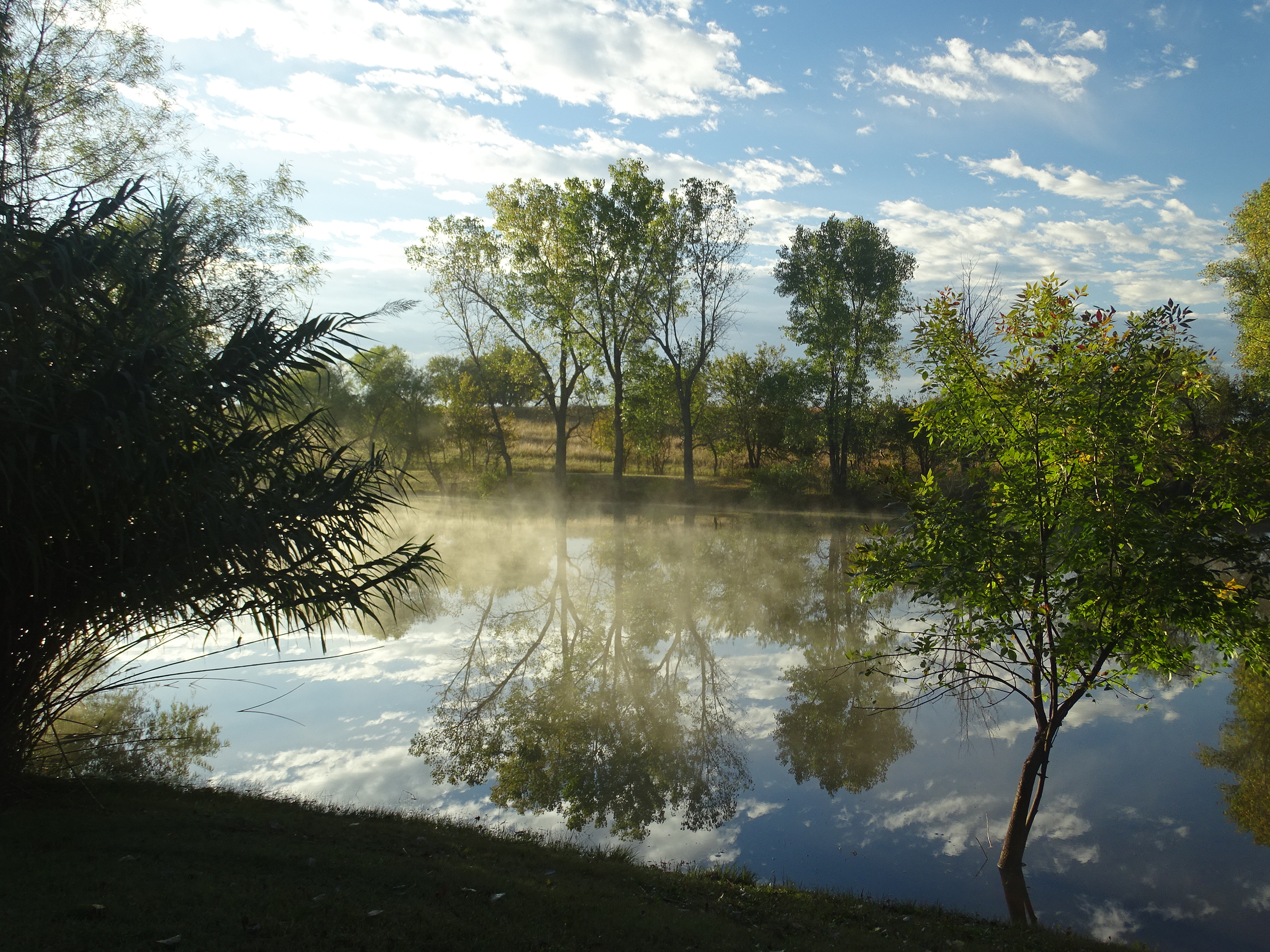
We live on a small farm, with a picturesque pond in our front yard. A few years ago, our daughter brought half a dozen ducks and they provided passing entertainment through the years. Ducks can be hilarious when you watch them.

But they provided moments of introspection as well. Sometimes a duck will successfully hatch a clutch of eggs and it becomes imperative to herd them into the hen house for their own protection. This world is a big bad place for a baby duck—cats, coyotes, turtles, skunks, opossums, and even duck siblings make survival a real challenge. Hazards await even in a hen house.

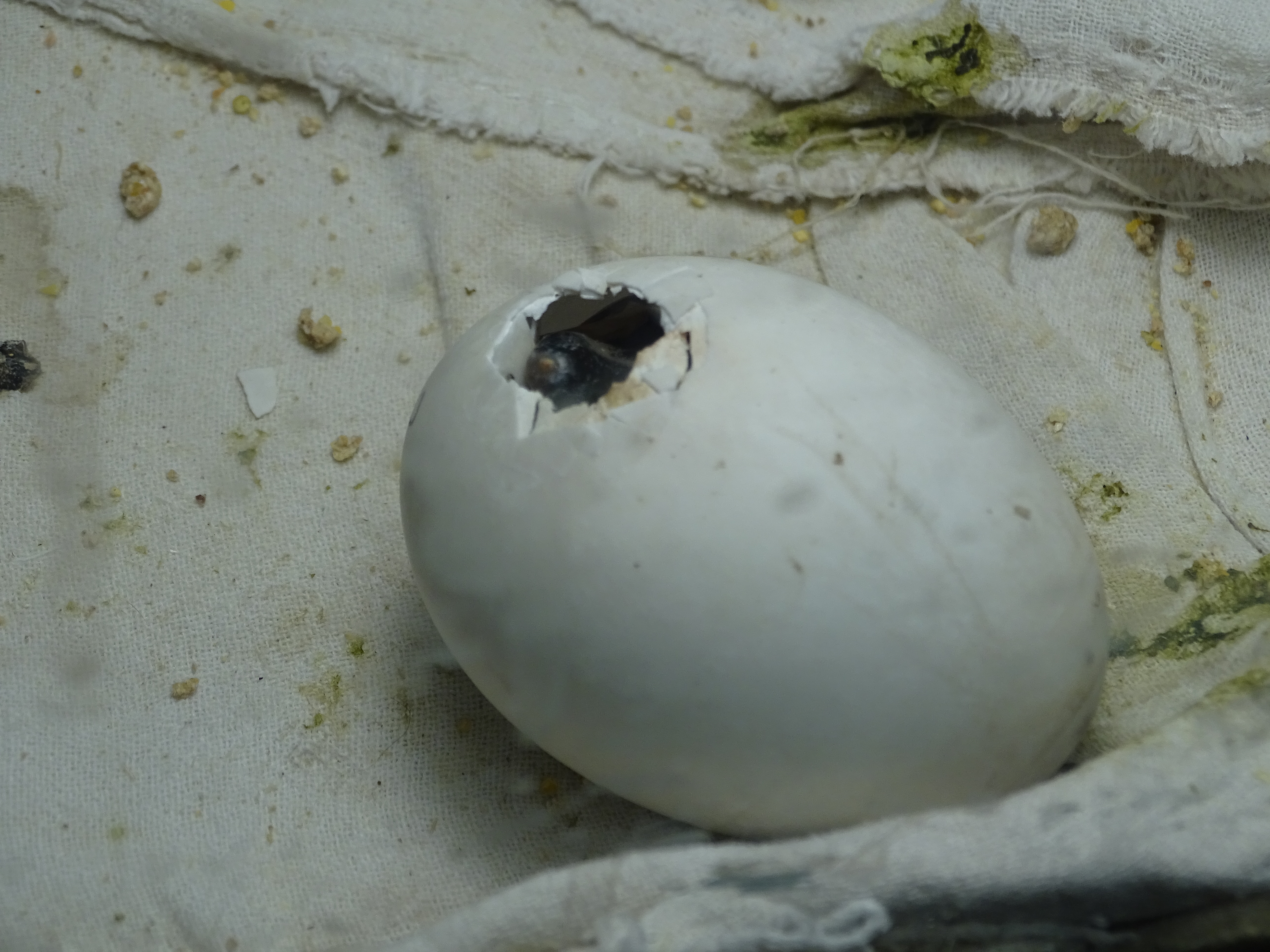
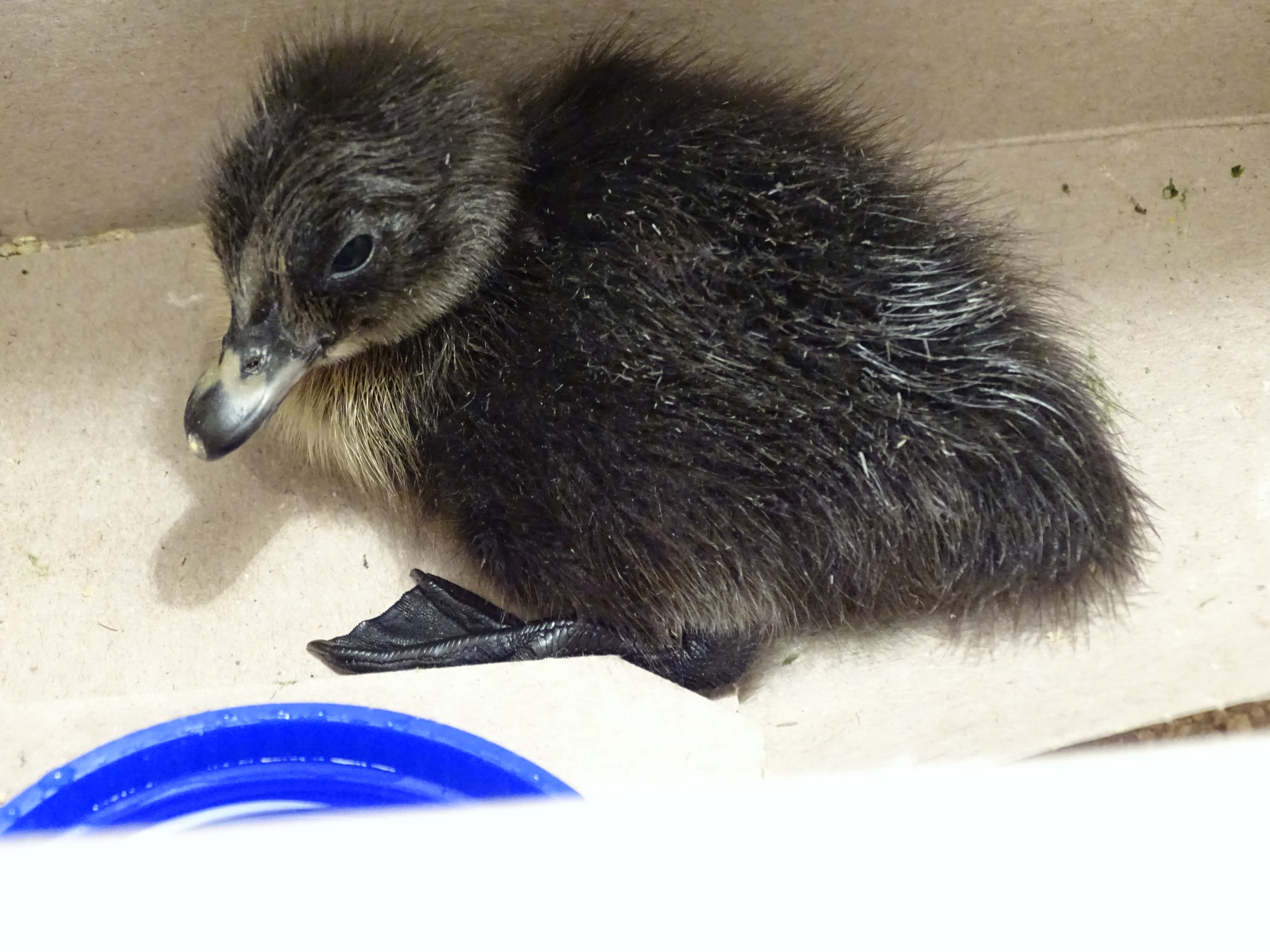
Baby ducks are some of the cutest things! But messy. With a capital M. And they grow fast. After incubation, when that first chip appears on the egg shell, you wait and watch with bated breath until the little duck fully emerges. I am astounded at how compactly they curl into that little egg.

But the ducklings don’t always make it to adulthood. One morning I arrived in the hen house to release the fowl for some sunshine in the fenced yard, and found one little duck dead in the corner, smothered by cuddling ducklings during the night. I lifted that limp little body. Recently vibrant, it had peeped to its mother duck, and ran to keep up with her. And now—nothing. The body was the same perfect little miracle, but the spark of life was gone.

Life truly is a mystery. You could have all the right ingredients, a perfect physical specimen, but without that spark, there is nothing. When I held my own newborn daughter, I felt reverence for the spark which filled her perfect little form with life, so recently infused from the great mystery, so close to the Divine. I closed my eyes and breathed in the miracle, a prayer of awe and gratitude swirling in my mind.

I have been reading more than usual these last months, due in part to the slower pace of life brought on by the COVID 19 pandemic. One book, Eyes to the Wind, was written by a young man named Ady Barkan during the time he suffered with declining health due to ALS, a dread disease which in my time is a certain death proclamation. In your time, Tanna, I hope this disease has become non-existent, but today it is an incurable descent into neurological and physical hell until only the eyes can be controlled by the spark of life trapped inside the withered body.

Technology has provided remarkable possibilities for someone diagnosed with ALS. Ady described his excruciatingly slow writing process, with a special computer mounted on his wheel chair that tracked his eye pupils to identify letters, one-at-a-time, through infrared light. He finished an amazing book this way.

Tears filled my eyes as I visualized his painstaking process. He was still there. His essence remained vitally alive, trapped in a shrinking world. When the control he exerts over his eyes disappears, the essence of the man will be vitally alive, screaming silently inside his head.

I thought of that duckling and began to wonder if the essence of Ady wouldn’t even still exist after his physical self dies? What will I discover about my own spark of life as I pass from the physical realm?

With more final farewells than I care to count in my own life—family members and friends, including two infant children, my first husband, my parents, grandmothers, fathers-in-law, friends—I ponder their sparks, their essences. Instead of simply being squelched like a candle flame in the breeze, their essences returned to the mysterious invisible divine pool, an ocean of love. They are with me still, swirling and caressing, whispering encouragement as I scratch words across this page.

It’s not a big leap of faith to include my grandmothers and grandfathers back seven generations when our nation was still young. The essences of Charley and Frank, Wiley, Eliza, Alma, John, William, Clarissa, Edwin, Edith, Thomas and even another Ann swirl around me—people I never met but who contributed to my own life and breath. And it’s not such a stretch to think that the coming generations swirl in that ether of love, all the way through seven to you, Septanna. You also are with me as I write today, the mystery and miracle of life to come.
I keep thinking of the miracle of life during these days of vicious campaigning. We get hits several times a week in the postal box or on our phones from groups bent on spreading blatant lies about candidates we favor. I hope my friends and neighbors can see through the propaganda. When one candidate has nothing specific to offer besides lies about the other, that is called negative campaigning. It lacks integrity and makes me angry. Why not explain what you have to offer instead of slander your opponent? Voters should go to the source and seek the “rest of the story.”

Take Dr. Barbara Bollier, for example. I heard her speak. She’s intelligent and compassionate—hardly the extremist the other side claims. Dr. Bollier is a physician whose focus in life is to make things better for people. She wants to heal the ailing government. The opposition calls her an extremist liberal. How they come up with that is beyond me. She recently left the conservative party due to its extremist demands.
They say she wants to take away guns, but she herself grew up hunting with her family. She is not anti-gun. She wants common sense gun control to protect children, and to keep firearms away from psychotic shooters. She wants to save lives. Who can argue with that?

They say she is in favor of late term abortions, when in reality, she voted against an late term extremist abortion bill because it was based on flawed science. It also represented an unconscionable intrusion into the patient/physician relationship by government.

If we acknowledge that every life is unique, does it not follow that no two pregnancies are the same? You can’t have a one-size-fits-all policy for pregnant women. If something goes deadly wrong in an unborn child’s development, there need to be options—legal, safe options, offered with love and compassion to a mother already in anguish. As a woman, physician, and mother herself, Dr. Barbara Bollier understands this. Furthermore, given our ailing atmosphere, chemically ridden food, and poisonous water supply, the chances of severe birth defects increase as the environment degrades. There must be options for desperate, grieving families.

For many voters in today’s world, abortion is a hot-button issue. I suppose we all have them. For me, the climate crisis we face overshadows every other issue. If we cannot arrest the degradation of the living planet, nothing else on the list of issues matters. Dr. Bollier has been endorsed by environmental groups. That matters to me. I want you to have a healthy world in your time, Tanna.

The most powerful force in the universe is Love. We’re surrounded by love, the essence of our ancestors and departed loved ones. And there is a big difference between loving compassion and regulating life through legislation. Dr. Bollier is correct. The government should stay out of medicine and leave it up to trained physicians.

And so, I plan to vote for Dr. Bollier this November because of her common sense, and her compassionate approach to the current issues. I hope she wins.

You are out there, Tanna. I lift my affection on the winds of the Spirit to touch you in the unrealized future domain.

With my enduring affection and best wishes, Your 7th Generation Grandmother.

Letters to the Future: Day 1

October 6, 2020. Four weeks from election day

Dear Child of Tomorrow,

I think of you often. I wonder what your life will be, and what you will look like. What endearing features will light up your chubby face when you smile? Will you have the same button nose I inherited from a beloved grandmother? Maybe curly auburn hair? Or will it be wavy light brown with blond streaks like mine was? Dark eyes that sparkle in evening light? Or eyes the azure of a cloudless summer sky, like my grandmother’s?

Of course, you will be a girl—a compassionate, resilient, brave little girl growing into a nurturing role model among your peers. That is my dream.

But your name? What moniker will your parents bestow upon you?

For two weeks, I have been addressing postal cards and writing notes to people I have never met, nor will ever meet, from a list sent to volunteers around this nation. It is a humongous effort to encourage reluctant citizens to vote in the November 3 election. In just four weeks, we will decide the future course of our nation. Will we turn toward democratic values? Will people be a step closer to governing themselves? Will our elected representatives be willing to seek compromise in demands from extreme viewpoints and meet in the middle for the good of all? Will they respect and honor each and every person, to hear every voice, and cherish every soul?

Or will we be plunged deeper into chaos and despair, cowering in fear and hate, mistrust and suspicion, divided by the antics and ridicule tweeted by our current leadership? For your sake, little one, I hope democracy prevails, and grows stronger in the generations between mine and yours.

What will the world look like seven generations hence? And what name will you be known by? There are so many names on my postal list, delicious names, unique names. There are good old-fashioned names: Erica, Nancy, Vivian. And there are names I’ve never encountered in all my years. Aymee. Nashawnna, Aaliyah. Egma.

I try to imagine these people. What age of woman would Jalyssa be? What ethnicity? What is Dyhalma’s occupation? Does Mirtha have children? If so, what age would the youngsters be? How does Lesharda spend her days? What challenges does Vida face? How about Tahirah? What’s her life like? Does Ilfrid have a supportive spouse? Or an abusive one? What keeps Zhone from voting in many elections?

There are so many names on the list. I take a moment to marvel at the diversity in this country, evident even in a list of registered voters. And I remember, from early ecology studies, how diversity lends stability. We need them all. We need their strengths, their opinions, their concerns. We need them healthy and educated.

Basti and Wysline. Judieky and Yatara. We need all these people to bolster our flailing democracy—for you, sweet girl, seven generations hence.

I will never know the name given to you, so I think of my own. My parents chose simple, traditional names for their three daughters, my three-letter name the simplest of all. The story Mother told about choosing our names was based on a recollection from her girlhood. In her small-town Kansas school, she had a classmate named Euphracine. Poor Euphracine’s name was hardly simple. It was years before she could correctly spell her own moniker, to the mockery of her classmates. Adamant that her own daughters never be similarly ridiculed, Mother bestowed simple names on us, ones we could spell as toddlers. I have always wondered if she expected her girls to be intellectually challenged—me most of all with the name Ann. Three letters. A. N. N. Plain. Ordinary. Simply Ann.

But I have few regrets through the decades of my life, so Ann was okay after all. It combines well with other words and syllables. I will think of you, a great-granddaughter of my unborn great-granddaughter, as Septanna. “Sep” is for the seven generations separating us. “Anna” for the connection to my essence. You will, of course, have many other genetic connections as your ancestors are conceived. But there will be a thread that leads back to me.

With hope that we can pull off the tidal wave of change we need in four weeks, I’ll call you Septanna Hope. Tanna for short sounds good. And I wonder what the world will be in your time. In my family, seven generations span two centuries. Two hundred years from now, will there even be life left on this gem of a planet? Will compassion and responsibility prevail to change our calamitous course?

For your sake, I hope so. And so I write. I write cards to strangers and I connect for a brief moment with 200 people I will never meet, one for each year that separates you and me. I say, “Dear Ruby, Glenice, Marisol, Joyce . . . Dear Laura, Fatemeh, Karen and Casandra, Let’s join together, let’s rise up, let’s vote our future in the Tuesday, November 3 election! For the sake of our children and theirs, we must vote with hope and compassion.”

For your sake, we must prevail, my Dream for a New Day, Septanna Hope, a blip on future’s horizon.

With enduring love from your 7th generation grandmother,

Ann

That Open Window

Sheltering at home has not prevented or even postponed any adventures in life. Maybe it changed the route a bit. But like the proverbial door versus the window, my window opened onto an international stage and increased my exposure to international connections. And THAT, friends, is a most exciting adventure.

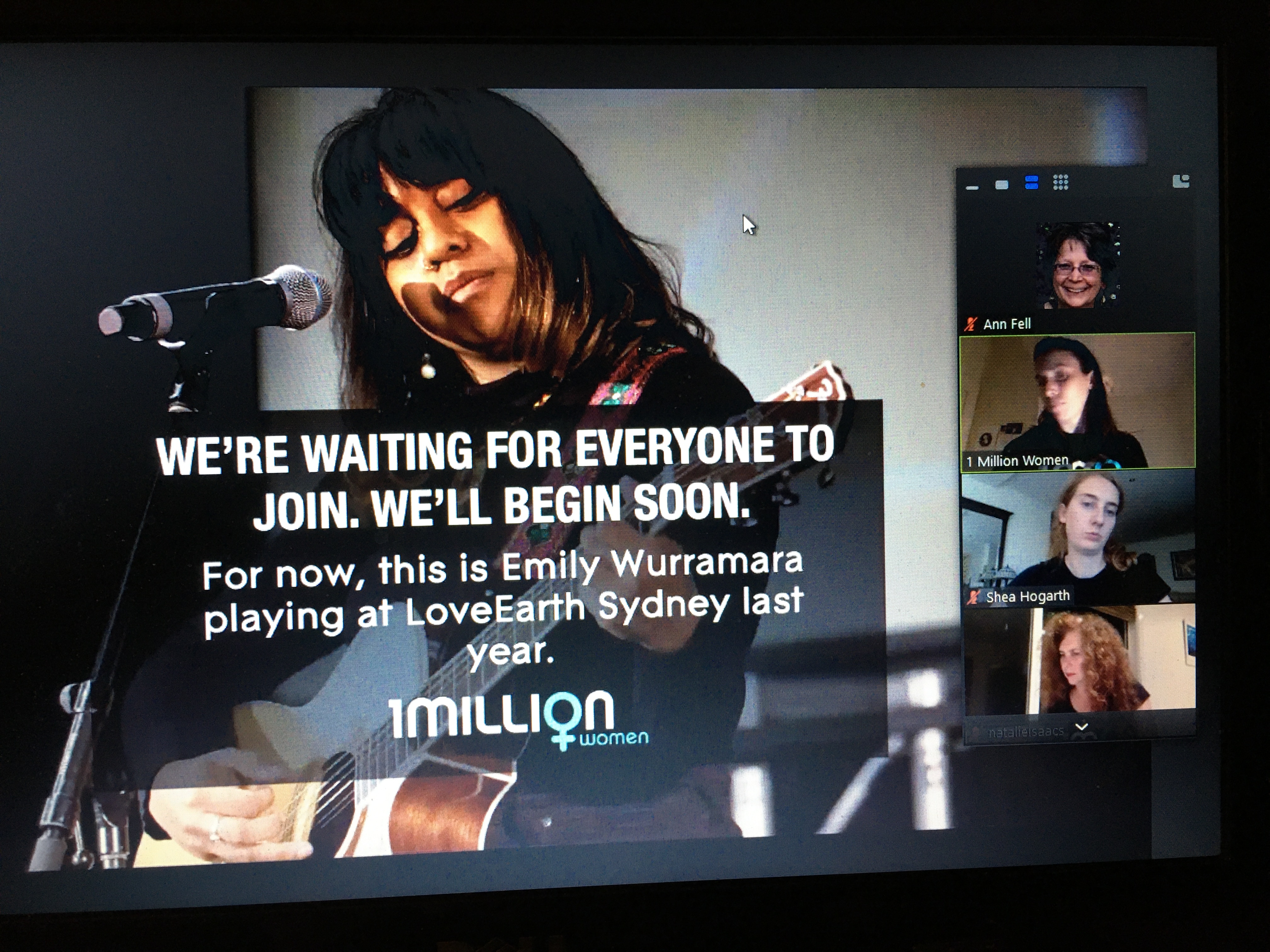
About a month ago, I received an email invitation to join a virtual book launch, London time! You know me and books, not to mention book launches. This book spoke to my heart, Every Woman’s Guide to Saving the Planet, by Natalie Isaacs. I had to make that Zoom launch.

With no clear recollection of the date I first learned about Natalie Isaacs and her Australian-based environmental group 1 Million Women, I do remember being intrigued and I signed up to support the mostly Australian project in my Kansas grandmother’s heart. We all recall the horror felt in the sights and sounds of the rash of bush fires in Australia last January, as well as the bleaching of coral reefs off Australian beaches. Climate change has no boundaries on the planet. Go for it, Aussie friends!

I wanted to participate in this book launch. It had an international, boundary-ignoring appeal. So I dragged myself to my office early in the morning of August 18 to meet faces from Australia, the UK, and other nations around the world, (Spain, Philippines, Germany, Canada) as well as a few other participants in the states (Illinois, California, Arkansas, Ohio). The organization Natalie founded in 2009 has received international awards at the UN Climate Conferences.

On that Tuesday morning, at 6:30 am, Natalie Isaacs launched her book to the UK. She herself, and many other participants, spoke from Australia where it was evening already. In London, it was 12:30, lunch time, and it was morning in the west.

With a youthful countenance that belies her grandmotherly status, Natalie opened the meeting with the notion that we are talking about profound behavior changes and how to make them stick. A cosmetics manufacturer for 24 years, she had heard about the climate challenge, but believed there was nothing she could do about it. Then came 2006, and the release of the documentary An Inconvenient Truth. The problem became hers and she set out to learn what she could do about it.

“When you don’t know enough about something, it’s easier to do nothing,” she said.

After 2006, she did something—something simple—but she saw an amazing result and it changed her life. She discovered ways to reduce her family’s electricity consumption by 20%. She realized that climate change wasn’t somebody else’s problem. “It was about me, and about living a different way of life.”

A lot of personal witness and encouragement was shared in that one-hour Zoom call. Towards the end, she offered a few minutes of break-out time with other participants. I was thrilled to be paired with a 30-something woman, Anna, in Melbourne, Australia. How invigorating to share perspectives from opposite sides of the planet!

Wrapped tightly in a warm robe, Anna was preparing to retire for the night. Her window already revealed nighttime outside. I was first a bit puzzled why she looked cold—it’s so warm here—until I remembered that it’s winter down under!

We returned to the main group moments later to wrap up the session. Natalie Isaacs gave two important take-away thoughts.

#1: We must understand—in our hearts (the woman’s realm) as well as our heads—that everything we do shapes the world. Though individual actions and choices seem inconsequential, we must realize we are a collective! Just do something. One small act leads to another.

#2: We need to nurture a relationship with Earth, just like we do with our families and friends. When you truly love something, you fight for it. And it’s a reciprocal relationship. Earth provides everything needed for our healthy, satisfying life. “Don’t take without giving back,” Natalie said. It’s as simple as that.

I just had to have one of her books. Clicking on the links provided, I ran into the same roadblock every time. The book suppliers and outlets do not yet have delivery options in Kansas, nor I suppose, in any of the states or countries in the western hemisphere. On the Amazon website, I learned that the US launch on Amazon will occur late this month (September 2020.) However, the e-book is already available.

The book’s prologue on my Kindle described the history of 1 Million Women. I learned the organization was launched in 2009. It is the story of individual women taking on the climate crisis by changing everyday “behaviours” (habits). Sections in the book give “Toolkits” for addressing consumerism and overconsumption, food, energy, plastic use, fashion and cosmetics, economic power, the burgeoning waste stream, and travel.

There is a free app you can download on your smart devices to help discriminate between choices. (Search: 1 Million Women app).

There is no time to waste, Natalie reminds us. “No time to talk about guilt or scold ourselves.” Just do something. With action from a million women—a million women on every continent, I would add—“Together we can literally change the world.”

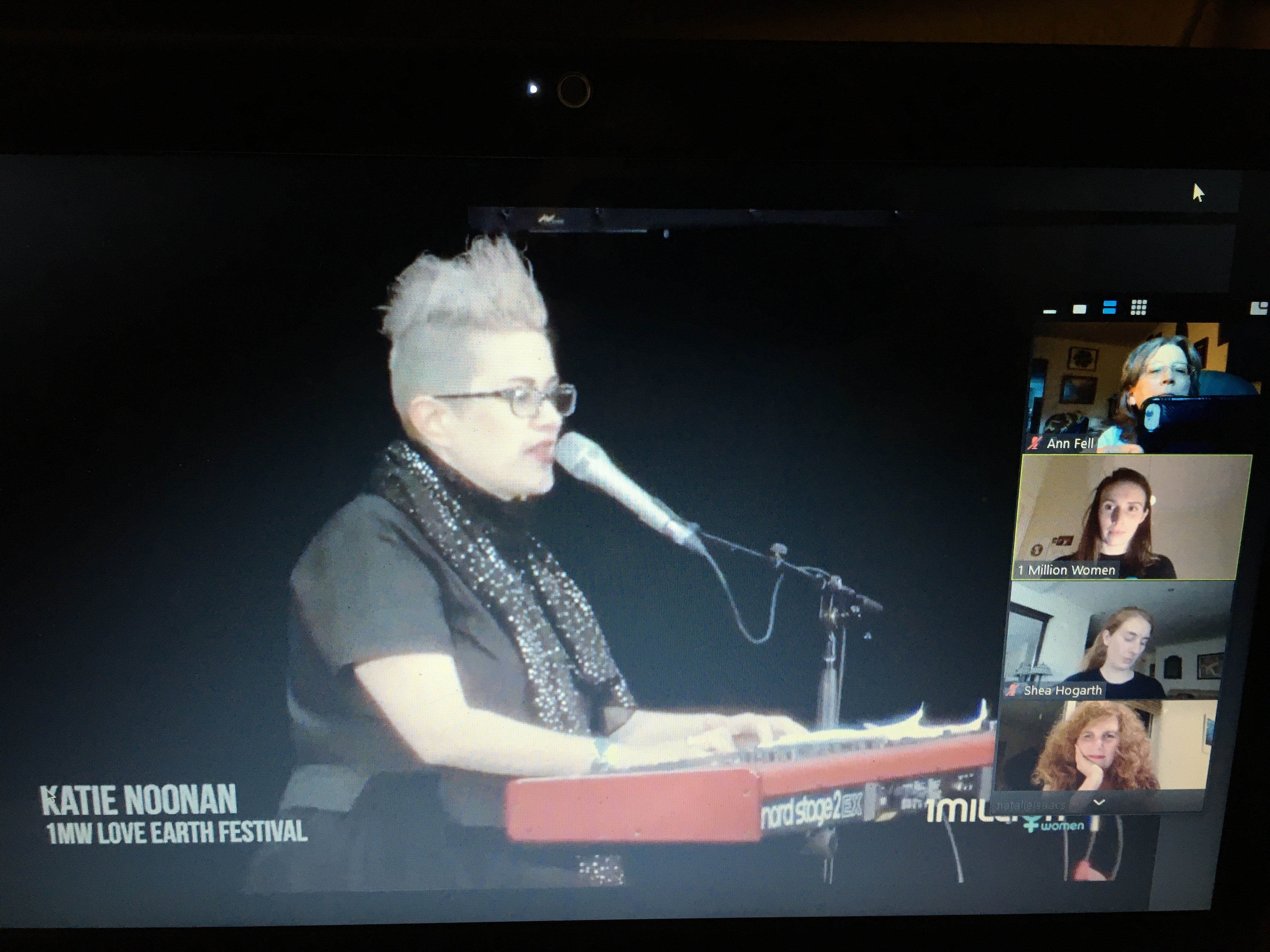
The Zoom meeting concluded with more music from a previous Australian Love Earth festival, Katie Noonan singing “I Am Woman” and it brought back memories of Helen Reddy’s voice: “I am strong. I am invincible.”

What are you waiting for? Please share this post. Order one of Natalie’s books. Connect with your friends. Make some new friends. Take action.

Re-Writing Life

What do you do when your first novel receives great reviews, and people urge you to write more? That’s the real test. Last week I listened in on a live interview with Edwin Hill, author of Little Comfort and The Missing Ones. He mentioned how there is a delicious freedom with the first novel—no expectations, no deadline, nobody waiting anxiously for the arrival of the book. The second book presents the real challenge.

For subsequent works, you must write under pressure of expectations. Can I fulfill the requests of readers and maintain integrity with mywriting? Do I have more stories inside, worthy of being shared? How long will it take? And how long will the readers wait patiently for an attempt?

It was definitely a challenge to write a second novel. You’d think, now that I’d done it once, the second novel would be easier. But that was not so. It was hard, writing Sonata of Elsie Lenore.  I wanted to satisfy my readers. I needed another suspenseful tale, utilizing pianos and piano technicians as characters. I wanted to provide readers with another Izzy story.  After all, that was what several readers specifcally asked for.

But Izzy was all storied out. I tried mightily to write Elsie Lenore with Isabel Woods as the protagonist, but it just didn’t work. Maybe she could be the narrator then? That didn’t work either.

The seed of the Elsie story germinated 20 years ago, and was nourished by events since, but there was nothing quite as concrete as the events that wrote themselves in the Sundrop story. I had to introduce new characters, as well as keep the older ones, and it was HARD. It seemed that Elsie Lenore just didn’t want to sprout. Or she did, but the seedling was all twisted and wrong. The story didn’t flow. Even after I had a complete draft, and was re-working the three parts, it wasn’t coming together. I  finally realized it was because this was no longer Izzy’s story. I was trying to make it another Izzy adventure, but this story belonged to someone else. It belonged to Stefano.

And I re-wrote the entire book. Several times.

Elsie Lenore has been through so many re-writes and revisions, I have lost count, but there are 6 different outlines in my computer files. Six major revisions later, Sonata of Elsie Lenore was released–shortly before the world screeched to a halt with the COVID-19 pandemic, and that added a new layer of complication. Everything looks different through a coronavirus lens, but I hope the final product is one that readers will enjoy, as they follow Stefano Valdez from Izzy’s piano shop in Kansas to Cuba and back again. I hope they cheer him on as he grapples with major failures and shortcomings in his personal life.

It’s true that the biggest part of the writing job, is, in fact, revising and re-writing. Polish the prose. Edit for clarity and flow. Do it again and yet again. And when you realize that the story just isn’t working the way you envisioned, you have the prerogative and the privilege to start again. Indeed, more than a prerogative and a privilege, it may be more of an obligation to re-write.

This makes me think of our global situation today. Right now, our society, our culture, and our species own the same prerogative. The same obligation. The pause in life gifted to us by COVID-19 has allowed us to step back and take a look. Things just weren’t working out too well for most people–not to mention most of the living things on this planet. Were they? This is the perfect time to re-write our future. We may not receive such a chance again.

As we move from isolation cautiously back into the social realm, let’s tread carefully, step out in a different direction, and when the path forks, flip a coin and try something different. Only one thing is certain. We can’t go backwards. Forward is the only way to go.

Let’s re-write our future together.

Awakenings

For the last few weeks, I’ve contemplated the question raised by Marvin Swanson decades ago. What things do hamper our awareness of our immediate surroundings? Things that distract our minds, keep us focused on inner dialogue, perhaps. Though he noted several young friends who were television addicts forty years ago, I suspect Marvin would be amazed to find that today we can take our screen distractions to any place at any time and ignore what’s happening in front of us.


From Marvin:

I’ve been thinking of what puts blinders on awareness: feeling down, worry, being an eccentric wheel around an unproductive crush, too much alcohol or drugs.

And what increases awareness? How can one develop greater awareness? It often seems to take a change from the ordinary—a change of feelings, of routine, of environment. How can we make the familiar stand out in freshness and newness? Go outdoors. Enjoy stimulating conversation with a new acquaintance. Read a good book. Listen to music. Sometimes a good TV show or movie works. A change of season helps too.

Awareness is increased by (1) change (2) time to analyze experience. Can we add more to our list?

—MS

What have I missed by being self-absorbed? How can I break out of that box?

What works for you?

On the Courthouse Lawn

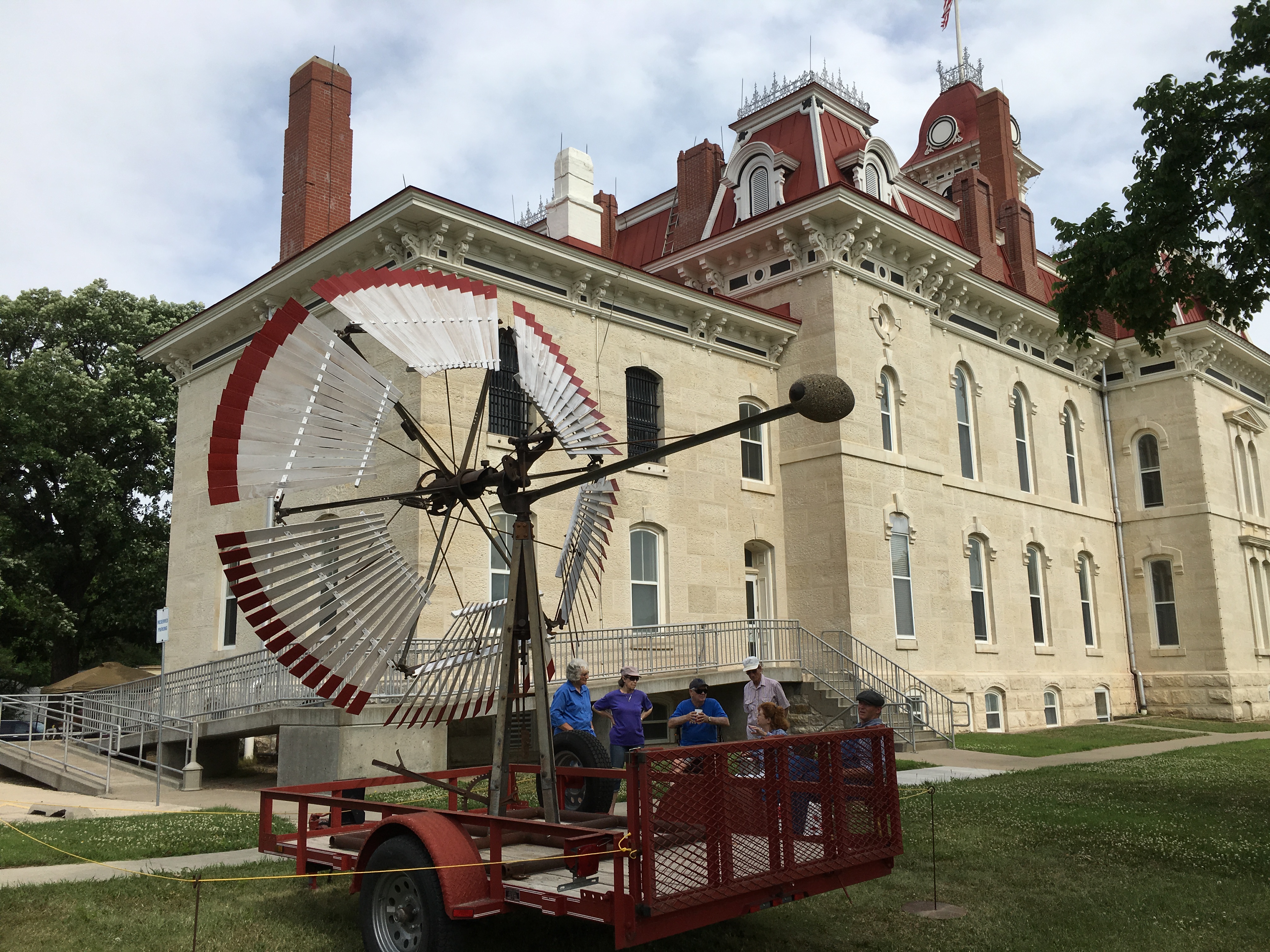
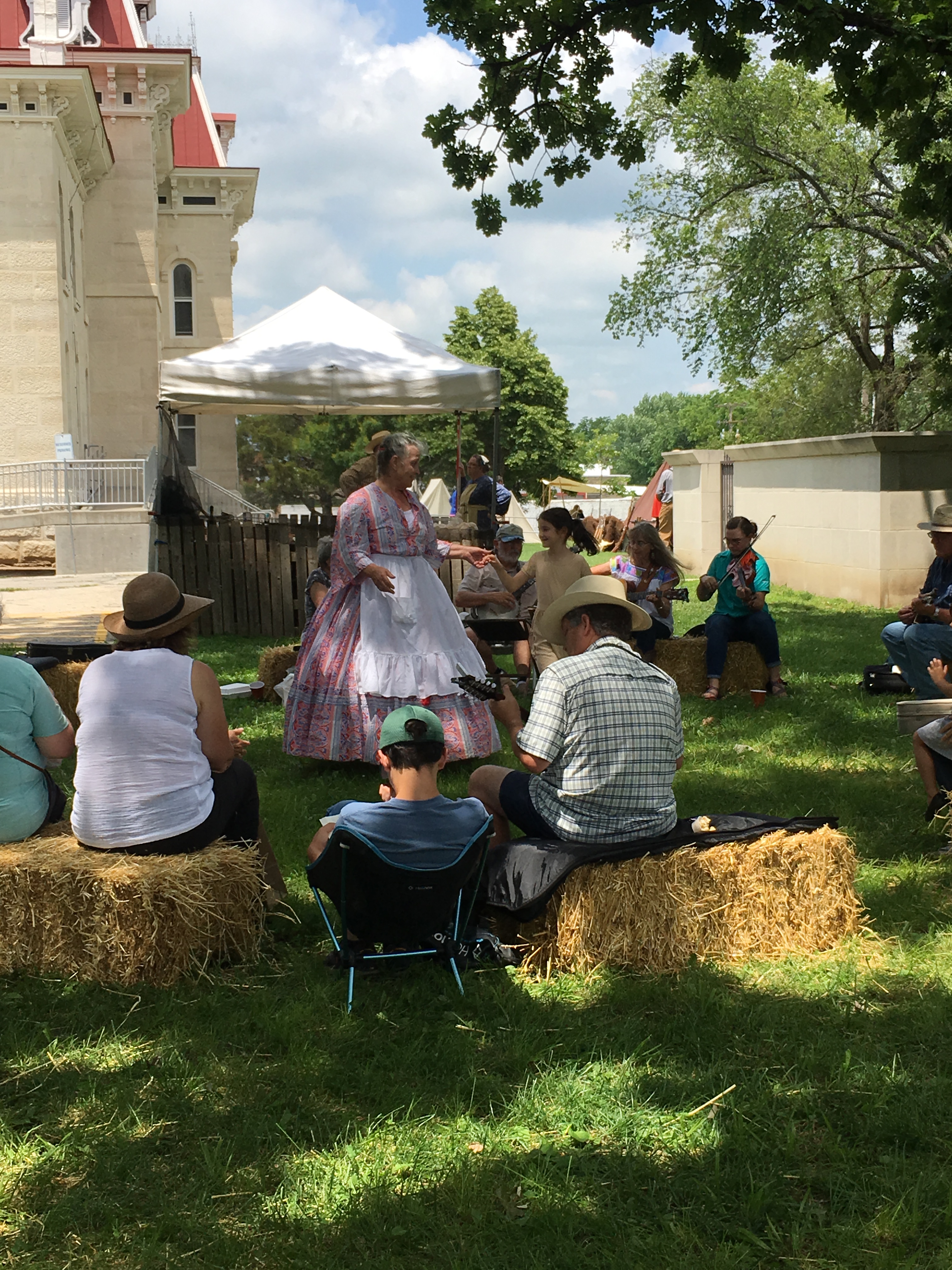
The annual Flint Hills Folk Life Festival was held last weekend on the shady lawn surrounding the historic Chase County Courthouse in Cottonwood Falls, Kansas. Each June, the organizers of this event plan it to coincide with the Flint Hills Symphony concert performed by the Kansas City Symphony.

“The Earth Has Music”

A freak storm on the eve of the symphony weekend ended up cancelling the big musical performance, but the Folk Life Festival continued. Wandering music lovers discovered music on the lawn, just a few miles up the road. There was even a bit of dancing.

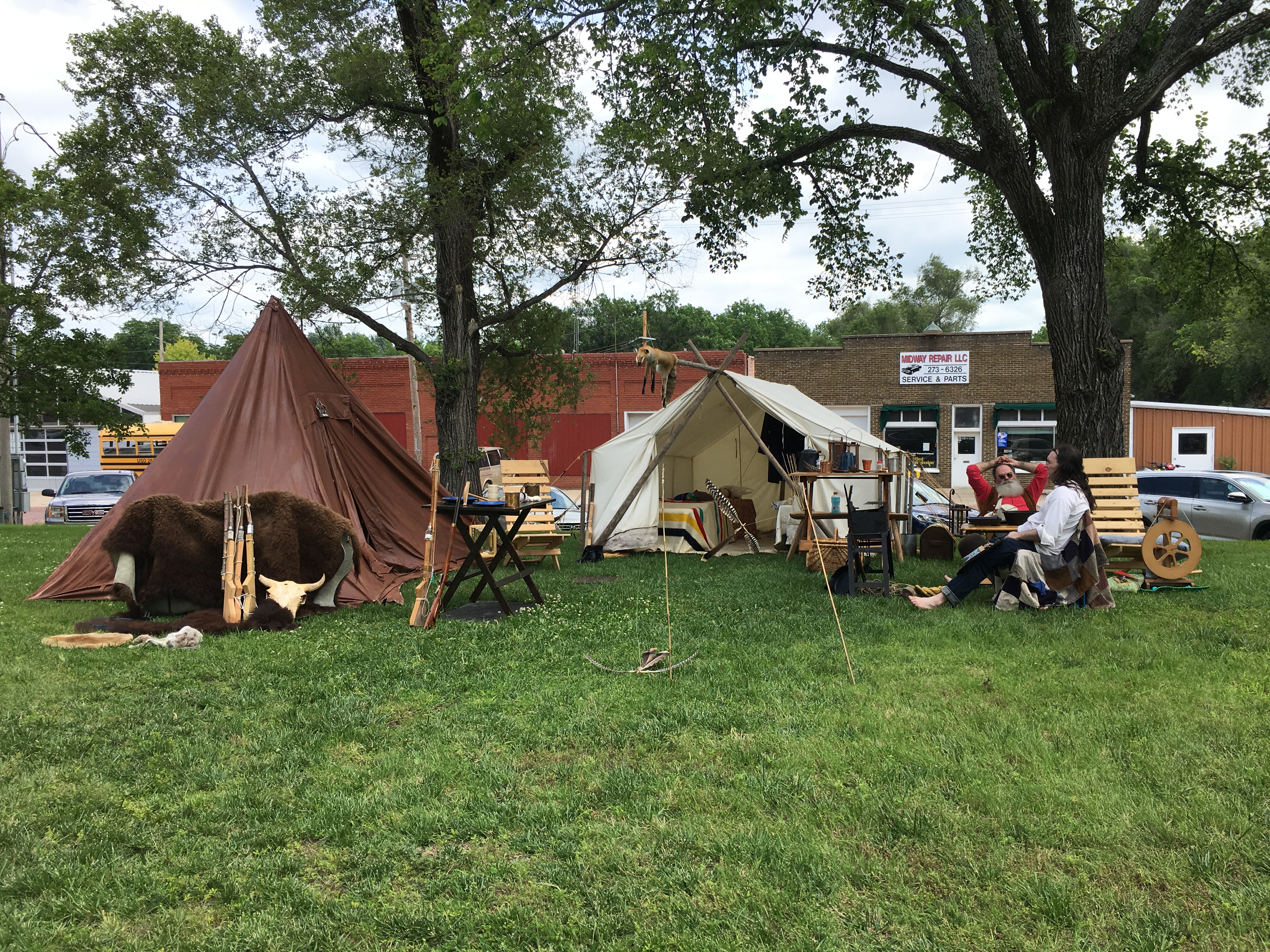
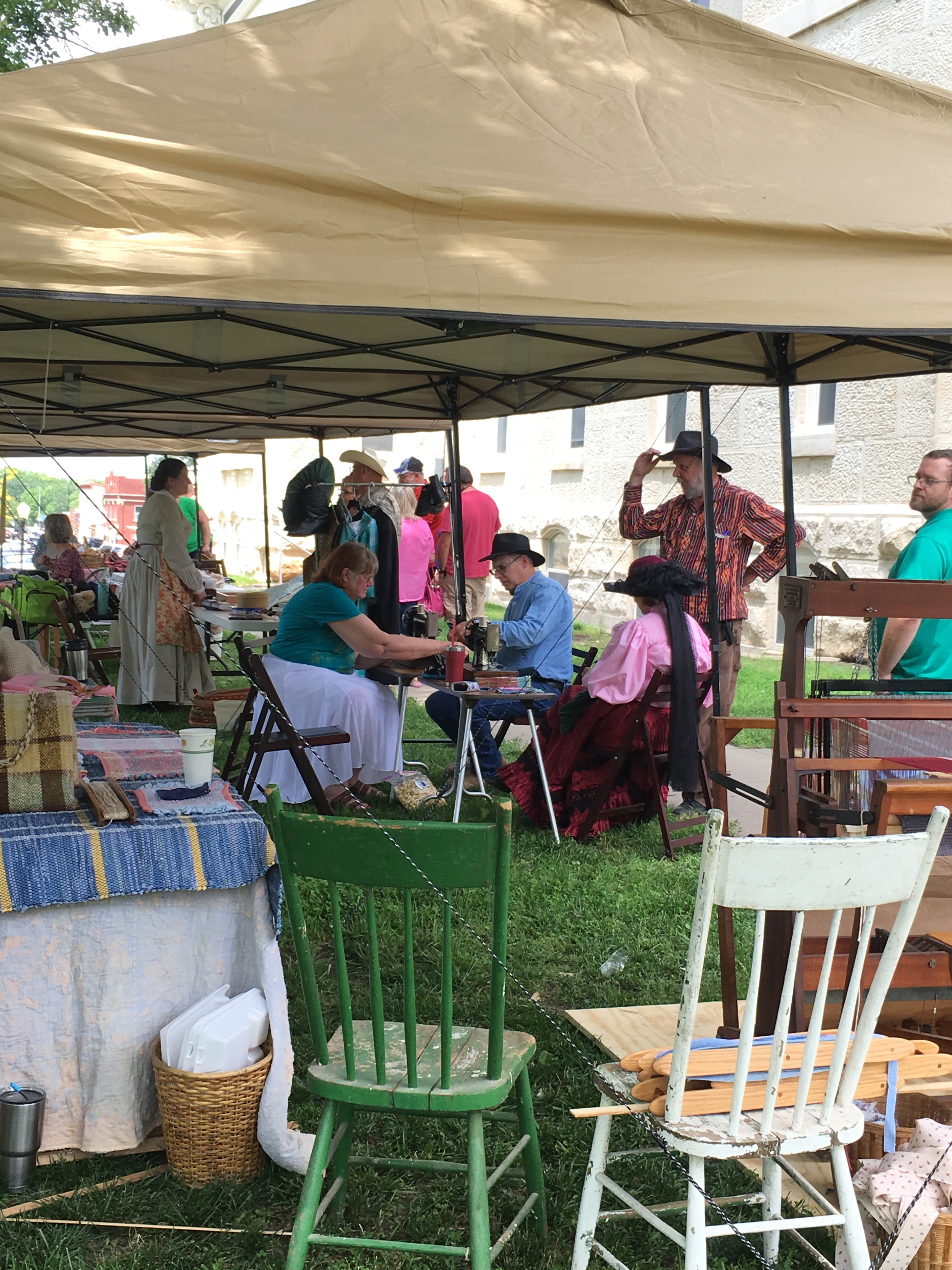
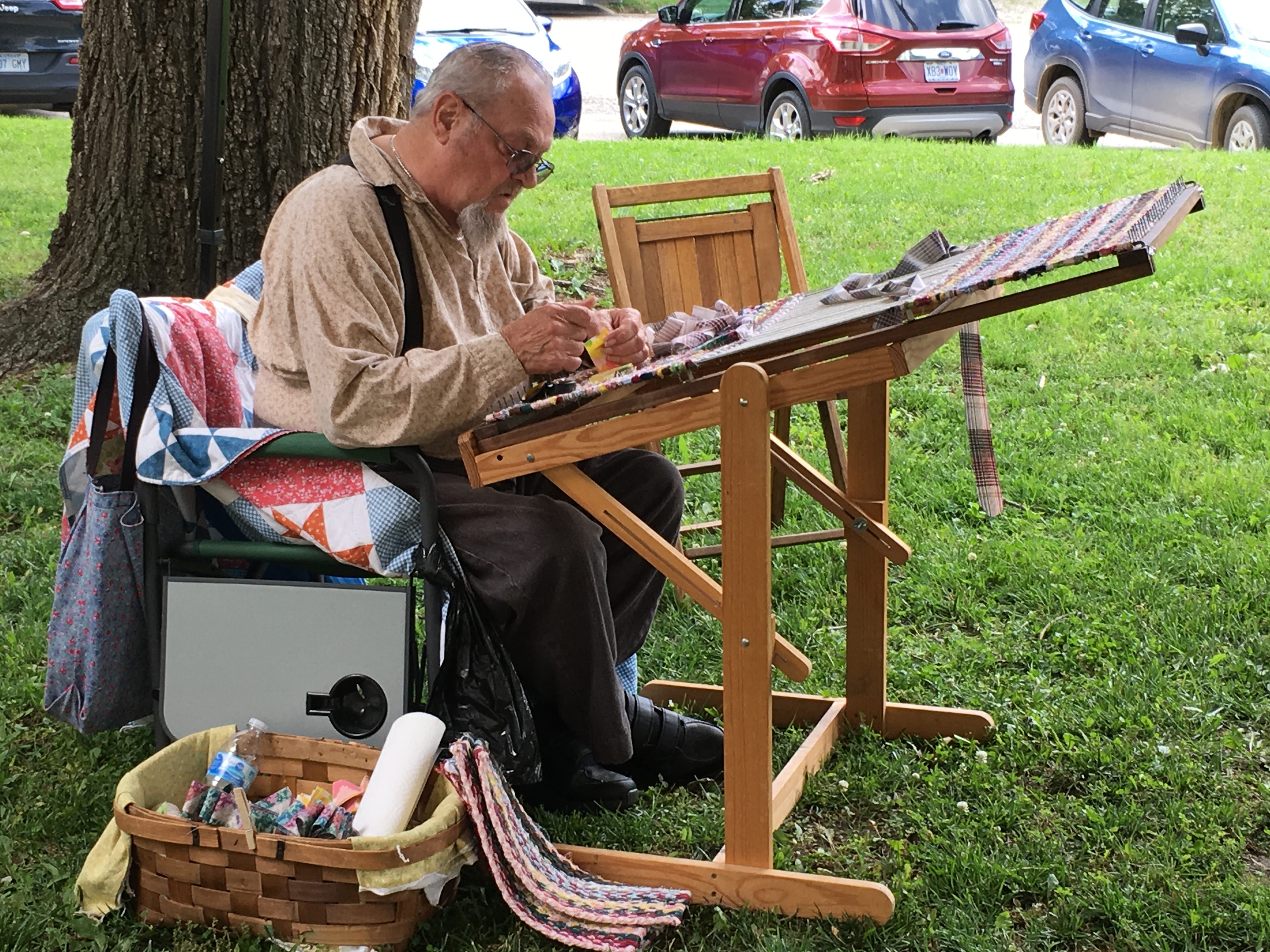
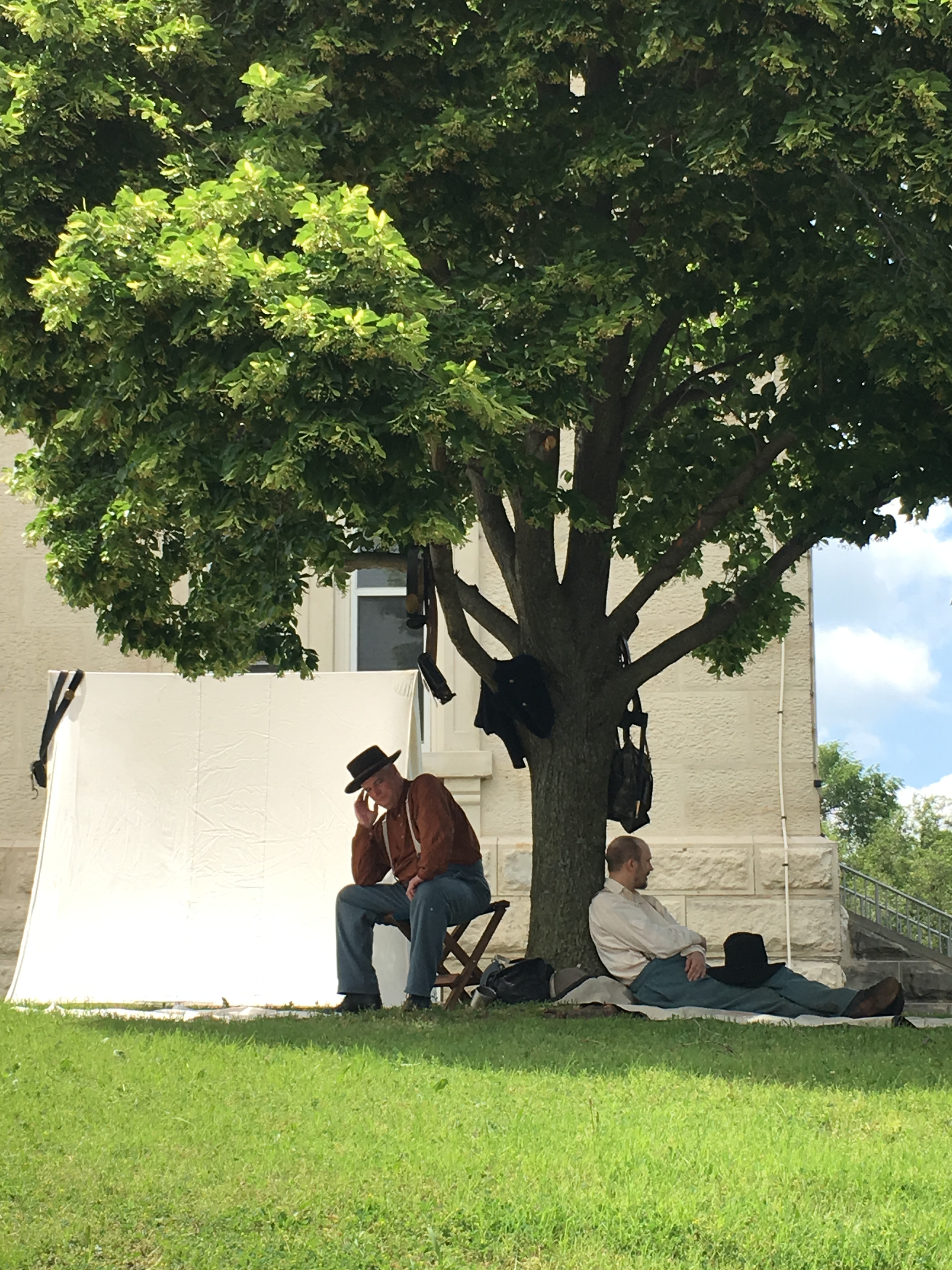
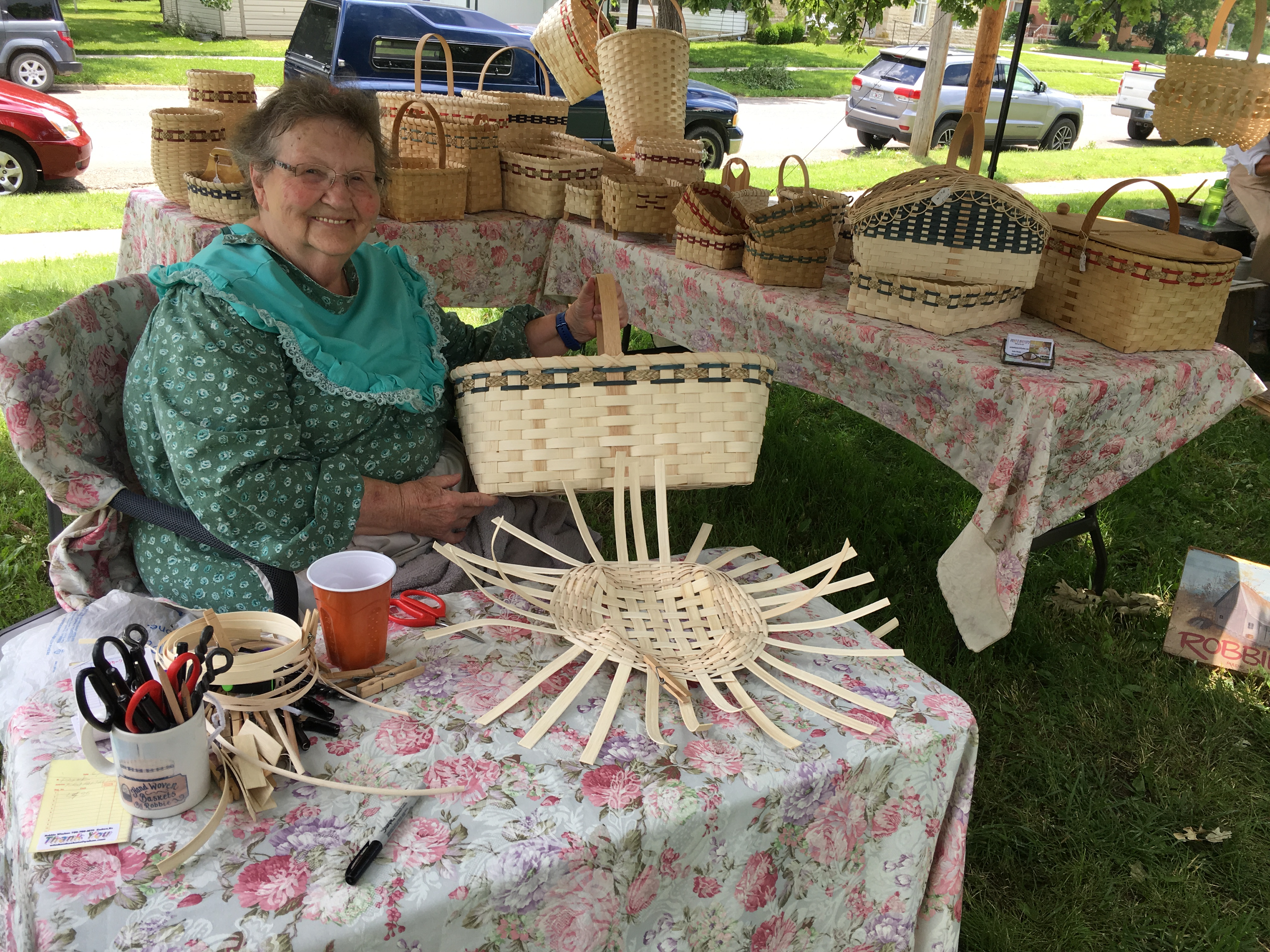
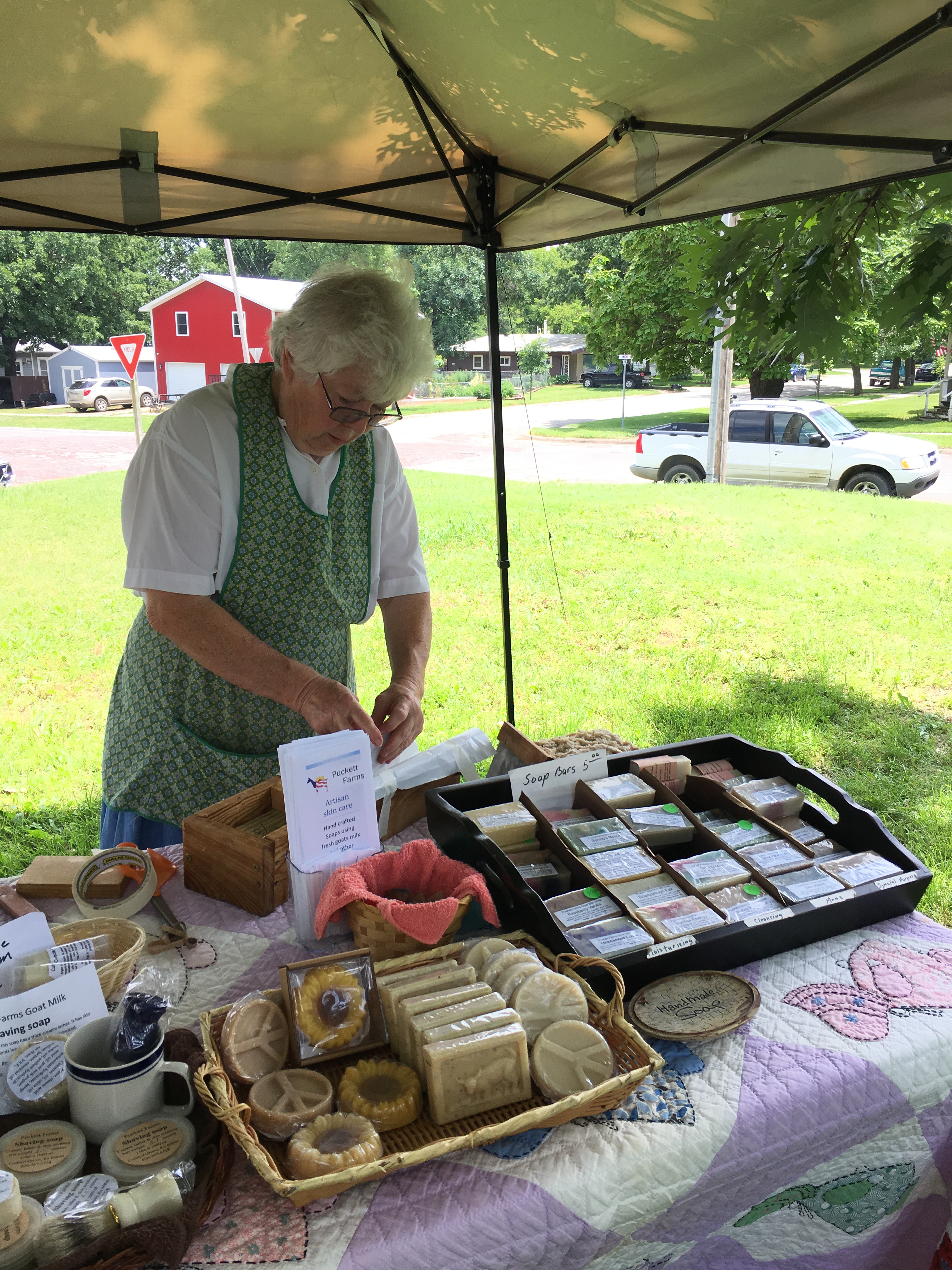
If you took a closer look at the exhibits, you’d find artists demonstrating skills from the nineteenth century. You might find a basket weaver. Or an artisan busy making handmade soap. You’d find a field station for a frontier army, and Union soldiers patrolling the grounds. A mountain man displayed crafts and toys made from feathers and skins. A row of tents under the elms held many textile crafts with artists hard at work. And you might even be invited to try your hand at various activities. I helped with a quilting bee, learned about Tunisian crochet and rug twining, as well as conversion hints to turn my grandmother’s old red-eye Singer 66 treadle sewing machine into a hand-cranked version.

You could find a potter, busily throwing new kitchen pots on an old-fashioned kick-wheel or a woodworker making spoons from chunks of firewood. If you get thirsty, how about some homemade lemonade, or even root beer? And to remedy the nibbles, some kettle corn, hot and fresh. You might even find a book or two written by a prairie author, featuring life in those Flint Hills surrounding the historic courthouse.

If you took some time to sit in the shade a spell, and exchanged pleasantries with some of the other visitors, you would encounter people from several nearby communities–Council Grove, Americus, Emporia–as well as Wichita and Kansas City. You  might even find folks from as far away as Minnesota and Texas, who had chosen this weekend to explore the Kansas Flint Hills.

Disappointed symphony fans who took the time to look around returned home with an unforgettable memory from picturesque Cottonwood Falls. With nature weirding into increasingly unpredictable and extreme weather events, the skills on display at the courthouse might even come in handy in the not-so-distant future. Take cues from the youngsters dashing around the courthouse, inventing games, twisting ropes, and flying feather kites. Life without all those electronic gadgets might have its upsides too.


To the Butterflies Among my Friends

Fly away, my friend.

Follow the map written on your heart.

Let your colors blaze in the sunshine as you skim across the ocean of prairie, its fall blossoms dancing in the breeze.

Dart through the forests until you find a safe harbor for the night, a leaf among the autumn leaves.

In the morning, push on. You have places to go and things to do.

Have no doubts regarding the course of your flight.

Though your path may trace circles and spirals in the air, and double back toward the waving bluestem heads, it is true to your heart.

Flutter on, a dark speck against expanse of the universe, with an occasional flash of fire when the sunlight catches your vigor.

Do not worry if no others follow the path you break. They follow the maps of their own hearts, and none can know what is written for another.

Though destinations are one, it is the journey which paints life with purpose.

Your journey is your own, unique and wonder-filled.

Congregate with others along the way, sharing shelter and sustenance.

And do not despair if their paths depart from yours.

You will have gained strength and stamina during the gatherings.

But follow your own heart. Cling to your purpose.

Stay with your course and Godspeed, my friend.