Lester’s letter: November 10, 1941

(Interestingly, this letter from 1941 clearly indicates that the days of the week this year closely match those of 1941. Here is it Sunday, November 10, 2013. Lester’s long letter postmarked November 10, 1941 was also written on a Sunday. Probably he wrote the letter on November 9.  In it he described the daily routine and activities of his experience so far.)

Dear Folks

This is Sunday evening, six-thirty & I have just finished shaving & cleaning up for the evening so I will try to get a letter off before I start to study.  It is three hours yet till we have to be in bed though we can go to bed any time after seven-thirty.  We have supper about five o’clock on Sunday evening.  You asked what we did each day so I will try to go thru an average day for you.

We get up at five-thirty, dress & lash up our hammocks by six o’clock.  Then if we are having late chow, we clean up the barracks before eating.  We sweep, wash, wax, polish & shine everything.  By this time it is seven-thirty & time for late chow.  After chow we go to the field to drill or to a lecture.  We drill till eleven or twelve then back to the barracks for a little rest before noon chow.  The rifles we carry for drill weigh about eight pounds without bayonets.  The bayonets add another pound but we haven’t used them yet.  About one-thirty we go to drill again until sometime around four.  Again we rest before evening chow at five-thirty.  After that we are free to do as we please which means that we wash clothes, shave, take showers, get our beds made up, write letters, play cards or study.  You see we manage to keep busy.

Keeping busy at the training station. Photo postal card 1941.

Someone has to stand guard all the time.  The guards are four hour shifts which is plenty long to walk the floor.  My first guard was from midnight till four in the morning.  I had to walk back & forth about a distance of seventy-five feet.  Four hours of that gets pretty tiresome & monotonous.

This morning everyone except the guards & the Jews went to church.  This afternoon we went to a concert by an all-girl band.  The boys sure got a kick out of that.  I think the girls enjoyed it also.  On Monday, Wednesday & Friday nights we can go to shows if we want to go.  I have gone twice.  They are the same shows which you see at home.  Last night we went to a special show & lecture.  A Norwegian boy who had escaped from the Nazis in Norway told how they were annoying & fighting their Nazi conqueors.

I had a letter from Aunt Mabel the other day, also one from Frances.  I have received several letters, about one every other day, I guess.  I’m always glad to hear how you are getting along.

By the way, Wallace, if you had pants like we wear here, you would have to wear gloves to keep your hands warm as you can’t get your hands in the pockets on these.  There are only two pockets on the trousers, both at the waistband.  There is a flap in the front which requires fourteen (14) buttons to close.
OLYMPUS DIGITAL CAMERA
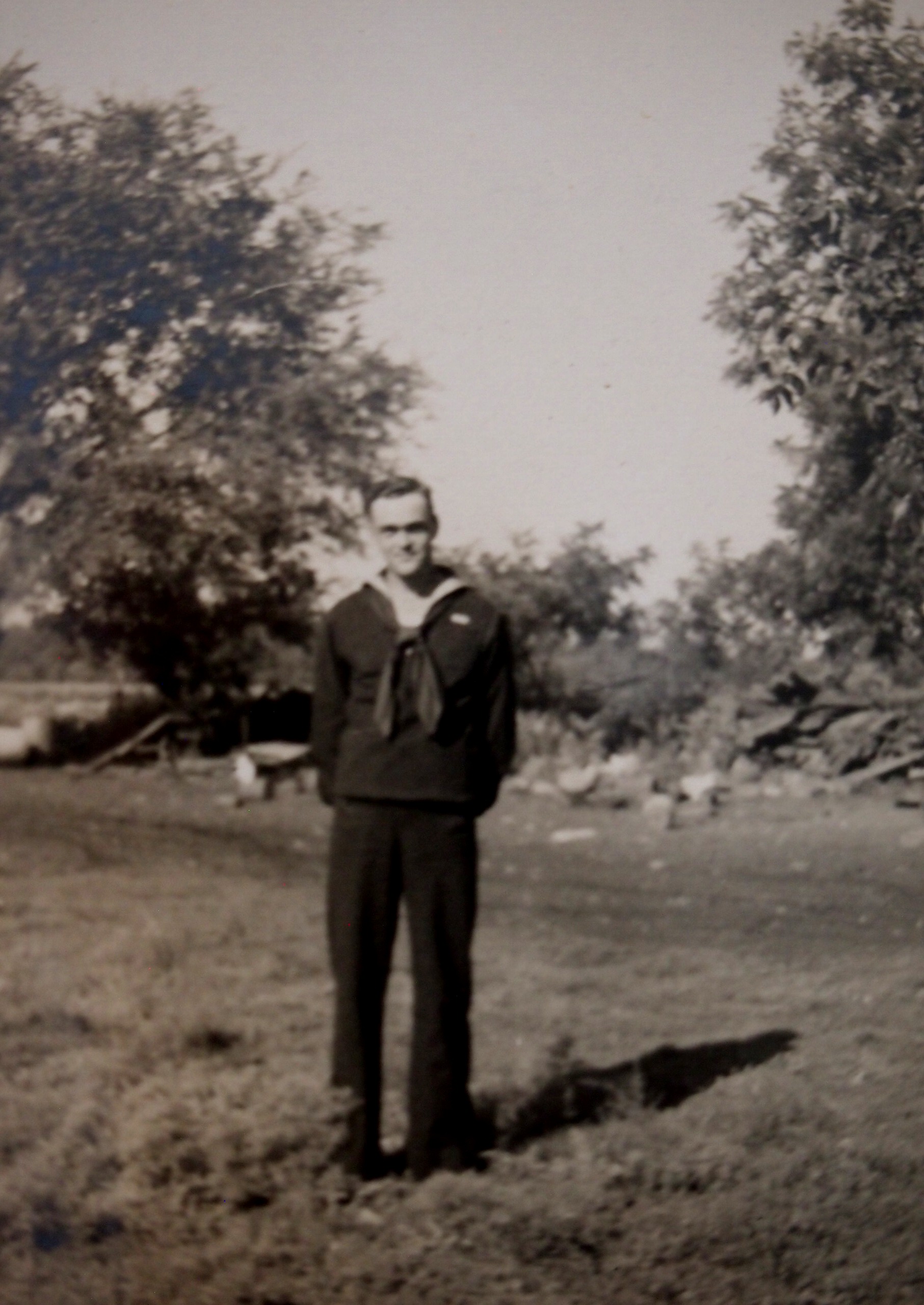
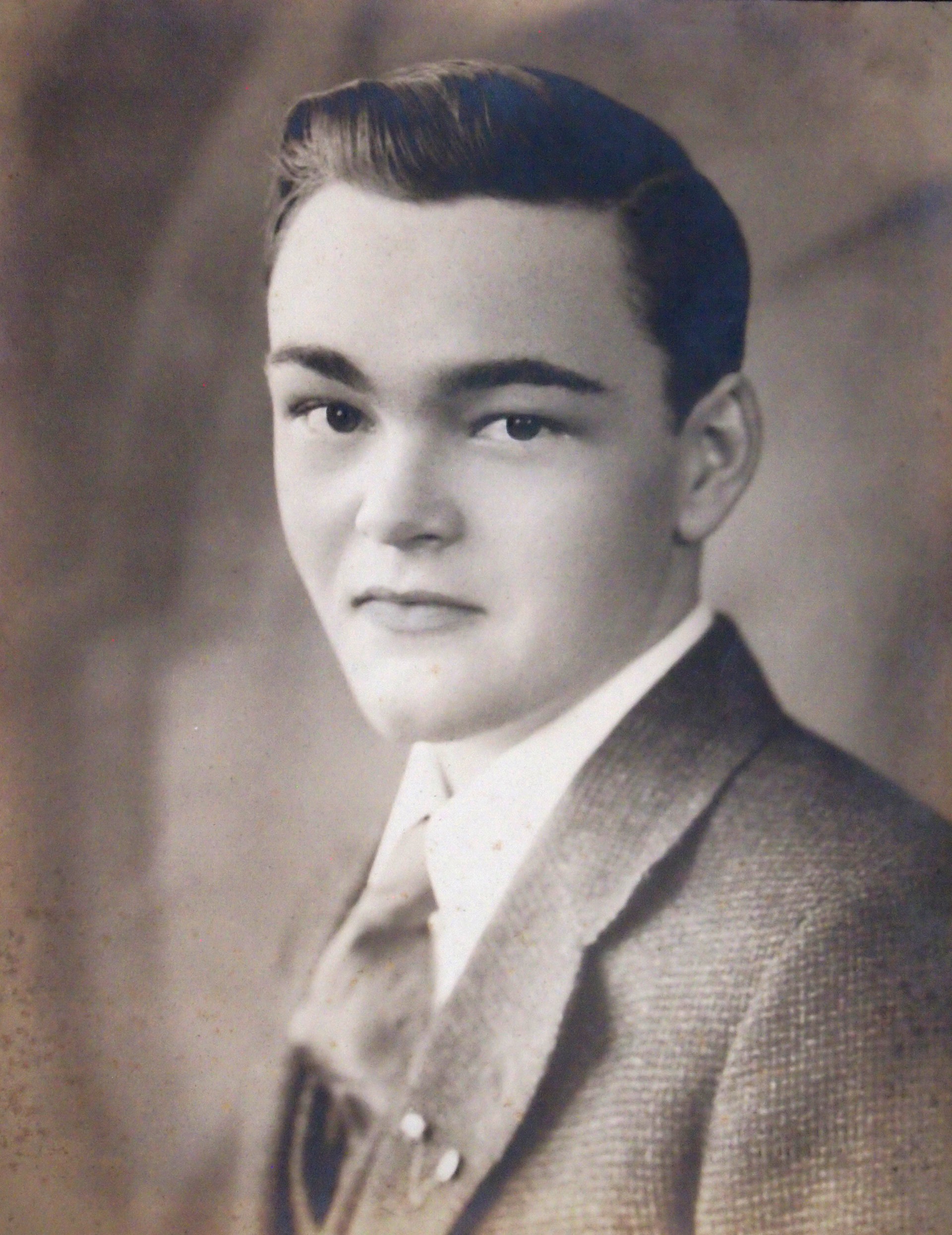
Lester in his US Navy uniform.

OLYMPUS DIGITAL CAMERA

When you reach for the pockets, your hands just slide on over a row of buttons.  We wear an undershirt, a black woolen sweater & a navy blue jumper which ties tight around the waist above the trousers & then hangs down over the trouser waistband.  We carry most of our stuff in this pouch.  We have two of these outfits for every day wear & one heavier dress outfit with white braid on the jumper.  We have to wear leggings here.  They spoil the looks of the outfit but they do help keep the pant legs clean.  We have one pair of Sunday shoes & one heavy pair for everyday wear.  We have plenty of clothes, especially when it is time to wash them.  We have to do this in a bucket & with a scrub brush.  We don’t use clothes pins to hang them up with but tie them up with clothes-stops, pieces of trot-line cord.  We have a dryer room which we use in bad weather instead of hanging them outside.

We get our mail delivered at noon & again at about four in the afternoon.  Practically all of the mail comes in the morning.   I got your letter at eleven this morning which is the quickest of any yet.  Usually it takes two days.  If you have a chance you might send me some envelopes as I am almost out of any that are any good.  We received stationery here at the camp but the envelopes won’t stick.  You don’t need to send stamps as I can get those here.  I would rather have the self-sealing kind if you can get them.  Don’t go to any trouble as I can write cards of course.

I’m about pumped dry & really should study some as we are going to have some tests this week & I don’t have time during the week to study so I had better bring this to a close.

We will get twelve hours leave when we transfer to Camp Paradise but I think I will stay here probably & save the money I would spend.  We won’t have much left from this first check.  Write whenever you can as we are all anxious to hear from home.  The mailman is quite popular here.

I hope the rain has stopped for awhile.  Paul, I enjoyed your letter a lot, write again.  Did you get my stuff from Ernest’s suitcase?  I had a roll of film & some other stuff in there.  I may want my camera as I hear that we are allowed to have them.

 
                                                                                                                                                           Lester

 P.S.  I have plenty of paper.
November 7, 1941

November 7, 1941

Dear Folks,

There isn’t much of anything new to write about but I suppose that you would wonder what has happened to me if I don’t write.  It started snowing last night & has been snowing ever since but it melts as fast as it falls. DSC_0006 It really isn’t as cold here as I had expected to find it.  A boy from Kentucky sleeps next to me & he is about to freeze all the time.  He says that fourty above is really cold there & two or three inches of snow is the most that he has ever seen.  Did I tell you that I have a brother in this company.  His name is Loyd Arthur Harris.  Just the middle initial is the only difference in our names.  He is from Michigan & a very nice boy. The officers have to call us by our full name in order to tell us apart.  He is upstairs & I am on the first floor so we don’t see much of each other.

I’ve written so many letters to different people that I can’t remember what I have told you.  Did I tell you about the gas drill?  We put on gas masks & went into the gas chamber for two or three minutes then took the mask off & went outside.  It wasn’t so bad.

Finnish civilian gas mask from 1939.
Finnish civilian gas mask from 1939. (Photo credit: Wikipedia)

I had a letter from Frances the other day.  It must be getting muddy by now.  Is anything new happening?  If you could see the way we mob the mailman you would know that we are all anxious to receive letters.

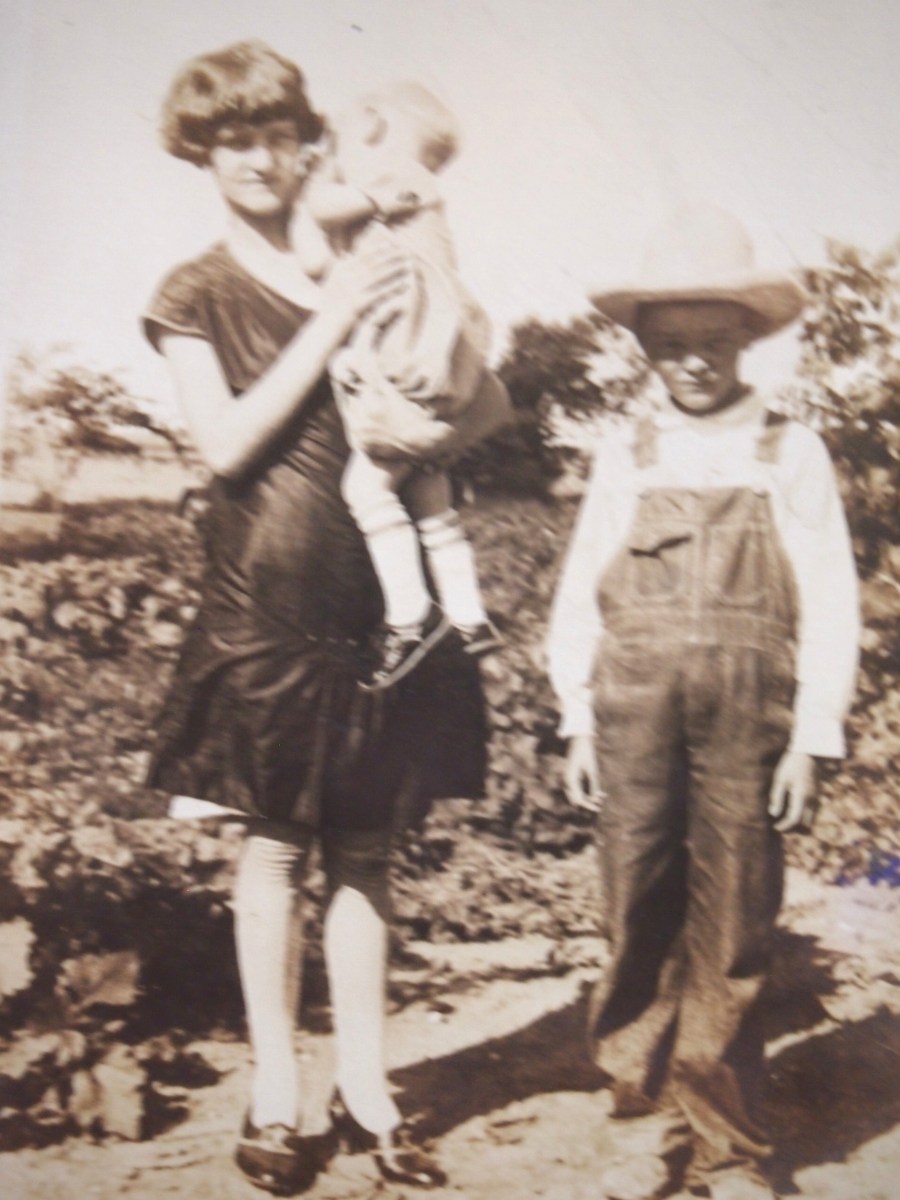
Lester, about age 9, with sister Frances and younger brother Wallace.

I’m going to have to stop without finishing this page.  Will write more later.

Lester

November 4, 1941

The Folks
The Folks

Nov. 4. 1941

Dear Folks

I won’t have time to write much of a letter tonight as we are really quite busy all of the time.  Of course we don’t drill so long each day but we have to do our washing & cleaning up in leisure time.  Also I want to do some studying before we take any more exams which will be next week.  We took one exam today.  It wasn’t bad so I think that I made a fair grade.

Sorry to hear that you are still having rains back there.  I hoped that it would dry up some time.  It has been nice here since Sunday & probably will stay that way for awhile.  I can’t think of very much to write about as life is very much routine here.  About the same every day.  I’m liking it better all the time as I get accustomed to the new way of doing things.

As I told you, we sleep in hammocks & we have to air our mattress & blankets every day & then make them in the evening.  We are learning something new all the time so that keeps it interesting.

Postal card from the U.S. Naval Training Station, Great Lakes, Ill. 1941

We got our first mail Monday & when Earnest got a letter & I didn’t get any I was rather disappointed but the tables were turned today when I received two letters & he didn’t get any.  We have been together all the way through so far.  He sleeps right beside me.  I am number 17 & he is no. 18.

We all have certain duties toward keeping the barracks clean.  The jobs are passed around so that no one has a bad job very long.

We went to a show last night but it wasn’t too hot.  I think I will stay & study tomorrow night.  They have shows on Monday, Wednesday, & Friday.  Josephine sent me a clipping from the paper saying that we could attend the roller skating rink, bowling & a few other activities that I haven’t heard anything about here yet.

Keep writing whenever you can & I will do the same.

Love,

Lester

First letter home

OLYMPUS DIGITAL CAMERA

Lester’s first letter home was post marked November 1, 1941 11:00 a.m. in Great Lakes, Ill. Notice the first-class postage stamp for 3 cents.

Dear Folks:

I have a little time now after dinner so will write a few lines.  I am getting along fine so far & like it OK.  We have pretty good eats & plenty of it.  We sleep in hammocks which are rather hard to get in & stay in, however I haven’t fallen out yet.  We are pretty busy most of the time, rolling clothes & etc.  We roll our clothes instead of pressing them.

We have been issued clothes, bedding & toilet articles including a comb.  After getting my haircut I don’t understand why they included the comb.  We have absolutely no use for it.  Maybe we will be able to use it someday, before I come home, I hope.  We haven’t been vaccinated yet, probably get those this afternoon.  If anyone asks about me writing them a letter I probably won’t be able to for the three weeks while in quarantine.  Our time starts Friday.

Image from a postcard sent home from training.

There are 120 boys in a company, sixty on this floor & sixty on the floor above.  They are a mighty nice bunch of boys, some are full of mischief of course but no bad ones.

I haven’t seen the sun since leaving Kansas City Tuesday evening.  We rode all night & didn’t get into Chicago until about nine Wednesday morning.  We crossed the Mississippi before daylight.  I was awake but couldn’t see much.  I think they must have been having a flood as it looked as though the water was all over the lowlands.  There were seventeen of us from Kansas City & we had a Pullman car all to ourselves.  We had breakfast in the diner at $1.00 per.  But we didn’t have to pay it.
I talked to Gentry over the phone a few minutes but it was so noisy I could hardly understand him.  I am sending my key in this letter.  Will have to close now.  Write soon.

Love,

Lester

Setting Sail

Lester F. Harris
Lester F. Harris

When I think of family and losses, my thoughts turn first to an uncle whom I never met. Lester Franklin Harris was the older brother to my father. Born the 21st day of February in 1918, Uncle Lester came of age during the depression era. He helped run the family farm for a few years after graduation from high school. In 1941, with conflicts escalating all over the world, he joined the US Navy and headed to the Great Lakes for training.

Lester did not make it home from World War II. His loss came years before any of my generation arrived, so none of us had the chance to know Uncle Lester. But we heard about him. My cousin, the son of Lester’s older sister, was named after him with a middle name of Lester. Additionally, David Lester’s life was so impacted by his mother’s love for her brother that he later joined the US Navy himself and remained active in the Navy reserves for many years beyond his active duty.

When the telegraph bearing news of Lester’s presumed death arrived at his home, the family–my family–bore a tragic shock. His parents had lost a son. His sister and younger brothers had lost their brother. His fiance had lost her soul mate. And those of us who came later not only lost an uncle, we lost the aunt he would have brought into the family, and any cousins who might arrived. Growing up, we didn’t know we had lost anything in particular. We’d never known the world with Lester in it. So how could we miss him?

Decades later, after the deaths of his younger brothers, I have found a box of Lester’s letters. And I understand. My grandmother saved everything. She filled a scrapbook with postcards he sent, photos, and other memories. Through his own words, I am now learning who my uncle was, what he meant to the family, and the scope of his tragic and untimely death. Over the next few months, I will post those letters, on the anniversaries of their origin, and share a few of the memories from over seventy years ago.

Today’s post is a speech he gave at his high school graduation. As salutatorian of his class, he was expected to address those in attendance. Surprisingly enough, or maybe without surprise, he spoke of a ship setting sail as a metaphor for graduates launching into their lives after school days are over. I post it today, for it was possibly on this date in the year 1941 when Lester left home for his basic training.

OLYMPUS DIGITAL CAMERA

Setting Sail
This week will see members of senior classes from all parts of the United States receiving their diplomas and setting sail on their life vocations.
 
When a ship starts on a voyage it is loaded with fuel. If the ship is large or the voyage long, stops may be made at several fueling stations. So it is in our life. Our fuel is knowledge, gleaned from our school life. Our first fueling station is the eight years of grade school. Our second, high school, and for those doing larger things in life, a third, college.
 
Ships are always in danger of being veered from their course by storms, of running onto hidden reefs or rocks. Our storms are discouragements, financial reverses or perhaps choosing the wrong vocation. The sunken reefs and rocks are perhaps the association with the wrong kind of friends.
 
However a ship does not by any means sail blindly. It has a pilot, lighthouses, and buoys to guide it and mark the dangerous spots. A young graduate’s pilot can be a number of persons—his parents, his teachers, or his friends. Usually each has a large part in determining what route the graduate will take. The lighthouses and buoys are perhaps business partners or others who can help to mark the best course for the graduate who is “Setting Sail” on new seas.
 
Lester F. Harris, Salutatorian
Senior Class of Dunlap Rural High School
Dunlap, Morris County, Kansas
May 13, 1936OLYMPUS DIGITAL CAMERA

There is Life After Loss

A year ago I launched The Bridge, following advice of several writing friends. It’s been an adventure for me, providing fulfillment in my life. I’ve learned a lot about the blogging world, but I admit I’m still a novice and have a lot more to learn.

This year, The Bridge is receiving a facelift. Again, advice from various writing sources convinced me that it should be narrowed in scope. The book I’ve labored to write for the last three years is nearly complete. I’m polishing a proposal. I’ve pitched it to a couple literary agents and a few small publishers. Excerpts from my memoir have won awards in writing contests in both Kansas and Oklahoma, OLYMPUS DIGITAL CAMERAfirst place in non-fiction in the 2012 Kansas Writers Association contest, and first place in non-fiction at the 2013 Rose State Writing workshop contest in Oklahoma.

I believe my story might help someone. I’ve done my best to write and polish the prose. I’m confused at times. Blog-related advice runs the gamut from “You can’t sell a book without a blog” to “Don’t start a blog until you know what you’re doing.”

I’m not sure I’ll ever know what I’m doing, but I believe I’ve been nudged from beyond— from across The Bridge—to proceed. My purpose in this venture seems to run counter to all the workshop advice. My goal has never been one of personal enrichment, of financial gain. Publishers and editors need to assess the marketable aspects of a manuscript. All I want to do is help somebody who needs a friend, somebody who might be going through a particularly rough time, somebody who might be struggling with a life-or-death crisis today. In some ways I am terrified to stir up the past and serve it to strangers. But if I can help someone, I need to find the courage to step forward. That is one of life’s big adventures—meeting your fears and laughing through the terror.

Let me tell you a little bit about the bridge photo in the header of this blog. More than three decades ago, I stood with my husband in the basement morgue of the hospital where our daughter—our precious child—had been stillborn. We gazed at her tiny face, stroked her cold cheeks, fingered her tiny hands, and bid her farewell. We had not thought to bring a camera. That was the one and only time we saw our baby girl.

After her memorial service in a windy hilltop cemetery, we wound our way through the hills of our county, just driving, not saying much. We did have our cameras though. Every so often, something caught our attention and we stopped to take a picture. The scenes were bleak, lonely, cold, PICT0548showing life buried by death, and dreams receding across a bridge. Together they expressed our unspeakable grief. The collage of photos became our picture of little Gabrielle, and the header of this blog was among them. It is a picture of my baby girl. Isn’t she amazing?PICT0547

Since the day three decades ago when I stood on a lonely road taking a picture of a bridge, I’ve bidden farewell to Gabrielle’s little brother. I’ve been widowed. My grandmother passed on, as well as a few friends. Most recently, I’ve been orphaned. Each loss opened a fresh wound and shook my faith in the goodness of life. Each loss was different, leaving a new kind of hole in my heart. Sometimes I thought I could not bear the pain. To watch someone you love die is to watch the world stop turning.

And yet, I survived. I’m here to say there is life after loss. All of us who love somebody risk the pain of loss and we will all have to bid that final farewell to our dear ones someday. After the frenzy surrounding a loss comes to an end, one thing that remains is the certainty that your life has changed forever.

But there is still life after loss. And it can be a good life. After losing my first husband, I met another wonderful man. After losing two children, together my husband and I have raised four. Now we are enjoying the antics of a grandson, and our youngest daughter is expecting a baby girl very soon. Life can be good indeed.

I offer The Bridge, re-designed, to feature topics related to grief and healing, to memorial tributes for my loved ones now gone, and to cover writing topics. Other facets of my life belong in another place. For those who may be facing terminal illness right now, or the sudden, unexpected death of a loved one, my heart goes out to you. I hope entries in The Bridge may provide a small bit of comfort and help with your healing journey. At least you’ll know you’re not alone. You have a friend.

What is a Hero?

In the middle of August we flew to Wisconsin to honor the life of a dear aunt. This lady was another August hero. Friends at her service commented that the best leaders are those who walk beside you, shoulder to shoulder, rather than way out front. PICT0836Jean Meyer lived the life of a serving leader. Her daughter, Kathy, summed up her life by saying that Jean’s legacy would be, “The more love you give away, the more you have. And when you help others carry their burdens, your own becomes lighter.”

Within Marvin Swanson’s letters, I found this quote:

“People seek worldly power, one-upmanship, popularity, recognition and fame to the degree they are lonely and empty inside . . . The real heroes of human existence are least noticed . . . They blend into their surroundings so naturally they are unnoticed until their work is felt.”

Pondering this, I realize that the giants who surround me with their wisdom are my unsung heroes. Marvin showed me how a man could live with dignity and have unbounded influence even when faced with a severe handicap.

Jean and her husband Phil welcomed us into their family with enthusiasm and love. Based on shared memories at Jean’s celebration of life, their influence spread to people in many other countries as well.

These people certainly stand tall in my mind. Perhaps my heroes are those people who have taught me something, even unintentionally–the teachers in my life. The people featured under this category in my blog are heroes to me, whom I will always remember for their exemplary lives. How do you recognize your heroes?PICT0838

August Birthdays

           ??????????????????????????????? A theme for the chronicles of summer has emerged. In the midst of chaos, when my feeble brain overloads to the point where I feel one more thing will surely short-circuit the whole affair, a new revelation presents itself. Through hours of mind-wandering road trips, bustle-to-wait airport adventures, and the monotony of slathering new paint over walls of a vacant house, or peeling buckets of apples to preserve, I realize the month of August carries significant import for me. August was the month when several of my significant people were born.

            This realization started with an invitation to the 100th birthday party of a lady, born on August 2, 1913, who demonstrated to me what it meant to be a good neighbor. At a time decades ago when repeated crises in my family nearly got the better of me, she was there to help, quiet and dependable. Once I despaired. “I don’t know how I’ll ever pay you back.”

            “No need to pay me back,” was her reply. “Just do the same for someone else someday.” Pay it forward. Don’t pay it back.

            Then, of course, there is my youngest child, born the 25th day of August twenty-four years ago, whose impact on my life continues to this day, wondrous and unique.

            Between these two, the old and the young, I think of my niece, the precious and oldest grandchild of my own parents, now capably raising a family of her own.

            There is my sister-in-law. The better I know her, the more clearly I see our kindred spirit and I understand why I love this family so much.

            I have been reminded that my good friend, writing coach, and life mentor, Marvin Swanson, celebrated an August birthday, on the 23rd day of the month, if my notes are correct. Marvin left the earthly life fourteen summers ago, but through the collection of letters he sent me, he lives again, almost as if he was still nearby.

??????????????????????

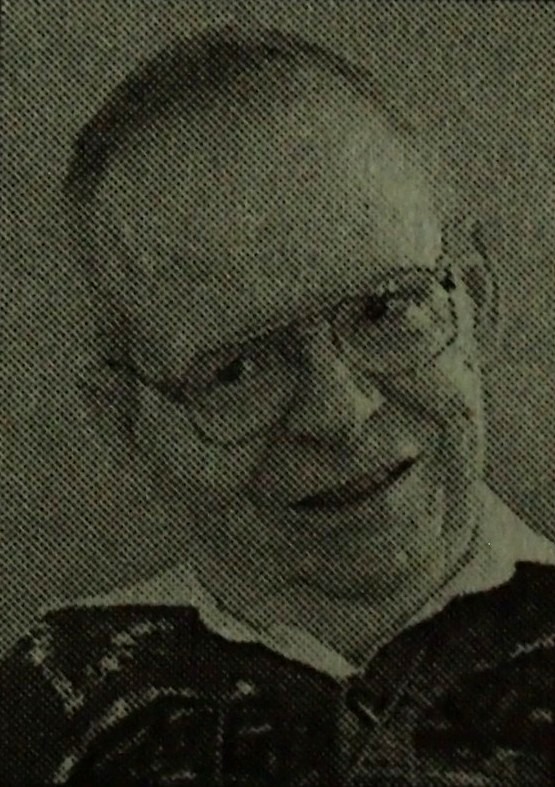
            Born in western Kansas in 1923, Marvin became afflicted with debilitating arthritis when yet a teenager. For over thirty years, he was a correspondence instructor of writing at Fort Hays State University and the University of Kansas. Living close to the campus of FHSU, he rented rooms to students and served as a mentor and a kind-of-foster-parent to those who shared his walls.

            Marvin was a founding member of the Western Kansas Association on Concerns of the Disabled. The founding principle, possibly penned by Marvin himself, reads:

            We, the members of the Western Kansas Association on Concerns of the Disabled, believe that all disabled persons, regardless of their disability, have the right to choose their own lifestyle. Along with this right comes responsibility. Therefore, we also believe that all disabled persons, no matter the degree of disability, can and should contribute something to society. We have dedicated ourselves and WKACD to the continuation of these principles.”

            If contributions could be measured, those of Marvin Edgerton Swanson would rank among the highest humanity has to offer. Though imprisoned in a body wracked with pain, he transcended that condition. His mind, ever observant and quick to compile subtle nuances into gems of wisdom, connected with young and old to contribute to the betterment of life for all.

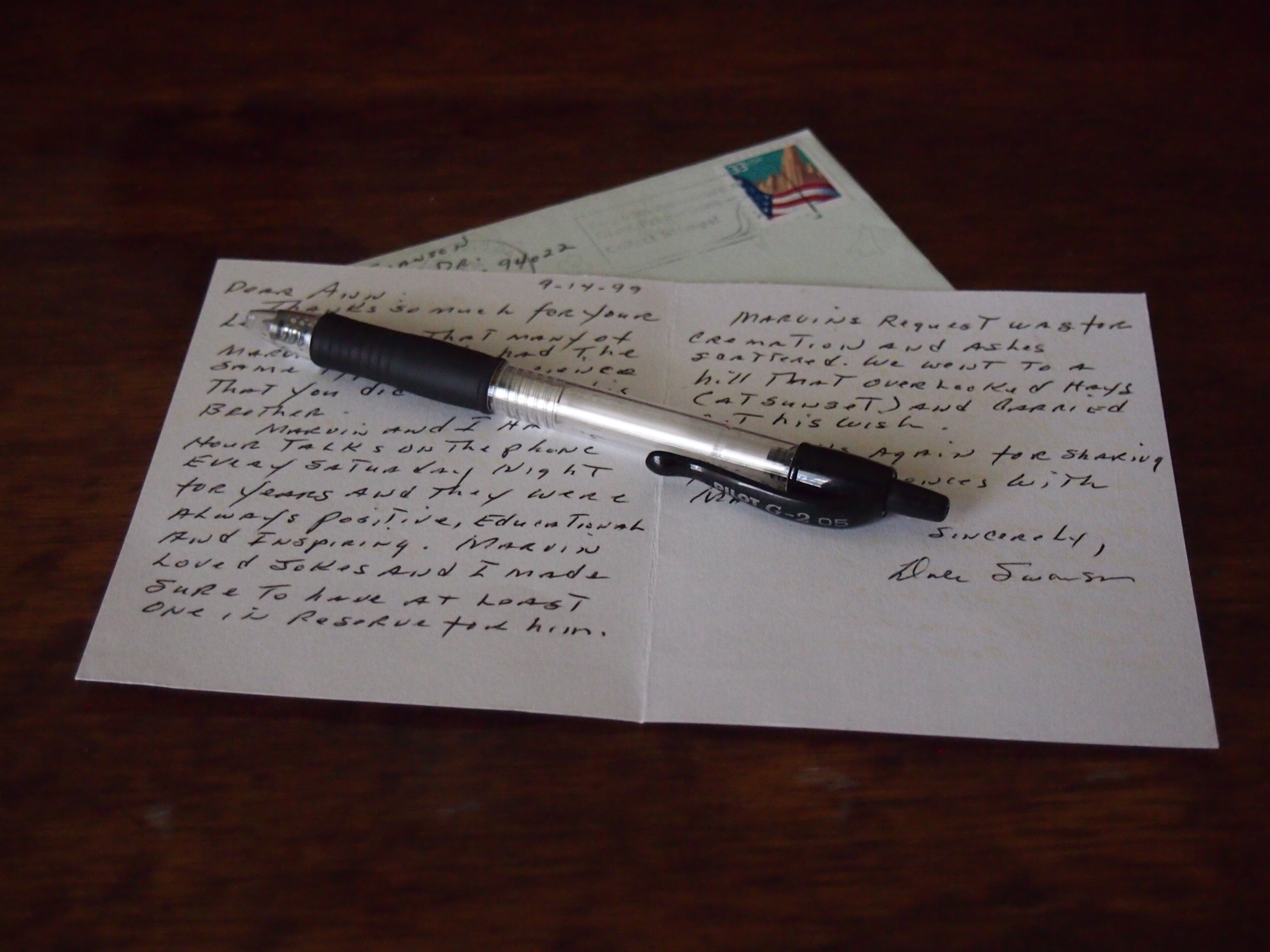
            I met Marvin when I attended college at FHSU. We corresponded regularly for decades, until shortly before his death. His arthritis compromised his ability to wield a pen. Thus the thoughts he inked onto his monogrammed stationery were deeply considered and well-planned in order to wring the most meaning from each word. Reading them again today, he comes to life in my mind. The years drop away and it is almost as if I am young again, curled on his sofa, relating my thoughts to him in exchange for his ageless wisdom.

            This new blog category will feature gems of Marvin’s wisdom, gleaned from his letters, because they are worth sharing with the world. His writing career lacked a blog site. Were he still here, that situation would likely be much different. Thus, Marvin, here’s your blog. Should other friends of this remarkable man eventually find their way to this page, I welcome additional gems they have savored from their relationship with him.


OLYMPUS DIGITAL CAMERA

            Today’s gem, in honor of those letters, and in celebration of Marvin’s birthday, reflects on the importance of writing letters. His letters, surely, carry vitality on their invisible and timeless wings.

In his words:

            I’ve been working on an article about the dwindling act of writing personal letters. Up to 80% of our reduced 1st class mail consists of business letters. Will the personal letter exchange gradually disappear in the electronic communication revolution? The personal letter has many unique advantages.

            Ellen Terry, an actress, began writing to George Bernard Shaw when they were both single. They never met. Both married. They wrote for 25 years. Shaw wrote about their correspondence, which has been published: “Let those who complain that it (the Shaw-Ellen Terry “romantic correspondence”)was all on paper remember that only on paper has humanity yet achieved glory, beauty, truth, knowledge, virtue, and abiding love.”

            Imagine, I can read a letter Christopher Columbus wrote describing America or Edgar Allen Poe’s letter revealing the secret of the real tragedy of his life. They’re in a book with many more entitled The World’s Great Letters.  I have it.

            “Letters . . . are, of all the words of men, in my judgment, the best.” (Francis Bacon)

 Letters are poignant keys to the souls of friends long gone. We can live through our letters, as Marvin lives on his pages. For the young generation of today, which is so dependent on quick, electronic messages, how will their words echo in bits and bites for those yet unborn?

A Mother’s Dream

Soon I will be traveling to spend a special birthday with my youngest, a beautiful woman now of 24 years. By this time next year she’ll have a child of her own crawling around, maybe tottering some first steps. I recall the wonder and anticipation I felt awaiting her arrival. And I remember the instant love, a mother’s bond, a determination to do whatever I could to see that she had a chance for a meaningful life.  I would give my life for my children. I suspect that many mothers–and fathers–feel this way toward a new life entrusted to them.

That was about the time when I renewed my interest in protecting the earth, our home planet, to preserve its vitality for generations to come. I wanted my children to experience the beauty of nature, to revel in the wilderness as I had when young. I wanted them to grow up with principles, and goals, and a sense of justice for the good of all, even wild creatures of God’s creation.

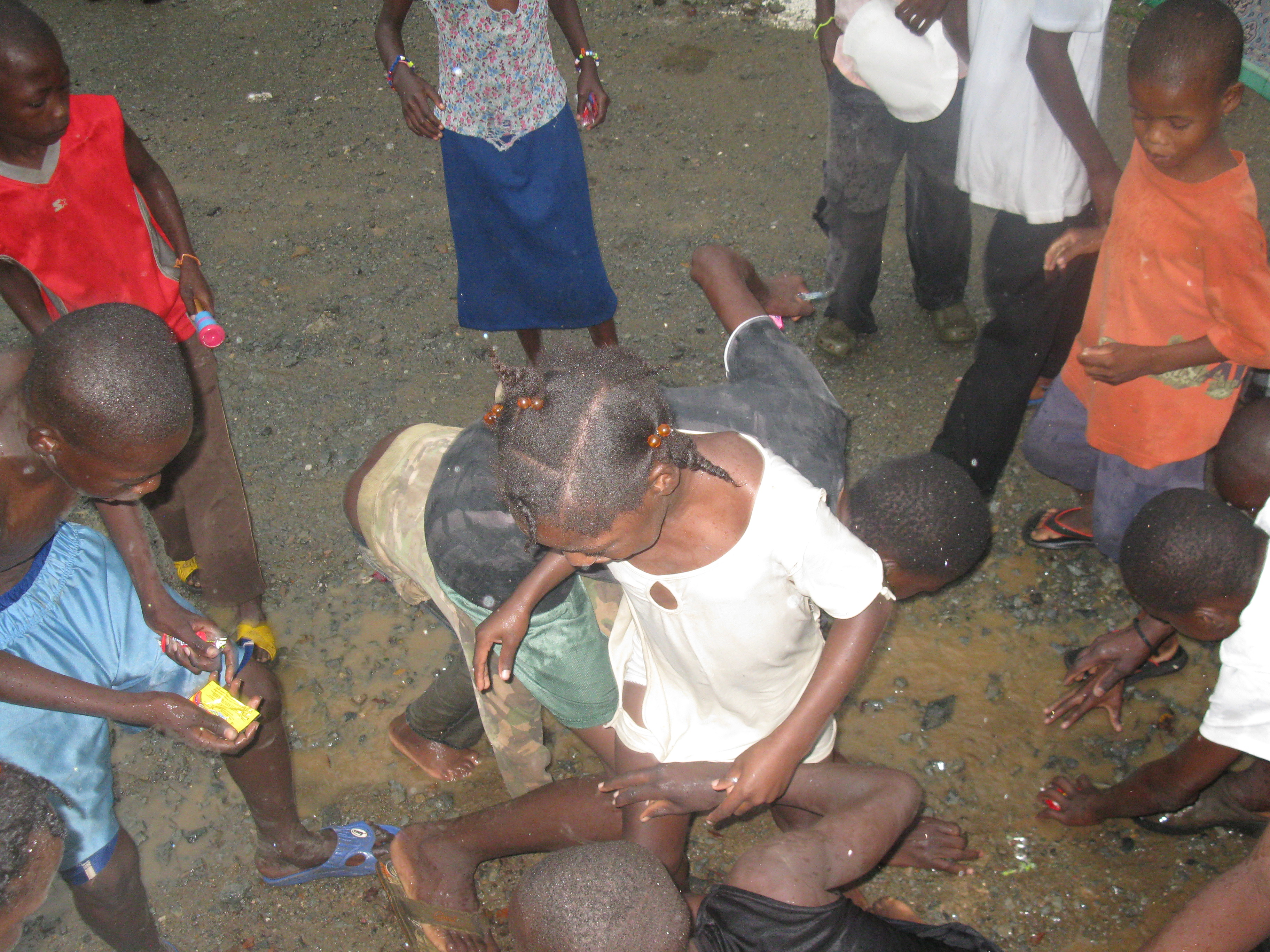
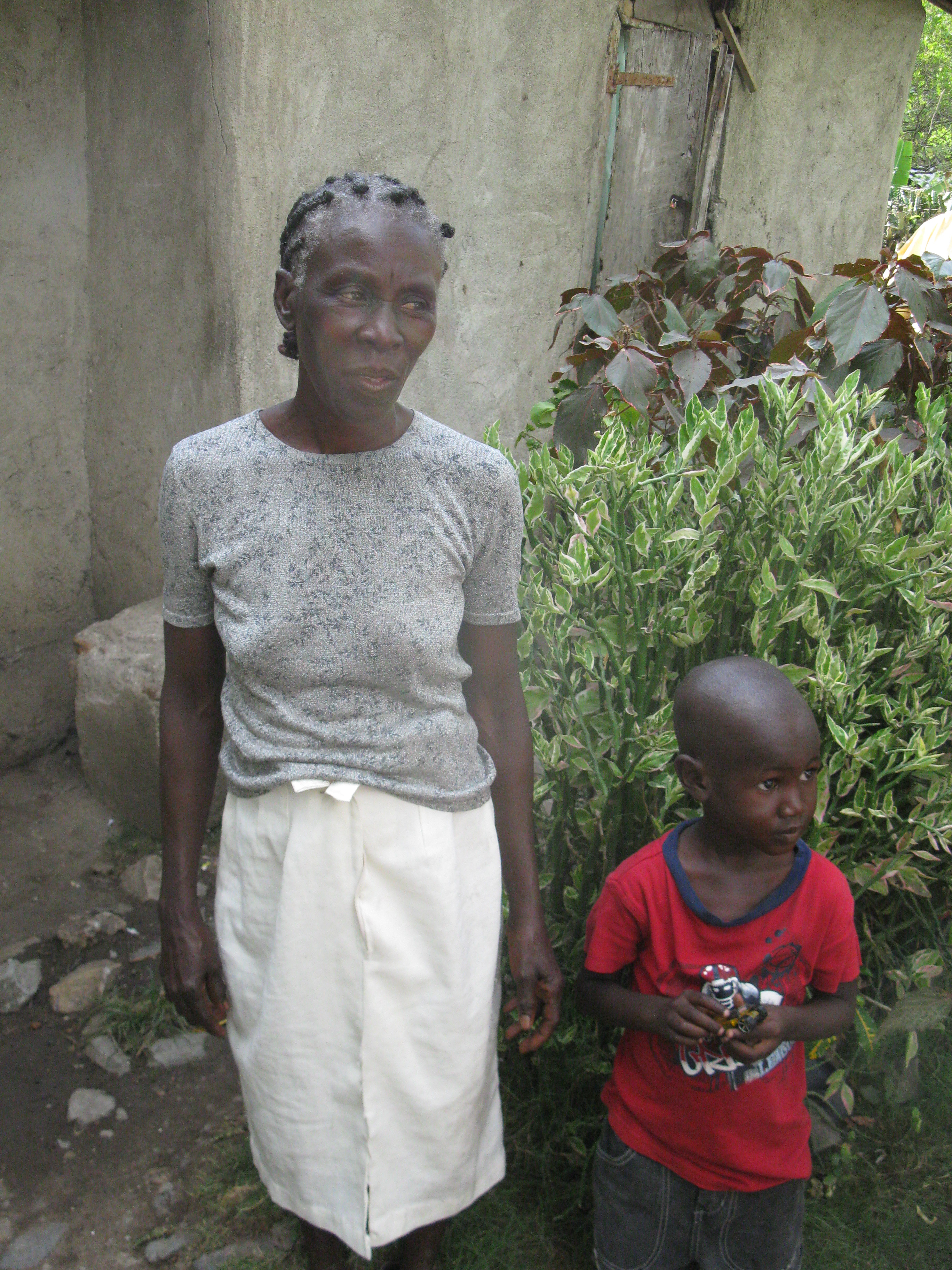
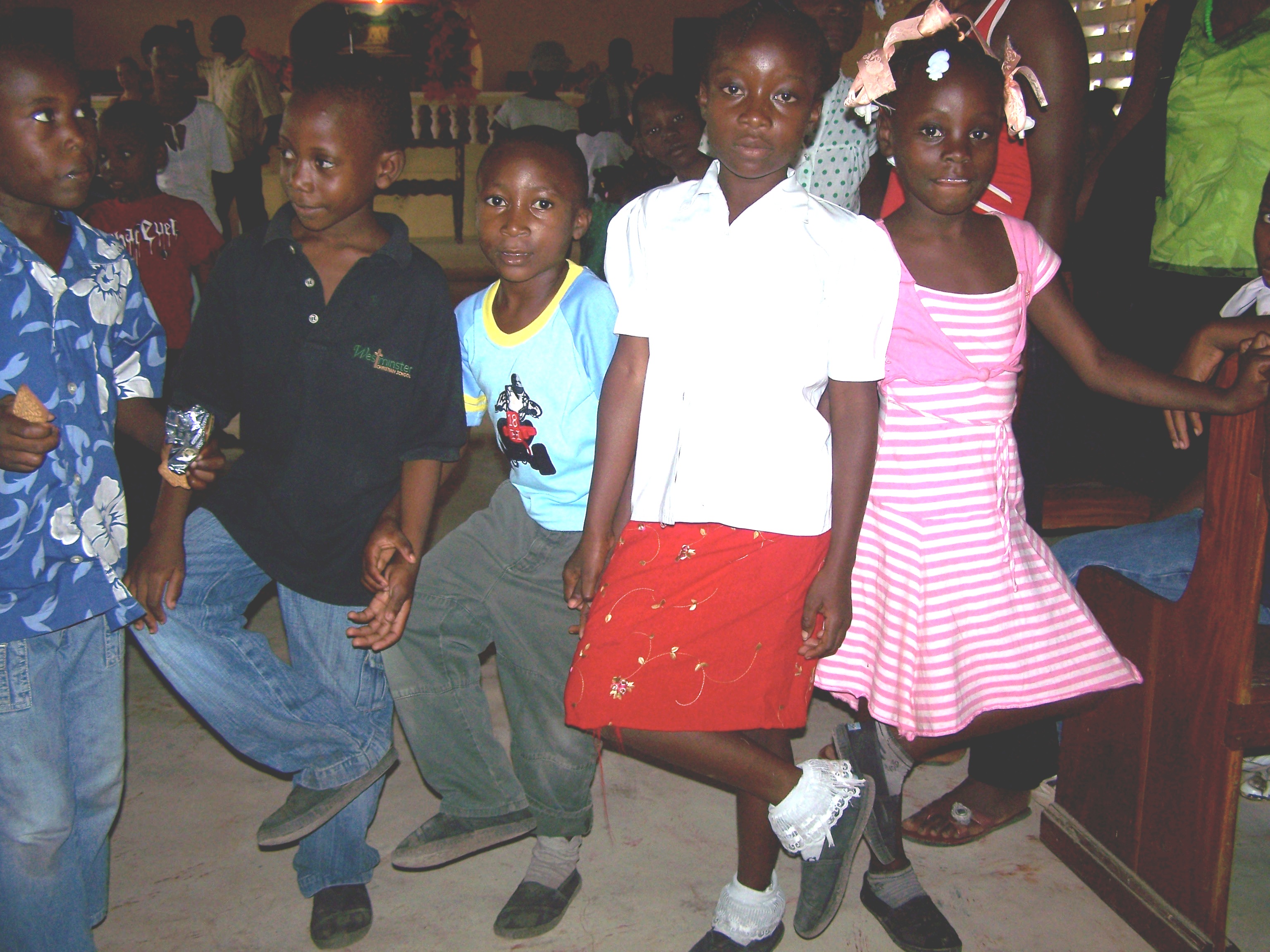
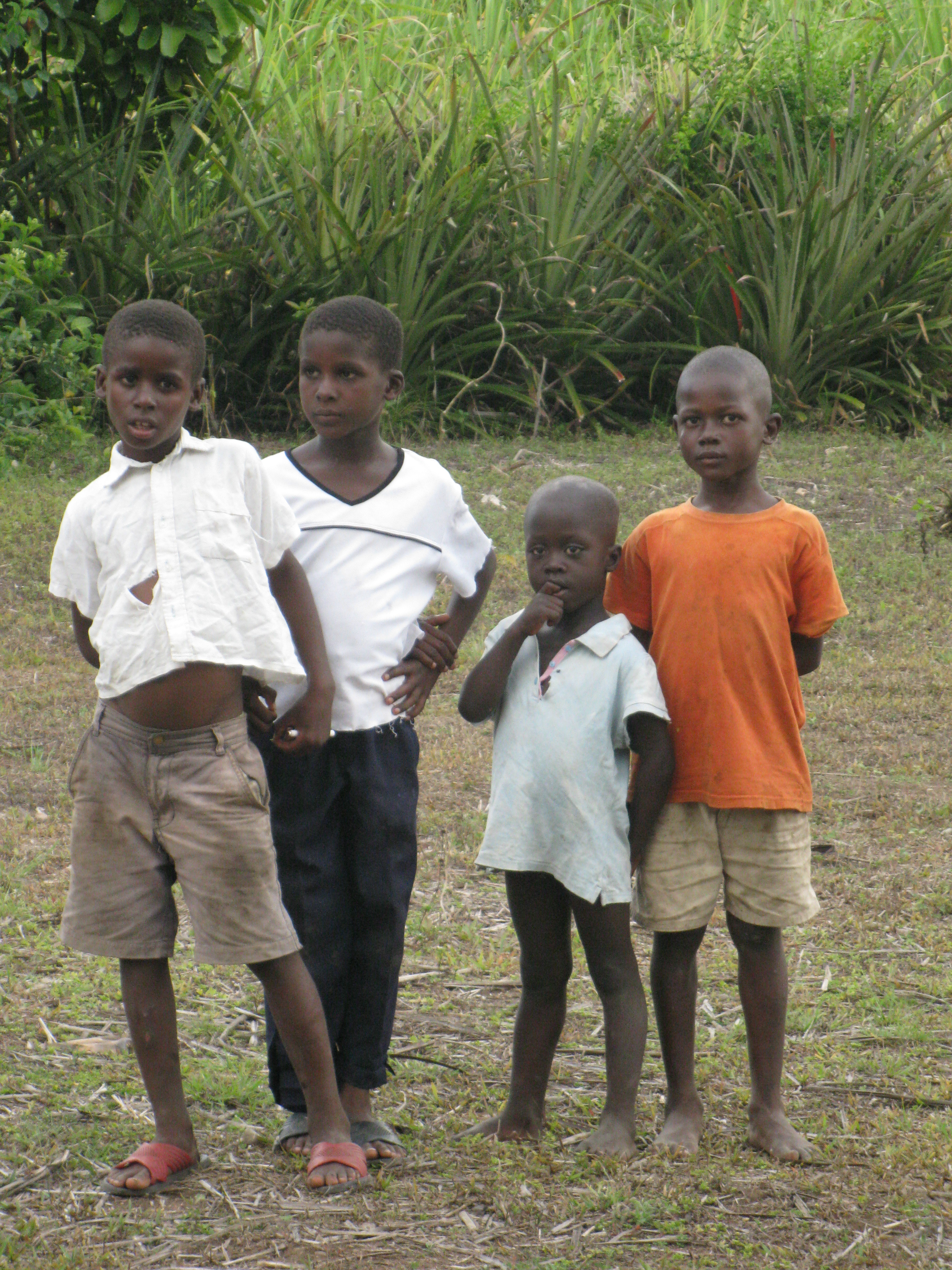
I imagined that mothers the world over held high hopes for a new baby, though the hopes might differ in their content. How would my hopes for a child in Kansas differ from the hopes of a new mother in Haiti? What hopes do new mothers harbor today? What hopes do you have for your new sons or daughters?

Below is a poem written when my youngest was weeks old. Thanks to my good friend, Lynne Hunter, for the photos from Haiti.

A Mother’s Dream

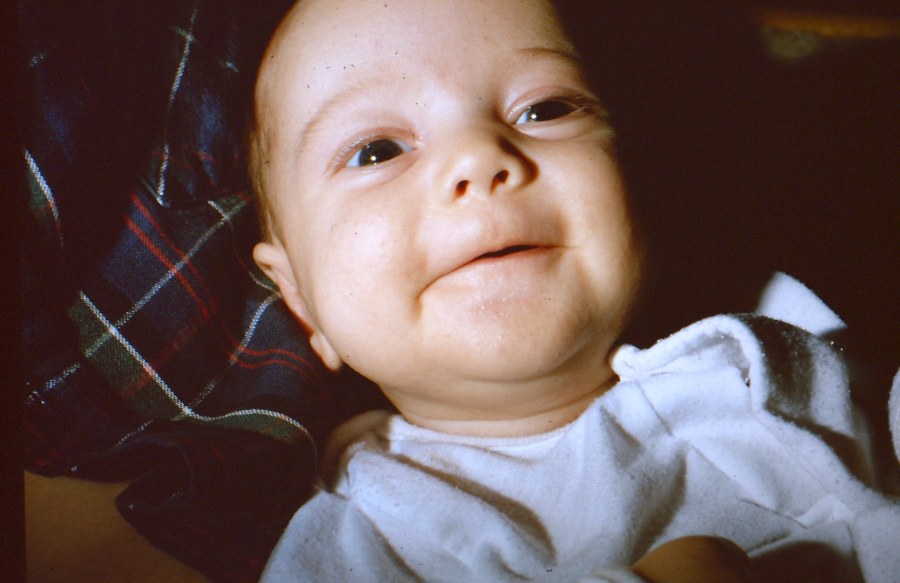
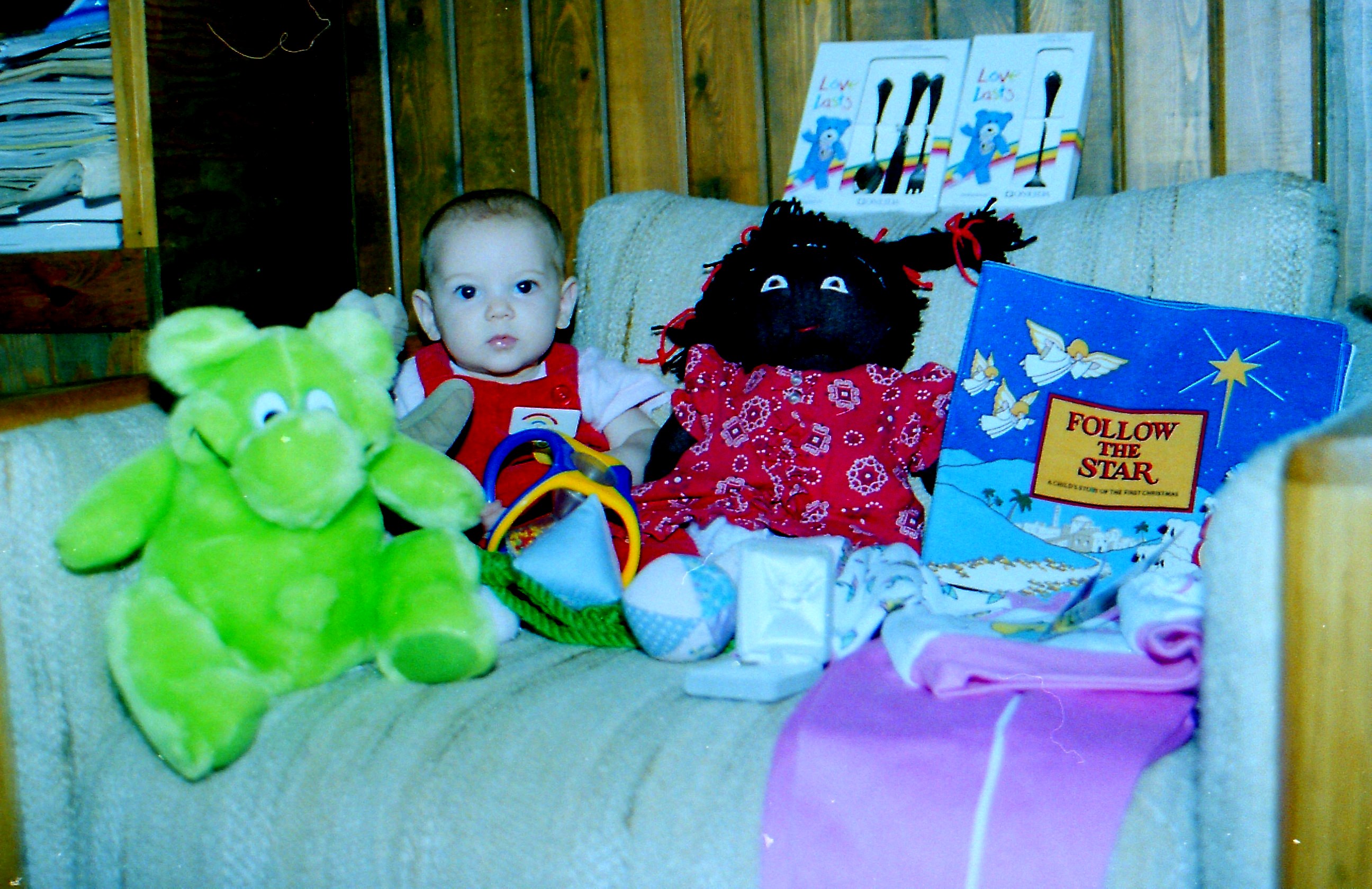
From a Kansas perspective                                            From a Haitian Perspective

PICT0773

Her brown eyes filled with wonder at the moment of her birth

And they have yet to lose the spark that miracle did place.

I wonder, Baby Girl of mine, as you arrive on Earth

What is your future?  Can I see a hint within your face?

20110527_180 (2)

His brown eyes filled with wonder at the moment of his birth.

But will that spark begin to dim, this miracle a waste?

I wonder, Baby Boy of mine, as you arrive on Earth

What is your future?  Will you be granted one with grace?

PICT0642

My girl, I thank the Powers that be for your sake on this day.

There is a list for which you’ll never have to pray.

A home with food and clothing and a roomy place to play,

Security for all you need to make a life each day.

20110527_387

My boy, I thank the Powers that be for your sake on this day.

There is a list for which you’ll never have to pray.

A character built up through need, through learning to say nay;

You will be patient, understanding, quick to share your play.

PICT0687

And yet, my child, there are some things that I would ask for you.

Dear God, please give her challenges enough to grow within.

Spare her the clutter of a life empty of all that’s true;

Too many options, too much ease, affluence her great sin.

20110527_74

My child, there are a lot of things I ask in your behalf.

Kind Father, grant his needs be met so he’ll become a man.

Give him this year good nourishment.  Protect him with your staff.

See that he grows to have a chance and thus fulfill your plan.

PICT0771

My little child, whose birth inspired in me unequalled awe—

100_1231

I’d give my life if I could know your innocence will prevail.

PICT0807

Lord, give her character built by patience; teach your loving law—

20110527_65

Dear God, protect him; let him grow; our hope do not impale.

PICT0636

My girl, refuse a life of idle ease.

20110527_118

                                                            Son, learn to fight. Do not let go of things you need.

PICT0806

                Daughter, reject the load of justices denied to others so we can live right.

20110527_41

Grow up my son.

PICT0835

Be strong, my girl.  Choose your road with care.


His brown eyes filled with wonder at the moment of his birth

And they have yet to lose the spark that miracle did place.

I wonder, Baby Boy of mine, as you arrive on Earth

What is your future?  Can I see a hint within your face?

20110527_180 (2)

Her brown eyes filled with wonder at the moment of her birth.

But will that spark begin to dim, this miracle a waste?

I wonder, Baby Girl of mine, as you arrive on Earth

What is your future?  Will you be granted one with grace?

PICT0773

To Live is to Change: A Tribute to My Father

OLYMPUS DIGITAL CAMERA

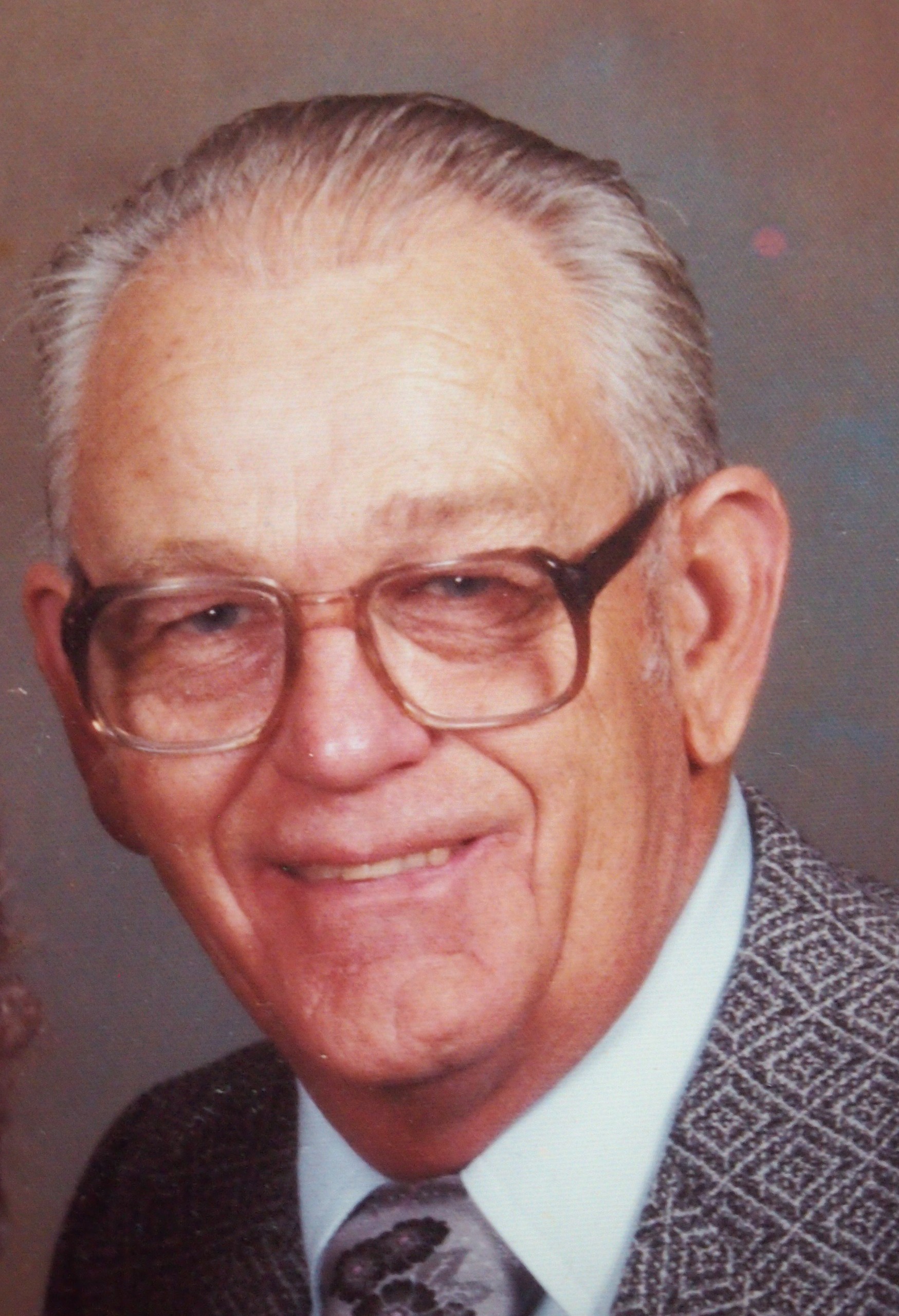
Today is Father’s Day, a good time to feature the life of Wally Harris. Why hasn’t he already appeared on this blog? After all, his influence in my life was second to none. I was (still am) my daddy’s girl. He made each of his daughters feel cherished. Some of our favorite memories are those times we spent alone with our dad.

I can credit this blog to his influence. Wally embraced and celebrated change. This blog symbolizes my own fumbling attempts to learn something new and step out of my box.

Thirty years ago, Daddy wrote an essay he entitled “Efil and Htaed.” It described his philosophy of life and his experiences with death through the loss of family members and friends. Having grown up on a Kansas farm in the thirties, his view of life drew analogies from the seasons of a typical farm year. Spring, summer, fall and winter—for him life metaphorically followed the cycle of seasons. The events of life are as changeable and perhaps as unpredictable as the weather. As comfortable as we may be in one set of circumstances, something is bound to change. Our lives continually evolve into new and often wondrous directions.

It is futile to resist those changes so we might as well embrace them. Wally Harris celebrated the changes in his life. With an active and inquisitive mind, his pursuit of new adventures made life sparkle, as surely as the twinkle in his eyes.

My life’s metaphor is drawn more along literary parallels. I view life as a book. Each chapter is marked by changes. Turn the page. Here’s a new chapter in life. Daddy’s chapters began thirty years before I entered the picture. OLYMPUS DIGITAL CAMERABy the time he was a family man, his principles were well established. He enthusiastically included his family in life’s escapades.

There was the Colby chapter. His work at the K-State agriculture station was mysterious to me. But his love of photography was not. On weekends and evenings, he transformed our home into a photographic portrait studio. I spent hours helping him develop black and white photos in our basement darkroom. He was my first photography teacher and I became enthralled.

Then there was the Hays chapter, when he worked as an instructor of agriculture at Fort Hays State University. Though my interest in photography remained strong, Daddy switched gears and threw himself into management of his family’s farm, including the purchase and operation of a sawmill to mill lumber from our river bank acreage in eastern Kansas. His weekends, vacations, and summer breaks were devoted to milling and farming activities a couple hundred miles from our home. The sawmill chapter drew to a close after retirement. He and Mother moved back to Lyon County, into a house he designed and built.

Sharpening the sawmill teeth

His focus shifted to an interest in small gas engines. He and Mother traveled the entire country to attend engine shows. He acquired hundreds of models and devoted hours to their repair, delighted to see them run again. During this time, he began writing a journal to record memories from every season of his life. He enthusiastically endorsed the electronic age with purchase of a couple home computers. With his typical enthusiasm, he immersed himself into learning how to use and master the intricacies of the emerging technology. With many years of his journal recorded electronically, it is almost as if he is still here, trapped in the virtual medium.

Daddy’s final chapter began with our mother’s death and ended with his own, seven years later. His passing ushered in a new chapter in my own life.

Change defines life. How we deal with change defines us. We can weep and long for the good-old days. Or we can embrace the changes and celebrate a new adventure. It seems that everything I knew as a teen or young adult is different now. The skills I mastered have become archaic, their tools now museum relics. I feel like a dinosaur.

Photography has certainly changed. Gone are the days of tonging prints from tray to tray in safelight darkness. Images are now instantly viewable on new, ever-improving digital cameras.

Writing has changed. What’s a typewriter anyway? So has publishing and marketing your work. Email, e-books, and e-readers e-ventually e-liminate the piles of paper trash in my bin.

Pianos have changed. Today’s children are seduced by a hundred different activities so that few enter the discipline of learning to play piano. Electric keyboards are chosen by more families, schools and churches. Piano owners who want to convert to electronic instruments often can’t even give their pianos away.

And then we have climate change. We don’t know what to expect from any given year other than seasons and weather which are bound to be highly unusual.

Things change. So must I. After I spoke at Daddy’s memorial service, several in the crowd asked to know more about one particular memory. As a result I knew it was time to write again. Writers today usually offer a blog. A blog? What’s a blog? Simply put, it’s a way to put the thoughts of your heart before virtual readers, anytime, any day. This seems a bit risky. It’s also confusing. There are so many choices–how do I pick what will work best for me? Where to begin? It’s easy to feel paralyzed by indecision. But the best way to start is to metaphorically turn the page and write the first word of a new chapter.

This chapter in my adventure is exciting, suspenseful, discouraging at times, but also full of wonder and new friends. I can feel Daddy’s approval. He surely is smiling and nodding from somewhere. Life means growing and changing, so let the adventure continue!

OLYMPUS DIGITAL CAMERA