What is a Hero?

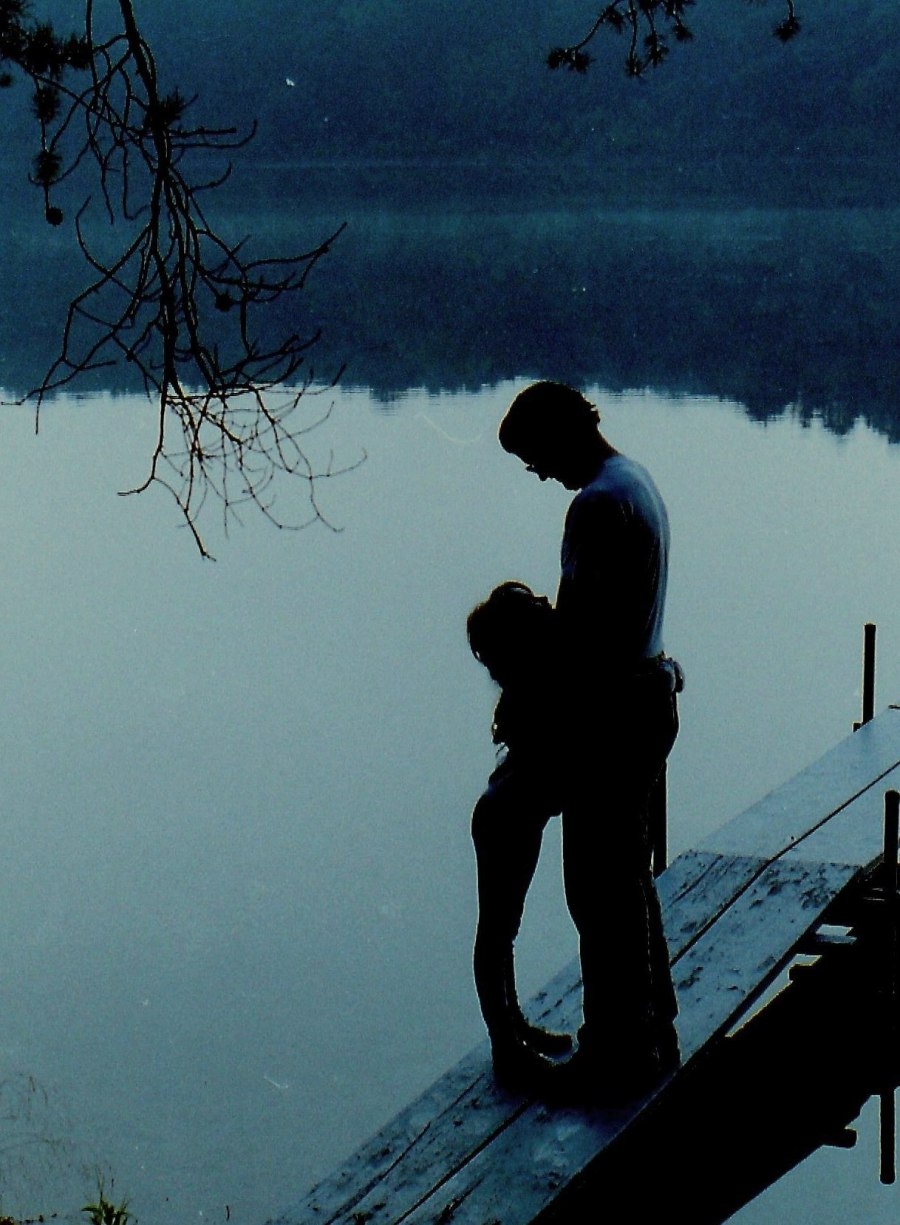
In the middle of August we flew to Wisconsin to honor the life of a dear aunt. This lady was another August hero. Friends at her service commented that the best leaders are those who walk beside you, shoulder to shoulder, rather than way out front. PICT0836Jean Meyer lived the life of a serving leader. Her daughter, Kathy, summed up her life by saying that Jean’s legacy would be, “The more love you give away, the more you have. And when you help others carry their burdens, your own becomes lighter.”

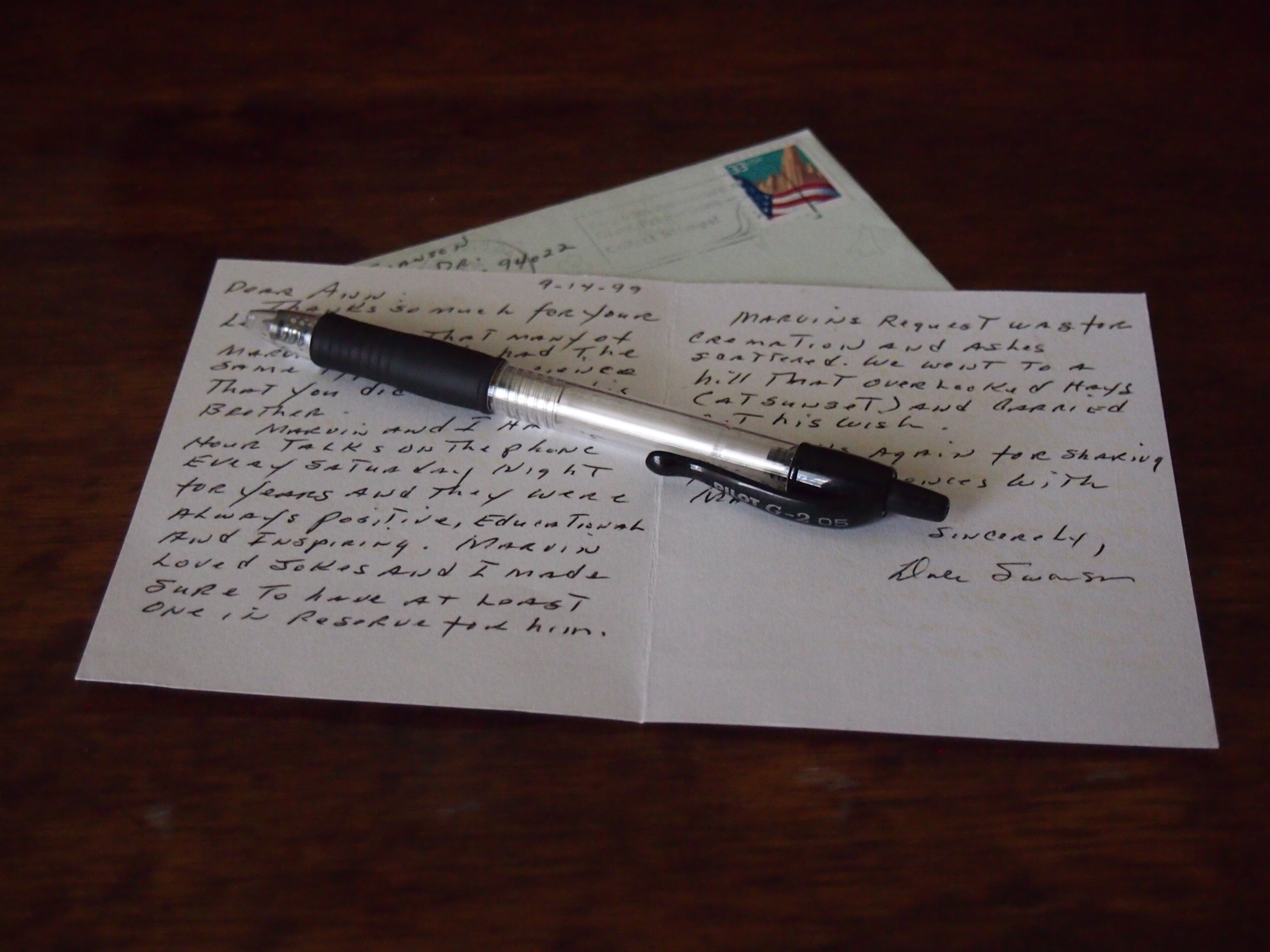
Within Marvin Swanson’s letters, I found this quote:

“People seek worldly power, one-upmanship, popularity, recognition and fame to the degree they are lonely and empty inside . . . The real heroes of human existence are least noticed . . . They blend into their surroundings so naturally they are unnoticed until their work is felt.”

Pondering this, I realize that the giants who surround me with their wisdom are my unsung heroes. Marvin showed me how a man could live with dignity and have unbounded influence even when faced with a severe handicap.

Jean and her husband Phil welcomed us into their family with enthusiasm and love. Based on shared memories at Jean’s celebration of life, their influence spread to people in many other countries as well.

These people certainly stand tall in my mind. Perhaps my heroes are those people who have taught me something, even unintentionally–the teachers in my life. The people featured under this category in my blog are heroes to me, whom I will always remember for their exemplary lives. How do you recognize your heroes?PICT0838

August Birthdays

           ??????????????????????????????? A theme for the chronicles of summer has emerged. In the midst of chaos, when my feeble brain overloads to the point where I feel one more thing will surely short-circuit the whole affair, a new revelation presents itself. Through hours of mind-wandering road trips, bustle-to-wait airport adventures, and the monotony of slathering new paint over walls of a vacant house, or peeling buckets of apples to preserve, I realize the month of August carries significant import for me. August was the month when several of my significant people were born.

            This realization started with an invitation to the 100th birthday party of a lady, born on August 2, 1913, who demonstrated to me what it meant to be a good neighbor. At a time decades ago when repeated crises in my family nearly got the better of me, she was there to help, quiet and dependable. Once I despaired. “I don’t know how I’ll ever pay you back.”

            “No need to pay me back,” was her reply. “Just do the same for someone else someday.” Pay it forward. Don’t pay it back.

            Then, of course, there is my youngest child, born the 25th day of August twenty-four years ago, whose impact on my life continues to this day, wondrous and unique.

            Between these two, the old and the young, I think of my niece, the precious and oldest grandchild of my own parents, now capably raising a family of her own.

            There is my sister-in-law. The better I know her, the more clearly I see our kindred spirit and I understand why I love this family so much.

            I have been reminded that my good friend, writing coach, and life mentor, Marvin Swanson, celebrated an August birthday, on the 23rd day of the month, if my notes are correct. Marvin left the earthly life fourteen summers ago, but through the collection of letters he sent me, he lives again, almost as if he was still nearby.

??????????????????????

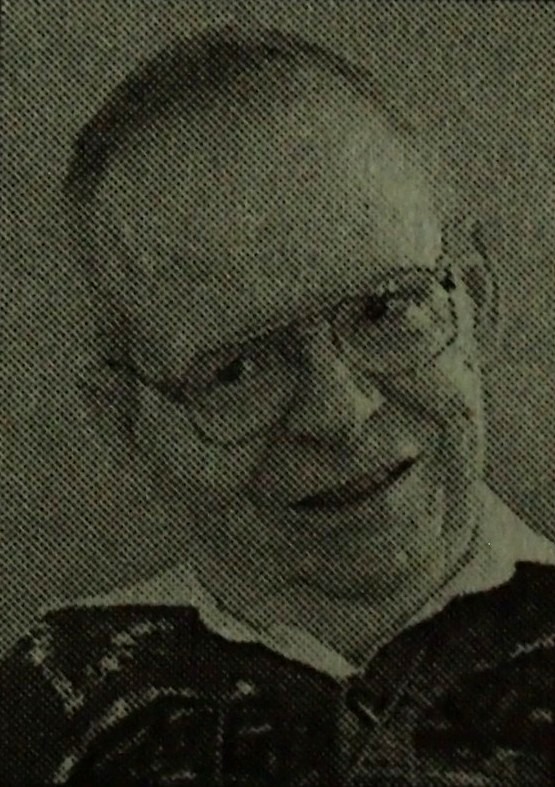
            Born in western Kansas in 1923, Marvin became afflicted with debilitating arthritis when yet a teenager. For over thirty years, he was a correspondence instructor of writing at Fort Hays State University and the University of Kansas. Living close to the campus of FHSU, he rented rooms to students and served as a mentor and a kind-of-foster-parent to those who shared his walls.

            Marvin was a founding member of the Western Kansas Association on Concerns of the Disabled. The founding principle, possibly penned by Marvin himself, reads:

            We, the members of the Western Kansas Association on Concerns of the Disabled, believe that all disabled persons, regardless of their disability, have the right to choose their own lifestyle. Along with this right comes responsibility. Therefore, we also believe that all disabled persons, no matter the degree of disability, can and should contribute something to society. We have dedicated ourselves and WKACD to the continuation of these principles.”

            If contributions could be measured, those of Marvin Edgerton Swanson would rank among the highest humanity has to offer. Though imprisoned in a body wracked with pain, he transcended that condition. His mind, ever observant and quick to compile subtle nuances into gems of wisdom, connected with young and old to contribute to the betterment of life for all.

            I met Marvin when I attended college at FHSU. We corresponded regularly for decades, until shortly before his death. His arthritis compromised his ability to wield a pen. Thus the thoughts he inked onto his monogrammed stationery were deeply considered and well-planned in order to wring the most meaning from each word. Reading them again today, he comes to life in my mind. The years drop away and it is almost as if I am young again, curled on his sofa, relating my thoughts to him in exchange for his ageless wisdom.

            This new blog category will feature gems of Marvin’s wisdom, gleaned from his letters, because they are worth sharing with the world. His writing career lacked a blog site. Were he still here, that situation would likely be much different. Thus, Marvin, here’s your blog. Should other friends of this remarkable man eventually find their way to this page, I welcome additional gems they have savored from their relationship with him.


OLYMPUS DIGITAL CAMERA

            Today’s gem, in honor of those letters, and in celebration of Marvin’s birthday, reflects on the importance of writing letters. His letters, surely, carry vitality on their invisible and timeless wings.

In his words:

            I’ve been working on an article about the dwindling act of writing personal letters. Up to 80% of our reduced 1st class mail consists of business letters. Will the personal letter exchange gradually disappear in the electronic communication revolution? The personal letter has many unique advantages.

            Ellen Terry, an actress, began writing to George Bernard Shaw when they were both single. They never met. Both married. They wrote for 25 years. Shaw wrote about their correspondence, which has been published: “Let those who complain that it (the Shaw-Ellen Terry “romantic correspondence”)was all on paper remember that only on paper has humanity yet achieved glory, beauty, truth, knowledge, virtue, and abiding love.”

            Imagine, I can read a letter Christopher Columbus wrote describing America or Edgar Allen Poe’s letter revealing the secret of the real tragedy of his life. They’re in a book with many more entitled The World’s Great Letters.  I have it.

            “Letters . . . are, of all the words of men, in my judgment, the best.” (Francis Bacon)

 Letters are poignant keys to the souls of friends long gone. We can live through our letters, as Marvin lives on his pages. For the young generation of today, which is so dependent on quick, electronic messages, how will their words echo in bits and bites for those yet unborn?

A Mother’s Dream

Soon I will be traveling to spend a special birthday with my youngest, a beautiful woman now of 24 years. By this time next year she’ll have a child of her own crawling around, maybe tottering some first steps. I recall the wonder and anticipation I felt awaiting her arrival. And I remember the instant love, a mother’s bond, a determination to do whatever I could to see that she had a chance for a meaningful life.  I would give my life for my children. I suspect that many mothers–and fathers–feel this way toward a new life entrusted to them.

That was about the time when I renewed my interest in protecting the earth, our home planet, to preserve its vitality for generations to come. I wanted my children to experience the beauty of nature, to revel in the wilderness as I had when young. I wanted them to grow up with principles, and goals, and a sense of justice for the good of all, even wild creatures of God’s creation.

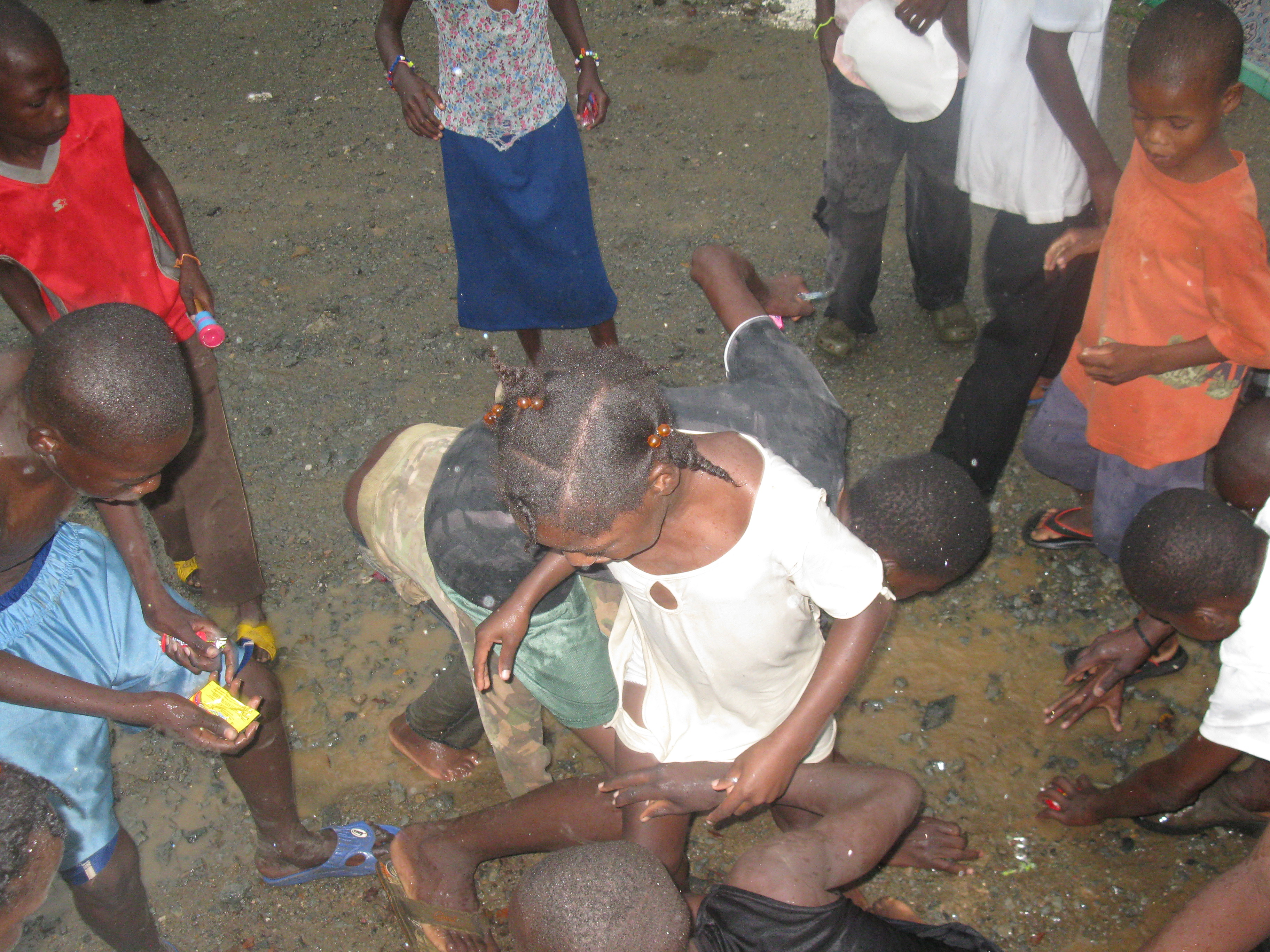
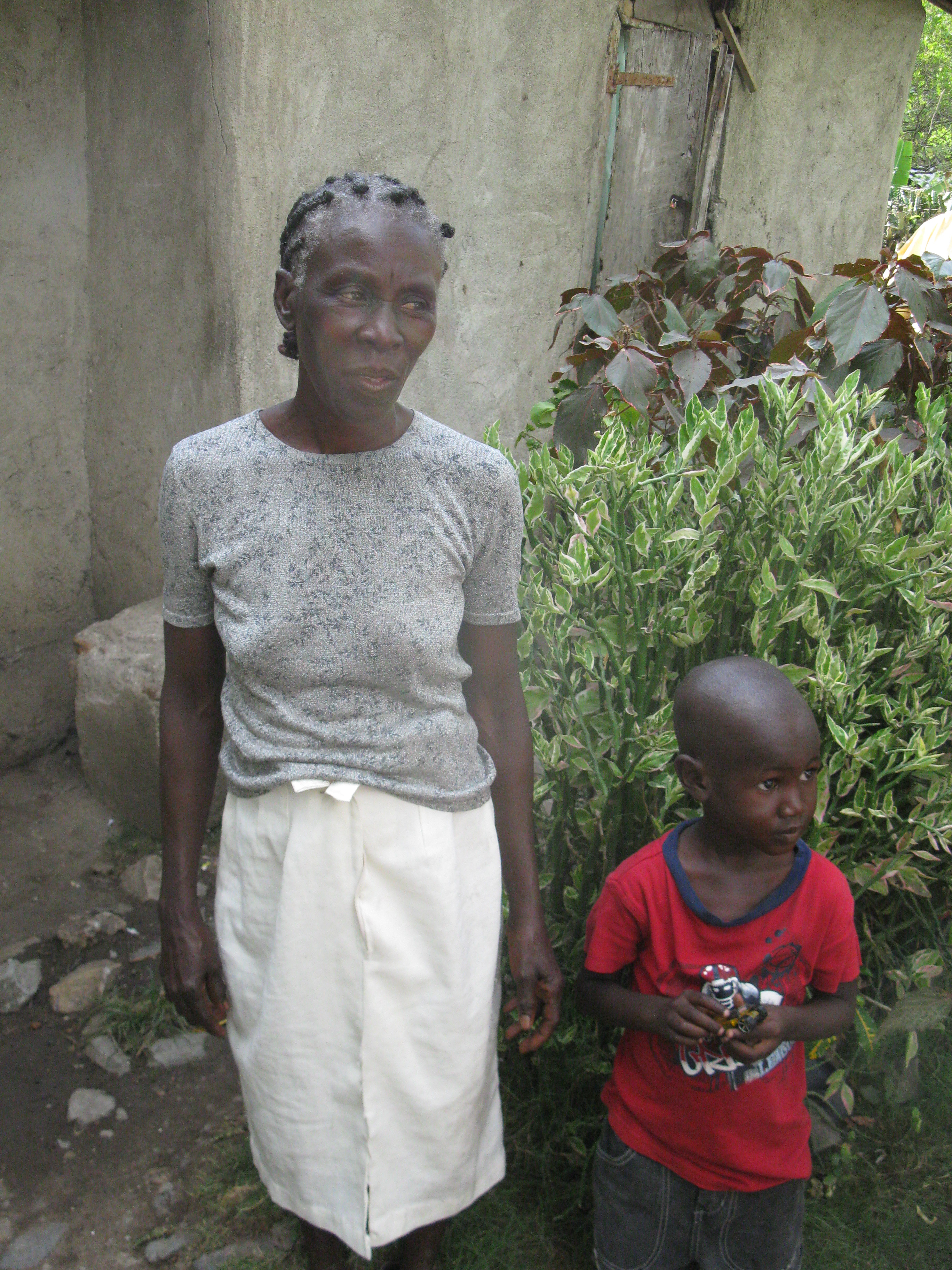
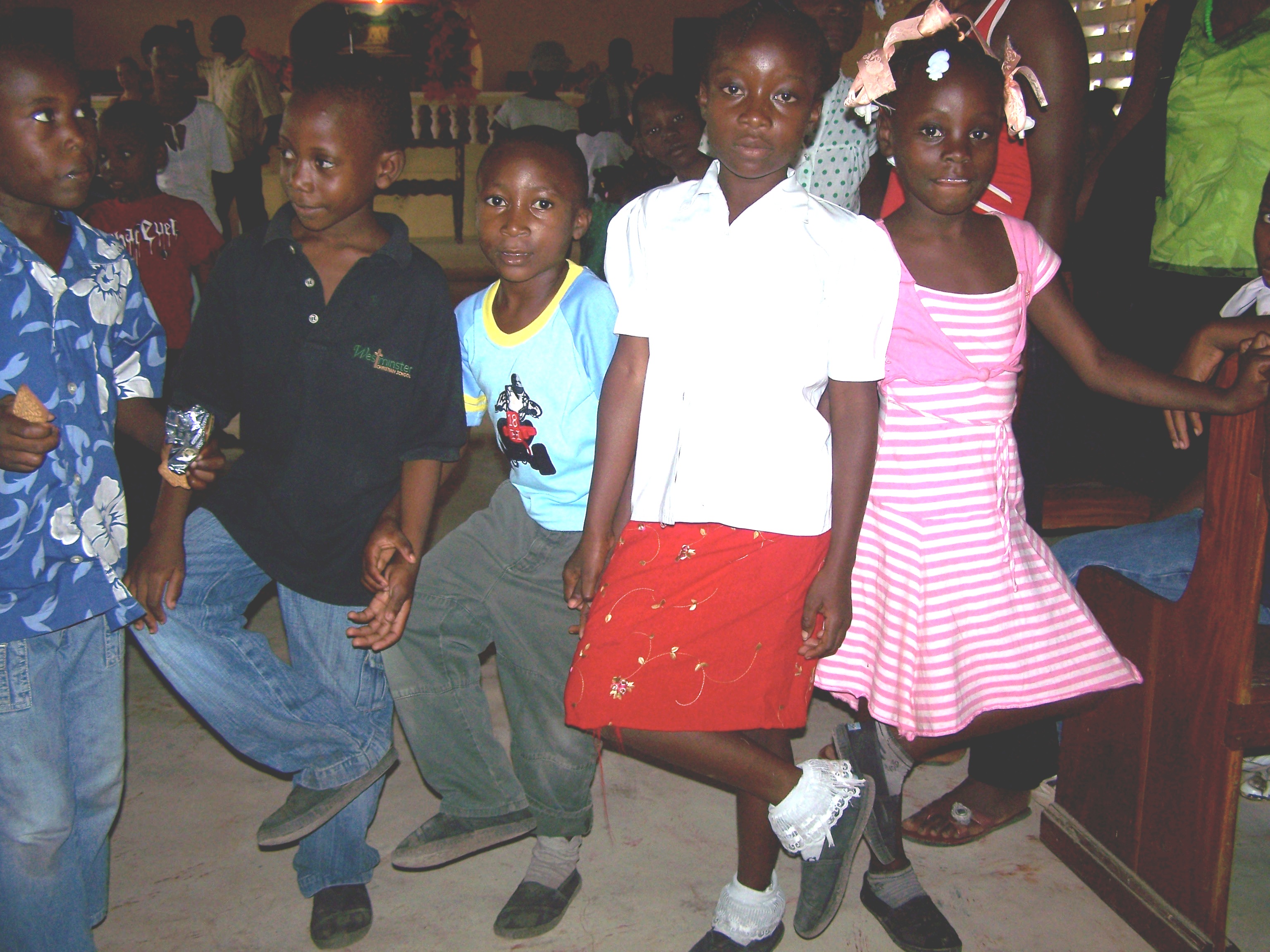
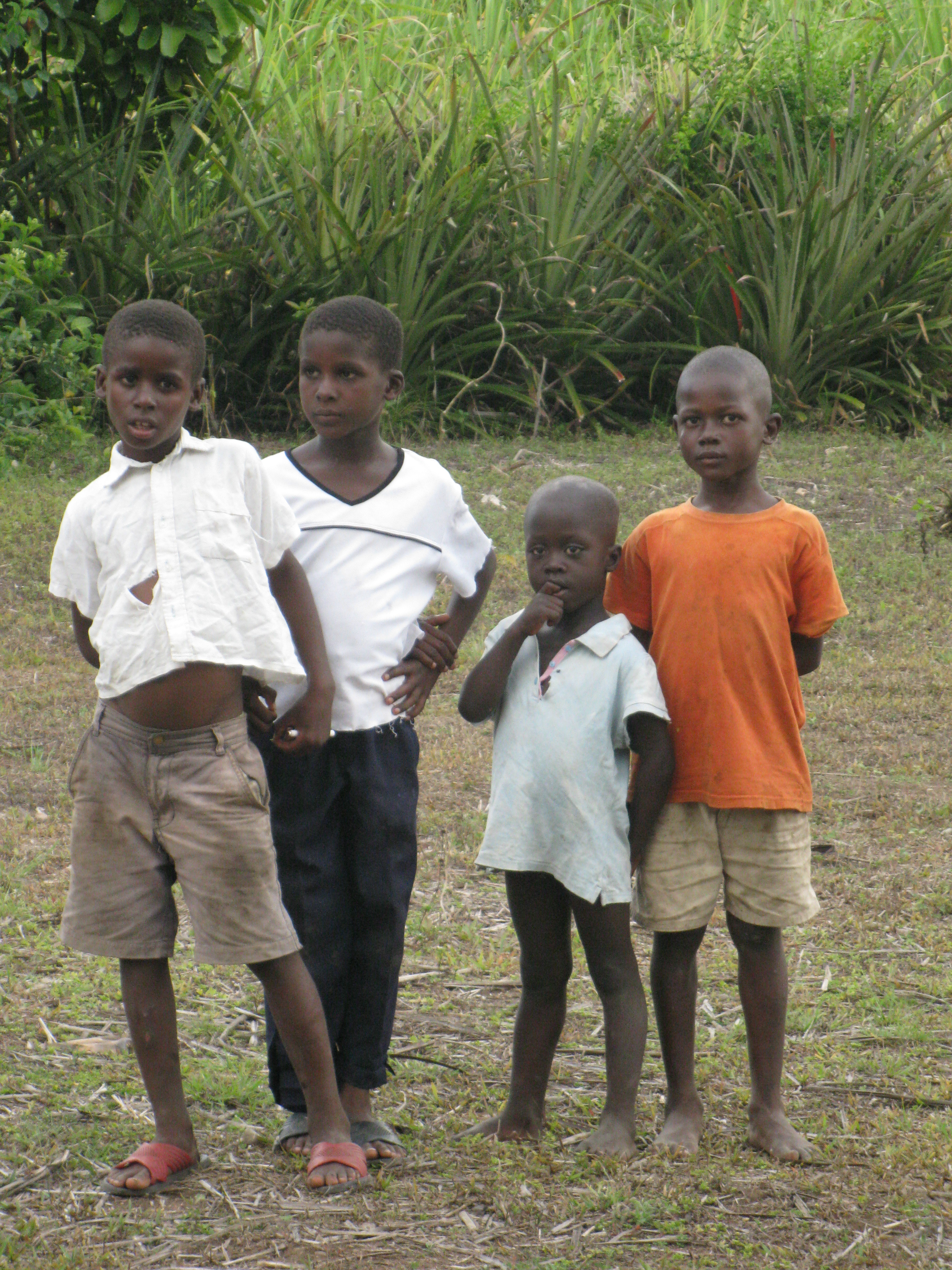
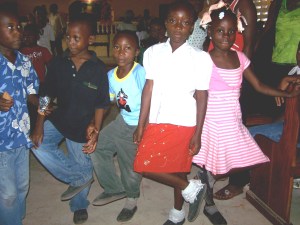
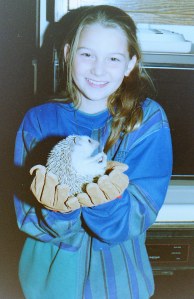
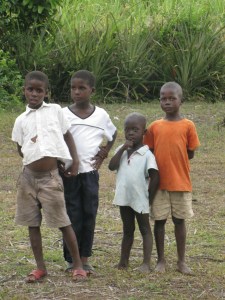
I imagined that mothers the world over held high hopes for a new baby, though the hopes might differ in their content. How would my hopes for a child in Kansas differ from the hopes of a new mother in Haiti? What hopes do new mothers harbor today? What hopes do you have for your new sons or daughters?

Below is a poem written when my youngest was weeks old. Thanks to my good friend, Lynne Hunter, for the photos from Haiti.

A Mother’s Dream

From a Kansas perspective                                            From a Haitian Perspective
PICT0773

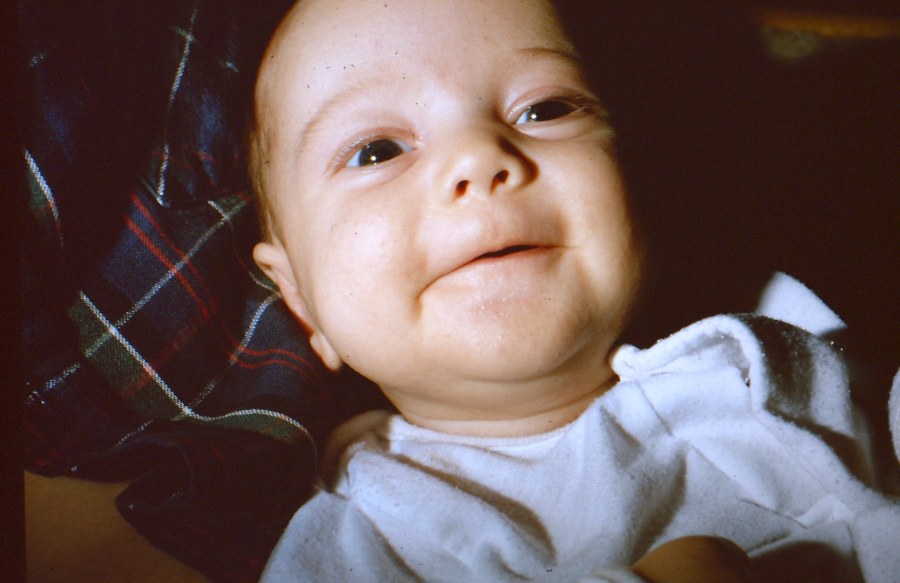
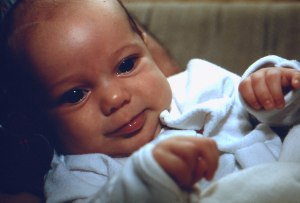
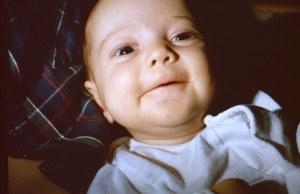
Her brown eyes filled with wonder at the moment of her birth

And they have yet to lose the spark that miracle did place.

I wonder, Baby Girl of mine, as you arrive on Earth

What is your future?  Can I see a hint within your face?

20110527_180 (2)

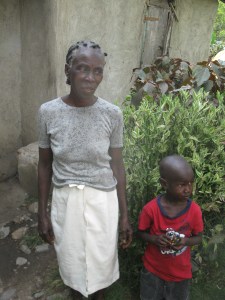
His brown eyes filled with wonder at the moment of his birth.

But will that spark begin to dim, this miracle a waste?

I wonder, Baby Boy of mine, as you arrive on Earth

What is your future?  Will you be granted one with grace?

PICT0642

My girl, I thank the Powers that be for your sake on this day.

There is a list for which you’ll never have to pray.

A home with food and clothing and a roomy place to play,

Security for all you need to make a life each day.

20110527_387

My boy, I thank the Powers that be for your sake on this day.

There is a list for which you’ll never have to pray.

A character built up through need, through learning to say nay;

You will be patient, understanding, quick to share your play.

PICT0687

And yet, my child, there are some things that I would ask for you.

Dear God, please give her challenges enough to grow within.

Spare her the clutter of a life empty of all that’s true;

Too many options, too much ease, affluence her great sin.
20110527_74

My child, there are a lot of things I ask in your behalf.

Kind Father, grant his needs be met so he’ll become a man.

Give him this year good nourishment.  Protect him with your staff.

See that he grows to have a chance and thus fulfill your plan.
PICT0771

My little child, whose birth inspired in me unequalled awe—
100_1231

I’d give my life if I could know your innocence will prevail.
PICT0807

Lord, give her character built by patience; teach your loving law—
20110527_65

Dear God, protect him; let him grow; our hope do not impale.

PICT0636

My girl, refuse a life of idle ease.

20110527_118

                                                            Son, learn to fight. Do not let go of things you need.

PICT0806

                Daughter, reject the load of justices denied to others so we can live right.

20110527_41

Grow up my son.

PICT0835

Be strong, my girl.  Choose your road with care.


His brown eyes filled with wonder at the moment of his birth

And they have yet to lose the spark that miracle did place.

I wonder, Baby Boy of mine, as you arrive on Earth

What is your future?  Can I see a hint within your face?

20110527_180 (2)

Her brown eyes filled with wonder at the moment of her birth.

But will that spark begin to dim, this miracle a waste?

I wonder, Baby Girl of mine, as you arrive on Earth

What is your future?  Will you be granted one with grace?

PICT0773

To Live is to Change: A Tribute to My Father

OLYMPUS DIGITAL CAMERA

Today is Father’s Day, a good time to feature the life of Wally Harris. Why hasn’t he already appeared on this blog? After all, his influence in my life was second to none. I was (still am) my daddy’s girl. He made each of his daughters feel cherished. Some of our favorite memories are those times we spent alone with our dad.

I can credit this blog to his influence. Wally embraced and celebrated change. This blog symbolizes my own fumbling attempts to learn something new and step out of my box.

Thirty years ago, Daddy wrote an essay he entitled “Efil and Htaed.” It described his philosophy of life and his experiences with death through the loss of family members and friends. Having grown up on a Kansas farm in the thirties, his view of life drew analogies from the seasons of a typical farm year. Spring, summer, fall and winter—for him life metaphorically followed the cycle of seasons. The events of life are as changeable and perhaps as unpredictable as the weather. As comfortable as we may be in one set of circumstances, something is bound to change. Our lives continually evolve into new and often wondrous directions.

It is futile to resist those changes so we might as well embrace them. Wally Harris celebrated the changes in his life. With an active and inquisitive mind, his pursuit of new adventures made life sparkle, as surely as the twinkle in his eyes.

My life’s metaphor is drawn more along literary parallels. I view life as a book. Each chapter is marked by changes. Turn the page. Here’s a new chapter in life. Daddy’s chapters began thirty years before I entered the picture. OLYMPUS DIGITAL CAMERABy the time he was a family man, his principles were well established. He enthusiastically included his family in life’s escapades.

There was the Colby chapter. His work at the K-State agriculture station was mysterious to me. But his love of photography was not. On weekends and evenings, he transformed our home into a photographic portrait studio. I spent hours helping him develop black and white photos in our basement darkroom. He was my first photography teacher and I became enthralled.

Then there was the Hays chapter, when he worked as an instructor of agriculture at Fort Hays State University. Though my interest in photography remained strong, Daddy switched gears and threw himself into management of his family’s farm, including the purchase and operation of a sawmill to mill lumber from our river bank acreage in eastern Kansas. His weekends, vacations, and summer breaks were devoted to milling and farming activities a couple hundred miles from our home. The sawmill chapter drew to a close after retirement. He and Mother moved back to Lyon County, into a house he designed and built.

Sharpening the sawmill teeth

His focus shifted to an interest in small gas engines. He and Mother traveled the entire country to attend engine shows. He acquired hundreds of models and devoted hours to their repair, delighted to see them run again. During this time, he began writing a journal to record memories from every season of his life. He enthusiastically endorsed the electronic age with purchase of a couple home computers. With his typical enthusiasm, he immersed himself into learning how to use and master the intricacies of the emerging technology. With many years of his journal recorded electronically, it is almost as if he is still here, trapped in the virtual medium.

Daddy’s final chapter began with our mother’s death and ended with his own, seven years later. His passing ushered in a new chapter in my own life.

Change defines life. How we deal with change defines us. We can weep and long for the good-old days. Or we can embrace the changes and celebrate a new adventure. It seems that everything I knew as a teen or young adult is different now. The skills I mastered have become archaic, their tools now museum relics. I feel like a dinosaur.

Photography has certainly changed. Gone are the days of tonging prints from tray to tray in safelight darkness. Images are now instantly viewable on new, ever-improving digital cameras.

Writing has changed. What’s a typewriter anyway? So has publishing and marketing your work. Email, e-books, and e-readers e-ventually e-liminate the piles of paper trash in my bin.

Pianos have changed. Today’s children are seduced by a hundred different activities so that few enter the discipline of learning to play piano. Electric keyboards are chosen by more families, schools and churches. Piano owners who want to convert to electronic instruments often can’t even give their pianos away.

And then we have climate change. We don’t know what to expect from any given year other than seasons and weather which are bound to be highly unusual.

Things change. So must I. After I spoke at Daddy’s memorial service, several in the crowd asked to know more about one particular memory. As a result I knew it was time to write again. Writers today usually offer a blog. A blog? What’s a blog? Simply put, it’s a way to put the thoughts of your heart before virtual readers, anytime, any day. This seems a bit risky. It’s also confusing. There are so many choices–how do I pick what will work best for me? Where to begin? It’s easy to feel paralyzed by indecision. But the best way to start is to metaphorically turn the page and write the first word of a new chapter.

This chapter in my adventure is exciting, suspenseful, discouraging at times, but also full of wonder and new friends. I can feel Daddy’s approval. He surely is smiling and nodding from somewhere. Life means growing and changing, so let the adventure continue!

OLYMPUS DIGITAL CAMERA

Mandy

DSC01145

Spring. The season of re-birth. Germination. Gardens flourish. OLYMPUS DIGITAL CAMERAWildflowers stud the hilltop pasture in an explosion of beauty.OLYMPUS DIGITAL CAMERA It’s ironic how many times this season of life is marked by farewells. Sad, poignant, permanent farewells. This year, we said good-bye to another pet, Mandy, our twelve-year-old teagle.

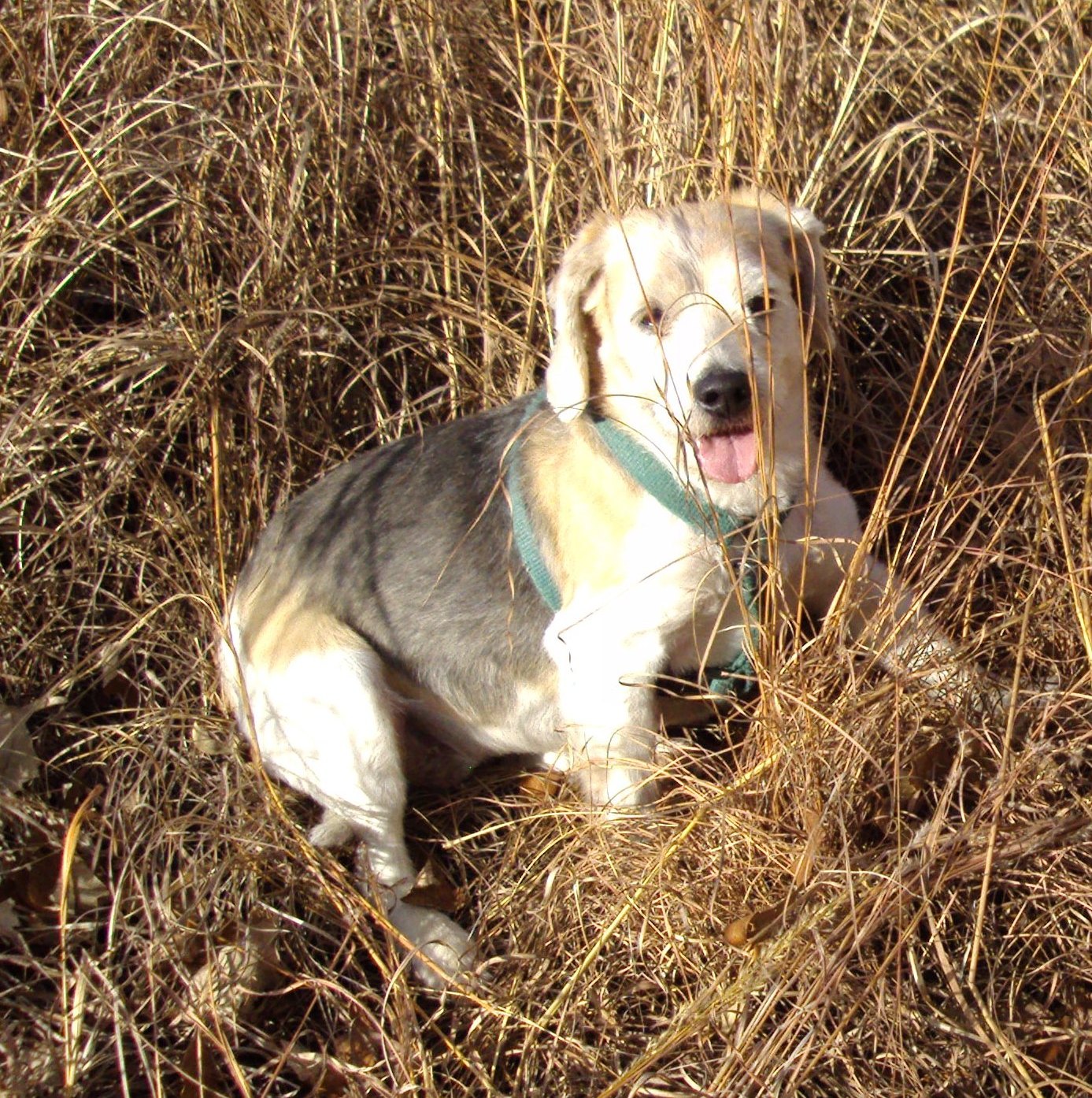
Visions play in my memory. We picked her out of a litter born to a beagle mama and a terrier sire. Essentially a long-haired beagle, this short-legged calico dog fit well in the family. I’ll miss how she’d lay at our feet during piano practice, squeaking her squeaky toy as if to say, “You make your music. I’ll make mine.”

I chuckle still to recall her staring at her own image in the hall mirror after her first haircut. Those haircuts transformed her from a wire-haired terrier into the beagle. Her coat always felt soft and luxurious after a haircut.PICT0822

I’ll miss the way she jumped over the gate in the front yard. Or how, grinning from ear to ear, she’d make a flying leap over the back of our sofa to greet a student at lesson time. Or how she never gave up hope to be allowed onto our bed and would leap quietly onto the covers and curl up, her dark eyes sparkling into mine.

How she’d come running when she heard the jingle of a lead, or my car keys. Ever ready for a walk, she never lost hope that all my departures would include her.

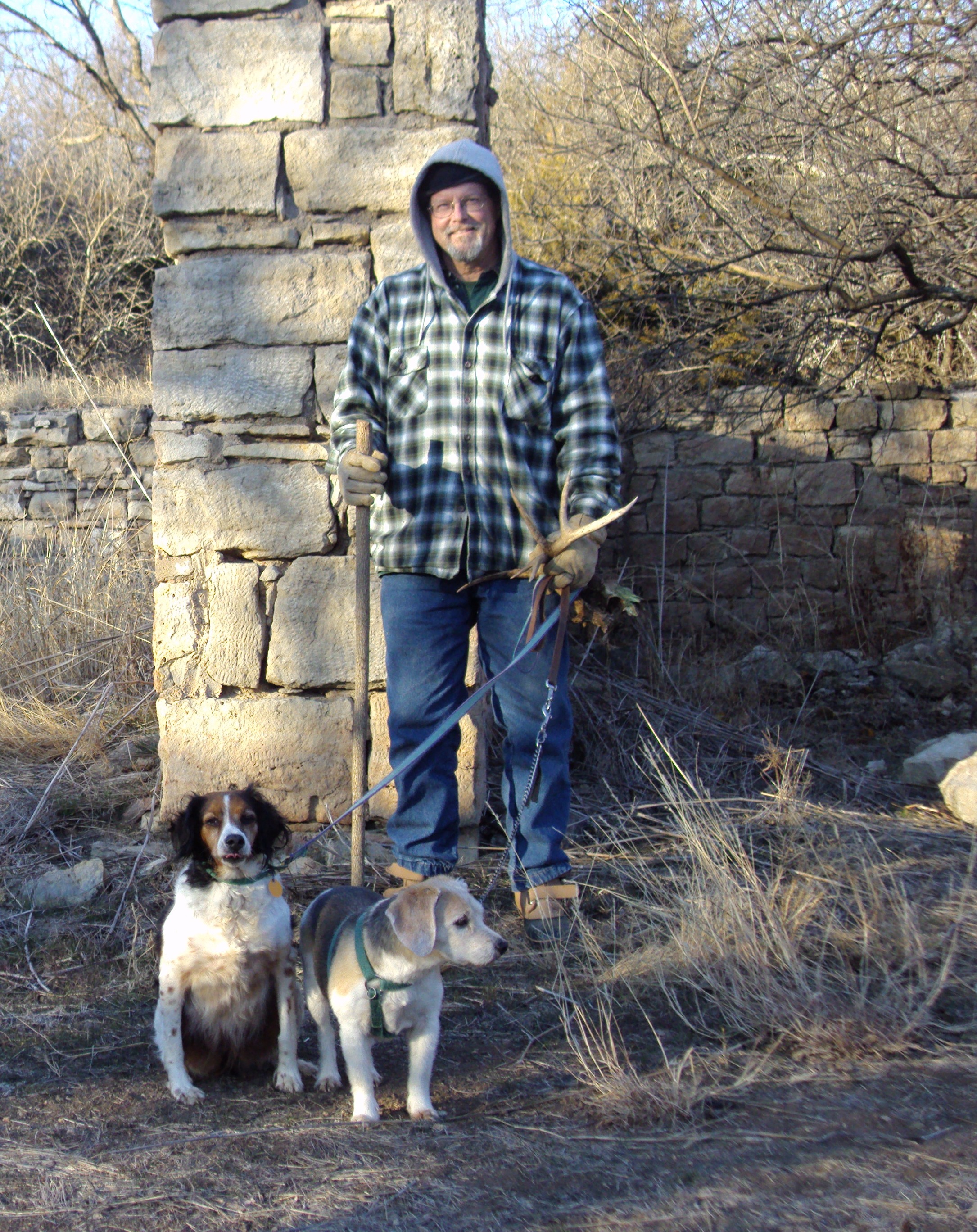
I miss the patience with which she regarded my two-year-old grandson. DSC01608In my mind’s eye, I see how proudly he helped Grandpa walk the dogs one morning, his small stature marching alongside Grandpa’s six-feet, each with a dog in tow. Grandson handled Mandy. Grandpa took the bigger, excitable spaniel.

Fearful of thunder her entire life, Mandy would hide at the first little boom from above. If we forgot to confine her before the annual Independence Day fireworks, the only way we’d find her was to follow the puddles of wet carpet as she anointed any and every room in her distress.

Her fear of booms became a legend. One occasion, my better half overlooked the fact that Mandy was outside when he took his rifle to hunt a skunk. Later, she was nowhere to be found. Not in the barn snuffling in the horse manure, not digging up cat doo along the driveway (her favorite activities).  She had disappeared and was absent overnight. The next morning we received a phone call about her. She was in town, four miles away. A kind lady had seen her tearing alongside the highway a mile from our drive. She picked up the frightened dog to keep her safe from traffic (and rifles) and transported her to town. This friend found our identity from the dog tag, after a call to the veterinarian.  Mandy had jumped the front yard gate at the first rifle report and sped down the driveway without a backwards glance.

The month of May this year started as the previous eleven Mays began. Mandy got her spring haircut. About the time for her annual checkup, she started to refuse her food—highly unusual for this chubby pet. At her appointment, we checked some swelling on her neck. A biopsy and x-ray follow up convinced us all Mandy had come to the end of the road. We brought her home to baby her as long as she was able to enjoy life. She took a little milk and human baby food for a few days, but eventually refused even those. We walked our favorite walks one last time, until she would walk no more and I ended up carrying her. Her swollen, blood-shot eyes begged for release.  At the end of May, we took her for a final visit to the vet. Even then, as I carried her in, she mustered a little wag to greet the clinic staff.

Here’s to you, Mandy. Our sweet Mandeth. My Mandyble, now jumping gates in the afterlife. You reminded me that in all seasons, even spring’s season of birth, the entire cycle of life can be found. Without the ending, there is no beginning. For new life springs from the old.DSC00881

DSC01161

Rolling Up the Sleeves of Hope

PICT0799      A few days ago, I attended the annual meeting of our state Interfaith Power and Light. The guest keynote speaker, founder of the national organization, was Rev. Sally Bingham of California. She delivered an inspirational message.

Key points included the notion that climate change is the most important and serious challenge facing this generation, and those to come. It is a spiritual and a moral issue. All faith traditions include tenets of stewardship for our God-given world. If our habits, our lifestyles, generate waste products which ultimately will destroy the basis of life as we know it, it is our moral responsibility, our sacred duty, to do something about it. In the Christian tradition, we must acknowledge that “What you do to even the least of these, you do to me.”

Creation care is a matter of faith. It is as important as love for our neighbors, and the mission of saving souls. For there will be no souls to save if we don’t protect our air and our water. Ultimately, another way to care about people is to care about the environment.

Climate skeptics suggest the threat is over-rated. What if they’re right? What if we clean up our act to stem a crisis that may never happen? At the very least, we’d accomplish some good things: our children would enjoy a future world where people could live healthier. Wealth would be more equitably distributed. Our air and water would not be for sale to the highest bidder, but would be clean and plentiful for all.

What if the environmentalists and climate scientists are right and we sit back and do nothing? We face a bleak future, one in which this lovely planet will no longer provide a home for humanity and countless other life forms that God created.

It makes a great deal of sense to act in a way that insures a future for life on Earth.

Bingham concluded her address with an invitation to say yes to the call as stewards of creation. “Hope is a verb with its sleeves rolled up,” she said. We are called to respond actively toward a vision of hope for our future. There’s a lot of work to do. Let’s get busy.OLYMPUS DIGITAL CAMERA

Remembering Vic McClung

There are some people who continue to impact the world long beyond their days here. Vic McClung was such a person. ALS stole him away from his family, friends and community too soon. Gone now two years, he is hardly forgotten. This Memorial Day post is dedicated to Vic, with love for his family.

Vic with his four beautiful daughters. Photo courtesy of Allison Hughes.

What kind of man was Vic McClung?

He was a listening man.  Never himself one of many words, Vic listened carefully whenever others spoke or provided answers to his thoughtful questions.

A perceptive man.  Not prone to jump on anyone’s bandwagon, Vic preferred to study all sides of an issue.  When he did offer his unique insights, they often lent fresh perspective to a divisive situation.

A fun-loving man.  He enthusiastically supported, planned and hosted various social get-togethers for his church group, as I’m sure he must have for other groups to which he belonged.  We enjoyed holiday parties, picnics at his house, a hay-rack ride to tour significant locations in the western part of the county, and a delightful afternoon at the Eastman cabin overlooking a bend in the Walnut River.

Vic did not lose his sense of humor even when faced with the diagnosis of ALS.  Early on, our group was studying a book called “If You Want to Walk On Water You Have to get Out of the Boat”.  Another friend in class was dealing with the loss of her husband through cancer and mentioned how her boat was sinking at the time.  She turned to Vic and asked if he didn’t feel his boat also was sinking. He replied, “Takin’ on a little water.”  When he introduced his new Dynavox voice to our class, he was asked if he had a choice of the voice that pronounced his words.  Through the box he said, “I wanted a Scottish dialect, but it was not available.”

Vic McClung was a quiet man.  Yet when he did express himself the words were filled with insight.  He could even communicate without words.  He made you feel valued and needed with nothing more than a glance in your direction accompanied by a little smile.

He was a hugging man, and was quick to bestow bearhugs on young and old alike.

Vic was a welcoming man.  He made a point to greet all who participated in the ALS walk on his “Strangers on Tractors” team.  He and Jan greeted every guest at the reception for his daughter’s wedding.  He made each person in our adult New Beginnings class feel important and needed.

A caring man.  Often Vic’s questions delved into a personal nature that would let you know he cared about you and your family, but in an unassuming way.  The concern he showed others, however, was dwarfed by his love and dedication to his family.  With intent, he searched for ways to help Jan and the girls adjust to a world without him in it.  Though faced with incredible challenges personally, his greatest concern was for the well-being of his family.

A giving man.  Vic’s caring nature was not more evident than in his generosity.  From serving as video photographer at various of our family’s celebrations, to loaning a stock trailer so we could move a grand piano to an outdoor stage, to helping extricate Walnut Valley festival campers from the campgrounds as the river rose one year, to donating pumpkins from the McClung pumpkin patch for a Halloween youth party, to leading our church group in numerous projects like helping folks move from one home to another, sponsoring dinners to raise money for missions, and donating the meat for such fundraiser events.  The list of McClung generosity goes on and on, to the very last donation of his body to research that would benefit others struggling with ALS.

In short, Vic McClung was a cultivator.  He was able to transfer his passion for raising healthy crops and livestock into other areas of life.  He cultivated a wonderful, loving family.  He cultivated friendships.  In his own words, he “cultivated his thought processes” as his questioning led to a deeper understanding of our world.  He nurtured the many groups he served, encouraging each of us in those groups to become better people.  Vic was a cultivator.

It was a great honor to call this man a friend. His gentle leadership will always be remembered.

What is a Piano Lesson?

 
Recital 2012
Recital 2012

I like to think that anyone who works in a leadership or teaching role with young people is in the business of making memories. In addition to helping our students develop skills, we provide experiences that we hope will make good memories for the rest of their lives. Exactly how does this happen in a piano lesson? Last week’s spring recital reminded me once again the real reasons to teach. Have you ever wondered exactly what parents receive for the lesson tuition paid to a piano teacher?

Certainly, we teach the elements of music.  From melody and harmony, to rhythm, tempo, dynamics and music theory, we share an international form of communication with our students.  Music notation is one of few things that is consistent worldwide. The notes our students learn will be the very same as those learned all around the world.

IMAG1831

We teach techniques specific to mastery of our favorite instrument, the piano.   With keyboard choreography (otherwise known as fingering) and articulation styles, we teach young fingers to dance on the keys. We help them coordinate foot pedaling techniques to achieve desired musical effects.   But we teach so much more than this.  A piano lesson is really a small lesson in life.  We cover personality traits like dedication, commitment, perseverance and concentration.  We help students learn the value of repetition in the mastery of a difficult task.  (Play it again.  And again.  And yet again.)  We help students learn the value of being flexible, and the satisfaction of a job well done.  Nothing else can top that feeling.

We share other tidbits about life too.   In just a minute or two at the beginning or end of a lesson, I have explained my collection of instruments from around the world, or my collection of rocks and how they were formed.  I have discussed the direction of earth’s rotation with students and tiptoed with them to a nest of baby bunnies in my garden. I have even, on occasion, shared my favorite remedy for hiccups.

In return, the students share things with me as well.  Through our weekly meetings, we come to know each other well. We develop a relationship that has the potential to become a lifelong friendship.  After all, how many other teachers stick by their students season after season, year after year?

I hear about family celebrations.  I know where families head for summer vacations, or for the holidays.  I know who’s coming to visit and how long they will stay.  I know what is planned for birthdays.  I hear about good days at school, and bad days as well.  I hear about contests won.  And contests lost.  I receive invitations to participate in the lives of my students.  I am invited to school performances, church functions, and community performances.  I am invited to participate in school fundraisers, youth club fundraisers, and symphony fundraisers.

I have helped prepare students to perform at weddings; I hold their hands as they deal with the loss of a grandparent—sometimes even the tragic loss of a close friend.

So, sure, we piano teachers serve as teachers.  We teach music and the skills needed to play a piano.  But relationships with our students, over the years, hold so much more—teacher, coach, cheerleader, confidante, and friend.  For me there is no greater reward.

Recital 2013: The calm before the storm.


Recital 2013. Photo by Carl Shultz.
Recital 2013.  Creating memories. Photo by Carl Shultz.


Mother’s Day Tribute

OLYMPUS DIGITAL CAMERA

Last evening my grandson came for an overnight visit. When he finally settled down, he crawled up between his grandpa and me on the sofa. We cuddled a few minutes before he willingly headed to bed. I felt like a link in a chain, a connection between generations, made more poignant because today I’m thinking of my own mother. It’s been a decade since she was here to celebrate Mother’s Day with us.

Helen Peterson was born in 1918, the youngest of Franklin and Mary Peterson’s four beautiful, daughters. When she was five, her father unexpectedly died. The rest of her childhood was marked by hardship and sacrifice. Her mother bravely struggled to raise her family. Many of Helen’s lifelong habits of thrift originated during her childhood as she watched her mother’s efforts to raise her family, a single parent in the twenties and thirties.

I vividly recall her devotion to her own mother. The rest of her youth I sometimes have a hard time imagining. Helen as a young college student frolicking barefoot in the snow—in a swimsuit—I did not know at all. I did not know the young career woman who worked as an engineer at Western Electric, as a physicist at the Naval Research Laboratory in Washington, D.C. during World War II, nor the college physics and mathematics professor. Mother gave up all these phases of her life when she married my Dad in 1950 to become a full-time wife, mother and homemaker. That is the Helen I knew.

Mother did a lot of preserving with garden produce. It became a matter of pride to see how much of a meal could be produced from the seed to the table, especially Thanksgiving dinner. Other dishes which became family traditions include her apple coffee cake, cherry chocolate cake, and pecan pies at the holidays. These became favorites of my own family.

Determined that her daughters would have opportunities she did not have, as well as be exposed to things she had grown to love and appreciate, my sisters and I fell asleep listening to classical music that Mother played at bedtime on the record player. Sometimes she even played her favorite pieces on the piano. We took years of piano lessons.  And we rose early to practice before school every morning. For a few months when we were without a piano, she marched us to a neighbor’s house two doors down for our daily practice sessions.

Alaska trip 1970
Alaska trip 1970

Mother had never learned to roller skate or ride a bike, but she was determined that her daughters would have those experiences. She spent hours running beside us as we learned. We took swimming lessons every summer so that we’d be at ease in the water.

And we traveled. Our folks began to camp with us with we were still toddlers, when my younger sister was still in diapers. This was before the day of disposable diapers. Our camping trips continued as we grew. By the time we left home, we’d enjoyed treks through every state west of the Mississippi River, except California and Hawaii.

Mother loved people. She made two solo treks to England to look up distant relatives during her geneology searches. We were always on the list as a host family whenever any kind of touring group came to our hometown. She participated eagerly in the regional and international foods interest clubs. She enjoyed preparing meals for guests. She would do anything to help people. Being of service in some way was her greatest joy in life.

Mother was rarely sick. She was in remarkably good health most of her life. When she became ill in late 1999, we were quite shocked and expected the worst then. We rallied together, wrote our memories, and . . . she got better. My mother has the unusual distinction of being admitted and released from Hospice care, not once, but twice. She got better and read the thoughts we had jotted down and the obituary notes my Dad had put together. And she corrected them. Red ink all over our memories.

OLYMPUS DIGITAL CAMERA

On this Mother’s Day, I remember my own mother with love. She never met my grandson, and he never met her. But I can surely tell him about her and how much she shaped my life. Happy Mother’s Day!

A Letter From My Mother

I’m convinced that one of the hardest things to do is to switch piano teachers during the formative years. It’s hard on a student. And it’s hard for the new teacher to assess prior skills and develop a rapport with a transfer student. I know this from both a student’s and a teacher’s viewpoint. Recently I stumbled across a letter from my own mother. She wrote in response to a long epistle I had penned as a teenager. I waxed eloquent in my plea to stop my own private study in piano after we moved to a new community. Her letter smacked with impact. I could have written it to my own daughter a few years ago. Since tomorrow is Mother’s Day, I remember Mother with love. Here are her timeless words, from another time and another place.

OLYMPUS DIGITAL CAMERA

Dear Daughter,

Last evening while thinking about the situation, I felt your father and I should no longer ask you to take lessons on the piano and resolved to discuss this with him. Upon reading your letter to us this morning, I wondered if your thought waves had influenced my thoughts. If you change your mind at any future date, please let us know; I had hoped that your experience with lessons under an inexperienced person would not preclude all future lessons. But in any case, do return to playing the piano for your own pleasure (and mine) and don’t hold a grudge against Chopin.

There’s little that I can say but to caution you that while you feel you are an adult, you still have much growing and learning to do. You have many “do-it-yourself” interests but I’m sure that after an initial learning stage you may find it wise to turn to someone more skilled or knowledgeable in that interest in order to keep improving. Try to keep an open mind. There are many things or ideas to which you have not been exposed.  In the meantime, we should all keep learning and improving in the fields of religion, music, writing, drawing, painting, speaking and personal development. No matter what one’s vocation, life will be richer and more complete because of these experiences.

Yes, darling, we are biased parents—biased in favor of our daughters. But we’re conscious that we have failed you in many ways. We love all of you very much and are proud of you.

Love always, Mother