Rise Up and Ride

Never, no never, did nature say one thing and wisdom say another.  (Edmund Burke)

Heading to Wichita years ago for a Sunday dinner with my husband’s parents, a stiff breeze buffeted our car.

“Look out for that bird!” I yelled. “Why do they do that?”

“Do what?” Craig asked from the driver’s seat.

“Fly at the car. You know, when we’re driving along, it seems like most of the birds sitting on the roadside wait until we’re almost there and then jump into our path. Haven’t you noticed? That last one was a close call.”

“You’ve heard of bird brains, haven’t you?”

“Very funny. Well then, why don’t half of them fly the other way? No wonder so many birds get hit by cars.”

“There’s another reason.”

“What’s that?”

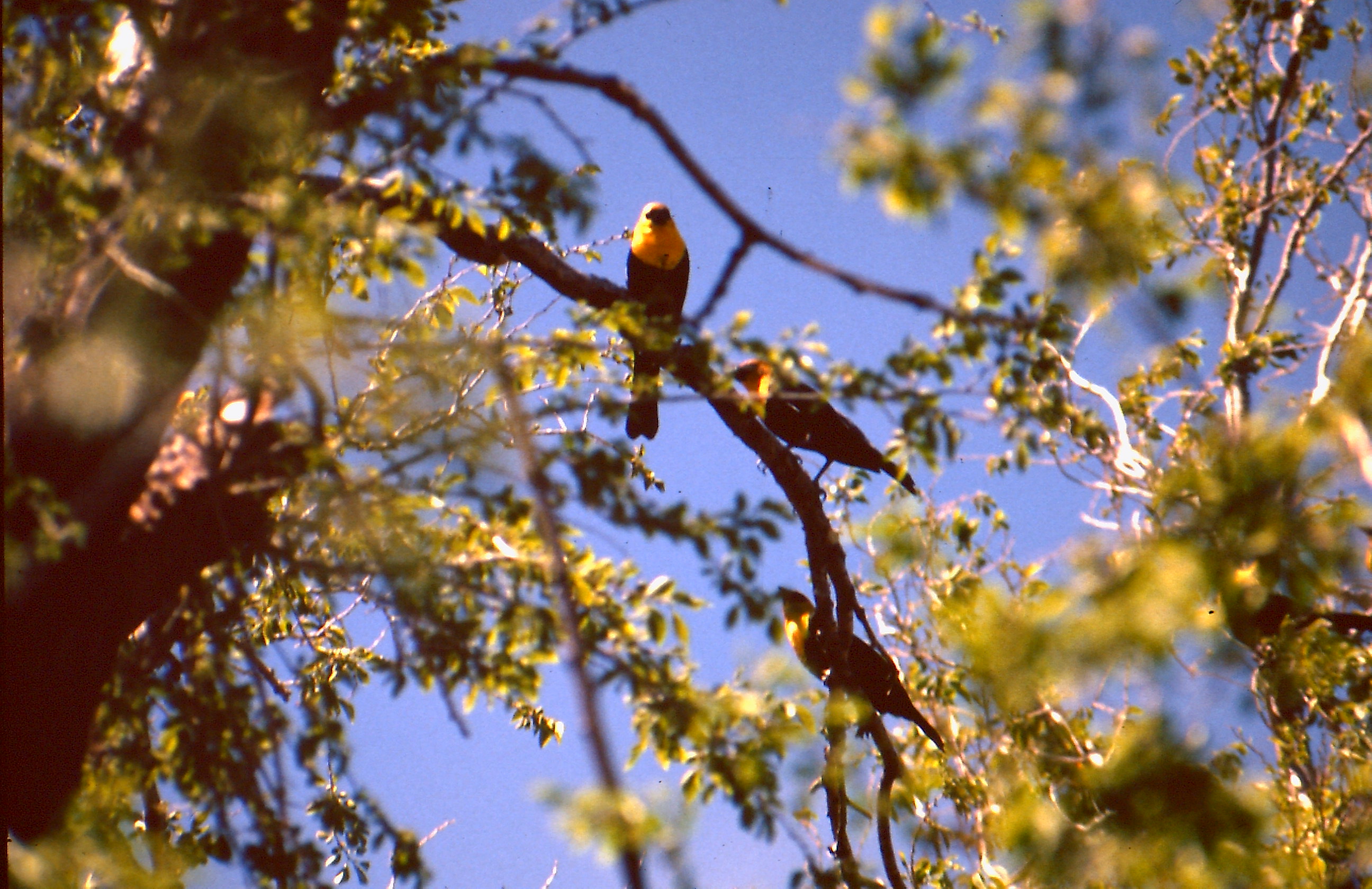
“The wind. It depends what direction the wind is blowing. Watch. There are a couple of meadowlarks up on the crest of the next hill. They will jump into the wind—right at us—to get airborne.”

I studied the larks as we approached. Sure enough, just before we achieved the crest, they each leapt directly into the path of our car. They swerved sharply and fluttered to the north, over a dormant winter pasture.

“Why not just fly away from the car to begin with?”

“They get lift a lot faster if they jump into the wind,” he said.

“Really? You mean they couldn’t fly if they didn’t meet the wind head-on?”

“Pretty much. It probably depends on wind velocity. I think if the wind isn’t too strong, they could take off with a breeze, but it would take more effort to get airborne going with the wind. You see how they turn and go with the wind once they get in the air?”

We watched another pair of meadowlarks follow the same pattern.

“They know they can get up faster heading into the wind, and if the wind is too strong they won’t get lift unless they face into it,” he said.

~~

Since the inauguration of #47, I have felt like one of those larks. A barrage of insane and appalling executive orders sweeps from the White House with category 5 hurricane force, devastating every state in the union regardless of geographic location or political leaning. I don’t know how to begin to resist the devastation, or even to absorb all the news. You may feel the same way. But unless we get out there to face the onslaught and jump headlong into the gale force winds, we’re sunk. In whatever way each of us can manage, we need to launch against the wind of insanity and rise above it to soar toward a better future. Don’t run. Don’t hide. Don’t ignore the news. Instead, rise up and ride on the wings of the wind. It will make a difference for our future.

Wisdom of Geese

I’ve been trying to figure out what the first step in resistance to tyranny should look like in my life.(Timothy Snyder–“Do not obey in advance.”)

I think perhaps it’s simple: just keep on keepin’ on. I will attempt to do what I do, to be who I am called to be, to stand for my values and ethics through every avenue available to me, as long as I am able.

That step was confirmed by the geese I watched this morning. On my daily route across the pasture, a flock of Canadian geese swept into the sky from their morning pursuit of gleaning seeds from a field across the road. The immediate and overwhelming cacophony stopped me in my tracks. Something had spooked the winged crowd and they all took flight. The racket drowned out even highway noise. They circled for a few minutes, settled quietly down again, and returned to being the geese they were called to be. Kept on. Flew on. Settled down, and returned to their geesehood pursuits.


Yes. That’s it. “Do not obey in advance.” Doesn’t mean to ignore stimuli (bad news, calls to action), but do not let it take over my life either. Keep on keepin’ on.


As Edmund Burke said, “Never, no never, did Nature say one thing and Wisdom say another.”


I will find something beautiful provided by Nature

Last month I attended a few presentations at the Kansas Book Festival in Topeka. The one I remember most was by author and administrator at Haskell Indian Nations University Daniel R. Wildcat. I bought his book, On Indigenuity: Learning the Lessons of Mother Earth, a long essay on what indigenous peoples can teach the rest of us about protecting our miraculous home planet. I have long been concerned about protecting the home we share with all life forms, including people around the world and millions of other species. When greed and lust for power impact the lives of innocents around the world, I am enraged. Destruction of the biosphere that sustains us is now threatened with acceleration. Communities of wild things and minority populations will be the first to feel the impact.

In the early pages of his book, Daniel Wildcat recommended that we should become more familiar with Nature. One thing which compounds and complicates the rampant destruction of our planet is our distance from the elements. We sit inside our comfortable homes in front of screens far too much, and should become more familiar with how the natural world near us is impacted by our decisions and policies. To that end, today I decided I would walk the deer trails on my small patch of virgin tall grass prairie and look for the beauty in Nature. Even if you aren’t close to a 40-acre meadow, you can still take a walk and feel the fresh air and sunshine, listen to whatever birds are in the trees lining the streets, and enjoy the colors of autumn.

These scenes are from my morning walk today.

Sweetgum tree in our front yard, blazing orange.

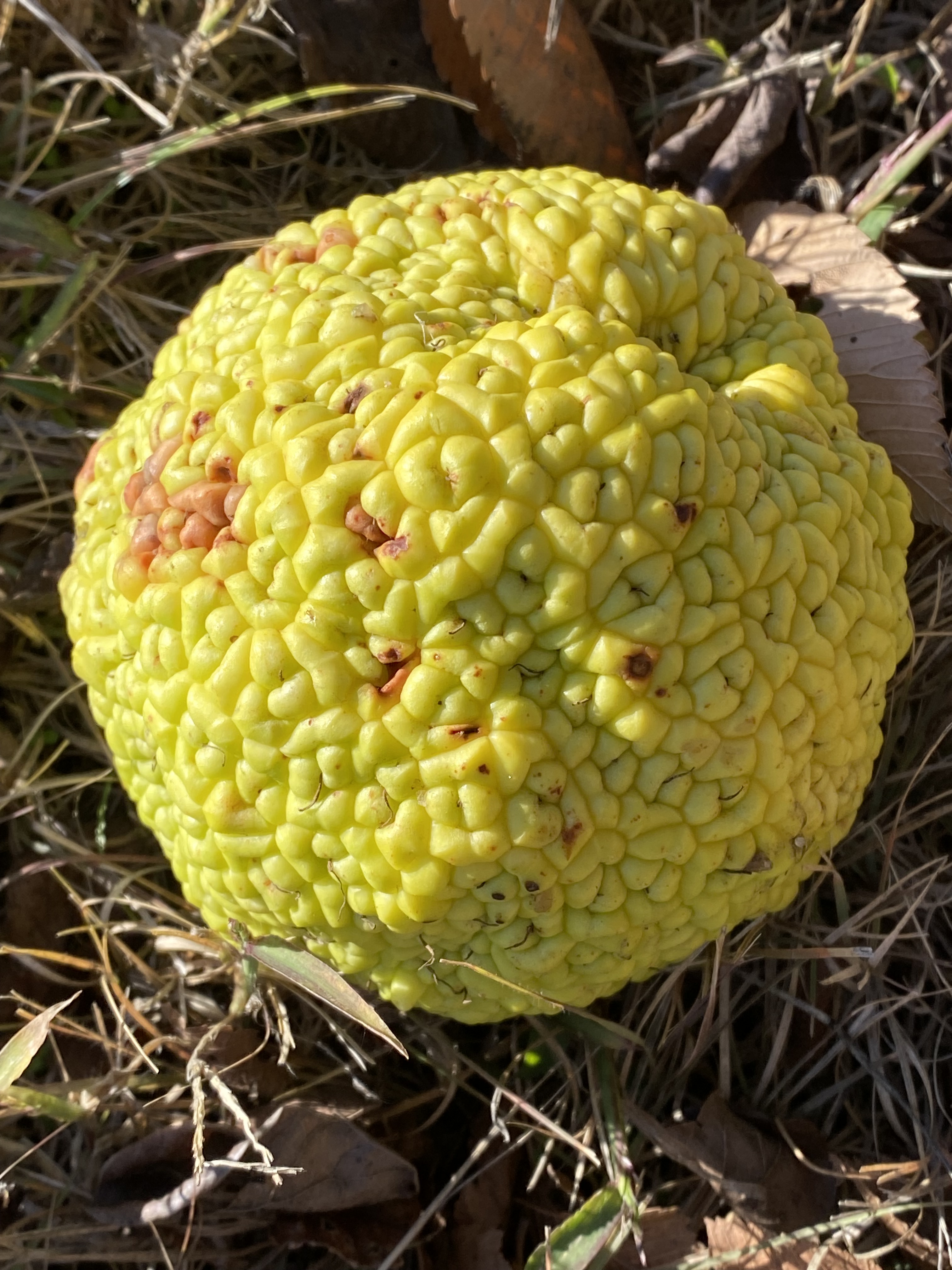
A fallen Osage orange, with closely fitted puzzle-piece segments. No two alike. Just like people.

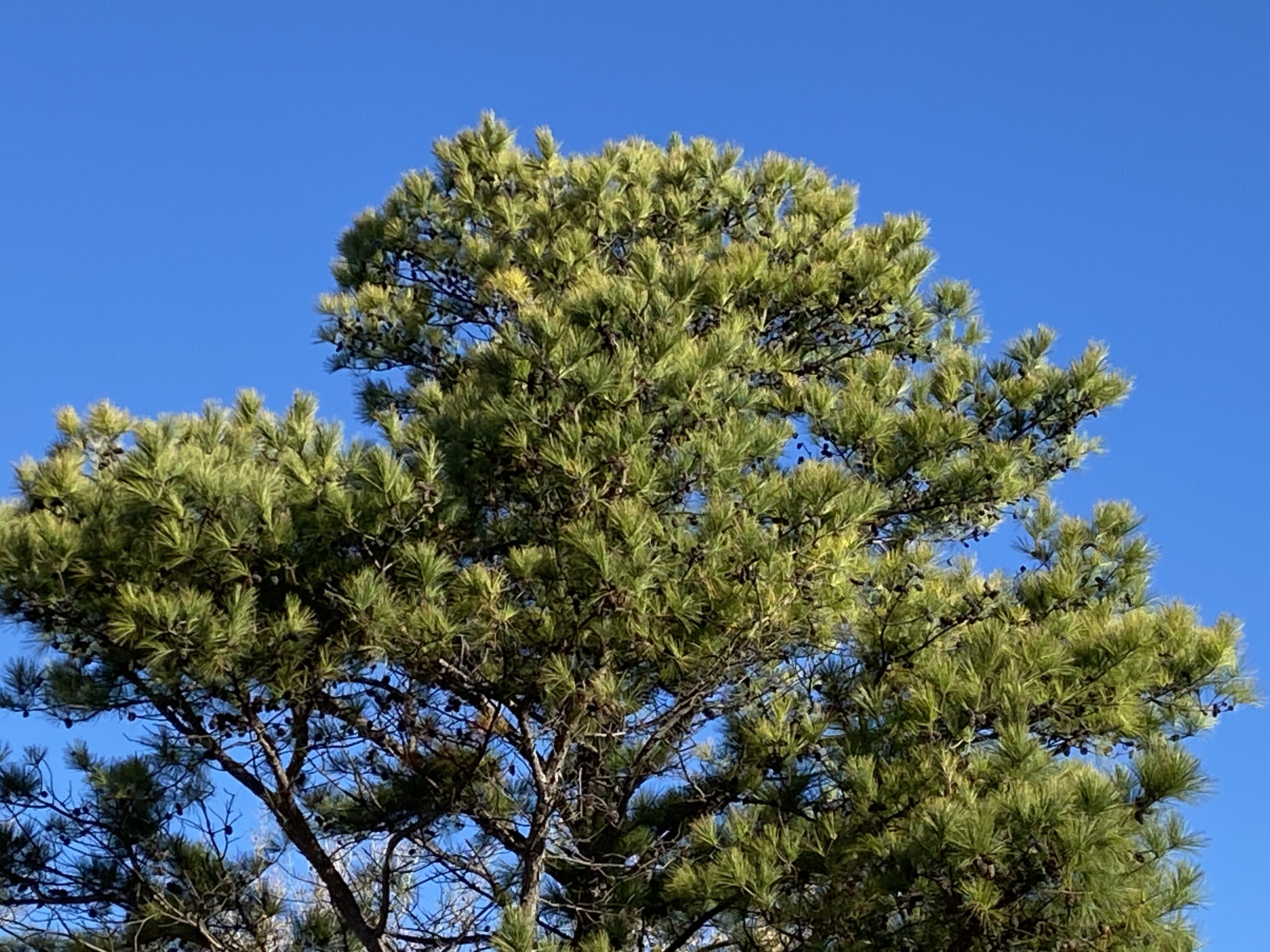
One of the two pine trees on our place, laden with pinecones. I keep wondering when the pine bark beetles will invade, but so far we’ve been lucky.

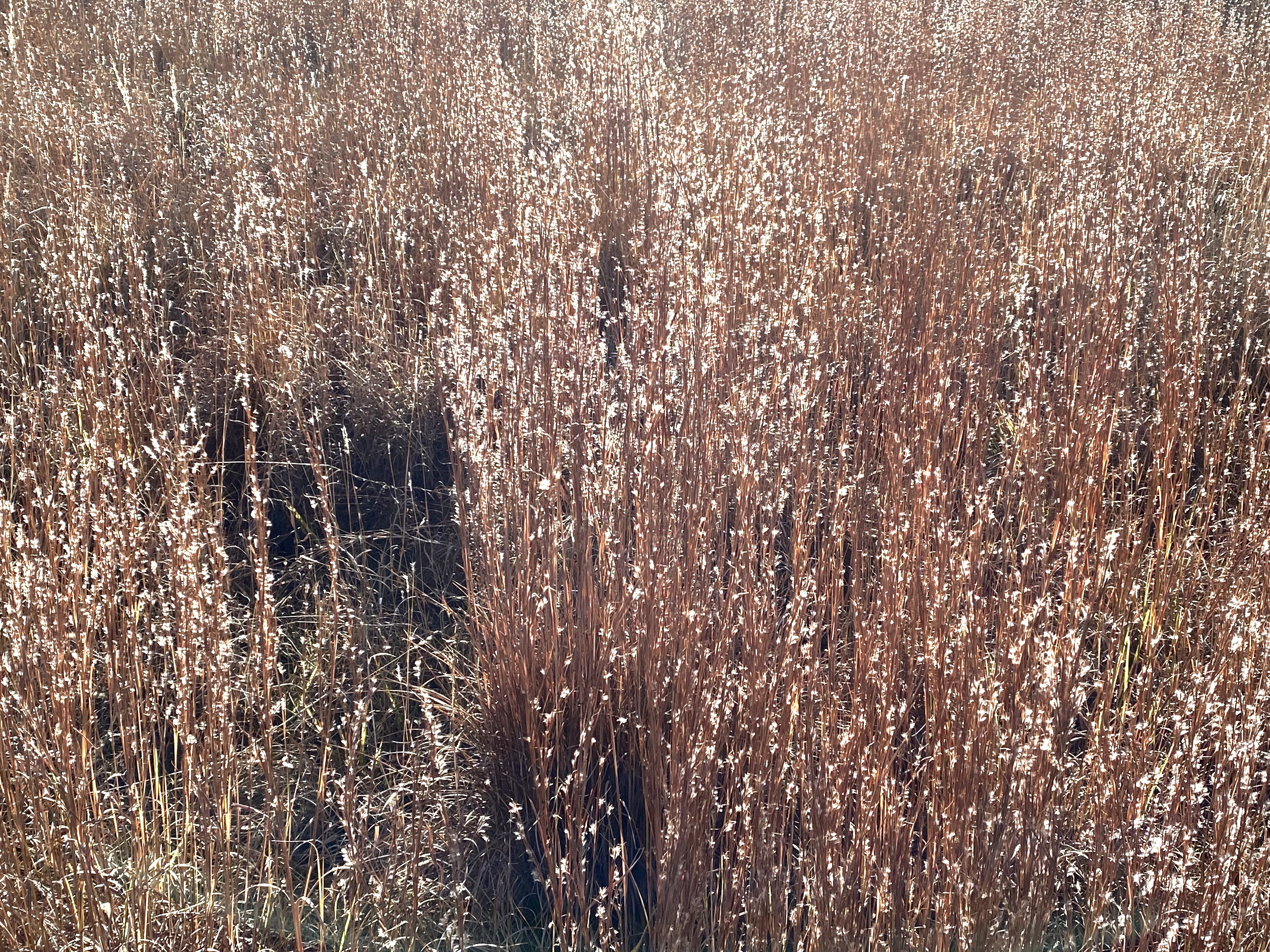
A backlit patch of little bluestem, with fluffs of seeds gleaming like a field of fallen stars.

One of my favorite grasses: Indian grass. The seedheads are still there, though they are far more impressive earlier in the autumn season. This reminds me of Native American writers that I admire, including Daniel Wildcat and Robin Wall Kimmerer. Kimmerer’s book Braiding Sweetgrass changed my life during the Covid shutdown.

From Alpha . . . to Omega Part 2

Since I was young, I found peace and unconditional acceptance in the natural world, even in difficult times. Especially in difficult times. During a traumatic adolescence, I surrounded myself with nature in my hideaway room at home. There was a fifty-gallon aquarium, and shelves in the windows filled with houseplants. Some even vined across the ceiling. My own private forest.

In Nature, I found evidence of a supreme being beyond what our senses show. Through countless moments filled with awe and wonder at the mystery of life, of connections with other beings, I grew to love the Earth, its life, and its mysteries. As we approach a precipice of no-return in the global crisis brought on by our industrial and consumer-oriented lifestyle, I feel great sadness, along with deep gratitude for the gift of life itself, and for all the moments when I sense the Beyond through simple contacts with other living things. Climate grief is a true thing.

I wonder what awe-filled moments do you recall that you wish your grandchildren—and theirs—could experience?

Have you ever . . .

Watched an eagle soar and listened to its distant call?

Sat on a trailside boulder and watched an aspen seed float to the ground?

Had a hummingbird check your red bandanna for nectar?

Watched a glacier calve an iceberg?

Heard a rush of wings in the stillness of a heavy mist?

Watched a loggerheaded shrike hang a field mouse on a locust thorn?

Risen before dawn to visit booming grounds of lesser prairie chickens?


Watched a lone prairie dog scamper away from its village into the sunset?

Surprised a family of deer on a winter walk?

Watched a flock of robins sip melting snow from your house gutters?

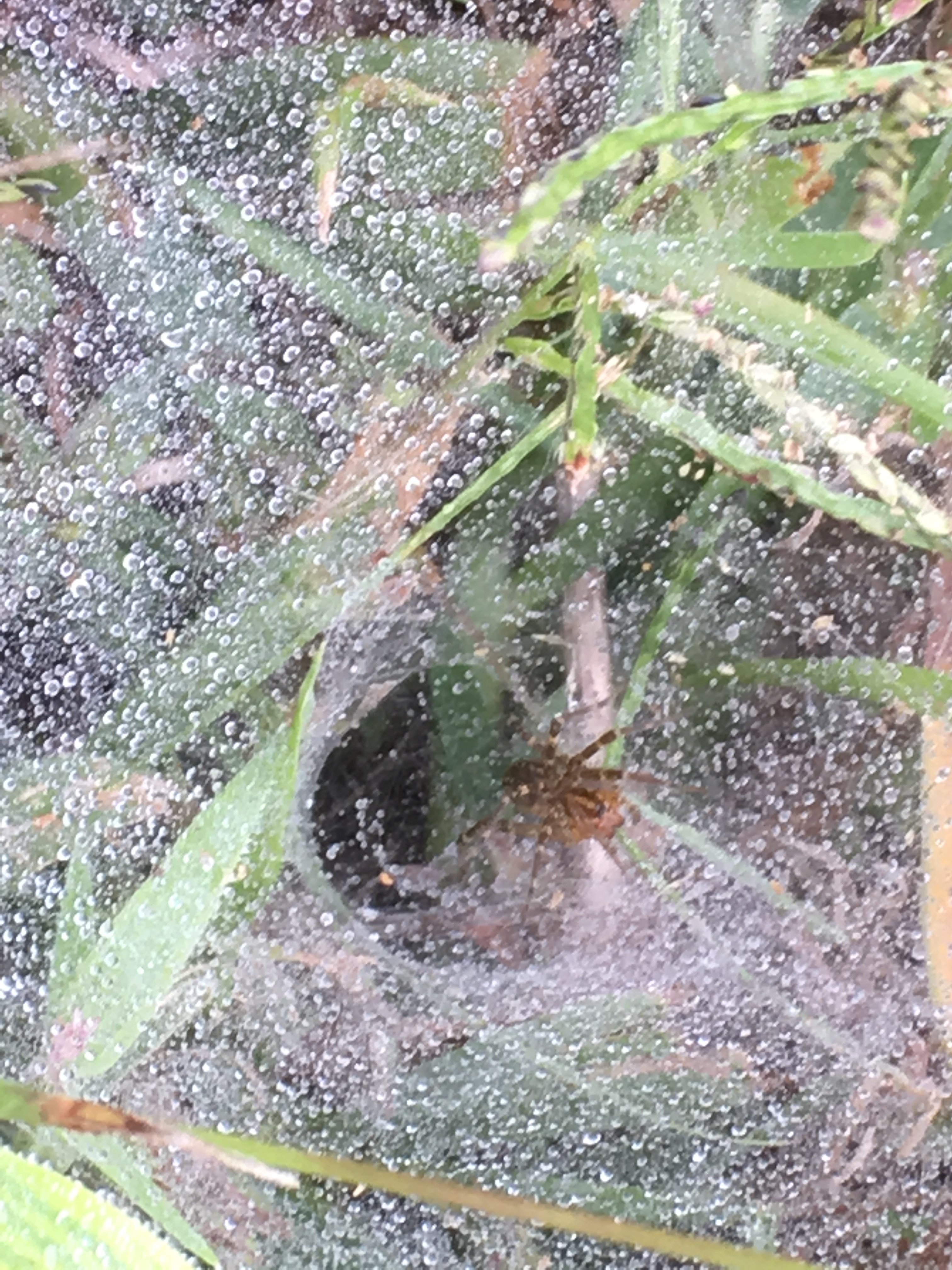
Walked with a flashlight after dark in September to watch orb spiders at work?

Witnessed a black bear check out the milo fields on the high plains of Kansas?

Heard the scream of a cougar outside your tent in the middle of the night?

Watched autumn leaves dance with hundreds of migrating monarch butterflies at dusk?

Held a newly metamorphosed moth in your hand and watched its virgin flight?

Heard barking sea lions as they congregated on the shore below the seaside cliff where you stood?

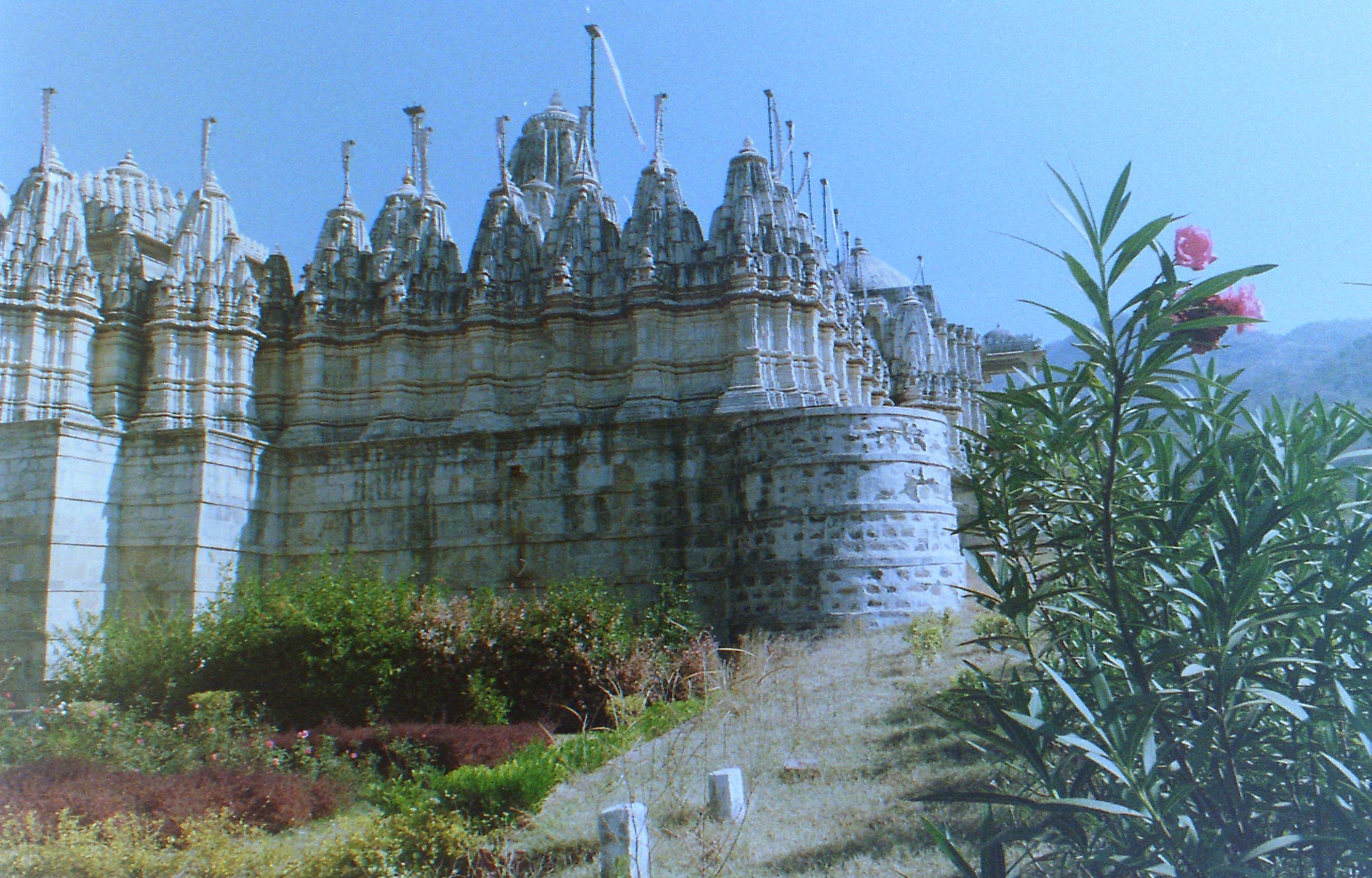
Through six decades, travels from Oregon and California to Maryland and Florida, Minnesota to Arizona, as well as journeys to Japan, India, Hawaii, Canada, Alaska, Cuba, and Mexico—not to mention my own backyard—the wonderments of Earth have held me spellbound in every little nook. With deep gratitude for all I have been fortunate to witness, and with fervent hope that we can stop our catapult into disaster at COP26, I offer Part 2 of the slide show from my younger days. Let humanity not be responsible for the Omega curtain on our gem of a planet.

Music: Beethoven’s Symphony No. 9 in D minor, “Chorale Symphony.”


From Alpha . . . to Omega

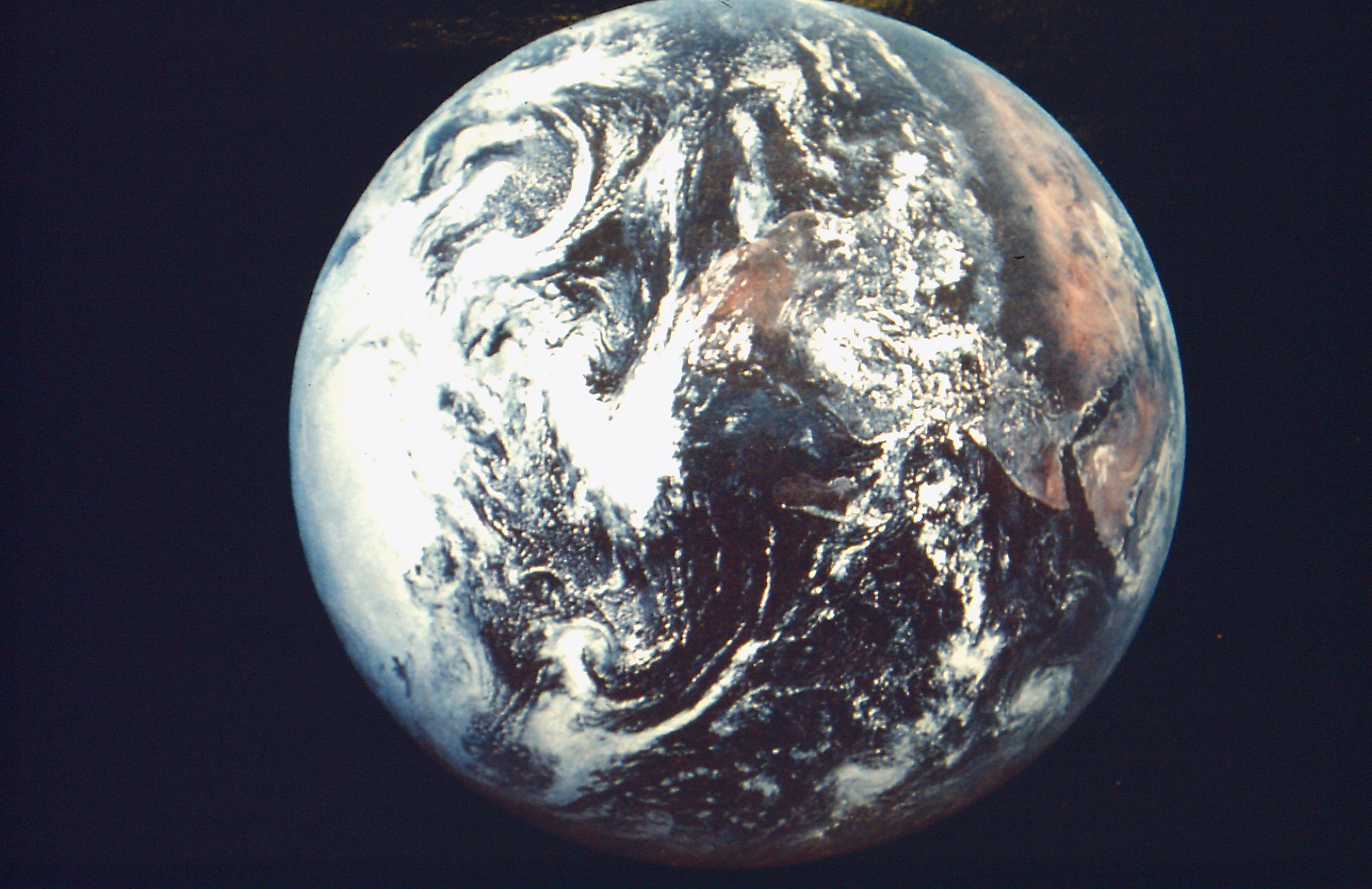
A week from today in Glasgow, Scotland, COP26 is set to begin. The 26th Conference of the Parties (COP) of the 1994 United Nations treaty on Climate Change has been called the planet’s last best chance to establish commitments around the globe that will mitigate the worst consequences of human blundering and greed. Glasgow, a Global Green City with plans to achieve carbon neutrality by 2030, is an appropriate location for the conference. Like Greta Thunberg, I have grave doubts that anything pertinent will come from the proceedings.

But, it’s crucial that we take drastic steps to reverse the damage humanity has done to this gem of a planet. Every culture and faith tradition that I know of dictates great honor and respect for the forces that created the living biosphere we call home and rely on for our very existence. My background is the Christian tradition, where in earliest stories, God the divine, the Creator, brought into being the systems on Earth—and saw that it was very good.

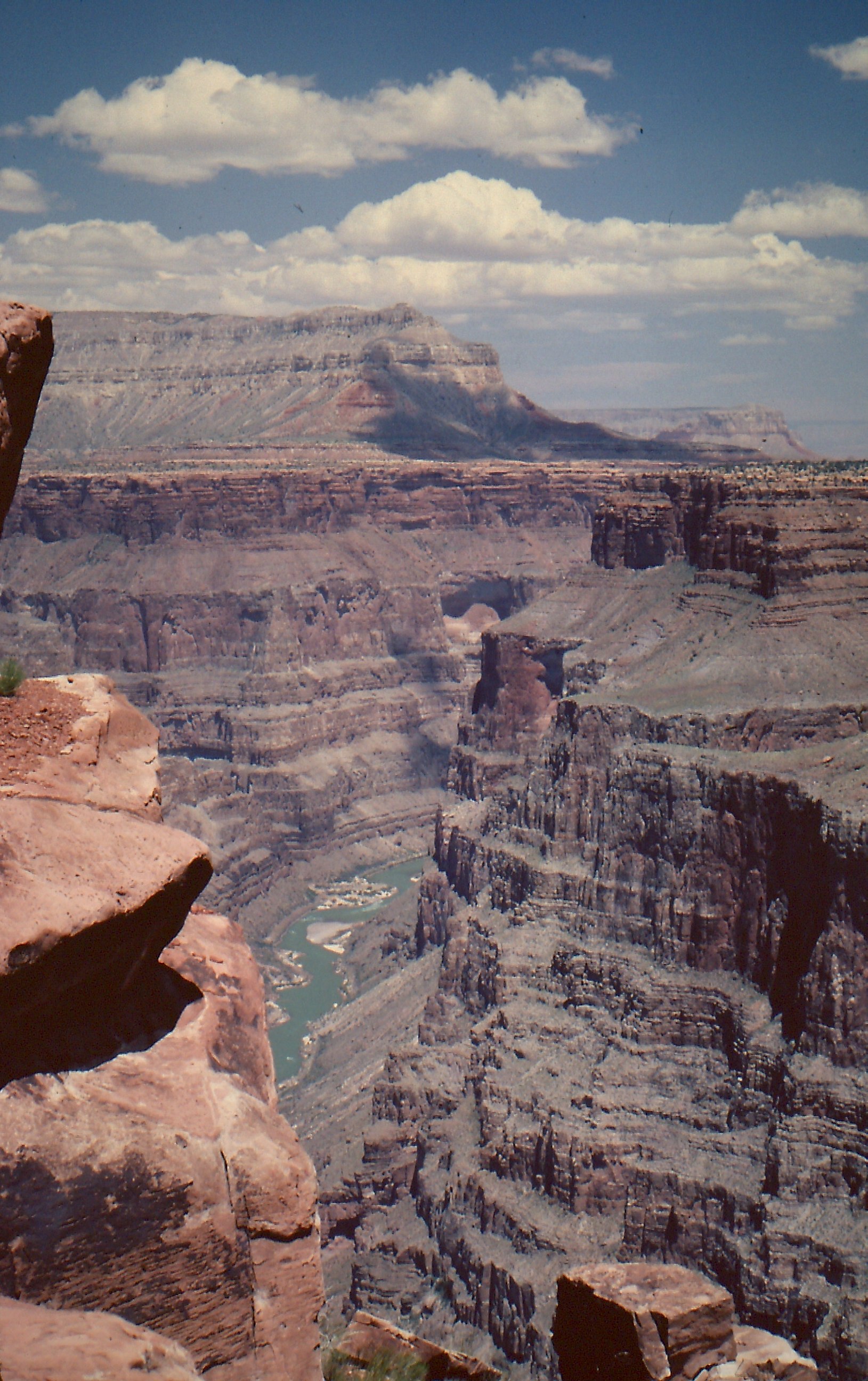
Grand Canyon, Arizona

The greatest crime against the universe is human arrogance and greed that ignores the rest of our brother and sister species to bring about catastrophic change and ultimately destruction of the Earth systems that support all life forms.

I fell in love with nature in my childhood. My parents took us traveling to wonderful places every year and we camped in the wilderness before RV-ing became a “thing.” The church were I learned “God is Love” used beautiful scenic photos on the weekly bulletins, and I wanted to take photos like them.

In college, my best friend (who later became my husband) and I bonded over escapades in natural settings. We reveled in outings where we traipsed joyfully through hills and meadows with our 35mm SLR cameras slung over our shoulders.

The first church we attended as newlyweds was a country Mennonite church in southwestern Kansas. Though neither of us had a Mennonite background, the love, the service, and the music of this congregation provided a perfect support for beginning our married life. For these people, we put together a slide show of our own scenic shots, accompanied by scripture from the Bible. The original show was held in 1978 in a local auditorium, using a Kodak carousel projector and reading scripture at a microphone as we advanced the slides. At the time we thought how nice it would have been to include musical background, but lacked technological skills to accomplish that.

I lost my first soul mate to cancer. A lifetime later, with advancing digital products and home computers, I was able to convert the original 35mm slides to digital format, set it all to music with the help of a tech-savvy stepson, and post to a YouTube video channel.

I offer the show here, for love of the Earth, of Creation, of our gem of a planet which unquestionably deserves better than we’ve allotted to it. As COP26 approaches, can we all agree that Earth is unique in the universe? Can we, out of respect for its Creator and Creation itself, and for love of generations to come—generations of all species that make up our Earth family—commit to protecting and preserving this unique planet which holds mystery and miracles and wondrous splendor?

See Part 1 of the slide show we called “In the Beginning” here, set to Beethoven’s Egmont Overture in F minor op. 84:

Part 2 to come.

Day 4: Hot Buttons and Getting Hotter

Dear Tanna,

The top priority in changing the course of our nation for some people is to abolish abortion. But I don’t think it’s that simple. Abortion is not an either/or issue, not simply “yes” or “no.” It’s not black and white. There are many shades of gray. There always are with complicated issues.

For me, the environment is the hot button issue. Exploitation, degradation, and destruction of the natural systems we all rely on for basic necessities are the biggest problems we face. Environmental destruction will destroy us, if we don’t hearken to the urgency. And then it won’t matter if women can govern their own bodies, or if we can shop for the latest fashions, or a new car, or even if we have enough to eat.

It. Won’t. Matter.

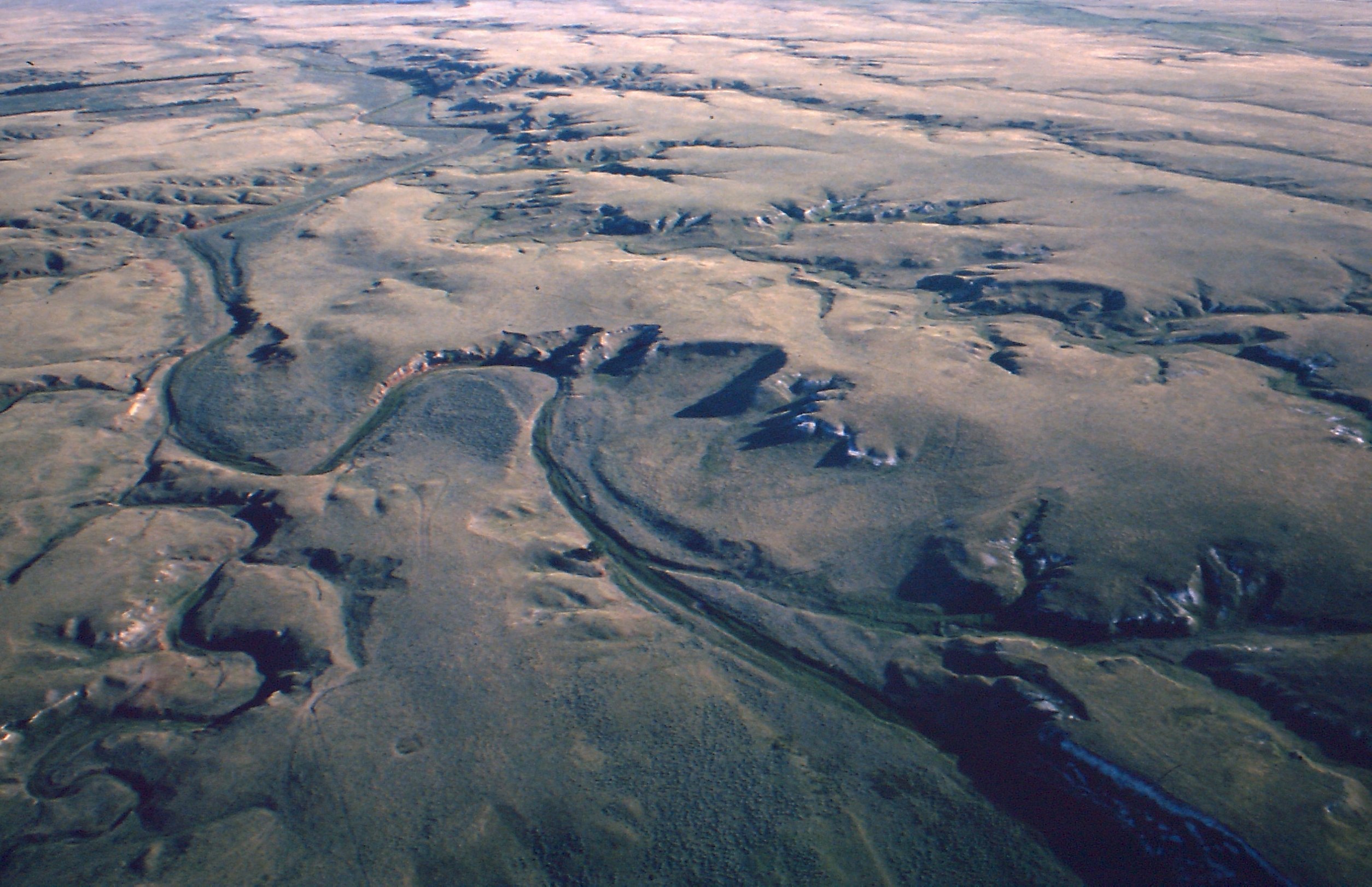
My love of the natural world goes back to my childhood. We traveled and camped every chance we had, all over the western states. I hope, Tanna, that you will have access to the amazing redwood forests like I did. I hope you will experience awe as you look over magnificent mountain scenes, canyons, rivers, and oceans of grass. This is truly a remarkable land and I hope we find the ingenuity—and the will—to preserve it far beyond your generation. Like every other child, you deserve the chance to feel wonder at the annual butterfly migrations, to catch your breath when an unexpected wild visitor turns your head, to watch a white-tailed deer chew its cud, to fill your lungs with fresh, clean air in an autumn breeze.

The concern for our wanton destruction and exploitation of nature is not new. It was well documented before I was born. By the time I entered college, there were ecology classes focused on our careless destruction of the natural world, and what that would inevitably mean to every living thing on the planet.

We are some of those living things.

To me, nature is teacher and healer, a holy place where I retreat to seek the divine. Nature can be that for you, also, if you learn how to listen.

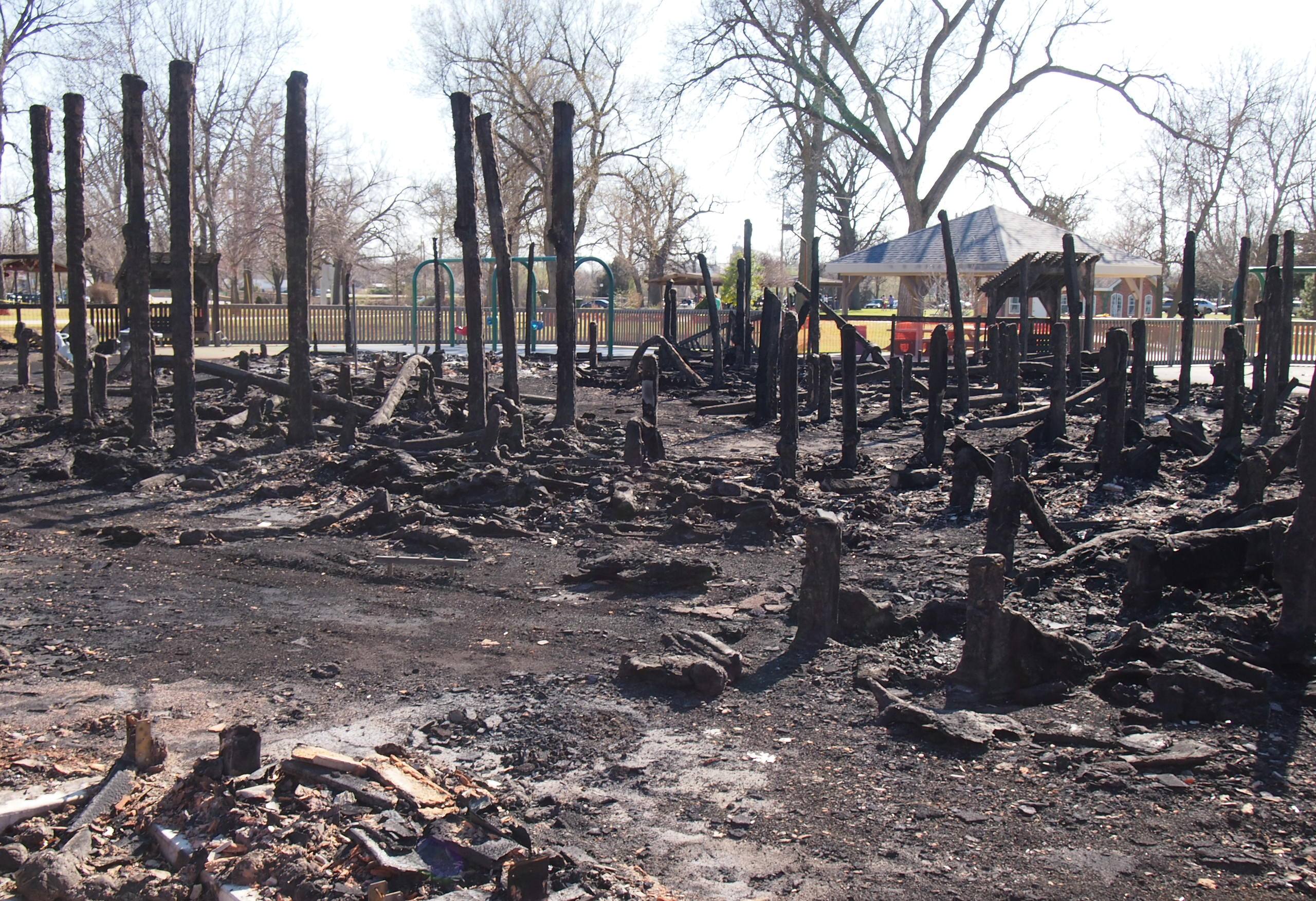
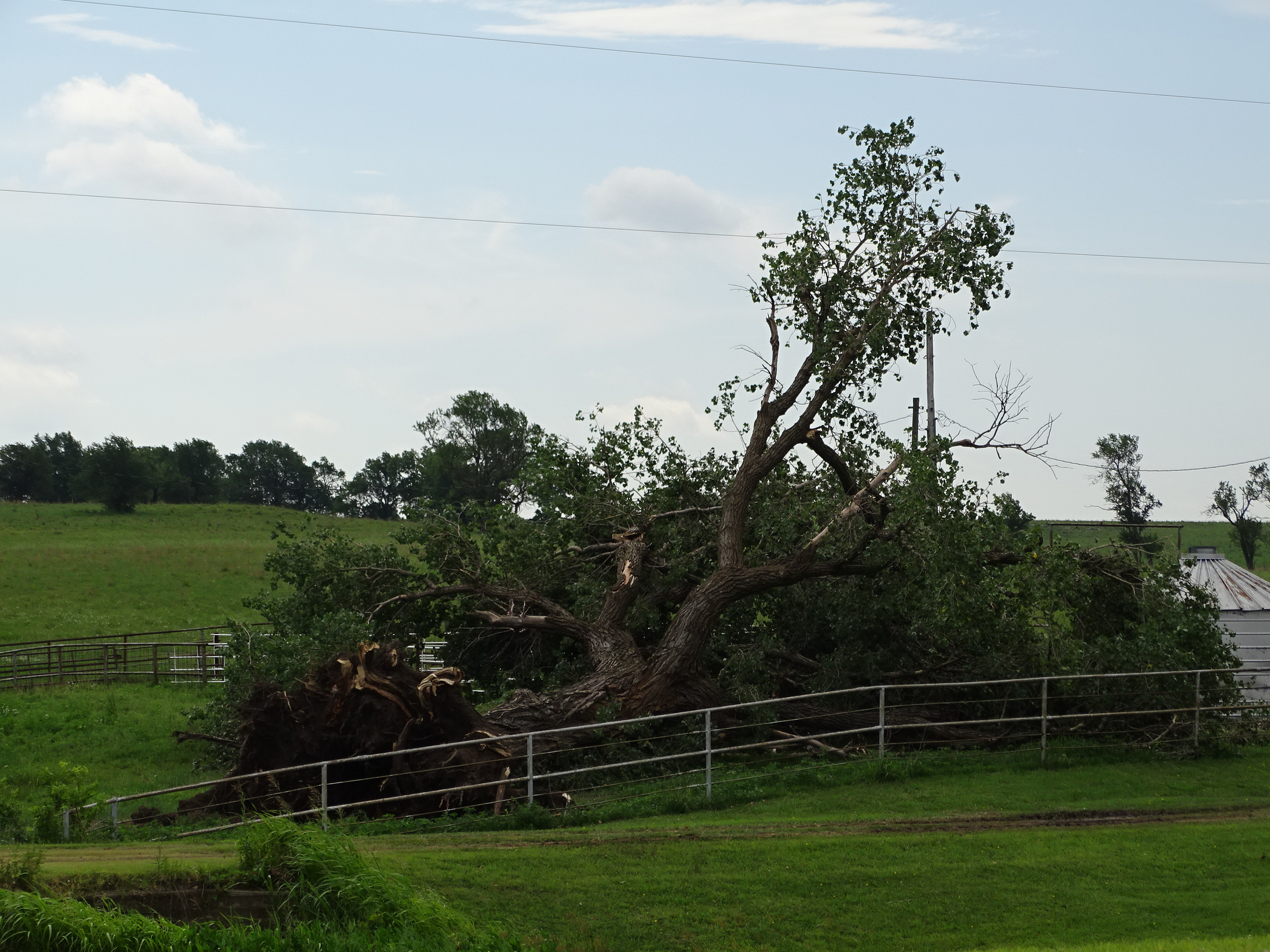
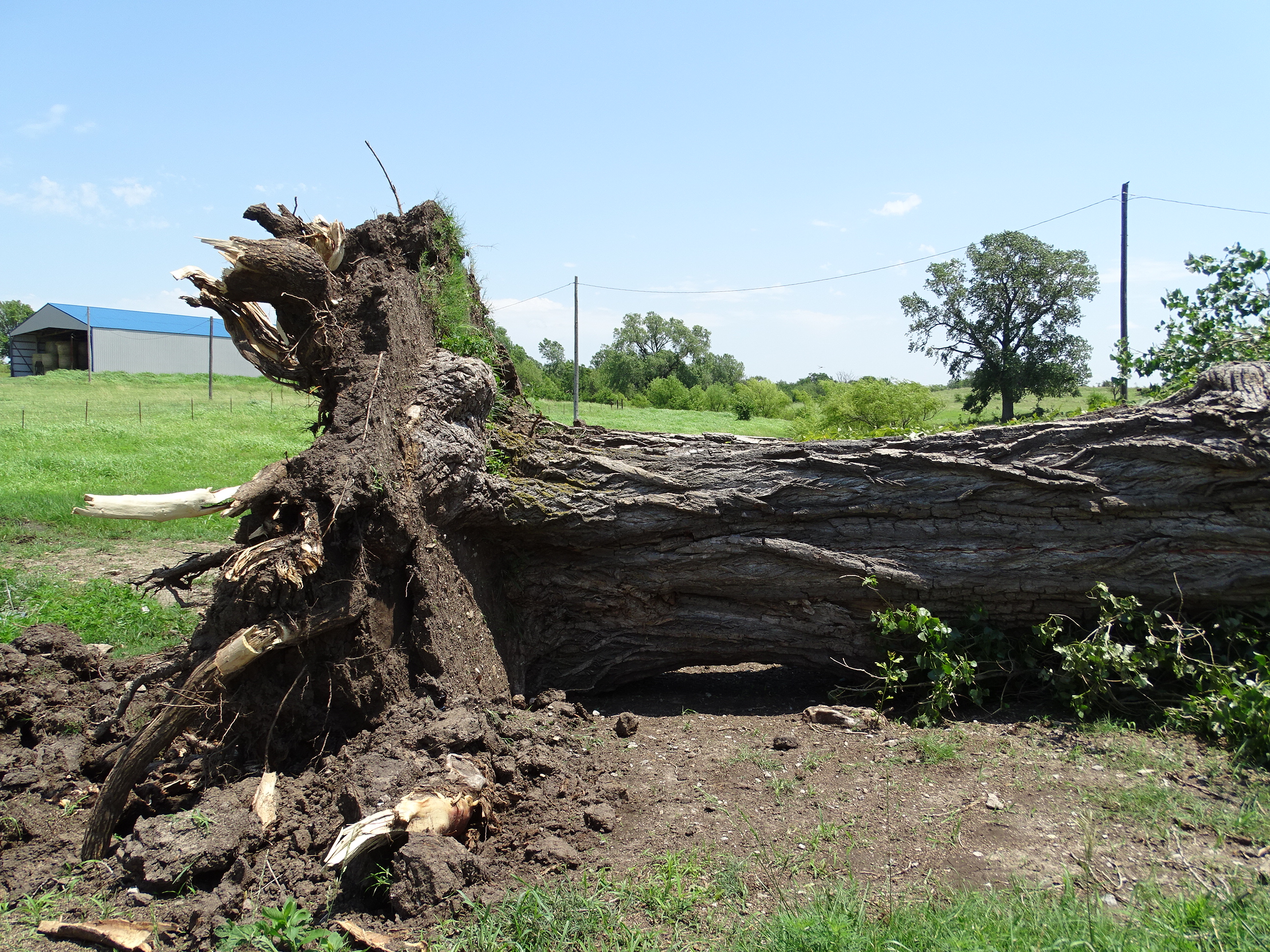
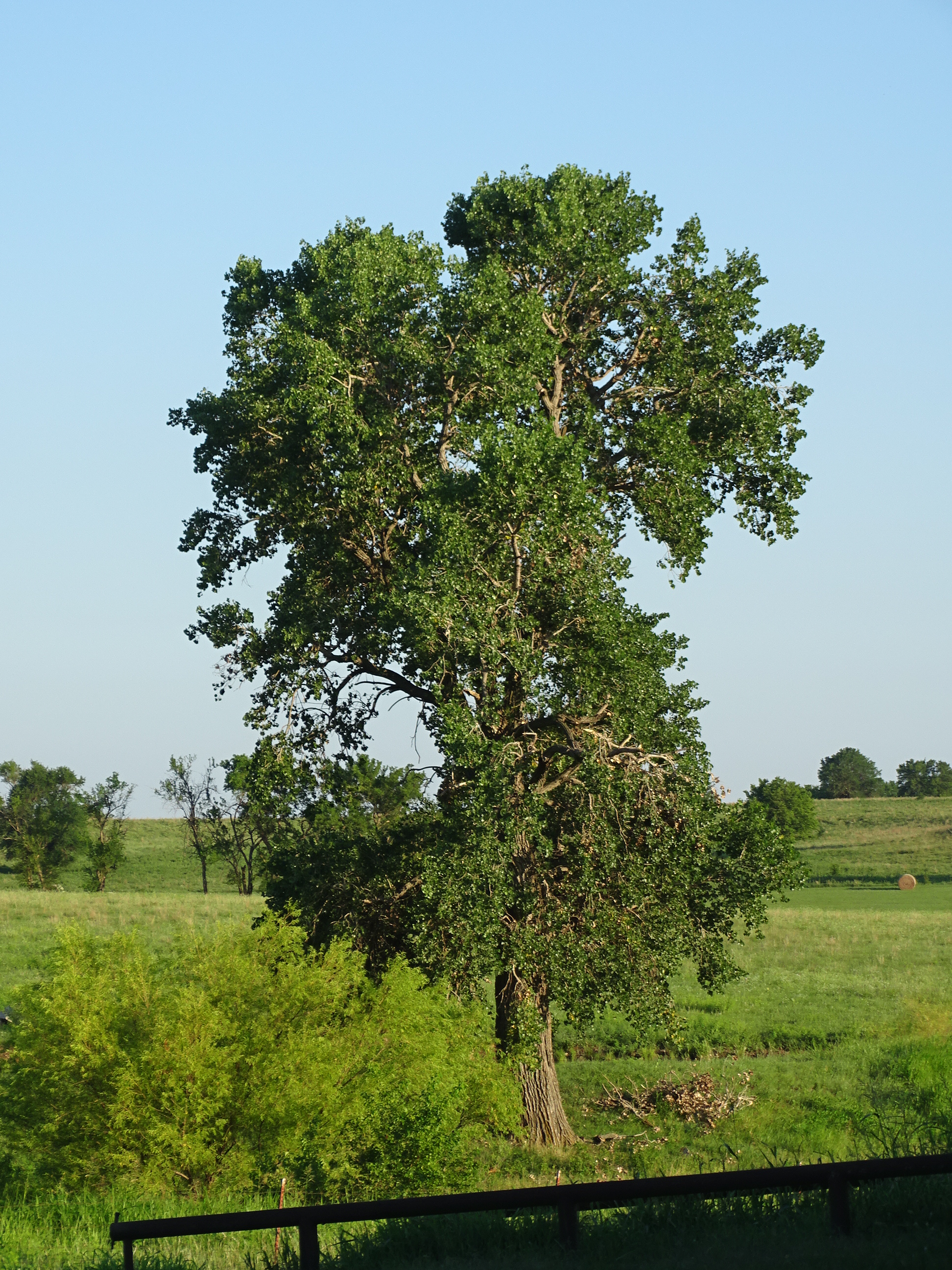
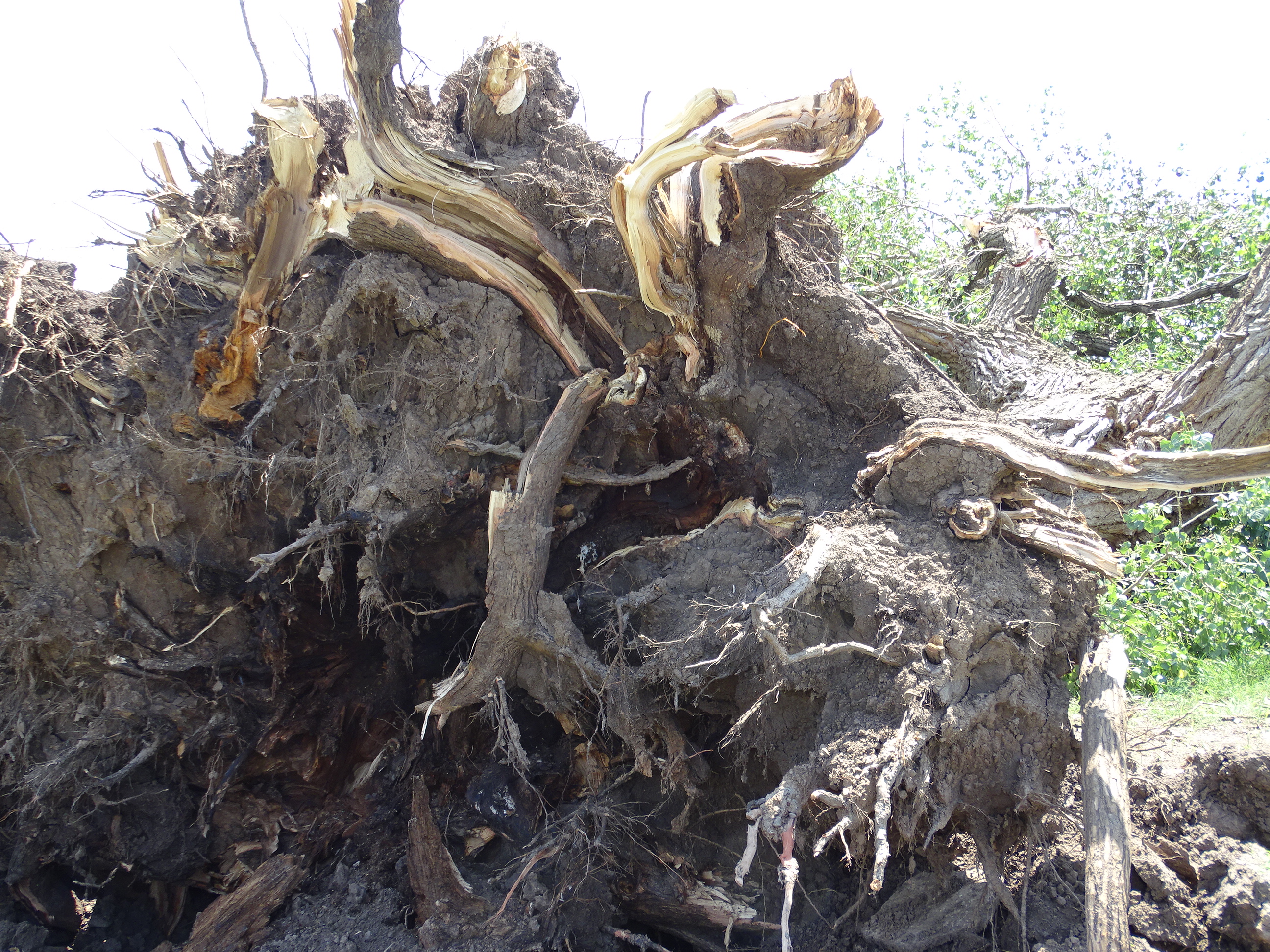
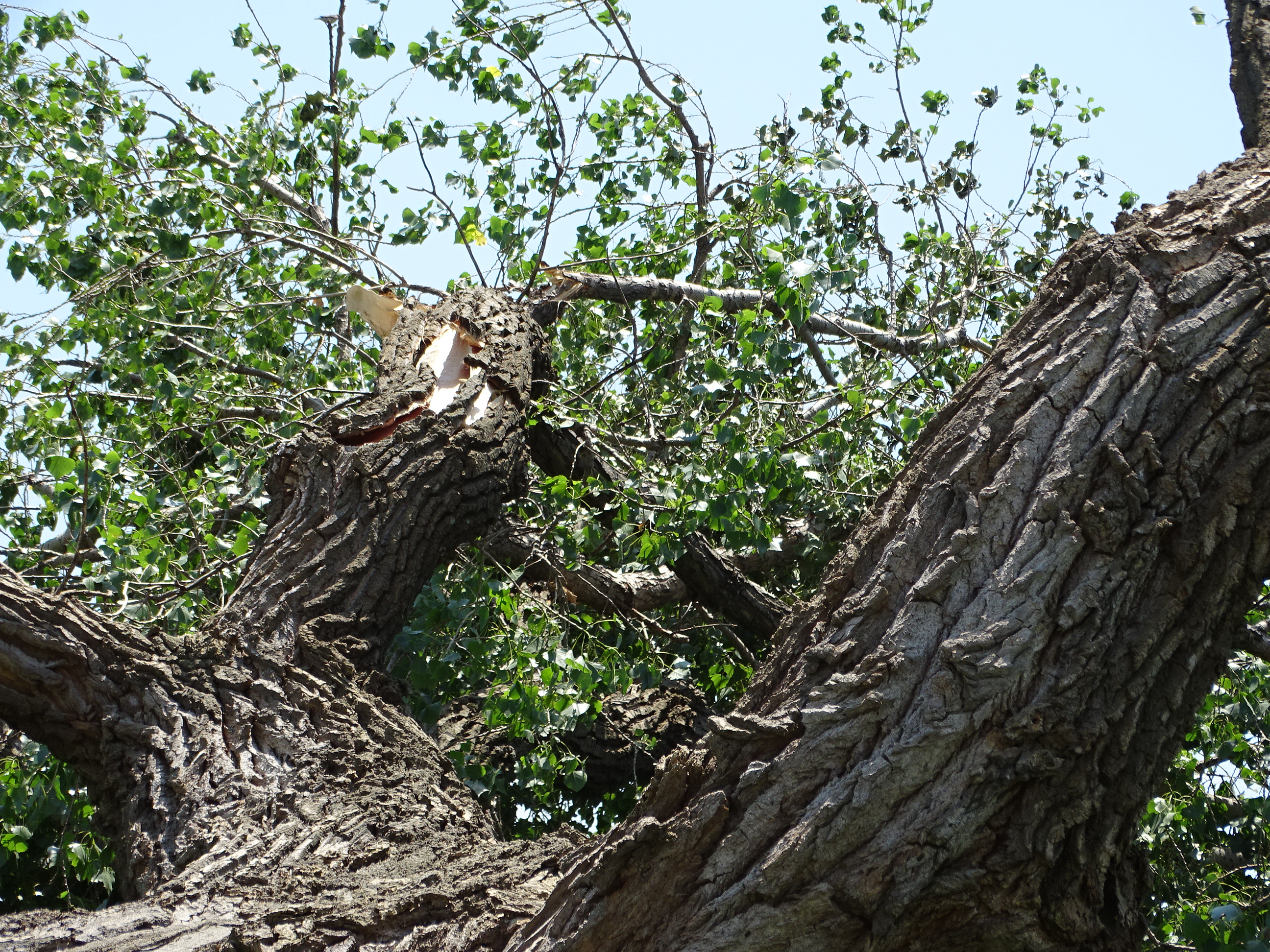
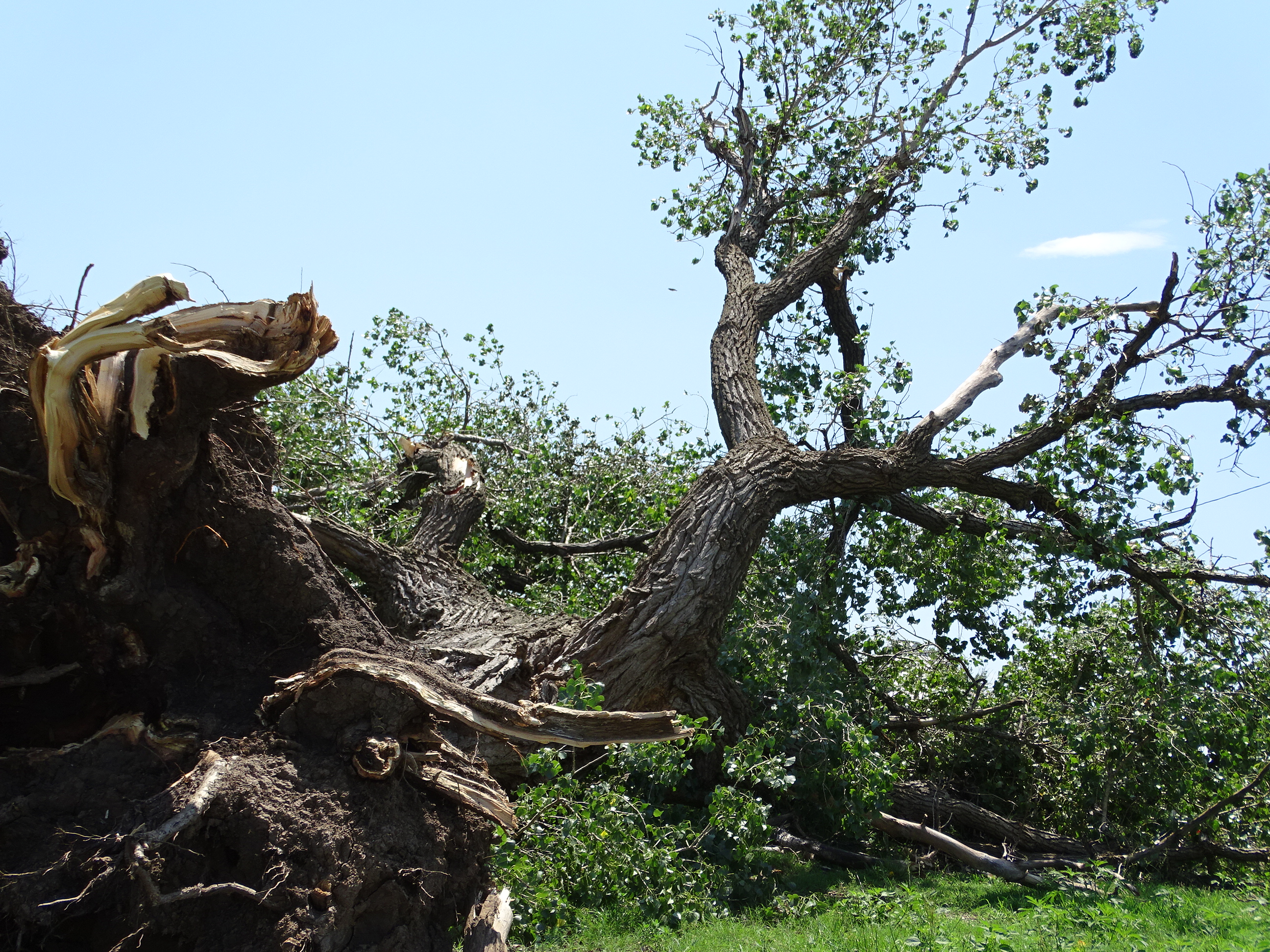
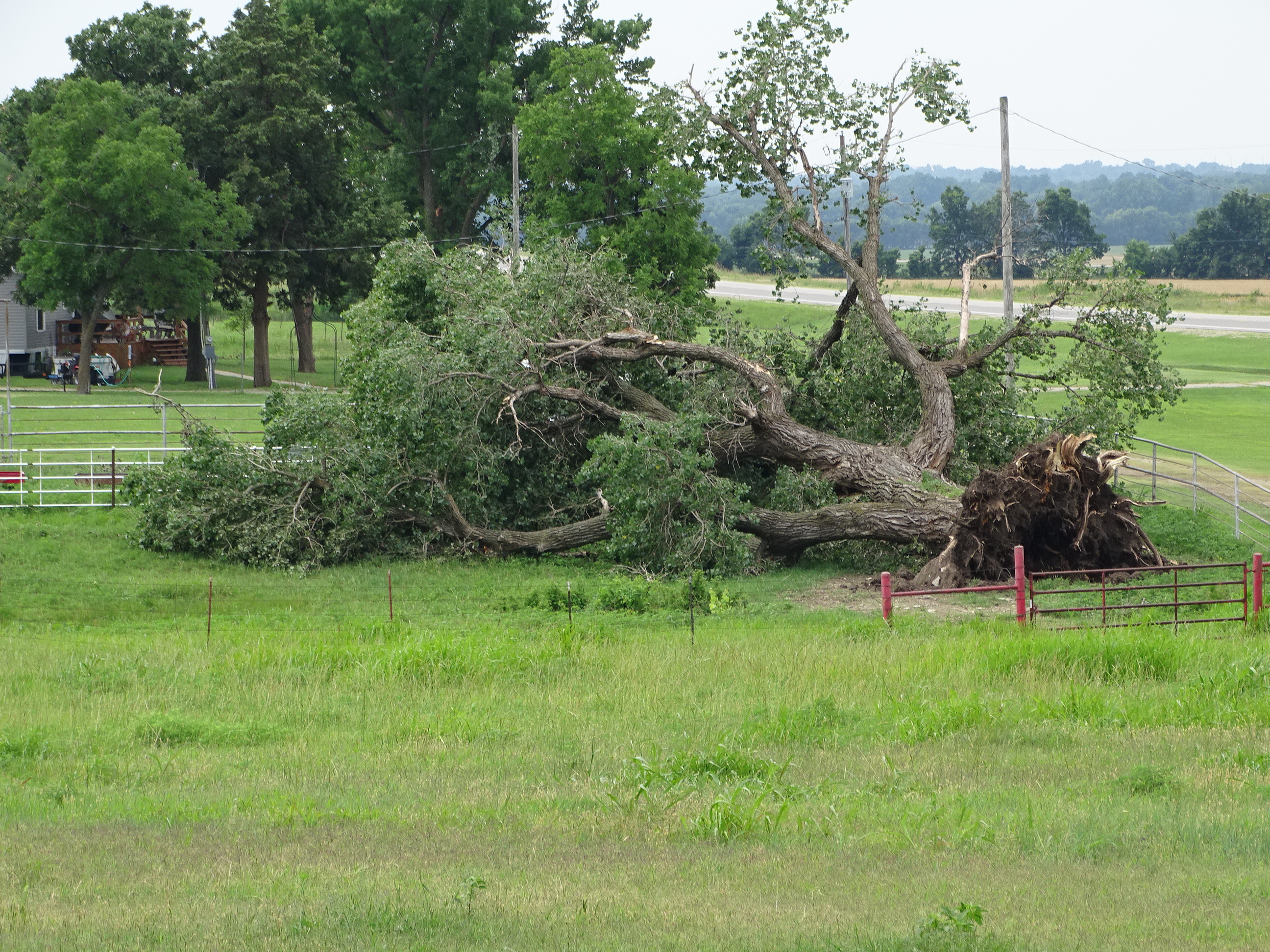
I once watched an exhausted moose lunge through shoulder-deep snow and I learned the dangers of choosing an easy path. In a downpour I heard the rain plummet from the heavens and it spoke to me of cycles in life. I watched a family of ducks chase madly from one point to another and back again and I saw human fads and opinions mirror the whimsical parade of a flock of ducks. I watched my best friend waste away in a losing battle with cancer and I understood how the growing demands of humanity sap the vitality of our home planet in a similar fashion. Meadowlarks leapt into the wind so they might gain lift and fly away. And I learned I must face the adversities in my life before I could ever rise above them. A stately and beautiful tree crashed to the ground in tornado-strength straight line winds, and whispered that sometimes our roots will not be able to support us against a barrage of adversity. Messages arrive on the dust of a sunbeam and the wings of the wind.

Long ago, I read books by Thor Heyerdahl. One was titled Fatu Hiva: Back to Nature.  In the narrative of his return to simple life on a remote island, he described the music he found in nature. “There is fine music everywhere in nature between moss-covered stones and foliage. . .The lights, the colors, the sounds, the perfumes, the touch, the shapes were never the same, and were always playing on our minds like a vast orchestra. We could hardly take in more music—and I do not mean the singing of birds and the tinkling of a rivulet: . . .I mean music beyond the eardrums. We have had to create flutes and violins to leave impressions deeper in than the eardrums, where nature used to play.”

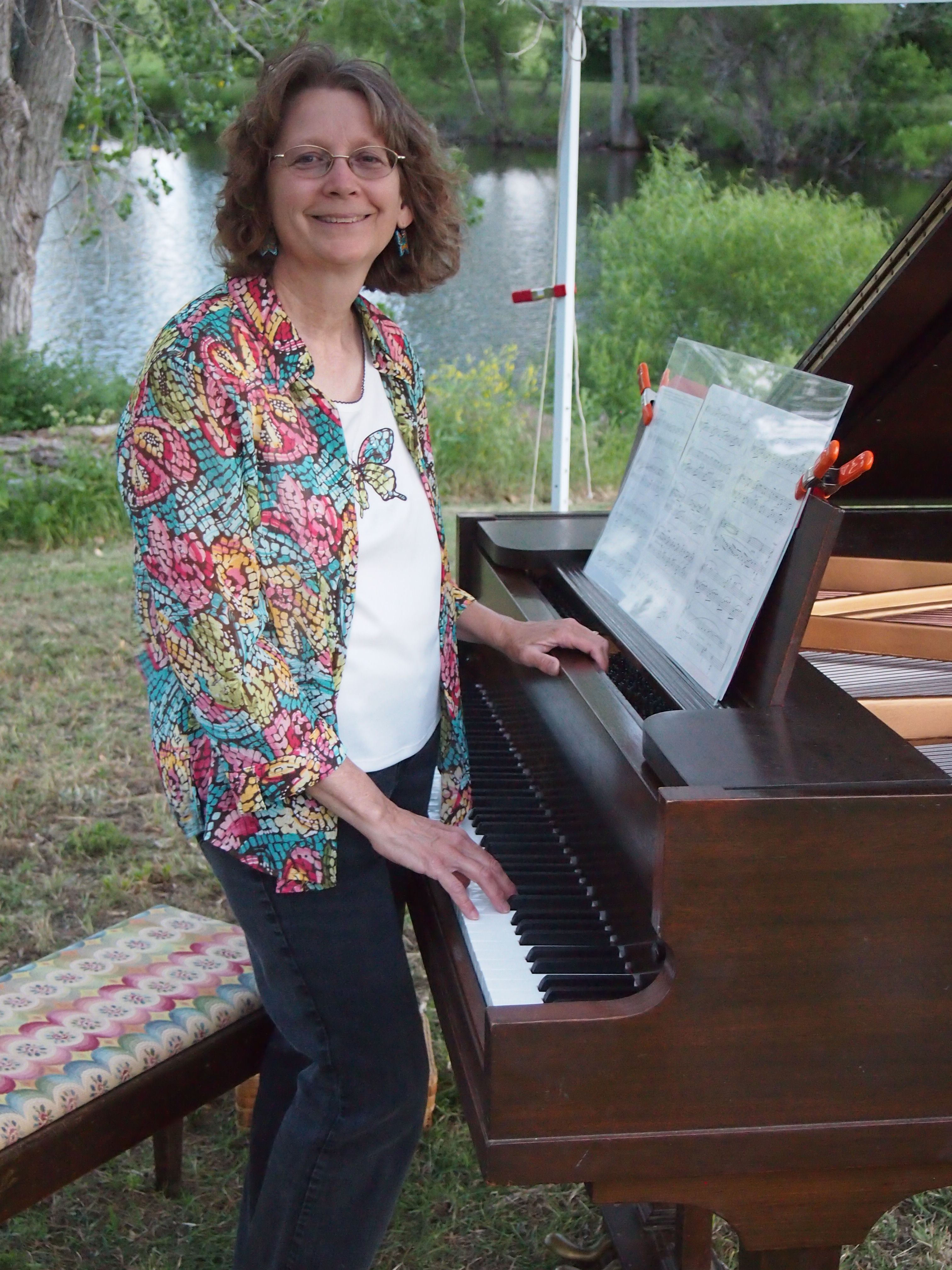
The musician inside me revels in the symphony of nature. I have delighted in taking piano students (and a grand piano) to outdoor recitals where every piece they played showed a musical glimpse of nature. Everything we humans have created has its source in nature, one way or another. I cannot find words to describe that inner union of my consciousness with the constant prairie symphony in my backyard. Without nature, I would be nothing.

Nature is not exactly constant. It is, if anything, constantly changing, providing variety in daily life. Even the sky presents many faces and no two are the same. We see a lot of sky out here above the prairie. It is our grandiose landscape. Clouds provide our mountains, the earth propels us forward, and the view changes hourly.
From observing my grandchildren, I realize fresh eyes see things as new and wondrous, no matter how much they have changed in my lifetime. My wish for my grandchildren—times seven generations and more—is that they never lose a sense of wonder. Natural processes continue. Even the Earth’s response to humanity’s bludgeoning of the biosphere is Nature’s way to restore a sort of balance. What will emerge from this process is something I can’t imagine, but will be awesome in its own right. Perhaps your generation, if there is one, Tanna, will be able to answer that question.

In the evolution of homo sapiens, our intellect seems to have surpassed our compassion. We have developed the ability to manipulate the physical world—to the point where we even create earthquakes—but not the will or the heart to care enough to halt in our tracks and find another path, a better path, a path that leads to sustainability and life for future generations.

Currently I am dealing with a sense of profound loss for what I once knew the natural world to be. In some ways, this can be compared to the radical loss a person feels after the death of a spouse and soulmate. The loss of a spouse is a radical loss, tearing a hole in the fabric of your being. You not only have lost a person, a partner, and a friend, you have lost a marriage, a relationship, the shared experiences, the dreams and plans you made together. Everything—Yes EVERYTHING—has changed.


What do you do? Widowhood can become a very empty place. In some respects, the changes occurring on Earth are like witnessing the last agonized moments of a beloved soulmate. Many of us are grieving already, to the point where we are paralyzed by hopelessness and inaction.

Grief is not possible without love. And, perhaps, love is not possible without grief. If you never feel sad, lonely, or in despair, you will never appreciate the times you feel ecstatic and joyful. I treasure the joyful memories of a vibrant natural world. The process of working through the sense of loss makes me wonder many things. Are things so far gone that there is no hope? In our final attempts to right the wrongs of humanity toward nature, are we merely playing as hospice workers in a futile attempt to ease that final decline?

“Hospice care is a special kind of care that focuses on the quality of life for those who are experiencing an advanced, life-limiting illness.” How can one person provide this kind of care for an entire dying planet? How can thousands of us? Millions? How can we restore quality to the living systems surrounding us?

That is a huge question. I think the answer begins with hope. And I will tell you more about that tomorrow.

With my enduring love,

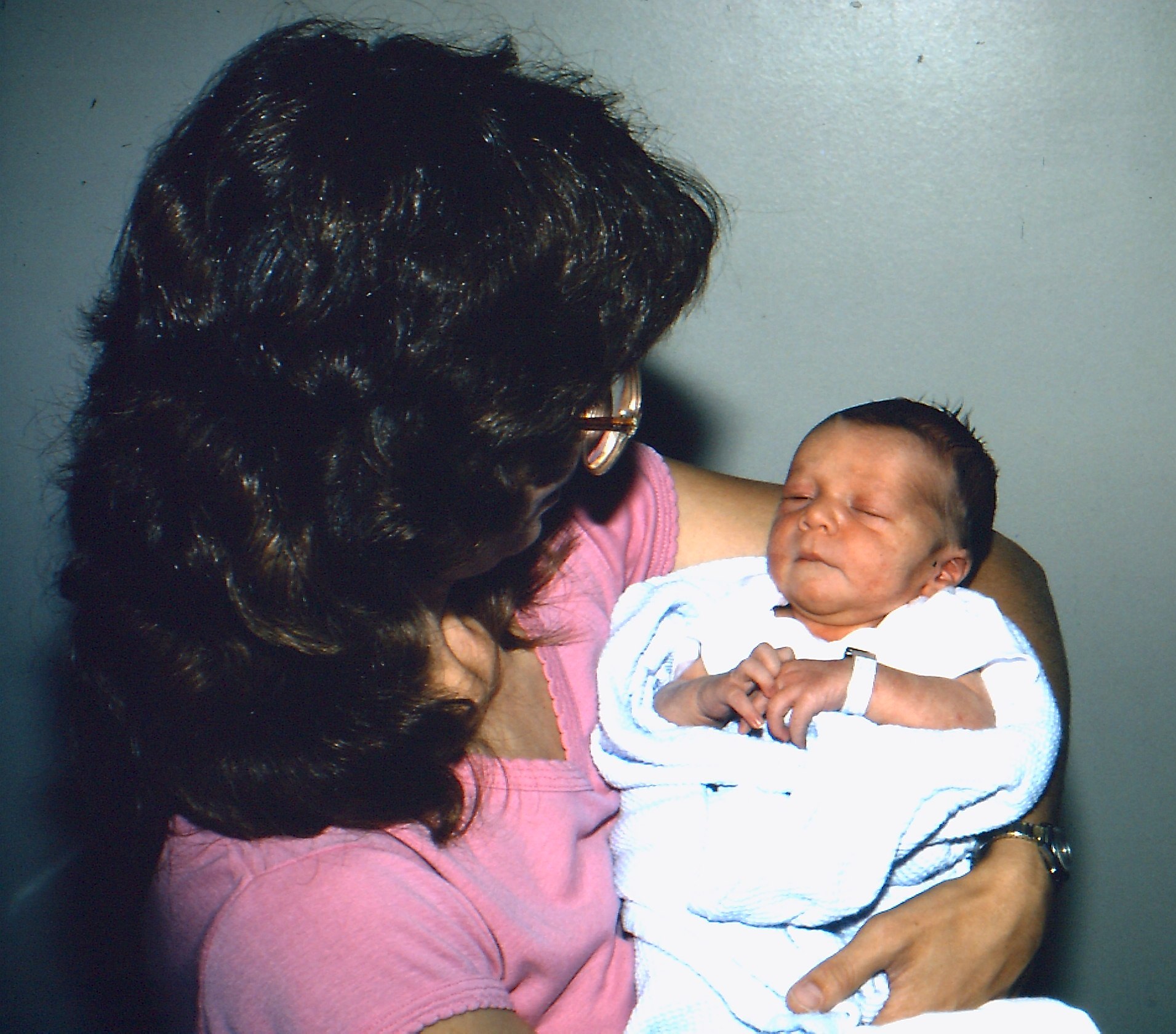
Your Seventh Generation Grandmother
Awakenings

For the last few weeks, I’ve contemplated the question raised by Marvin Swanson decades ago. What things do hamper our awareness of our immediate surroundings? Things that distract our minds, keep us focused on inner dialogue, perhaps. Though he noted several young friends who were television addicts forty years ago, I suspect Marvin would be amazed to find that today we can take our screen distractions to any place at any time and ignore what’s happening in front of us.


From Marvin:

I’ve been thinking of what puts blinders on awareness: feeling down, worry, being an eccentric wheel around an unproductive crush, too much alcohol or drugs.

And what increases awareness? How can one develop greater awareness? It often seems to take a change from the ordinary—a change of feelings, of routine, of environment. How can we make the familiar stand out in freshness and newness? Go outdoors. Enjoy stimulating conversation with a new acquaintance. Read a good book. Listen to music. Sometimes a good TV show or movie works. A change of season helps too.

Awareness is increased by (1) change (2) time to analyze experience. Can we add more to our list?

MS

What have I missed by being self-absorbed? How can I break out of that box?

What works for you?

To Trees, with Love


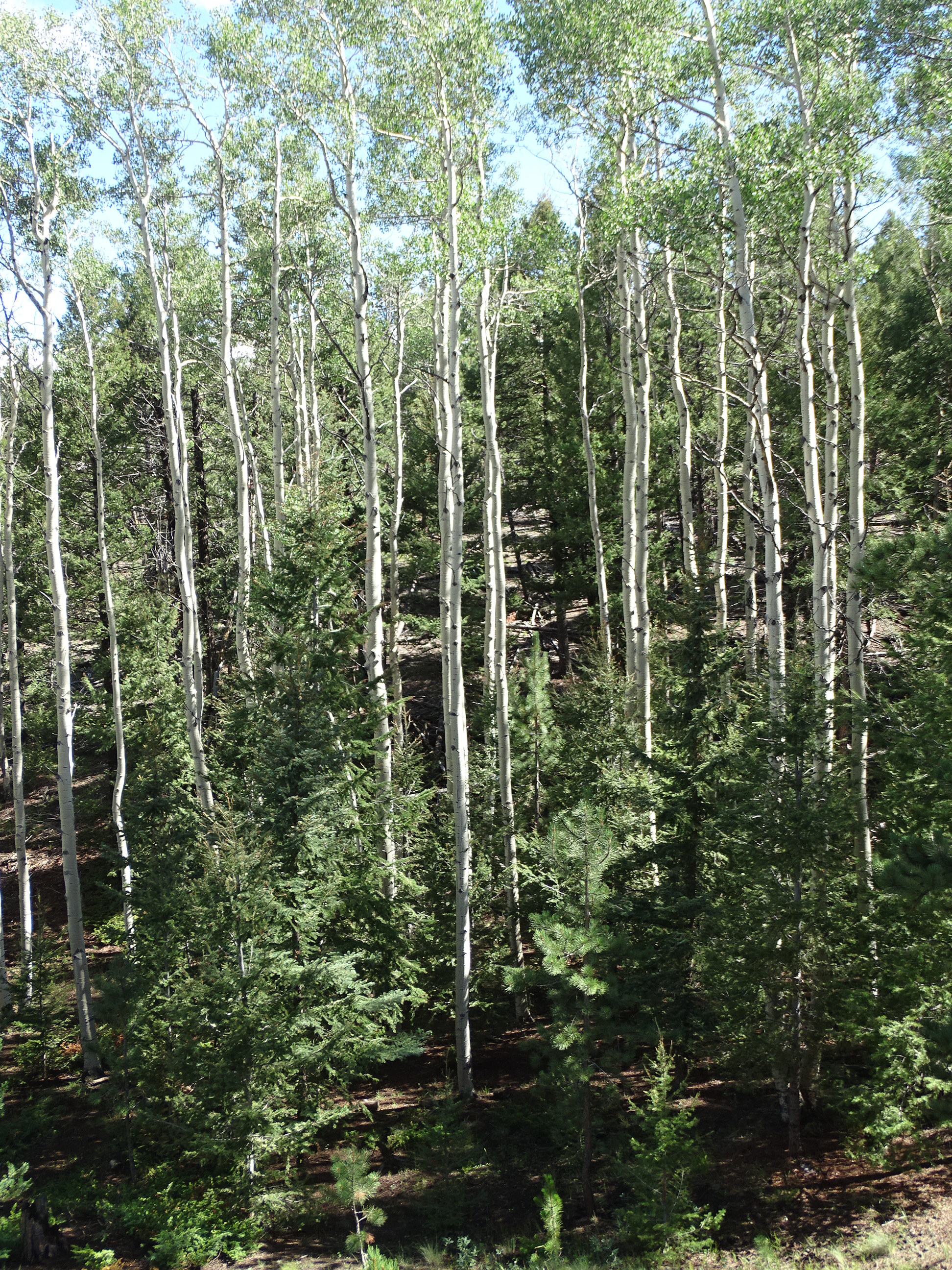
Lately, I have been looking at trees with renewed awareness and appreciation-the tips of spruce trees traveling miles in little circles when brushed by the wind; the clone communities of aspen, connected underground in secret companionship; the shade and shelter from blazing mountain sunshine; home to countless wild birds who wake us at first light with their songs; source of fuel, of energy, of life for the rest of the world’s systems.

Aspen in Colorado

Have you ever listened to hear a tree’s gentle message? Weeks now after completing my first read of Richard Powers’ The Overstory, I am practically at a loss to describe the novel’s impact.

“…the word tree and the word truth come from the same root,” Powers writes more than once in the pages of The Overstory. I looked them up. He’s right.

Toward the end, Nick (a character whose family history was wrapped up with American Chestnuts) gestured toward a stand of conifers where he was involved in creating artwork on a scale to be seen from orbiting satellites. “It amazes me how much they say, when you let them. They’re not hard to hear.”

To which his anonymous companion chuckled. “We’ve been trying to tell you that since 1492.”

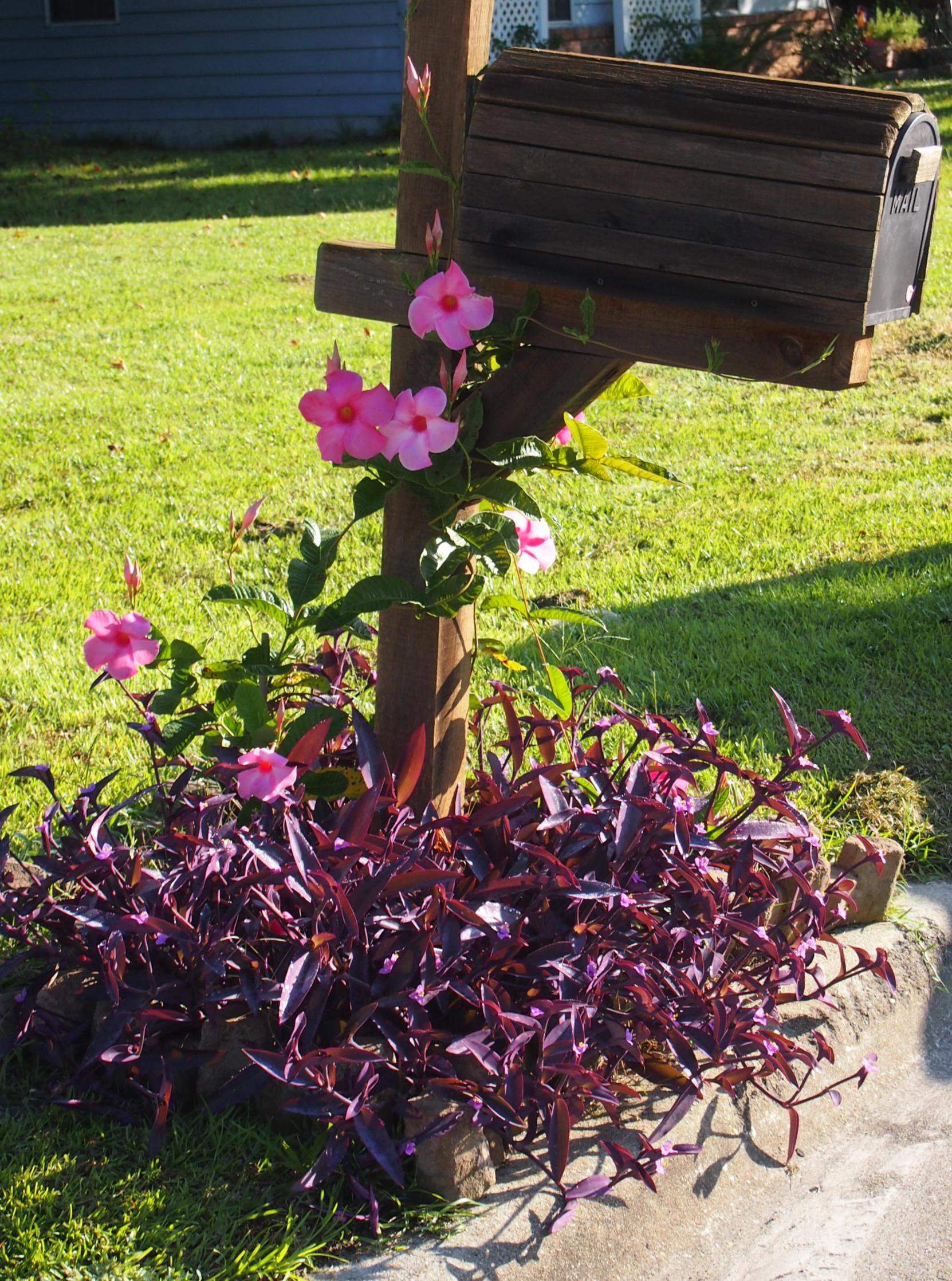
My own journey with trees in particular and plants in general goes back decades to my own childhood. I had numerous pet plants and I named some of them. There was Katrina, the pea plant, and Elizabeth Mames, a wandering Jew given to me by my 5th grade teacher. Elizabeth Mames fills my summer flower boxes still, purple foliage with small tri-petal blossoms.

Elizabeth Mames around a mailbox.

No stranger to aloneness that is often chosen but sometimes enforced, it never failed to fill me with peace when I worked with plants. I shied away from human crowds. Still do. But I felt at home under the trees. Did they speak to me? Not in words, exactly. Maybe with sensuality.

Here’s a poem I wrote as a young college student.

The Lonely Pine

Alone and lonely I met the Ponderosa pine,

Relaxed beneath its radial limbs,

Savored, in my loneliness, the sigh of wind

Through its thousands of fingers,

Pondered the cylindrical split of each

Cluster of three needles fallen to Earth,

Savored again the lonely whine of each live needle

Brushed by the strong south wind,

And I loved that tree.

None but me had ever noticed

—really noticed—that Ponderosa,

and we were companions in loneliness.

At that moment I sensed

All grasses of the prairies,

All trees of the forests,

All birds of the air,

All fish of the sea,

And all creatures of Earth

Were engulfed in the loneliness I knew.

Then, too, I sensed

That though all life may receive

And respond to love,

Only we humans initiate

The silting in of canyons of loneliness.

And then I loved

The Earth and its life,

So all things might be free of loneliness

Forevermore.

After reading The Overstory, I’m not sure any longer that only humans can make the first move toward reconciliation and community. Maybe the botanical world is trying to tell us something. If you can hear them, listen.


Tears for a Tree

 
Passed daily on my way to anywhere—
The world’s most beautiful tree,
Stately, spreading limbs, shading
Cattle on hot summer days,

Praying to the sun through winter’s dormancy,

Rustling leaves in a fresh spring breeze,

The symmetry—the shape—taking my breath,
My admiration, my appreciation, my awe.

Set in the valley downstream from our pond,
Water and sunshine in abundance,

A monument along the highway,
A monument to life, the perfect cottonwood tree.
 
But not quite.
 
Mired against a culvert passing beneath the pavement,
The roots incomplete, impossible to anchor against moving water
Or against steel.
One night rain poured in sheets

And the wind blew.
The gale caught those beautiful boughs and
Toppled the tree.
 
The entire tree.
 
Next morning the sun shone on the ruined giant,
Uprooted by wind where the roots found no anchor.

I cry for the tree. And I wonder:
How many times have I been seduced by the
Appearance of perfection?

How many times have I basked in the seduction
Of incomplete beauty?
 
How many times have you?
Have we all?
In the dearth of the stately tree,
May the dry crumbling leaves

And the severed roots and branches
Remind me that beauty may beckon
Though it is flawed with hidden imperfections.
Monuments which steal our devotion
May crumble in life’s storms.
 
Beware what we revere lest a wind come
And topple the monarchs we extol.
Nothing, but nothing, is without a fault
And danger
Waits within that which is most alluring.

Sanctuary: A Photo Essay

“A picture is worth a thousand words”. I wonder how many scenes can be pulled from just one word?

Sanctuary

courtesy Vijay Sherring

Sanctuary

PICT0680

Holy

 hOly

HoLy

HOLY

Sanctuary

PICT0747

Sanctuary

PICT0685

Sanctuary

OLYMPUS DIGITAL CAMERA

nctuar

y

SanctuarPICT0121y

Sanctuary

Sanctuary

Sanctuary

Sanctuary

Sanctuary

Sanctuary

Sanctuary

Sanctuary

sanctuary

PICT0794

sanctuary

PICT0799

reverence

reverence

reverence

sanctuary

OLYMPUS DIGITAL CAMERA

Sanctuary

PICT0678

SANCTUARY

PICT0648

Sanctuary

OLYMPUS DIGITAL CAMERA

Sanctuary

PICT0150

Sanctuary

PICT0102

“A picture is worth a thousand words” but how many scenes can be pulled from just one word?

PICT0656

s a n c t u a r y

PICT0655

sanctuary

PICT0781

sanctuary

PICT0662

SACRED SACRED

SACR SAEEED

SAC   R  RED

sanctuary

PICT0646

s a n c t u a r y

PICT0660

PICT0787Sanctuary

Sanctuary

PICT0640

s a f e 

sanctuary

DSC01379

sanctuary?

courtesy Rebecca McCutcheon, The Winfield Courier

OLYMPUS DIGITAL CAMERA

sanctuary?

PICT0764

PICT0757

sanctuary?

PICT0780

sanctuary?

OLYMPUS DIGITAL CAMERA

 OLYMPUS DIGITAL CAMERA

OLYMPUS DIGITAL CAMERA

s-a-n-c-t-u-a-r-y-?

OLYMPUS DIGITAL CAMERA

OLYMPUS DIGITAL CAMERA

YY

Y

S-A-N-C-T-U-A-R-Y-Y-Y-!!

Y

DSC05102

s-s-s-a-n-k-ch-ch-ch-u-r-e-e-e-e-e

DSC05108

Sntay anurySncay nct ractr –ntuy –ncta-tu–     r     –    y

aaghh!

OLYMPUS DIGITAL CAMERA

Sanctuary

Sanctuary

SaNctuary

Sanctuary

SancTuary

Sanctuary

Sanctuary

SanctuaRy

SancYtuary

s-s-s a n c h u r e -E – E !

e

PICT0798PICT0790

Sanctuary

Y

Sanctuary
 
Y

Sanctuary

IS IT IS IT IS IT IS IT?

sanc . . . .

SAFE SAFE SAFE

sanc . .sanc . . . .

nc . . . . sanc . . . .BE

sanc SANCtuary. . . .SANCtuary

PICT0135

S A C R E D 

PICT0813

 S  A  N  C  T  U  A  R  Y  !  !  !


And Jesus went into the temple, and began to cast out those that sold and bought in the temple, ond overthrew the tables of the moneychangers . . . . And he told them, “Is it not written my house shall be called a house of prayer among all nations? But you have made it a den of thieves.” Mark 11: 15, 17


For more information, see
http://www.vjsexoticsafaris.com
http://www.rideforrenewables.com
http://350.org
http://www.tarsandsaction.org
http://www.youtube.com/watch?v=LpfWCpRvY9c&sns=fb

http://www.winfieldcourier.com/archives/article_e9faf415-cec6-562c-963e-98c3916b12c3.html