A Book You Should Read

Becoming Earth: How Our Planet Came to Life by Ferris Jabr

I read about this book in Sierra but postponed ordering a copy for several months. When it arrived, I decided I must read it before the sun set on Earth Day this year. I was captivated at the dedication page. Jabr wrote a poem for the myriad parts of our planet’s system that brought tears to my eyes. He concluded, “For our living planet. For our miracle. For Earth.” Each section and chapter ended with equally beautiful poetic summaries.

Becoming Earth is a journey with an excellent tour guide. From a subterranean lab a mile and a half below Earth’s surface, to Brazil’s Amazon Tall Tower Observatory (ATTO) 1066 feet above the Amazon’s canopy, from Siberia’s Pleistocene Park to massive kelp forests off the coast of California, Jabr guides his readers on a tour of the planet through its 4.5-billion-year history to the present day. He examines life forms deep underground to bacteria and bits of organic matter high in the atmosphere which provide core particles for ice crystals and cloud formation.

With a survey of scientific data accumulated in the last few decades, from various fields in the relatively new discipline of Earth system science (ESS), he describes how our home planet is one vast living system. We humans are but one small part of it.

Notable points include the concept that even Earth’s variety of minerals is unique in the known cosmos, dependent as much on the existence of life as living things depend on the chemical composition of the planet. “The chance of two planets having an identical set of mineral species is one in ten to the 322nd power. Given that there are only an estimated ten to the 25th power Earthlike planets in the cosmos, there is almost certainly no other planet [like ours.]”

We inhabit a truly unique “pale, blue dot” in the universe, where life existing deep underground has helped create the land on which the rest of us depend.

Jabr makes the point that humans have altered Earth’s surface and climate since they appeared, but that our species is not the only one which acts to alter its environment. We could learn from pre-historic events. In examining the geologic history of life on the planet, Jabr also compares our current situation to impacts of other species. “Like so many animals before us—from termites to four-ton ground sloths—humans have radically altered Earth’s crust and soils.”

Chapters cover agricultural innovations from the plow to fertilizer and other chemical additives. When we expose soil to the weather, it degrades much faster than soil can be created. “Our living planet typically requires centuries to create a single inch of fertile topsoil.”

The plastic revolution has polluted our oceans to the point where there will soon be more plastic in the seas than there is life. Spewing chemicals, especially extra carbon dioxide and methane into our air has impacted everything, acidifying the oceans, and warming the planet faster than Earth has ever before experienced.

“It has never been more important,” Jabr writes, “to reject the idea that we are masters of the planet, while simultaneously accepting our outsized influence; to recognize that we and all living creatures are members of the same garden. . . humans have a long history of trying to harness and subjugate other species. . .Breaking that cycle has never been more urgent.”

While explaining the severity of our current crisis, Jabr also emphasizes that humans have capabilities that can mitigate the worst of the consequences. If only we would. We can’t afford to wait. The time is now.

In Becoming Earth, we read about life in the most unexpected places. Literally every place on Earth is home to some form of life, whether infinitesimally small, or complex larger species such as trees, and mammals. Though science has typically considered the origin of life as something that happened on Earth, “the two cannot be separated. . .Life is Earth. Our living Earth is the miracle.” The only way for us to survive is together, with all the other life forms that share our planet.

One chapter examines the history of fire on the planet. For millions of years, conditions prevented fires since three things are necessary for a fire to burn: heat, oxygen, and fuel. It took much of Earth’s pre-history for life forms to accumulate enough organic matter that would burn, (fuel) as well as form enough free oxygen in the atmosphere that would allow a flame to burn. Life processes (photosynthesis) created that oxygen, and until the atmosphere held enough of it, fires simply wouldn’t burn. Since that time, fires have become essential for maintaining various systems on the surface.

Life also impacted the carbon cycle. Through respiration, oxygen combines with carbon to form carbon dioxide. Burning fossil fuels adds the greenhouse gas to the atmosphere faster than at any other time in Earth’s history. There have been periods in the past when the surface temperatures were much warmer, when trillions of tons of carbon were released into the atmosphere. This happened over thousands of years, however. “Humanity is releasing a comparable amount in just a few hundred years. . .throughout the greater part of Earth’s 4.5-billion-year history, this much carbon has never been released to the atmosphere this quickly.”

We are in uncharted territory. Nobody really knows what the consequences will be, but they most certainly will change the planet in ways we would not recognize. “If humanity does not drastically cut greenhouse gas emissions, Earth will become a planet incapable of supporting the world as we have known it: the world that our species evolved in.”

As the world’s premier scientists have been telling us for decades, we are living in an escalating planetary emergency that is of our own making. “Without the necessary interventions, the planet will become inhospitable. . . to countless forms of complex life.” Jabr reminds us, though, that we are capable of preserving Earth, “the one living planet we have and the only one we’ve ever found.”

Each of us has a relationship with Earth, through our metabolic processes. Each of us is playing a duet with the planet. May our tunes all be hymns of joy.

Earth Day 55

Sharing my respect and appreciation for our home planet, a truly unique gem in the cosmos that sustains all living things. Today is Earth Day #55, and we stand on a more precarious precipice than before with a hostile leadership that chooses to ignore the warning signs of impending disaster. What kind of creature will take energy and sustenance that Earth provides free to all, and turn it all into a profit-making venture, future be damned? I think we stand alone in that category. Mine may be the first generation who fully recognizes the peril we face and the last generation with the window available to do something to prevent the worst climate disasters.
What are you doing to honor Earth? I’m leading a group (We the People of Cowley County) to fold as many origami fish as we can to share with Wisconsin Sierra Club in a unique protest against Enbridge Line 5 pipeline that endangers the Great Lakes and its human and wild inhabitants.
I’m reading a book (Becoming Earth–How Our Planet Came to Life by Ferris Jabr) with growing amazement at his research results and the growth of knowledge in my field of geology since I earned my diploma. (Stay tuned for a book report.) I highly recommend this book to all.
I’m taking steps to reduce my own and my family group’s consumption of fossil fuel energy in favor of the energy provided by our sun and Earth’s systems.
Please share the things you are doing in the comments. Thank you!

To Dine with Purpose: For the Earth

The devastating storm system that tore through a dozen states in mid-March wreaked havoc in all of them. Over a hundred tornadoes ripped through communities from Louisiana to Illinois, east to the Atlantic coast. The funnels destroyed hundreds of homes and left over 24 people dead. In northwest Kansas, the system’s unprecedented straight-line winds of 50 to 60 mph with gusts over 70 mph blew in a dust cloud that engulfed Interstate 70. Over fifty drivers lost sight of the highway and plowed into other cars and semi-trucks in front of them. Eight fatalities resulted from the largest pile-up of automobiles in decades. The highway remained closed for days.

None of this should come as a surprise. Shock, maybe, but no surprise. We’ve known for decades that our actions stress the living veneer on our miraculous home planet, Earth. Yet we meet steeper resistance to action with each passing day. If the unprecedented storms across our country aren’t enough to shake sense into our leaders, what will be?

I fell in love with nature years ago and my devotion to wilderness, landforms and wildlife led me to share our growing predicament many times since Earth Day #1 in 1970. As a public high school student enrolled in Earth Science class at the time, I proudly sported my green armband through all the activities of that day. Since then, after earning a bachelor of science degree in geology, I’ve helped with Earth Day exhibits at our local park, highway cleanups, recycling efforts, care packages for extended family featuring Earth-friendly products for daily life, helped my own students with environmental projects, wrapped trees with green ribbons (and later removed them for the trees’ sake), planned and orchestrated a series of environmental film screenings at our local theater, and connected the dots with 350.org in the crazy weather of 2012. It became obvious that our amazing planet deserves attention not just one day each year, but every day. As indigenous leaders on every continent teach us, the Earth does not belong to humans. Rather we belong to the Earth. We ignore the warning signs at our own peril.

I continue efforts to educate others. Several weeks ago, I came across a link to an article titled “These 15 Foods Could Disappear Due to Climate Change.” (https://worth.com/15-foods-disappear-due-to-climate-change/) The probable impact of climate disruption on familiar foods was shocking. If only people knew, I thought. The list gave me an idea: I could promote local gatherings that served many of the foods on the list. To kick it off, I invited a diverse group of friends for a “Dinner with Purpose: For the Earth.” I set up a buffet with information cards about each food item and how the Earth’s delectable gifts may become rare for our grandkids. The menu included chocolate candy appetizers, taco salad with all the trimmings, scalloped potatoes, with mixed fruit salad and blueberry muffins for dessert. Drinks included fresh squeezed limeades, coffee, and wine. In all we enjoyed 14 of the 15 listed items from the list of disappearing foods.

The dinner was a hit and I consider the evening a two-fold success. The information cards spurred good conversations about climate disruption and its consequences, and we all enjoyed ourselves at the same time—an act of total resistance under an administration that wants us to cower in fear and apprehension.

Several in attendance expressed their intention to hold an Earth dinner themselves, a delicious way to spread the word. Perhaps you’d like to join the fun and host a dinner for your family and friends. April 22 is the 55th anniversary of Earth Day #1, but any day will serve to honor and celebrate the generosity of our home planet and remind ourselves what is at stake.

Guests discuss information about the food items at risk.

Another Broken Treaty

Painting by Ardith Fell

Last fall I met Haskell Indian Nations University professor Daniel Wildcat at the Kansas Book Fair in Topeka. He spoke about his recent book On Indigenuity: Learning the Lessons of Mother Earth (2023 Fulcrum Publishing). Robin Wall Kimmerer calls the book “a compelling framework to rethink the role of the western worldview . . .” His presentation proved compelling as well. I left with a deep sense of gratitude for indigenous leadership in these trying times, and an autographed copy of his book.

That was before the 2024 election reduced our hope for a viable future on this planet to warm ashes. One of the latest hits to our collective understanding of America was the firing of 30% of Haskell’s staff on Valentine’s Day this year. Students were left mid-semester without mentors and instructors. Banned faculty evidently faced arrest should they set foot on campus to teach, even at no compensation. Volunteers require federal approval.

Friends in Lawrence tell me that Haskell is one of two schools the government supports through treaties to provide higher education to Native Americans. The other is Southwestern Indian Polytechnic Institution. Both schools had significant cuts enacted on Valentine’s Day.

Another treaty with the Indians, broken like many before.

Do we care?

As Daniel writes in his book, “. . . not caring is too lonely a space to occupy.” He exhorts us in an opening poem to “Stand up. For those whose voices are silenced . . . Stand up. With those who fight for justice unmoved by fear and moved by love.”

As he autographed the book I had purchased, I asked how to express gratitude in his native language. Smiling, he coached me.

Thus: For the long-suffering spirit of resilience that never gives up; for the leadership in treating our home planet with the reverence it deserves; for the quick willingness to forgive us European settlers eons of arrogant thoughtlessness—

Sonjae Keriocitae.

(my attempt at phonetic spelling of the Yuchee/Creek expression for “Thank you.” Any inaccuracies belong to me, the student, not to Prof. Wildcat.)

Let us stand up for the Native Americans and others now, as the rogue government rips uncaring through our communities.

Painting by Ardith Fell

Rise Up and Ride

Never, no never, did nature say one thing and wisdom say another.  (Edmund Burke)

Heading to Wichita years ago for a Sunday dinner with my husband’s parents, a stiff breeze buffeted our car.

“Look out for that bird!” I yelled. “Why do they do that?”

“Do what?” Craig asked from the driver’s seat.

“Fly at the car. You know, when we’re driving along, it seems like most of the birds sitting on the roadside wait until we’re almost there and then jump into our path. Haven’t you noticed? That last one was a close call.”

“You’ve heard of bird brains, haven’t you?”

“Very funny. Well then, why don’t half of them fly the other way? No wonder so many birds get hit by cars.”

“There’s another reason.”

“What’s that?”

“The wind. It depends what direction the wind is blowing. Watch. There are a couple of meadowlarks up on the crest of the next hill. They will jump into the wind—right at us—to get airborne.”

I studied the larks as we approached. Sure enough, just before we achieved the crest, they each leapt directly into the path of our car. They swerved sharply and fluttered to the north, over a dormant winter pasture.

“Why not just fly away from the car to begin with?”

“They get lift a lot faster if they jump into the wind,” he said.

“Really? You mean they couldn’t fly if they didn’t meet the wind head-on?”

“Pretty much. It probably depends on wind velocity. I think if the wind isn’t too strong, they could take off with a breeze, but it would take more effort to get airborne going with the wind. You see how they turn and go with the wind once they get in the air?”

We watched another pair of meadowlarks follow the same pattern.

“They know they can get up faster heading into the wind, and if the wind is too strong they won’t get lift unless they face into it,” he said.

~~

Since the inauguration of #47, I have felt like one of those larks. A barrage of insane and appalling executive orders sweeps from the White House with category 5 hurricane force, devastating every state in the union regardless of geographic location or political leaning. I don’t know how to begin to resist the devastation, or even to absorb all the news. You may feel the same way. But unless we get out there to face the onslaught and jump headlong into the gale force winds, we’re sunk. In whatever way each of us can manage, we need to launch against the wind of insanity and rise above it to soar toward a better future. Don’t run. Don’t hide. Don’t ignore the news. Instead, rise up and ride on the wings of the wind. It will make a difference for our future.

Wisdom of Geese

I’ve been trying to figure out what the first step in resistance to tyranny should look like in my life.(Timothy Snyder–“Do not obey in advance.”)

I think perhaps it’s simple: just keep on keepin’ on. I will attempt to do what I do, to be who I am called to be, to stand for my values and ethics through every avenue available to me, as long as I am able.

That step was confirmed by the geese I watched this morning. On my daily route across the pasture, a flock of Canadian geese swept into the sky from their morning pursuit of gleaning seeds from a field across the road. The immediate and overwhelming cacophony stopped me in my tracks. Something had spooked the winged crowd and they all took flight. The racket drowned out even highway noise. They circled for a few minutes, settled quietly down again, and returned to being the geese they were called to be. Kept on. Flew on. Settled down, and returned to their geesehood pursuits.


Yes. That’s it. “Do not obey in advance.” Doesn’t mean to ignore stimuli (bad news, calls to action), but do not let it take over my life either. Keep on keepin’ on.


As Edmund Burke said, “Never, no never, did Nature say one thing and Wisdom say another.”


Winter Petunias

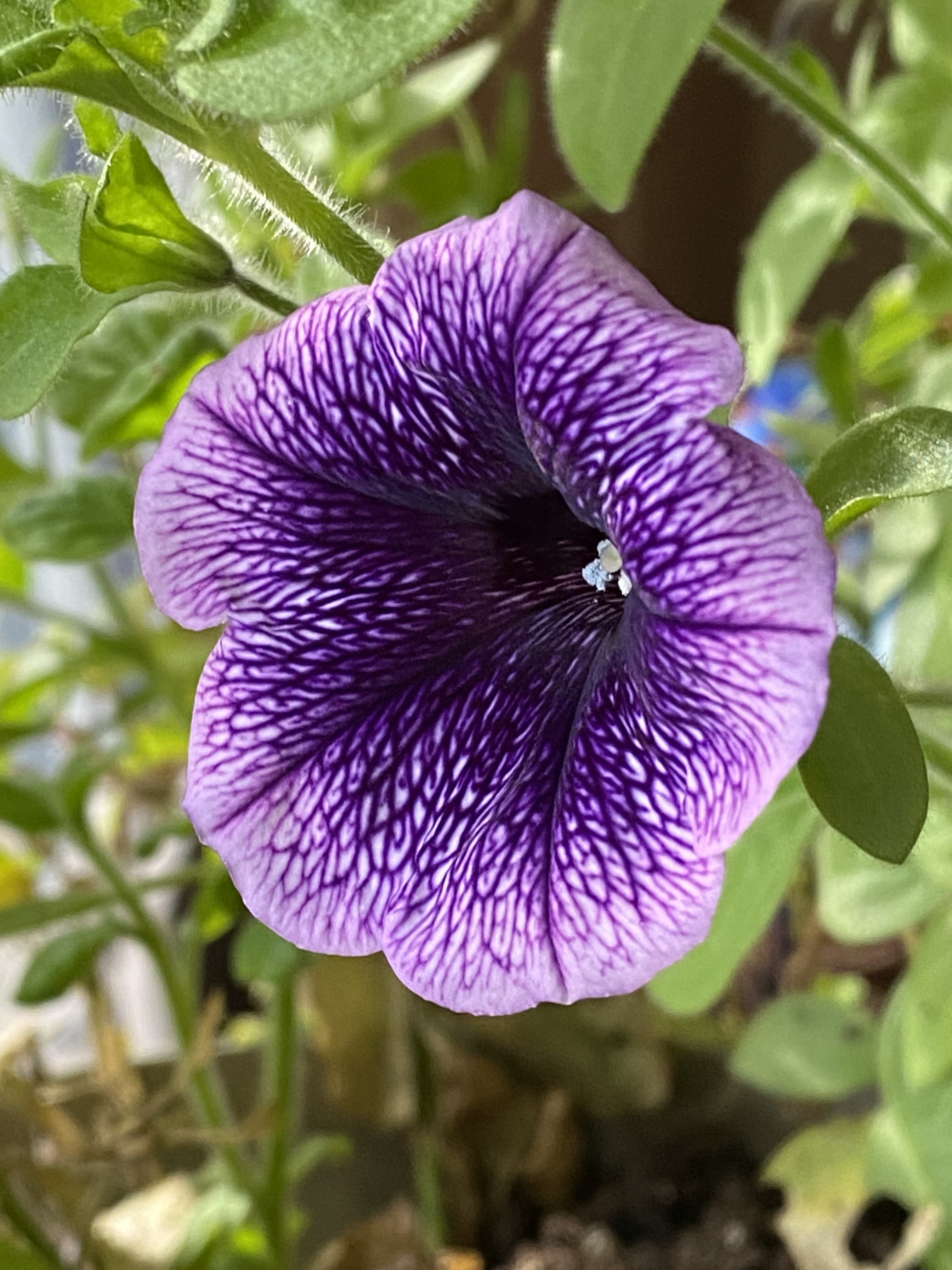
A petunia seed sprouted in a large container on my deck late in the summer, and I brought it inside before frost. It is companion to a succulent that would not last the winter, sharing the same pot. Since then, this petunia put out quite a few blossoms, even though it’s wintertime.

It longs to be outside in warm summer sunshine.

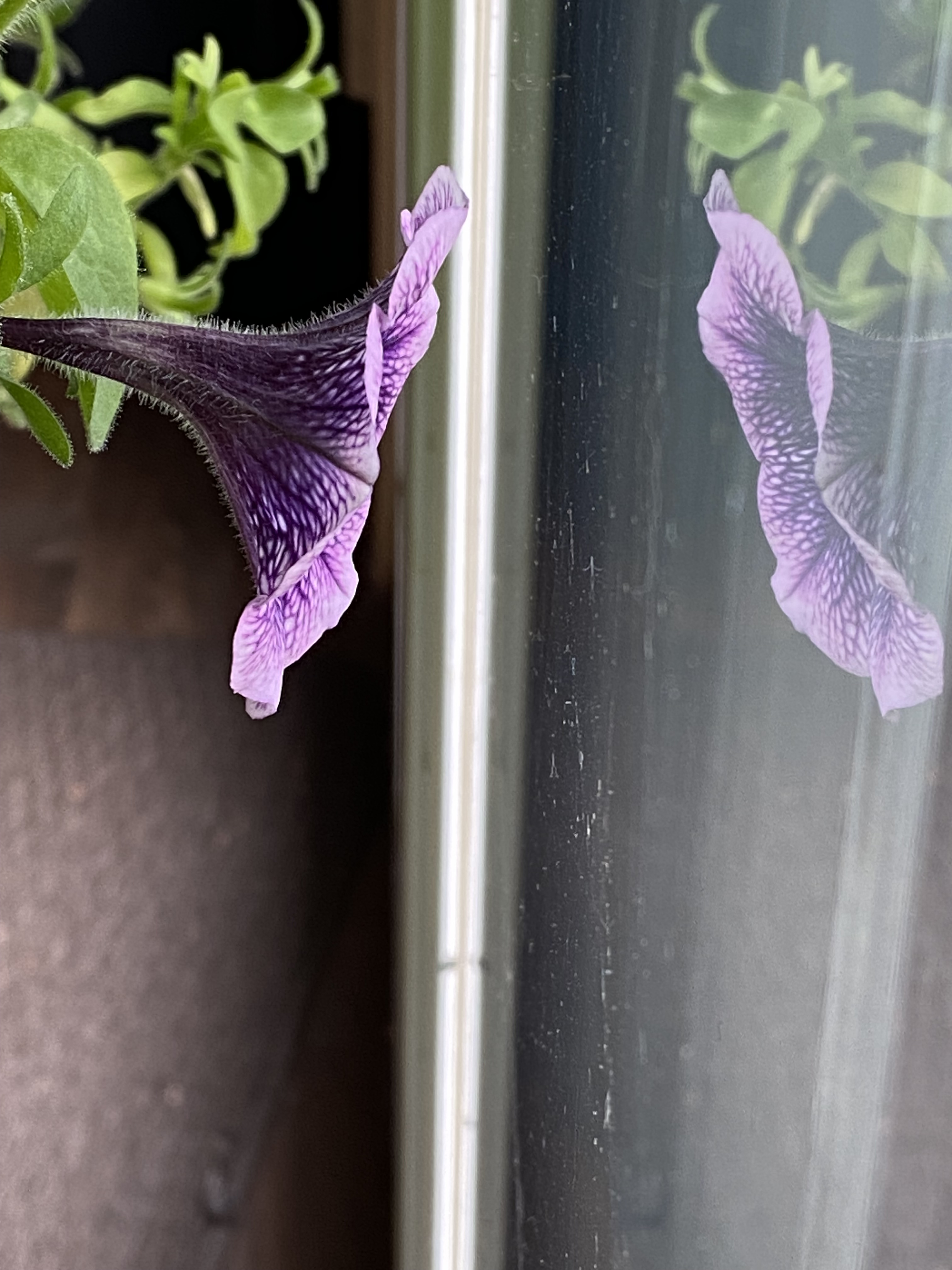
But it wouldn’t last long in the snow! So it just looks out the window, daydreaming about what life would bring in a different time.

May we all be like Miss Petunia–longing for better times, but putting out our blooms anyway. We will need to be as resilient in the coming days, taking what comes our way, and doing our best with it.

Bloom anyway.

Craig, Carter, and Compassion

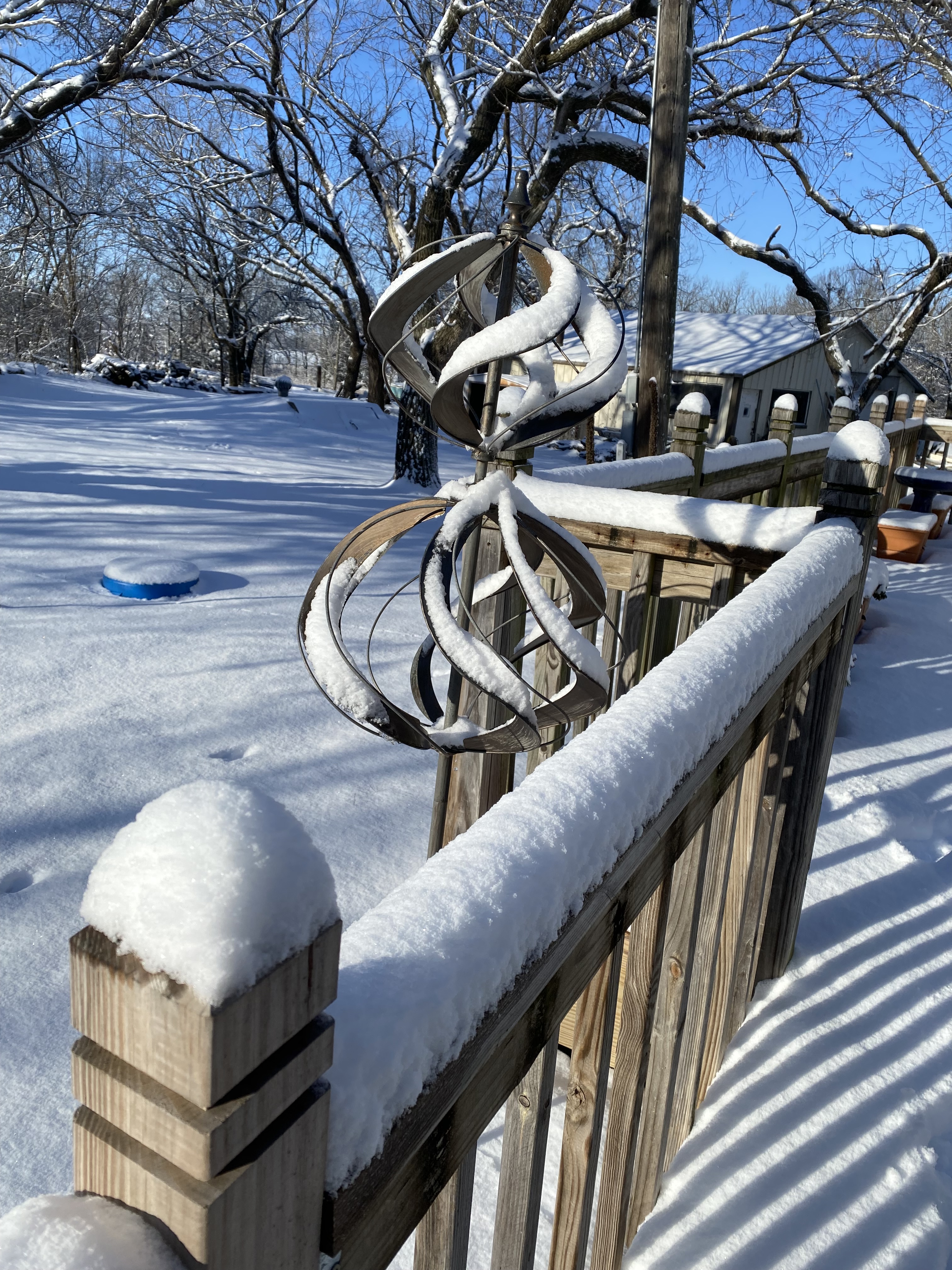
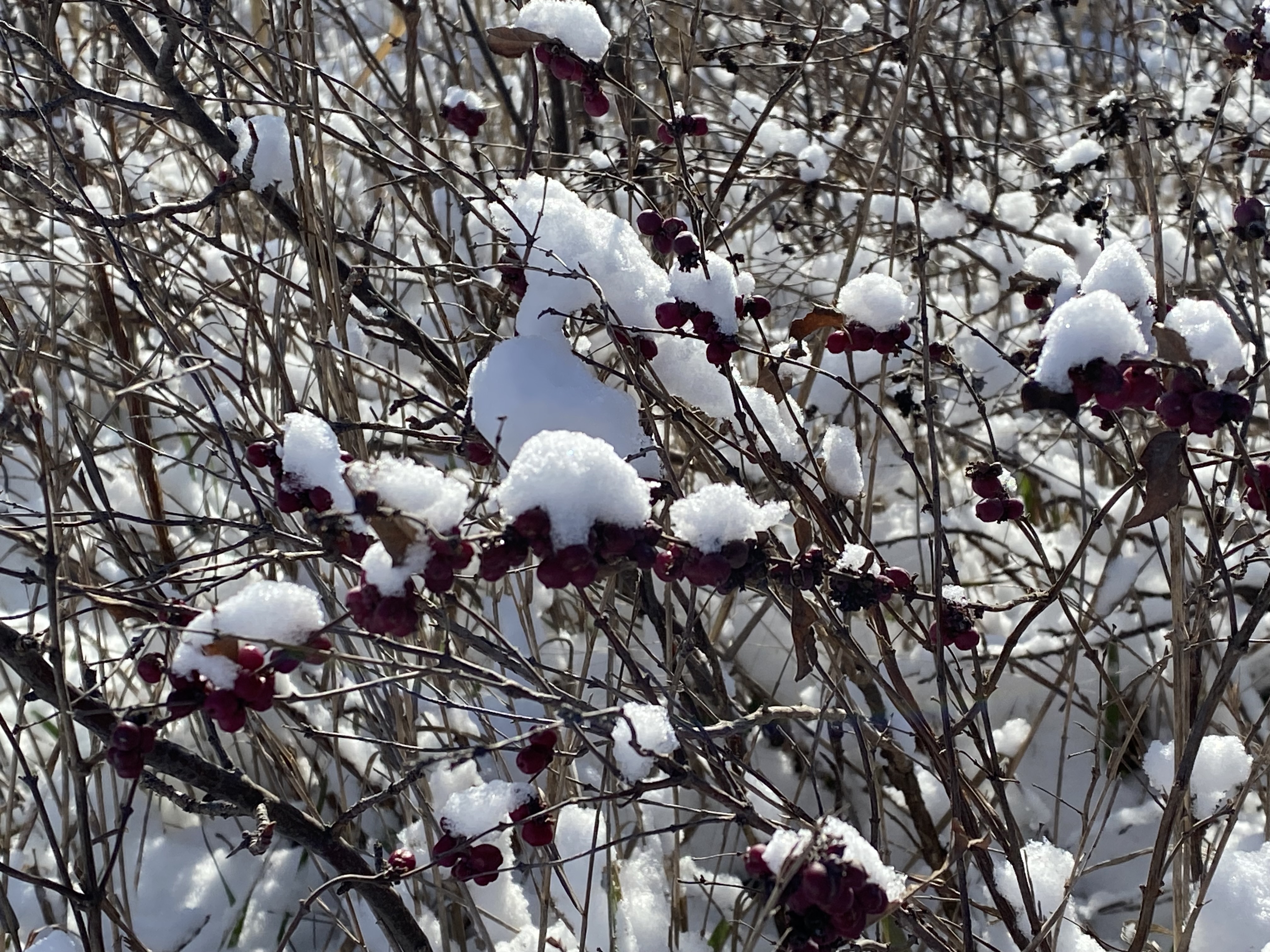
Seventy-three years ago today, at 10:10 in the morning, a baby boy arrived in this world who would become a significant part of my life. Two decades later, I met Craig Winter in college at FHSU. We enjoyed traipsing around public parks and nature reserves in Kansas with our cameras, taking pictures of the wonders of nature. This morning I celebrated his life with a walk in the winter wonderland, taking a few pictures of the snow that fell overnight.

Craig and I were married in 1977, during Jimmy Carter’s presidency. Having taken a class in the biology department at FHSU together–a class called “Can Man Survive?” that examined all the environmental issues of the day, including the greenhouse effect and global warming as climate change was called then–we were united in our commitment to support the natural world and reduce humanity’s harmful effects that were due to our unmitigated greed. Jimmy Carter was our guy. They say he was ahead of his time. I don’t think so. The probability of a global consequence to our short-sighted ravaging of our planet was known more than 100 years ago. Society knew all the benefits of alternative energy in the 60s and 70s. But harnessing free energy from the sun didn’t make any corporations much money. Craig and I were supporters of Carter’s conservation methods–turn down the winter thermostat, 55 mph speed limit, his installation of solar panels on the White House. And we dreamed of becoming reliant on our own private energy production, even then.

Carter acted with the well-being of his neighbors in mind, a true Christian quality. He wasn’t ahead of his time. The “resistance” at that time was just way behind. Look where that got us as they gained and assumed power.

Craig became a cancer statistic 9 days after his 33rd birthday in 1985, and I became a widow. (Quite the stigma for someone not yet 30 years old.) But I haven’t forgotten our joint priorities, nor our admiration for President Jimmy Carter.

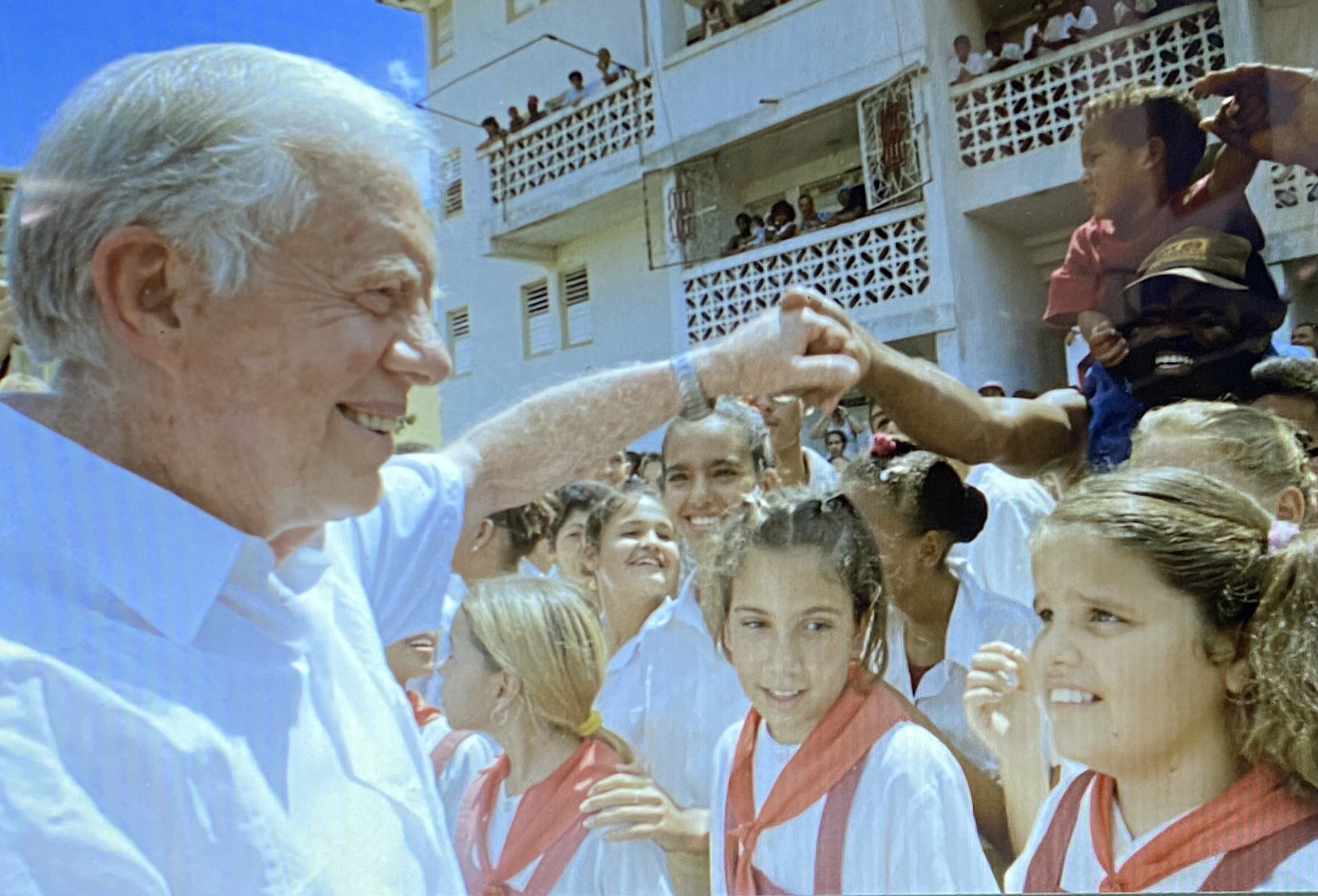
Photo courtesy of The Carter Center.             Cuba 2002–The Carter Center’s delegation to Cuba, being the first time since the 1959 Revolution that a sitting or former president visited Cuba.

After his time in office ended, President Carter showed that you don’t have to be the elected leader of the country to make a huge difference, and today, a day after President Jimmy Carter’s funeral in Washington, DC, I renew my commitment to make a difference for those in my circle, for the inhabitants of Earth’s future, and for all the non-human neighbors that are as dependent on this planet as we are dependent on their well-being. Those of us with the future of our planet and its life forms in mind are now the “resistance.”

This morning, in honor of Craig Winter, I was trekking around our acreage in the fresh snow with my camera, capturing scenes, just like we used to do. Thinking of you Craigie, as I always do on this day. With love.

NOTE: I am deeply grateful and indebted to my second husband, Mike, for his generous and compassionate heart for the last 36 years. He has never objected to my memories or to my honoring people from my personal history that helped make me what I am today. We are all products of our histories and our memories, not just the stimuli we receive at the present time. Thank you for being dad to all our children, and grandpa to all our grandchildren as well as allowing my heart to grieve through the years.

To the Stars

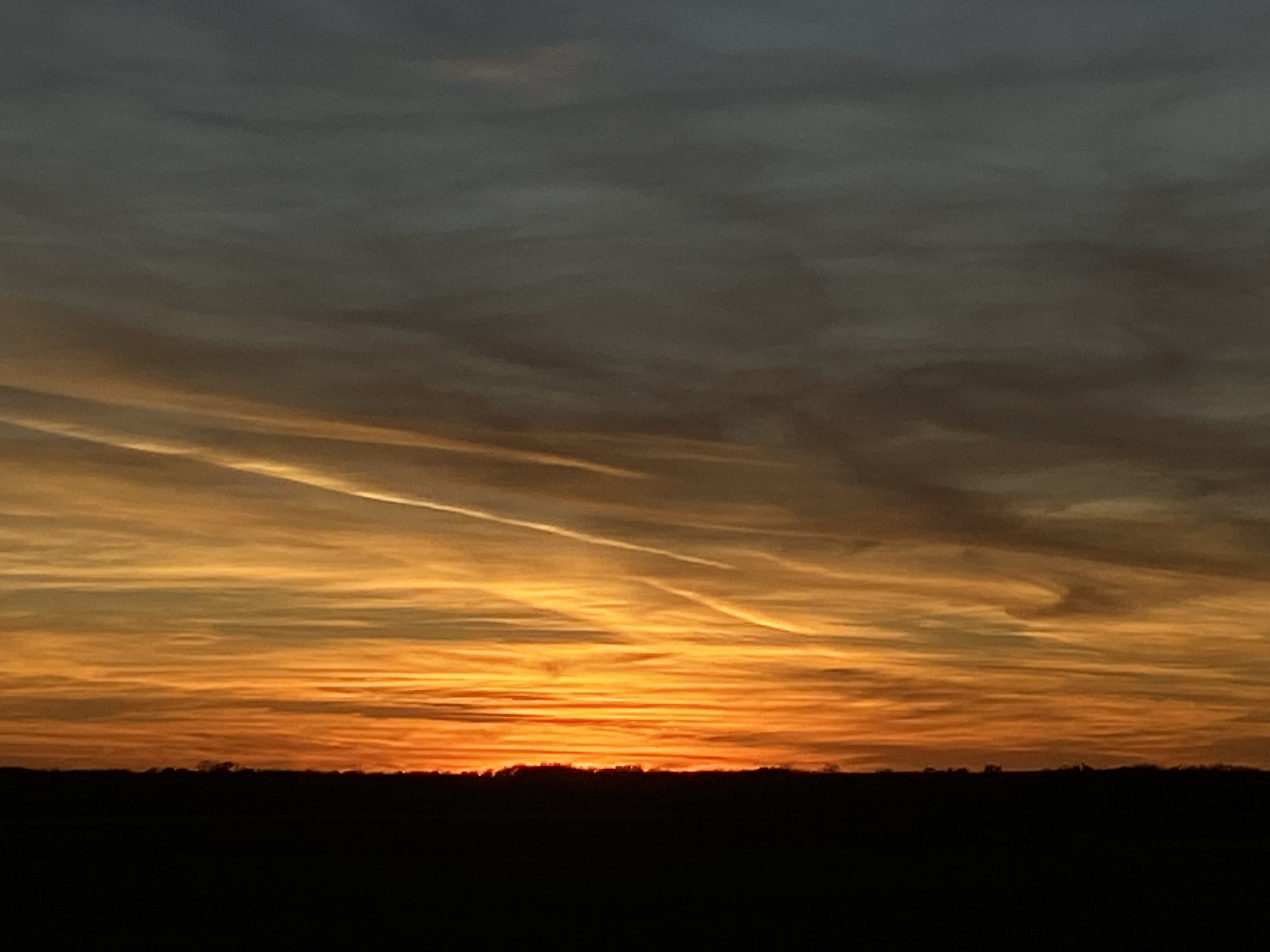
I chased sunsets in my youth. Often, my mother would ride along as evening approached, and I drove to the west side of town. A favorite hilltop offered a spectacular unobstructed view of the evening sky. This was back in the day when color photography was off limits to many but I wanted to give it a try. My dad ran a black and white portrait studio in our basement when I was very young, and I’d help him nurse the images to life in the darkroom under our stairs. But color was a different story altogether. It was the next thing, a new generation of photo art, and I took what I had learned from him and launched into color printing in our basement laundry room—new town, new home.

In those days, I could purchase the developing chemicals at our local K-Mart, just up the street. I used a “Unicolor” system, with a plastic drum, that had channels for various sizes of prints, up to an 8 x 10. You were to expose the paper with your enlarger, using color filters for the proper mix of pigmentation, and then fit the paper into the drum, in the dark, and seal it with the press-on lid. From there, you could operate in daylight, pouring each designated chemical through the spout into and out of the drum at the prescribed times. At the end—wallah!—I removed my color prints.

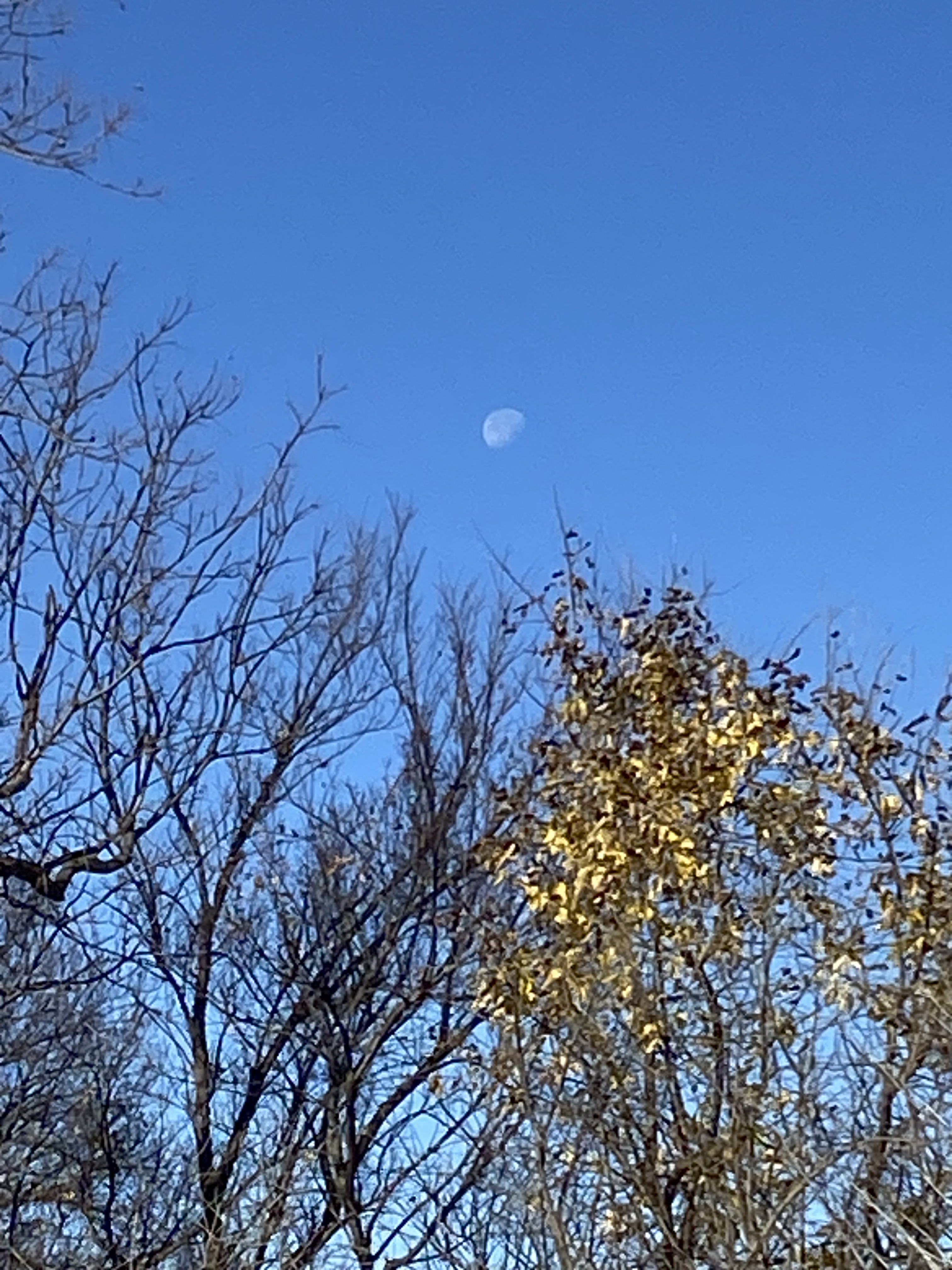
Moonrise
Moonset

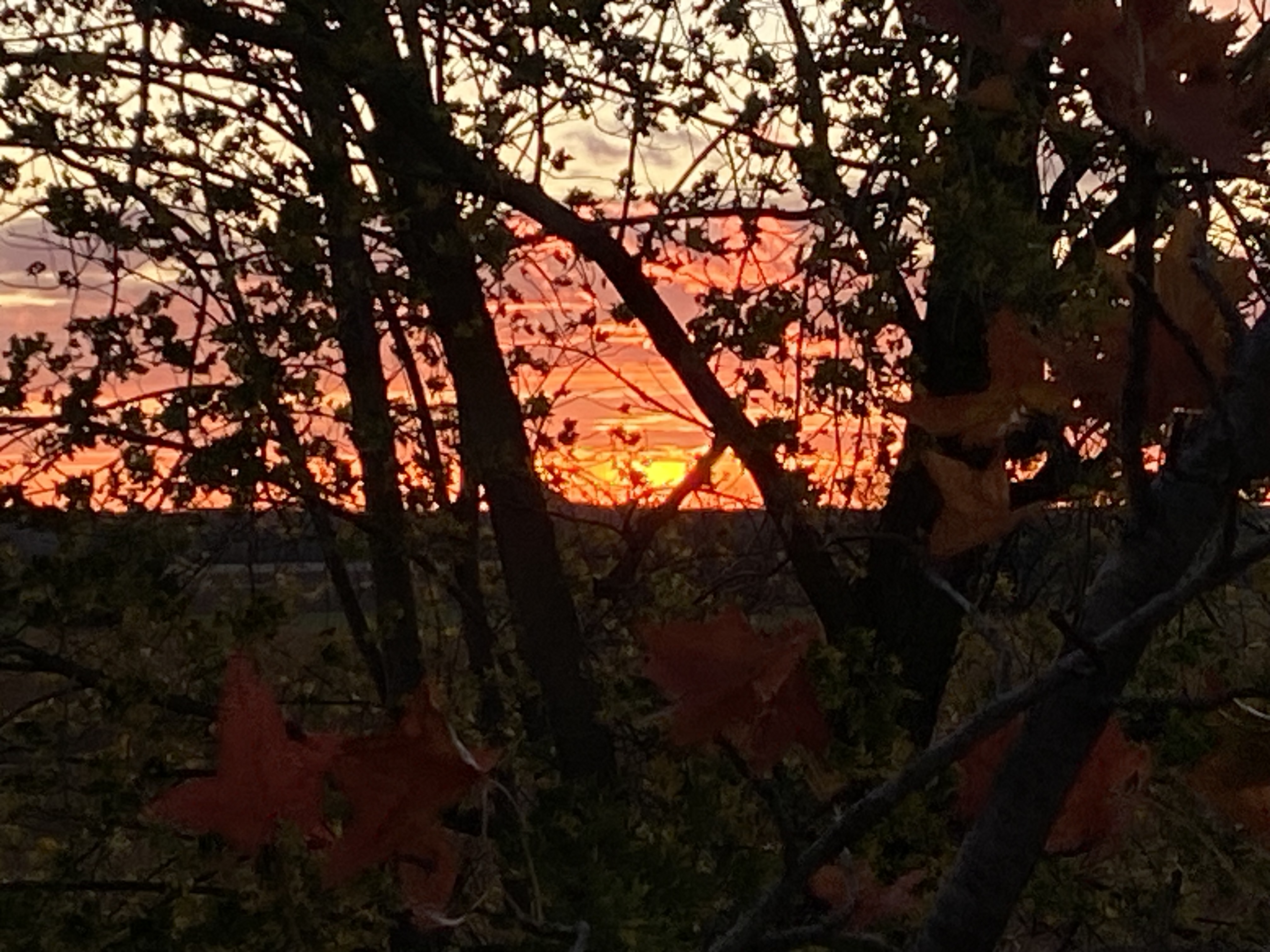
With our Kansas state motto, “Ad astra per aspera,” (to the stars through difficulties) it’s a logical pastime to watch the sky. Here in the western plains, often the sky provides the most intriguing scenery to be found. Some sunsets are stunning. And no two are alike. The interplay of light with moisture in the air, as well as dust at times, provide distractions from ordinary difficulties along with the continuously changing scenery. I don’t print color enlargements these days, but try to find images worthy of sharing in a digital format. New generation. Next thing.

I found myself sky-watching again after the election a month ago. The vistas overhead provided consistency through their constant metamorphosis and it was comforting. If not exactly ad astra per aspera, then at least ad caelum.

I will find something beautiful provided by Nature

Last month I attended a few presentations at the Kansas Book Festival in Topeka. The one I remember most was by author and administrator at Haskell Indian Nations University Daniel R. Wildcat. I bought his book, On Indigenuity: Learning the Lessons of Mother Earth, a long essay on what indigenous peoples can teach the rest of us about protecting our miraculous home planet. I have long been concerned about protecting the home we share with all life forms, including people around the world and millions of other species. When greed and lust for power impact the lives of innocents around the world, I am enraged. Destruction of the biosphere that sustains us is now threatened with acceleration. Communities of wild things and minority populations will be the first to feel the impact.

In the early pages of his book, Daniel Wildcat recommended that we should become more familiar with Nature. One thing which compounds and complicates the rampant destruction of our planet is our distance from the elements. We sit inside our comfortable homes in front of screens far too much, and should become more familiar with how the natural world near us is impacted by our decisions and policies. To that end, today I decided I would walk the deer trails on my small patch of virgin tall grass prairie and look for the beauty in Nature. Even if you aren’t close to a 40-acre meadow, you can still take a walk and feel the fresh air and sunshine, listen to whatever birds are in the trees lining the streets, and enjoy the colors of autumn.

These scenes are from my morning walk today.

Sweetgum tree in our front yard, blazing orange.

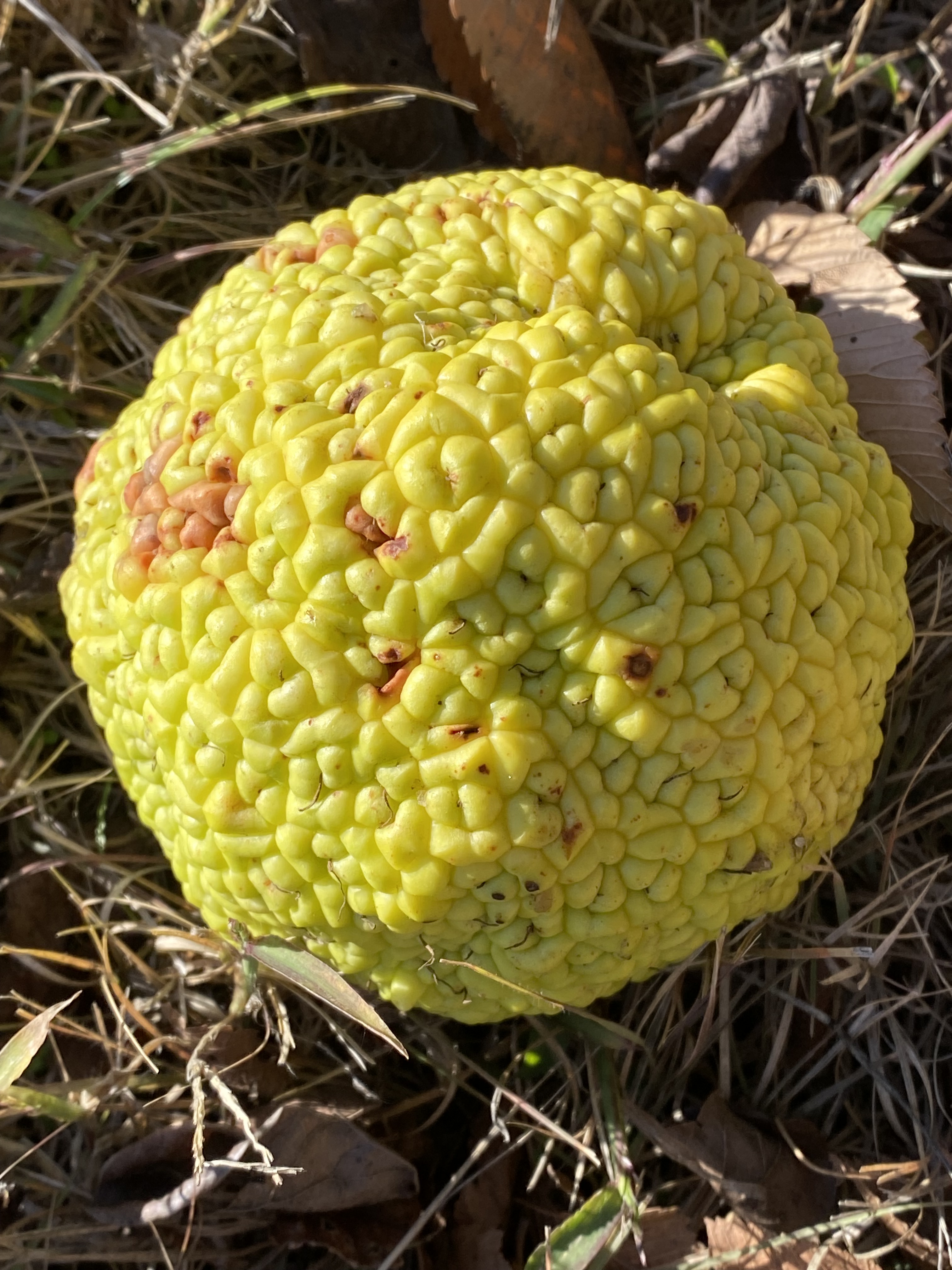
A fallen Osage orange, with closely fitted puzzle-piece segments. No two alike. Just like people.

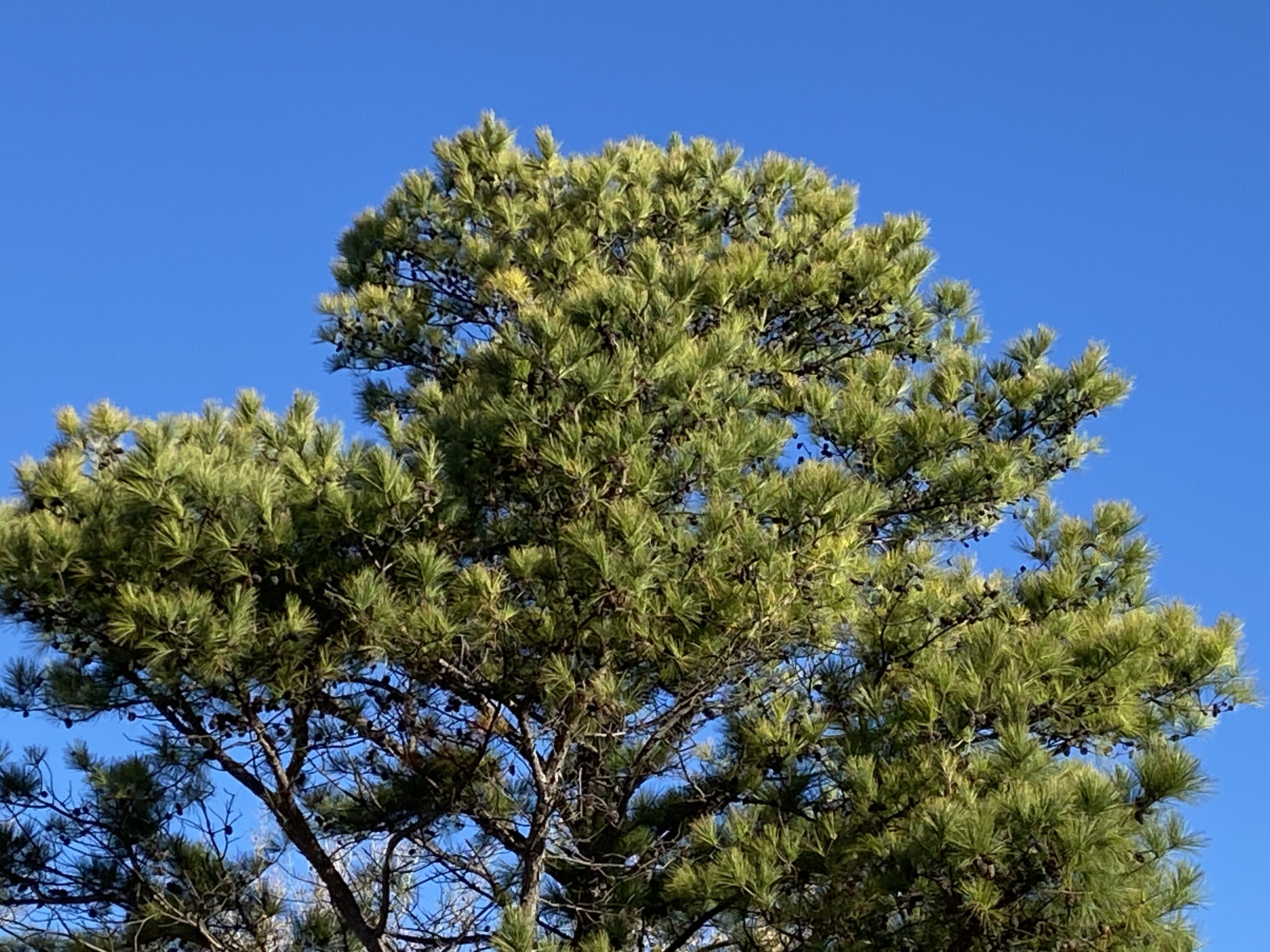
One of the two pine trees on our place, laden with pinecones. I keep wondering when the pine bark beetles will invade, but so far we’ve been lucky.

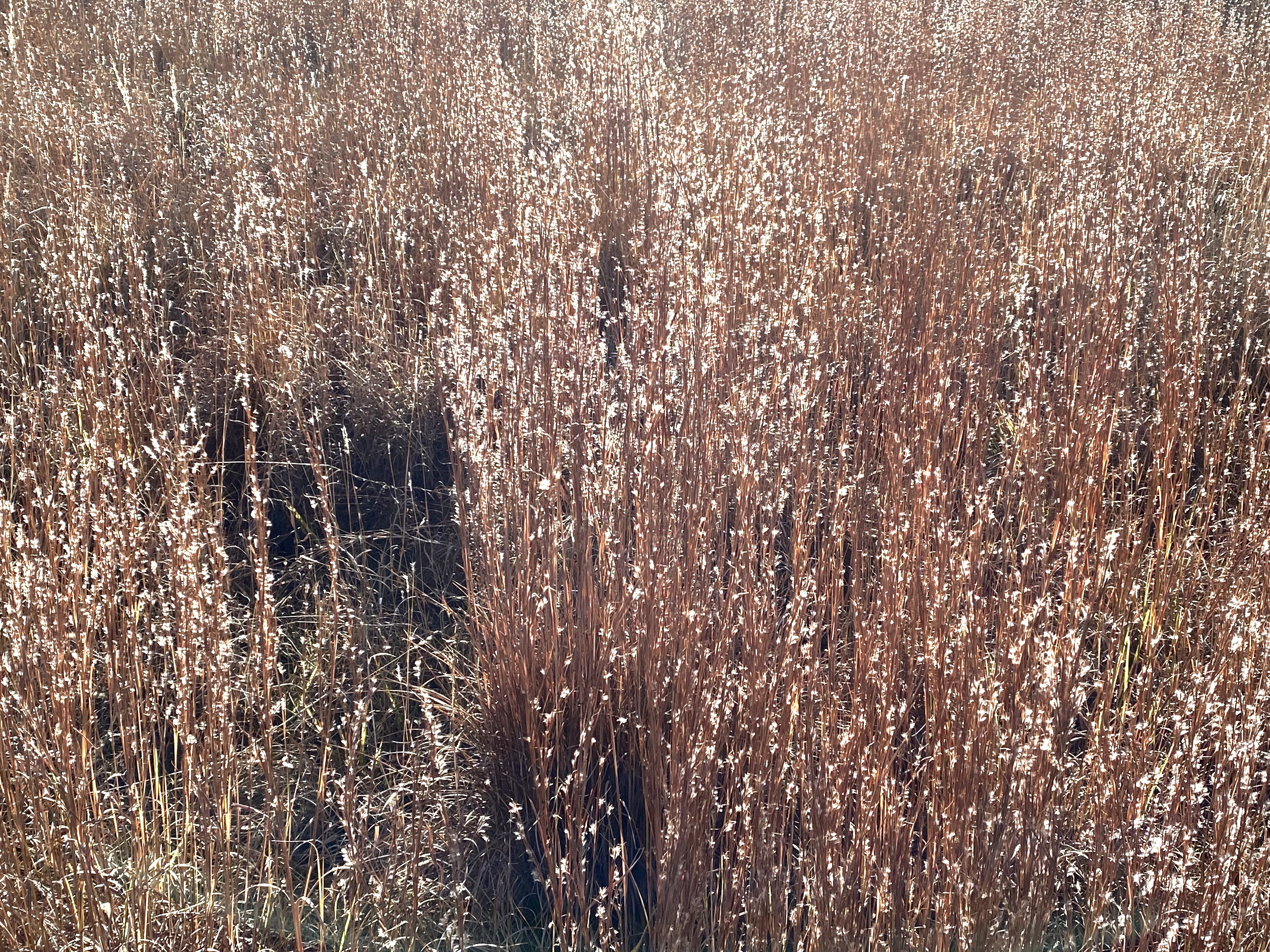
A backlit patch of little bluestem, with fluffs of seeds gleaming like a field of fallen stars.

One of my favorite grasses: Indian grass. The seedheads are still there, though they are far more impressive earlier in the autumn season. This reminds me of Native American writers that I admire, including Daniel Wildcat and Robin Wall Kimmerer. Kimmerer’s book Braiding Sweetgrass changed my life during the Covid shutdown.