The Sun Day 2025 Experience in Cowley County, Kansas

Here Comes the Sun-Day!

For over 50 years,  Winfield, Kansas has been home to the Walnut Valley Festival on the third weekend in September. That made planning a Sun Day 2025 event here challenging.  If we were to correlate with the national effort to raise awareness and celebrate the explosion of solar energy around the world, we had to get creative. Fortunately, Cowley County is full of creative people.

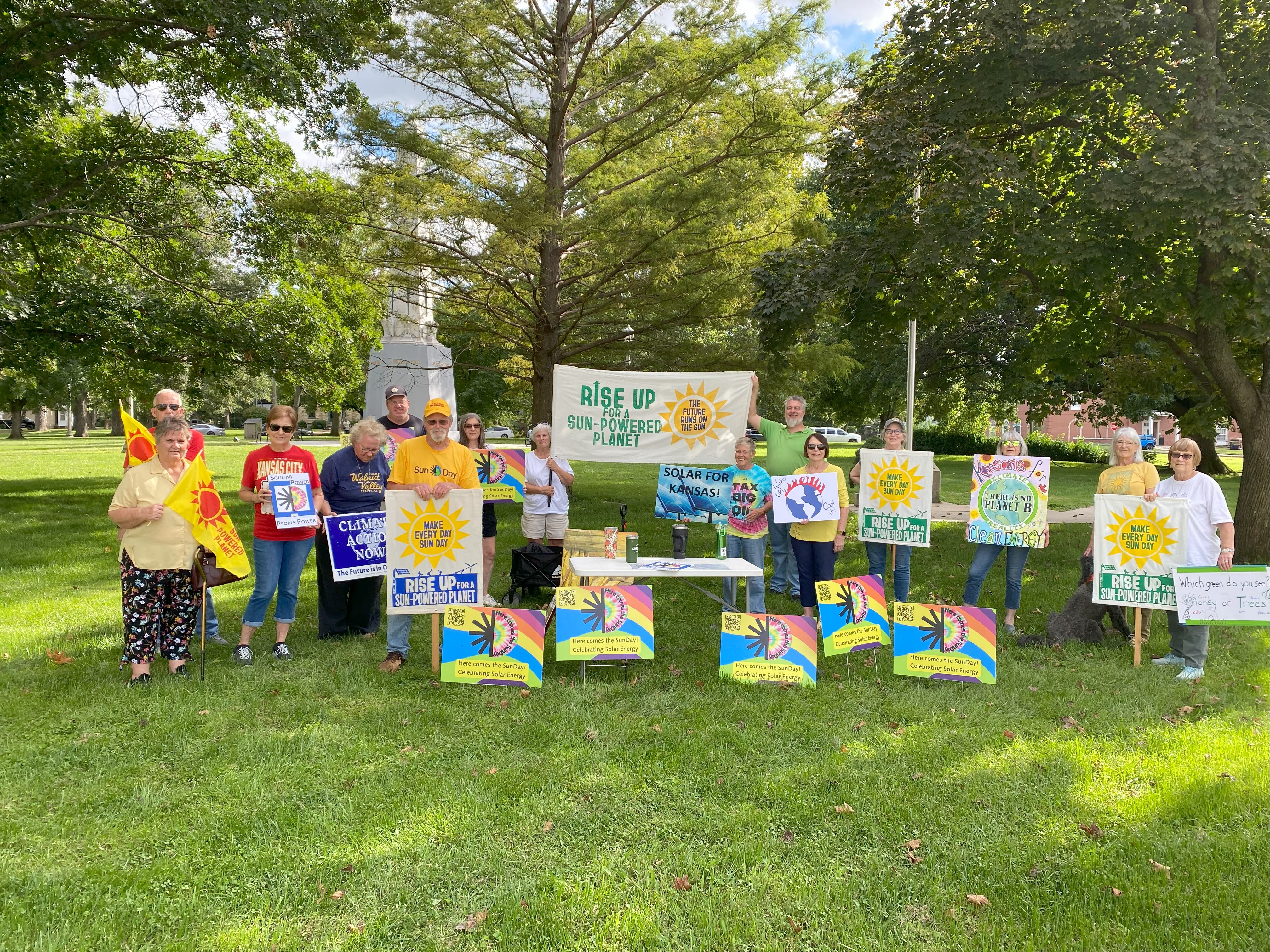
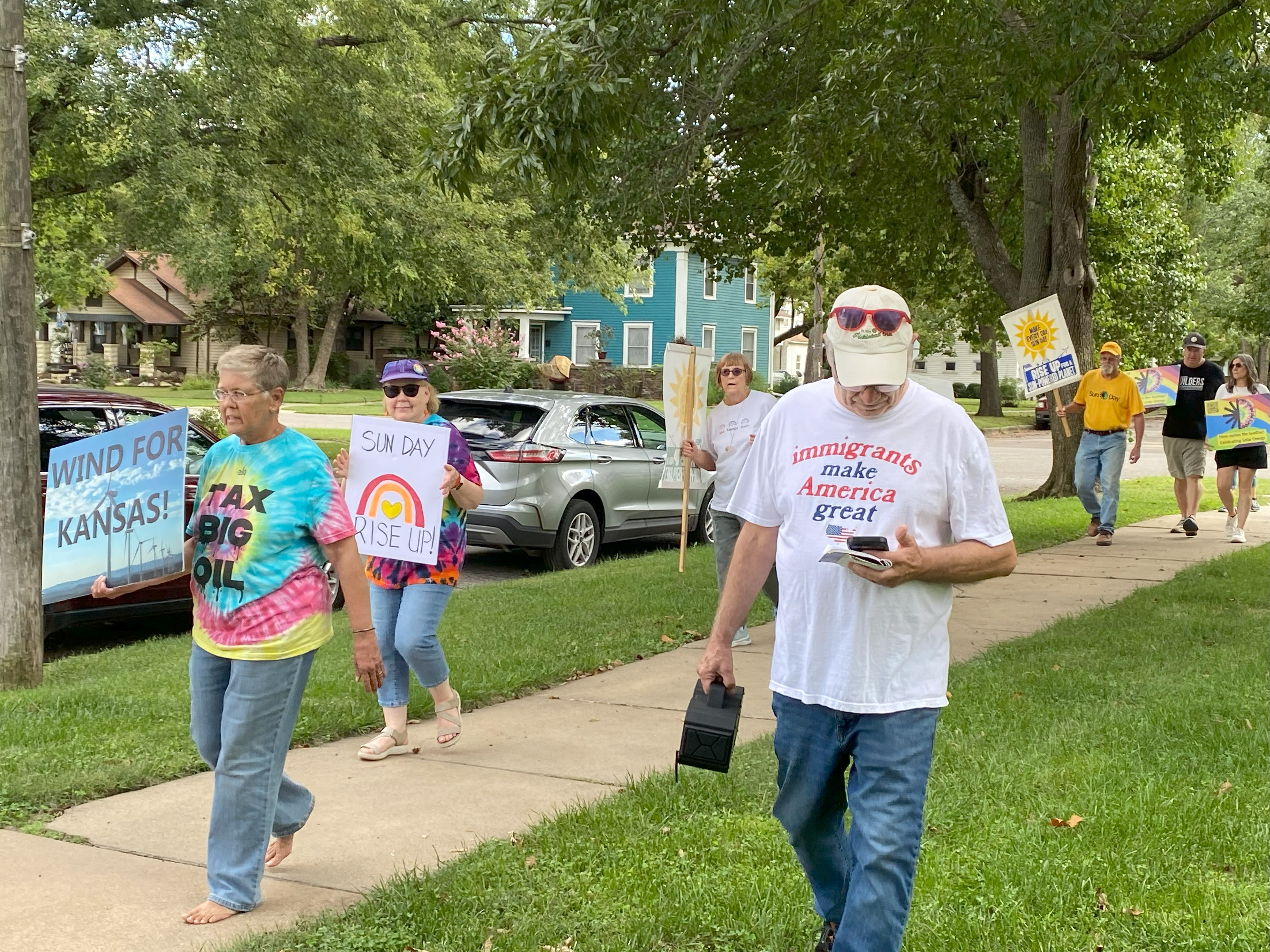
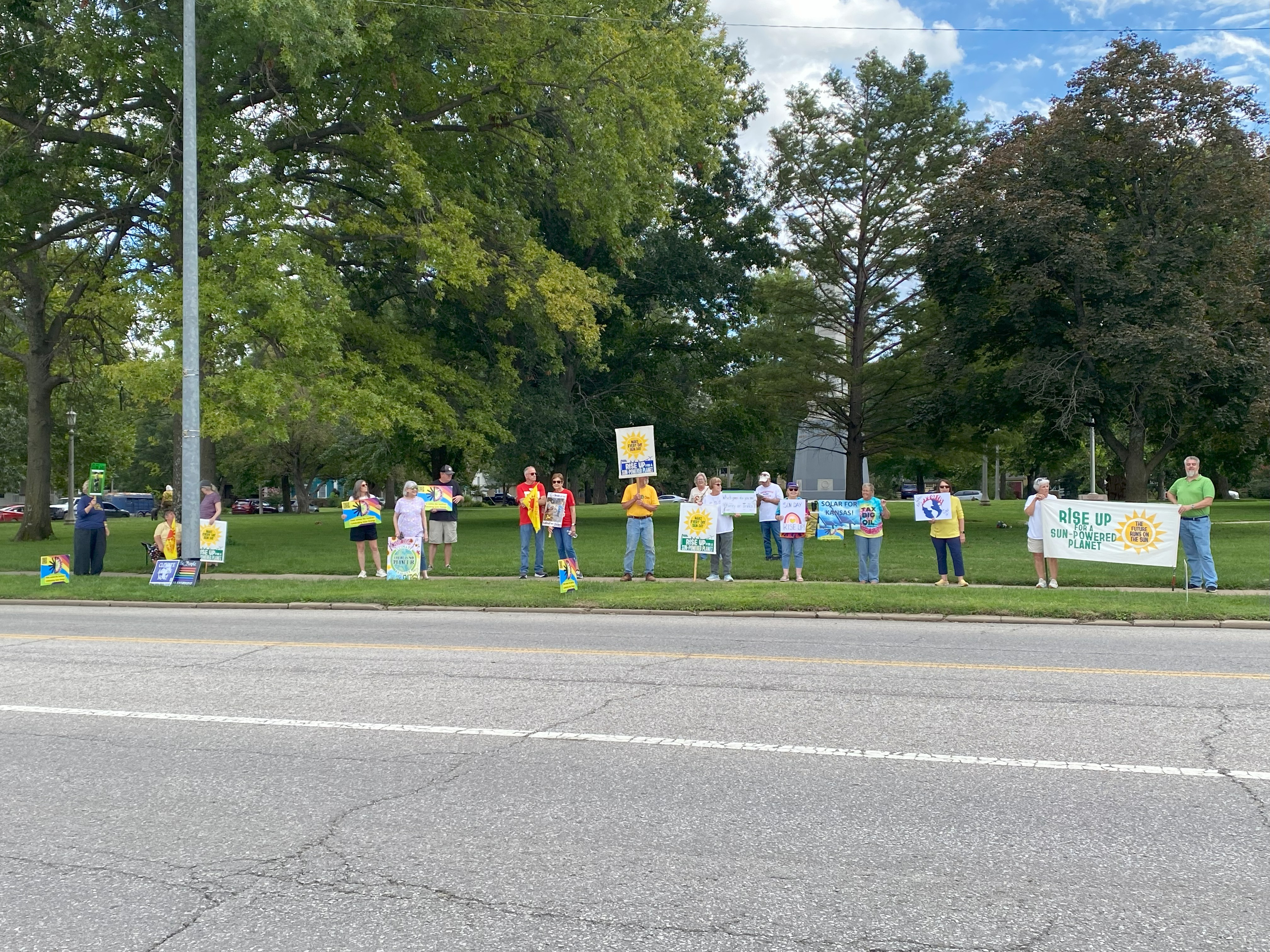
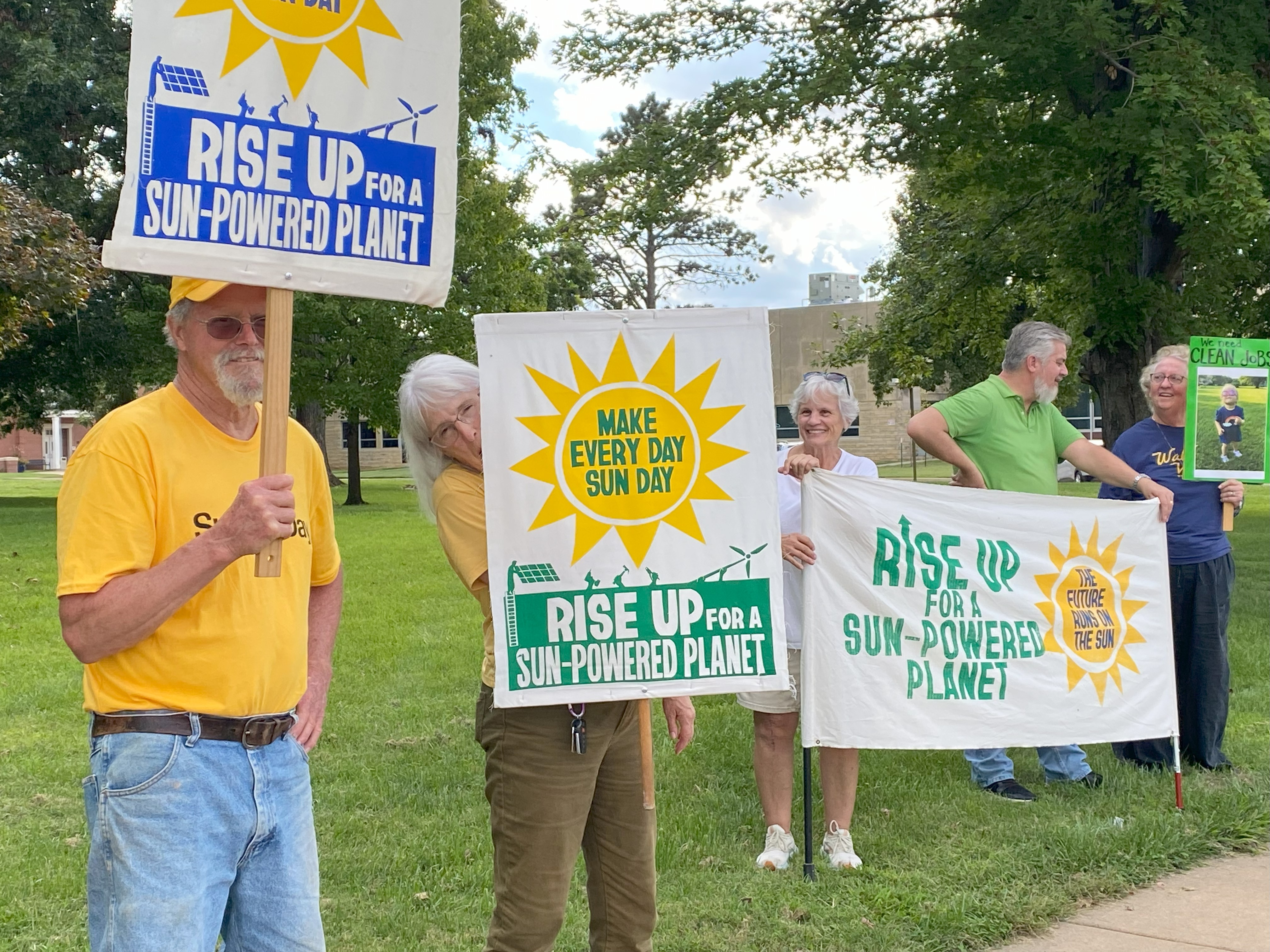
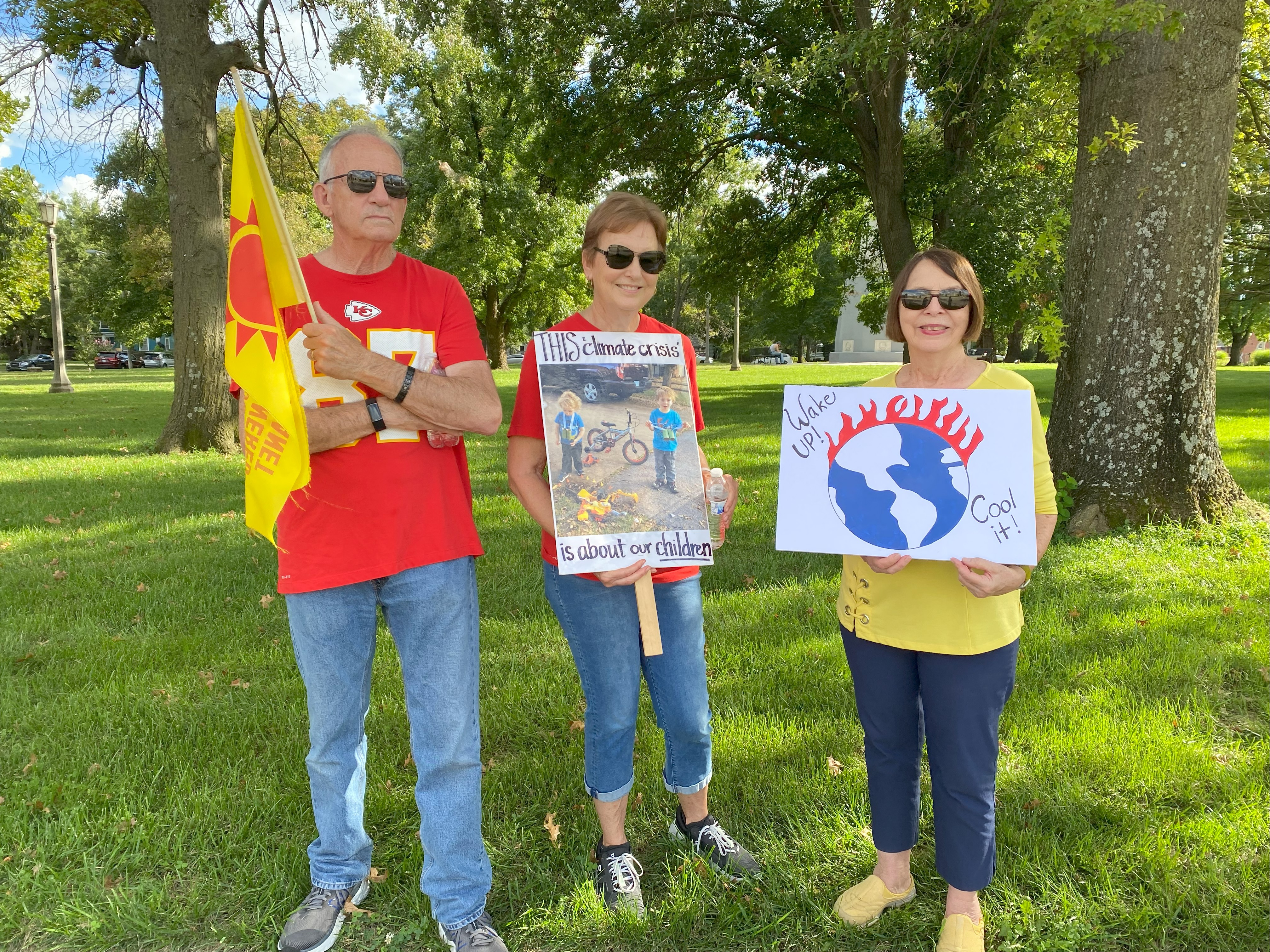
We decided to feature a variety of events preceding that big day.  And thus our “Here Comes the Sun-Day” project was born. Now that it’s over, enjoy a photo tour of the local events for Sun Day 2025.

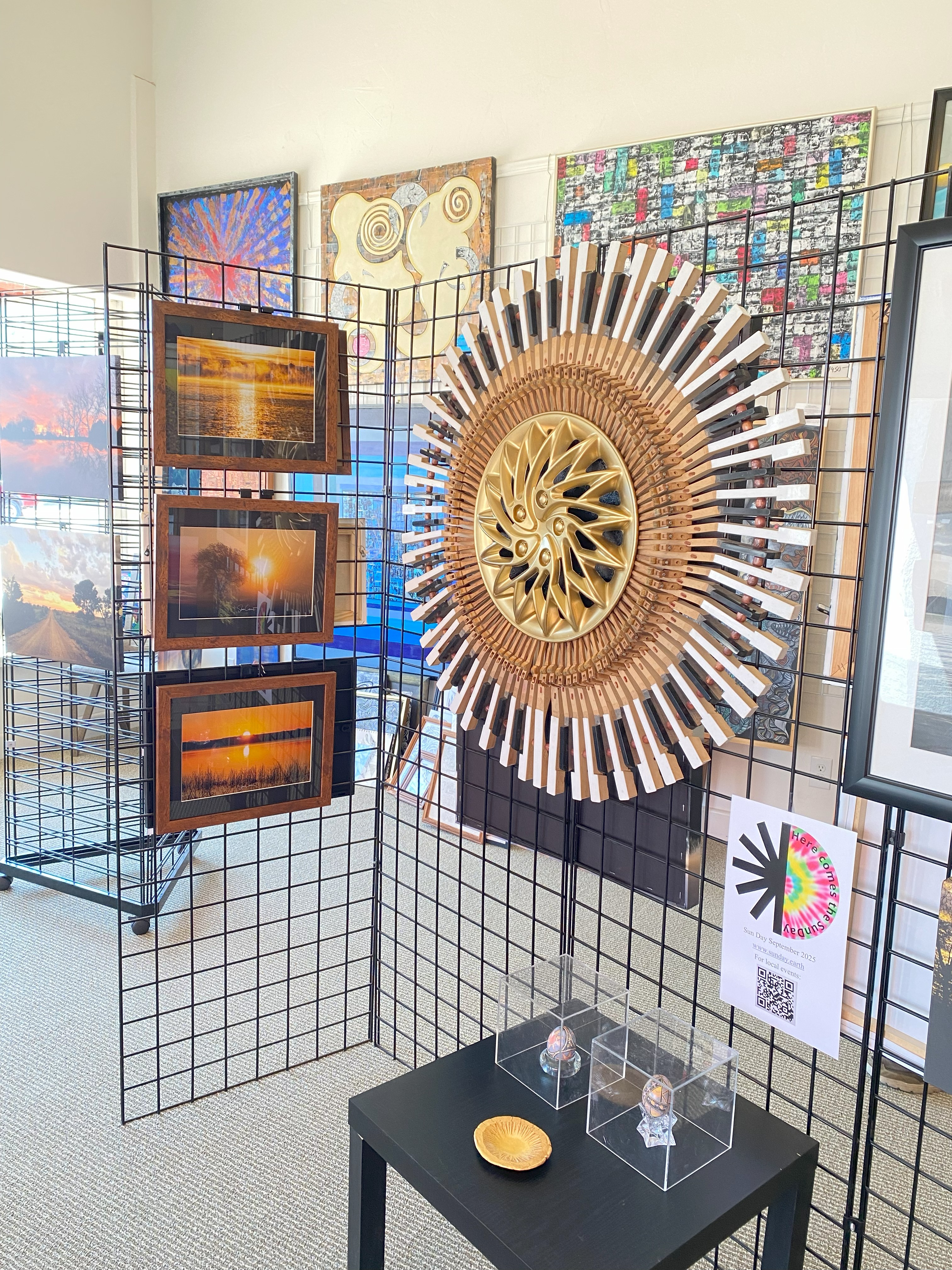
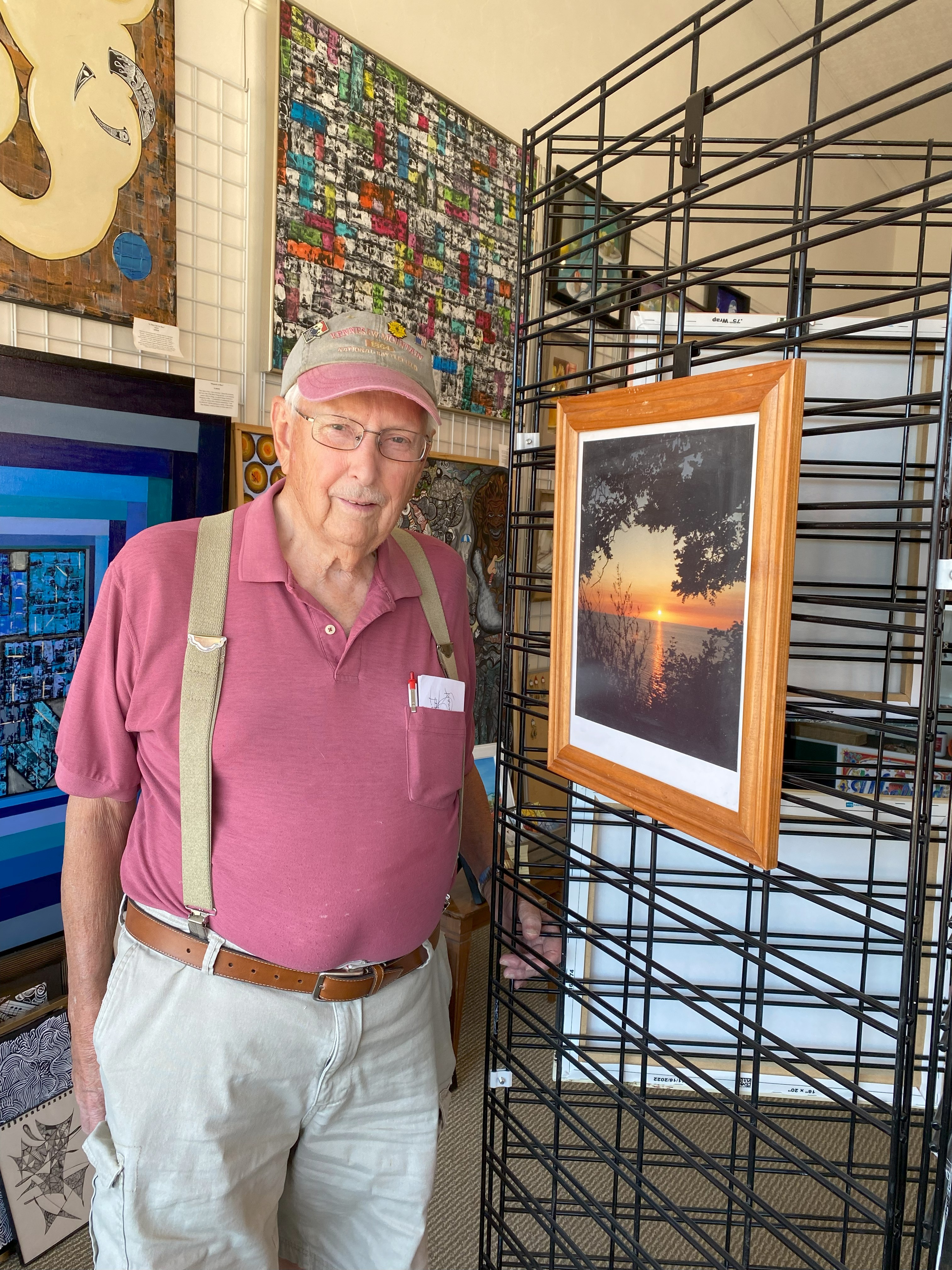
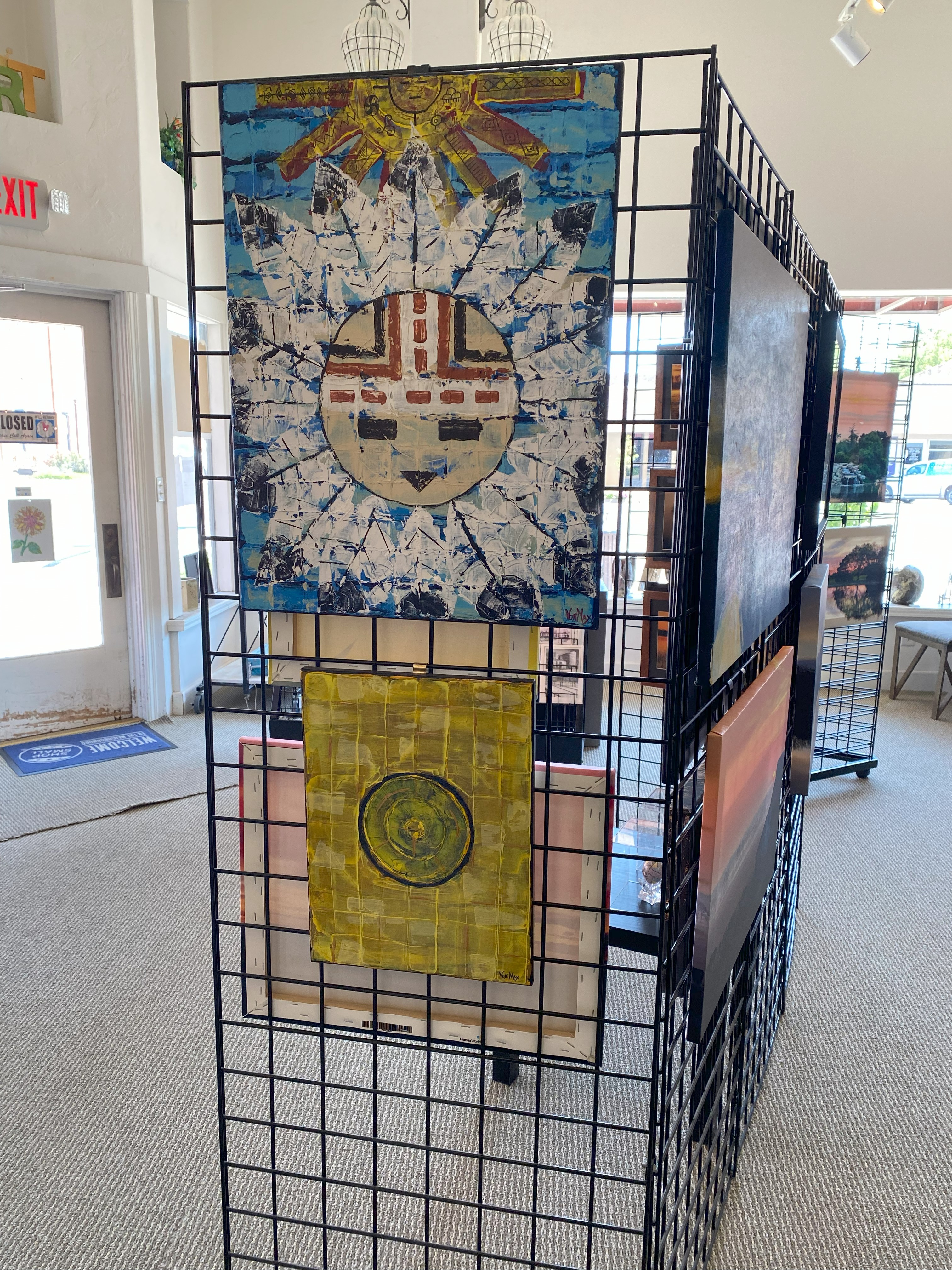
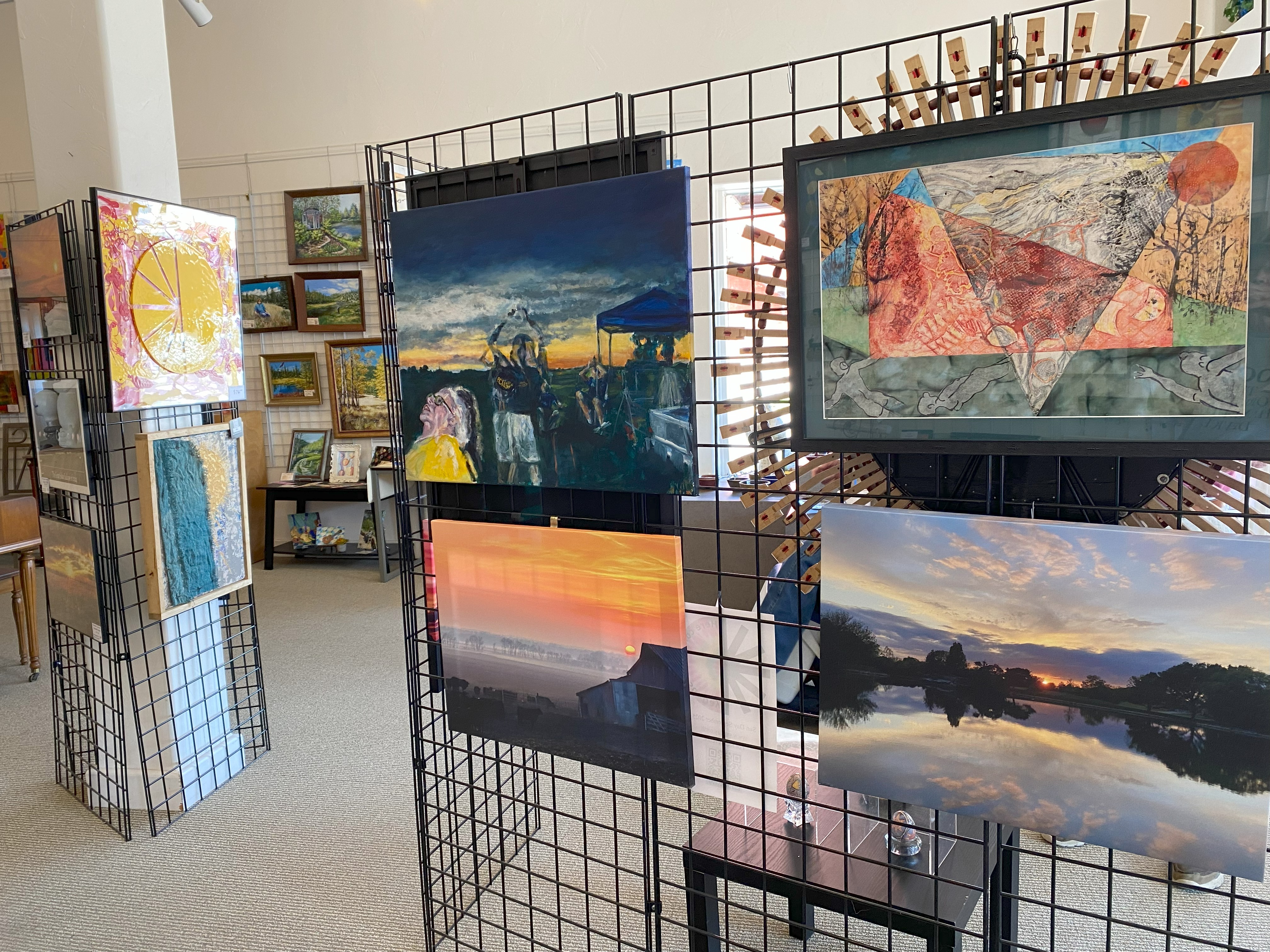
Solar Art Exhibit Featured at Gallery 1001 through September

The Winfield Public Library and the Arkansas City Public Library featured solar books and STEM projects through the month.

Local Coffeeshops and Restaurants offered sun-related specialties.

College Hill Coffee featured a “golden sun turmeric latte” and Sunshine sandwich special. They also provided media for customers to create their own “Sun Day Art”.

Downtown, the Oasis designed a special “Sunset Refresher” drink.

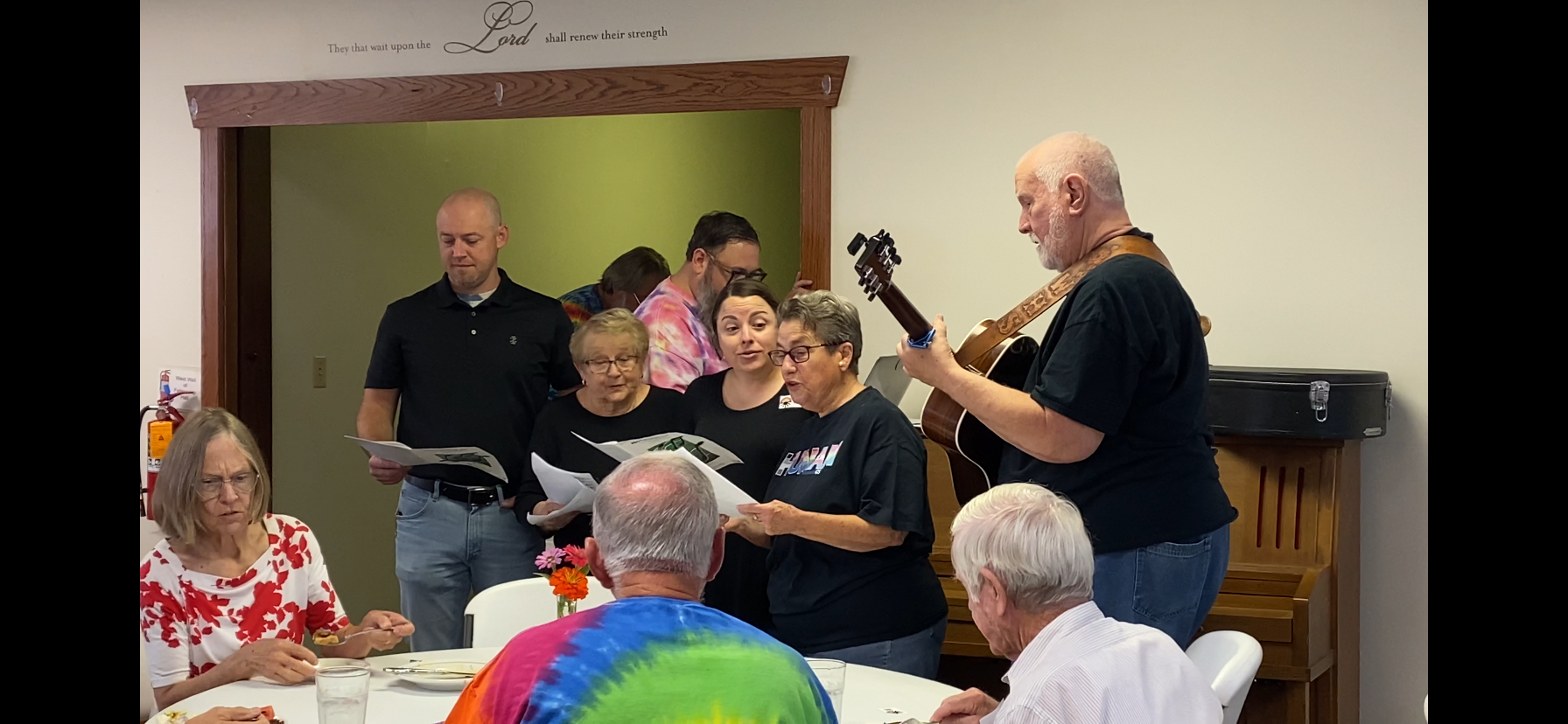
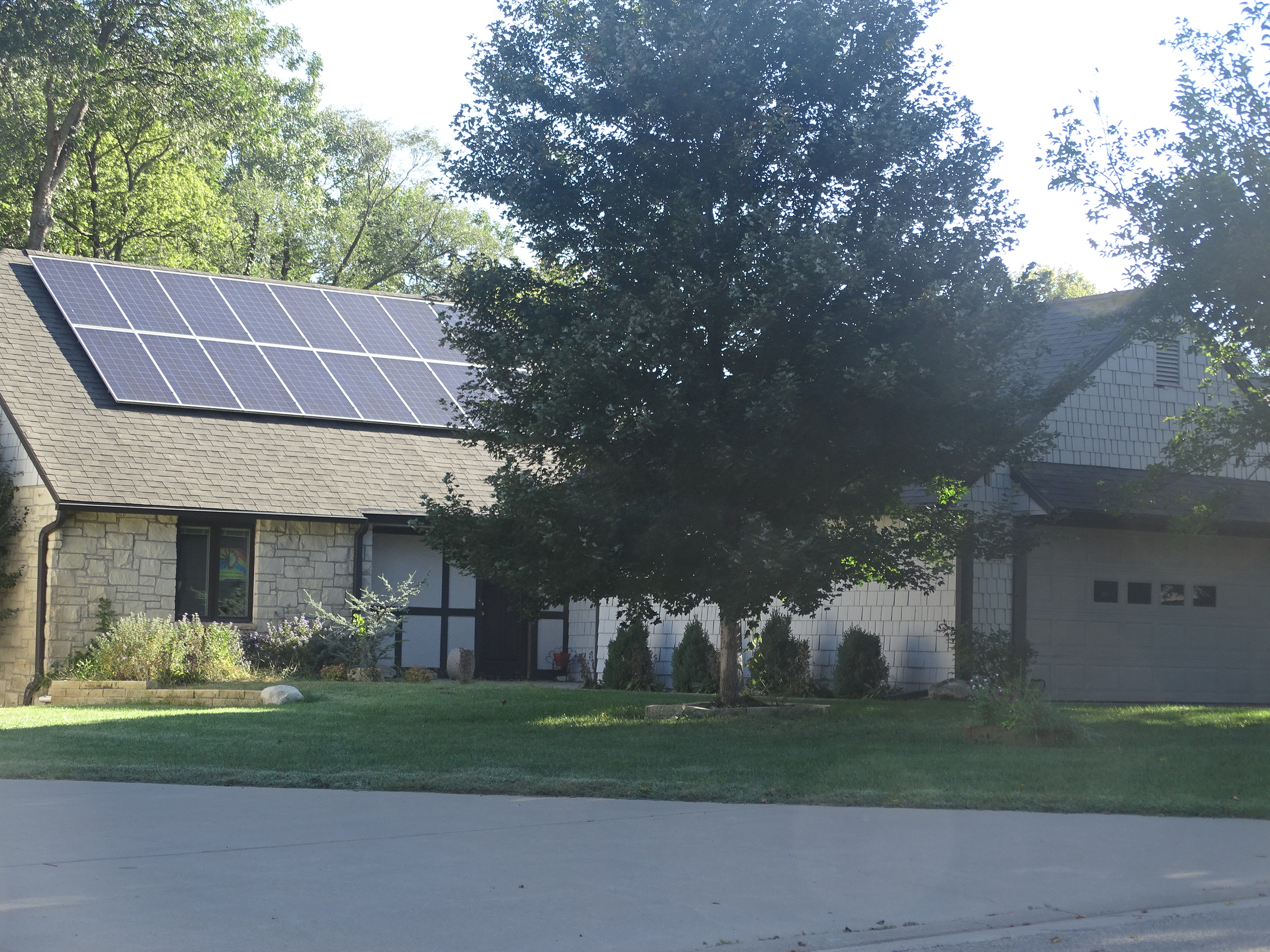
Grace United Methodist Church got into the Sun-Spirit after installing a large solar array on their education building a couple years ago. They kicked off the big Sun Week with special music from campers at the Walnut Valley Festival, followed by a covered dish dinner–with a few sunny delights!

A sweet “sunflower” and sunflower seed pie.

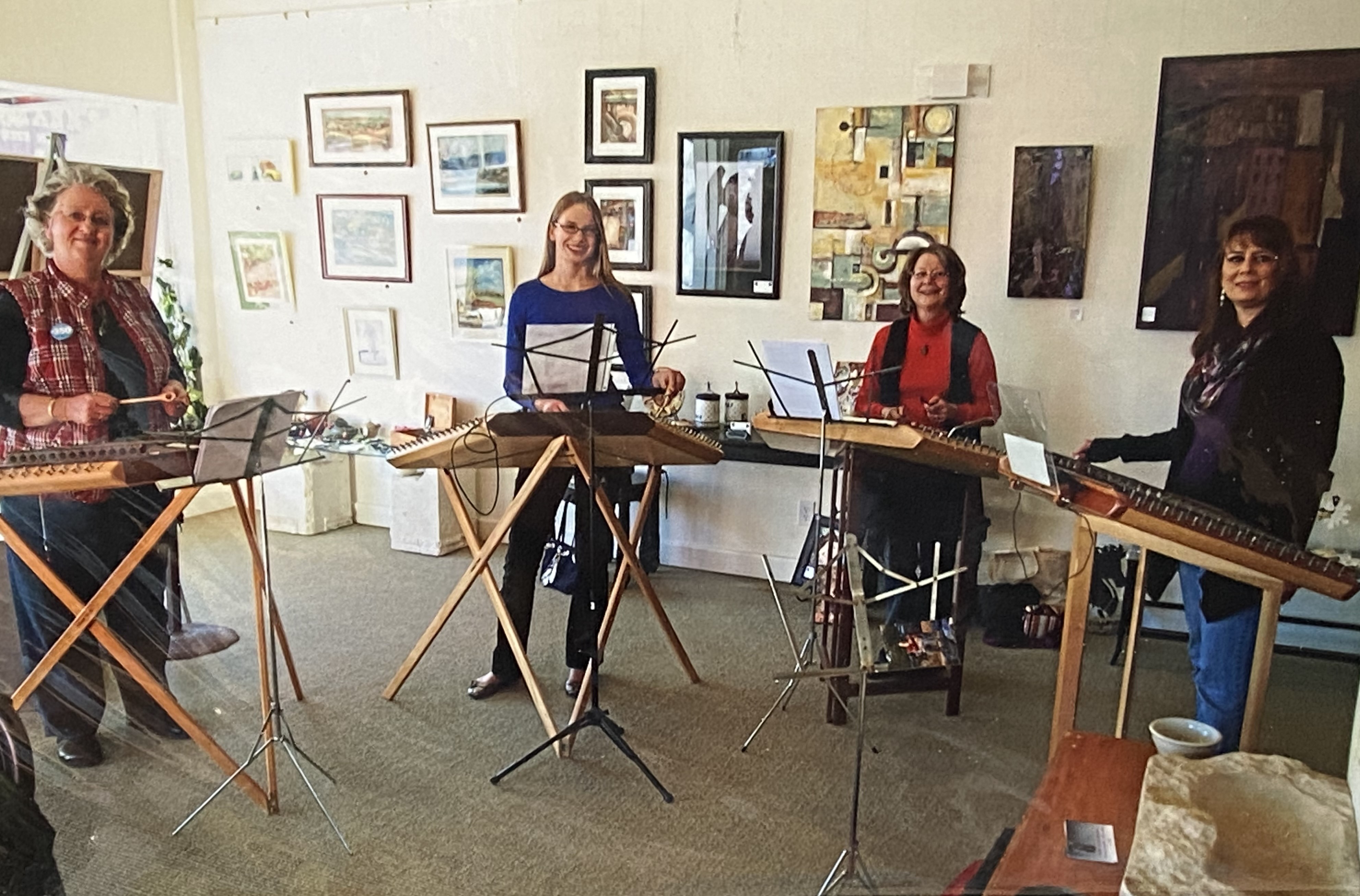
And a local quartet shared an arrangement of  “Here Comes the Sun!”

Meanwhile, out at the Festival, campers and music lovers could show their solar support with specially designed stickers, and enter a drawing for solar camping equipment.

The Winfield Arts and Humanities Council teamed up with the Walnut Valley Festival to offer children a chance to create t-shirts, printed by the sun!

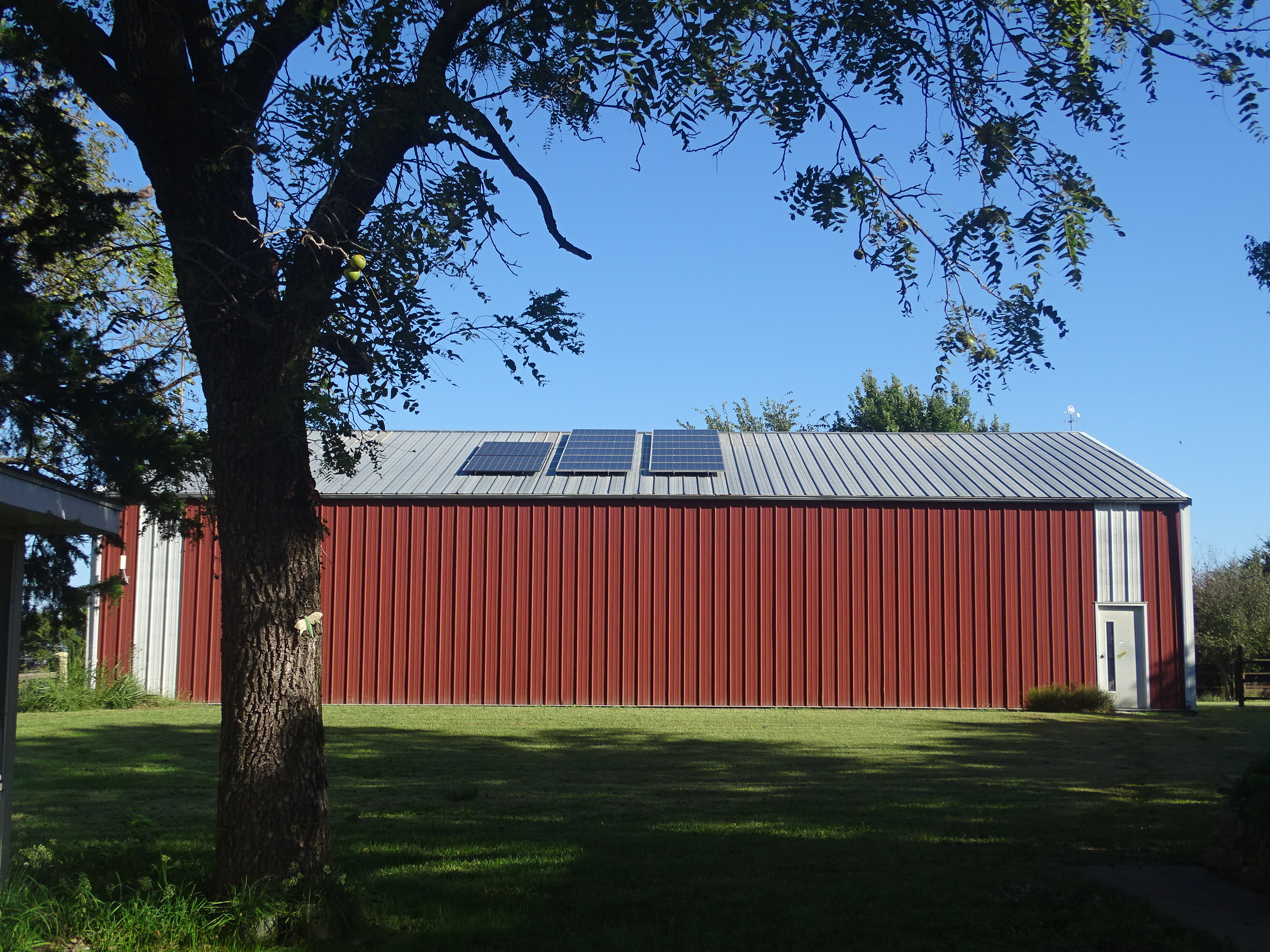
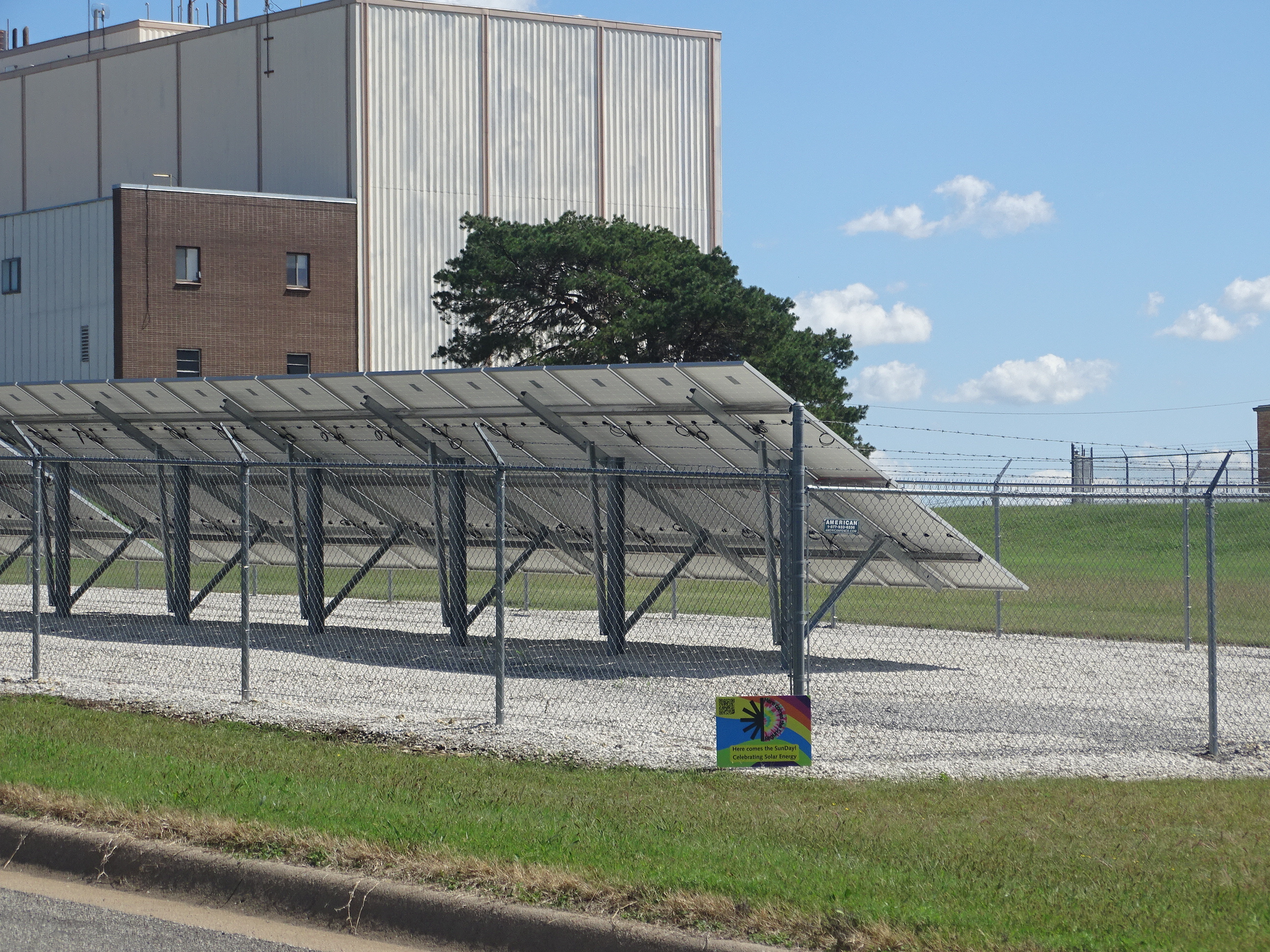
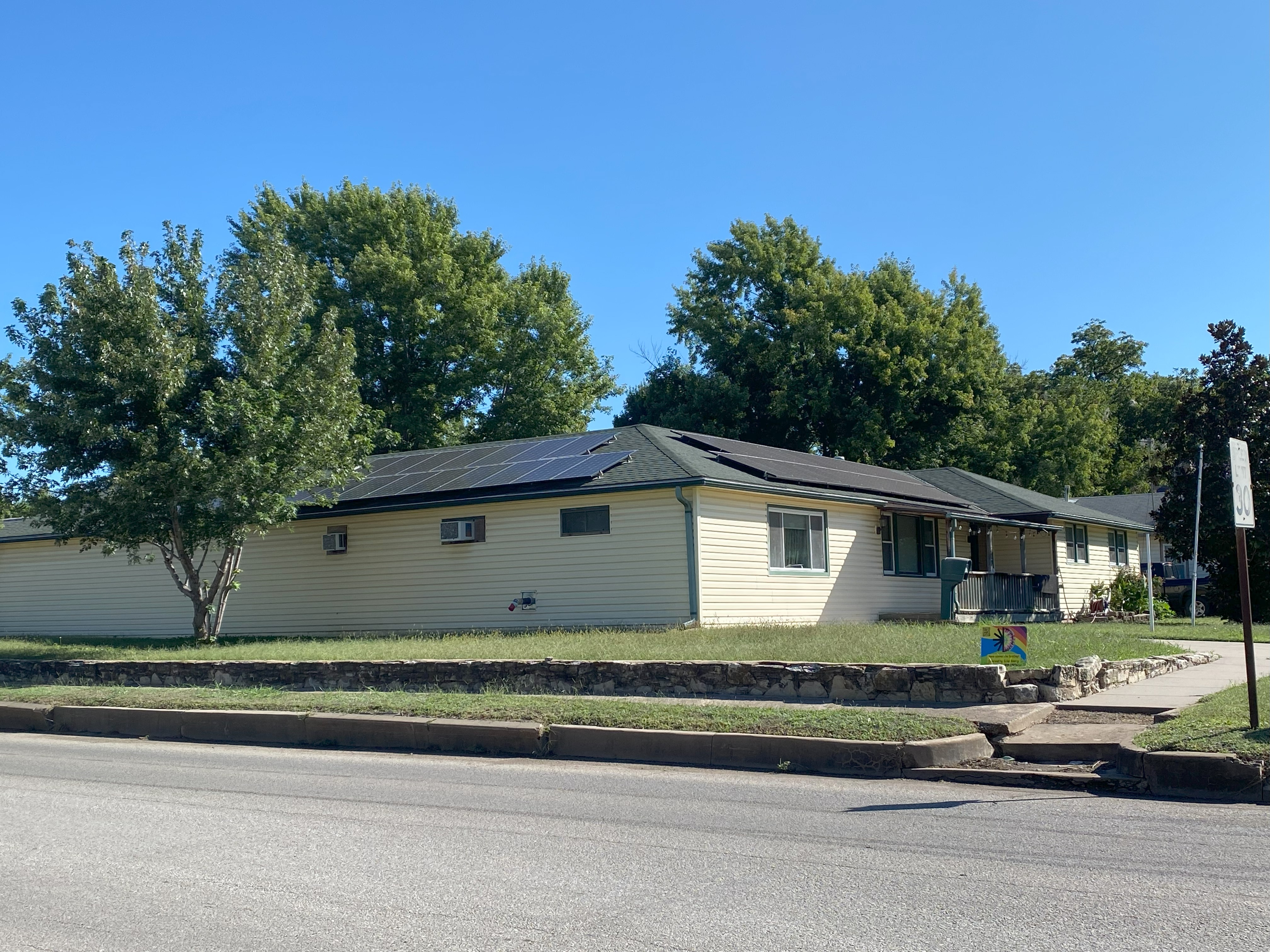
The county Sun Day planning committee provided information for interested folks to tour several local solar installations through the week prior to Sun Day.

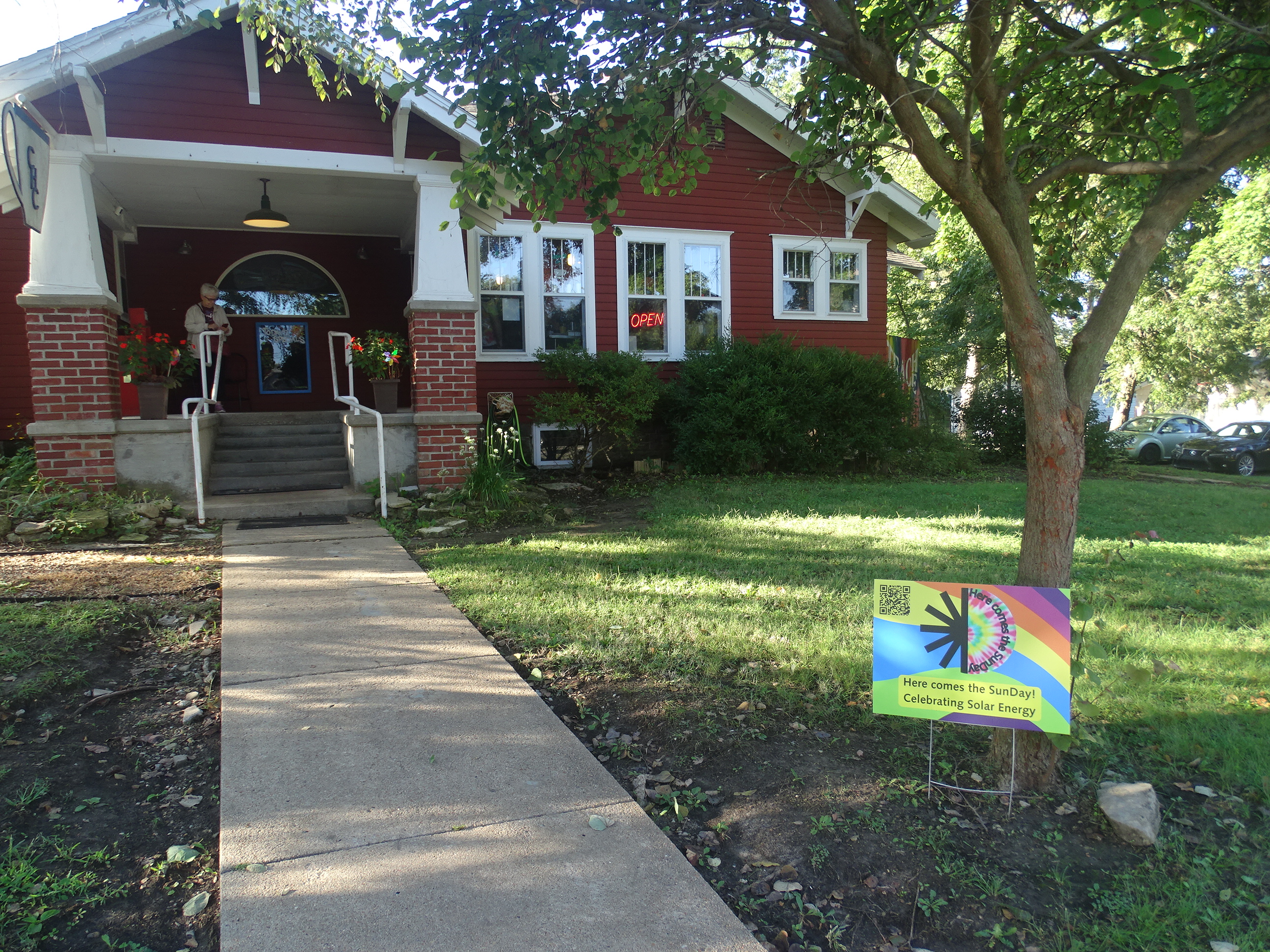
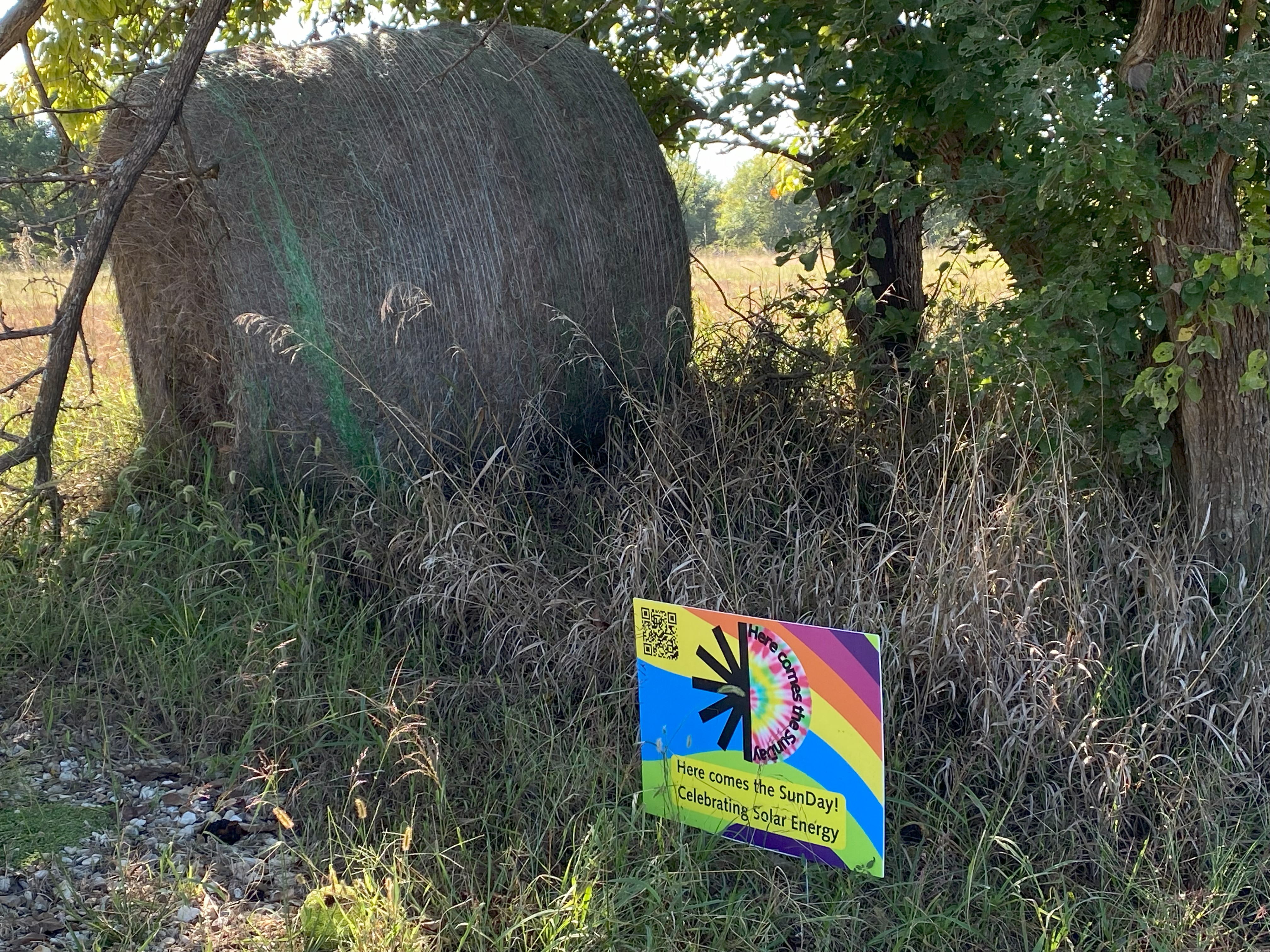
Locations were marked by the special yard sign, within two communities, as well as in the countryside.

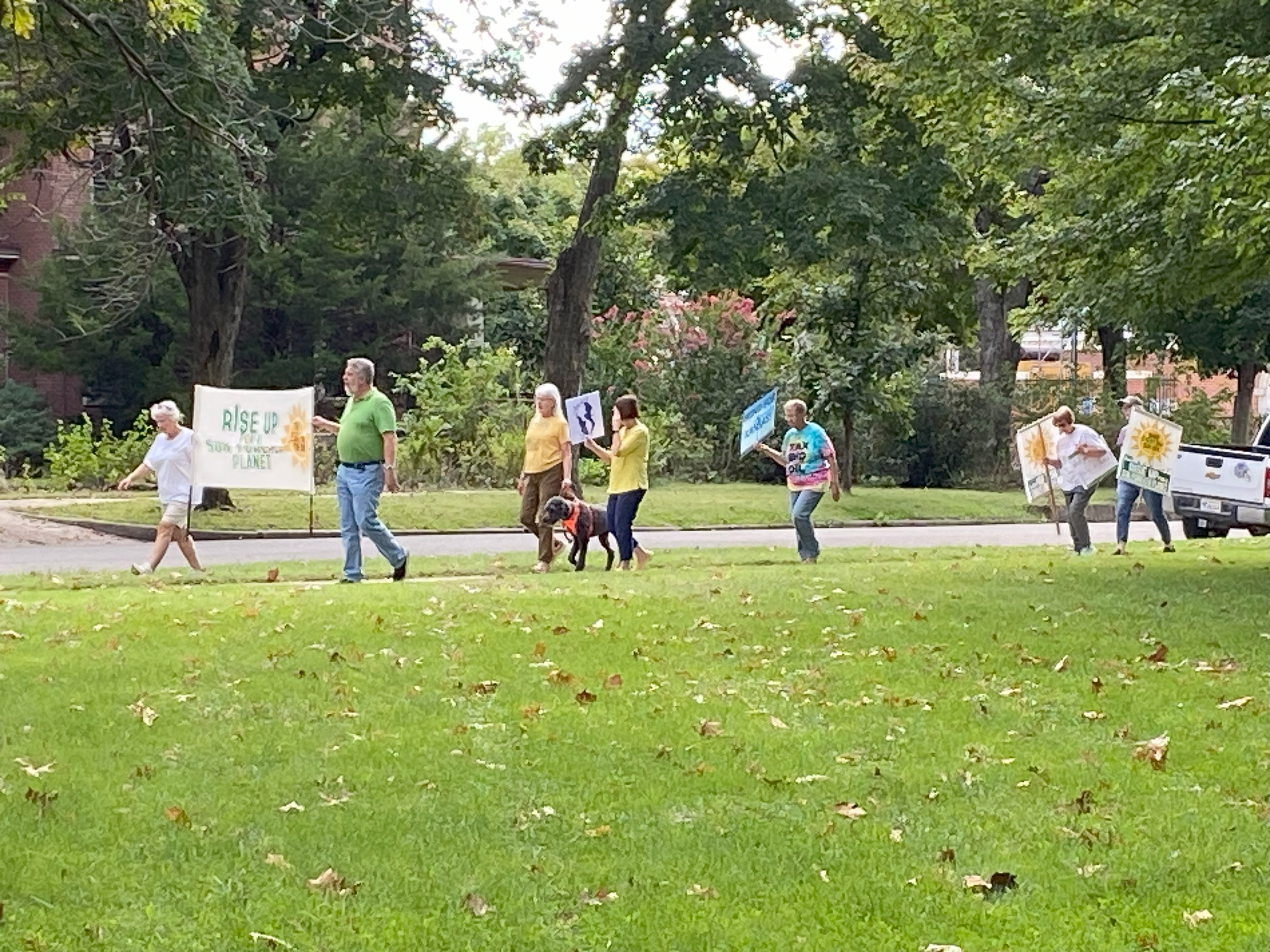
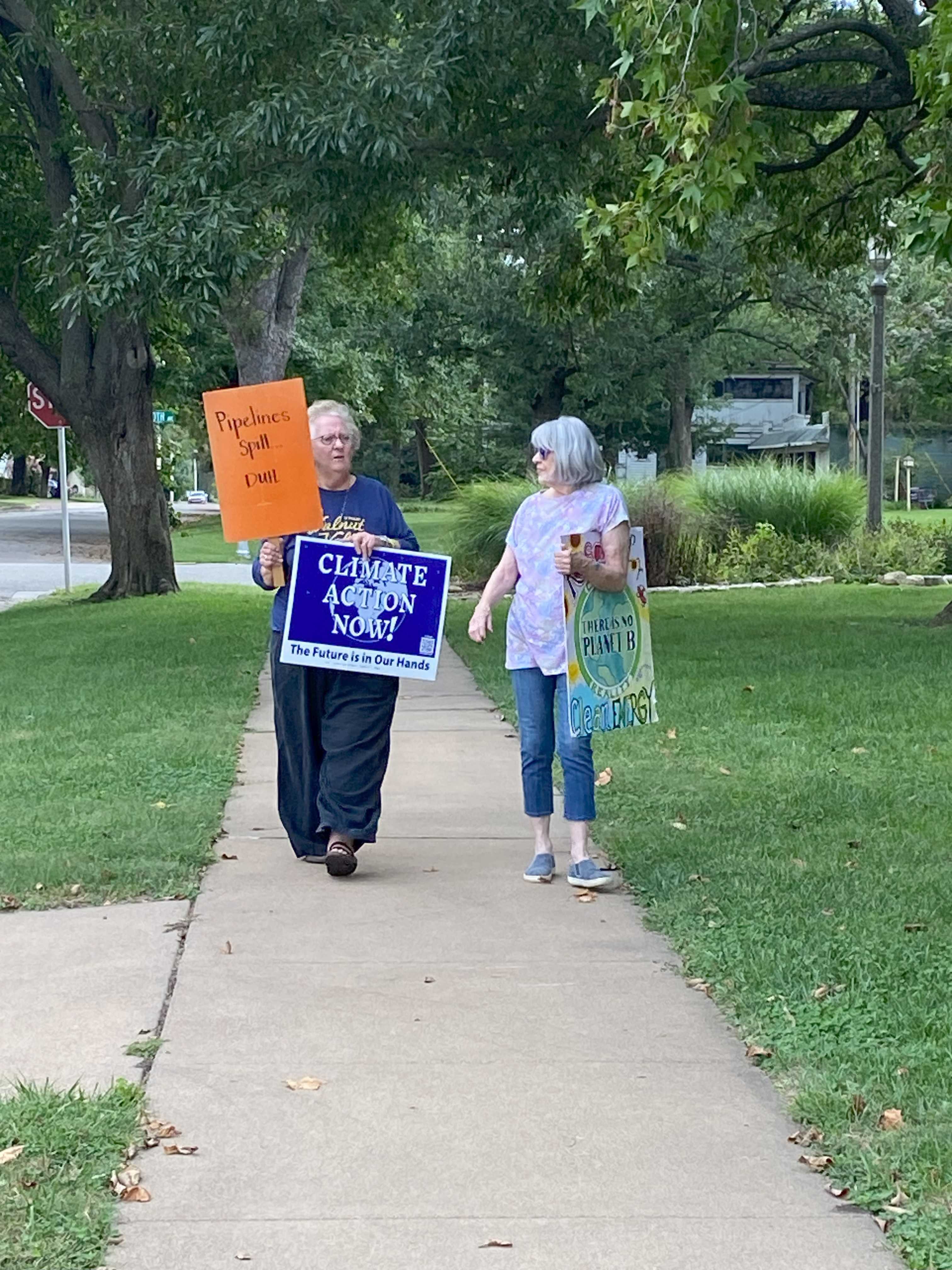
The Final Event was a “Walk for the Sun” to wave at supporters as they traveled home from a remarkable weekend.

Happy Sun Day! May we pursue knowledge and skills, as well as installations of panels that will convert the plentiful energy from our local star into power for all!


Keys of His Success

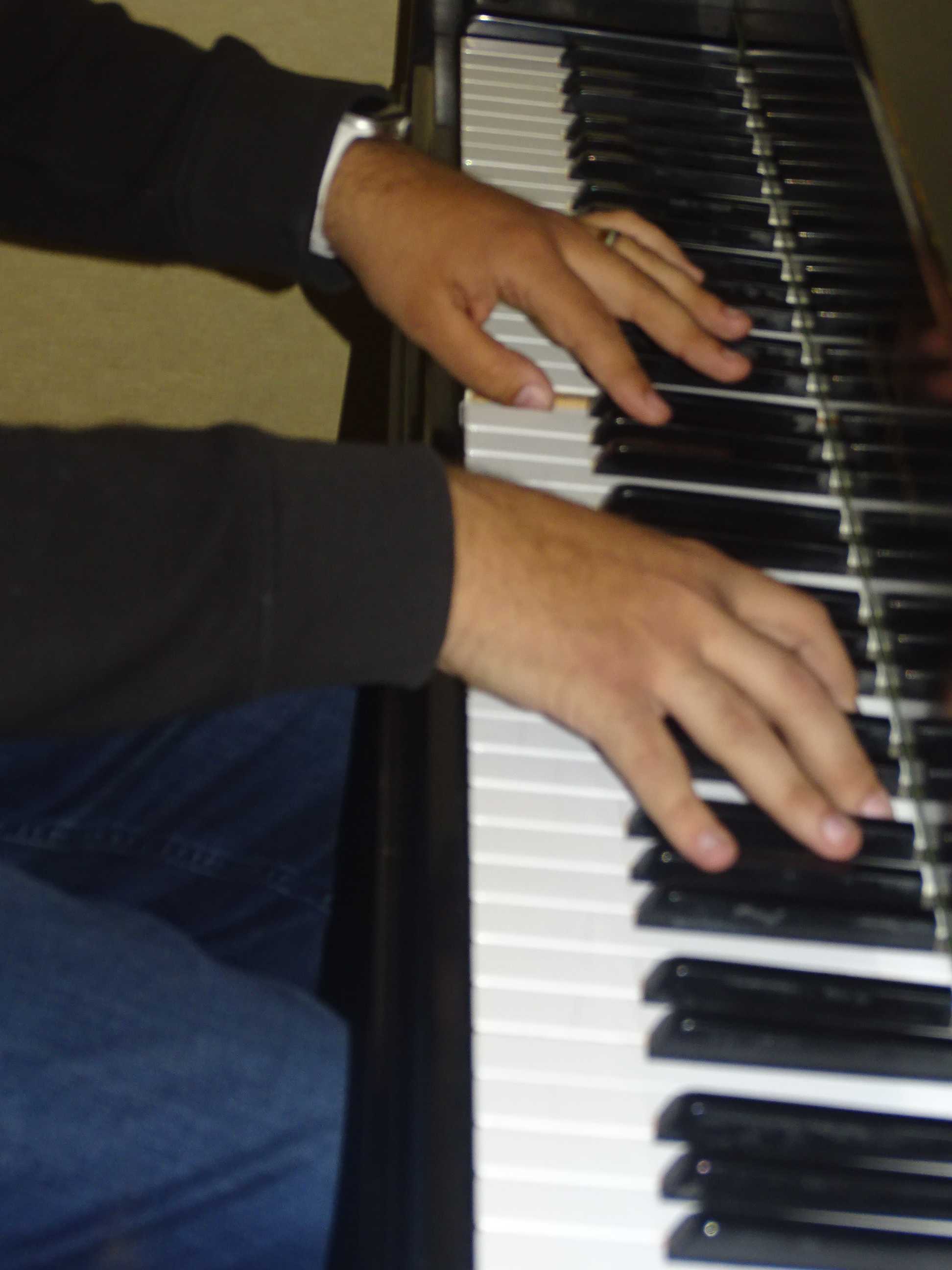
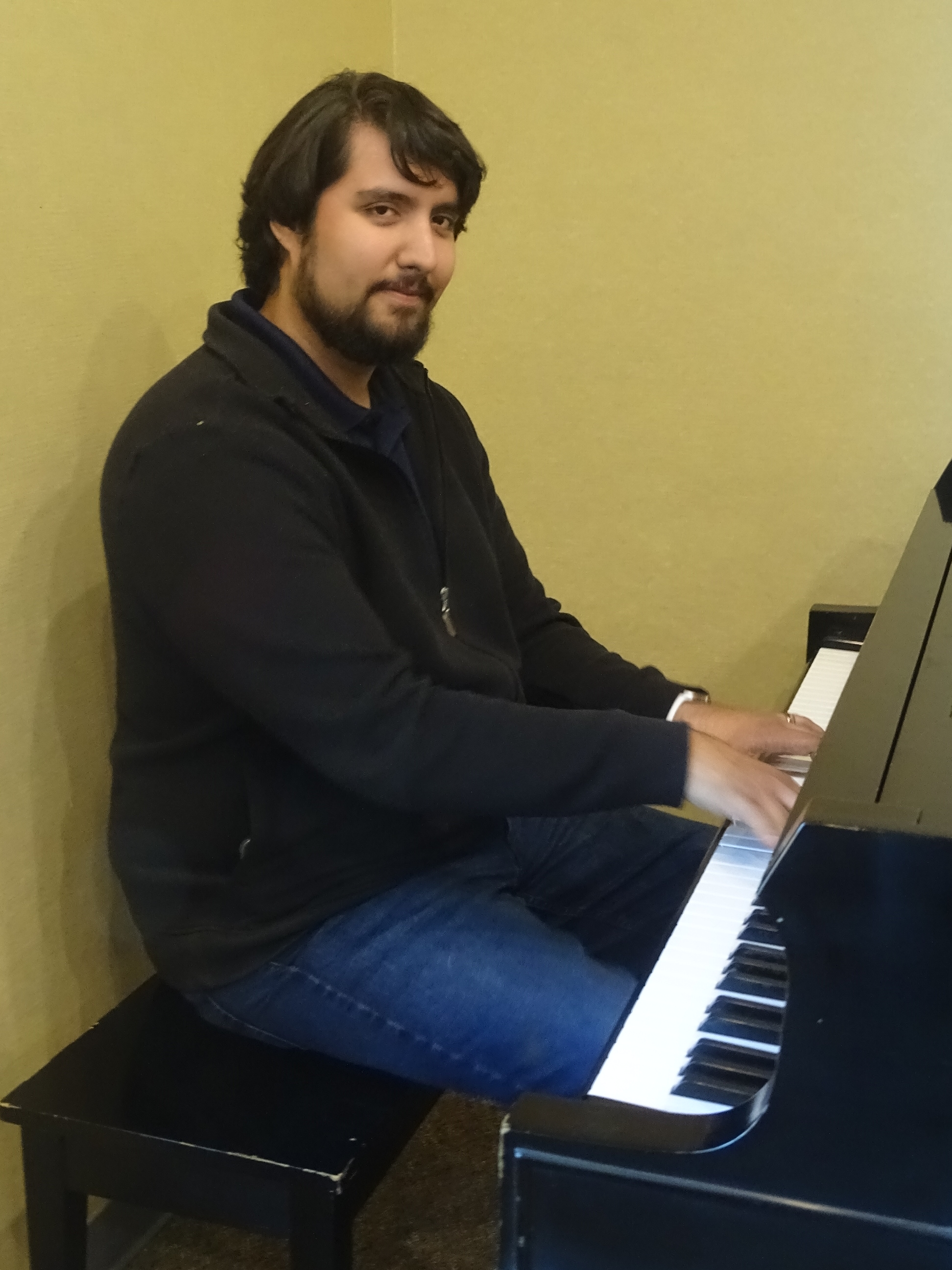
Emerson Talkington opens the lid on the grand piano and settles on the bench. His hands spread across the keys and exquisite music rises from the strings. From Chopin to Brahms to Rachmaninoff, he plays as if the piano is part of him. Days away from his college graduation, he’s on target to achieve a goal he’s dreamed about for years. From an unlikely and late start, Emerson has cleared more hurdles in the last decade than many people face in their entire lives.

Since the first commencement in June 1889, Southwestern College (SC) has held graduation exercises each spring. This year’s event is planned for May 4 at 2:30 in the Richard L. Jantz Stadium. As he receives his diploma for a Bachelor of Arts in Music that day, Emerson will join hundreds of alumni since that 1889 ceremony with degrees in Music. This year, he has the distinction to be the only music major. “And,” he says, “I’m the last one.”

Born in Winfield in 2002, he attended the local schools, graduating from Winfield High School with the class of 2020, in the Year of Covid. His love for piano began when he was a student at Winfield Middle School. The vocal music classroom housed a Mason & Hamlin grand piano donated from the estate of legendary pianist and teacher E. Marie Burdette. Emerson became fascinated with that piano and lingered after school most days in hopes of a chance to play it. His innate ability coupled with YouTube tutorial videos allowed him to pick out melodies by ear and the school’s music faculty encouraged him as his love for piano flourished.

Paige Camp, the vocal teacher at the time, says, “It seems like yesterday that he was a student in middle-level choir.  He spent many days after school in the music hall, tinkering with the piano.  I nicknamed him ‘Cling-on’ as he was usually there until we had to lock up for the day.”

Allen Dilley, band teacher, accompanist for the middle school choirs, and accomplished pianist himself, often used the Burdette piano after school for practicing. “Dr. Dilley introduced me to piano technique and music theory,” Emerson says.

“I first met Emerson in the vocal music room at WMS,” Dilley says. “Classes had concluded for the day and I recall practicing Chopin’s Scherzo in Bb minor—a challenging composition. A few days later Emerson was in the room playing excerpts from the same piece, albeit without having ever seen the music. I suggested that as he began his keyboard journey, he might want to start with something a little less intimidating.”

From the middle school choir, he went on to the WHS choir where he found another friend and mentor in accompanist Billy Bearden. Lacking the Burdette grand piano he’d enjoyed at the middle school, Emerson found a small console piano in a storeroom to tinker with. He often sought out Bearden for tips on piano performance.

It was during his senior year in high school that he encountered a huge obstacle in his path—he had cancer. Bearden shares, “[After] the diagnosis . . . there’s a moment for Emerson (or maybe a thousand of them) where it feels that the universe is playing a cruel joke.” However, Bearden notes that there’s a “miracle in the mundane: he keeps playing.  Even when his physical pain makes it hard to sit up.  Even when he’s told music is a waste of time, and when all he can hear in his head is how he started too late and he’s not good enough—Emerson keeps playing.”

Emerson tapped local jazz pianist and renowned performing artist Scott Williams as his first official private piano teacher. Williams says, “I began teaching Emerson between his sophomore and junior years of high school. This is later than most people start learning the piano, but I sensed right away how serious he was. He progressed quickly, and soon sounded like he had been playing much longer. It wasn’t that long before he started getting hired as a pianist.”

With the private lessons, his early mentors noticed his growing skill with jazz. Dilley notes, “His knowledge of chords and harmony and the ability to apply them to existing melodies is excellent. He showed me how to turn a well-known hymn into a “blues” piece!” The student turned into a teacher.

Paige Camp worked with him through high school. “He joined the high school jazz band, and later the symphonic band.  There were hours of rehearsal and many performances. . . But despite the cancer diagnosis, he kept a very dry sense of humor about it all.  And he kept playing the piano.”

Through the cancer and Covid chaos, he never quit playing. It was clear to him that music, through pianos, was his life’s calling and he embraced it with his whole heart. After he graduated from WHS, he enrolled with a scholarship in Cowley College as a music major. His first experience working with Cowley piano instructor Steve Butler was when he was a high school senior. He was asked to fill in as accompanist when Butler took over conducting the Cowley Singers at a concert. “I had a couple weeks to prepare, but I was still nervous,” Emerson recalls. Since that debut audition, he has performed many times for Butler, including as a duet partner. “Playing duets with Steve brought out my best,” Emerson says.

Pastor at Hackney Baptist church as well as music instructor at Cowley College, Butler considers Emerson a good friend and has been pleased to recommend him when people ask for a keyboard artist.

During the semesters at Cowley, Emerson also became the proud owner of that E. Marie Burdette Mason & Hamlin grand piano. Covid prompted staff changes at USD 465, and the new music staff members were willing to transfer the custody and maintenance of that gem of a piano to the school alumnus who had fallen in love with music through it. Emerson kept playing on the original mesmerizing instrument.

He transferred to Southwestern College as a music major with a piano performance emphasis but soon after he enrolled, Southwestern announced it was terminating its music degree program. To its credit, the college committed to completing the degrees of the majors that were currently enrolled and Emerson persevered.

Cancer struck again with a vengeance later that same fall, and delayed his coursework while he battled the relapse at MD Anderson Cancer Center in Houston, Texas. Fellow cancer survivor and associate professor of music at Southwestern College Jeremy Kirk said, “Living through chemo as he did—twice—influences your tenacity. You have to be tenacious. There’s a feeling that: If I can do this, there’s nothing I can’t do.”

Returning months later with his cancer in remission, Emerson picked up where he’d left off, married Rosalyn, the love of his life, and with support from the music faculty and the college administration, he continued his pursuit of a Bachelor of Arts in Music. His grit and determination impressed the staff at Southwestern to the point where the instructors were as determined as Emerson to fulfill his goal.

Professor Kirk shares his insights. “Emerson possesses first rate music talent and he seeks opportunities for growth as a musician outside his comfort zone.” As a student in Kirk’s World Music class, he joined the performing ensemble and traveled to Hawaii with the group in December 2022. He participated in the jazz and pep bands at SC, served as librarian for the South Kansas Symphony, took private organ lessons from James Leland, and even helped Leland with the day-to-day maintenance of the pipe organ in Richardson Performing Arts Center. He completed his coursework mostly through online classes and independent studies, but he never gave up and never quit playing.

In addition to a bustling student schedule, Emerson supported himself through the years with a variety of outside jobs. His interest in automobile mechanics secured him a job as a manager at O’Reilly’s for a while. He also worked in fast food places, installed signs for Cardinal Signs, did custodial work, served as the accompanist at area churches including a couple years as organist at Winfield’s First Presbyterian Church, and as the accompanist at Ark City Middle School for the last four years. He also has a few piano students of his own.

Leland says, “I have unparalleled appreciation for the noble and realistic way he worked through college. He is conscientious about finishing any work he starts.”

Emerson has triumphed through all the challenges the universe threw at him. Bearden, his accompanist pal during high school, says, “It wasn’t triumph in any grandiose sense—no concerts or sudden label deals—but it was something better: a private rebellion, a refusal to quit.  Each day he chose the small and seemingly insignificant choice to create beauty in a world that kept offering pain.”

And he became more than just a student. “He became an artist,” Bearden says.

With graduation approaching, he prepares to launch into his next chapter of life. Emerson will join fellow SC music alumni Butler (1997) and Bearden (2005) as well as hundreds of musicians with roots at Southwestern College who became dedicated schoolteachers in small towns and cities across the nation, performed with respected symphonies, taught in colleges and universities, or worked as church musicians and composers.

For the immediate future, he plans to travel this summer, to embrace as much of life’s opportunities as possible. “I want to travel while I can. I might not make it through a third cancer occurrence.”

When he is home, Emerson plans a public performance where he will share his spark for life. Details will be announced later. He plans to expand his studio to offer more private lessons, and hopes to teach music at an area school. He is interested in piano technology and wants to eventually rebuild the Mason & Hamlin piano that opened the world of music to him.

Kirk feels certain that Emerson will have success with whatever he chooses to pursue because of the qualities of his personality. What are those qualities? According to those who know him well he is flexible, humble, inquisitive, compassionate, and kind. With a gentle nature, he is always there to help a friend—a good recipe for success in any situation.

For now, each of his instructors feels what Steve Butler expresses, “To have played a small part in his musical and spiritual growth gives me great joy!” His hometown and expanded community join the instructors to wish him the best as he graduates with his coveted BA degree in music, with an emphasis in piano performance.


The Power of Music

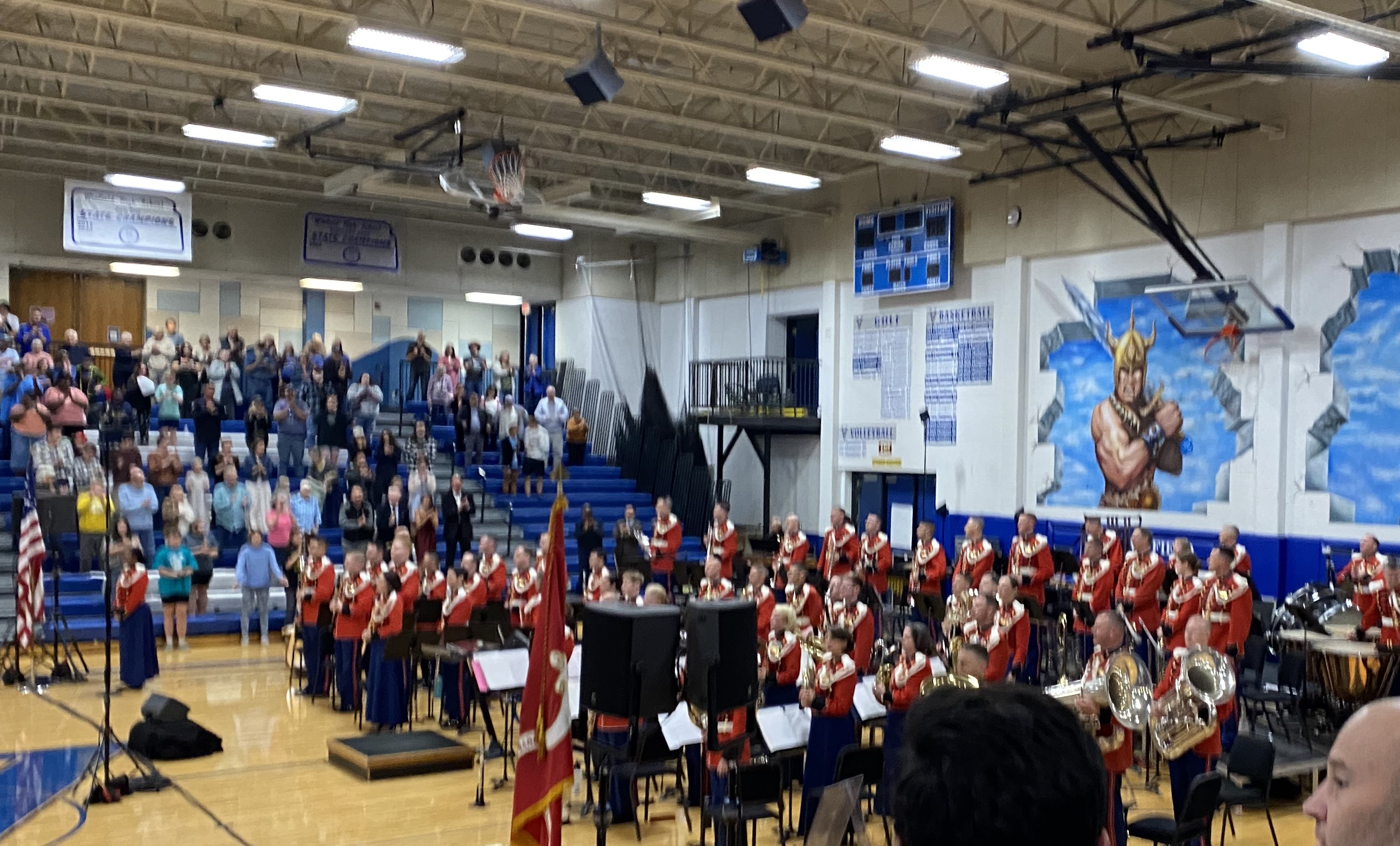
Months ago, the local Island Park Productions contracted an evening of music by “The President’s Own” United States Marine Band. As explained in the program, the US Marine Band was established in the year 1798 by an act of Congress. As such, it is the oldest continuously active professional musical group in the country. There are Marine Corps bands at several bases, but there’s only one called “The President’s Own.” Its mission is to provide music for the President of the United States and the Commandant of the US Marine Corps. Since neither of those leaders were present in Winfield last Monday night, the performance by “The President’s Own” US Marine Corps Band was indeed a privileged and special event for us commoners.

The planners were ecstatic to book the Band, and tickets for this free concert became available a month in advance. Most of the music events billed as “Duck Jams” are held at the Amphitheater in Island Park. However, the Marine Corps Band required an indoor venue. The location was to be the local High School auditorium, with limited seating. Though there was no admission charge, tickets were required in order to attend.

We got our tickets early. Noting that they would be honored only until fifteen minutes prior to the concert when any remaining seats would be opened to non-ticket holders, we arrived thirty minutes early. The high school parking lot was already packed with cars, more than I recall ever seeing at any other event. A line of attendees stretched around the auxiliary gymnasium and north, halfway to the office doors. There was no way all these people would fit in the auditorium.

Evidently, the event planners agreed. We made our way to the end of the line, and followed its progression inside, to discover that the venue had shifted to the main gymnasium. Bleachers on three sides were open, and row upon row of chairs were set on the gym floor facing risers at the east end reserved for the Band. Some people brought in camp chairs and set them up at the railings above the bleachers. There was a seat for everyone who came. Nobody was turned away.

We found a place in the bleachers amidst friends and strangers, and awaited the first downbeat. It was an impeccable performance. The musicians filed in, all wearing uniforms of red coats and blue trousers (or for some women, skirts). With the precision one would expect from the US military, the program started exactly on time. For two hours, people from all walks of life, and from every political party tapped and clapped to America’s music. From traditional marches to classical compositions, from jazz to opera, the music lifted our hearts. For the space of two hours, we forgot our differences. We were all Americans, united by this honored military band.

Did the musicians know this is an election year? Undoubtedly. Did they know we were weeks away from what is likely to be the most important election of our lives? Most certainly they did. But it didn’t matter. They brought us an event that was perfect for these times. At the end they played a medley of songs that identified each branch of the US military and asked us to stand for the correct theme if we, or a family member, had served in that branch. For my own family, going back to my parents’ generation in WWII, the branches represented in my family included the army, the navy, the air force and the marines.

The audience provided three standing ovations during the performance—and for each, right then and there, the band performed an additional song that wasn’t in the printed program. For me, the highlight of the evening was the encore solo which the concert moderator sang following her soprano solo from Gounod’s Romeo and Juliet. SSgt Hannah Davis sang “You’ll Never Walk Alone,” a song that bolstered my difficult adolescence and gave me hope as well as strength to keep going years ago. The song itself is from an 1945 Rodgers and Hammerstein musical, Carousel, but I learned it two decades later. I hadn’t thought about the song for a long time, but Monday night as SSgt Davis shared its message for everyone in the gym, I thought, “How appropriate.”

When you walk through a storm

Hold your head up high

And don’t be afraid of the dark.


At the end of the storm

There’s a golden sky

And the sweet silver song of a lark.


Walk on through the wind

Walk on through the rain

Though your dreams be tossed and blown.


Walk on, walk on

With hope in your heart

And you’ll never walk alone.

You’ll never walk alone.

We can all take its message to heart. Those of us in attendance at the US Marine Corps Band concert were Americans, every last one of us. For one magical evening, we were united by music.

Tuned Up!

My adventure at the mini-Chautauqua event sponsored by the Winfield Public Library through Humanities Kansas

For the last few months, a traveling Smithsonian exhibit has circulated around the state, setting up in six different cities, with one more to go. The Voices and Votes: Democracy in America exhibit has spent the last month at our local library and will soon travel on to Belleville in the northern tier of counties.

Each hosting community has featured something specific about how that location supported the sharing of information, citizen involvement, and the voting process.

Winfield’s focus was on the Chautauqua meetings of a hundred or more years ago.

Founded in 1874 in Lake Chautauqua, New York as an educational tool for adults, its original intent by founder Rev. Joh Heyl Vincent, a Methodist minister, and businessman Lewis Miller was to expand the idea of a Sunday School for adults. The idea soon grew until Chautauqua meetings became an important source of education, culture, recreation, and socialization for millions of Americans. Everyone was welcome.

Winfield’s Chautauqua events were held annually at the town’s iconic Island Park from 1887 to 1924. Some years, as many as 10,000 people flocked to the island, camping in an area reserved for family tents for a week to ten days. For a number of years, it ranked as the third most popular Chautauqua event in the nation.

The Winfield Public Library staff selected the historic Chautauqua events, with their focus toward education and giving people a platform to share ideas and opinions, as the local highlight for the Smithsonian exhibit. As part of that, a mini-Chautauqua was held last Sunday evening in the community building. Ten local citizens were invited to present short talks about “It’s Intense: Voices on Good Tension.” It was my honor to be included as one of those ten.

Other speakers included business managers, the newspaper publisher, a farmer, a county judge, city manager, physical therapist, and a retired activist teacher. The emcee shared a short bio for each of us. My presentation used images to focus on  metaphorical tension from the perspective of a professional piano tuner.

Bio: A young widow with a preschool daughter, Ann Fell came to Winfield 35 years ago to teach at Winfield High School. She met and married fellow teacher Mike Fell and with their combined resources they raised a blended family. After a few years she quit teaching and opened a regional piano service business. With the loss of her parents a few years ago, she returned to her early calling—writing—and now has six published books. A dedicated environmentalist, musician, grandmother, and writer, she is no stranger to life’s tensions. Here’s Ann to talk about keeping life Tuned Up!

A dictionary tells me that tension is the act of being stretched to stiffness, maintaining a balance between opposing forces.

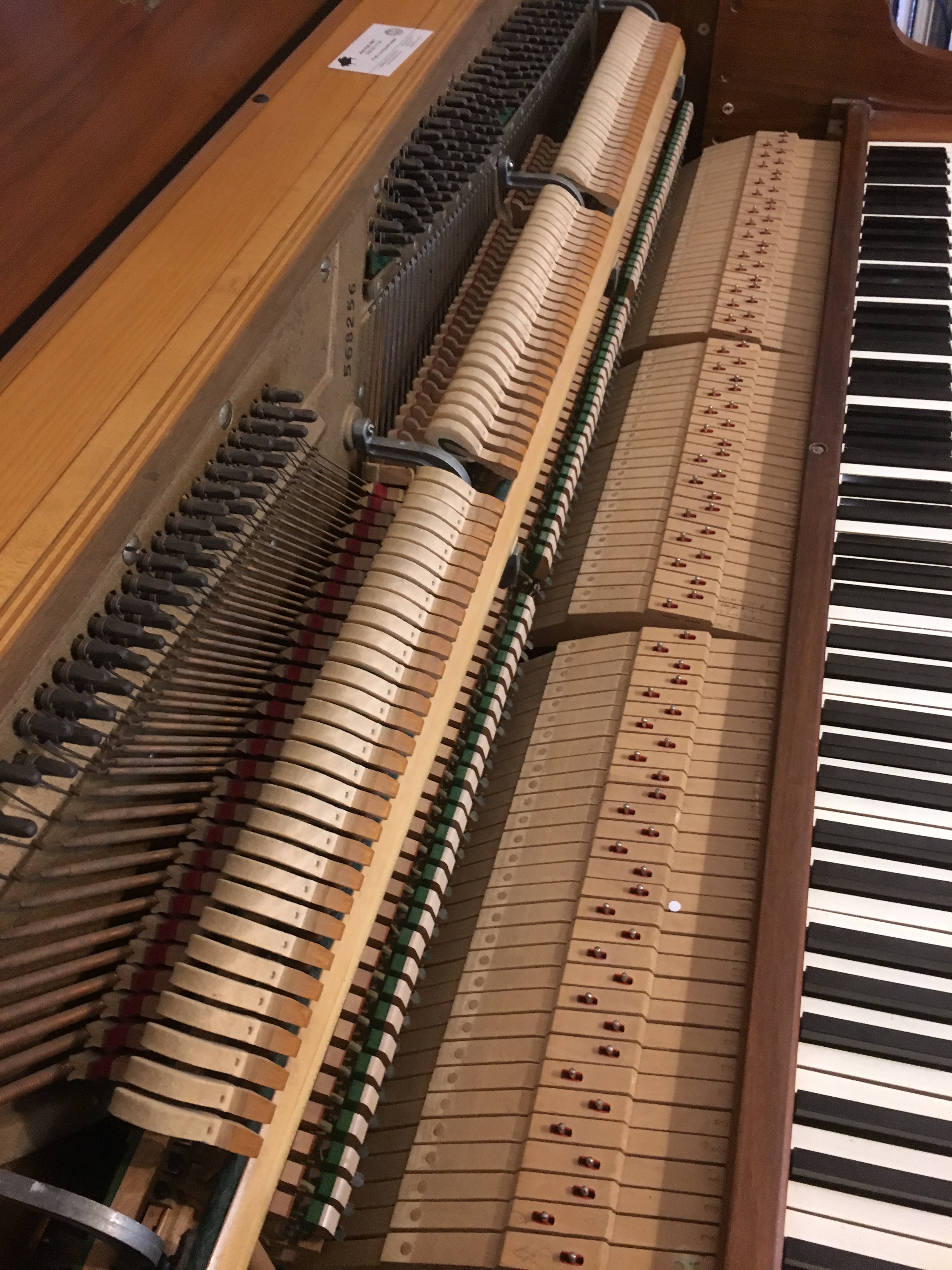
As a piano tuner, it’s my job to adjust tension—over and over again.

All stringed instruments need tuning as well,

but with 88 keys in a piano and multiple strings for most keys there are around 225 strings to tune.

With an average 160 pounds of tension per string, that gives an ordinary piano about 18 tons of tension across its plate–30 tons for a concert grand. That’s a lot of tension! Believe it or not, I spend half the year lowering tension, and half the year raising it, since wooden soundboards react to our seasonal humidity changes.

If a string is stretched too tight, it can break. On the other hand, if it doesn’t have enough tension and is limp it will not vibrate with the desired pitch. It will not sing.

It’s all about balance.

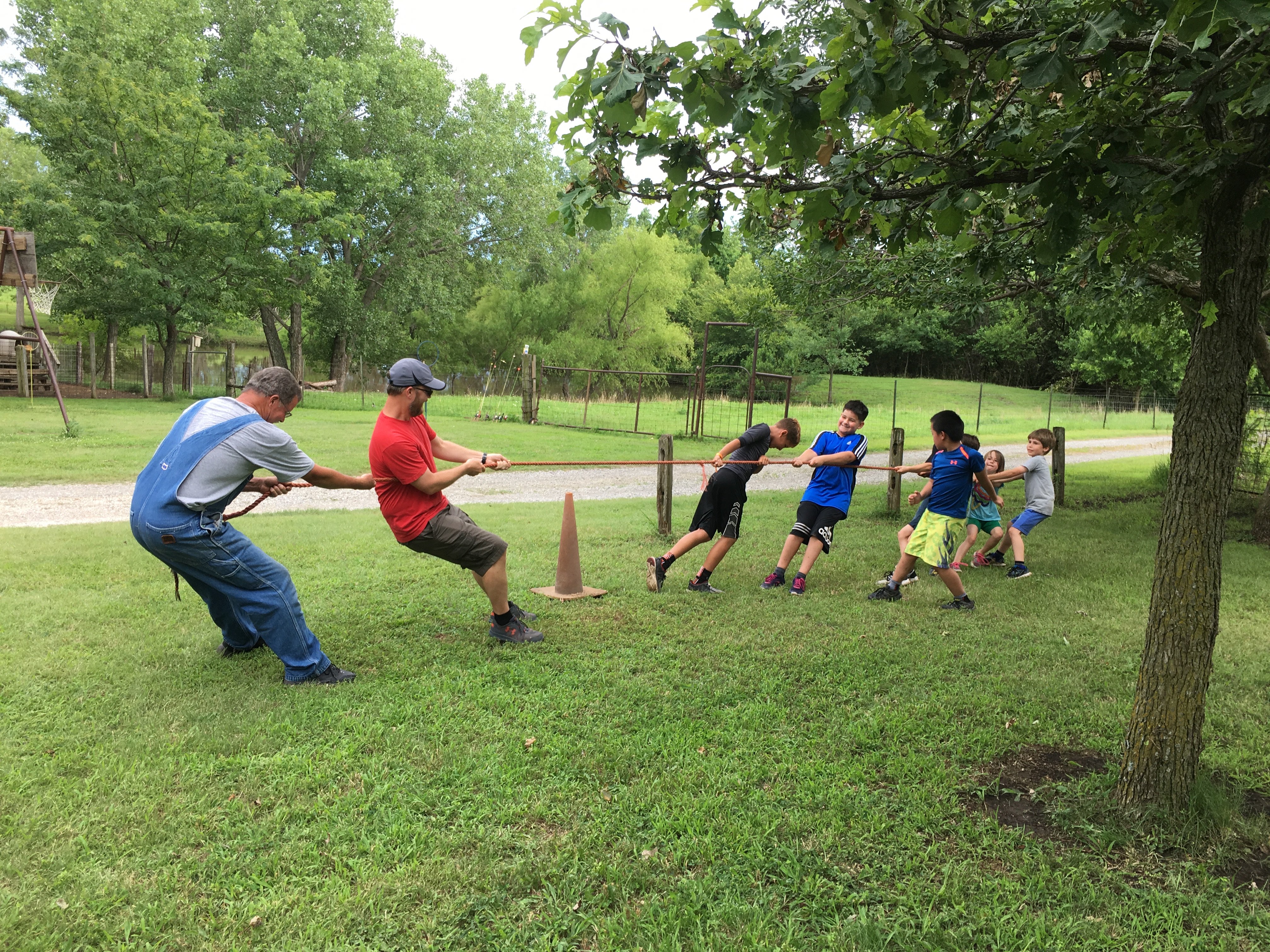
In our lives, tension just happens, and we stretch between opposing forces. Some of those forces relate to daily family interactions,

disagreements between parents about children,  disagreements between children and their parents. I might find myself facing a troubling medical diagnosis, or watching financial reserves dribble away.

I might have opposing opinions about current issues with extended family. I might be asked by our amazing local librarians to prepare a 5 minute presentation about Good Tension. I might face major life changes like starting a new job or moving to another community.

I might find myself dealing with tragic loss and grief, balancing the emptiness of the future with joyous memories.

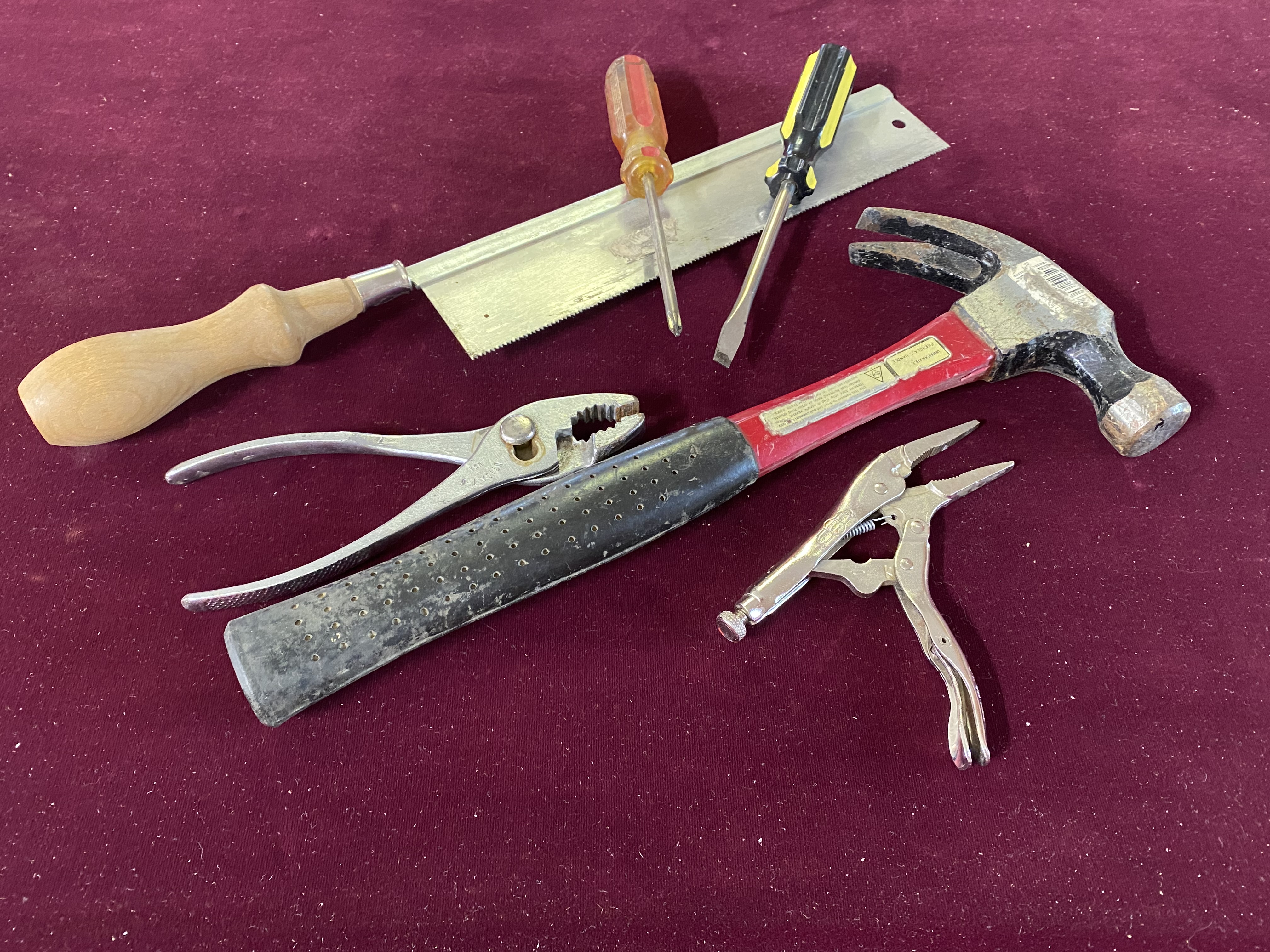
How do I find the optimum balance for tension in life? In the piano tuning world, we have special tools.

But what about tools to balance life tension?

Nothing as concrete as tools I’d find in the kitchen or garden.

What tools are good for tense life situations?

I suggest intrinsic ones, habits, and careful choices.

Perhaps many of us have identified passions in our lives,

answering questions like “Who am I?”

and “Why am I here?” Hopefully most of our passions will leave a better place for those who come after us.

The details can be different for everyone, but we find a cause that we can support.

Maybe two or three.

When it’s time to raise the pitch—to increase tension and produce harmony—I find ways to follow my passions and take a stand on issues of the day,

to engage in life, to volunteer, befriend someone who needs a friend.

I try to recognize those things that I can let go and those I will support in every way I can think of.

But what can I do when the weather changes and I sense a storm coming? How do I keep from breaking under tension? Tools to relieve tension arrive as life gifts, different for everyone.

Some may go for a run or a bike ride.

Others grab a book to escape to an imaginary world, or write in a journal. Some people make music.

I like to take a camera and look for beauty in the world around me. And the world responds.

Some things I have learned:

Life is complicated—there is nothing simple about it.

Acknowledgement of mistakes helps build bridges.

Love is the greatest power.

Laughter heals.

At least half of communication involves listening.

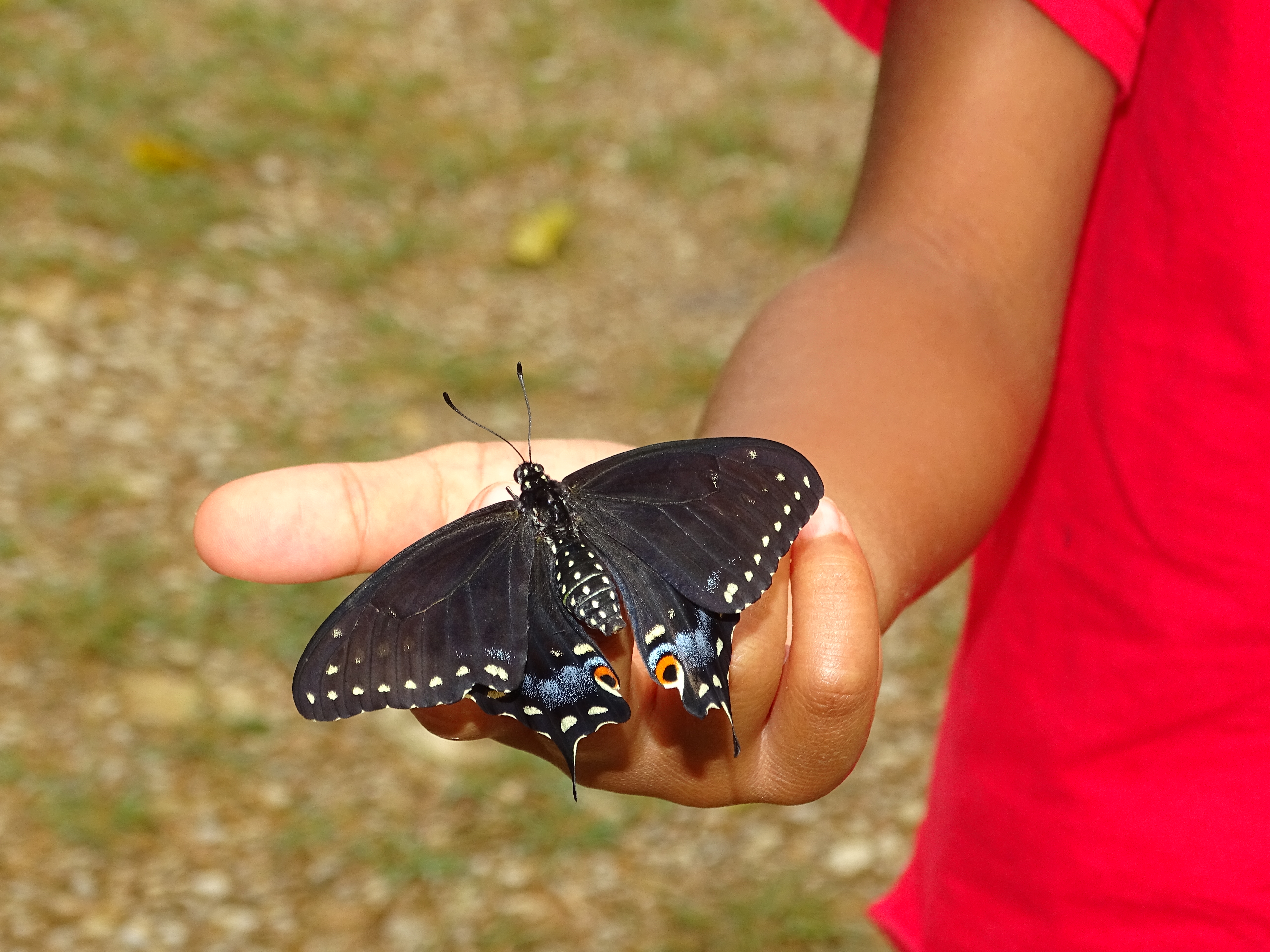
There is beauty and wisdom in tiny things and overlooked places. It’s healing to find wonder in miniature worlds.

I always find what I’m looking for, so I try to look for the positives.

When the future looms dim, I hold fast to my values, and take one small thing at a time.

Bird by bird, scene by scene, note by note, day by day or even minute by minute, I can make choices that support my values.

Like a seed, sprouting under dire conditions, but sprouting anyway. That is the essence of optimism.

Danielle Orner, a young woman who has battled cancer since she was a teenager said, “Life is a balance between what we can control and what we cannot.”

Between effort and surrender—two forces in life that keep us in tune. That is the essence of good tension, insuring that those yet to come can sing.

(P.S. To answer your question: I should add photographer to my list of dedicated endeavors in the above bio. Yes, I took all the photos, except for those in which I appear, and the group of Haitian children.)

Her Passion was Pianos

Perhaps once in a lifetime, a person might just encounter an unforgettable spirit whose influence extends far beyond one human lifespan. This is the story of my chance meeting with such a woman who gave her heart to music and pianos all her life. February being the month for passion, it seems like a good time to share the story of E. Marie Burdette.

Back in my early days of piano service work, I offered my limited skills to local friends, just trying to help out. Joyce was one of those friends. At one piano appointment, she invited me to play with her in an upcoming county-wide piano duet festival. I’d never heard of such an event, but the idea intrigued me. Through the teacher of her teenage step daughters, we signed up. The year was 1992. The piano teacher was E. Marie Burdette. The event itself was one in a long history of monster piano concerts in Cowley County, dating back to the 1930s, all of them organized or influenced by this tiny whirlwind of a musician and piano teacher.

That 1992 festival was held in the gymnasium at Cowley College, with about 25 home model acoustic pianos loaned by local families, churches, and music stores. They arced in  rows around a director’s podium. The whole experience was a blast. For me, it was also a life-changer.

The idea of getting two dozen borrowed pianos together–and tuned!–in time for a weekend rehearsal and concert astounded me. I was hooked. And I wanted to be part of the next one. Sponsored in every leap year by local music clubs as well as the county’s Walnut Valley Music Teachers Association, I decided to support the groups, and to get my own children involved in the next piano duet experience. I joined the WVMTA. Later I located the Wichita PTG chapter and joined it also, in hopes of being part of the prep work on the 1996 monster concert. Sadly, never since 1992 were acoustic instruments involved, and never again on the gym floor. Instead, ten or twelve Clavinovas were provided for stage use in the Brown Center auditorium at Cowley College. A couple times, we added a few of the college’s acoustic pianos, and in 2020, we utilized the stage Steinway D piano, but the challenge of tuning up to 30 pianos did not present itself.

Those monster concerts were the idea of the amazing devotee of keyboard music and pedagogy, Miss E. Marie Burdette. In 1992, she observed her 91st birthday, and though not present at the festival itself, she sent her students in droves. It would be another five years before I actually met her, when she called on me for piano service. With a bit of trepidation, and a bit more awe, I answered her call to the modest brick home her parents built in 1942. I have taken care of her 1966 Mason and Hamlin A ever since.

Emma Marie Burdette, (E. Marie) whose name is nearly synonymous with “piano” in Winfield, was born July 3, 1901 in Cedar Vale, Ks. She was half of a set of twins, born moments after her brother Penrose. Her family moved to Winfield in 1909, where they settled. Her first piano lesson at age 8 was at Winfield’s College of Music, a school on Main Street that exists today only in the historical museum. From that first lesson, she knew she wanted to be a piano teacher. She excelled in the art of performance, and joined the College of Music faculty before graduating from Winfield High School in 1920.

After four years teaching at the College of Music, she spent a year in New York as the assistant to nationally recognized composer and teacher Mrs. Crosby Adams. At the end of her year, she returned to Winfield with continued employment at Southwestern College, where she taught until her retirement in 1970. During the summers of 1927 and 1930, she studied organ with Marcel Dupre and piano with renowned European masters in Paris, France. Her friendship with the Dupre family lasted a lifetime, and she brought them to Winfield for performance and speaking engagements at Southwestern College.

Miss Burdette belonged to all the music organizations in existence during her lifetime–piano, organ, and teaching groups. She served as an officer in most of them. Through her connections, she brought international talent to Kansas and Winfield. Some noted guests were Marcel Dupre, Mrs. Crosby Adams, and the widow of Edward McDowell. There is even a report that she brought Rachmaninoff as a performer to an early regional music conference held at Southwestern College.

But her biggest legacy involves the students she taught. She loved teaching, and she loved her students. There are many Winfield residents who remember her lessons and how much she cared. She never turned down a student, regardless of age. My friend Joyce, that 1992 duet partner, took lessons from Miss Burdette as an adult. “She never treated me like a child, but asked why I wanted to study piano. What were my goals? And then her focus was to help me reach those goals.”

She never pushed a student to do anything they didn’t want to do, but instead offered understanding and gentle encouragement. “You can do it. You have what it takes!”

Encouragement was a hallmark of her teaching method. “Even when her aging eyes fluttered closed, she knew when I made a mistake,” Joyce said. “Her eyes opened, and she offered a gentle reminder—’remember the fingering”, or she helped with the count ‘one-sy, two-sy’, was all she’d say.”

Jim, who started piano lessons with Miss Burdette as a Middle School student during the 1970s, still hears her voice as he plunges today into a Chopin Prelude he’s always wanted to play. “I have a heavy touch and she had this way—when I butchered a note, she touched my shoulder to demonstrate. ‘Not this touch,’ and then with another touch to my shoulder, ‘Like this.’” And he felt the technique in her touch.

Her students were her family, and her life. Single for every one of her 104 years, she worked tirelessly to teach, to pass on her love of music and pianos and organs. Her biggest efforts came about in those monster concerts.

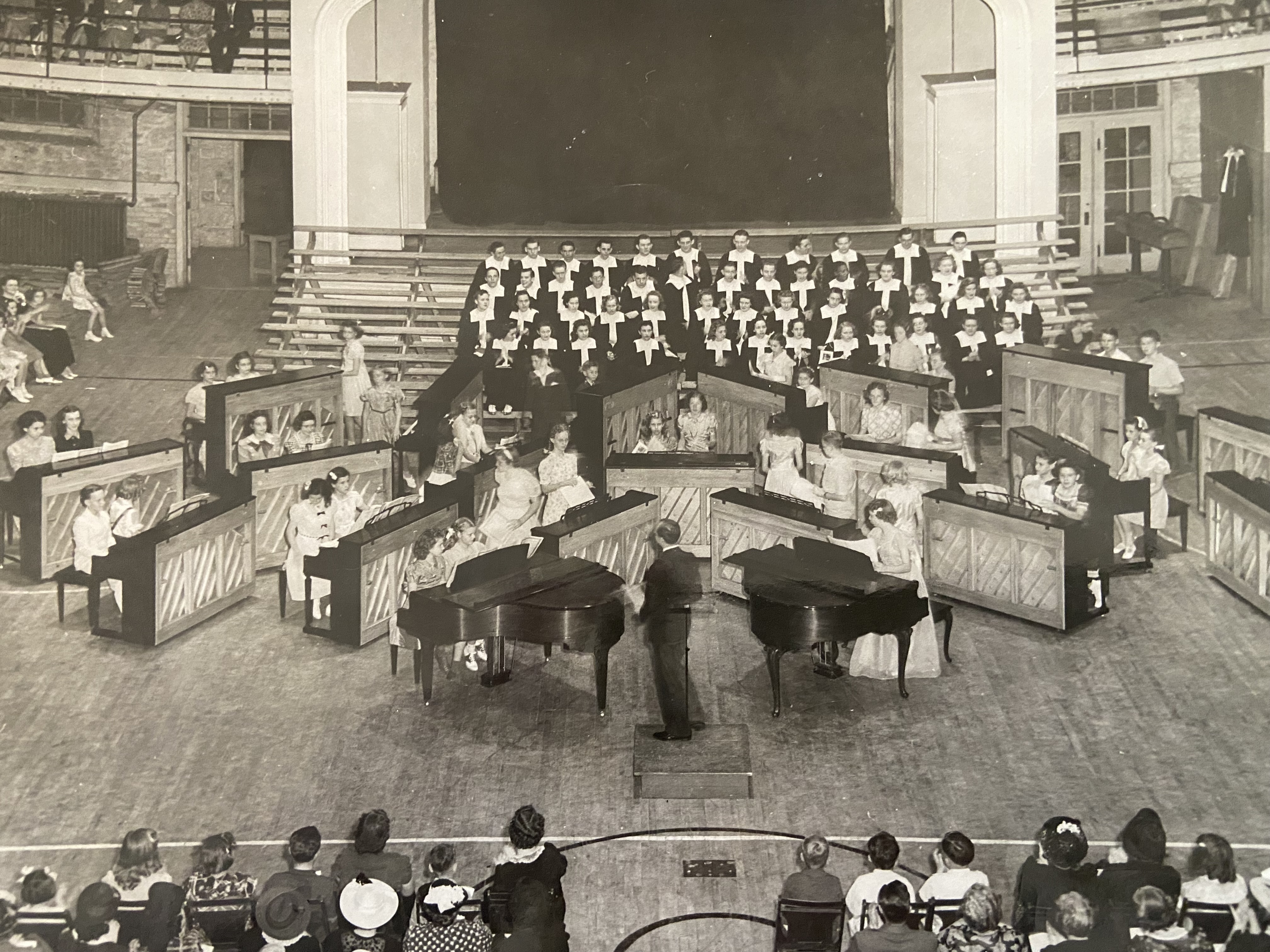
A mass piano concert in Winfield probably in the 1950s

She organized several at Southwestern College in the 1930s, and one in Wichita as well. The 1939 Winfield event featured 340 participants and 42 pianos, including 15 grand pianos. But the 1945 event surpassed them all.

With help from countless community members, Miss Burdette organized a monster concert with 100 pianos on the gymnasium floor at Southwestern College. It caught the attention of William F. McDermott who wrote an article for Recreation about the music life in Winfield, Kansas, leading off with the piano event. The article “Mad About Music” ran in the October 1945 edition of Recreation and was reprinted in a shorter version in the November 1945 Reader’s Digest.

From McDermott’s article: “It soon will be time for another ‘Piano raid’ at Winfield, Kansas. . .Sedate citizens, with sleeves rolled up, will help to ‘hustle’ pianos from homes, churches, and club rooms—but mostly from Cunningham’s, the town’s leading music store—to the huge gymnasium of Southwestern College. There the volunteer movers will set up ‘pianistic battalions,’ ready to renew one of the most unusual music festivals ever held anywhere.

“. . .While the town of 11,000 ran riot with bands, orchestras, and choruses, for years there was nothing to satisfy the ensemble desires of the piano players. A piano teacher, E. Marie Burdette, pioneered the idea of a mass piano festival.

“The piano shifting is on a huge scale. Here and there home-built ‘dollies’ are used to trundle two or three pianos of a neighborhood into one living room for a week or two. There a group of players practice every evening from supper until midnight. Next they assemble at the music store where up to fifteen pianos are used for a week’s rehearsal each by consolidated groups—and finally there’s the grand rush on the gym with 100 pianos.

“For two days and a night at the gym, relays of players, assembling in company formation, rehearse in groups of fifty, polishing off their ensemble performance. A battery of tuners goes over the instruments and puts them in harmony. Now the big night arrives.

“Through an arch come the performers—lawyers, bankers, debs in evening gowns, mothers in their Sunday best, bobby-soxers and college athletes, grocers and insurance men, barbers and preachers. They march with heads high and eyes gleaming. . . At a signal the players seat themselves, two to a piano. The director lifts his baton, and 400 hands begin rolling over the keys.

“The music pours out like a mighty wave, filling the vast room to the rafters. The crescendo passes, and the roar of 100 pianos played in unison diminishes to a note so soft that it seems impossible so many instruments are in action. The crowd holds its breath as the nuances make richer the melody of the piece. Here is more than unity of performance; it is a unity of spirit born out of love for music.”


There was nothing E. Marie wouldn’t do for the love of her students, to share the music. Jim still hears her words of instruction and encouragement, her voice echoing in his mind as he practices. “I think she’d be smiling to know that she’s still teaching,” he said. “That has to be the greatest legacy of any teacher.”

E. Marie Burdette preparing to celebrate her 100th birthday.

A few years ago, Jim chose a Mason/Hamlin grand piano for his own, remembering Miss Burdette’s teaching instrument. Interestingly, her own 1966 model continues to inspire musicians in a generation she never met. In 2000, at age 99, E. Marie Burdette was recognized by the Kansas governor as the oldest working woman in the state. Soon after that, she did retire for good, after teaching four generations how to play the piano. Her Mason/Hamlin was donated to the Winfield public schools and I continued to care for it there. In early 2016, ten years after she died at age 104, a young man who had never had a single lesson, whose parents frowned on his interest in music, fell in love with Miss Burdette’s piano in the Winfield Middle School vocal room. School music staff helped foster Emerson’s interest, gave him lessons, encouraged him along. As a senior at Winfield High School, after only four years of sporadic piano study, he participated in the most recent piano duet festival at Cowley College. That fall he enrolled in the music program there.

When most of the music faculty in the Winfield school system retired following the COVID shut down, Emerson convinced the new music teachers (who were more into electronic instruments) that, rather than let the little mahogany grand piano just sit, unwanted and unused, they should give it to him. And they did. I have twice called at his little house to tune the Burdette Mason/Hamlin. While I’m there, we also talk music, pianos, pedagogy, and technology.

Nearing the end of his course of study in music at Cowley College, Emerson plans to continue piano study at Wichita State University, and possibly learn piano service work as well. Though he never met E. Marie Burdette, her piano changed his life and she would be smiling to know that also.

Through her passion for pianos, her gift to the world continues. This post is dedicated to her love affair with music that extends beyond the grave. May she rest in peace, secure in the knowledge that her music and her teaching will continue to impact lives for many years to come.

Who is Elsie Lenore?

The fourth book I have available at the Christmasland Writers of the Wheat event is a sequel to Sundrop Sonata, the 2020 suspense novel Sonata of Elsie Lenore.  Released just before COVID shut everything down, Elsie had a rough launch, but she’s hanging in there.

The story begins fifteen years after Sundrop concludes. Izzy anticipates the birth of her first grandchild. Daughter Melody has married a Cuban pianist, Stefano Valdez who was stranded in New Orleans (or what was left of it) after a horrific tropical storm battered the area.  Mel’s interest in relief work dates to the time her mother compromised the family’s safety to help an orphan girl.  Her work takes her to disaster sites from coast to coast in a world increasingly plagued by intense storms.

With his career thriving and a baby on the way, life looks good to Stefano Valdez until a postcard from the past shatters his world. Days before the expected birth, he heads south to find the author of the card, a sister he long believed to have perished in the storm that left him a refugee in New Orleans. Trailing her to Cuba, he unwittingly places his Kansas family in the sights of the crime ring that destroyed his sister. Will he discover the hidden message in her hastily-penned words in time to save his family?

Sonata of Elsie Lenore is Stefano’s story, from southern Kansas to Cuba and back again, where he discovers that Mel has left him to work a tsunami disaster site on the west coast.

Chapter One

LENA VALDEZ CRINGED when her husband hammered the Steinway piano lid with his fist.

His rage growing, Enrique’s knuckle bones threatened to burst through his skin. “I told you,” he said, “no more of this Lecuona crap. Do the jazz. Tonight we want the best Cuban jazz.”   The youngest of the three Diaz brothers punctuated every other syllable with his fist until the piano’s heavy bass strings vibrated with a rising cacophony.

She shrank from every blow.

“Understand?” he yelled.

, Enrique,” she said.

“Get to the jazz. I’m counting on you tonight. ¿Comprendes?

She looked down, her fingers rubbing the familiar ivory ridges of the piano keys.

“¿Lena?” he said.

She felt rather than saw his arm rise and spoke with haste. “Please, Enrique. Don’t hit the piano.”

“Jazz then. Hear me?”

She nodded. Yes, she heard him. How could she not? She could hardly recall a time he spoke to her without yelling. “, I will play jazz.”

“One hour. Then we dress for the show. No more Lecuona.”

She flexed her fingers, took a deep breath, and leaned into the keys. A recent island melody by Jorge Marin swelled from the piano. Swinging with the beat, Enrique danced out the door of the Caribbean Breeze, a nightclub in New Orleans.

Her hands flew over the keys as she coaxed melodious rhythms from the worn Steinway. It wasn’t that she hated jazz. After all, jazz expressed Cuba’s heart and soul. It sang of the courage and beauty of her countrymen. She loved jazz, but she loved classics more and she needed Lecuona right now. Their mother raised her and her brother on Lecuona, embracing classical Cuban tradition.

Lena completed the Marin number and stifled a sob.

“You okay Señorita?” Roberto, the bartender and manager of the nightclub, peeked in from a back room.

She nodded. “I will be fine.”

“I heard some yelling,” he said  and  cocked his  head,  inviting her to say more.

She forced a laugh.  “Enrique. He’s always yelling,” she explained away the outburst. “It will be fine.”

“If you’re sure.” He turned back into the storage room.

She waited a moment,  gathering her nerve,  her fingers silent on the piano keys. In a timid voice, she said, “Roberto?”

When  he  didn’t respond,  she  tried again,  louder.  “Roberto?”

He stuck his head through the swinging door again. “You say something?”

“I just wondered if you would tell me where I could mail a postal card.” She fished a postcard from her handbag.

“Sending greetings from good old New Orleans?” he said with a smile.

Sí. I want to contact my brother.”

“Stefano? How is he anyway? I heard he’d tied the knot with a beauty from up north somewhere.”

She nodded. “I just want to let him know I am here. Where could I mail the card?”

He extended his hand. “Leave it with me. I’ll make sure it goes out tomorrow.”

Gracias, Roberto.”

The bartender disappeared into the back room with her card.  Lena took a deep  breath before she  continued  her  rehearsal. If only Stefano would meet her here. Would he even get the postcard in time? He didn’t know she was booked at the Caribbean Breeze, their old favorite nightclub. Maybe he wouldn’t even believe she was here, set to perform on Mama’s piano, “Elsie Lenore.” He sure didn’t know she’d married into a family of drug smugglers or that she was miserable.

He didn’t know.

She launched into another Marin number. At its close, she whispered into the keys, “Elsie—Elsie, what will I do?”

Unexpectedly, her mother’s voice whispered in her mind. “We do what we must.”

In a flash of recollection she visualized the lewd sneer of her former stepfather as he appraised her youthful body and her mother stepping between them— “Not my daughter, you bastard!” Her mother had split up with that man before the next week passed.

A year later a new gentle suitor presented her mother with the same Steinway she’d lost after the Revolution. A gift from her father when she was young, she had fondly dubbed the piano Elsie Lenore. It was offered as a wedding gift for the woman  he’d loved all his life  and Lena’s mother could not refuse his proposal. Lena and Stefano had grown to love that piano as much as their mother did.

Her mother’s voice whispered again. We do what we must.

“Yes, we do.”  Lena’s  hands  teased  the  keys as she pondered her limited options. Elsie Lenore and her brother Stefano offered one thin thread of hope. Surely he would understand. He had to.

Her fingers caressed the keys and cajoled an Afro-Cuban piece from the belly of the piano. The melody grew, and then waned. She dropped her left hand and allowed her right hand to sketch a rhythmic melody up the keys as she diverted her left hand to the piano case.

Following the melodic sequence, she ran her fingertips to the treble end of the mahogany trim at her waist and pried upward. With a full-keyboard glissando, she moved to the bass end and inched up the trim until the keyslip was free of its mounting screws. She placed it across the music desk without the slightest click.

The music soared again when her left hand joined in. She strummed repeated staccato chords, lifted her hands at the finale, and froze, listening.

Silencio.

Roberto must have gone out for a few moments. Nobody remained inside the club.

She retrieved a set of dining utensils and a paper napkin from the nearest table and spread the napkin beneath the bass keys. Slipping the knife tip underneath a key, she scraped against the key frame, teasing a fine white dust to the edge. She repeated the process under four keys, and scraped the powder onto the napkin. Tossing the knife to the floor, she lifted the napkin’s corners, cradled the powder into its middle, and with a sigh folded it into a tiny envelope. Her brother would have been proud to know she’d learned some intricacies of piano construction. She, for her part, was grateful for his fascination with the technical side of the instrument.

Gracias, Stefano,” she whispered.

She tucked the parcel securely into her cleavage, replaced the trim, and lost herself in the music.


To find out what happens next, drop by the Christmasland Event with Writers of the Wheat December 3, 4:00 pm until 9:00, at the Sunflower Plaza, 417 East Gilbert in Wichita. There will be something for every reader’s taste.

Writers of the Wheat is a loosely organized group of Kansas authors who support each other in writing, as well as marketing, their work.


How About a Little Suspense?

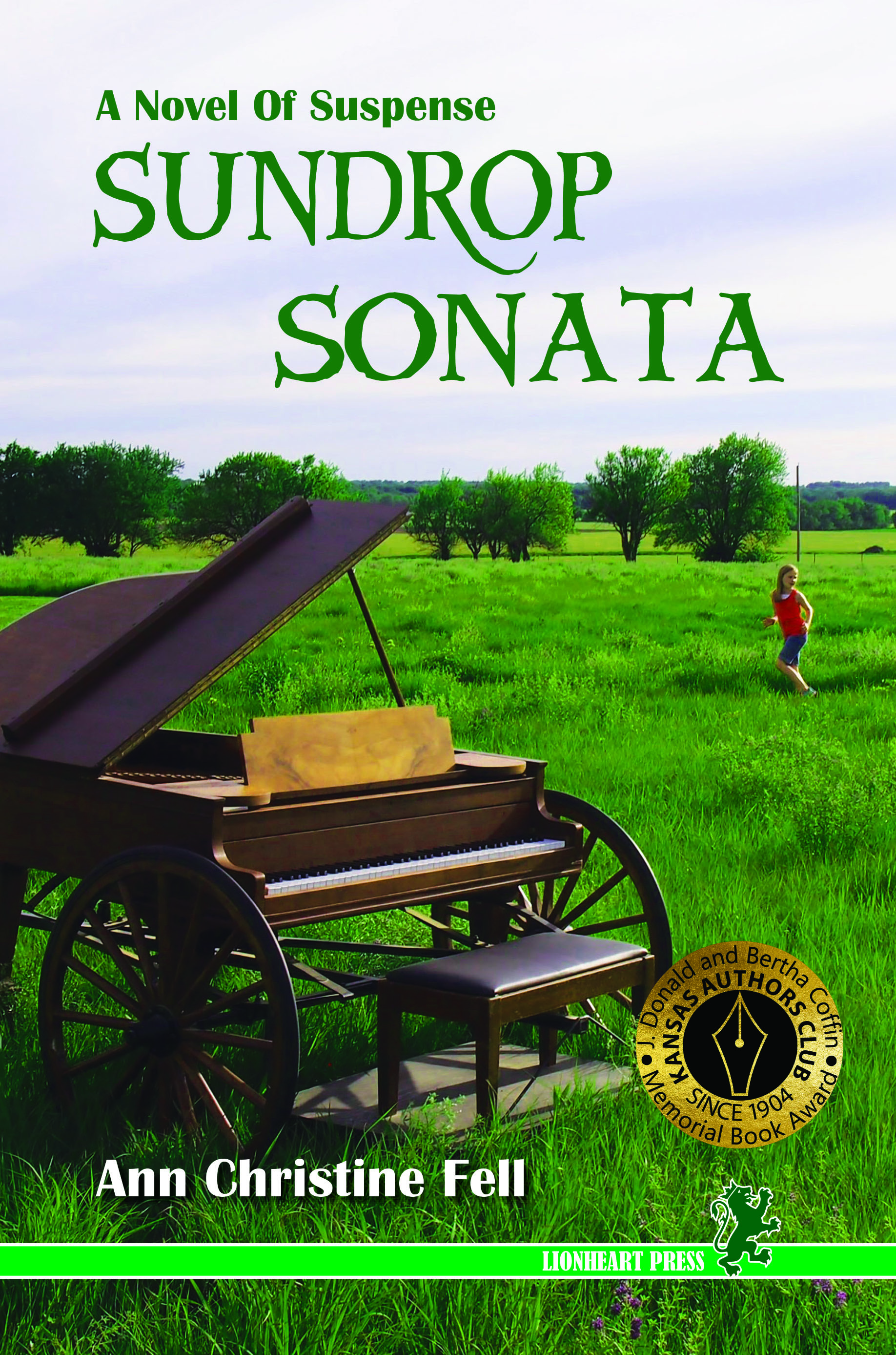
After completion of the memoir in 2014, I plunged into crafting a tale of fiction. Using personal expertise in the field of music, piano teaching, and piano tuning, a story based on abandonment and revenge wrote itself in my head. Today’s featured book is my first suspense novel, Sundrop Sonata, published in 2016. It was a lot of fun to write, and has gathered several awards and great reviews, which launched my plan to write a few more piano suspense tales, the Sonata series.

What is this Sonata about? With her passion for helping people, piano tuner Isabel Woods loves her job–but passion can be a dangerous thing. Reluctantly agreeing to harbor a client’s autistic daughter, Izzy’s good intentions unexpectedly expose her own family to a fiend with a chilling agenda. Human trafficking and bio-terrorism are no longer just buzz words from the nightly news. For Izzy, they have become terrifying and real. As the deadly Sundrop Sonata begins to play, Izzy has one chance to save the people and the country she loves armed with nothing more than courage, intelligence, and her esoteric knowledge of pianos.

Sundrop Sonata will be available at the Christmasland Event with Writers of the Wheat December 3, 4:00 pm until 9:00, at the Sunflower Plaza in Wichita. Writers of the Wheat is a loosely organized group of Kansas authors who support each other in writing, as well as marketing, their work. Join us at the Sunflower Plaza, 417 East Gilbert in Wichita,  December 3. There will be something for every reader’s taste.

Chapter One

IZZY

A chill shot down my spine the instant our eyes met. Nola Pack looked ten years older than she had a week ago when we met in town. She stood in her open doorway, clenching its frame. Her red eyes sought mine as a breeze teased her disheveled hair. The ranch wife I remembered from previous meetings would never have appeared with even one stray hair on her immaculate swept-up bun.

I smiled and greeted her, but her grave face stole the sunshine from the bright spring morning. I no longer heard songbirds sing in the nearby flowering orchard as I searched for clues to her distress.

Nola didn’t return my smile, nor did she speak. Her bloodshot eyes narrowed as she studied my face. She stepped aside, still clutching the ranch house door with a grip that raised veins on the back of her hand. I stepped into the picturesque entryway, put my tool case down, and stooped to remove my shoes.

“No. It’s fine. Come in,” she said.

“You don’t want me to remove my shoes?”

“Not today, Mrs. Woods. Come in.”

“If you’re sure,” I said, wiping my shoes on the entry mat before I stepped onto her white carpet. “And please call me Izzy.”

Awash with sunshine, the music room issued a warm invitation. A sofa and two chairs faced the walnut grand piano across the room, its lid open on full stick. A violin leaned against a matching walnut music stand that filled the piano’s graceful curve.

“What an improvement over the old upright,” I said. “When did it arrive?”

“About ten days ago.”

“Anything I need to know before I begin? Problems? Concerns?”

Her brow narrowed. Still unsmiling, she shook her head and looked over my shoulder to the window beyond the piano. I set my tool case against the wall and tucked a stray curl into the hair clip on the back of my head. “I’ll get started then,” I said over my shoulder.

“Wait, please,” Nola said. “I need your help.” She closed her eyes. Her voice almost a whisper, I strained to understand her words.

“You don’t want me to tune your piano?” I asked.

“No. Not now.”

“A few minutes then? Or did you mean not today?”

“Not today.” Her voice carried unmistakable urgency. “Please. Come with me.” She turned and walked into the hallway beyond the living room.

Another chill raced through my body. I stood rooted to the white carpet. Nola turned and looked at me from the other end of the hall. With a frantic wave she beckoned me to follow.

I walked from the music room, past four closed doors. Two doors displayed a child’s colorful paintings. I knew there were children in the house, or at least a child. During an earlier call a girl had peeked at me for a moment before Nola scolded her. I had never been invited beyond the music room though, until today.

The hallway opened into a glassed-in dining room aflame with spring sunshine. Nola led me outside to a redwood deck extending over a pond, water slapping the rocks beneath us. In the far corner of the deck, a slender girl slumped on a lounge, her arms wrapped around her chest. She stared at the blue water, humming in a split voice that sounded as if she sang in two pitches at once.

I tilted my head toward Nola and narrowed my eyes.

Nola met my puzzled gaze. “She’s talking to herself. She does it when she’s under stress.” Her voice was devoid of any emotion, fear still in the undercurrents.

Nola brushed aside a tree branch bursting with fragrant blossoms and knelt at the girl’s knees. In a soft voice she said, “Laura, this is Isabel Woods, the lady I told you about. She’s our piano tuner.”

The girl didn’t move. If anything, she hugged herself a little tighter.

“Look at me, sweetheart,” Nola said.

The girl turned to her mother, but her gaze shot beyond Nola toward me. Her eyes didn’t appear to focus. I offered a tiny smile, but Laura didn’t respond.

LAURA

Laura Pack squeezed herself, as if tightening her grip on her own shoulders could wring the stench from her mind. All morning the awful smell had overwhelmed her. The pungent odor of putrid diapers drove her mad. Baby poop. Hour after hour, the reek of excrement filled her mind. She couldn’t sleep. She even tasted the stuff. She swallowed, desperate to stop the bile rising in her throat.

Why this happened, she didn’t know. Every time she faced her fears, every time her world went wrong, this same awful odor permeated her nostrils and filled her brain. Mama didn’t believe her. She would shake her head and say she made it all up, that there was no rotten smell because Mama couldn’t smell it.

But after that awful phone call, Laura sure could.

And it grew stronger and stronger until it filled her mind. Mama had decided to send her away. So she’d be safe, Mama said. She didn’t think it would make her safe. She didn’t think she’d ever be safe without Mama.

Laura heard her mother call her name. It sounded so far away. She turned her head, dazed. The awful smell – why wouldn’t it stop?

I can’t see you, Mama. I can’t see you. Don’t look at me. I don’t want to see you. Can’t see you. Can’t see you. Can’t see. Why do I have to go? Why? Why? Why? Don’t want to go. Won’t go. I won’t. I won’t see you, Mama. Don’t look at me. No. No. Baby poop. No.

No – wait. Look at me. I want to see you. Look at me. I see you. I see you, Mama. I’m scared. I’m so scared. It smells so bad. I hear you. I hear your voice. You say I’ll be safe. I’ll be safer. Why? Why? Why? You come too. Be safe. Be safe, Mama. Be safer. Look at me. I can see you. I see you. I don’t want to go. Don’t want to.

Laura’s gaze focused on the piano tuner. The strange woman’s frizzy gray curls struggled to escape from the loose clasp on her head. Laura found no comfort in this stranger. Not even when the woman smiled.

I don’t know that lady. Who is she? I’m scared. Scared, Mama. I see you. I see you, Mama. I see her. She’s looking at me. She’s smiling. I see her. Okay. If you want me to go, I’ll go. I see her. She smiles. She’s kind. She’s kind of – not you!

Don’t want to go. Don’t want to, Mama. Don’t want to. Don’t want to. Don’t want to leave you. Baby poop, Mama. It’s baby poop. You come too. Be safe. Safer, Mama. Come too. Come with me. I see you, mama. I see you – I see you – I see you. I love you, Mama.

Nola clasped her daughter’s hands in her own. She pulled the girl to a stand and pressed Laura’s hands together over her heart. Their eyes met.

IZZY

After a few silent seconds, Nola nodded once. She turned to me.

In a shaking voice she said, “I don’t know how to ask you this. We need your help. Could you – please – would you take Laura for a while? We’re desperate.”

Oh, my God. I don’t believe this. I coughed, choking on my response.

Laura pulled away from her mother.

“She could be in danger and I need time to sort things out,” Nola said.

I glanced from mother to daughter. The girl’s shoulders shook as she sobbed, her head buried in her hands.

What was I to do? I couldn’t take a strange child with me, drive out the driveway, head toward – head where? My appointments filled the day’s schedule. This would never work. What in the world was happening here?

But, I’d never been one to turn down a plea for help. What could I do?

“Please.” Nola’s whisper screamed in my ears.

I shook my head. “I need to think.”

“We don’t have time.”

“Are there no family members? Grandparents? Aunts or uncles?” I asked.

“My family lives in New York. They’re too far away. I need help now.”

“What about neighbors or friends?”

“I don’t know anyone around here. Except you. ”

That I could believe. The Pack family was a mystery to their neighbors. Hints and stray comments dropped when I tuned pianos a couple miles up the road confirmed nobody knew these people. They had no local friends. Just the piano tuner.

Incredible.

“Ranch hands?” I said. “You must have hired help.”

“I don’t trust them.”

“Is that why you think Laura’s in danger?”

“Please. There isn’t time to explain.”

I scratched my head through the mess of curls. Frizzy Izzy. I was living up to my childhood nickname, the hair an outward manifestation of my inner turmoil. “Have you called the sheriff?” I said.

“No. I can’t call the police.”

“Maybe you should.”

“Please. I can’t involve them.”

“This is crazy,” I said. “I can tell you’re desperate. But you haven’t told me why. You want me to pack up your daughter, the girl you’ve never even introduced to me on prior visits – load her up and take her away. But why? ”

“It’s an emergency. I need Laura to leave for a while.”

“I kind of want to leave too. In fact, you’re making me want to race from here as fast as I can go. But I don’t know why.”

“Just take Laura with you. Please.”

She had me. Could Nola read people enough to guess I’d find it impossible to refuse? My passion to help others usually served me well. I was, after all, in a service profession, traveling all over the countryside to tune pianos for people. Service with a smile, was the homily I always told myself. Make harmony from discord. And I loved the work. I loved the people. I found pianos fascinating, each one a variation on an ingenious theme.

This, however, was a first. This was different. Not a discordant piano today. This time, I was being pulled into a desperate situation.

Nola, should I tune your life?

A knot of anxiety hardened in my stomach. I didn’t know how to refuse. “For how long? How long is a while?” I asked.

“Might be only an hour or two. Perhaps a couple of days. I’ll call you when the crisis is over. Don’t call me.”

Chills raced through my body. “Why not? What if something happens?” I said. “What if I need to get in touch?”

“I’ll contact you as soon as I can. Just don’t call me.”

I closed my eyes and took a deep breath. Take the girl. No police. Don’t call Nola.

Laura wilted into the deck lounge and wailed.

In a soft voice, Nola said, “Izzy, believe me, if there was any other way, we would never put you in this position. The situation blew up on me this morning. You’re the miracle we need right now.”

“Please tell me why you’re so afraid,” I said.

She shook her head. “There’s no time. You need to go now.”

I touched the girl’s trembling shoulder with my fingertips. “Laura, are you okay with this? Will you come with me until your mother calls?”

Still sobbing, Laura ventured a tiny nod and turned to her mother. They grabbed each other in a desperate embrace.

Nola gently pushed the girl away. Taking her hand, she said, “Let’s go.”

She pulled Laura through the open doorway and gathered a few bags from the dining table. We dashed down the hall and into the music room, the bags in Nola’s arms brushing Laura’s artwork as she ran. I collected my tool case and hurried out to the waiting Blazer.

After I tossed my tools on the back seat, Nola handed me a briefcase. “Don’t lose this,” she said. “These things can’t be replaced.”

What does she mean? Another wrinkle.

I scrutinized her for a moment before I set the briefcase behind the driver’s seat.

Nola deposited Laura’s bags on the back seat and tucked her daughter into the passenger seat. She leaned inside and kissed the child.

“God be with you, Laura. I’ll see you soon.” A tear dropped into the girl’s stringy blond tresses.

Nola wiped another tear from her cheek and glanced at me. “Now quickly – go!”

I turned the Blazer onto the long gravel drive and spun the wheels as we left.

Accelerando, Isabel. Step on it.

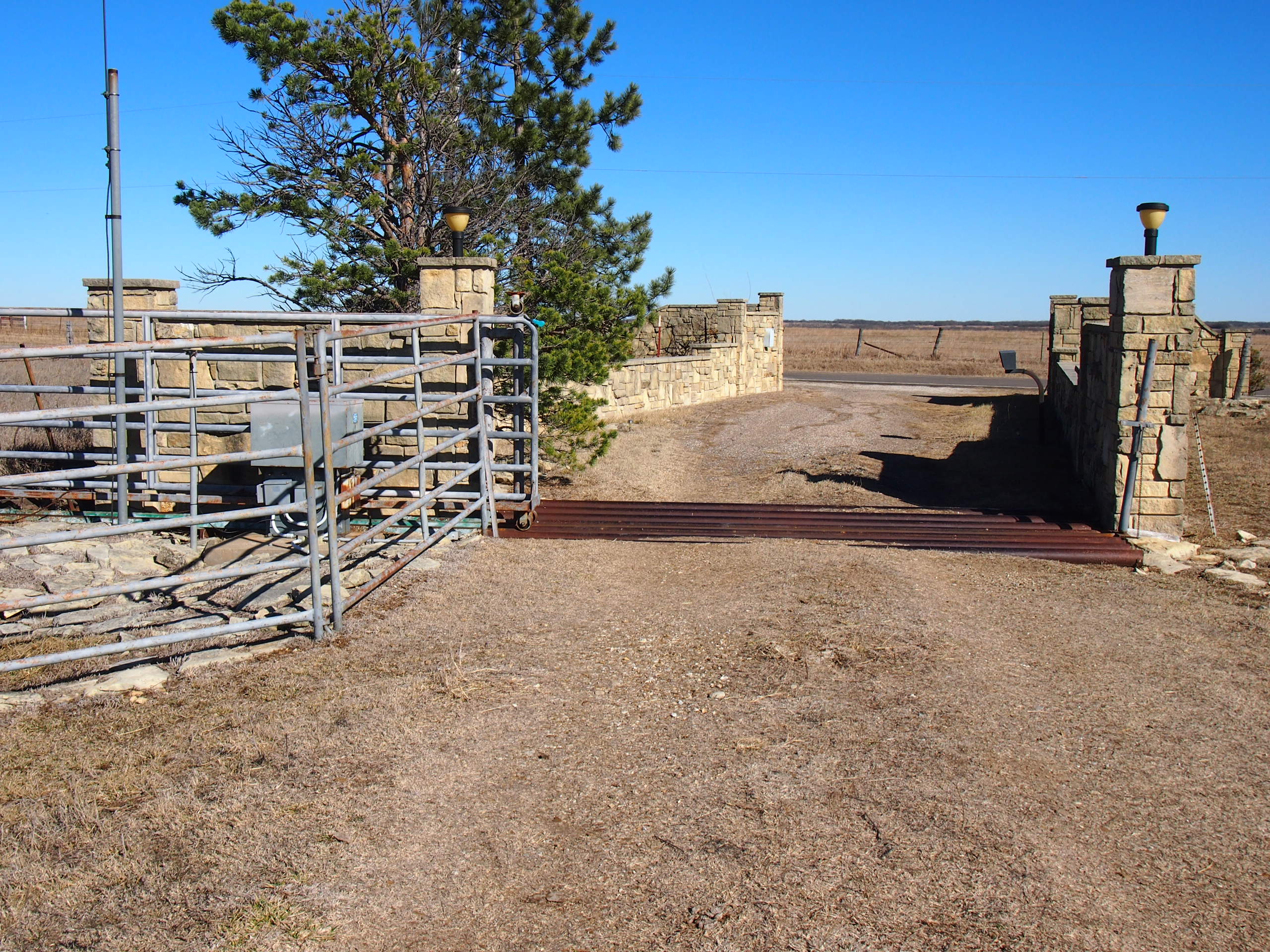
We jiggled across the pasture lane. Laura shrank against the opposite door and wailed. Her thin voice vacillated with bumps in the road. At the end of the long driveway, we rumbled across the cattle guard and through stone pillars. The remotely controlled gate surged to life as soon as we cleared it.

“Your mom must be listening,” I said.

Laura’s strange two-tone whine rose a notch in volume.

I braked enough to navigate the turn onto the deserted county road. Heading south, I floored the accelerator. Less than two miles later, we met a two-ton flatbed pickup. It raced toward us, engine roaring.

“That guy’s in a hurry,” I said.

Laura gasped. Mouth open, eyes wide, she clung to the door, her gaze riveted on the truck. She ducked, hiding her eyes behind her long hair.

“Laura?”
The truck aimed straight for us. I swung the steering wheel right and braked hard. The farm truck thundered by as my Blazer crept along the shoulder. “Dang, take your half out of the middle,” I said.

Laura dissolved into hysterical sobs.

I pushed our speed again. We sailed along the road, sunlight streaming through the windshield. The bright morning mocked the grim mood inside our cab. Tears streamed across Laura’s cheeks. She reached up with her right arm and wiped her face with her sweatshirt sleeve. I reached over and squeezed her rigid hand.

“That was a close one, wasn’t it? You recognized the truck. Did you know the driver?”

Laura nodded. Her chest heaved. She worked her jaw, as if trying to speak, but her words didn’t form through her wail. She screwed up her face, knotted her hands into fists and managed to blurt in her strange split-tone voice, “My dad.”

“Your dad?”

She nodded and shrieked heart-wrenching sobs.

Her dad?

Was he the source of Nola’s panic this morning? Were her urgency and desperation because her angry husband headed home? Why would Laura’s life be endangered at her father’s hands?

I wished I could have stolen a look at the truck driver. I’d never met Laura’s dad. In all the previous service calls, not once had he been home. Did he look into my car? Did he recognize Laura? The thought horrified me.

“Honey, do you think your dad saw you as we passed?”

She shook her head. She must have watched his face, even if I didn’t get a peek.

“Is your dad the reason your mom sent you with me?”

A hesitation. Then a quick nod. This was a family dispute.

Nola’s words echoed in my mind. Her life is in danger. I shuddered.

In danger from her dad. Something she failed to mention.

No police, Nola had begged. Why not?

“It’ll be all right, Laura,” I said to reassure her.

Would it though? I was unconvinced.


To find out what happens next, drop by the

Christmasland Writers of the Wheat event!

December 3, 2021, 4:00 – 9:00 pm.

Sunflower Plaza, 417 East Gilbert in Wichita.

Two Hundred and Fifty Years

Today is Wednesday, December 16, 2020. Happy 250th birth anniversary to Ludwig van Beethoven, one of the world’s musical geniuses. I have tried to share some amazing works of this creative master with my piano students through the year. Thanks to the generosity of Carl Martin, some of us attended the symphony in February featuring a guest pianist performing Beethoven’s piano concertos. Each of the students has explored some of Beethoven’s work this fall. We took turns watching a family video called Beethoven Lives Upstairs.

What could have been an occasion for a great musical party is somewhat dampened due to the COVID virus situation that keeps everyone distant. But, Happy Birthday anyway, to a revered composer.

I try to imagine the world when he was born in 1770. That was just a few years before American revolutionaries declared independence from England. As a child in Germany, he could hardly have been aware of the struggle across the sea. But I have no doubt there existed notable unrest in the colonies the year Beethoven was born. In just six short years a new nation would begin, conceived in liberty and dedicated to the idea that we are all equal. It was a grand experiment—government of the people, by the people, and for the people.
Nearly 250 years later, on this day of celebrating the birth of Beethoven, I have to wonder if our country will actually make it another 6 years. The tumultuous last few years leave us as divided as we were when Abraham Lincoln’s priority was to preserve the union. Divisions are less neat this time around, with every city, county, and state in a struggle to retain a representative government for all its varied people.

We have witnessed the erosion of our constitutional principles, mainstream disregard for the voting rights of all citizens, militant objections to election results, and a seditious attempt by many elected officials to overturn the results of our recent election—to deny the voice of the people in the voting process.

While it’s gratifying to know that the electoral college fulfilled its role in confirming the election of the Biden/Harris team, there’s no denying that our new administration will face obstacles no previous incoming team has faced. Ever. In the last 244 years.

Lord, help them.

Not only is this nation deeply divided, we also face dire situations never before seen in the history of humans on Earth. We have desperate climate refugees fleeing homelands that have become unlivable, while at the same time the world’s wealthiest businessmen call for accelerating the depletion of Earth’s available resources in a blatant attempt to exploit nature’s blessings to benefit those wealthy few. We have unjust policies in regards to resource distribution, and disrespect for the limitations of the planet.

The human population on Earth approaches 8 billion people. If every single person were to consume goods and resources at the level seen in North America, we would exhaust five whole planets. Clearly this cannot continue. We only have one planet. The struggle for basic necessities is reaching extreme levels, and this doesn’t take into account other living beings that call Earth home. In the year 2020, we witness continued selfishness and ignorance in the refusal to recognize a planet-wide crisis identified by trained scientists around the world.

There is every bit as much unrest in 2020 as there was in the colonies in 1770. Maybe even more. And I wonder: What kind of celebration, if any, will we face in 6 years? Is our country, a nation founded on democratic principles of government by the people, even going to exist in 2026?

Unless we stop the militias, stop the abuse of our chosen government officials and public servants, stop exploiting the planet’s natural systems, and begin to show a willingness to listen to others and respect their needs, it seems unlikely that we will survive.

Sundrop Sonata: First Chapter

IZZY

A chill shot down my spine the instant our eyes met. Nola Pack looked ten years older than she had a week ago when we met in town. She stood in her open doorway, clenching its frame. Her red eyes sought mine as a breeze teased her disheveled hair. The ranch wife I remembered from previous meetings would never have appeared with even one stray hair on her immaculate swept-up bun.

I smiled and greeted her, but her grave face stole the sunshine from the bright spring morning. I no longer heard songbirds sing in the nearby flowering orchard as I searched for clues to her distress.

Nola didn’t return my smile, nor did she speak. Her bloodshot eyes narrowed as she studied my face. She stepped aside, still clutching the ranch house door with a grip that raised veins on the back of her hand. I stepped into the picturesque entryway, put my tool case down, and stooped to remove my shoes.

“No. It’s fine. Come in,” she said.

“You don’t want me to remove my shoes?”

“Not today, Mrs. Woods. Come in.”

“If you’re sure,” I said, wiping my shoes on the entry mat before I stepped onto her white carpet. “And please call me Izzy.”

Awash with sunshine, the music room issued a warm invitation. A sofa and two chairs faced the walnut grand piano across the room, its lid open on full stick. A violin leaned against a matching walnut music stand that filled the piano’s graceful curve.

“What an improvement over the old upright,” I said. “When did it arrive?”

“About ten days ago.”

“Anything I need to know before I begin? Problems? Concerns?”

Her brow narrowed. Still unsmiling, she shook her head and looked over my shoulder to the window beyond the piano. I set my tool case against the wall and tucked a stray curl into the hair clip on the back of my head. “I’ll get started then,” I said over my shoulder.

“Wait, please,” Nola said. “I need your help.” She closed her eyes. Her voice almost a whisper, I strained to understand her words.

“You don’t want me to tune your piano?” I asked.

“No. Not now.”

“A few minutes then? Or did you mean not today?”

“Not today.” Her voice carried unmistakable urgency. “Please. Come with me.” She turned and walked into the hallway beyond the living room.

Another chill raced through my body. I stood rooted to the white carpet. Nola turned and looked at me from the other end of the hall. With a frantic wave she beckoned me to follow.

I walked from the music room, past four closed doors. Two doors displayed a child’s colorful paintings. I knew there were children in the house, or at least a child. During an earlier call a girl had peeked at me for a moment before Nola scolded her. I had never been invited beyond the music room though, until today.

The hallway opened into a glassed-in dining room aflame with spring sunshine. Nola led me outside to a redwood deck extending over a pond, water slapping the rocks beneath us. In the far corner of the deck, a slender girl slumped on a lounge, her arms wrapped around her chest. She stared at the blue water, humming in a split voice that sounded as if she sang in two pitches at once.

I tilted my head toward Nola and narrowed my eyes.

Nola met my puzzled gaze. “She’s talking to herself. She does it when she’s under stress.” Her voice was devoid of any emotion, fear still in the undercurrents.

Nola brushed aside a tree branch bursting with fragrant blossoms and knelt at the girl’s knees. In a soft voice she said, “Laura, this is Isabel Woods, the lady I told you about. She’s our piano tuner.”

The girl didn’t move. If anything, she hugged herself a little tighter.

“Look at me, sweetheart,” Nola said.

The girl turned to her mother, but her gaze shot beyond Nola toward me. Her eyes didn’t appear to focus. I offered a tiny smile, but Laura didn’t respond.

LAURA

Laura Pack squeezed herself, as if tightening her grip on her own shoulders could wring the stench from her mind. All morning the awful smell had overwhelmed her. The pungent odor of putrid diapers drove her mad. Baby poop. Hour after hour, the reek of excrement filled her mind. She couldn’t sleep. She even tasted the stuff. She swallowed, desperate to stop the bile rising in her throat.

Why this happened, she didn’t know. Every time she faced her fears, every time her world went wrong, this same awful odor permeated her nostrils and filled her brain. Mama didn’t believe her. She would shake her head and say she made it all up, that there was no rotten smell because Mama couldn’t smell it.

But after that awful phone call, Laura sure could.

And it grew stronger and stronger until it filled her mind. Mama had decided to send her away. So she’d be safe, Mama said. She didn’t think it would make her safe. She didn’t think she’d ever be safe without Mama.

Laura heard her mother call her name. It sounded so far away. She turned her head, dazed. The awful smell – why wouldn’t it stop?

I can’t see you, Mama. I can’t see you. Don’t look at me. I don’t want to see you. Can’t see you. Can’t see you. Can’t see. Why do I have to go? Why? Why? Why? Don’t want to go. Won’t go. I won’t. I won’t see you, Mama. Don’t look at me. No. No. Baby poop. No.

No – wait. Look at me. I want to see you. Look at me. I see you. I see you, Mama. I’m scared. I’m so scared. It smells so bad. I hear you. I hear your voice. You say I’ll be safe. I’ll be safer. Why? Why? Why? You come too. Be safe. Be safe, Mama. Be safer. Look at me. I can see you. I see you. I don’t want to go. Don’t want to.

Laura’s gaze focused on the piano tuner. The strange woman’s frizzy gray curls struggled to escape from the loose clasp on her head. Laura found no comfort in this stranger. Not even when the woman smiled.

I don’t know that lady. Who is she? I’m scared. Scared, Mama. I see you. I see you, Mama. I see her. She’s looking at me. She’s smiling. I see her. Okay. If you want me to go, I’ll go. I see her. She smiles. She’s kind. She’s kind of – not you!

Don’t want to go. Don’t want to, Mama. Don’t want to. Don’t want to. Don’t want to leave you. Baby poop, Mama. It’s baby poop. You come too. Be safe. Safer, Mama. Come too. Come with me. I see you, mama. I see you – I see you – I see you. I love you, Mama.

Nola clasped her daughter’s hands in her own. She pulled the girl to a stand and pressed Laura’s hands together over her heart. Their eyes met.

 IZZY

After a few silent seconds, Nola nodded once. She turned to me.

In a shaking voice she said, “I don’t know how to ask you this. We need your help. Could you – please – would you take Laura for a while? We’re desperate.”

Oh, my God. I don’t believe this. I coughed, choking on my response.

Laura pulled away from her mother.

“She could be in danger and I need time to sort things out,” Nola said.

I glanced from mother to daughter. The girl’s shoulders shook as she sobbed, her head buried in her hands.

What was I to do? I couldn’t take a strange child with me, drive out the driveway, head toward – head where? My appointments filled the day’s schedule. This would never work. What in the world was happening here?

But, I’d never been one to turn down a plea for help. What could I do?

“Please.” Nola’s whisper screamed in my ears.

I shook my head. “I need to think.”

“We don’t have time.”

“Are there no family members? Grandparents? Aunts or uncles?” I asked.

“My family lives in New York. They’re too far away. I need help now.”

“What about neighbors or friends?”

“I don’t know anyone around here. Except you. ”

That I could believe. The Pack family was a mystery to their neighbors. Hints and stray comments dropped when I tuned pianos a couple miles up the road confirmed nobody knew these people. They had no local friends. Just the piano tuner.

Incredible.

“Ranch hands?” I said. “You must have hired help.”

“I don’t trust them.”

“Is that why you think Laura’s in danger?”

“Please. There isn’t time to explain.”

I scratched my head through the mess of curls. Frizzy Izzy. I was living up to my childhood nickname, the hair an outward manifestation of my inner turmoil. “Have you called the sheriff?” I said.

“No. I can’t call the police.”

“Maybe you should.”

“Please. I can’t involve them.”

“This is crazy,” I said. “I can tell you’re desperate. But you haven’t told me why. You want me to pack up your daughter, the girl you’ve never even introduced to me on prior visits – load her up and take her away. But why? ”

“It’s an emergency. I need Laura to leave for a while.”

“I kind of want to leave too. In fact, you’re making me want to race from here as fast as I can go. But I don’t know why.”

“Just take Laura with you. Please.”

She had me. Could Nola read people enough to guess I’d find it impossible to refuse? My passion to help others usually served me well. I was, after all, in a service profession, traveling all over the countryside to tune pianos for people. Service with a smile, was the homily I always told myself. Make harmony from discord. And I loved the work. I loved the people. I found pianos fascinating, each one a variation on an ingenious theme.

This, however, was a first. This was different. Not a discordant piano today. This time, I was being pulled into a desperate situation.

Nola, should I tune your life?

A knot of anxiety hardened in my stomach. I didn’t know how to refuse. “For how long? How long is a while?” I asked.

“Might be only an hour or two. Perhaps a couple of days. I’ll call you when the crisis is over. Don’t call me.”

Chills raced through my body. “Why not? What if something happens?” I said. “What if I need to get in touch?”

“I’ll contact you as soon as I can. Just don’t call me.”

I closed my eyes and took a deep breath. Take the girl. No police. Don’t call Nola.

Laura wilted into the deck lounge and wailed.

In a soft voice, Nola said, “Izzy, believe me, if there was any other way, we would never put you in this position. The situation blew up on me this morning. You’re the miracle we need right now.”

“Please tell me why you’re so afraid,” I said.

She shook her head. “There’s no time. You need to go now.”

I touched the girl’s trembling shoulder with my fingertips. “Laura, are you okay with this? Will you come with me until your mother calls?”

Still sobbing, Laura ventured a tiny nod and turned to her mother. They grabbed each other in a desperate embrace.

Nola gently pushed the girl away. Taking her hand, she said, “Let’s go.”

She pulled Laura through the open doorway and gathered a few bags from the dining table. We dashed down the hall and into the music room, the bags in Nola’s arms brushing Laura’s artwork as she ran. I collected my tool case and hurried out to the waiting Blazer.

After I tossed my tools on the back seat, Nola handed me a briefcase. “Don’t lose this,” she said. “These things can’t be replaced.”

What does she mean? Another wrinkle.

I scrutinized her for a moment before I set the briefcase behind the driver’s seat.

Nola deposited Laura’s bags on the back seat and tucked her daughter into the passenger seat. She leaned inside and kissed the child.

“God be with you, Laura. I’ll see you soon.” A tear dropped into the girl’s stringy blond tresses.

Nola wiped another tear from her cheek and glanced at me. “Now quickly – go!”

I turned the Blazer onto the long gravel drive and spun the wheels as we left.

Accelerando, Isabel. Step on it.

We jiggled across the pasture lane. Laura shrank against the opposite door and wailed. Her thin voice vacillated with bumps in the road. At the end of the long driveway, we rumbled across the cattle guard and through stone pillars. The remotely controlled gate surged to life as soon as we cleared it.

“Your mom must be listening,” I said.

Laura’s strange two-tone whine rose a notch in volume.

I braked enough to navigate the turn onto the deserted county road. Heading south, I floored the accelerator. Less than two miles later, we met a two-ton flatbed pickup. It raced toward us, engine roaring.

“That guy’s in a hurry,” I said.

Laura gasped. Mouth open, eyes wide, she clung to the door, her gaze riveted on the truck. She ducked, hiding her eyes behind her long hair.

“Laura?”
The truck aimed straight for us. I swung the steering wheel right and braked hard. The farm truck thundered by as my Blazer crept along the shoulder. “Dang, take your half out of the middle,” I said.

Laura dissolved into hysterical sobs.

I pushed our speed again. We sailed along the road, sunlight streaming through the windshield. The bright morning mocked the grim mood inside our cab. Tears streamed across Laura’s cheeks. She reached up with her right arm and wiped her face with her sweatshirt sleeve. I reached over and squeezed her rigid hand.

“That was a close one, wasn’t it? You recognized the truck. Did you know the driver?”

Laura nodded. Her chest heaved. She worked her jaw, as if trying to speak, but her words didn’t form through her wail. She screwed up her face, knotted her hands into fists and managed to blurt in her strange split-tone voice, “My dad.”

“Your dad?”

She nodded and shrieked heart-wrenching sobs.

Her dad?

Was he the source of Nola’s panic this morning? Were her urgency and desperation because her angry husband headed home? Why would Laura’s life be endangered at her father’s hands?

I wished I could have stolen a look at the truck driver. I’d never met Laura’s dad. In all the previous service calls, not once had he been home. Did he look into my car? Did he recognize Laura? The thought horrified me.

“Honey, do you think your dad saw you as we passed?”

She shook her head. She must have watched his face, even if I didn’t get a peek.

“Is your dad the reason your mom sent you with me?”

A hesitation. Then a quick nod. This was a family dispute.

Nola’s words echoed in my mind. Her life is in danger. I shuddered.

In danger from her dad. Something she failed to mention.

No police, Nola had begged. Why not?

“It’ll be all right, Laura,” I said to reassure her.

Would it though? I was unconvinced.

Why is the girl afraid of her dad? How long will Izzy have to look after Laura’s well-being? To find out, order your copy of Sundrop Sonata at these suppliers, or come to Art in the Park October 3 in Winfield.

https://www.watermarkbooks.com/book/9781530303830

https://bracebooks.indielite.org/book/9781530303830

Only in a Leap Year

Well, here we are. Through yet another quirk produced by Leap Day, we are six months to the day past the invigorating launch of Sonata of Elsie Lenore on February 9, 2020.

Today is another Sunday afternoon on the prairie. Only in Leap Years would you find this to be so. Six months to the day, same day of the week.

I know. Who would think of something like that?

I do. It’s a quirky attribute of my mind, looking consciously (or subconsciously) for patterns. Now this doesn’t happen to all months, due to differing lengths of various months. But February to August?

Check.

Dates match days of the week up until August 29. Only in a Leap Year.

And only in this particular Leap Year did the intervening months dissolve into obscurity. The pace of our ratrace life slowed and we sheltered at home, away from all but our most intimate contacts. It’s almost like we collectively took a long nap.

It’s time to wake up.

We’re still mired in the consternation of a deadly pandemic. The sun rises and the sun sets. We get aggravated at each other. The ills of our culture are scrutinized under a microscope. We’ve re-evaluated priorities, taken stock of where we’ve been and where we want to be. And we have little clue how to get there.

Take a deep breath.

After watching a time-leap movie last evening, I started wondering, “What if?” What if I could wrinkle up the last six-months in the space-time continuum (thank you, Madeleine L’Engle) and return to February 9?


What a day that was! Busy from dawn to dark with “The Last County-Wide Duet Festival,” hosting guest artists, several writer friends, Elsie’s illustrator,

Cover artist, Onalee Nicklin

concert attendees—and then performing.

At the close of the concert, Sonata of Elsie Lenore was available for the first time and I signed copies for forty minutes straight.

That was an exciting launch. But then, after catching my breath, and recuperating from the madness, before I could even consider my next project, COVID hit.

And we slammed into a wall. The world stopped spinning. And we’ve been in limbo since.

Now jump that wrinkle to today. We’re in no better place with COVID than before, and there’s no end in sight. Yet given the auspicious parallels between February 9 and August 9, I decided to revitalize Elsie with a promotion. Perhaps some of you could use a diversion to get your mind off other things. If that’s the case, I invite you to consider taking a break to read Sonata of Elsie Lenore or even Sundrop Sonata if you have yet to do that.

Toward that end, I have taken some difficult steps for someone with my distress for public scrutiny. Just so you know, I set up a brand new author page on Goodreads, (https://www.goodreads.com/author/show/8596325.Ann_Christine_Fell),  revised my Amazon author page, (https://www.amazon.com/author/annchristinefell) and started a Facebook page (Ann Christine Fell, author) devoted to posts about books and the writing process.

I invite you to check each of these. If you find it to your liking, follow one or more of these pages. Those of you who are so inclined can post a review, especially if you think somebody else might enjoy reading the tales.

May each of you stay healthy and evade the notorious virus. I’ll see you when we emerge from this cloud of uncertainty and face our new and improved futures.