Craig, Carter, and Compassion

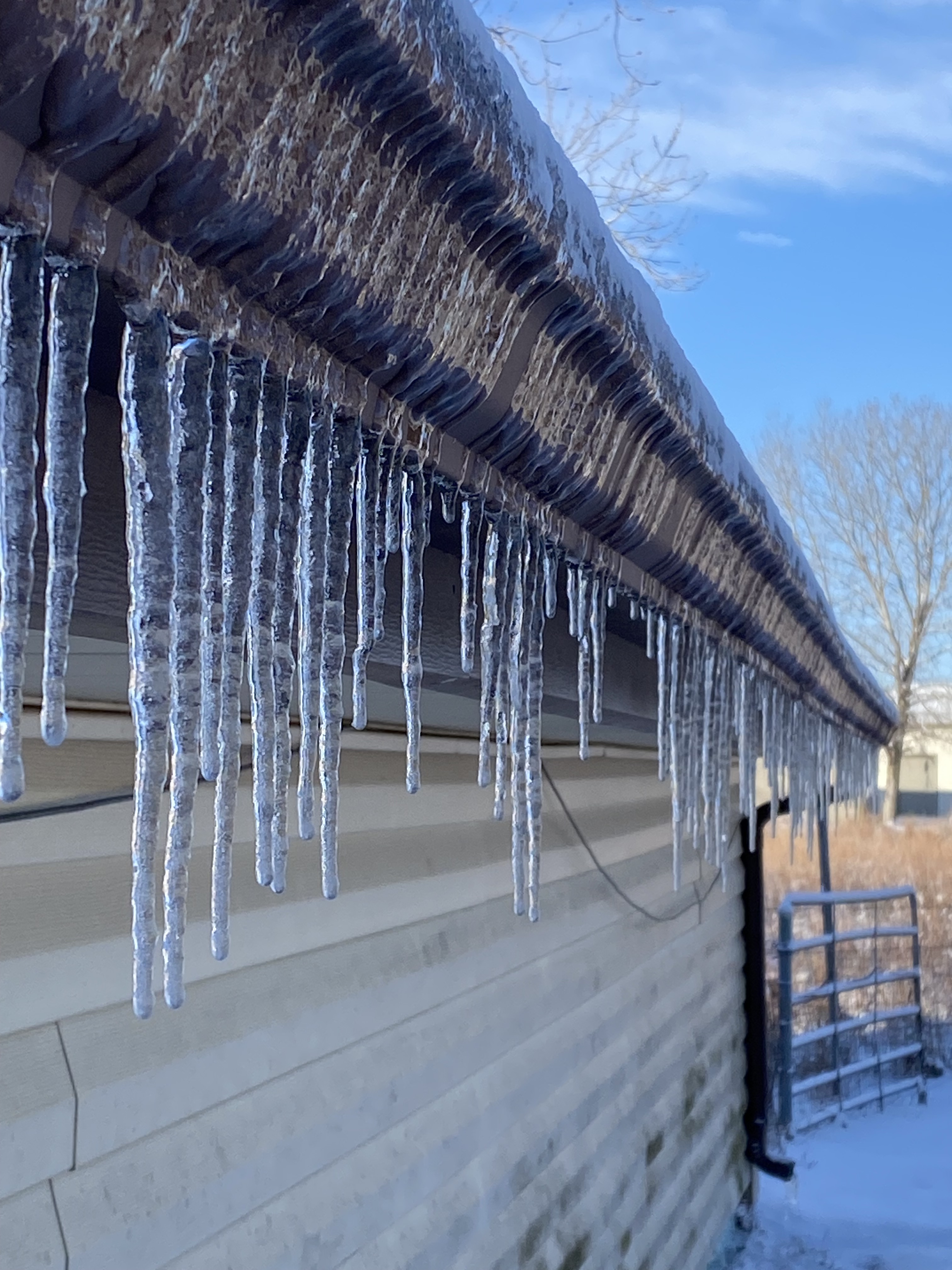
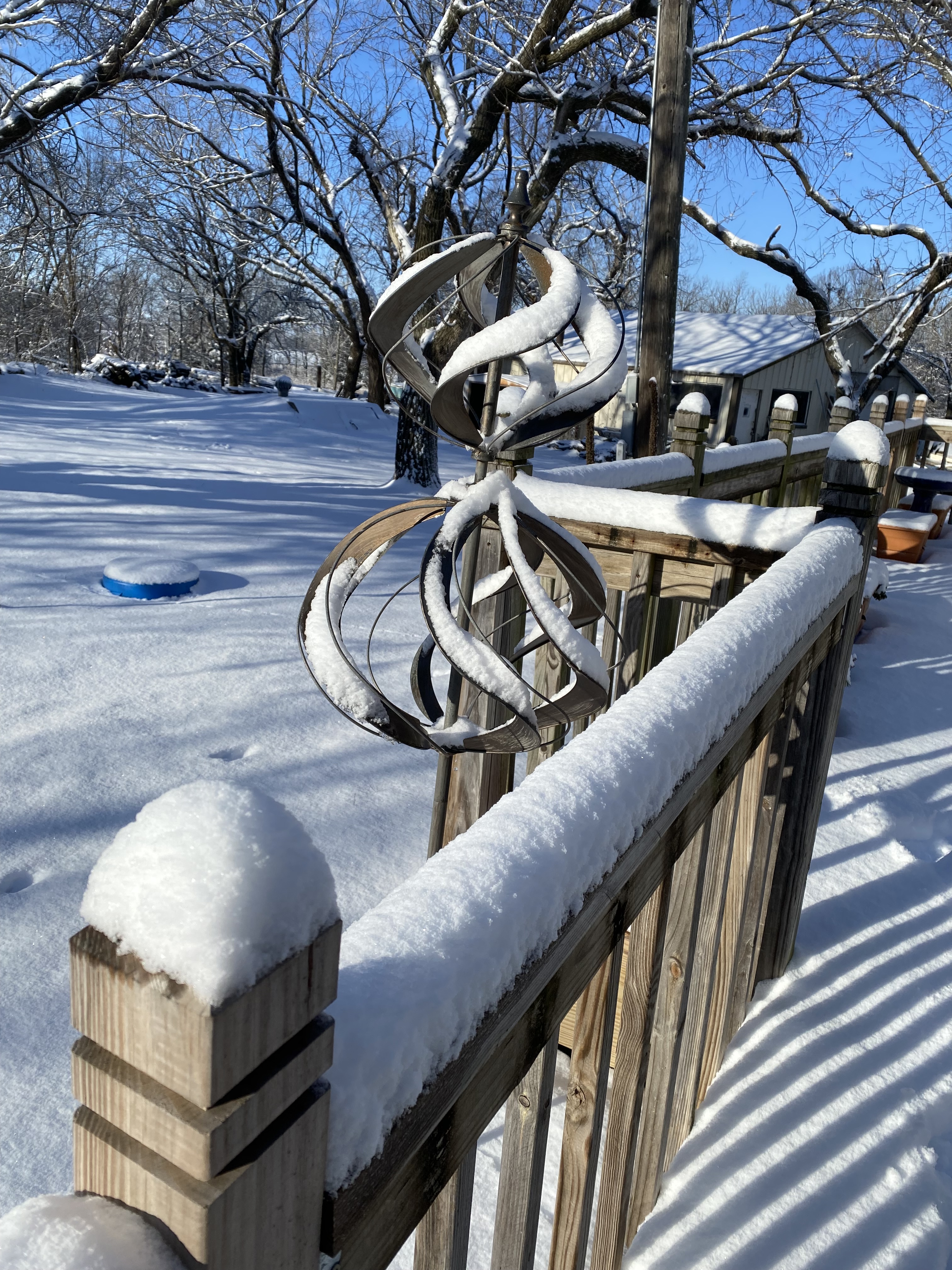
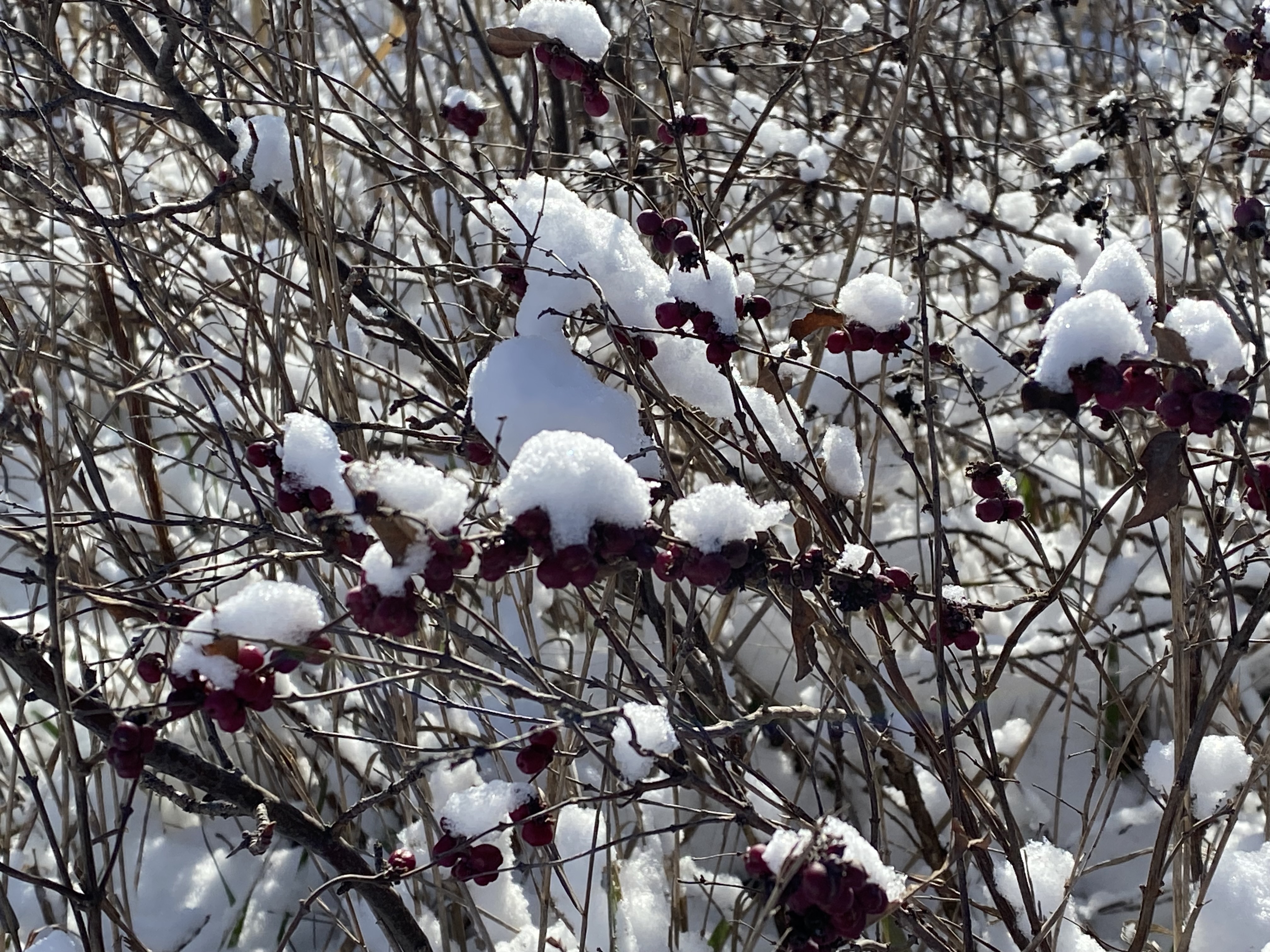
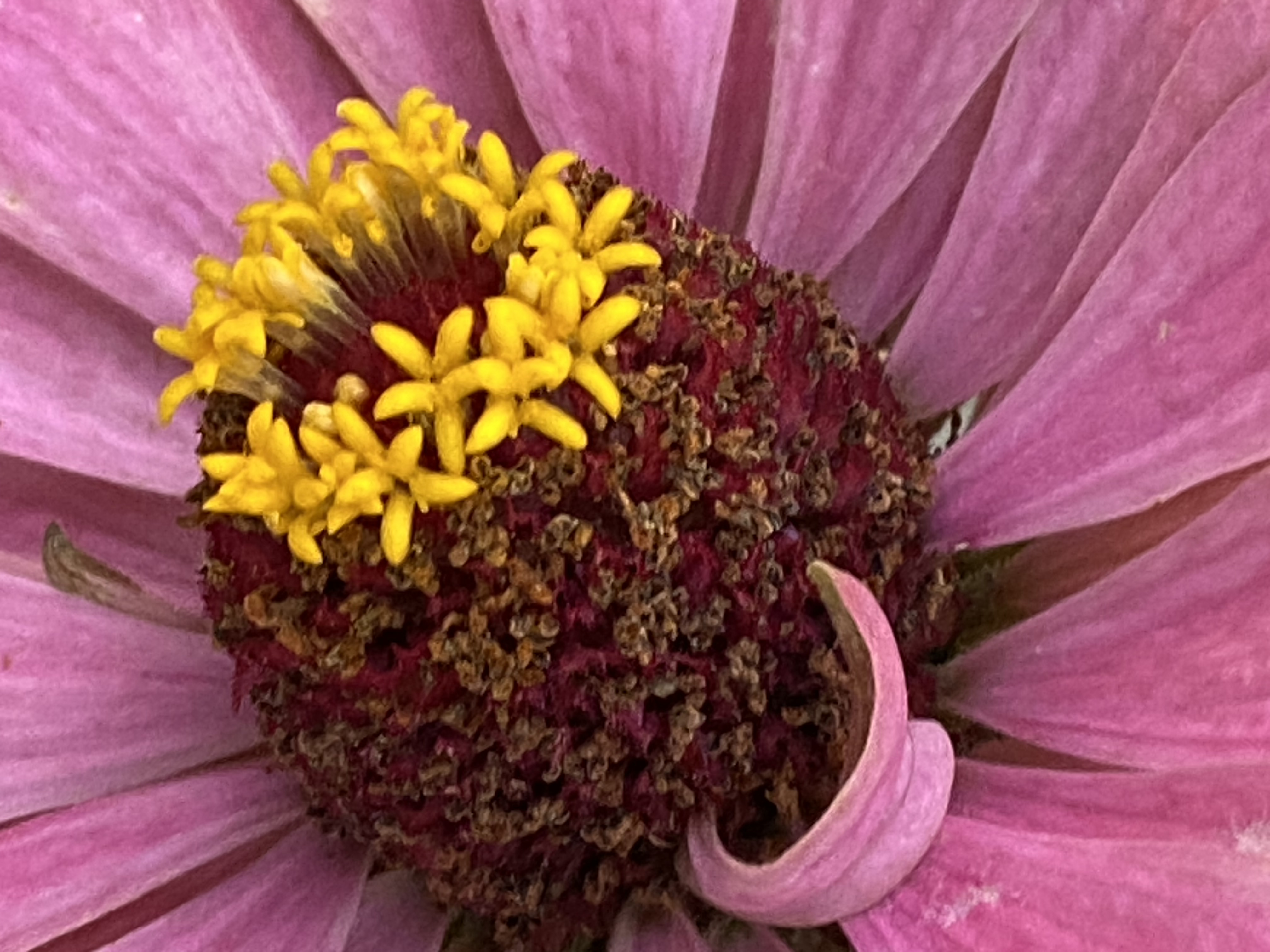
Seventy-three years ago today, at 10:10 in the morning, a baby boy arrived in this world who would become a significant part of my life. Two decades later, I met Craig Winter in college at FHSU. We enjoyed traipsing around public parks and nature reserves in Kansas with our cameras, taking pictures of the wonders of nature. This morning I celebrated his life with a walk in the winter wonderland, taking a few pictures of the snow that fell overnight.

Craig and I were married in 1977, during Jimmy Carter’s presidency. Having taken a class in the biology department at FHSU together–a class called “Can Man Survive?” that examined all the environmental issues of the day, including the greenhouse effect and global warming as climate change was called then–we were united in our commitment to support the natural world and reduce humanity’s harmful effects that were due to our unmitigated greed. Jimmy Carter was our guy. They say he was ahead of his time. I don’t think so. The probability of a global consequence to our short-sighted ravaging of our planet was known more than 100 years ago. Society knew all the benefits of alternative energy in the 60s and 70s. But harnessing free energy from the sun didn’t make any corporations much money. Craig and I were supporters of Carter’s conservation methods–turn down the winter thermostat, 55 mph speed limit, his installation of solar panels on the White House. And we dreamed of becoming reliant on our own private energy production, even then.

Carter acted with the well-being of his neighbors in mind, a true Christian quality. He wasn’t ahead of his time. The “resistance” at that time was just way behind. Look where that got us as they gained and assumed power.

Craig became a cancer statistic 9 days after his 33rd birthday in 1985, and I became a widow. (Quite the stigma for someone not yet 30 years old.) But I haven’t forgotten our joint priorities, nor our admiration for President Jimmy Carter.

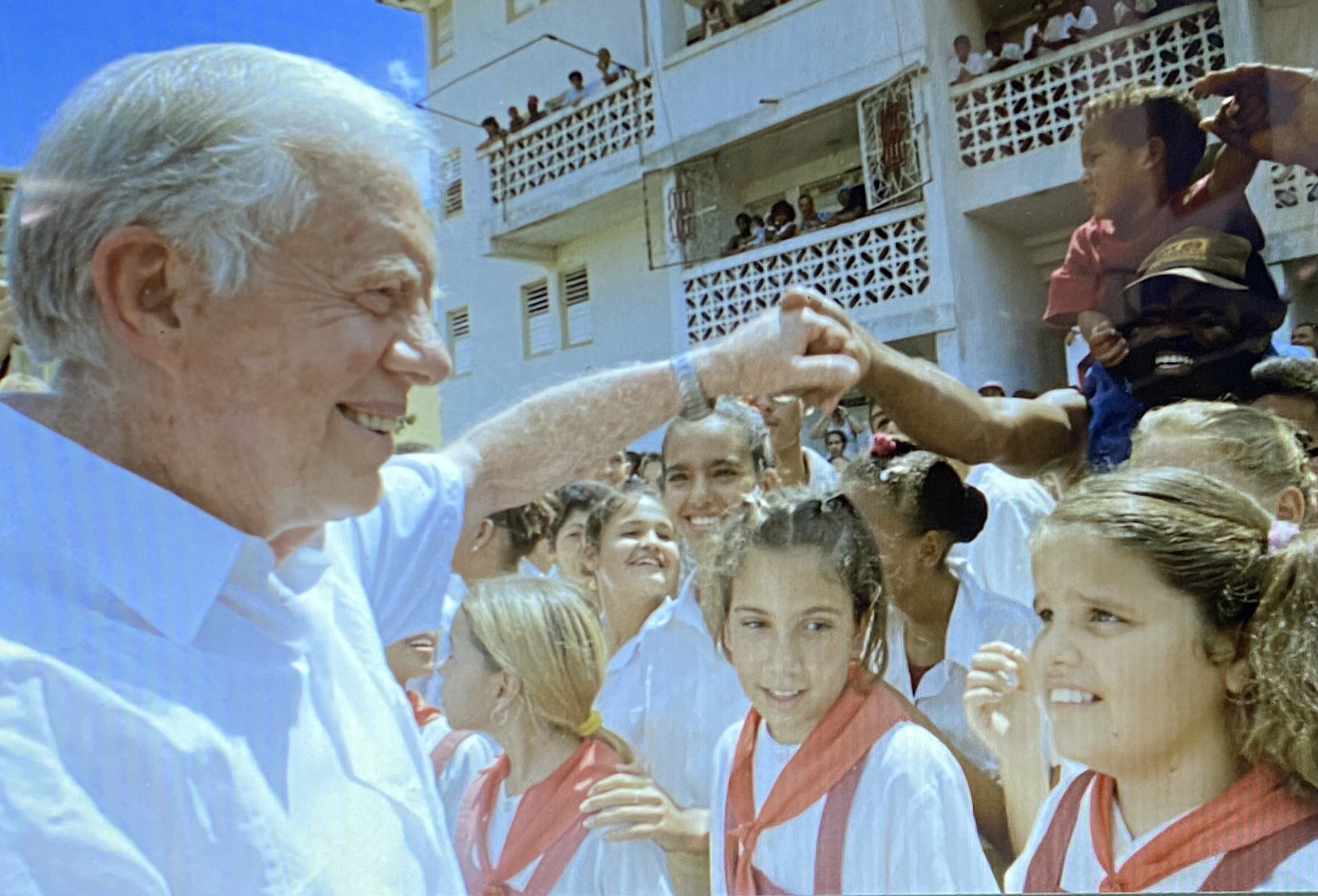
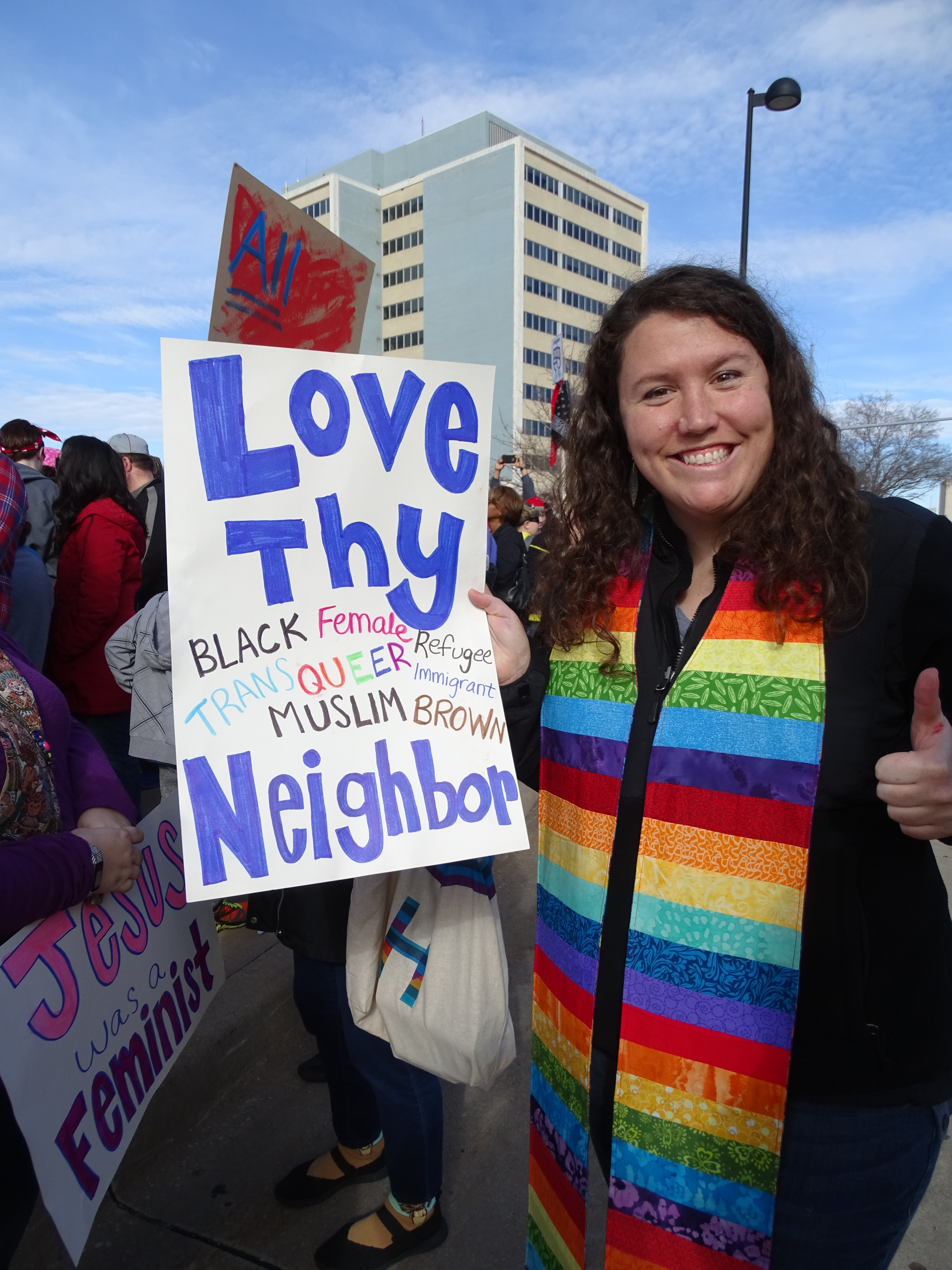
Photo courtesy of The Carter Center.             Cuba 2002–The Carter Center’s delegation to Cuba, being the first time since the 1959 Revolution that a sitting or former president visited Cuba.

After his time in office ended, President Carter showed that you don’t have to be the elected leader of the country to make a huge difference, and today, a day after President Jimmy Carter’s funeral in Washington, DC, I renew my commitment to make a difference for those in my circle, for the inhabitants of Earth’s future, and for all the non-human neighbors that are as dependent on this planet as we are dependent on their well-being. Those of us with the future of our planet and its life forms in mind are now the “resistance.”

This morning, in honor of Craig Winter, I was trekking around our acreage in the fresh snow with my camera, capturing scenes, just like we used to do. Thinking of you Craigie, as I always do on this day. With love.

NOTE: I am deeply grateful and indebted to my second husband, Mike, for his generous and compassionate heart for the last 36 years. He has never objected to my memories or to my honoring people from my personal history that helped make me what I am today. We are all products of our histories and our memories, not just the stimuli we receive at the present time. Thank you for being dad to all our children, and grandpa to all our grandchildren as well as allowing my heart to grieve through the years.

The Bell

“Joy to the World, the Lord is Come! Let earth receive her King,” I sang with my friends from Campfire Girls. Bundled in warm coats and woolen hats, we hardly noticed the night’s chill as we sang to our neighbors one December evening, long ago. My piano teacher smiled at us from her doorway. A toddler laughed in her arms, clinging to her with one hand and pointing to us with the other.

“Merry Christmas!” we said when we had finished. “Merry Christmas!”

We turned to the street and tromped to the next house. “Race you,” Sara said. She lunged into an awkward jog on the snow-covered street. She darted ahead of me, gaining momentum.

“Slow down, Sara,” said her mother, the adult who accompanied us.

Sara stopped running and slid in her boots along the packed tire tracks. I slid too. Other girls joined in and we ran and slid to the next house. Sara’s mother led us to the porch and rang the doorbell. A retired couple opened the door and we sang, “O Come, All Ye Faithful. . .” Our words wafted into the crisp air on puffs of vapor.

Our youthful energy carried us from door to door. Snowflakes fluttered through the black sky and smattered my cheeks with sprinkles. We passed under a street light and paused to watch the new snow float down. The flakes glinted in the light beam as they settled onto knee-high drifts on the ground. Tiny crystals of fallen snow sparkled like tiny polished gemstones.

We cut a trail across unbroken snow in a neighborhood park and skirted tennis courts which had been transformed into a winter ice-skating rink. Pine trees flanked our exit from the park, each cluster of needles decorated with tufts of snow.

As I passed the pines, Sara ran up behind me and bounced a limb. Snow sprayed in every direction, showering my face with needles of ice. I brushed the snow from my coat and chased her onto the residential street. We proceeded from house to house, sending joyous strains of familiar Christmas carols into the night air and wishing all a Merry Christmas.

Ontario Street marked the edge of town and we paused when we arrived. On the other side stood an apple orchard, still tended by an aging farmer. I expected that we would turn around and head back but Sara’s mother nodded across the street to the little farm house nestled in drifts of unbroken snow. “Let’s go there.”

“Nobody’s home, Mom,” Sara said.

“I bet he’s there,” her mother said. “Come on, girls, one more stop before we head home.”

I shivered, suddenly cold. The only time I’d seen the elderly farmer had been months ago when I had ridden my bicycle into his blooming orchard. He gruffly told me this was no place to play. “Go home,” he said, his face unsmiling and stern.

I dragged along with the last of the girls as we trudged across Ontario Street. None of us laughed now. We didn’t run and slide up his path. We plodded up the driveway, a smooth field of unbroken whiteness glowing in the night between rows of trees, the bare branches skeletal against mounds of snow.

We reached the back porch of the old farm house and crowded onto the landing. One of the girls broke an icicle from the porch roof and handed it to Sara.

“I don’t think anybody’s here,” Sara said again.

“Knock anyway. I see a light in there,” her mother said.

Sara knocked, timidly at first. She knocked louder the second time. The porch light came on. “How about ‘What Child is This?’ Ready?” Sara’s mother whispered.

The door swung open and the old farmer stared at us, a strange look on his face.

We sang, “What child is this who, laid to rest, on Mary’s lap is sleeping?”

Tears filled his eyes as we sang. At the last chord, he tried to speak, but the words caught in his throat. Sara’s mother took his elbow and guided him to a chair at the kitchen table.

“Have them come in,” he managed to whisper.

Sara’s mom motioned us into the kitchen. Someone started “Dashing through the snow,” and the rest joined in. We sang other songs, filling his house with music.

“Want some hot chocolate?” He leaned forward to stand.

“Let me,” Sara’s mom said. She bustled about the kitchen, stirring chocolate syrup into warming milk on the stove. It was the best hot chocolate I’d ever had.

We sang more songs. We sang all the Christmas songs we knew. I helped Sara wash the cups and return them to their cupboard.

“I’ve got to get these girls home,” her mother said.

We filed out the door and sang one more time, a hearty rendition of “We Wish You a Merry Christmas.”

“Merry Christmas!” we called as we turned away. “Merry Christmas!” Our boots crunched through the crystalline snow on our way toward Ontario Street. We had not quite reached the end of the driveway when a bell rang behind us. We turned to look back toward the farm house and the barn behind it. The tones deep and clear from an old school bell, rose from a belfry on top of the barn and floated through the air above us.

I tipped my head backwards, as if I could see the tones mingling with the snowflakes in the dark sky. The bell rang on, filling my heart with wonder. None of us spoke when the ringing stopped. The chimes died away in the pristine night air and stillness blanketed us with the enchantment of a winter evening.

Sara’s mother spoke with reverence and awe. “I haven’t heard that bell ring in twenty years.”

Twenty years.

Ever since that crystalline December night when I witnessed the magic of music, the custom of caroling has been a favorite holiday tradition. Music bridges generations, unites families, heals broken hearts, and brings good will to all. Seasons come and seasons go and I am now an old woman, pondering all the Christmases of my past. The love, the feasting, the hugs from distant family members coming together, the festive decorations, and anticipated years to come, but of all those years, none has quite matched the experience of hearing that old church bell peal across a snow-covered neighborhood, a message of hope, joy, and gratitude from one generation to the next.

May Heaven and Nature ring for generations to come.

Choices Make a Difference

“Do I HAVE to?” Who hasn’t grumbled those words? I’m guessing it’s a universal childhood lament when asked by a parent to handle one task or another.

This was fairly common when I was a girl. My sisters and I had responsibilities every day, along with weekly chores. Of course, we’d rather play with the neighbors, read a book, or watch TV. So, “Do I have to?”

To which the quick answer was, of course, “Yes. You have to.”

Until it wasn’t the answer. I can’t recall the task my dad asked me to tend to. Maybe it was helping set the table for dinner. Maybe it was drying the dishes which my sister washed. Maybe it was making my bed, or tidying my room, or raking leaves on our lawn. But whatever the request, my practiced response, shoulders drooping, was, “Do I have to?”

This time was different. My dad was likely tired. Perhaps he was exasperated after a long day at his job. Maybe he’d heard this phrase one too many times lately. Instead of responding with the expected, “Yes,” he sighed deeply and said, “No. There is really nothing on Earth that you ever have to do.”

His words. The message I got, however, was far deeper and is one I’ve never forgotten. If there’s nothing I ever really have to do, it’s what I choose to do that counts. That has stuck with me for over fifty years. The unspoken message influenced my life from that day forward. I may have hesitated after that day before I spouted the trite lament when I was asked to do my share. But I quit objecting to the chores. Rather, I chose to follow through and I learned it wasn’t so bad.

It’s kind of like Robert Frost’s two roads diverging in a wood. When faced with conflicting options, what I choose to do makes a difference.

Tuned Up!

My adventure at the mini-Chautauqua event sponsored by the Winfield Public Library through Humanities Kansas

For the last few months, a traveling Smithsonian exhibit has circulated around the state, setting up in six different cities, with one more to go. The Voices and Votes: Democracy in America exhibit has spent the last month at our local library and will soon travel on to Belleville in the northern tier of counties.

Each hosting community has featured something specific about how that location supported the sharing of information, citizen involvement, and the voting process.

Winfield’s focus was on the Chautauqua meetings of a hundred or more years ago.

Founded in 1874 in Lake Chautauqua, New York as an educational tool for adults, its original intent by founder Rev. Joh Heyl Vincent, a Methodist minister, and businessman Lewis Miller was to expand the idea of a Sunday School for adults. The idea soon grew until Chautauqua meetings became an important source of education, culture, recreation, and socialization for millions of Americans. Everyone was welcome.

Winfield’s Chautauqua events were held annually at the town’s iconic Island Park from 1887 to 1924. Some years, as many as 10,000 people flocked to the island, camping in an area reserved for family tents for a week to ten days. For a number of years, it ranked as the third most popular Chautauqua event in the nation.

The Winfield Public Library staff selected the historic Chautauqua events, with their focus toward education and giving people a platform to share ideas and opinions, as the local highlight for the Smithsonian exhibit. As part of that, a mini-Chautauqua was held last Sunday evening in the community building. Ten local citizens were invited to present short talks about “It’s Intense: Voices on Good Tension.” It was my honor to be included as one of those ten.

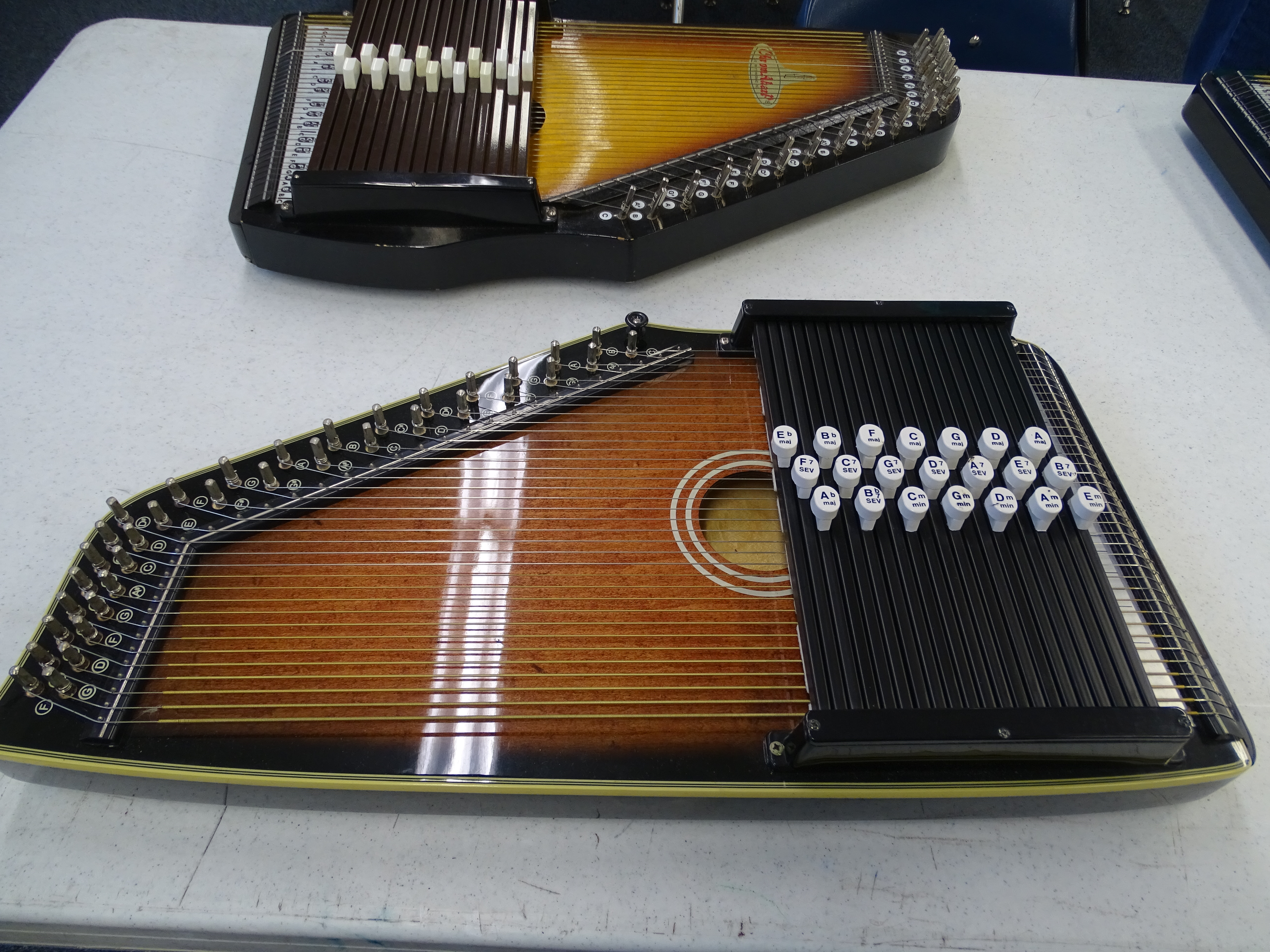
Other speakers included business managers, the newspaper publisher, a farmer, a county judge, city manager, physical therapist, and a retired activist teacher. The emcee shared a short bio for each of us. My presentation used images to focus on  metaphorical tension from the perspective of a professional piano tuner.

Bio: A young widow with a preschool daughter, Ann Fell came to Winfield 35 years ago to teach at Winfield High School. She met and married fellow teacher Mike Fell and with their combined resources they raised a blended family. After a few years she quit teaching and opened a regional piano service business. With the loss of her parents a few years ago, she returned to her early calling—writing—and now has six published books. A dedicated environmentalist, musician, grandmother, and writer, she is no stranger to life’s tensions. Here’s Ann to talk about keeping life Tuned Up!

A dictionary tells me that tension is the act of being stretched to stiffness, maintaining a balance between opposing forces.

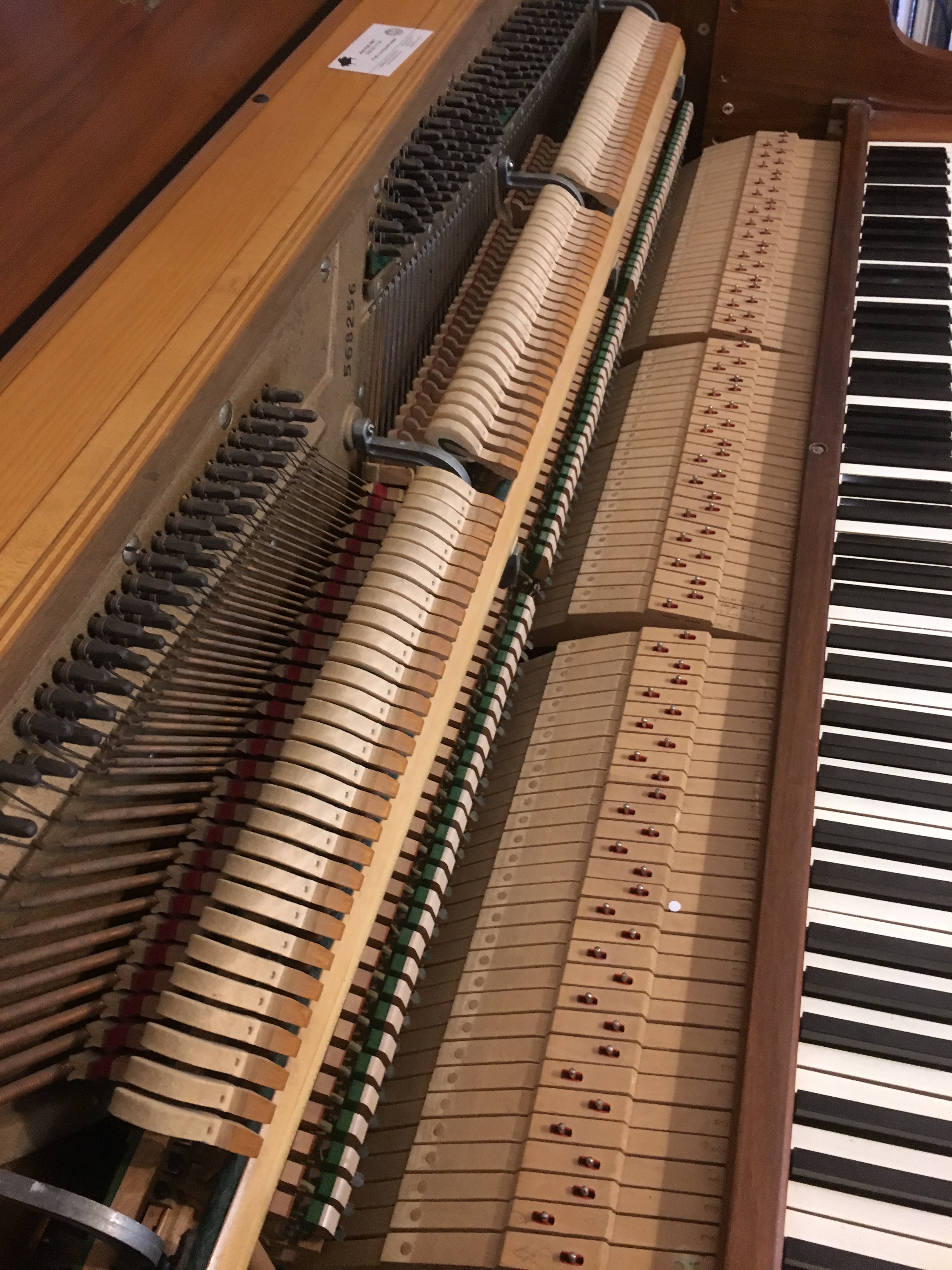
As a piano tuner, it’s my job to adjust tension—over and over again.

All stringed instruments need tuning as well,

but with 88 keys in a piano and multiple strings for most keys there are around 225 strings to tune.
With an average 160 pounds of tension per string, that gives an ordinary piano about 18 tons of tension across its plate–30 tons for a concert grand. That’s a lot of tension! Believe it or not, I spend half the year lowering tension, and half the year raising it, since wooden soundboards react to our seasonal humidity changes.
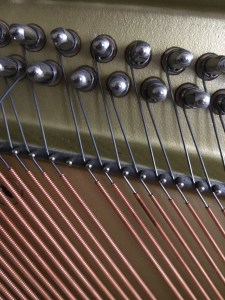
If a string is stretched too tight, it can break. On the other hand, if it doesn’t have enough tension and is limp it will not vibrate with the desired pitch. It will not sing.
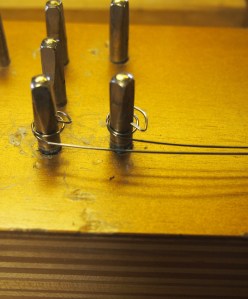
It’s all about balance.

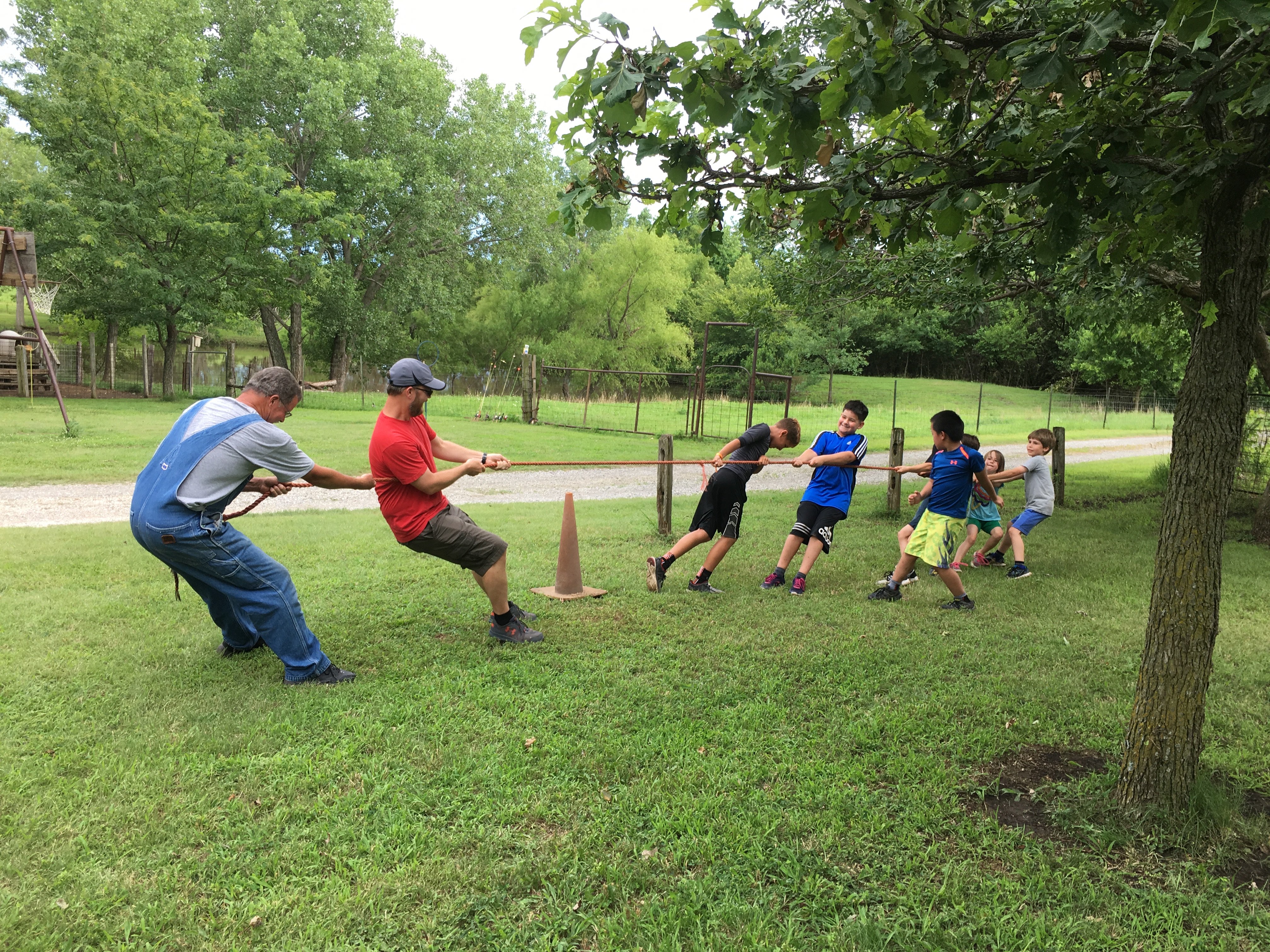
In our lives, tension just happens, and we stretch between opposing forces. Some of those forces relate to daily family interactions,

disagreements between parents about children,  disagreements between children and their parents. I might find myself facing a troubling medical diagnosis, or watching financial reserves dribble away.

I might have opposing opinions about current issues with extended family. I might be asked by our amazing local librarians to prepare a 5 minute presentation about Good Tension. I might face major life changes like starting a new job or moving to another community.
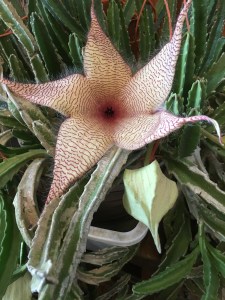
I might find myself dealing with tragic loss and grief, balancing the emptiness of the future with joyous memories.

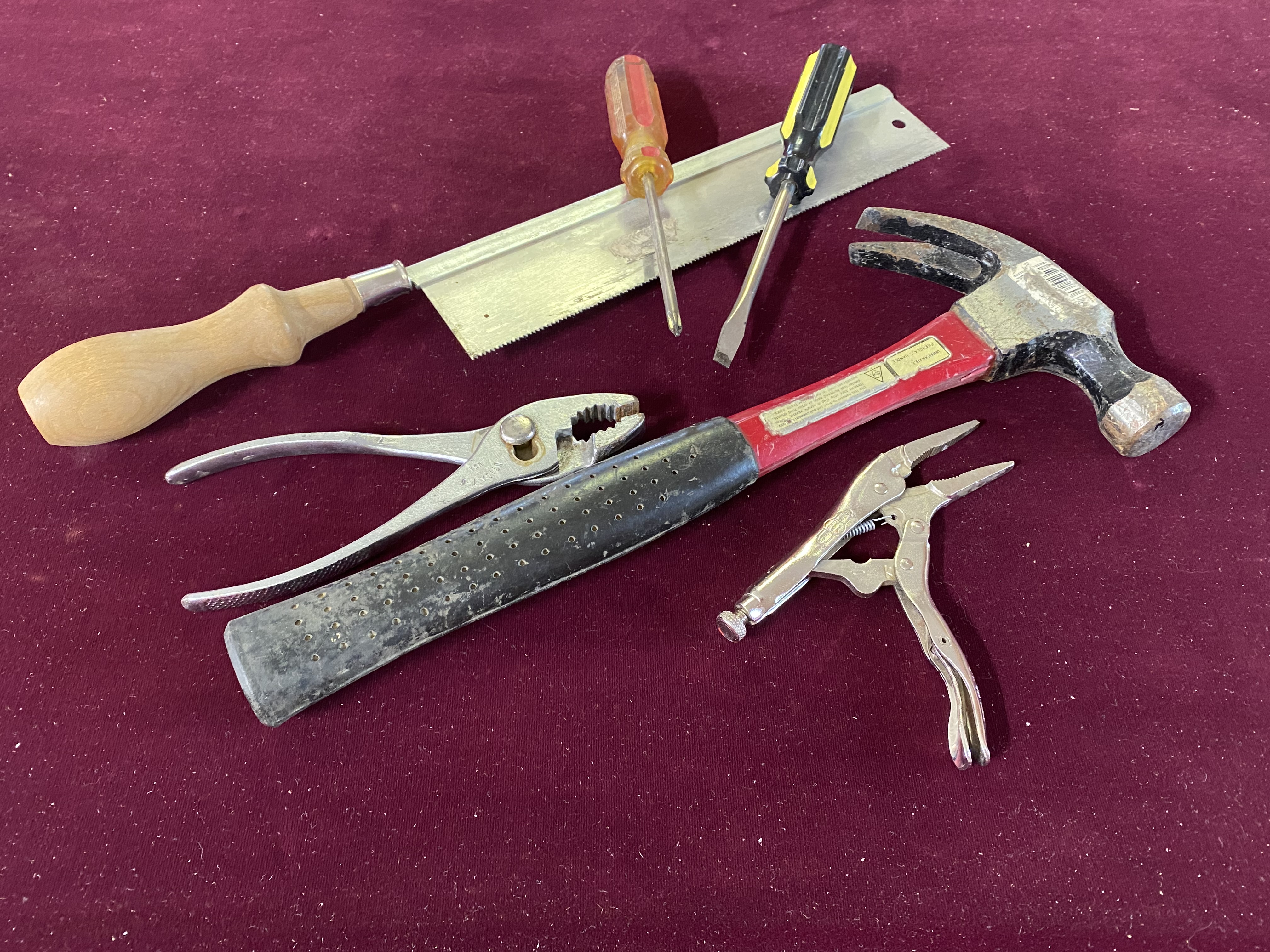
How do I find the optimum balance for tension in life? In the piano tuning world, we have special tools.

But what about tools to balance life tension?

Nothing as concrete as tools I’d find in the kitchen or garden.
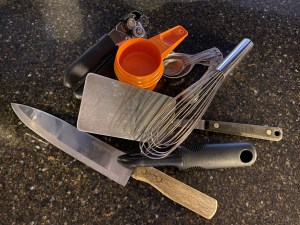
What tools are good for tense life situations?

I suggest intrinsic ones, habits, and careful choices.

Perhaps many of us have identified passions in our lives,

answering questions like “Who am I?”

and “Why am I here?” Hopefully most of our passions will leave a better place for those who come after us.

The details can be different for everyone, but we find a cause that we can support.
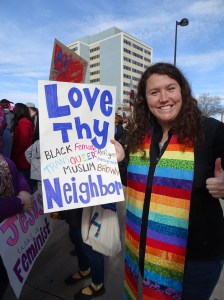
Maybe two or three.

When it’s time to raise the pitch—to increase tension and produce harmony—I find ways to follow my passions and take a stand on issues of the day,
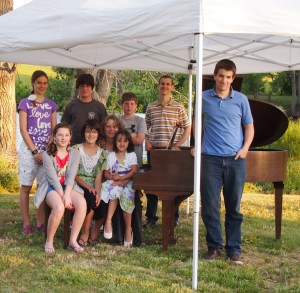
to engage in life, to volunteer, befriend someone who needs a friend.
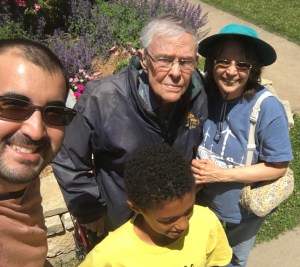
I try to recognize those things that I can let go and those I will support in every way I can think of.

But what can I do when the weather changes and I sense a storm coming? How do I keep from breaking under tension? Tools to relieve tension arrive as life gifts, different for everyone.
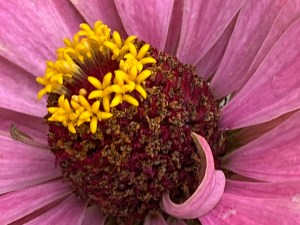
Some may go for a run or a bike ride.

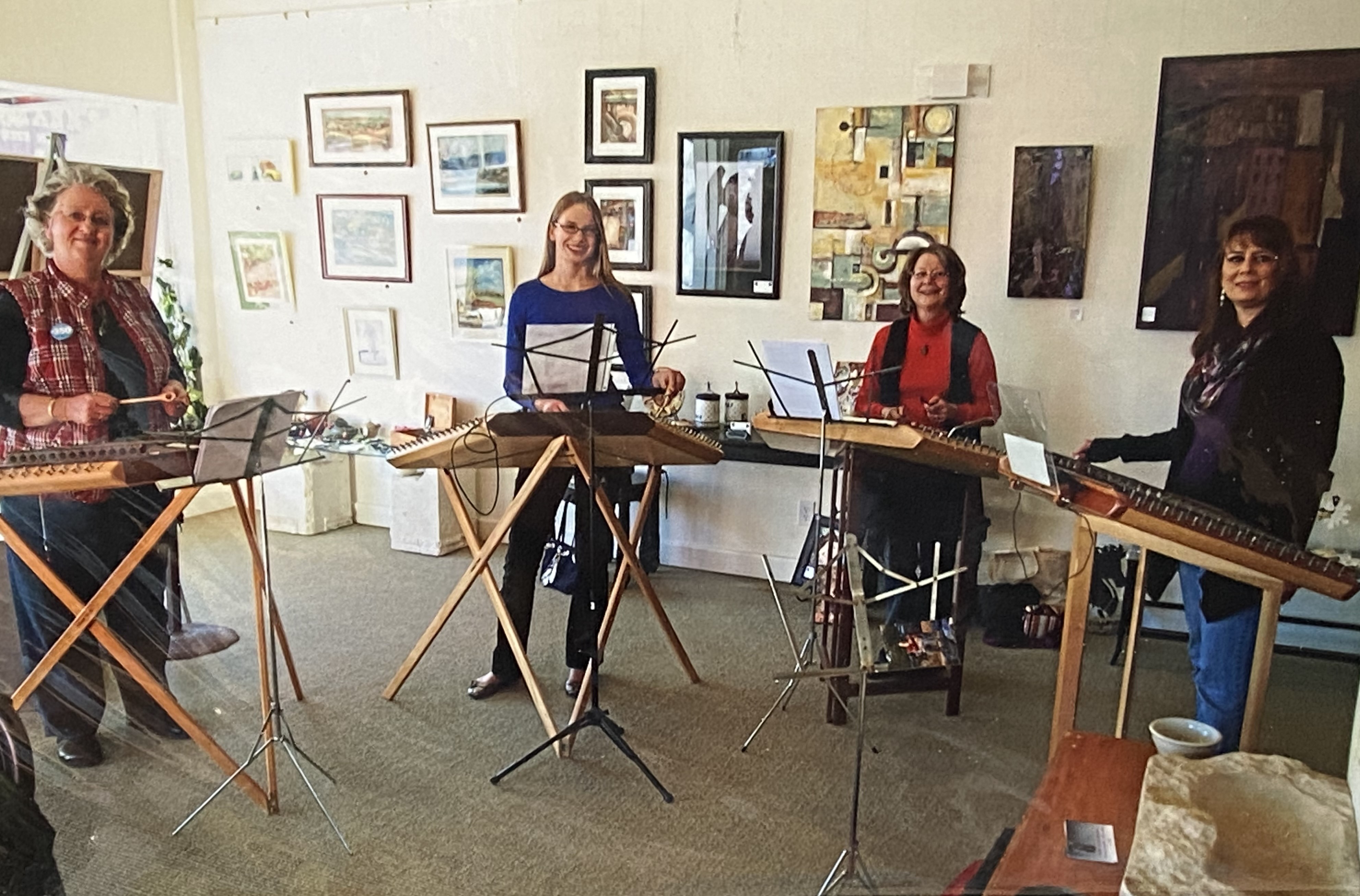
Others grab a book to escape to an imaginary world, or write in a journal. Some people make music.

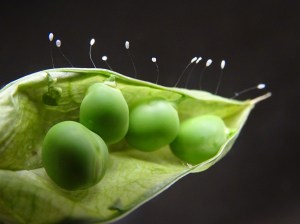
I like to take a camera and look for beauty in the world around me. And the world responds.
Some things I have learned:

Life is complicated—there is nothing simple about it.

Acknowledgement of mistakes helps build bridges.
Love is the greatest power.

Laughter heals.

At least half of communication involves listening.

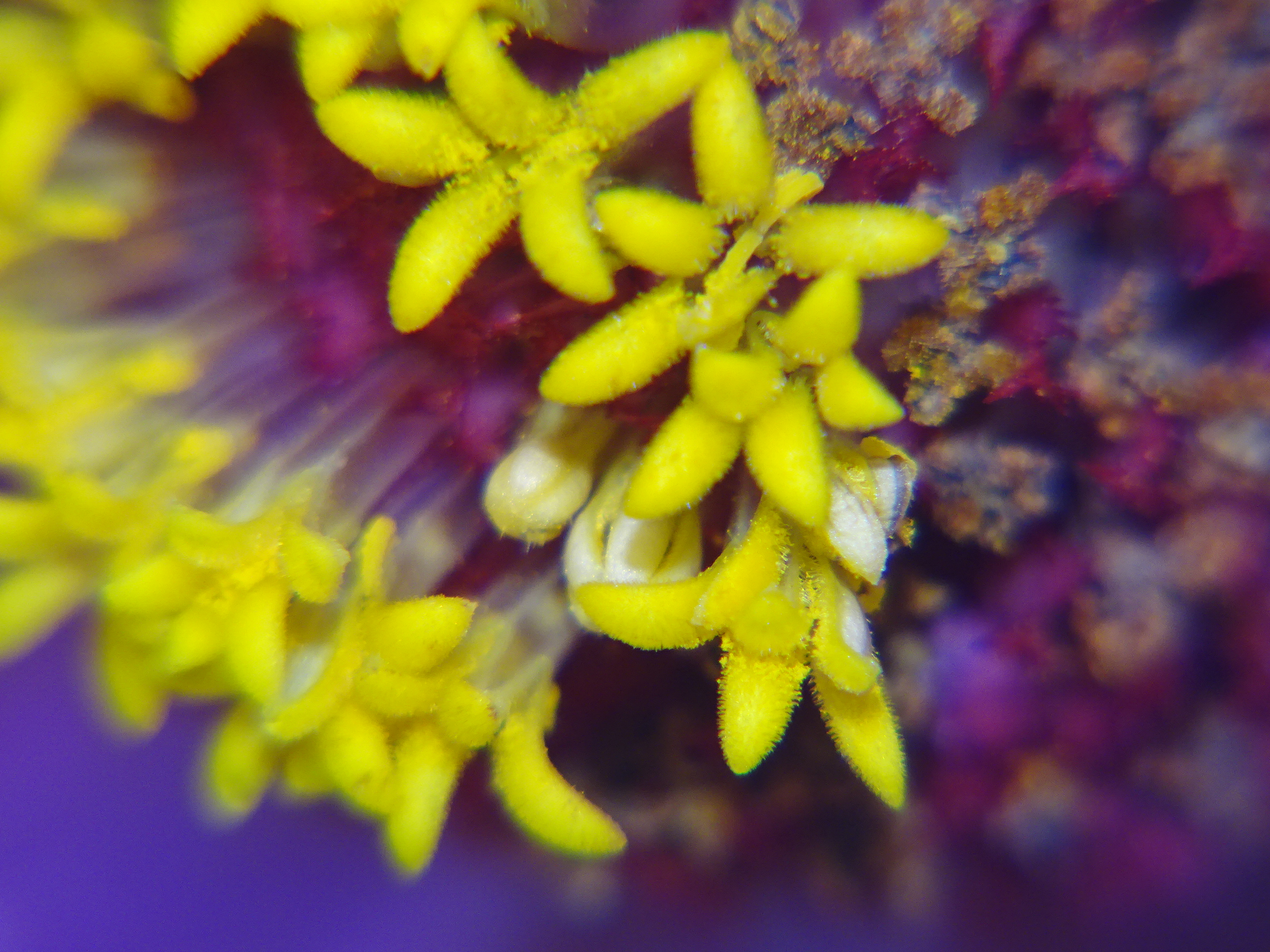
There is beauty and wisdom in tiny things and overlooked places. It’s healing to find wonder in miniature worlds.

I always find what I’m looking for, so I try to look for the positives.

When the future looms dim, I hold fast to my values, and take one small thing at a time.

Bird by bird, scene by scene, note by note, day by day or even minute by minute, I can make choices that support my values.

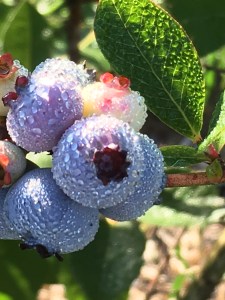
Like a seed, sprouting under dire conditions, but sprouting anyway. That is the essence of optimism.

Danielle Orner, a young woman who has battled cancer since she was a teenager said, “Life is a balance between what we can control and what we cannot.”

Between effort and surrender—two forces in life that keep us in tune. That is the essence of good tension, insuring that those yet to come can sing.

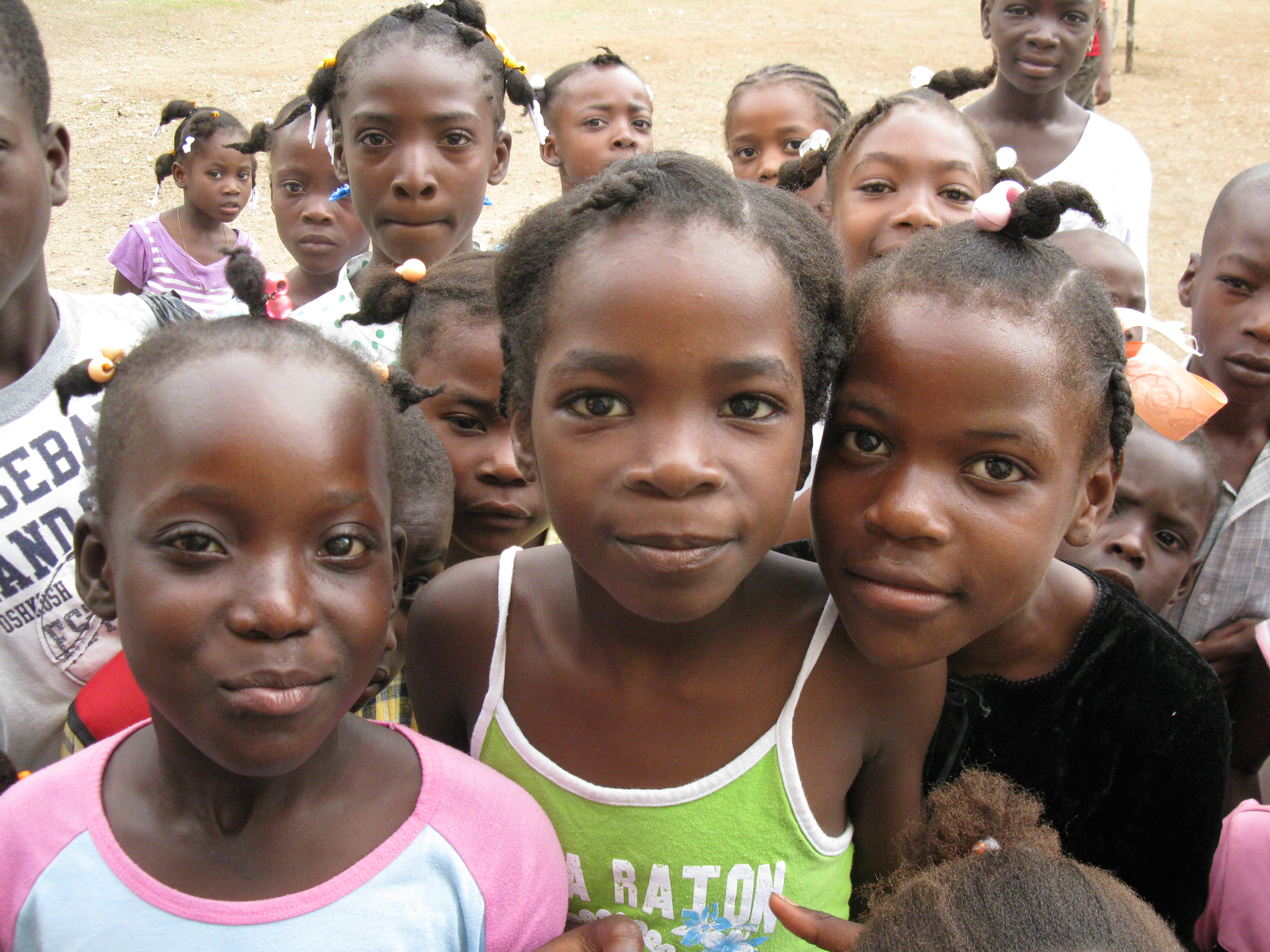
(P.S. To answer your question: I should add photographer to my list of dedicated endeavors in the above bio. Yes, I took all the photos, except for those in which I appear, and the group of Haitian children.)

NOT One-Size-Fits-All, or What Would You Tell a Pregnant 10-year-old?

I turned in my primary election ballot this morning. Folks can still request an advance ballot until tomorrow, or they can vote early at the courthouse for another week. Election day is August 2. For those who might be confused about the amendment issue on the ballot, I think it boils down to whether you trust the legislature to protect the health and future of everyone, or just the unborn? In other words, what would you want for a pregnant 10-year-old rape victim? As I think about my own innocent grandchildren, ages from 1 to 12, the answer is clear to me. A child at that age should not be forced to carry an unwanted pregnancy to term.

Nobody I know is “pro-abortion”. We are, however, pro-choice. Abortion is an option that is tragic, but it is not a simple, right-or-wrong, black-or-white issue. We must keep legal abortion available as an option for women–and girls–in crisis pregnancies.

Before you write me off as a “Baby Killer,” let me assure you I am not. I hate to see anyone or anything hurting. All my life I have befriended the friendless, rescued turtles crossing highways, and taken steps to avoid hurting most other living things for as long as I can remember. (Exceptions: mosquitoes, ticks, and flies.) It is preposterous to think I could choose to end the life of my own unborn child. It’s simply not within the realm of possibilities.

But this is not a simple thing. It’s not a “one-size-fits-all” issue. It is not “one solution for every situation.”

There is not a person on earth who can anticipate all the different factors facing a mother who is considering abortion. Each situation is unique and must be considered individually by those involved—the distressed mother, her family, and the medical team. The rest of us have no right to interfere or to judge.

I come to this realization through a sequence of events unique to my own life. And I wonder, how many of those so quick to condemn other women facing dismal choices know what it’s like to lose a baby?

I do. I lost two. Not through abortion, but through natural deaths. They were both stillborn. The babes would both be 39 and 40 now and not a day goes by that I don’t miss them. They were very much loved and wanted, but it was not to be. I do believe God loves them too and I find comfort thinking they entered his benevolent care the moment of their deaths. We can’t forget what lies beyond.

How many women quick to condemn others for a difficult decision have ever been offered the option of ending a problem pregnancy through abortion? I have. Twice.

After the first baby’s death, the best my medical team had to offer was frequent sonograms during two subsequent pregnancies. They would then recommend an abortion should things start to go wrong.

I declined. Note again: I DECLINED. I couldn’t have opted for an abortion on either one. Instead, I chose not to have any sonograms at all. If something was to happen, I didn’t want to know it.

I am grateful to this day, however, that I was offered the choice. The decision was ultimately mine to make, and nobody else’s. My choice was to cherish every moment I had with my children, for as much time as we had together.

I lost the second baby too. But the third pregnancy, six years later, left me with a precious girl who now has two healthy girls of her own.

I wonder other things about those outspoken critics of pro-choice folks. How many of them have felt the knife-twist of agony to hear that an un-named teenage girl has chosen an abortion for her child rather than allow you to adopt the infant? I have. And I grieved anew for another baby lost. (But I still support her right to choose.)

How many critics have opened their homes to raise a child brought into the world by others? I have. The adoption and the parenting of my daughter proved to be one of the most challenging decisions of my life.

How many have opened their homes, offering shelter to young women wrestling with an unwanted pregnancy? Instead of condemning the unknown young woman who chose abortion over adoption, I became an advocate for girls in crisis situations, offering my home to house them until delivery. I hoped that my actions helped reassure those women that their unborn child would be treasured in an adoptive family.

How many have experienced conversations with a woman who, after hearing my story of loss and adoption, tearfully confessed to ending an unexpected pregnancy years previously. She agonized over her decision and felt a need to apologize to me, an adoptive mom. I offered her my shoulder to cry on and my compassion.

There is nothing simple about this issue.  I’ve never encountered a child as young as age 10 who had to confront the question. I have heard, though, that there were recently three 11-year-olds in my state whose parents sought to end their pregnancies. It should be an individual choice, not something politicians can dictate.

I’m glad I was offered a choice. I chose life for my children. It was God who had other plans for some of them.
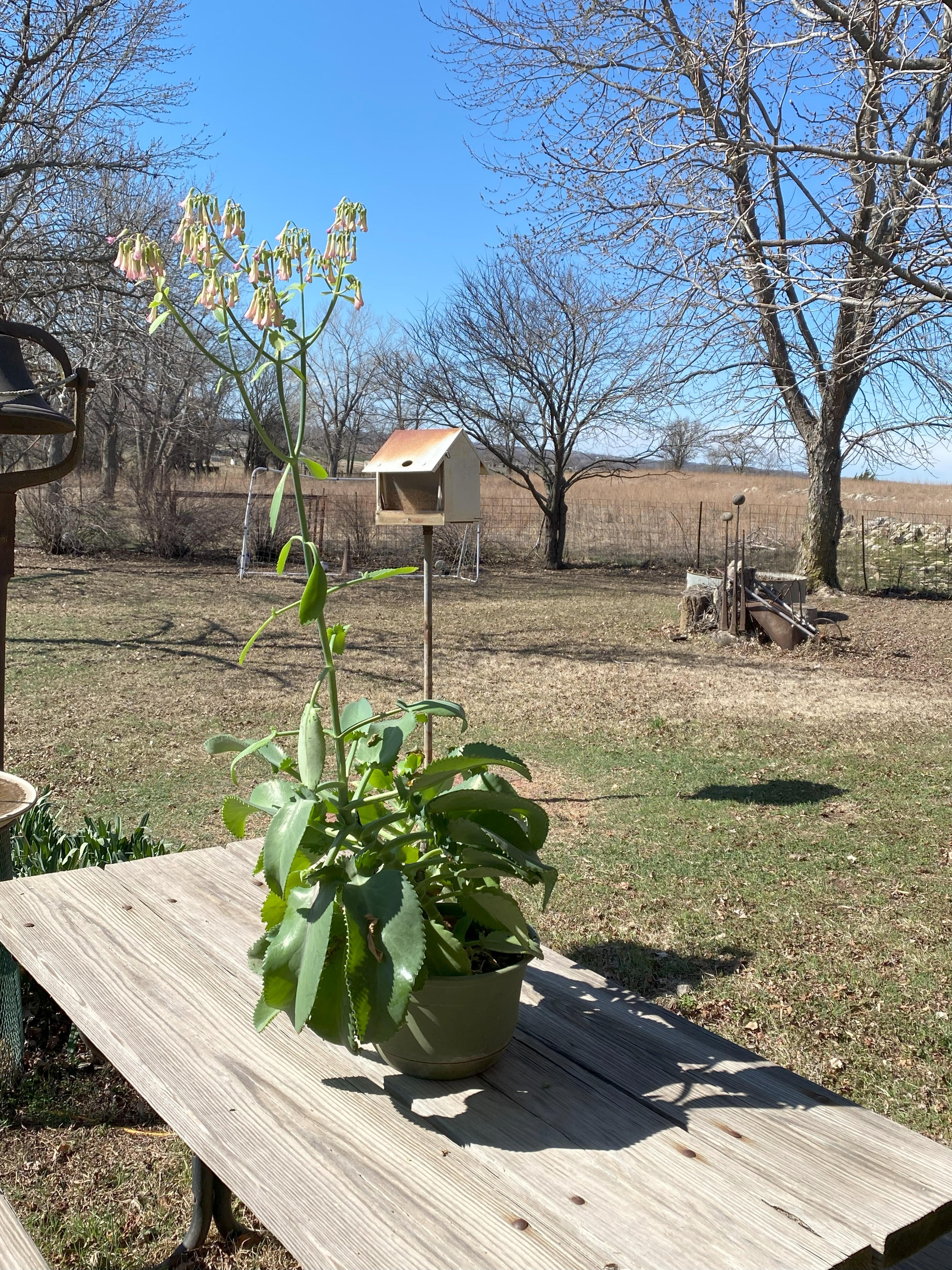
With the temperature of our planet climbing beyond the point of no return, there is much more to be concerned with now. I choose life again—life for all of us, born and unborn, children, youth, adults and the aging, people on every continent and island nation, the threatened species on our beautiful and diverse planet.

Preserve individual choice with compassionate support for distressed mothers and let’s move forward. We have a lot of work to do. I am not a baby-killer. I don’t want to be a planet-killer either.

Stop. Just Stop.

This is getting complicated.

So the word is out. There have been millions of babies killed through abortions since the procedure was legalized. I wonder about that. How many of those were fetuses that would never have lived, had they been born? How many procedures were done to save the mother’s life? I have grave reservations about the truth of that statement. Twenty-five million giggly babies just snuffed out? That’s trying to simplify a very complex statistic. After all, in recent years, the objections to terminating a pregnancy have yielded strict limitations on just what kind of pregnancy is eligible.

I am old enough to have come of age during the original fight to legalize abortion. When I was an adolescent, the procedure was illegal. But that didn’t mean abortions didn’t happen. And consequences were severe for desperate women seeking help. Too often, illegal abortions ended up killing or maiming the mother anyway. The legalization of abortion was a life-saving step. Just making it illegal will not stop desperate women from seeking to end a desperate pregnancy.
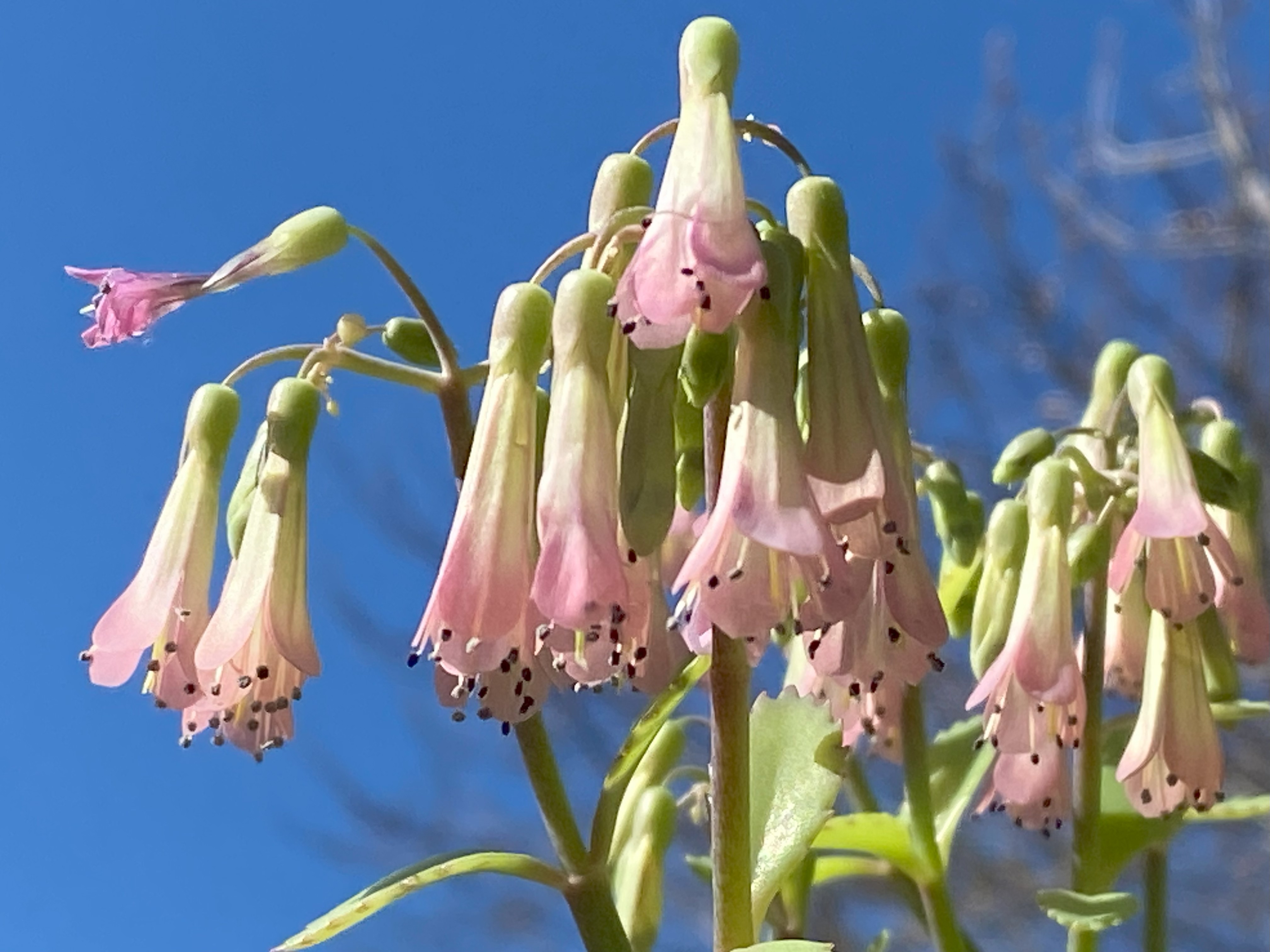
This all alludes to a sort of class warfare. Did you know, for instance, that 75% of abortions in recent years were for women at or below the federal poverty line? 60% of the women already had children at home that they couldn’t afford to feed. 55% of women who received abortions were single. They had precious little financial help to reach the $196,984 cost of raising a child to age 18. (Yes! Magazine Spring 2022)

It might have been in the early years that the procedure was sought too lightly. But no more. Today, almost all the people I know, pro-choice as well as pro-life, agree that abortion should never be used as a simple form of birth control. We must keep other contraceptives available and affordable and eliminate unwanted pregnancies. Is that a point we all can agree on?

You might find it surprising how many pro-choicers abhor the fact that some women have used abortion as a contraceptive. You might also be surprised how many of us pro-choicers, if offered the choice due to abnormal fetus development, would choose to continue our own pregnancies. After all, if faced with some dire news, you would do that. I would too. But it would be our own choice.

None of us have the right, though, to tell others what they can or can’t do. We simply don’t know all the details.

So has abortion been misused? Sadly, yes, by some. Therefore, you say, we should outlaw all abortions again. It’s just like:

A few people who misuse alcohol and drive drunk. Innocent people have been killed by drunk drivers. Obviously, we’ve banned all alcohol and all cars, right?

Or—A few people misuse guns, and go on shooting rampages, killing children in their school classrooms, and people in shopping centers or theaters or at parades. So of course, we have instituted a national ban on guns, haven’t we?

Oh. . . Wait. . . .

I get it. This is different.

Or is it?

Does mis-use of abortion by a few mean we have to remove that option for all? And if that’s what we gotta do, how about those guns anyway?  Surely the right to life, liberty and the pursuit of happiness for school age children is more important than the right to bear arms.

The intrusion into a person’s medical history and privacy is an unconscionable overstep by our government into our private lives and personal rights. None of us has the right to judge another on this extremely personal matter, nor to tell them what to do. We can offer love, compassion, and assistance, but we can’t make difficult choices impossible by removing options. There is nothing simple about pregnancy. Since every case is different, there is no single solution. All options need to be available. And nobody outside the triumvirate of parents and physician should even have a say in tough personal, medical decisions. No two pregnancies are alike. We can’t possibly know the inside stories of other families.

Vote No August 2. Keep abortion legal.

Reflections on Independence in 2022

In the aftermath of the high court decisions stripping people of privacy and personal rights, I have seen on Facebook where some of my friends plan to wear black on July 4. Some will fly the American flag upside down. And some will celebrate with cookouts and fireworks as always. I haven’t decided what I will do yet. Maybe I will enjoy the explosion of blossoms after recent rains. Flowers do a great job of mimicking those fleeting displays, without all the noise. Or maybe just sharing these musings will be my way of observing the 4th of July, 2022.

Thomas Paine wrote in 1776, “These are the times that try men’s souls.” We have more of those times this year, 246 years after the Declaration of Independence. In Kansas, the day of reckoning fast approaches. It’s interesting to me to note that the original document, though given the date of July 4, 1776, was not fully signed by our founders until August 2, 1776. August 2, 2022 is a very important day for Kansas voters. It’s our primary election day. But not only that, in their infinite wisdom (NOT!) the legislature slated a vote for an amendment on the Kansas constitution on primary day.

This is a problem because voter turnout is typically low for such elections. If you are an independent voter, you usually have no reason whatsoever to go. But this year, even independent voters have the right to vote on the proposed amendment. Use that right and cast your vote, even if it’s the only thing on the ballot you have a say in.

The amendment itself removes a woman’s constitutional right to an abortion and leaves it up to our “esteemed” legislature to decide when and if abortion as health care is warranted. That is a problem right there. These people are not necessarily doctors. Few of them are medically trained. Though some folks, notably the director of Family Life Services in a neighboring town, are confident that the legislature will not ban abortions for cases of rape, incest or ectopic pregnancy, I don’t share that confidence. I don’t trust politicians. Most of them no longer listen to the people they serve. (Kuddos to those who are still trying!)

A very concise letter to the editor of our local newspaper had the best summary of voting on this amendment that I have seen.

Simply this:

  • If you are pro-choice, Vote No.
  • If you are pro-life but want some exceptions in the rule for cases of rape, incest, and health of the mother, Vote No.
  • If you are pro-life and want zero abortions, zero exceptions, then you Vote Yes.


Where do I stand in those three groups? I think many of us lean toward the middle, and I am one of those. It is heartbreaking when a pregnancy becomes problematic, even more so when a mother has to make the insane choice about whether to end her pregnancy. We certainly don’t need to open the doors to prosecute women who have just lived through a personal crisis. Or to have investigators show up at the door of someone who miscarried, suspicious about a pre-meditated ending of the life of the unborn.

In a meeting I attended in early June, an attorney familiar with the Kansas constitution pointed out that since statehood in 1861, there have been 98 amendments passed by the people. This is one of a very few, perhaps the only one, that would REMOVE rights previously established by the constitution. Think carefully about this amendment.

Complicating the issue is the fact that abortions are already highly regulated in the state, so essentially the amendment is not necessary. Already, abortions must be performed by a licensed physician. They are prohibited after 22 weeks, except in cases of life or health endangerment. Late-term abortions, and abortions based on gender selection are absolutely prohibited. Private insurance coverage is limited to cases of life endangerment. Public funding for abortion is available only in cases of life endangerment, rape, or incest. Patients must undergo an ultrasound before a procedure. There is a 24 hour waiting period after state-directed counseling prior to a procedure. Parental consent is required for minors seeking an abortion.

Just as no two people are alike, there are no two pregnancies alike either. In my own immediate family there are six women, from my mother, to her three daughters (of which I am one) and my two daughters. Though all six of us bore children, four of us experienced failed pregnancies. That is 67%. For us, those pregnancies were wanted, the babies anticipated, and their natural demise was tragic. If abortion becomes illegal—zero exceptions—the grief we felt at our losses could be compounded exponentially in future miscarriages by investigating detectives and charges of murder.

If you have never experienced a failed pregnancy, count your lucky stars. Current statistics on failed pregnancies (miscarriages and stillbirths) indicate that 20% of conceptions in North America fail naturally. For those families who eagerly anticipated a bright bubbly baby, and have to go home to an empty nursery, the pain is already too much to bear. It is unconscionable to add the possibility of prosecution for the failure on top of it all.

Given current trends to thwart environmental protections in favor of big corporations, the incidence of failed pregnancies is likely to explode. Naomi Klein states in her book This Changes Everything: Capitalism vs the Climate, “For all the talk about the right to life and the rights of the unborn, our culture pays precious little attention to the particular vulnerabilities of children, let alone developing life. Risk assessments most often focus on effects to adults.”

She quotes biologist Sandra Steingraber who has studied the issue. Steingraber: “Entire regulatory systems are premised on the assumption that all members of the population basically act, biologically, like middle-aged men.” [5’7”, 157# white men at that].

Klein puts it into perspective: “More than three quarters of the mass-produced chemicals in the United States have never been tested for their impacts on fetuses or children. That means they are being released in the environment with no consideration for how they will impact those who weigh, say twenty pounds, like your average one-year-old girl, let alone a half-pound, like a nineteen-week fetus.”

And yet, it’s becoming clear that proximity to environmental degradation, including fracking, increases low birth weight by 50%, and the chances of a low Apgar score double at birth. Communities near refineries or massive tar sands extraction are seeing the normal miscarriage rate double.

The recent high court ruling against the EPA’s ability to regulate emissions from power plants almost certainly will increase environmental hazards. Mutations of growing fetuses, viability at birth, and the incidence of miscarriage will increase. Be prepared.

With a nod to Thomas Paine, These are the times that try a woman’s soul, as well as all who value constitutional freedom.

And in Kansas, the choice is clear. We must keep the option of abortion by trained medical personnel open and legal.

Vote No on the constitutional amendment August 2.

Holiday Cooking with Grandma Georgia

As I prepare for our Thanksgiving dinner today, I am drawn into memories of Grandma’s kitchen. That were her habitat. Queen of her kitchen, she was in command of all the fixins. I recall helping to roll up the butterhorn rolls, a favorite task for granddaughters. Nobody went hungry at Grandma’s house. After the clean up, folks stretched out for a nap before we all drove the seven-mile journey to the family farm for a walk through the bare winter trees. It’s amazing how just cooking something from the past makes me feel close to family that is gone.

Today I will feature the latest publication that will be offered at the Christmasland event with Writers of the Wheat on December 3, 4:00 pm until 9:00, at the Sunflower Plaza in Wichita. Writers of the Wheat is a loosely organized group of Kansas authors who support each other in writing, as well as marketing, their work. Join us at the Sunflower Plaza, 417 East Gilbert in Wichita,  December 3. There will be something for every reader’s taste. It seems appropriate on Thanksgiving to share a cookbook.

Foreword

Georgia’s Recipe for a good life:

Work hard.

Love deeply.

Laugh often.

Georgia Wells Harris was born in southern Missouri October 3, 1891, the third child in a family of 5 children born to George Calvin and Edith Malinda Wells. By 1900, the family had moved to Kansas, utilizing covered wagon and train transportation. They settled in Skiddy, and later Dunlap. Georgia married Charley Harris on November 20, 1912. They raised four children, Frances (born 1914), Lester (1918), Wallace (1925), and Paul (1935).

No stranger to hardship and heartache, Georgia struggled to keep her family fed during the 1930s. Her farm kitchen remained stocked mostly with things produced in her garden or on the family farm.

Her oldest son Lester, an engineer on the USS Gherardi in WWII, was killed December 2, 1942 in a violent storm off the coast of Rhode Island. Charley died ten years later, and cancer took daughter Frances in 1959. Through it all, Georgia opened her heart and her home to family and became a role model in resilience, generosity, and compassion for others. I have precious memories of her hearty laughter, which was easy to trigger and very contagious.

She was an excellent cook, and queen of her kitchen. Many holidays the entire family gathered at her round dining table to feast on exquisite cuisine.

She died June 25, 1990, well on her way to her 99th birthday.

Her meager possessions passed to various family members. After her son, my father Wallace, died in 2010, her worn pink recipe file came into my possession. The lid had long since disappeared and it was stuffed full. Many tabs of the various sections were almost torn off, but I felt a connection to my grandmother, reading those recipes—most written in her own familiar handwriting.

I suspect the file is far from complete as a collection of the dishes she served, but it’s a nice collection. Some I have specific memories of. Most I do not. Some must have been given by friends, as the handwriting was not her own. Perhaps she gained several in recipe exchanges at her women’s “72 Club.”

I long intended to divide up the cards and share them with my sisters and cousins, but time got away from me. In 2020, the year that COVID stalled many usual activities, as October rolled around I pulled out the file and started studying the recipes. Who should get which ones? It was impossible to decide. That’s when the idea of constructing a book was born. We each will have access to every single recipe in her recipe file. Each of her living grandchildren will still get a selection of her hand-written cards, but with this book, we’ll all be able to use and enjoy her recipe collection.

Several recipes were incomplete, listing only ingredients, or confusing instructions. I imagined she was standing behind me saying, “Well, you ought to know what to do with those.” After all, she knew. Where I tried to add suggestions, my words are in italics.

In places, I have transferred her exact notes, regardless of punctuation and spelling, just like they are on the cards. I find them endearing. In other places, I did a search to clear up some uncertainties. I didn’t always find answers, but where I did, I shared them.

Some ingredients are unfamiliar to me, and may be pretty hard to find. Thus there may be recipes that are not practical or useful in today’s kitchen. But they are interesting.

In many ways, recipes are heirlooms. The people she credited with some of the recipes are different than those I think of when I make the same concoction. Names in ( ) are her referrals to the sources of the recipes, but they don’t always match the credits in my own recipe file.  The cookies I think of as Grandma Georgia’s brown sugar raisin cookies, she credited to her younger sister, Ola. I wonder who Ola thought of when she baked them?

The evolution of our table food is an unending process. Special dishes remind us of gatherings, good times, and laughter. Others help us remember people we love who are no longer living. Those we favor tend to get passed around.

During the COVID seasons, I was drawn to the family favorites and felt comforted by memories of loved ones long gone as I shared their culinary delights with my loved ones today.

Mixed into the section headings is a sprinkling of wisdom as Georgia viewed life. It seems appropriate to include some thoughts she left in letters and recorded conversations, as seasonings for the book, just as her principles seasoned her life. Let your mind roam back over the decades, and just try to imagine the earlier days. She would be thrilled if we applied some of her shared thoughts to life in this century.

For more holiday food ideas, be sure to stop by the Sunflower Plaza in Wichita December 3. Visit with talented local authors. Browse the book selections. Find something special for everyone on your Christmas list.


What is a Windshadow?

Over the next few days, I will post information about each of the four books I have available. All of them will be part of the Christmasland Event with Writers of the Wheat December 3, 4:00 pm until 9:00, at the Sunflower Plaza in Wichita. Writers of the Wheat is a loosely organized group of Kansas authors who support each other in writing, as well as marketing, their work. Join us at the Sunflower Plaza, 417 East Gilbert in Wichita,  December 3. There will be something for every reader’s taste.

Today, I feature my first published book, a memoir titled In the Shadow of the Wind. Though I have aspired to write books as long as I can remember, it was this one that had to come first. It uncorked the bottle of my creativity, so to speak. Released in 2014, I continue to be amazed at the response of new readers. It seems to connect with new folks scattered from coast to coast, and I am humbly grateful to the Winds of the Spirit for making the story known to those who struggle with their own personal grief and need encouragement.

What is it about?

Following a series of tragic losses, at age thirty I found myself in a strange world, anticipating a lonely future.  Widowed, and grieving the loss of two infants, I retreated to the wilderness for comfort and healing. Planning to stay forty days, I set up a solitary camp on the Neosho River bank of my family’s abandoned farm homestead. Marooned by rising flood water after only a few days, I had to face my own mortality.

I discovered that there is life after loss. Through a sequence of extraordinary events, In the Shadow of the Wind tells my story: how an ordinary woman learned to dance on the threshold of fear, to cherish every moment of life, and to believe in my inner resources to conquer adversity.

Prologue from the Book

“It’s okay, Daisy Pup,” I said. The small spaniel whined. I drew her to my chest and we cuddled together. Thunder exploded in the air above our little tent. The after-rumbles faded. Seconds later rain pelted the nylon roof of my fair-weather shelter. Daisy shivered in my arms. “It’ll be okay.” I tried to convince myself.

I felt foolish. How could I have thought this was a good idea? How could I have dreamed that I would be able to withstand forty days in the wilderness? The rain turned my plan into a futile effort that bordered on the edge of insanity.

A drop of water stabbed my forehead. In the gray afternoon light, I saw hundreds of droplets hang heavily from the inside of the tent roof. The threat of a cold shower hovered  inches away.

“Good Lord, Daisy—it’s going to rain inside the tent.”

There was no escape from the chill in the air. No escape from the fingers of cold that crept up from below. No escape from—“Oh, my God, the sleeping bag is wet.”

I shifted sideways in the orange tent and discovered we huddled in a growing pool of water, now about an inch deep. “Oh, God, this is crazy.”

My canine companion stood and shook.

“You need to go out?”

She wagged her stubby tail and shook again. I unzipped the door and she jumped into the deluge. I grabbed my boots and began to pull one over a damp sock. On second thought, I tied the laces together, removed my socks, and backed out of the low-slung tent. I pulled my backpack into the soggy afternoon, zipped the tent door shut, and stood barefoot in black ooze.

Daisy splashed through standing water. She located a slight rise, squatted, and relieved herself. I glanced at the sodden landscape. Water stood everywhere, and I was already soaked in the downpour. What were we to do? I turned in a circle and searched for shelter. An old wooden railroad boxcar, the only structure that remained on the abandoned farm, stood right behind the tent.

I stooped to look under the boxcar. We could wiggle under it. I quickly discarded that idea. The prospect of lying in muck was no better than sitting in a wet tent. Padlocks secured the sliding doors of the boxcar. Even if I had a key, I doubted I could budge them enough to allow entrance. The aged wooden sides looked weathered and soft. One ragged gap at the leading edge of the north door panel appeared almost large enough for me to wiggle inside.

I slogged to the side of the boxcar and grasped the lower edge of one ragged slat. I tugged on the worn end. With my entire weight behind my efforts, I ripped off inches at a time until the opening had grown twice as large.

“Come here, Daisy. Let’s check this out.” She was instantly at my mud-covered heels. I patted the dark floor of the boxcar, standing forty inches off the ground. Daisy leaped. With an assist from me, she scrambled into the dark interior. I stuffed my backpack behind her, slogged to the tent and pulled my boots and the bedding into the storm. I struggled to maintain balance as I slipped back to the hole in the door and crammed the bundle of blankets inside. Then I leaned into the darkness of the abandoned car and jumped. On my stomach, legs dangling out the opening, I snaked forward a few inches. With flailing arms, I reached into the darkness in search of something to grab.

There. Something metallic. Perhaps an old piece of farm equipment. I didn’t know. I could see very little. But it didn’t budge, so I was able to pull myself into the relatively dry interior of the old boxcar. Across the car, Daisy snuffled and sneezed a couple times. I stood and felt my way around the area. After locating a pile of old shingles along the south wall, I propped the backpack on the floor beside them. I shook the damp bedding. My clothing was soaked through, so I wrapped the blankets and sleeping bag around my shoulders. I sat on the shingles and leaned against the wall of the boxcar.

Daisy bounded onto my lap. We shared each other’s warmth as the deluge continued outside. Moments after we both settled down, I heard scratching noises inside the boxcar. Light-footed creatures scampered about the interior. I hugged Daisy a little tighter. I could see pinpoints of light here and there, small eyes that reflected the afternoon light filtering in through holes in the wall. Oh, my God.

Rats. Lots of them.

 I screamed. “I am such a fool, Daisy. Why do you put up with me?”

She licked my chin.

I spoke to my late husband Craig. “What am I going to do? I don’t think I can do this. I can’t live without you.”

He, of course, didn’t answer. I was on my own.

Daisy whined softly and licked my chin as if she understood. The storm mirrored the anguish in my heart. The entire universe wept with me. “What are we going to do, girl? I don’t know where we’re heading. I only know where we’ve been.”

When I met Craig, we thought we had all the time in the world. A decade was hard to visualize. Had we known that all our joys, our plans, and dreams, would have to be packed into one decade, would we have spent our days differently? Would our choices have been laced with more love and wisdom, or with desperate lunacy? Based on the law of averages, we had every reason to expect several decades together.

Yet there was barely one.

“It’s not fair! It’s not fair!” I railed against the universe.


From Alpha . . . to Omega Part 2

Since I was young, I found peace and unconditional acceptance in the natural world, even in difficult times. Especially in difficult times. During a traumatic adolescence, I surrounded myself with nature in my hideaway room at home. There was a fifty-gallon aquarium, and shelves in the windows filled with houseplants. Some even vined across the ceiling. My own private forest.

In Nature, I found evidence of a supreme being beyond what our senses show. Through countless moments filled with awe and wonder at the mystery of life, of connections with other beings, I grew to love the Earth, its life, and its mysteries. As we approach a precipice of no-return in the global crisis brought on by our industrial and consumer-oriented lifestyle, I feel great sadness, along with deep gratitude for the gift of life itself, and for all the moments when I sense the Beyond through simple contacts with other living things. Climate grief is a true thing.

I wonder what awe-filled moments do you recall that you wish your grandchildren—and theirs—could experience?

Have you ever . . .

Watched an eagle soar and listened to its distant call?

Sat on a trailside boulder and watched an aspen seed float to the ground?

Had a hummingbird check your red bandanna for nectar?

Watched a glacier calve an iceberg?

Heard a rush of wings in the stillness of a heavy mist?

Watched a loggerheaded shrike hang a field mouse on a locust thorn?

Risen before dawn to visit booming grounds of lesser prairie chickens?


Watched a lone prairie dog scamper away from its village into the sunset?

Surprised a family of deer on a winter walk?

Watched a flock of robins sip melting snow from your house gutters?

Walked with a flashlight after dark in September to watch orb spiders at work?

Witnessed a black bear check out the milo fields on the high plains of Kansas?

Heard the scream of a cougar outside your tent in the middle of the night?

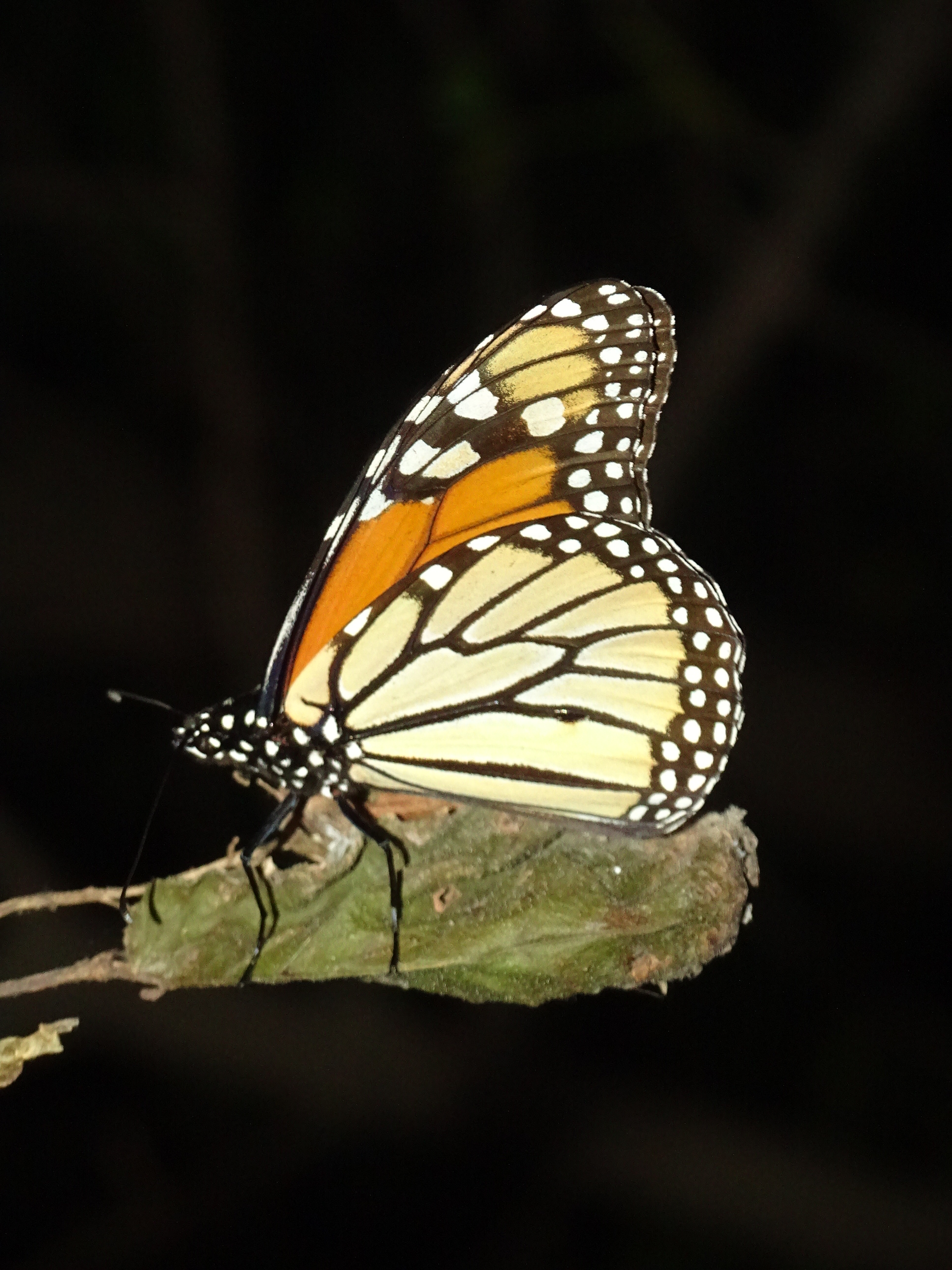
Watched autumn leaves dance with hundreds of migrating monarch butterflies at dusk?

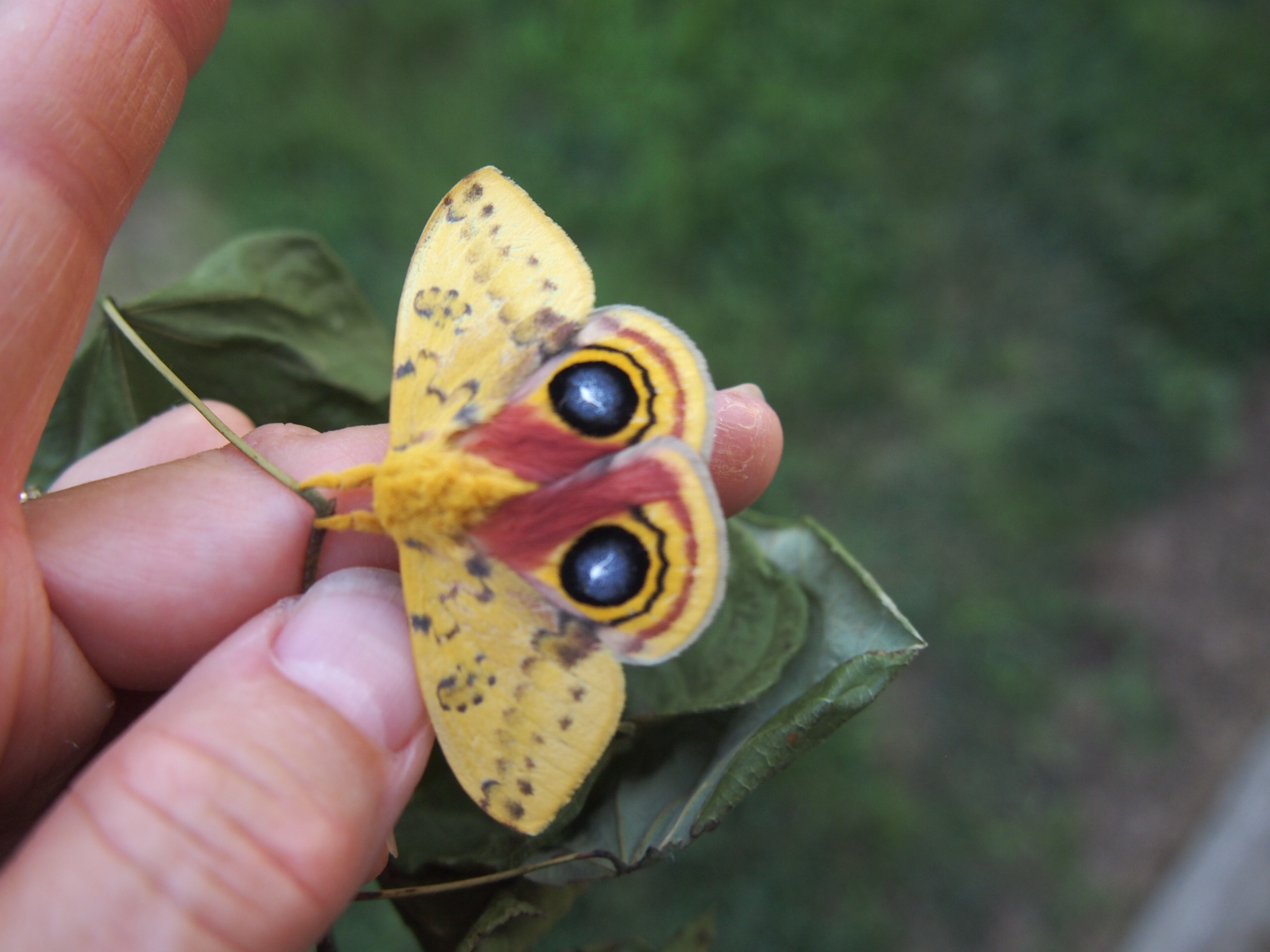
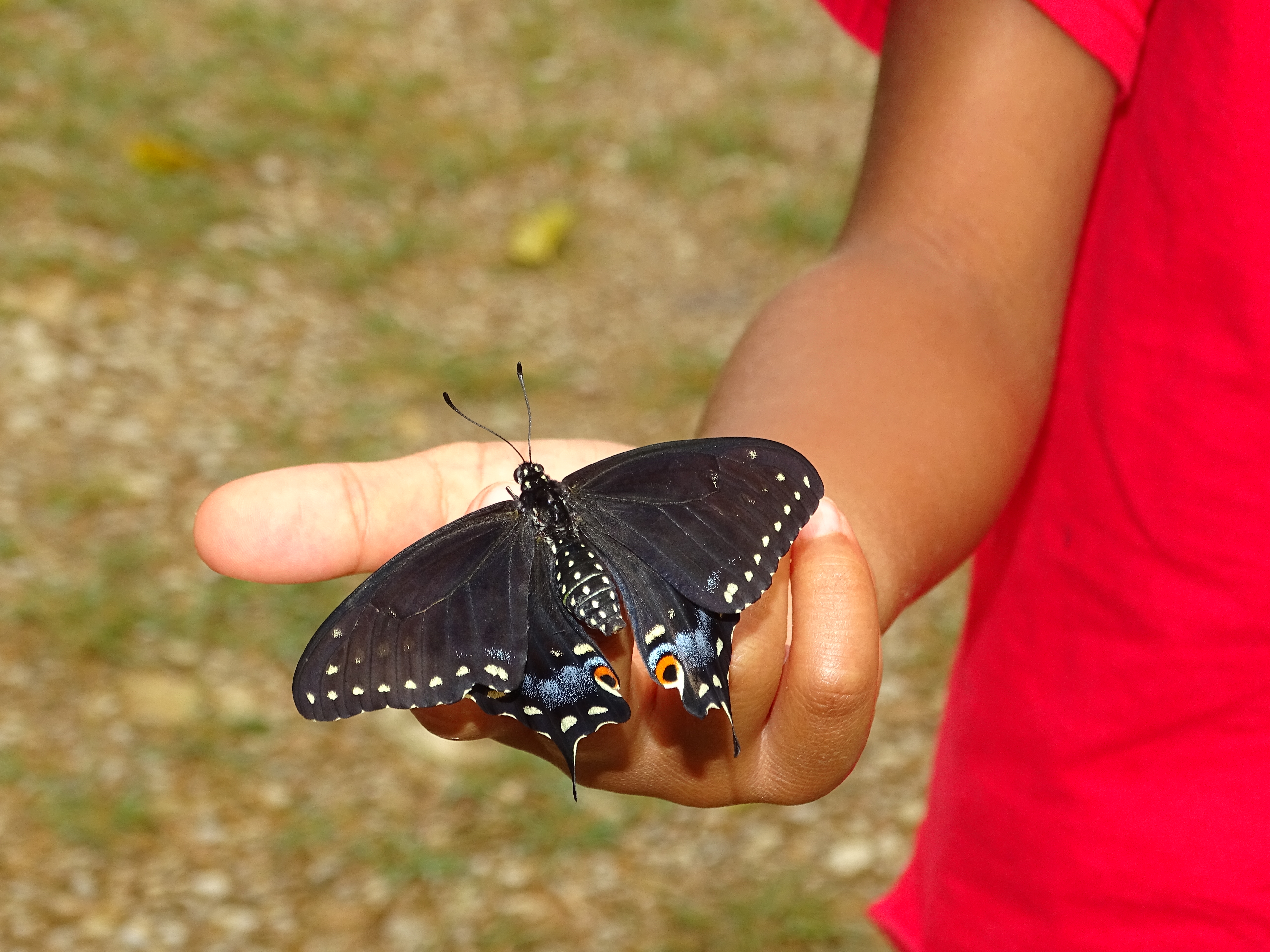
Held a newly metamorphosed moth in your hand and watched its virgin flight?

Heard barking sea lions as they congregated on the shore below the seaside cliff where you stood?

Through six decades, travels from Oregon and California to Maryland and Florida, Minnesota to Arizona, as well as journeys to Japan, India, Hawaii, Canada, Alaska, Cuba, and Mexico—not to mention my own backyard—the wonderments of Earth have held me spellbound in every little nook. With deep gratitude for all I have been fortunate to witness, and with fervent hope that we can stop our catapult into disaster at COP26, I offer Part 2 of the slide show from my younger days. Let humanity not be responsible for the Omega curtain on our gem of a planet.

Music: Beethoven’s Symphony No. 9 in D minor, “Chorale Symphony.”