A Book You Should Read

Becoming Earth: How Our Planet Came to Life by Ferris Jabr

I read about this book in Sierra but postponed ordering a copy for several months. When it arrived, I decided I must read it before the sun set on Earth Day this year. I was captivated at the dedication page. Jabr wrote a poem for the myriad parts of our planet’s system that brought tears to my eyes. He concluded, “For our living planet. For our miracle. For Earth.” Each section and chapter ended with equally beautiful poetic summaries.

Becoming Earth is a journey with an excellent tour guide. From a subterranean lab a mile and a half below Earth’s surface, to Brazil’s Amazon Tall Tower Observatory (ATTO) 1066 feet above the Amazon’s canopy, from Siberia’s Pleistocene Park to massive kelp forests off the coast of California, Jabr guides his readers on a tour of the planet through its 4.5-billion-year history to the present day. He examines life forms deep underground to bacteria and bits of organic matter high in the atmosphere which provide core particles for ice crystals and cloud formation.

With a survey of scientific data accumulated in the last few decades, from various fields in the relatively new discipline of Earth system science (ESS), he describes how our home planet is one vast living system. We humans are but one small part of it.

Notable points include the concept that even Earth’s variety of minerals is unique in the known cosmos, dependent as much on the existence of life as living things depend on the chemical composition of the planet. “The chance of two planets having an identical set of mineral species is one in ten to the 322nd power. Given that there are only an estimated ten to the 25th power Earthlike planets in the cosmos, there is almost certainly no other planet [like ours.]”

We inhabit a truly unique “pale, blue dot” in the universe, where life existing deep underground has helped create the land on which the rest of us depend.

Jabr makes the point that humans have altered Earth’s surface and climate since they appeared, but that our species is not the only one which acts to alter its environment. We could learn from pre-historic events. In examining the geologic history of life on the planet, Jabr also compares our current situation to impacts of other species. “Like so many animals before us—from termites to four-ton ground sloths—humans have radically altered Earth’s crust and soils.”

Chapters cover agricultural innovations from the plow to fertilizer and other chemical additives. When we expose soil to the weather, it degrades much faster than soil can be created. “Our living planet typically requires centuries to create a single inch of fertile topsoil.”

The plastic revolution has polluted our oceans to the point where there will soon be more plastic in the seas than there is life. Spewing chemicals, especially extra carbon dioxide and methane into our air has impacted everything, acidifying the oceans, and warming the planet faster than Earth has ever before experienced.

“It has never been more important,” Jabr writes, “to reject the idea that we are masters of the planet, while simultaneously accepting our outsized influence; to recognize that we and all living creatures are members of the same garden. . . humans have a long history of trying to harness and subjugate other species. . .Breaking that cycle has never been more urgent.”

While explaining the severity of our current crisis, Jabr also emphasizes that humans have capabilities that can mitigate the worst of the consequences. If only we would. We can’t afford to wait. The time is now.

In Becoming Earth, we read about life in the most unexpected places. Literally every place on Earth is home to some form of life, whether infinitesimally small, or complex larger species such as trees, and mammals. Though science has typically considered the origin of life as something that happened on Earth, “the two cannot be separated. . .Life is Earth. Our living Earth is the miracle.” The only way for us to survive is together, with all the other life forms that share our planet.

One chapter examines the history of fire on the planet. For millions of years, conditions prevented fires since three things are necessary for a fire to burn: heat, oxygen, and fuel. It took much of Earth’s pre-history for life forms to accumulate enough organic matter that would burn, (fuel) as well as form enough free oxygen in the atmosphere that would allow a flame to burn. Life processes (photosynthesis) created that oxygen, and until the atmosphere held enough of it, fires simply wouldn’t burn. Since that time, fires have become essential for maintaining various systems on the surface.

Life also impacted the carbon cycle. Through respiration, oxygen combines with carbon to form carbon dioxide. Burning fossil fuels adds the greenhouse gas to the atmosphere faster than at any other time in Earth’s history. There have been periods in the past when the surface temperatures were much warmer, when trillions of tons of carbon were released into the atmosphere. This happened over thousands of years, however. “Humanity is releasing a comparable amount in just a few hundred years. . .throughout the greater part of Earth’s 4.5-billion-year history, this much carbon has never been released to the atmosphere this quickly.”

We are in uncharted territory. Nobody really knows what the consequences will be, but they most certainly will change the planet in ways we would not recognize. “If humanity does not drastically cut greenhouse gas emissions, Earth will become a planet incapable of supporting the world as we have known it: the world that our species evolved in.”

As the world’s premier scientists have been telling us for decades, we are living in an escalating planetary emergency that is of our own making. “Without the necessary interventions, the planet will become inhospitable. . . to countless forms of complex life.” Jabr reminds us, though, that we are capable of preserving Earth, “the one living planet we have and the only one we’ve ever found.”

Each of us has a relationship with Earth, through our metabolic processes. Each of us is playing a duet with the planet. May our tunes all be hymns of joy.

Earth Day 55

Sharing my respect and appreciation for our home planet, a truly unique gem in the cosmos that sustains all living things. Today is Earth Day #55, and we stand on a more precarious precipice than before with a hostile leadership that chooses to ignore the warning signs of impending disaster. What kind of creature will take energy and sustenance that Earth provides free to all, and turn it all into a profit-making venture, future be damned? I think we stand alone in that category. Mine may be the first generation who fully recognizes the peril we face and the last generation with the window available to do something to prevent the worst climate disasters.
What are you doing to honor Earth? I’m leading a group (We the People of Cowley County) to fold as many origami fish as we can to share with Wisconsin Sierra Club in a unique protest against Enbridge Line 5 pipeline that endangers the Great Lakes and its human and wild inhabitants.
I’m reading a book (Becoming Earth–How Our Planet Came to Life by Ferris Jabr) with growing amazement at his research results and the growth of knowledge in my field of geology since I earned my diploma. (Stay tuned for a book report.) I highly recommend this book to all.
I’m taking steps to reduce my own and my family group’s consumption of fossil fuel energy in favor of the energy provided by our sun and Earth’s systems.
Please share the things you are doing in the comments. Thank you!

A Festive Time at College Hill Coffee

Come chat with Ann and take a look at Firestorm Sonata.

Saturday, September 23, 2023

Noon until 2:00 pm

College Hill Coffee, 403 Soward Street, Winfield, Kansas

About Firestorm Sonata:

In peak condition, scout Sharenda Kamine is certain her field skills will insure her safety as she seeks supplies needed by the fortress she calls home. She must, however, prove her worth to the authoritarian commander of this isolated pocket of survivors. With reluctance, he grants her request to work alone and she heads across dust dunes of what once was southern Kansas, confident she will master any challenge she meets. But she is unprepared to find a window into the past, which simultaneously offers a future ripe with possibilities. She must decide whether she will honor her commitment to the Fort, or escape to freedom with Gran, the only family she knows.

Firestorm Sonata is the third in a series of dramatic stories featuring pianos and their families. It follows Sundrop Sonata (2016) and Sonata of Elsie Lenore (2020). Book 3, Firestorm Sonata, is the first book in the series which is set in a future with very different landscapes than we know today. A Climate Fiction tale, it explores the roles of pianos and musicians in a changing environment such as those predicted by today’s climatologists.

Known to many as the local piano tuner, few people realize that Ann Christine Fell has been a naturalist all her life and taught science in the Winfield schools before she opened her piano business. As a musician, piano technician, photographer, mother, and grandmother, she has gleaned details from a lifetime of wide-ranging experiences that bring her fictional stories to life for Kansas friends and neighbors. She lives on the edge of the scenic Kansas Flint Hills with her husband, her grandson, and her piano.


Firestorm Sonata: The Story Behind the Story

The third novel in my Sonata series of adventure tales featuring pianos and their families is now available on Amazon. I have mixed feelings about it. The completion of this journey has been months in the making and I’m relieved to finally get there. It’s been a lot of hard work, with repeated readings and editing through the summer, each time thinking this would be it, and each time finding more things that needed to change. I finally drew a line. This is it. Ready or not. And Firestorm is launched. May she find a path through the maze of words out there in the cyberverse and not disappoint.

Firestorm Sonata:

In peak condition, scout Sharenda Kamine is certain her field skills will insure her safety as she seeks supplies needed by the fortress she calls home. She must, however, prove her worth to the authoritarian commander of this isolated pocket of survivors. With reluctance, he grants her request to work alone and she heads across dust dunes of what once was southern Kansas, confident she will master any challenge she meets. But she is unprepared to find a window into the past, which simultaneously offers a future ripe with possibilities. She must decide whether she will honor her commitment to the Fort, or escape to freedom with Gran, the only family she knows.

This tale is a first for me, to set the events in the future. During my work on the second Sonata, Sonata of Elsie Lenore, a friend I respect, a retired college professor and elder in my community, shared an article with me. “Confronting the Climate Crisis Through Fiction: Visualizing a climate-ravaged world may actually be the key to mobilizing action.” Those who know me well know my passion for the natural world, for the planet Earth. As a college freshman 50 years ago—get that FIFTY—I took a life-changing class called “Can Man Survive?” in the biology department at Fort Hays State University in Kansas. It was based on the then-current knowledge about all the impacts our human activities had on water, air, land—and climate. We’ve known about greenhouse gasses for my entire life. Even longer. Some folks predicted serious impacts early in the industrial revolution, over a hundred years ago.

The evidence is mounting in 2023. This summer is already setting records. Extreme weather events around the world fill the news from catastrophic flooding to record-setting temperatures and untamable fires. Chile, Canada, Greece, Italy, China, India, Japan, Taiwan, Philippines, Sudan, Madagascar, Zimbabwe–the list goes on. In North America, water temperatures in the Gulf of Mexico hit 100+ in places, with 100% mortality in some coral reefs.

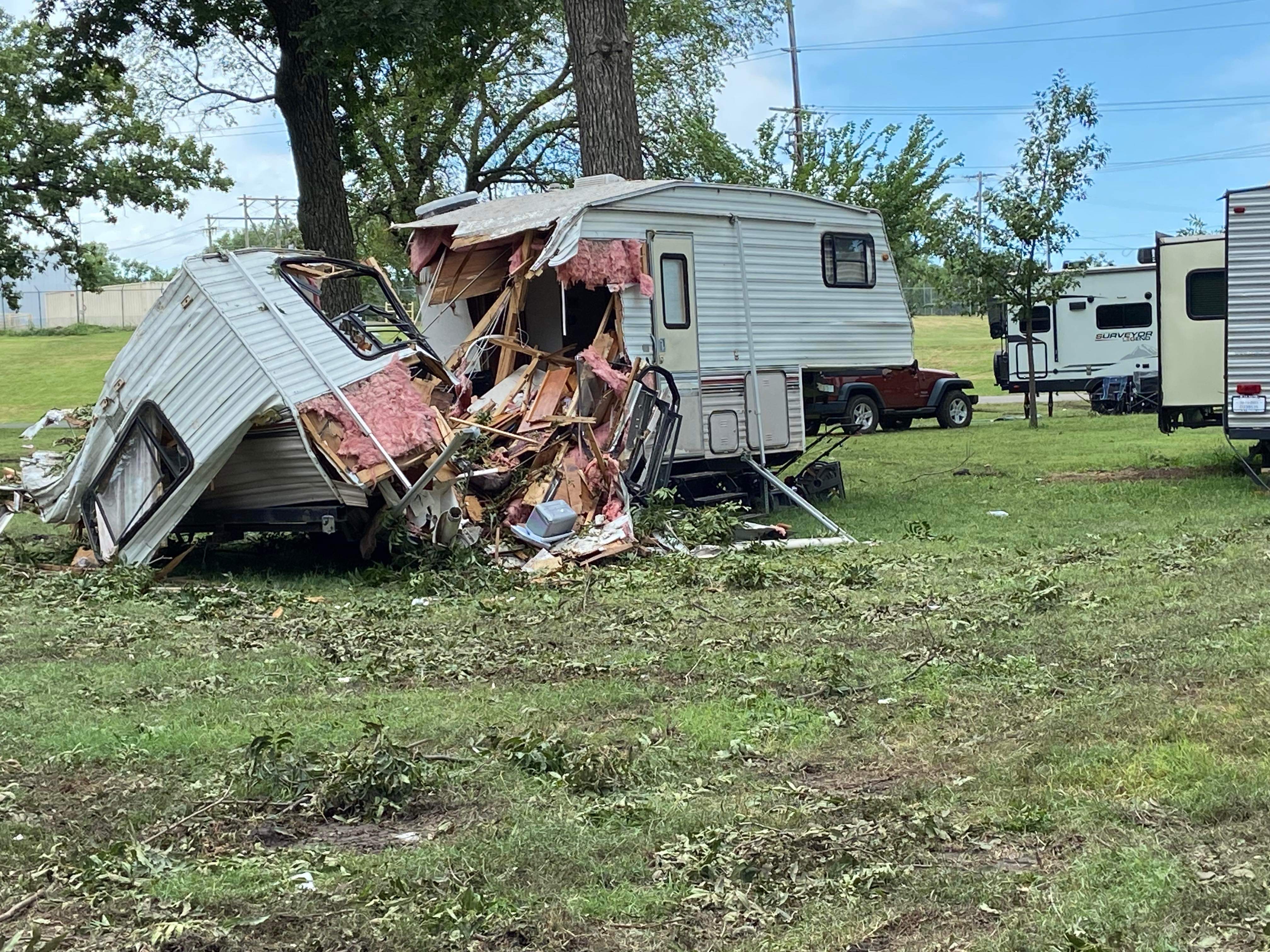
My own community cleans up after a straight-line windstorm that downed whole trees in our favorite parks and city streets, demolished our neighbor’s hay storage barn, and wreaked havoc on the county fair. Cleanup will continue for weeks. The cost has soared toward $2,000,000 already in our one small town.  And yet, we humans continue a path deemed to be disastrous for all life on the planet, just so oil companies can reap growing mega-profits at the expense of everything else we hold dear. If fictional tales set in a grim future environment will shake us into action, I decided I must try.

It’s been my privilege to offer continued piano service across south-central Kansas for nearly thirty years. I’ve kept climate records at each job, recording temperature and humidity. It’s increasingly hard to advise piano owners what their best plan of service should be. With seasonal swings in temperature and humidity becoming more unpredictable, the effects on pianos are easy to see. Tuning stability is now a figment of the imagination.

Pianos are my world. So is the prairie ecosystem. I began to ask some hard questions as I twisted those pins on my annual calls. “What’s with all the earthquakes in Kansas and Oklahoma?” In my college geology classes I learned this area is the “stable” part of the continent. Earthquakes are supposed to be extremely rare. And yet here we are.

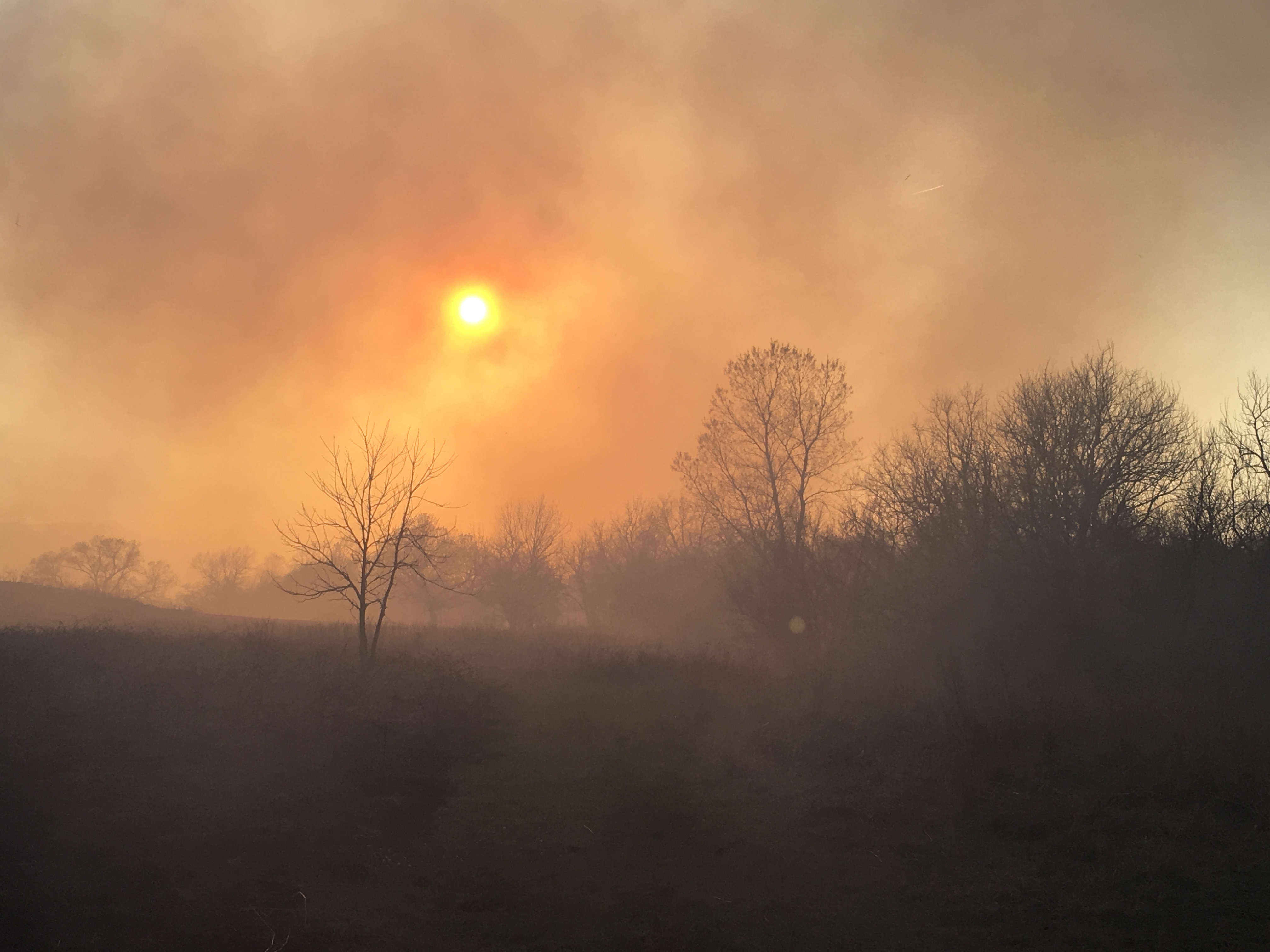
“What about the wildfires?” Every year we hear about more extreme fires. California, Oregon, Texas, Idaho. There have been successive record-breaking fires that started in Oklahoma and raged across the state line into Kansas, burning hundreds of thousands of grass acres, killing animals (including livestock) that were trapped in its path.April 2016, a fire burned over 400,000 acres, the largest blaze ever in Kansas (at the time);  March 2017, 600,000 acres burned in southwest Kansas, people were evacuated from small towns in the area; December 2021—fires in northwest Kansas, fanned by winds stronger than hurricane force, burned 400,000 acres.

Then there were the Canadian fires this summer that burned for weeks, sending ash and smoke into the air across northern US. And Maui—MAUI?? An island in the middle of the Pacific Ocean with a drought and a spark? The death toll from the Maui fire continues to grow.

I tried to imagine what my home county would look like after an extended drought, followed by a massive firestorm. Perhaps lightning would ignite an oil spill created by one of those fracking earthquakes. Add to the mix technology that can’t receive satellite signals, towers that topple in storms, and no way to receive news from the rest of the world.

The field of stepping stones.

What would my piano family do? What would become of them and their pianos? Would it even matter anymore if basic survival was the most pressing need? Unfortunately basic survival is already the most pressing need for far too many of Earth’s creatures, including pockets of human beings.

Thus, Firestorm Sonata was born. My deepest thanks to everyone who begged for another tale, who listened when I felt discouraged, and who offered words that bolstered me to keep on writing. You all comprise the village which raised Firestorm Sonata from a small seed to fruition. May she have wings to take her beyond my imagination and in her own way make our planet and our future a little brighter for all living things.


Of Snow and Violins

I don’t recall a time when I didn’t love books. I must have been hooked at my first page in my first picture book. Naturally, I wanted to write them also. English class in Junior High expanded my love of language. When the home economics teacher there assigned everyone to write a picture book for preschool children, a passion was born. I embarked on a lifelong adventure with words.

Though there have been lengthy gaps when I was too involved with family matters to spend time with a pen and typewriter, whenever I could  I outlined projects, made deadlines for myself, subscribed to writing magazines, and submitted my work.

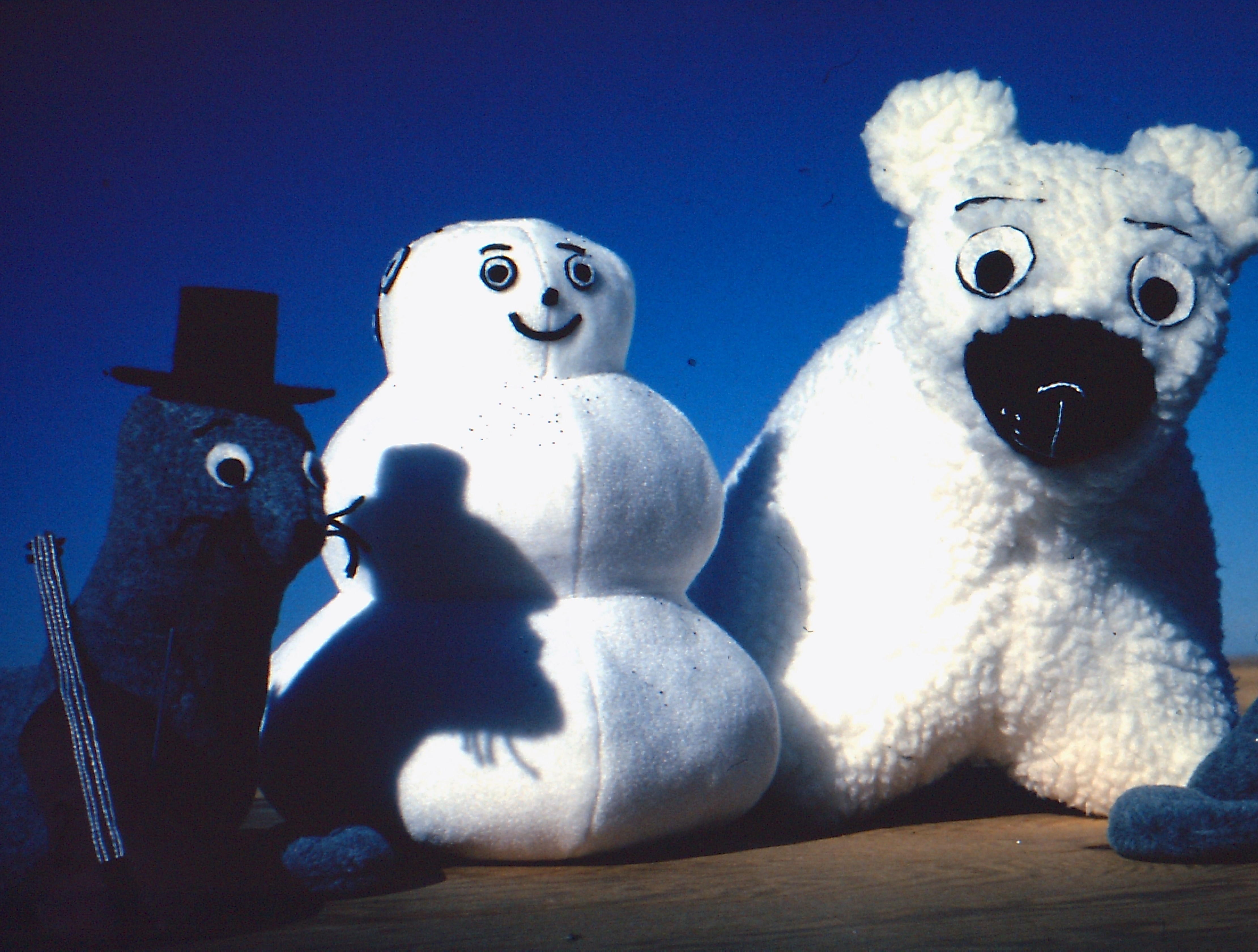
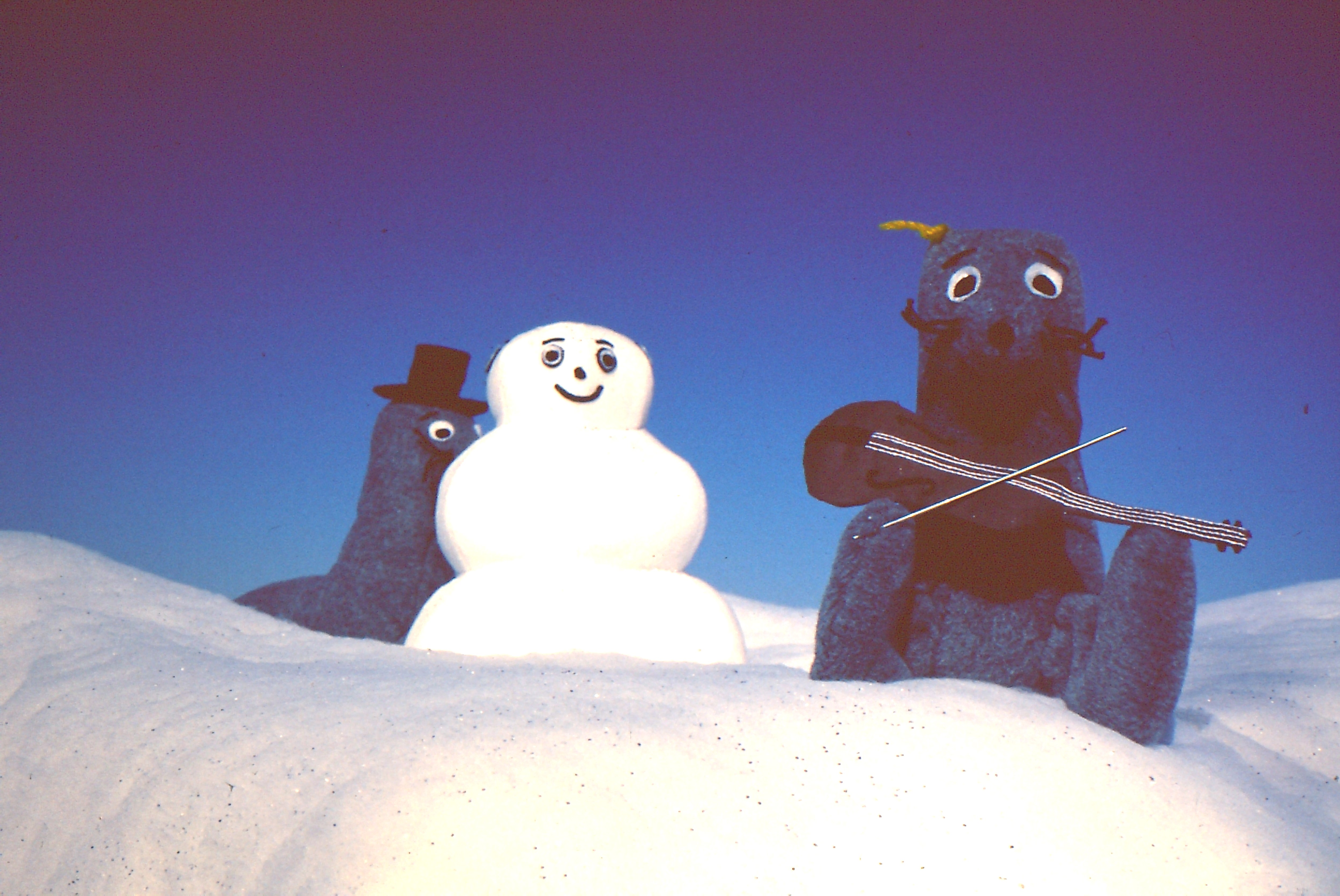
One early project started with a dream.  I don’t recall my age when this dream seared itself into my subconscious, but upon recollection it was an outlandish and delightful story. In my young adulthood, married but BC (before children) I decided to write the dream story as a picture book. It involved a couple of seals and a polar bear in the Arctic, a snowman, and a violin. A violin you ask? Yes. A violin.

Not skilled with paint or colored pencils, I figured I could illustrate this Arctic story using my photographic skills. I needed only to make the characters. I designed patterns to sew stuffed animals as well as stuffed snowmen and a violin. After careful construction, I lined up the cast on a board covered with quilt batting sprinkled with glitter, set up my trusty OM-1 35mm SLR on a tripod, and headed into the morning sunshine outside the little farmhouse we rented in Morton County, Kansas.

Crowned with a bluer-than-blue sky, the still morning was perfect for the illustrative slides. I had a blast moving the characters through the plot and snapping photos of every scene. When the slides returned from the processor, I had the story and the illustrations. I submitted the idea and samples to a few children’s book publishers, and received their kind rejections. I eventually chose Plan B and took the collection of stuffed animals, a slide projector, screen, and the story to several local libraries as a guest reader for their children’s story times. Again, I had a blast and the kids enjoyed hands-on time with the characters from the story.

The years raced by. Life happened. My own children arrived. Daily routines became strictly regimented trying to keep up with everyone’s activities. Other than a session or two sharing the story with my own kids, the stuffed characters were stored away in a big plastic tub until last December.

As Christmas approached last year, I recognized there was no good reason to hide the stuffed animals away. My daughters were grown with children of their own—and half of the grandkids were already too old for picture books. Either I pull the old critters out of the closet, or I never would. I gifted a couple to my 6-year-old granddaughter for Christmas and took along the set of photos to read her the story. On our homeward journey I realized that I now had the means to publish A Very Special Snowman myself. After digitizing the illustrations and formatting a children’s book, I sent this same granddaughter her very own copy of the book featuring the Arctic characters for her 7th birthday in March.

I launched the decades-old project to the public Thursday April 20. The “Women Score Higher” conference in Wichita solicited women authors as vendors and I was happy to be able to bring a variety of books for many different readers, including the freshly published A Very Special Snowman.

A few days after 7-year-old Mia received her book in the mail, her 9-year-old sister wrote to me saying she was writing a book and wanted to know how to publish it. It makes a grandmother proud.

Even with a peaceful ending for two careless seal pups, A Very Special Snowman is a little sad for me. Since those days of innocence long ago, the emergency situation in the Arctic has escalated as our warming Earth melts the polar ice. The fate of Arctic animals like polar bears and seals has taken a perilous turn since my early writing years.

But every stage of this project has been a thrill for me—from the dream, to construction of the characters, to photographing the scenes, telling the story, and designing a book in 2023. And the piercing blue sky in the photos of 1979 amazes me still, a reminder that this precious planet is very much worth defending for all of us, polar bears and seals included.


Who is Elsie Lenore?

The fourth book I have available at the Christmasland Writers of the Wheat event is a sequel to Sundrop Sonata, the 2020 suspense novel Sonata of Elsie Lenore.  Released just before COVID shut everything down, Elsie had a rough launch, but she’s hanging in there.

The story begins fifteen years after Sundrop concludes. Izzy anticipates the birth of her first grandchild. Daughter Melody has married a Cuban pianist, Stefano Valdez who was stranded in New Orleans (or what was left of it) after a horrific tropical storm battered the area.  Mel’s interest in relief work dates to the time her mother compromised the family’s safety to help an orphan girl.  Her work takes her to disaster sites from coast to coast in a world increasingly plagued by intense storms.

With his career thriving and a baby on the way, life looks good to Stefano Valdez until a postcard from the past shatters his world. Days before the expected birth, he heads south to find the author of the card, a sister he long believed to have perished in the storm that left him a refugee in New Orleans. Trailing her to Cuba, he unwittingly places his Kansas family in the sights of the crime ring that destroyed his sister. Will he discover the hidden message in her hastily-penned words in time to save his family?

Sonata of Elsie Lenore is Stefano’s story, from southern Kansas to Cuba and back again, where he discovers that Mel has left him to work a tsunami disaster site on the west coast.

Chapter One

LENA VALDEZ CRINGED when her husband hammered the Steinway piano lid with his fist.

His rage growing, Enrique’s knuckle bones threatened to burst through his skin. “I told you,” he said, “no more of this Lecuona crap. Do the jazz. Tonight we want the best Cuban jazz.”   The youngest of the three Diaz brothers punctuated every other syllable with his fist until the piano’s heavy bass strings vibrated with a rising cacophony.

She shrank from every blow.

“Understand?” he yelled.

, Enrique,” she said.

“Get to the jazz. I’m counting on you tonight. ¿Comprendes?

She looked down, her fingers rubbing the familiar ivory ridges of the piano keys.

“¿Lena?” he said.

She felt rather than saw his arm rise and spoke with haste. “Please, Enrique. Don’t hit the piano.”

“Jazz then. Hear me?”

She nodded. Yes, she heard him. How could she not? She could hardly recall a time he spoke to her without yelling. “, I will play jazz.”

“One hour. Then we dress for the show. No more Lecuona.”

She flexed her fingers, took a deep breath, and leaned into the keys. A recent island melody by Jorge Marin swelled from the piano. Swinging with the beat, Enrique danced out the door of the Caribbean Breeze, a nightclub in New Orleans.

Her hands flew over the keys as she coaxed melodious rhythms from the worn Steinway. It wasn’t that she hated jazz. After all, jazz expressed Cuba’s heart and soul. It sang of the courage and beauty of her countrymen. She loved jazz, but she loved classics more and she needed Lecuona right now. Their mother raised her and her brother on Lecuona, embracing classical Cuban tradition.

Lena completed the Marin number and stifled a sob.

“You okay Señorita?” Roberto, the bartender and manager of the nightclub, peeked in from a back room.

She nodded. “I will be fine.”

“I heard some yelling,” he said  and  cocked his  head,  inviting her to say more.

She forced a laugh.  “Enrique. He’s always yelling,” she explained away the outburst. “It will be fine.”

“If you’re sure.” He turned back into the storage room.

She waited a moment,  gathering her nerve,  her fingers silent on the piano keys. In a timid voice, she said, “Roberto?”

When  he  didn’t respond,  she  tried again,  louder.  “Roberto?”

He stuck his head through the swinging door again. “You say something?”

“I just wondered if you would tell me where I could mail a postal card.” She fished a postcard from her handbag.

“Sending greetings from good old New Orleans?” he said with a smile.

Sí. I want to contact my brother.”

“Stefano? How is he anyway? I heard he’d tied the knot with a beauty from up north somewhere.”

She nodded. “I just want to let him know I am here. Where could I mail the card?”

He extended his hand. “Leave it with me. I’ll make sure it goes out tomorrow.”

Gracias, Roberto.”

The bartender disappeared into the back room with her card.  Lena took a deep  breath before she  continued  her  rehearsal. If only Stefano would meet her here. Would he even get the postcard in time? He didn’t know she was booked at the Caribbean Breeze, their old favorite nightclub. Maybe he wouldn’t even believe she was here, set to perform on Mama’s piano, “Elsie Lenore.” He sure didn’t know she’d married into a family of drug smugglers or that she was miserable.

He didn’t know.

She launched into another Marin number. At its close, she whispered into the keys, “Elsie—Elsie, what will I do?”

Unexpectedly, her mother’s voice whispered in her mind. “We do what we must.”

In a flash of recollection she visualized the lewd sneer of her former stepfather as he appraised her youthful body and her mother stepping between them— “Not my daughter, you bastard!” Her mother had split up with that man before the next week passed.

A year later a new gentle suitor presented her mother with the same Steinway she’d lost after the Revolution. A gift from her father when she was young, she had fondly dubbed the piano Elsie Lenore. It was offered as a wedding gift for the woman  he’d loved all his life  and Lena’s mother could not refuse his proposal. Lena and Stefano had grown to love that piano as much as their mother did.

Her mother’s voice whispered again. We do what we must.

“Yes, we do.”  Lena’s  hands  teased  the  keys as she pondered her limited options. Elsie Lenore and her brother Stefano offered one thin thread of hope. Surely he would understand. He had to.

Her fingers caressed the keys and cajoled an Afro-Cuban piece from the belly of the piano. The melody grew, and then waned. She dropped her left hand and allowed her right hand to sketch a rhythmic melody up the keys as she diverted her left hand to the piano case.

Following the melodic sequence, she ran her fingertips to the treble end of the mahogany trim at her waist and pried upward. With a full-keyboard glissando, she moved to the bass end and inched up the trim until the keyslip was free of its mounting screws. She placed it across the music desk without the slightest click.

The music soared again when her left hand joined in. She strummed repeated staccato chords, lifted her hands at the finale, and froze, listening.

Silencio.

Roberto must have gone out for a few moments. Nobody remained inside the club.

She retrieved a set of dining utensils and a paper napkin from the nearest table and spread the napkin beneath the bass keys. Slipping the knife tip underneath a key, she scraped against the key frame, teasing a fine white dust to the edge. She repeated the process under four keys, and scraped the powder onto the napkin. Tossing the knife to the floor, she lifted the napkin’s corners, cradled the powder into its middle, and with a sigh folded it into a tiny envelope. Her brother would have been proud to know she’d learned some intricacies of piano construction. She, for her part, was grateful for his fascination with the technical side of the instrument.

Gracias, Stefano,” she whispered.

She tucked the parcel securely into her cleavage, replaced the trim, and lost herself in the music.


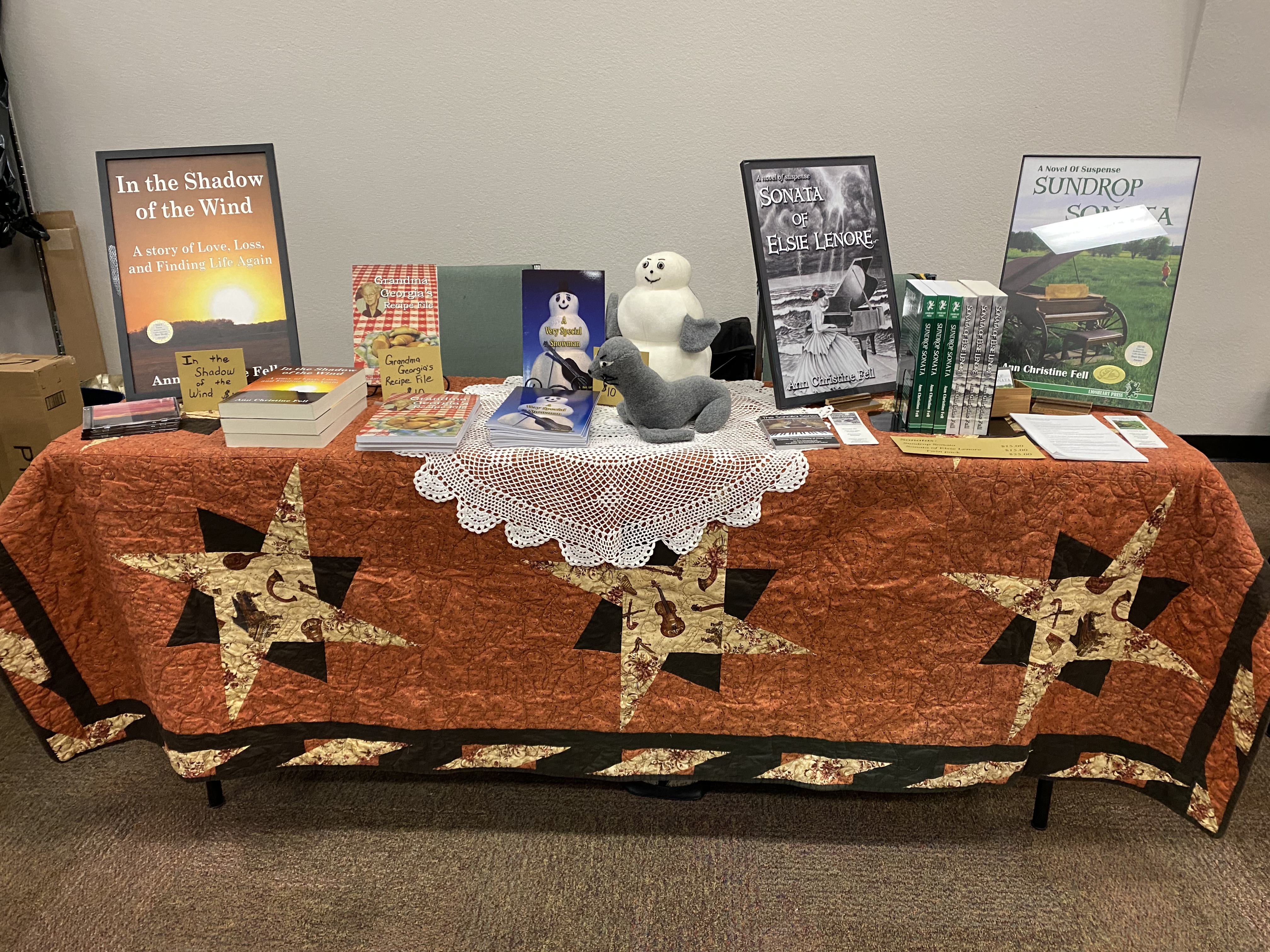
To find out what happens next, drop by the Christmasland Event with Writers of the Wheat December 3, 4:00 pm until 9:00, at the Sunflower Plaza, 417 East Gilbert in Wichita. There will be something for every reader’s taste.

Writers of the Wheat is a loosely organized group of Kansas authors who support each other in writing, as well as marketing, their work.



How About a Little Suspense?

After completion of the memoir in 2014, I plunged into crafting a tale of fiction. Using personal expertise in the field of music, piano teaching, and piano tuning, a story based on abandonment and revenge wrote itself in my head. Today’s featured book is my first suspense novel, Sundrop Sonata, published in 2016. It was a lot of fun to write, and has gathered several awards and great reviews, which launched my plan to write a few more piano suspense tales, the Sonata series.

What is this Sonata about? With her passion for helping people, piano tuner Isabel Woods loves her job–but passion can be a dangerous thing. Reluctantly agreeing to harbor a client’s autistic daughter, Izzy’s good intentions unexpectedly expose her own family to a fiend with a chilling agenda. Human trafficking and bio-terrorism are no longer just buzz words from the nightly news. For Izzy, they have become terrifying and real. As the deadly Sundrop Sonata begins to play, Izzy has one chance to save the people and the country she loves armed with nothing more than courage, intelligence, and her esoteric knowledge of pianos.

Sundrop Sonata will be available at the Christmasland Event with Writers of the Wheat December 3, 4:00 pm until 9:00, at the Sunflower Plaza in Wichita. Writers of the Wheat is a loosely organized group of Kansas authors who support each other in writing, as well as marketing, their work. Join us at the Sunflower Plaza, 417 East Gilbert in Wichita,  December 3. There will be something for every reader’s taste.
Chapter One

IZZY

A chill shot down my spine the instant our eyes met. Nola Pack looked ten years older than she had a week ago when we met in town. She stood in her open doorway, clenching its frame. Her red eyes sought mine as a breeze teased her disheveled hair. The ranch wife I remembered from previous meetings would never have appeared with even one stray hair on her immaculate swept-up bun.

I smiled and greeted her, but her grave face stole the sunshine from the bright spring morning. I no longer heard songbirds sing in the nearby flowering orchard as I searched for clues to her distress.

Nola didn’t return my smile, nor did she speak. Her bloodshot eyes narrowed as she studied my face. She stepped aside, still clutching the ranch house door with a grip that raised veins on the back of her hand. I stepped into the picturesque entryway, put my tool case down, and stooped to remove my shoes.

“No. It’s fine. Come in,” she said.

“You don’t want me to remove my shoes?”

“Not today, Mrs. Woods. Come in.”

“If you’re sure,” I said, wiping my shoes on the entry mat before I stepped onto her white carpet. “And please call me Izzy.”

Awash with sunshine, the music room issued a warm invitation. A sofa and two chairs faced the walnut grand piano across the room, its lid open on full stick. A violin leaned against a matching walnut music stand that filled the piano’s graceful curve.

“What an improvement over the old upright,” I said. “When did it arrive?”

“About ten days ago.”

“Anything I need to know before I begin? Problems? Concerns?”

Her brow narrowed. Still unsmiling, she shook her head and looked over my shoulder to the window beyond the piano. I set my tool case against the wall and tucked a stray curl into the hair clip on the back of my head. “I’ll get started then,” I said over my shoulder.

“Wait, please,” Nola said. “I need your help.” She closed her eyes. Her voice almost a whisper, I strained to understand her words.

“You don’t want me to tune your piano?” I asked.

“No. Not now.”

“A few minutes then? Or did you mean not today?”

“Not today.” Her voice carried unmistakable urgency. “Please. Come with me.” She turned and walked into the hallway beyond the living room.

Another chill raced through my body. I stood rooted to the white carpet. Nola turned and looked at me from the other end of the hall. With a frantic wave she beckoned me to follow.

I walked from the music room, past four closed doors. Two doors displayed a child’s colorful paintings. I knew there were children in the house, or at least a child. During an earlier call a girl had peeked at me for a moment before Nola scolded her. I had never been invited beyond the music room though, until today.

The hallway opened into a glassed-in dining room aflame with spring sunshine. Nola led me outside to a redwood deck extending over a pond, water slapping the rocks beneath us. In the far corner of the deck, a slender girl slumped on a lounge, her arms wrapped around her chest. She stared at the blue water, humming in a split voice that sounded as if she sang in two pitches at once.

I tilted my head toward Nola and narrowed my eyes.

Nola met my puzzled gaze. “She’s talking to herself. She does it when she’s under stress.” Her voice was devoid of any emotion, fear still in the undercurrents.

Nola brushed aside a tree branch bursting with fragrant blossoms and knelt at the girl’s knees. In a soft voice she said, “Laura, this is Isabel Woods, the lady I told you about. She’s our piano tuner.”

The girl didn’t move. If anything, she hugged herself a little tighter.

“Look at me, sweetheart,” Nola said.

The girl turned to her mother, but her gaze shot beyond Nola toward me. Her eyes didn’t appear to focus. I offered a tiny smile, but Laura didn’t respond.

LAURA

Laura Pack squeezed herself, as if tightening her grip on her own shoulders could wring the stench from her mind. All morning the awful smell had overwhelmed her. The pungent odor of putrid diapers drove her mad. Baby poop. Hour after hour, the reek of excrement filled her mind. She couldn’t sleep. She even tasted the stuff. She swallowed, desperate to stop the bile rising in her throat.

Why this happened, she didn’t know. Every time she faced her fears, every time her world went wrong, this same awful odor permeated her nostrils and filled her brain. Mama didn’t believe her. She would shake her head and say she made it all up, that there was no rotten smell because Mama couldn’t smell it.

But after that awful phone call, Laura sure could.

And it grew stronger and stronger until it filled her mind. Mama had decided to send her away. So she’d be safe, Mama said. She didn’t think it would make her safe. She didn’t think she’d ever be safe without Mama.

Laura heard her mother call her name. It sounded so far away. She turned her head, dazed. The awful smell – why wouldn’t it stop?

I can’t see you, Mama. I can’t see you. Don’t look at me. I don’t want to see you. Can’t see you. Can’t see you. Can’t see. Why do I have to go? Why? Why? Why? Don’t want to go. Won’t go. I won’t. I won’t see you, Mama. Don’t look at me. No. No. Baby poop. No.

No – wait. Look at me. I want to see you. Look at me. I see you. I see you, Mama. I’m scared. I’m so scared. It smells so bad. I hear you. I hear your voice. You say I’ll be safe. I’ll be safer. Why? Why? Why? You come too. Be safe. Be safe, Mama. Be safer. Look at me. I can see you. I see you. I don’t want to go. Don’t want to.

Laura’s gaze focused on the piano tuner. The strange woman’s frizzy gray curls struggled to escape from the loose clasp on her head. Laura found no comfort in this stranger. Not even when the woman smiled.

I don’t know that lady. Who is she? I’m scared. Scared, Mama. I see you. I see you, Mama. I see her. She’s looking at me. She’s smiling. I see her. Okay. If you want me to go, I’ll go. I see her. She smiles. She’s kind. She’s kind of – not you!

Don’t want to go. Don’t want to, Mama. Don’t want to. Don’t want to. Don’t want to leave you. Baby poop, Mama. It’s baby poop. You come too. Be safe. Safer, Mama. Come too. Come with me. I see you, mama. I see you – I see you – I see you. I love you, Mama.

Nola clasped her daughter’s hands in her own. She pulled the girl to a stand and pressed Laura’s hands together over her heart. Their eyes met.

IZZY

After a few silent seconds, Nola nodded once. She turned to me.

In a shaking voice she said, “I don’t know how to ask you this. We need your help. Could you – please – would you take Laura for a while? We’re desperate.”

Oh, my God. I don’t believe this. I coughed, choking on my response.

Laura pulled away from her mother.

“She could be in danger and I need time to sort things out,” Nola said.

I glanced from mother to daughter. The girl’s shoulders shook as she sobbed, her head buried in her hands.

What was I to do? I couldn’t take a strange child with me, drive out the driveway, head toward – head where? My appointments filled the day’s schedule. This would never work. What in the world was happening here?

But, I’d never been one to turn down a plea for help. What could I do?

“Please.” Nola’s whisper screamed in my ears.

I shook my head. “I need to think.”

“We don’t have time.”

“Are there no family members? Grandparents? Aunts or uncles?” I asked.

“My family lives in New York. They’re too far away. I need help now.”

“What about neighbors or friends?”

“I don’t know anyone around here. Except you. ”

That I could believe. The Pack family was a mystery to their neighbors. Hints and stray comments dropped when I tuned pianos a couple miles up the road confirmed nobody knew these people. They had no local friends. Just the piano tuner.

Incredible.

“Ranch hands?” I said. “You must have hired help.”

“I don’t trust them.”

“Is that why you think Laura’s in danger?”

“Please. There isn’t time to explain.”

I scratched my head through the mess of curls. Frizzy Izzy. I was living up to my childhood nickname, the hair an outward manifestation of my inner turmoil. “Have you called the sheriff?” I said.

“No. I can’t call the police.”

“Maybe you should.”

“Please. I can’t involve them.”

“This is crazy,” I said. “I can tell you’re desperate. But you haven’t told me why. You want me to pack up your daughter, the girl you’ve never even introduced to me on prior visits – load her up and take her away. But why? ”

“It’s an emergency. I need Laura to leave for a while.”

“I kind of want to leave too. In fact, you’re making me want to race from here as fast as I can go. But I don’t know why.”

“Just take Laura with you. Please.”

She had me. Could Nola read people enough to guess I’d find it impossible to refuse? My passion to help others usually served me well. I was, after all, in a service profession, traveling all over the countryside to tune pianos for people. Service with a smile, was the homily I always told myself. Make harmony from discord. And I loved the work. I loved the people. I found pianos fascinating, each one a variation on an ingenious theme.

This, however, was a first. This was different. Not a discordant piano today. This time, I was being pulled into a desperate situation.

Nola, should I tune your life?

A knot of anxiety hardened in my stomach. I didn’t know how to refuse. “For how long? How long is a while?” I asked.

“Might be only an hour or two. Perhaps a couple of days. I’ll call you when the crisis is over. Don’t call me.”

Chills raced through my body. “Why not? What if something happens?” I said. “What if I need to get in touch?”

“I’ll contact you as soon as I can. Just don’t call me.”

I closed my eyes and took a deep breath. Take the girl. No police. Don’t call Nola.

Laura wilted into the deck lounge and wailed.

In a soft voice, Nola said, “Izzy, believe me, if there was any other way, we would never put you in this position. The situation blew up on me this morning. You’re the miracle we need right now.”

“Please tell me why you’re so afraid,” I said.

She shook her head. “There’s no time. You need to go now.”

I touched the girl’s trembling shoulder with my fingertips. “Laura, are you okay with this? Will you come with me until your mother calls?”

Still sobbing, Laura ventured a tiny nod and turned to her mother. They grabbed each other in a desperate embrace.

Nola gently pushed the girl away. Taking her hand, she said, “Let’s go.”

She pulled Laura through the open doorway and gathered a few bags from the dining table. We dashed down the hall and into the music room, the bags in Nola’s arms brushing Laura’s artwork as she ran. I collected my tool case and hurried out to the waiting Blazer.

After I tossed my tools on the back seat, Nola handed me a briefcase. “Don’t lose this,” she said. “These things can’t be replaced.”

What does she mean? Another wrinkle.

I scrutinized her for a moment before I set the briefcase behind the driver’s seat.

Nola deposited Laura’s bags on the back seat and tucked her daughter into the passenger seat. She leaned inside and kissed the child.

“God be with you, Laura. I’ll see you soon.” A tear dropped into the girl’s stringy blond tresses.

Nola wiped another tear from her cheek and glanced at me. “Now quickly – go!”

I turned the Blazer onto the long gravel drive and spun the wheels as we left.

Accelerando, Isabel. Step on it.

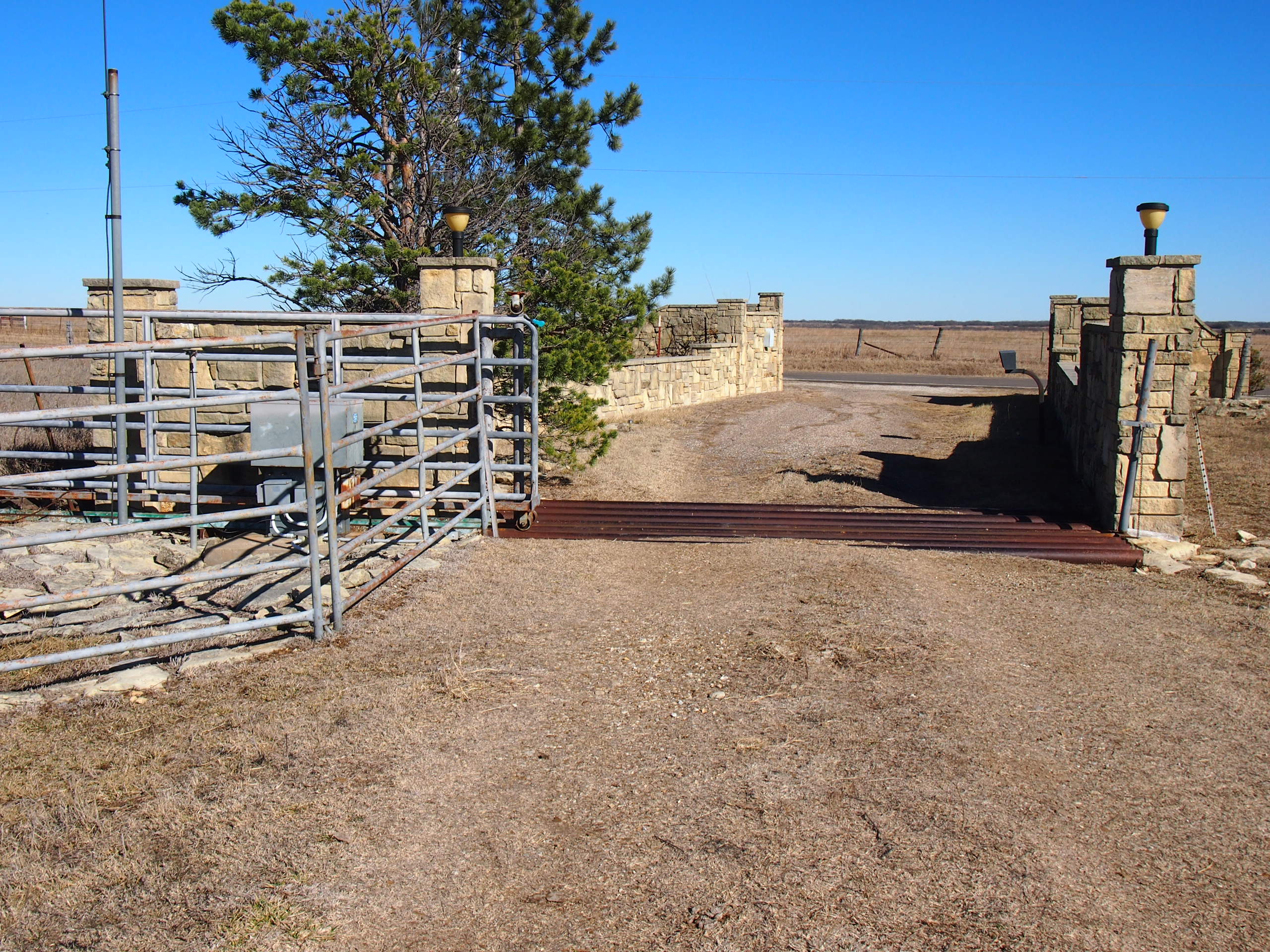
We jiggled across the pasture lane. Laura shrank against the opposite door and wailed. Her thin voice vacillated with bumps in the road. At the end of the long driveway, we rumbled across the cattle guard and through stone pillars. The remotely controlled gate surged to life as soon as we cleared it.

“Your mom must be listening,” I said.

Laura’s strange two-tone whine rose a notch in volume.

I braked enough to navigate the turn onto the deserted county road. Heading south, I floored the accelerator. Less than two miles later, we met a two-ton flatbed pickup. It raced toward us, engine roaring.

“That guy’s in a hurry,” I said.

Laura gasped. Mouth open, eyes wide, she clung to the door, her gaze riveted on the truck. She ducked, hiding her eyes behind her long hair.

“Laura?”
The truck aimed straight for us. I swung the steering wheel right and braked hard. The farm truck thundered by as my Blazer crept along the shoulder. “Dang, take your half out of the middle,” I said.

Laura dissolved into hysterical sobs.

I pushed our speed again. We sailed along the road, sunlight streaming through the windshield. The bright morning mocked the grim mood inside our cab. Tears streamed across Laura’s cheeks. She reached up with her right arm and wiped her face with her sweatshirt sleeve. I reached over and squeezed her rigid hand.

“That was a close one, wasn’t it? You recognized the truck. Did you know the driver?”

Laura nodded. Her chest heaved. She worked her jaw, as if trying to speak, but her words didn’t form through her wail. She screwed up her face, knotted her hands into fists and managed to blurt in her strange split-tone voice, “My dad.”

“Your dad?”

She nodded and shrieked heart-wrenching sobs.

Her dad?

Was he the source of Nola’s panic this morning? Were her urgency and desperation because her angry husband headed home? Why would Laura’s life be endangered at her father’s hands?

I wished I could have stolen a look at the truck driver. I’d never met Laura’s dad. In all the previous service calls, not once had he been home. Did he look into my car? Did he recognize Laura? The thought horrified me.

“Honey, do you think your dad saw you as we passed?”

She shook her head. She must have watched his face, even if I didn’t get a peek.

“Is your dad the reason your mom sent you with me?”

A hesitation. Then a quick nod. This was a family dispute.

Nola’s words echoed in my mind. Her life is in danger. I shuddered.

In danger from her dad. Something she failed to mention.

No police, Nola had begged. Why not?

“It’ll be all right, Laura,” I said to reassure her.

Would it though? I was unconvinced.


To find out what happens next, drop by the

Christmasland Writers of the Wheat event!

December 3, 2021, 4:00 – 9:00 pm.

Sunflower Plaza, 417 East Gilbert in Wichita.

Holiday Cooking with Grandma Georgia

As I prepare for our Thanksgiving dinner today, I am drawn into memories of Grandma’s kitchen. That were her habitat. Queen of her kitchen, she was in command of all the fixins. I recall helping to roll up the butterhorn rolls, a favorite task for granddaughters. Nobody went hungry at Grandma’s house. After the clean up, folks stretched out for a nap before we all drove the seven-mile journey to the family farm for a walk through the bare winter trees. It’s amazing how just cooking something from the past makes me feel close to family that is gone.

Today I will feature the latest publication that will be offered at the Christmasland event with Writers of the Wheat on December 3, 4:00 pm until 9:00, at the Sunflower Plaza in Wichita. Writers of the Wheat is a loosely organized group of Kansas authors who support each other in writing, as well as marketing, their work. Join us at the Sunflower Plaza, 417 East Gilbert in Wichita,  December 3. There will be something for every reader’s taste. It seems appropriate on Thanksgiving to share a cookbook.
Foreword

Georgia’s Recipe for a good life:

Work hard.

Love deeply.

Laugh often.

Georgia Wells Harris was born in southern Missouri October 3, 1891, the third child in a family of 5 children born to George Calvin and Edith Malinda Wells. By 1900, the family had moved to Kansas, utilizing covered wagon and train transportation. They settled in Skiddy, and later Dunlap. Georgia married Charley Harris on November 20, 1912. They raised four children, Frances (born 1914), Lester (1918), Wallace (1925), and Paul (1935).

No stranger to hardship and heartache, Georgia struggled to keep her family fed during the 1930s. Her farm kitchen remained stocked mostly with things produced in her garden or on the family farm.

Her oldest son Lester, an engineer on the USS Gherardi in WWII, was killed December 2, 1942 in a violent storm off the coast of Rhode Island. Charley died ten years later, and cancer took daughter Frances in 1959. Through it all, Georgia opened her heart and her home to family and became a role model in resilience, generosity, and compassion for others. I have precious memories of her hearty laughter, which was easy to trigger and very contagious.

She was an excellent cook, and queen of her kitchen. Many holidays the entire family gathered at her round dining table to feast on exquisite cuisine.

She died June 25, 1990, well on her way to her 99th birthday.

Her meager possessions passed to various family members. After her son, my father Wallace, died in 2010, her worn pink recipe file came into my possession. The lid had long since disappeared and it was stuffed full. Many tabs of the various sections were almost torn off, but I felt a connection to my grandmother, reading those recipes—most written in her own familiar handwriting.

I suspect the file is far from complete as a collection of the dishes she served, but it’s a nice collection. Some I have specific memories of. Most I do not. Some must have been given by friends, as the handwriting was not her own. Perhaps she gained several in recipe exchanges at her women’s “72 Club.”

I long intended to divide up the cards and share them with my sisters and cousins, but time got away from me. In 2020, the year that COVID stalled many usual activities, as October rolled around I pulled out the file and started studying the recipes. Who should get which ones? It was impossible to decide. That’s when the idea of constructing a book was born. We each will have access to every single recipe in her recipe file. Each of her living grandchildren will still get a selection of her hand-written cards, but with this book, we’ll all be able to use and enjoy her recipe collection.

Several recipes were incomplete, listing only ingredients, or confusing instructions. I imagined she was standing behind me saying, “Well, you ought to know what to do with those.” After all, she knew. Where I tried to add suggestions, my words are in italics.

In places, I have transferred her exact notes, regardless of punctuation and spelling, just like they are on the cards. I find them endearing. In other places, I did a search to clear up some uncertainties. I didn’t always find answers, but where I did, I shared them.

Some ingredients are unfamiliar to me, and may be pretty hard to find. Thus there may be recipes that are not practical or useful in today’s kitchen. But they are interesting.

In many ways, recipes are heirlooms. The people she credited with some of the recipes are different than those I think of when I make the same concoction. Names in ( ) are her referrals to the sources of the recipes, but they don’t always match the credits in my own recipe file.  The cookies I think of as Grandma Georgia’s brown sugar raisin cookies, she credited to her younger sister, Ola. I wonder who Ola thought of when she baked them?

The evolution of our table food is an unending process. Special dishes remind us of gatherings, good times, and laughter. Others help us remember people we love who are no longer living. Those we favor tend to get passed around.

During the COVID seasons, I was drawn to the family favorites and felt comforted by memories of loved ones long gone as I shared their culinary delights with my loved ones today.

Mixed into the section headings is a sprinkling of wisdom as Georgia viewed life. It seems appropriate to include some thoughts she left in letters and recorded conversations, as seasonings for the book, just as her principles seasoned her life. Let your mind roam back over the decades, and just try to imagine the earlier days. She would be thrilled if we applied some of her shared thoughts to life in this century.

For more holiday food ideas, be sure to stop by the Sunflower Plaza in Wichita December 3. Visit with talented local authors. Browse the book selections. Find something special for everyone on your Christmas list.


Plastics and Me

Trash in the forest

Sometimes I am so overwhelmed by a glut of information on a topic, the immensity of a problem or a challenge, that I quite literally don’t know where to begin. Plastic pollution is such a topic. Plastics and me have had a decades-long feud. Though I grew up in the early days of the plastic boom, love for the natural world and wilderness led me to associate plastics with everything cheap and shoddy. The preponderance of the growing available products—from cheap tourist souvenirs to Tupperware (remember the parties??!)—helped me associate the word “plastic” with things that lacked authenticity: cheap imitations, counterfeit, false, fake, superficial, synthetic, and MAN-MADE.

As I moved from my parents’ home, my older sister gave me a set of dinnerware; four each of plates, bowls, and cups—a generous gift to start my adult life. But I was horrified because they were PLASTIC! I’m sure she felt conflicted and confused by my reaction, but the plastic set was returned to the store and traded for a couple pieces of cast iron cookware. (I later settled on a set of ceramic dinnerware.)

Shortly after that, I discovered No More Plastic Jesus by Adam Daniel Finnerty that became a guide book for life. Once again here, plastic meant fake, artificial, and superficial. It has been my lifelong passion to seek genuine things. Some of those are indeed crafted by human hands (take pianos, for example, or the handcrafted furniture in my office made in my father’s woodworking shop), but they use what Nature provides, not what chemists can create by manipulating petroleum into indestructible other stuff.

Having studied a science discipline in my undergraduate curriculum, (geology, a “natural science”) I get testy when people sneer at science and scientists in general. I recall a class I took in preparation for a secondary teaching certificate in the physical sciences. It was called “Science, Technology, and Society” and was a forum to examine ethical questions behind scientific exploitation of Nature’s gifts. Just because we CAN do something, doesn’t mean we SHOULD.

Chemists are scientists too. Just because we know how to re-form the molecules in petroleum and natural gas into long, indestructible polymers, doesn’t necessarily mean we should. Discarded plastic products pile up in waste streams and emit the toxins added somewhat secretly by petro-chemical companies to enhance product qualities, clog waterways and swirl in our oceans. It’s becoming clear that even though we humans discovered how to make cheap single-use plastic products, we should not be inundating our planet with the stuff.

Environmental writers around the world note that some plastic products are very beneficial. In the medical field, plastics save lives. In transportation, they help make our vehicles more fuel efficient. On a piano keyboard, plastic saves the lives of elephants whose tusks formerly were used to cover wooden keysticks.

Piano keys

Most of the beneficial plastics are meant to endure for decades. Those we encounter on grocery shopping trips are meant to be thrown away. Single-use plastic products, packaging, and shopping bags have become a huge global problem. And that’s got lots of people riled up, justifiably.

This month of July has become the month of plastic trash awareness in my house. YES! Magazine issued an invitation to join their team for a “Plastic Free Ecochallenge” through July. On the website are hundreds of ideas to cut or eliminate personal plastic consumption in areas of food, personal care, life style, pets, family, and community action. There are campaigns against single-use plastic around the globe. Break Free From Plastic lists campaigns by the groups Beyond Plastic, City to Sea, GAIA, Greenpeace, People Over Petro, Plastic Free Seas, Plastic Pollution Coalition, Plastic Soup Foundation, Recycling Network, Friends of the Earth, Surfrider Foundation, and others. GAIA offers a “Zero Waste World Masterplan.”

I’ve been reading Gone Tomorrow: The Hidden Life of Garbage by Heather Rogers, Turning the Tide on Plastic by Lucy Siegle, and Plastic Free: How I Kicked the Plastic Habit and How You Can Too by Beth Terry. In addition, there are numerous blogs addressing plastic pollution with ideas for each of us to make a statement–and a difference–in various ways.

The pictures painted by each of these authors show a global emergency. If we don’t curtail the production and use of single-use disposable plastics before the plastics industry is a century old, there will be more plastic items in the Earth’s oceans than ocean life. No form of animal life –not even humans—will be free from synthetic polymers in the organs of their bodies. (Discover Magazine, “Microplastics are Everywhere, But Their Health Effects on Humans are Still Unclear”, Jillian Mock, January 11, 2020)

Plastic pollution is a global crisis and it’s driven by the petro-chemical industry. In my hometown, every year a group of volunteers cleans our beautiful park of plastic trash as an April, Earth Day project. How disheartening to see the confounded stuff return before May 1! Some trash blows in, other items are carelessly littered, still more is “harvested” from appropriate trash receptacles by roaming nocturnal wildlife.

Our homes are filled with the indestructible polymers. With daunting names like low density polyethylene, (LDPE), high density polyethylene (HDPE), polypropylene (PP), polyvinyl chloride (PVC), polystyrene, (PS), polytetrafluoroethylene (PTFE), polychlorotrifluoroethylene (PCTFE), nylon, or thermoplastic polyurethane (TPU), these “poly-mers” are found in items from children’s toys to floor coverings, to toothbrushes, to water pipes, to cookware and grocery packaging to nearly everything else.

The Story of Stuff organization has produced a documentary, The Story of Plastic. This film takes a sweeping look at the man-made crisis of plastic pollution and the worldwide effect it has on the health of our planet and the people who inhabit it. Spanning three continents, the film illustrates the ongoing catastrophe: fields full of garbage, veritable mountains of trash, rivers and seas clogged with waste, and skies choked with the poisonous emissions from plastic production and processing. With engaging original animation, archival industry footage beginning in the 1930s, and first-person accounts of the unfolding emergency, the film distills a complex problem that is increasingly affecting the well-being of the planet and its residents.

Locally, we’ve been given a chance to view this highly acclaimed film as part of Marquee’s Green Screen summer film series, Saturday July 24, 7:00 pm in the lobby of the theater. Local residents are invited to come to the screening. There is no admission charge. To view the film’s trailer, check https://www.youtube.com/watch?v=37PDwW0c1so. Bring questions and ideas about combatting the local glut of plastic trash. Be sure to RSVP on Marquee’s Facebook event page so organizers can plan accordingly.  For a five-minute animated condensation of the documentary, see https://www.storyofstuff.org/movies/story-of-plastic-animation/

Landfill trash