Tuned Up!

My adventure at the mini-Chautauqua event sponsored by the Winfield Public Library through Humanities Kansas
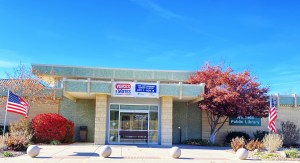
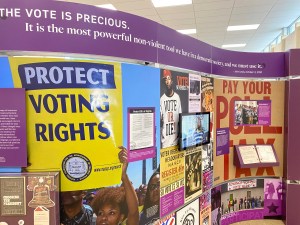
For the last few months, a traveling Smithsonian exhibit has circulated around the state, setting up in six different cities, with one more to go. The Voices and Votes: Democracy in America exhibit has spent the last month at our local library and will soon travel on to Belleville in the northern tier of counties.

Each hosting community has featured something specific about how that location supported the sharing of information, citizen involvement, and the voting process.
Winfield’s focus was on the Chautauqua meetings of a hundred or more years ago.

Founded in 1874 in Lake Chautauqua, New York as an educational tool for adults, its original intent by founder Rev. Joh Heyl Vincent, a Methodist minister, and businessman Lewis Miller was to expand the idea of a Sunday School for adults. The idea soon grew until Chautauqua meetings became an important source of education, culture, recreation, and socialization for millions of Americans. Everyone was welcome.

Winfield’s Chautauqua events were held annually at the town’s iconic Island Park from 1887 to 1924. Some years, as many as 10,000 people flocked to the island, camping in an area reserved for family tents for a week to ten days. For a number of years, it ranked as the third most popular Chautauqua event in the nation.

The Winfield Public Library staff selected the historic Chautauqua events, with their focus toward education and giving people a platform to share ideas and opinions, as the local highlight for the Smithsonian exhibit. As part of that, a mini-Chautauqua was held last Sunday evening in the community building. Ten local citizens were invited to present short talks about “It’s Intense: Voices on Good Tension.” It was my honor to be included as one of those ten.

Other speakers included business managers, the newspaper publisher, a farmer, a county judge, city manager, physical therapist, and a retired activist teacher. The emcee shared a short bio for each of us. My presentation used images to focus on  metaphorical tension from the perspective of a professional piano tuner.

Bio: A young widow with a preschool daughter, Ann Fell came to Winfield 35 years ago to teach at Winfield High School. She met and married fellow teacher Mike Fell and with their combined resources they raised a blended family. After a few years she quit teaching and opened a regional piano service business. With the loss of her parents a few years ago, she returned to her early calling—writing—and now has six published books. A dedicated environmentalist, musician, grandmother, and writer, she is no stranger to life’s tensions. Here’s Ann to talk about keeping life Tuned Up!

A dictionary tells me that tension is the act of being stretched to stiffness, maintaining a balance between opposing forces.

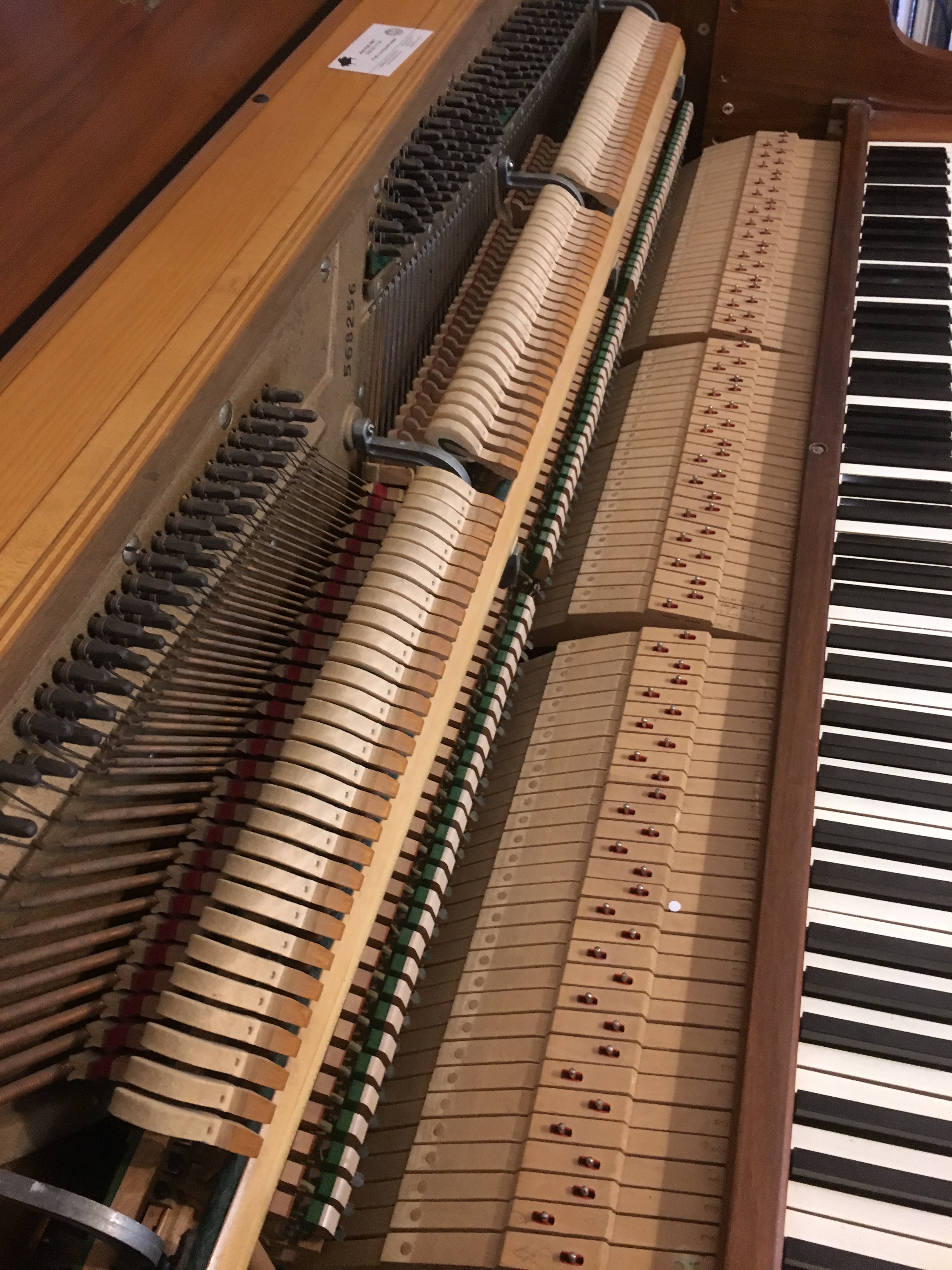
As a piano tuner, it’s my job to adjust tension—over and over again.

All stringed instruments need tuning as well,

but with 88 keys in a piano and multiple strings for most keys there are around 225 strings to tune.
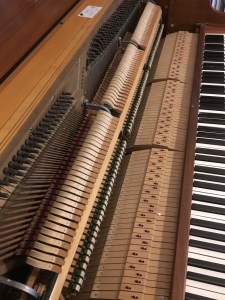
With an average 160 pounds of tension per string, that gives an ordinary piano about 18 tons of tension across its plate–30 tons for a concert grand. That’s a lot of tension! Believe it or not, I spend half the year lowering tension, and half the year raising it, since wooden soundboards react to our seasonal humidity changes.
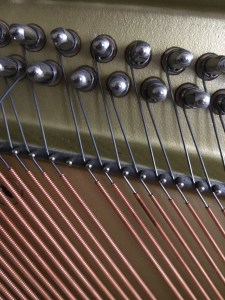
If a string is stretched too tight, it can break. On the other hand, if it doesn’t have enough tension and is limp it will not vibrate with the desired pitch. It will not sing.
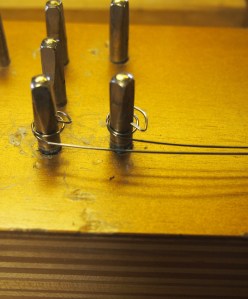
It’s all about balance.

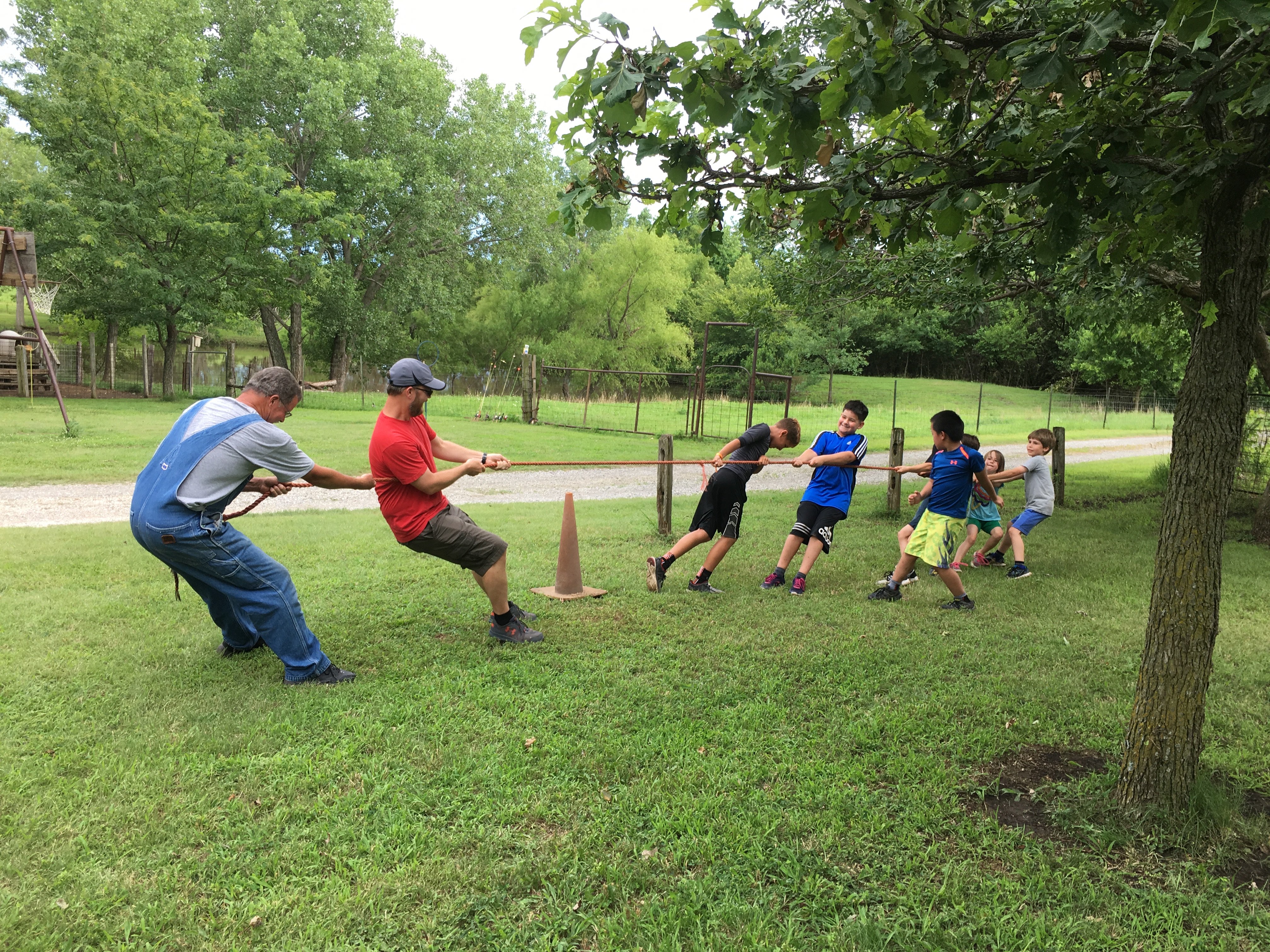
In our lives, tension just happens, and we stretch between opposing forces. Some of those forces relate to daily family interactions,

disagreements between parents about children,  disagreements between children and their parents. I might find myself facing a troubling medical diagnosis, or watching financial reserves dribble away.

I might have opposing opinions about current issues with extended family. I might be asked by our amazing local librarians to prepare a 5 minute presentation about Good Tension. I might face major life changes like starting a new job or moving to another community.

I might find myself dealing with tragic loss and grief, balancing the emptiness of the future with joyous memories.

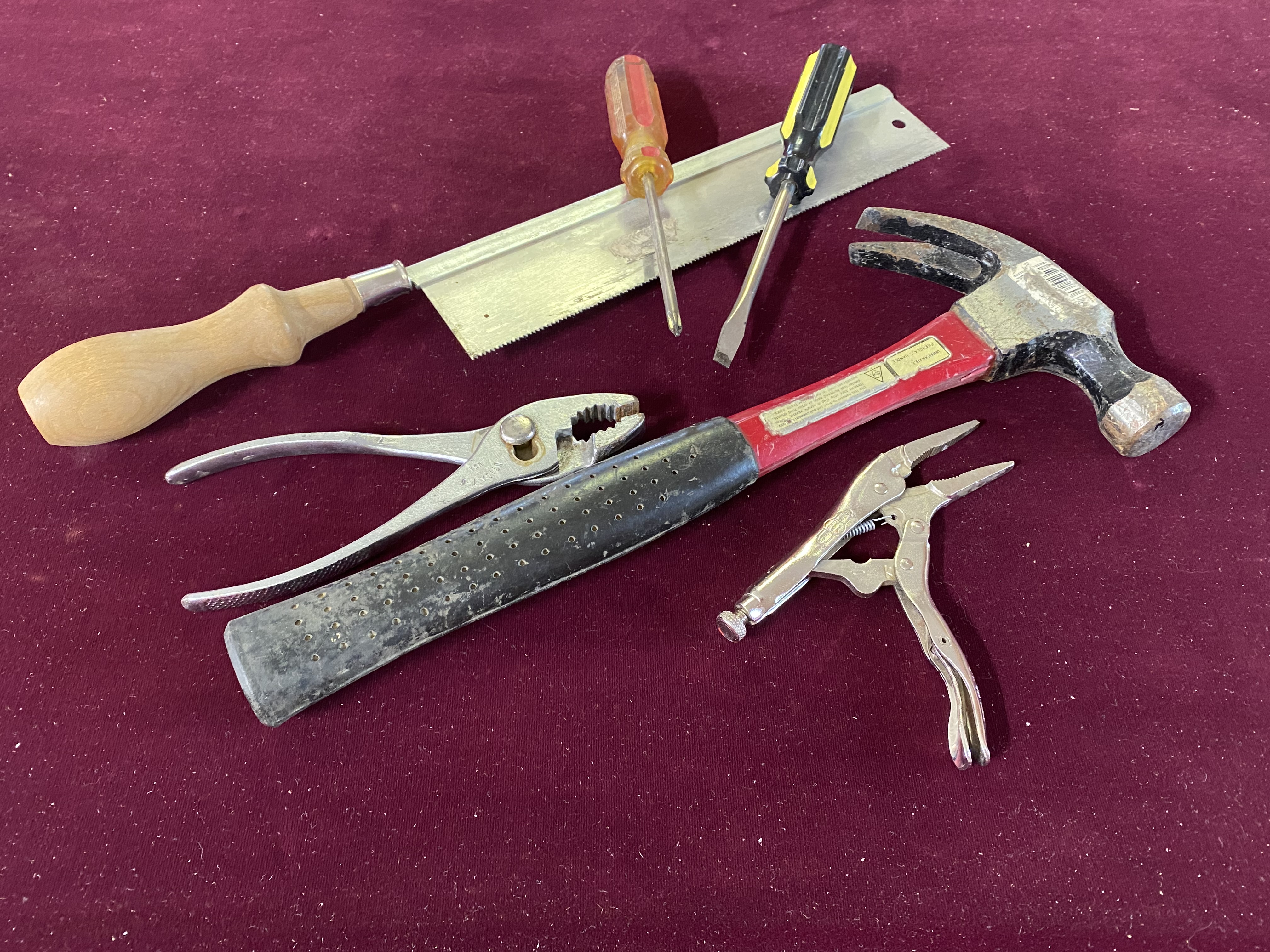
How do I find the optimum balance for tension in life? In the piano tuning world, we have special tools.

But what about tools to balance life tension?

Nothing as concrete as tools I’d find in the kitchen or garden.
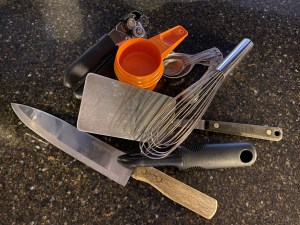
What tools are good for tense life situations?

I suggest intrinsic ones, habits, and careful choices.

Perhaps many of us have identified passions in our lives,

answering questions like “Who am I?”

and “Why am I here?” Hopefully most of our passions will leave a better place for those who come after us.

The details can be different for everyone, but we find a cause that we can support.
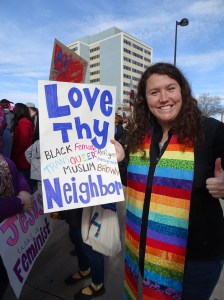
Maybe two or three.

When it’s time to raise the pitch—to increase tension and produce harmony—I find ways to follow my passions and take a stand on issues of the day,
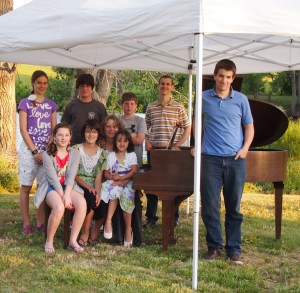
to engage in life, to volunteer, befriend someone who needs a friend.
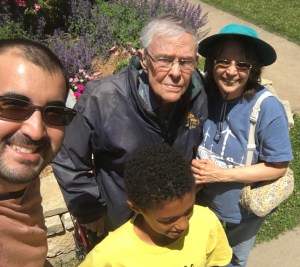
I try to recognize those things that I can let go and those I will support in every way I can think of.

But what can I do when the weather changes and I sense a storm coming? How do I keep from breaking under tension? Tools to relieve tension arrive as life gifts, different for everyone.
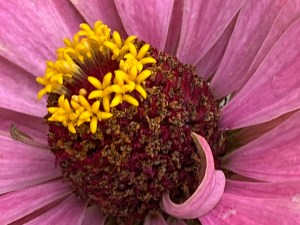
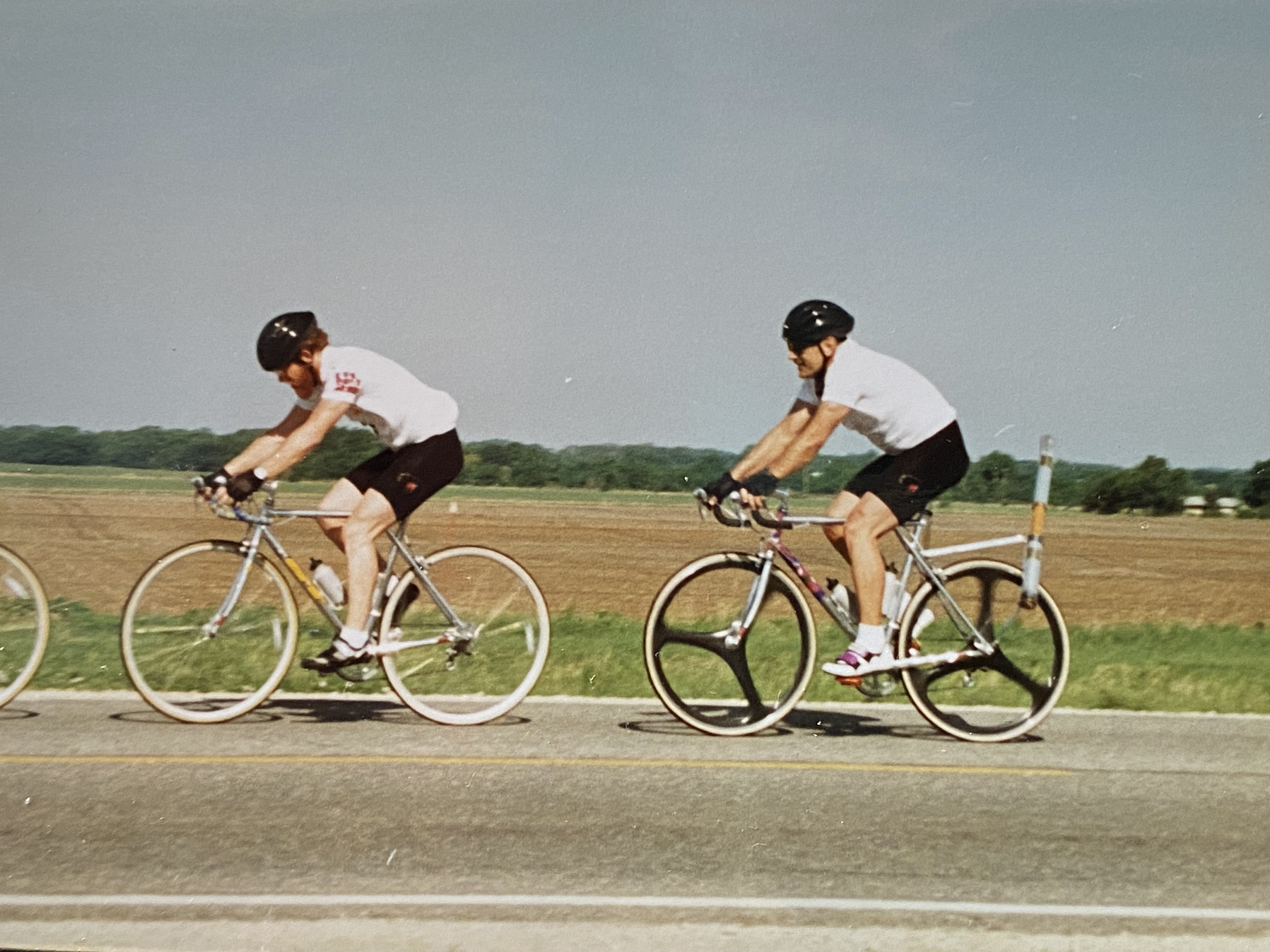
Some may go for a run or a bike ride.

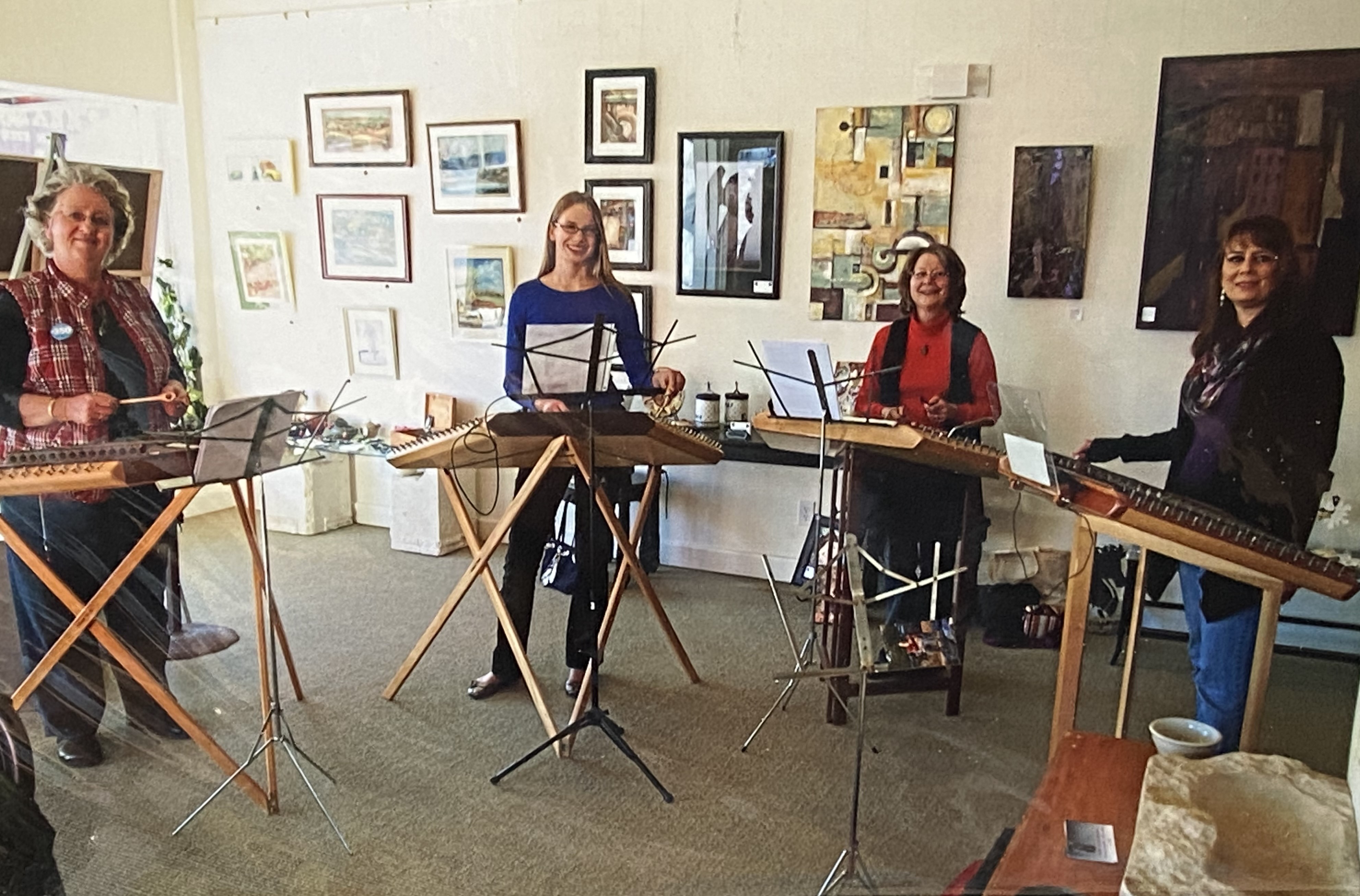
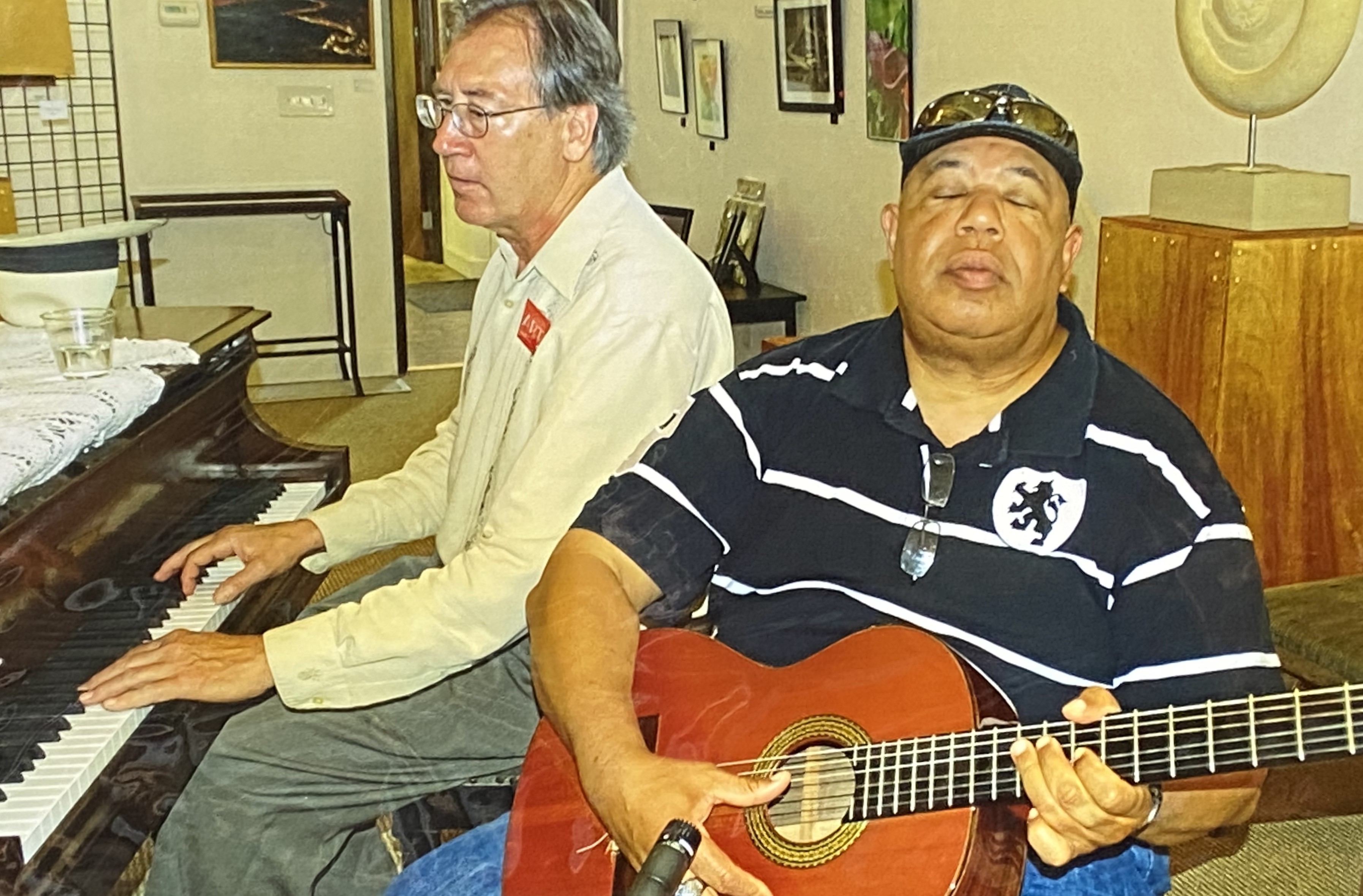
Others grab a book to escape to an imaginary world, or write in a journal. Some people make music.

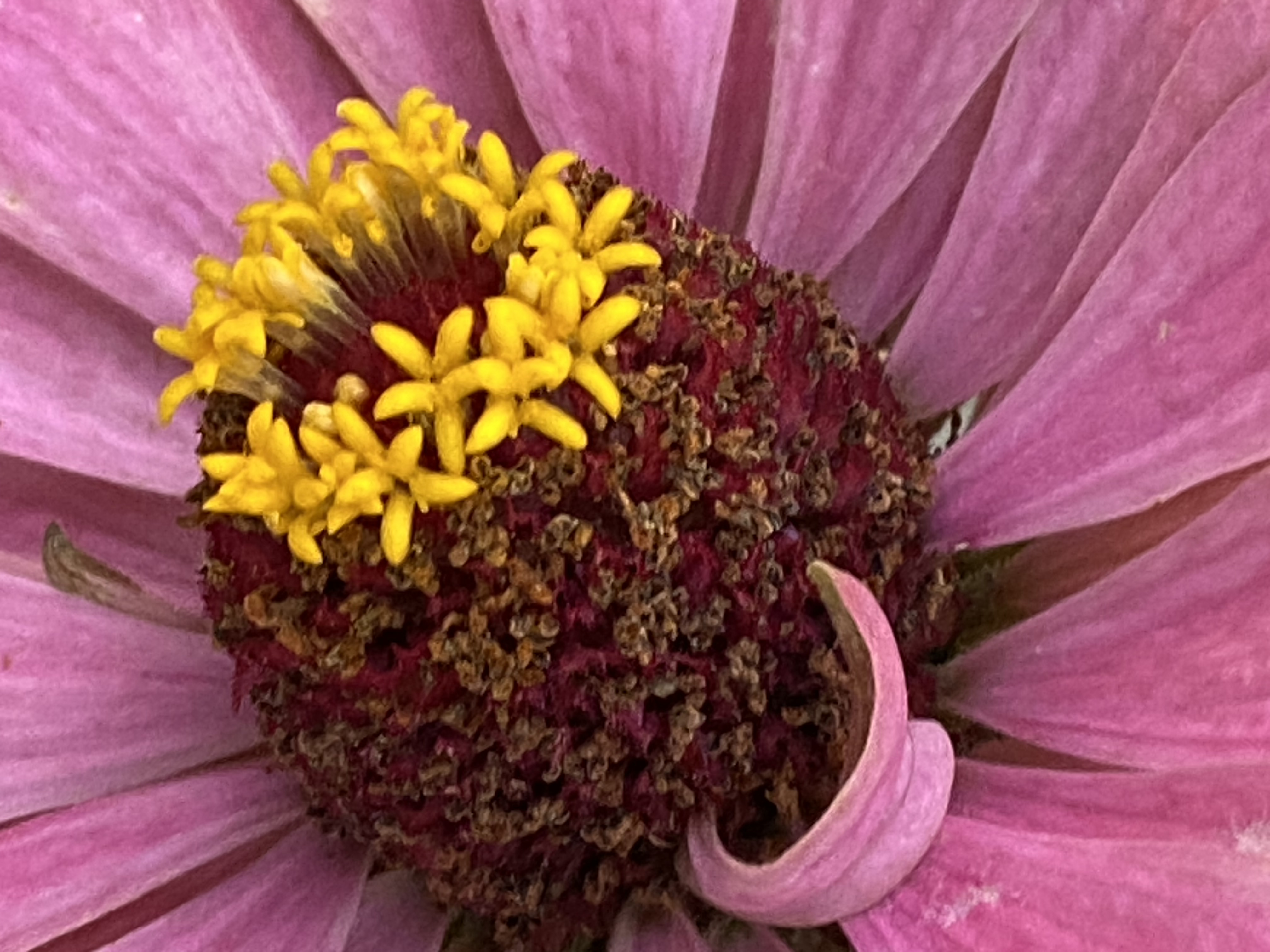
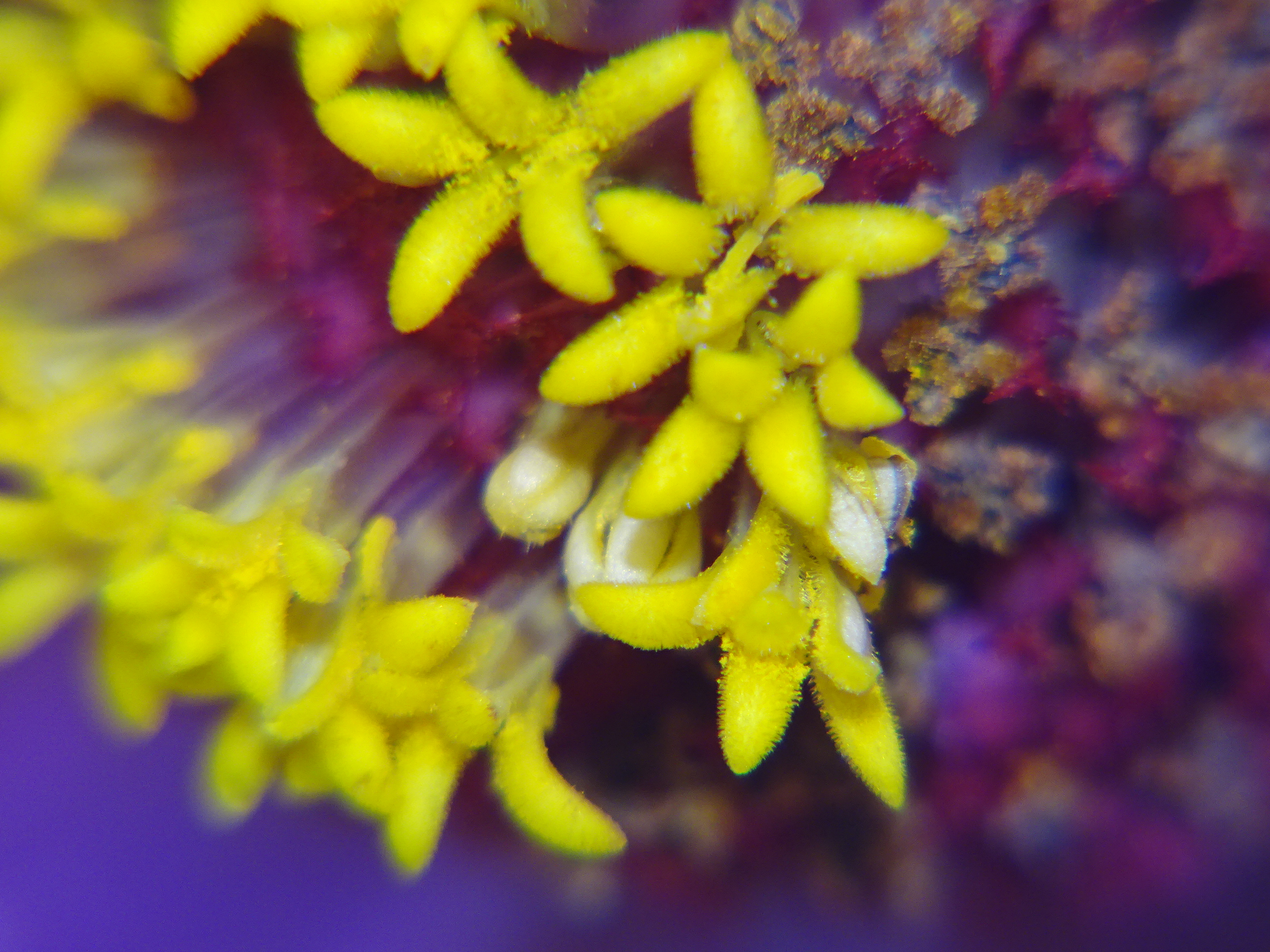
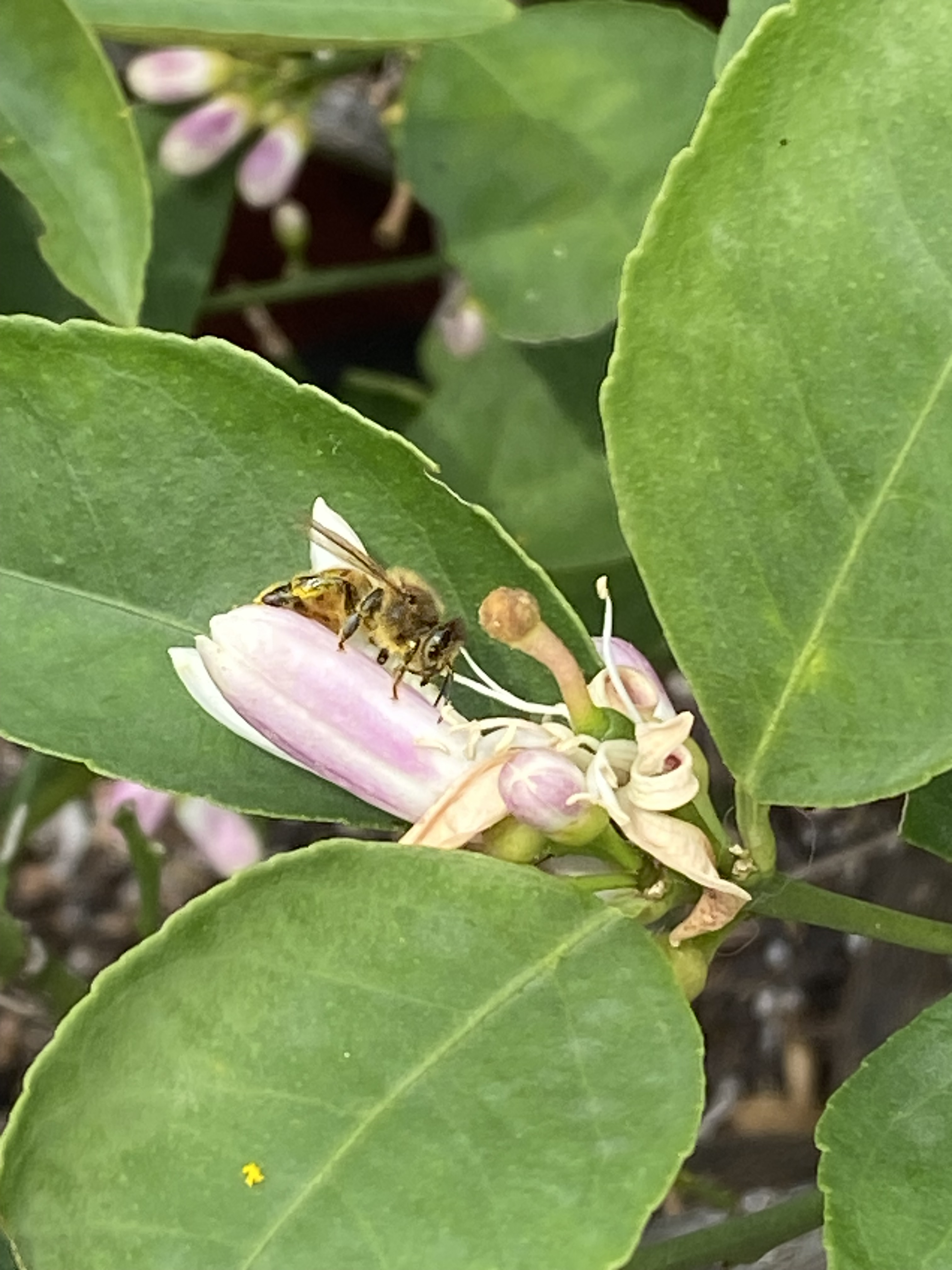
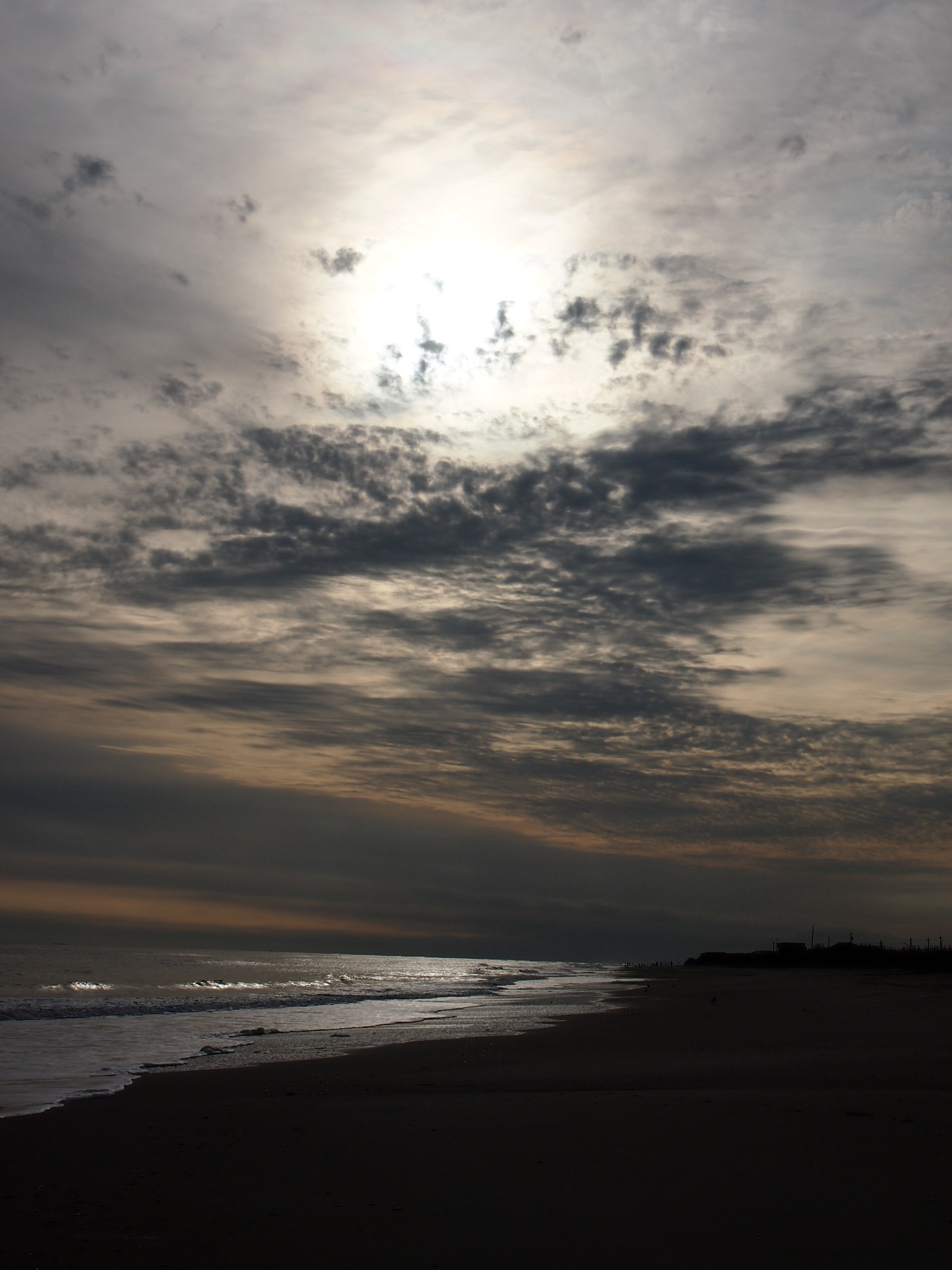
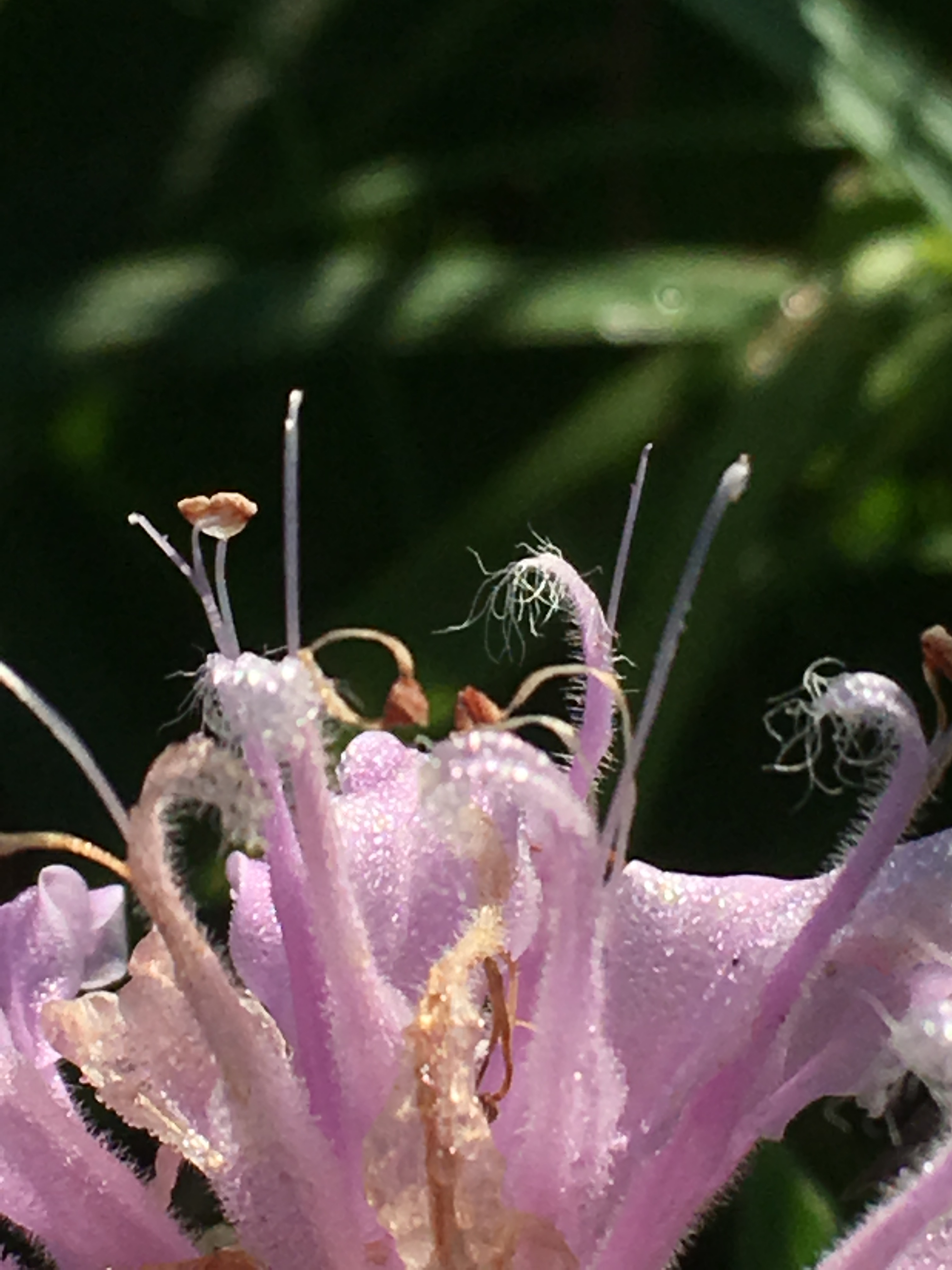
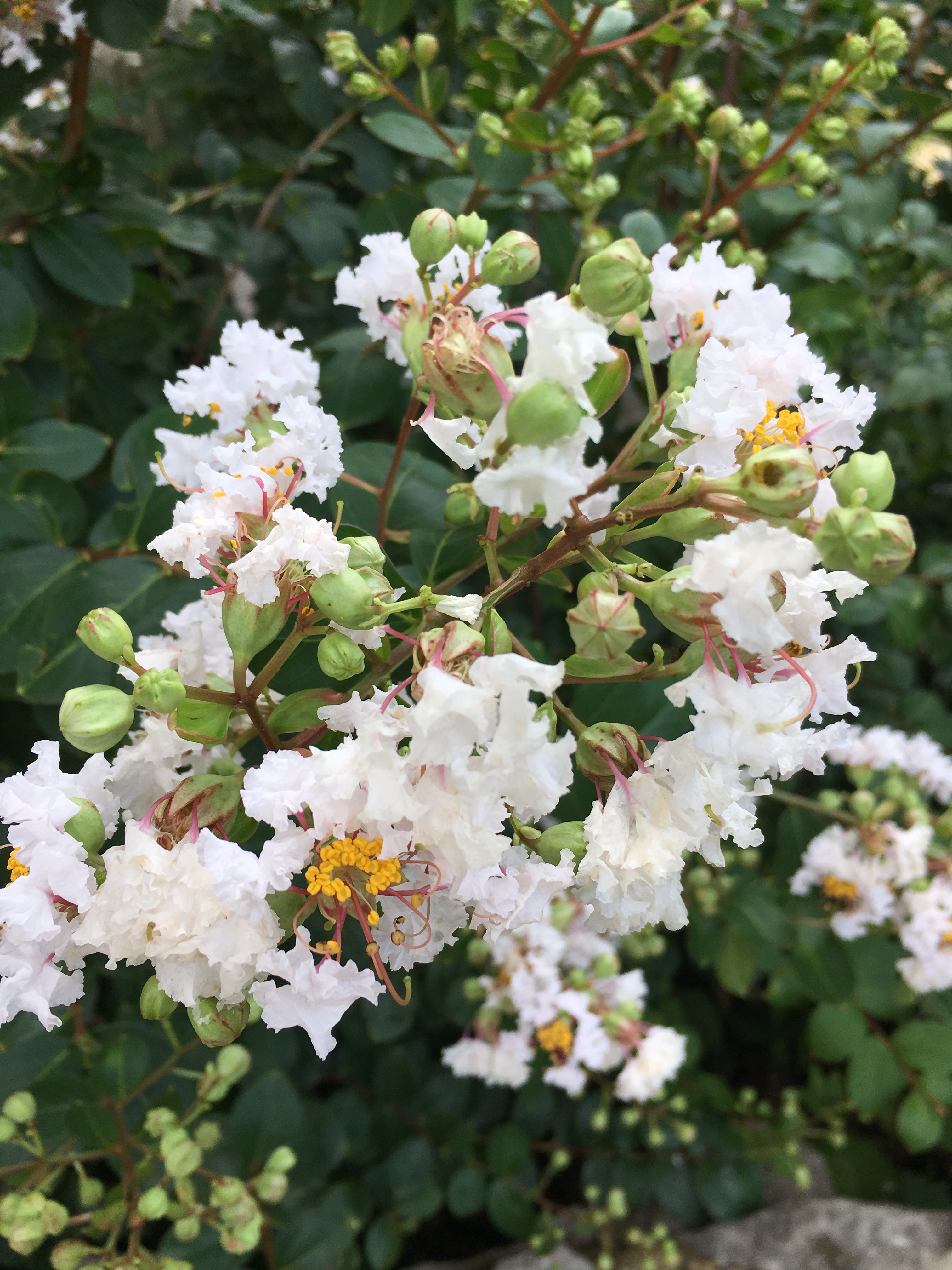
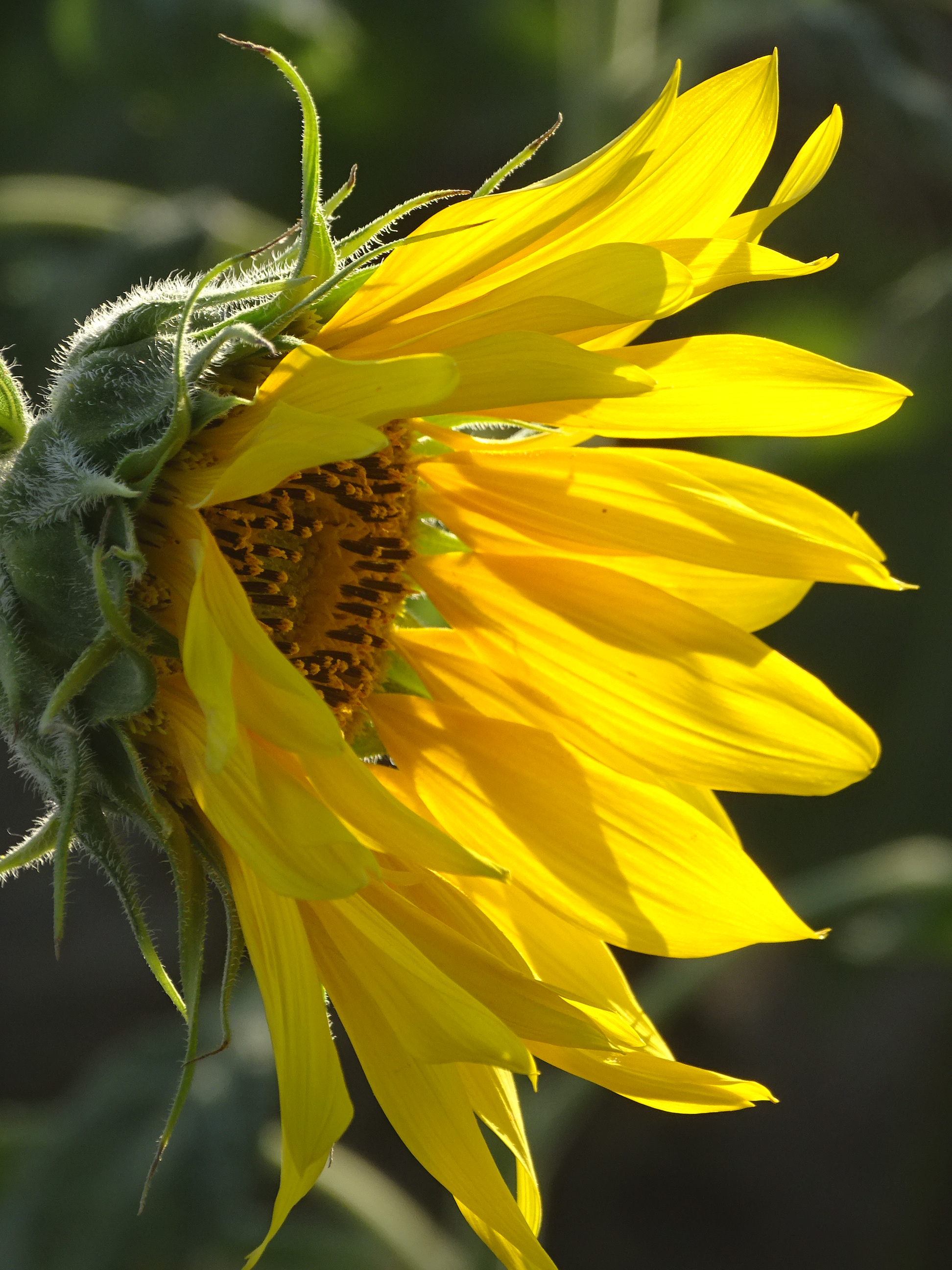
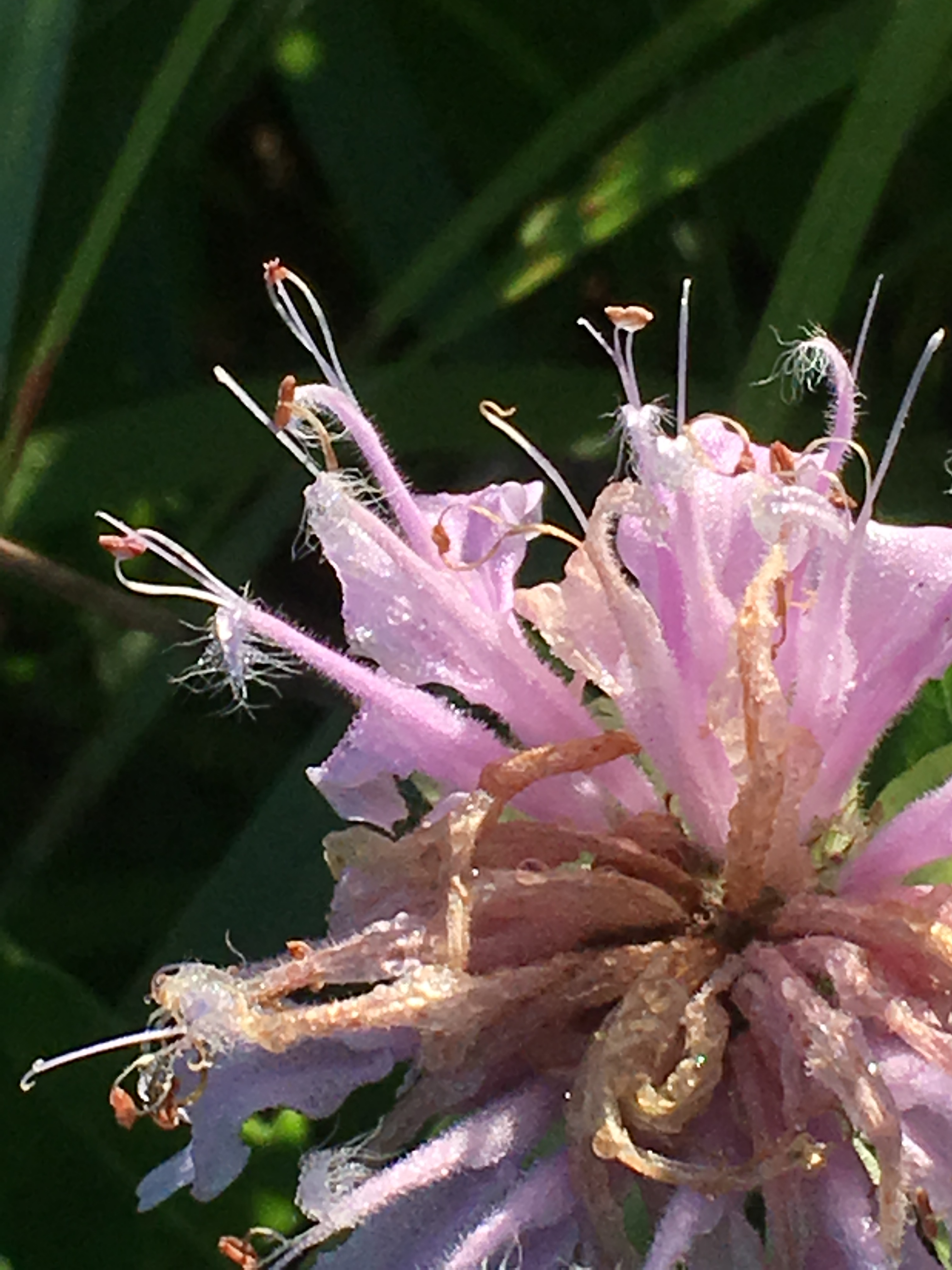
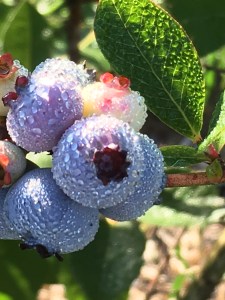
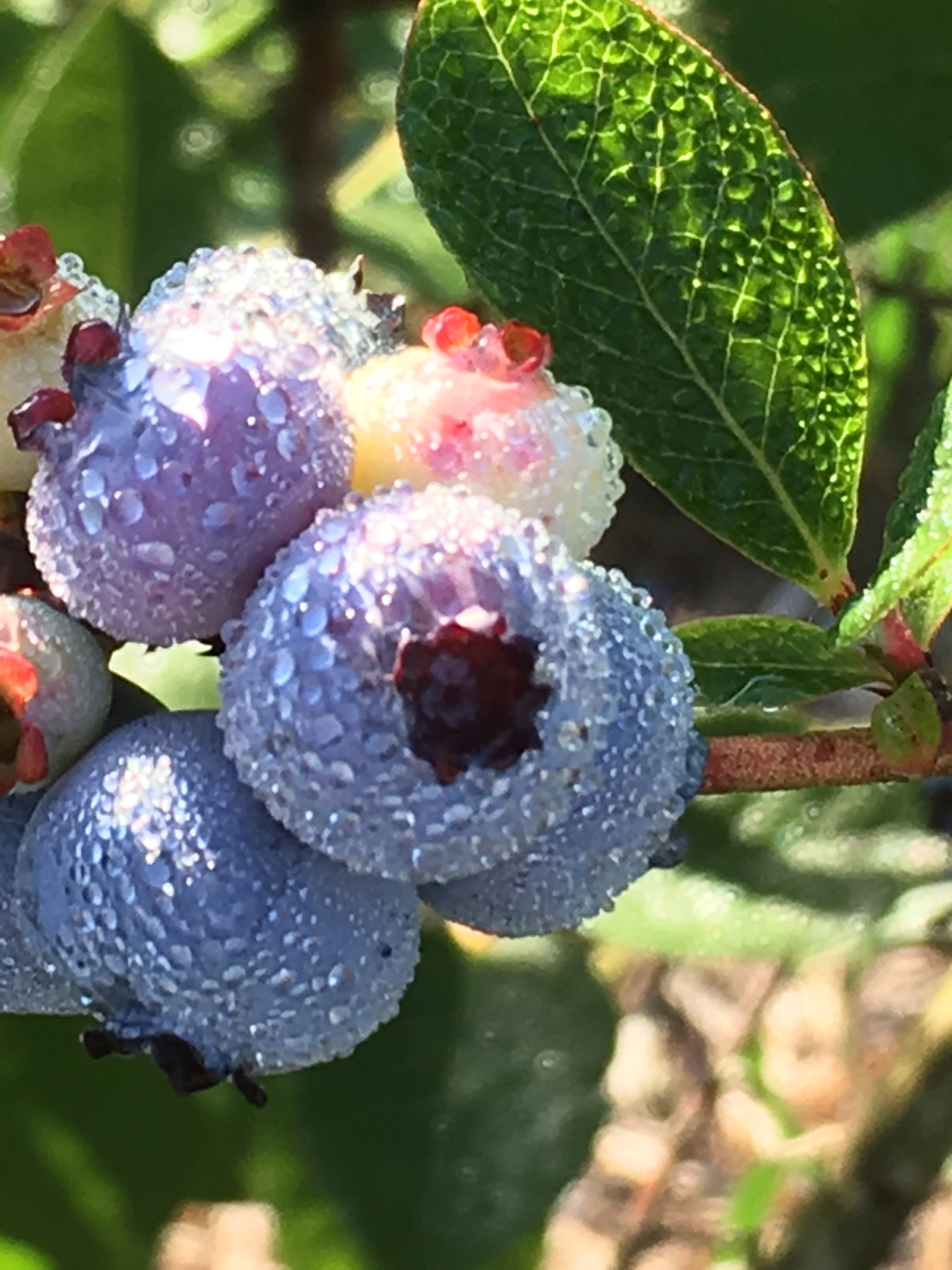
I like to take a camera and look for beauty in the world around me. And the world responds.
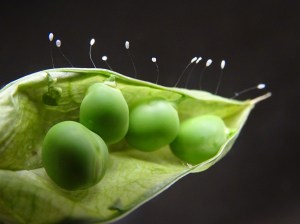
Some things I have learned:

Life is complicated—there is nothing simple about it.

Acknowledgement of mistakes helps build bridges.
Love is the greatest power.

Laughter heals.

At least half of communication involves listening.

There is beauty and wisdom in tiny things and overlooked places. It’s healing to find wonder in miniature worlds.

I always find what I’m looking for, so I try to look for the positives.

When the future looms dim, I hold fast to my values, and take one small thing at a time.

Bird by bird, scene by scene, note by note, day by day or even minute by minute, I can make choices that support my values.

Like a seed, sprouting under dire conditions, but sprouting anyway. That is the essence of optimism.

Danielle Orner, a young woman who has battled cancer since she was a teenager said, “Life is a balance between what we can control and what we cannot.”

Between effort and surrender—two forces in life that keep us in tune. That is the essence of good tension, insuring that those yet to come can sing.

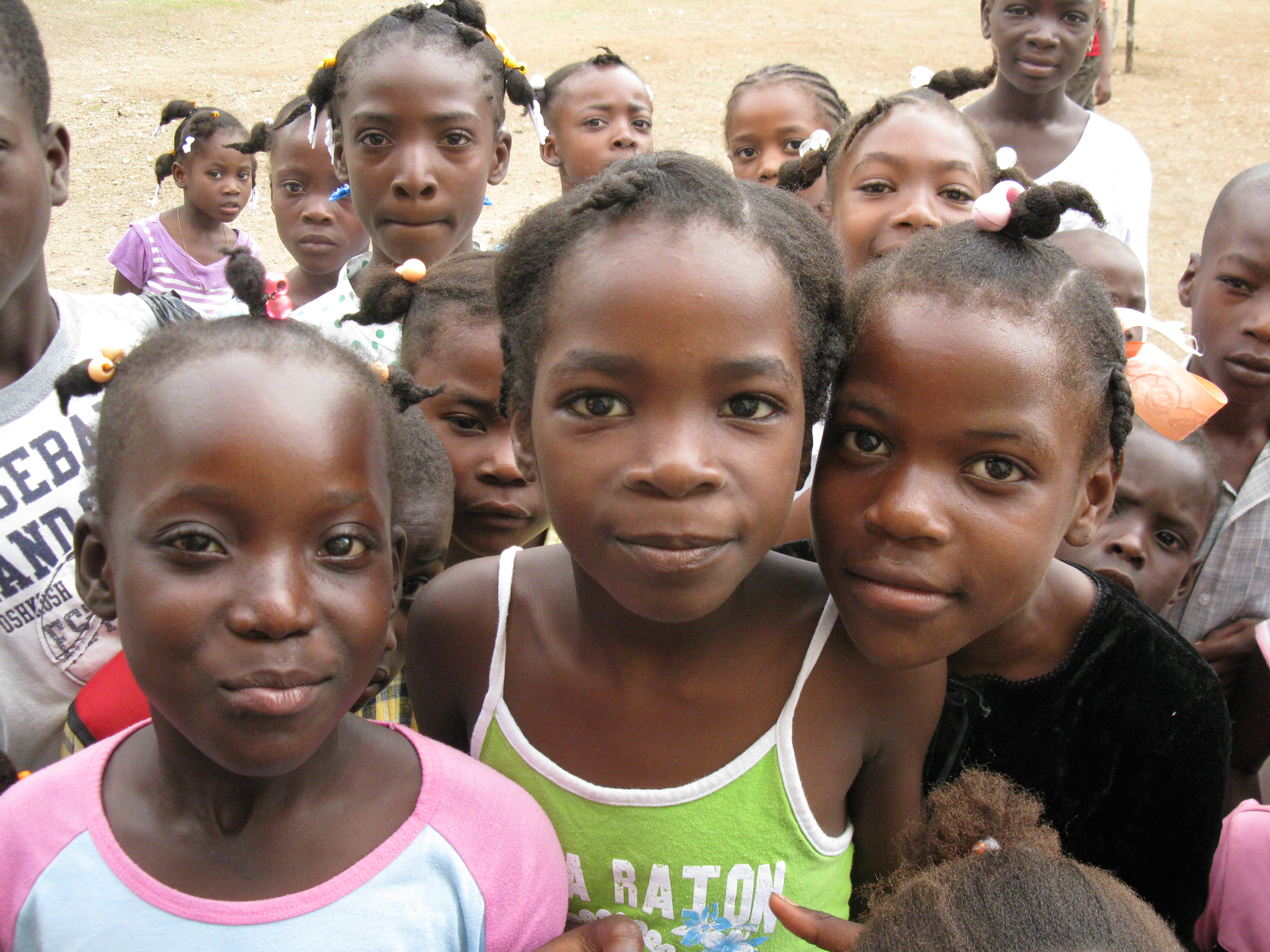
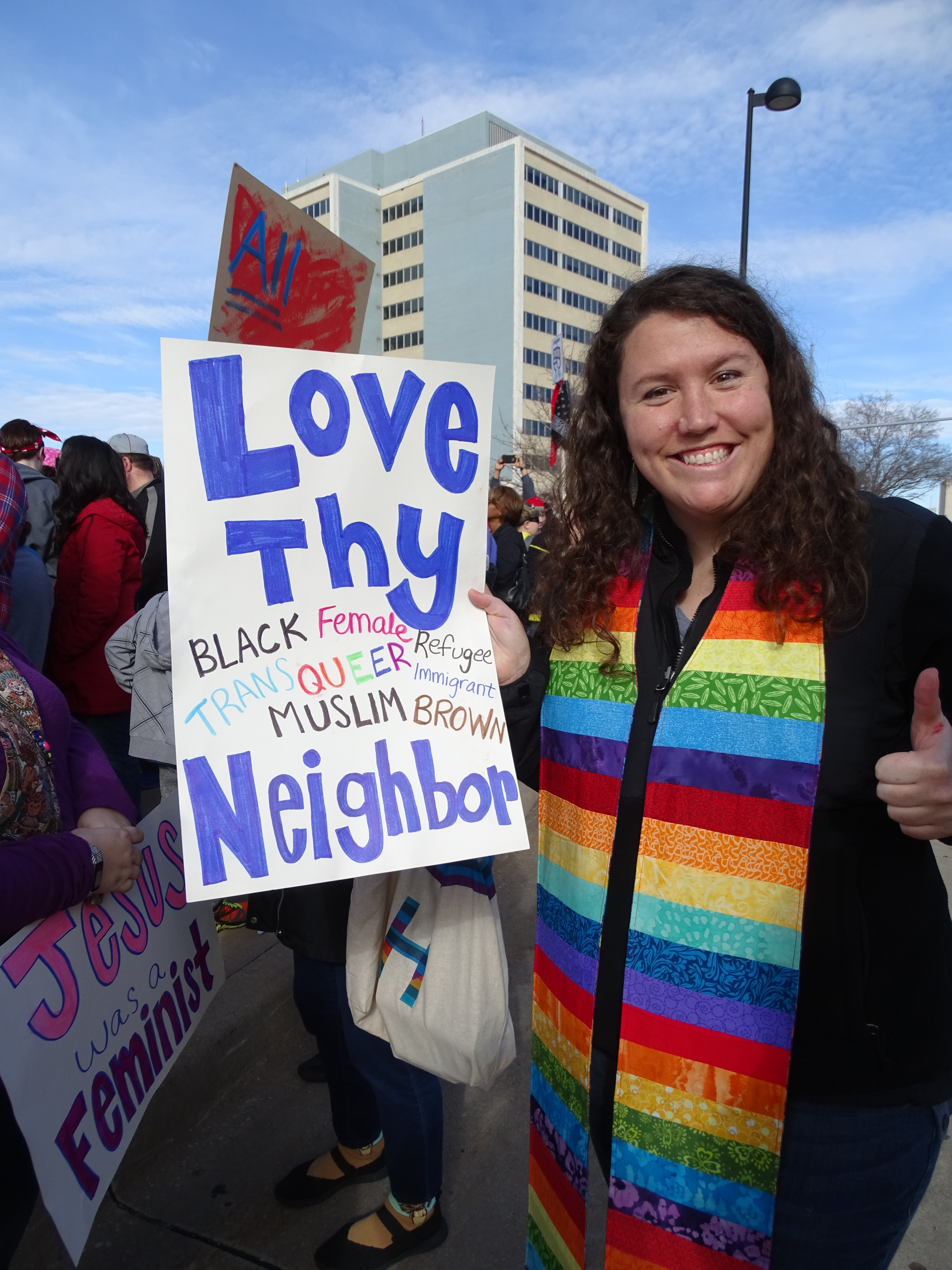
(P.S. To answer your question: I should add photographer to my list of dedicated endeavors in the above bio. Yes, I took all the photos, except for those in which I appear, and the group of Haitian children.)

STOP THE PIRATES!

There is only one week left before we’ll know where our future is heading. If you are still undecided about candidates and questions on the ballot, I recommend staying as far from the Republican Party of “No” as possible. Even if Democratic candidates seem inexperienced, at least they are likely to be honest. Here in a state—purple even though we’re lumped in with red states—elected Democrats have to be more responsive to the needs and concerns of the people than any of their Republican opponents will be. If they aren’t, they’ll be railroaded out pronto. If you want politicians who care about your concerns, vote for the Democratic candidates. They will listen.

Take a look at what the Democratic Party has brought to us.

Women’s Right to Vote (Woodrow Wilson)

Social Security (FDR) This, unlike the hype, is a program that belongs to the people who contributed to it from their wages throughout their careers. It is not a government handout.

Minimum Wage Law (FDR)

Unemployment Insurance (FDR)

FDIC Bank Account Insurance (FDR)

G.I. Bill of Rights (FDR)

Securities & Exchange Act (FDR)

Marshall Plan (Truman)

Water Quality Act of 1948 (Truman)

Peace Corps (Kennedy)

First Man on the Moon (Kennedy)

Civil Rights Act of 1964 (LBJ)

Voting Rights Act of 1965 (LBJ)

Medicare (LBJ) Again, paid for by the workers throughout their careers.

Medicaid (LBJ)

Guaranteed Pell Student Loan Program (LBJ)

Operation Head Start (LBJ)

Motor Voter Act (Clinton)

Budget Surplus (Clinton)

Family and Medical Leave Act (Clinton)

Affordable Care Act (Obama)

Inflation Reduction Act (Biden)

American Rescue Plan (Biden)

Violence Against Women Act (Biden)

Hate Crime Prevention Act

What has Republican leadership offered? Massive tax cuts for the richest billionaires among us, and vows to fight every program and act that benefit all of us. The party of “No.”

Recognizing how unpopular their typical “no” stance is among the majority of voters, they have resorted to underhanded tactics. They flood the post office with flyers spewing ridiculous fiction about honest candidates. They resort to tricks to manage and control voters. It all reminds me of pirates.

We face modern day piracy in our recent elections. Remember the scenes from the popular Disney movie Pirates of the Caribbean? In the scene where Will Turner meets Jack Sparrow,  Jack pulls an unconventional move to disarm Will.

Will says, “You cheated.”

Jack, rolling his eyes, “Pirate.” (As if what else did you expect?)

Will answers, “You didn’t beat me. You ignored the rules of engagement. In a fair fight I’d have killed you.”

To which Jack says, “That’s not much incentive for me to fight fair then, is it?”

I can hear the same exchange between our two major political parties. Republicans are the pirates, taking steps to ignore free and fair elections, those “rules of engagement” we have in the past taken for granted. But we now have ridiculously gerrymandered lines for voting districts, purging of voter lists, challenging results of an honest election, stacking of the courts, refusal to accept a peaceful transfer of power, declarations of refusal to accept future election results if they don’t go the way  a candidate wants—throwing out the rules so that the far-right extremists can “win”. We have promiscuous lying. And the extremists already in power set important constitutional questions on the ballot in historically low-turnout elections. Every conceivable trick has been employed to control the outcome of elections at every level.

This is piracy.

The situation is dire. If the extremists on the political right prevail in next week’s election, this very well could be the Last Election open to all voters in our country. If they prevail, and continue reckless exploitation of the planet, the future for all of us—democrats, republicans, adults, children, unborn, indeed all life on earth—will be taxed to the extreme by climate crises already set in motion.

Cheating? Given the fact that there are more non-Republican voters in Kansas than those who identify as Republican, is it any wonder that they are taking every step to cheat and control the outcomes while they can? Non-Republicans include the Democrats and non-affiliated voters. In a fair fight, the people’s will would be clearly heard. But we can’t have that, can we? Republicans have taken steps to hold onto power every which way they can. Call it cheating. It certainly lacks fairness.

Yet . . . If the extremists prevail, it will be the end of Earth as a habitable planet. We have to make this election count!

Remember the pirate motto:

“Take what you can. Give nothing back.”

And they won’t.

Please vote!

Who Do You Trust?

Steady . . . 

A dear friend, one of my first writing companions from decades ago, recently asked, “Are you better off than you were two years ago?”

I have given it some thought, and my answer is this: I think we are all better off now than we were when Donald Trump was in the White House.

Are things perfect? No. When are they ever? But with leaders who will tackle problems that will help make life better for all the people rather than their  billionaire friends, there is hope. And I want to preserve that in our country’s leadership.

I find it sad that many of my friends and neighbors have been pulled in by the lies fed to us continually by the former president and his supporters. My friend sent me a link to a speech by someone she trusts, an online Reverend who has a YouTube channel. I googled his name and ended up with a lot of red flags. I don’t see myself trusting him. With all the extreme rhetoric on many topics, how do you trust anyone?

I lean more toward someone like Dan Rather and his comments on Steady. As news anchor on CBS for much of my life, Dan Rather has covered a lot of  topics in the past five decades. He’s from my parents’ generation and I respect the perspective on history the elders have. Like others I hold in high esteem in his generation, Dan Rather has never seen anything as troubling for our country as Donald Trump’s leadership.

From a recent post on his Steady website, ( https://steady.substack.com ):

“Let us not pretend everything is okay.”

“Let us not give up hope.”

“Let us not minimize the problems before us.”

“Let us not deny reality.”

“Let us not demonize one another.”

“We are facing a midterm election in which everything feels like it is at stake. And indeed it is.”

It’s tempting to raise my hands in despair, thinking that all is already lost. But we can’t afford that. The keynote speaker at the recent convention for the Kansas Authors Club mentioned it’s okay to keep trying, even if you don’t know whether you’ll ever succeed. Not knowing doesn’t relieve us of the obligation to try.

And we can’t stop trying to make a better world for our descendants. It is our obligation for the future.

Electing politicians who will negate the results of the next election they don’t like will be disastrous to everything we hold dear,  even the future of our home planet.

Now is the time to get out the vote. Let’s not sit this one out, friends.

NOT One-Size-Fits-All, or What Would You Tell a Pregnant 10-year-old?

I turned in my primary election ballot this morning. Folks can still request an advance ballot until tomorrow, or they can vote early at the courthouse for another week. Election day is August 2. For those who might be confused about the amendment issue on the ballot, I think it boils down to whether you trust the legislature to protect the health and future of everyone, or just the unborn? In other words, what would you want for a pregnant 10-year-old rape victim? As I think about my own innocent grandchildren, ages from 1 to 12, the answer is clear to me. A child at that age should not be forced to carry an unwanted pregnancy to term.

Nobody I know is “pro-abortion”. We are, however, pro-choice. Abortion is an option that is tragic, but it is not a simple, right-or-wrong, black-or-white issue. We must keep legal abortion available as an option for women–and girls–in crisis pregnancies.

Before you write me off as a “Baby Killer,” let me assure you I am not. I hate to see anyone or anything hurting. All my life I have befriended the friendless, rescued turtles crossing highways, and taken steps to avoid hurting most other living things for as long as I can remember. (Exceptions: mosquitoes, ticks, and flies.) It is preposterous to think I could choose to end the life of my own unborn child. It’s simply not within the realm of possibilities.

But this is not a simple thing. It’s not a “one-size-fits-all” issue. It is not “one solution for every situation.”

There is not a person on earth who can anticipate all the different factors facing a mother who is considering abortion. Each situation is unique and must be considered individually by those involved—the distressed mother, her family, and the medical team. The rest of us have no right to interfere or to judge.

I come to this realization through a sequence of events unique to my own life. And I wonder, how many of those so quick to condemn other women facing dismal choices know what it’s like to lose a baby?

I do. I lost two. Not through abortion, but through natural deaths. They were both stillborn. The babes would both be 39 and 40 now and not a day goes by that I don’t miss them. They were very much loved and wanted, but it was not to be. I do believe God loves them too and I find comfort thinking they entered his benevolent care the moment of their deaths. We can’t forget what lies beyond.

How many women quick to condemn others for a difficult decision have ever been offered the option of ending a problem pregnancy through abortion? I have. Twice.

After the first baby’s death, the best my medical team had to offer was frequent sonograms during two subsequent pregnancies. They would then recommend an abortion should things start to go wrong.

I declined. Note again: I DECLINED. I couldn’t have opted for an abortion on either one. Instead, I chose not to have any sonograms at all. If something was to happen, I didn’t want to know it.

I am grateful to this day, however, that I was offered the choice. The decision was ultimately mine to make, and nobody else’s. My choice was to cherish every moment I had with my children, for as much time as we had together.

I lost the second baby too. But the third pregnancy, six years later, left me with a precious girl who now has two healthy girls of her own.

I wonder other things about those outspoken critics of pro-choice folks. How many of them have felt the knife-twist of agony to hear that an un-named teenage girl has chosen an abortion for her child rather than allow you to adopt the infant? I have. And I grieved anew for another baby lost. (But I still support her right to choose.)
How many critics have opened their homes to raise a child brought into the world by others? I have. The adoption and the parenting of my daughter proved to be one of the most challenging decisions of my life.

How many have opened their homes, offering shelter to young women wrestling with an unwanted pregnancy? Instead of condemning the unknown young woman who chose abortion over adoption, I became an advocate for girls in crisis situations, offering my home to house them until delivery. I hoped that my actions helped reassure those women that their unborn child would be treasured in an adoptive family.

How many have experienced conversations with a woman who, after hearing my story of loss and adoption, tearfully confessed to ending an unexpected pregnancy years previously. She agonized over her decision and felt a need to apologize to me, an adoptive mom. I offered her my shoulder to cry on and my compassion.

There is nothing simple about this issue.  I’ve never encountered a child as young as age 10 who had to confront the question. I have heard, though, that there were recently three 11-year-olds in my state whose parents sought to end their pregnancies. It should be an individual choice, not something politicians can dictate.

I’m glad I was offered a choice. I chose life for my children. It was God who had other plans for some of them.

With the temperature of our planet climbing beyond the point of no return, there is much more to be concerned with now. I choose life again—life for all of us, born and unborn, children, youth, adults and the aging, people on every continent and island nation, the threatened species on our beautiful and diverse planet.

Preserve individual choice with compassionate support for distressed mothers and let’s move forward. We have a lot of work to do. I am not a baby-killer. I don’t want to be a planet-killer either.

Stop. Just Stop.

This is getting complicated.

So the word is out. There have been millions of babies killed through abortions since the procedure was legalized. I wonder about that. How many of those were fetuses that would never have lived, had they been born? How many procedures were done to save the mother’s life? I have grave reservations about the truth of that statement. Twenty-five million giggly babies just snuffed out? That’s trying to simplify a very complex statistic. After all, in recent years, the objections to terminating a pregnancy have yielded strict limitations on just what kind of pregnancy is eligible.

I am old enough to have come of age during the original fight to legalize abortion. When I was an adolescent, the procedure was illegal. But that didn’t mean abortions didn’t happen. And consequences were severe for desperate women seeking help. Too often, illegal abortions ended up killing or maiming the mother anyway. The legalization of abortion was a life-saving step. Just making it illegal will not stop desperate women from seeking to end a desperate pregnancy.

This all alludes to a sort of class warfare. Did you know, for instance, that 75% of abortions in recent years were for women at or below the federal poverty line? 60% of the women already had children at home that they couldn’t afford to feed. 55% of women who received abortions were single. They had precious little financial help to reach the $196,984 cost of raising a child to age 18. (Yes! Magazine Spring 2022)

It might have been in the early years that the procedure was sought too lightly. But no more. Today, almost all the people I know, pro-choice as well as pro-life, agree that abortion should never be used as a simple form of birth control. We must keep other contraceptives available and affordable and eliminate unwanted pregnancies. Is that a point we all can agree on?

You might find it surprising how many pro-choicers abhor the fact that some women have used abortion as a contraceptive. You might also be surprised how many of us pro-choicers, if offered the choice due to abnormal fetus development, would choose to continue our own pregnancies. After all, if faced with some dire news, you would do that. I would too. But it would be our own choice.

None of us have the right, though, to tell others what they can or can’t do. We simply don’t know all the details.

So has abortion been misused? Sadly, yes, by some. Therefore, you say, we should outlaw all abortions again. It’s just like:

A few people who misuse alcohol and drive drunk. Innocent people have been killed by drunk drivers. Obviously, we’ve banned all alcohol and all cars, right?

Or—A few people misuse guns, and go on shooting rampages, killing children in their school classrooms, and people in shopping centers or theaters or at parades. So of course, we have instituted a national ban on guns, haven’t we?

Oh. . . Wait. . . .

I get it. This is different.

Or is it?

Does mis-use of abortion by a few mean we have to remove that option for all? And if that’s what we gotta do, how about those guns anyway?  Surely the right to life, liberty and the pursuit of happiness for school age children is more important than the right to bear arms.

The intrusion into a person’s medical history and privacy is an unconscionable overstep by our government into our private lives and personal rights. None of us has the right to judge another on this extremely personal matter, nor to tell them what to do. We can offer love, compassion, and assistance, but we can’t make difficult choices impossible by removing options. There is nothing simple about pregnancy. Since every case is different, there is no single solution. All options need to be available. And nobody outside the triumvirate of parents and physician should even have a say in tough personal, medical decisions. No two pregnancies are alike. We can’t possibly know the inside stories of other families.

Vote No August 2. Keep abortion legal.

Reflections on Independence in 2022

In the aftermath of the high court decisions stripping people of privacy and personal rights, I have seen on Facebook where some of my friends plan to wear black on July 4. Some will fly the American flag upside down. And some will celebrate with cookouts and fireworks as always. I haven’t decided what I will do yet. Maybe I will enjoy the explosion of blossoms after recent rains. Flowers do a great job of mimicking those fleeting displays, without all the noise. Or maybe just sharing these musings will be my way of observing the 4th of July, 2022.

Thomas Paine wrote in 1776, “These are the times that try men’s souls.” We have more of those times this year, 246 years after the Declaration of Independence. In Kansas, the day of reckoning fast approaches. It’s interesting to me to note that the original document, though given the date of July 4, 1776, was not fully signed by our founders until August 2, 1776. August 2, 2022 is a very important day for Kansas voters. It’s our primary election day. But not only that, in their infinite wisdom (NOT!) the legislature slated a vote for an amendment on the Kansas constitution on primary day.

This is a problem because voter turnout is typically low for such elections. If you are an independent voter, you usually have no reason whatsoever to go. But this year, even independent voters have the right to vote on the proposed amendment. Use that right and cast your vote, even if it’s the only thing on the ballot you have a say in.

The amendment itself removes a woman’s constitutional right to an abortion and leaves it up to our “esteemed” legislature to decide when and if abortion as health care is warranted. That is a problem right there. These people are not necessarily doctors. Few of them are medically trained. Though some folks, notably the director of Family Life Services in a neighboring town, are confident that the legislature will not ban abortions for cases of rape, incest or ectopic pregnancy, I don’t share that confidence. I don’t trust politicians. Most of them no longer listen to the people they serve. (Kuddos to those who are still trying!)

A very concise letter to the editor of our local newspaper had the best summary of voting on this amendment that I have seen.

Simply this:

  • If you are pro-choice, Vote No.
  • If you are pro-life but want some exceptions in the rule for cases of rape, incest, and health of the mother, Vote No.
  • If you are pro-life and want zero abortions, zero exceptions, then you Vote Yes.


Where do I stand in those three groups? I think many of us lean toward the middle, and I am one of those. It is heartbreaking when a pregnancy becomes problematic, even more so when a mother has to make the insane choice about whether to end her pregnancy. We certainly don’t need to open the doors to prosecute women who have just lived through a personal crisis. Or to have investigators show up at the door of someone who miscarried, suspicious about a pre-meditated ending of the life of the unborn.

In a meeting I attended in early June, an attorney familiar with the Kansas constitution pointed out that since statehood in 1861, there have been 98 amendments passed by the people. This is one of a very few, perhaps the only one, that would REMOVE rights previously established by the constitution. Think carefully about this amendment.

Complicating the issue is the fact that abortions are already highly regulated in the state, so essentially the amendment is not necessary. Already, abortions must be performed by a licensed physician. They are prohibited after 22 weeks, except in cases of life or health endangerment. Late-term abortions, and abortions based on gender selection are absolutely prohibited. Private insurance coverage is limited to cases of life endangerment. Public funding for abortion is available only in cases of life endangerment, rape, or incest. Patients must undergo an ultrasound before a procedure. There is a 24 hour waiting period after state-directed counseling prior to a procedure. Parental consent is required for minors seeking an abortion.

Just as no two people are alike, there are no two pregnancies alike either. In my own immediate family there are six women, from my mother, to her three daughters (of which I am one) and my two daughters. Though all six of us bore children, four of us experienced failed pregnancies. That is 67%. For us, those pregnancies were wanted, the babies anticipated, and their natural demise was tragic. If abortion becomes illegal—zero exceptions—the grief we felt at our losses could be compounded exponentially in future miscarriages by investigating detectives and charges of murder.

If you have never experienced a failed pregnancy, count your lucky stars. Current statistics on failed pregnancies (miscarriages and stillbirths) indicate that 20% of conceptions in North America fail naturally. For those families who eagerly anticipated a bright bubbly baby, and have to go home to an empty nursery, the pain is already too much to bear. It is unconscionable to add the possibility of prosecution for the failure on top of it all.

Given current trends to thwart environmental protections in favor of big corporations, the incidence of failed pregnancies is likely to explode. Naomi Klein states in her book This Changes Everything: Capitalism vs the Climate, “For all the talk about the right to life and the rights of the unborn, our culture pays precious little attention to the particular vulnerabilities of children, let alone developing life. Risk assessments most often focus on effects to adults.”

She quotes biologist Sandra Steingraber who has studied the issue. Steingraber: “Entire regulatory systems are premised on the assumption that all members of the population basically act, biologically, like middle-aged men.” [5’7”, 157# white men at that].

Klein puts it into perspective: “More than three quarters of the mass-produced chemicals in the United States have never been tested for their impacts on fetuses or children. That means they are being released in the environment with no consideration for how they will impact those who weigh, say twenty pounds, like your average one-year-old girl, let alone a half-pound, like a nineteen-week fetus.”

And yet, it’s becoming clear that proximity to environmental degradation, including fracking, increases low birth weight by 50%, and the chances of a low Apgar score double at birth. Communities near refineries or massive tar sands extraction are seeing the normal miscarriage rate double.

The recent high court ruling against the EPA’s ability to regulate emissions from power plants almost certainly will increase environmental hazards. Mutations of growing fetuses, viability at birth, and the incidence of miscarriage will increase. Be prepared.

With a nod to Thomas Paine, These are the times that try a woman’s soul, as well as all who value constitutional freedom.

And in Kansas, the choice is clear. We must keep the option of abortion by trained medical personnel open and legal.

Vote No on the constitutional amendment August 2.

What’s a Grandma to do?

With the preponderance of plastic items everywhere you turn, it’s a real challenge to figure out how to reduce my use. Take, for instance, the celebratory picnic of grandson’s swim team season two weeks ago. Hotdogs and hamburgers would be furnished, but each family was to bring along “prepackaged” sides to make the meal complete. Prepackaged? I visualized single serving chip bags, plastic containers of fruit or pudding, industrial cookies and brownies, wrapped and sealed in plastic before packaging in paperboard boxes.

How to reduce my family’s plastic contribution?

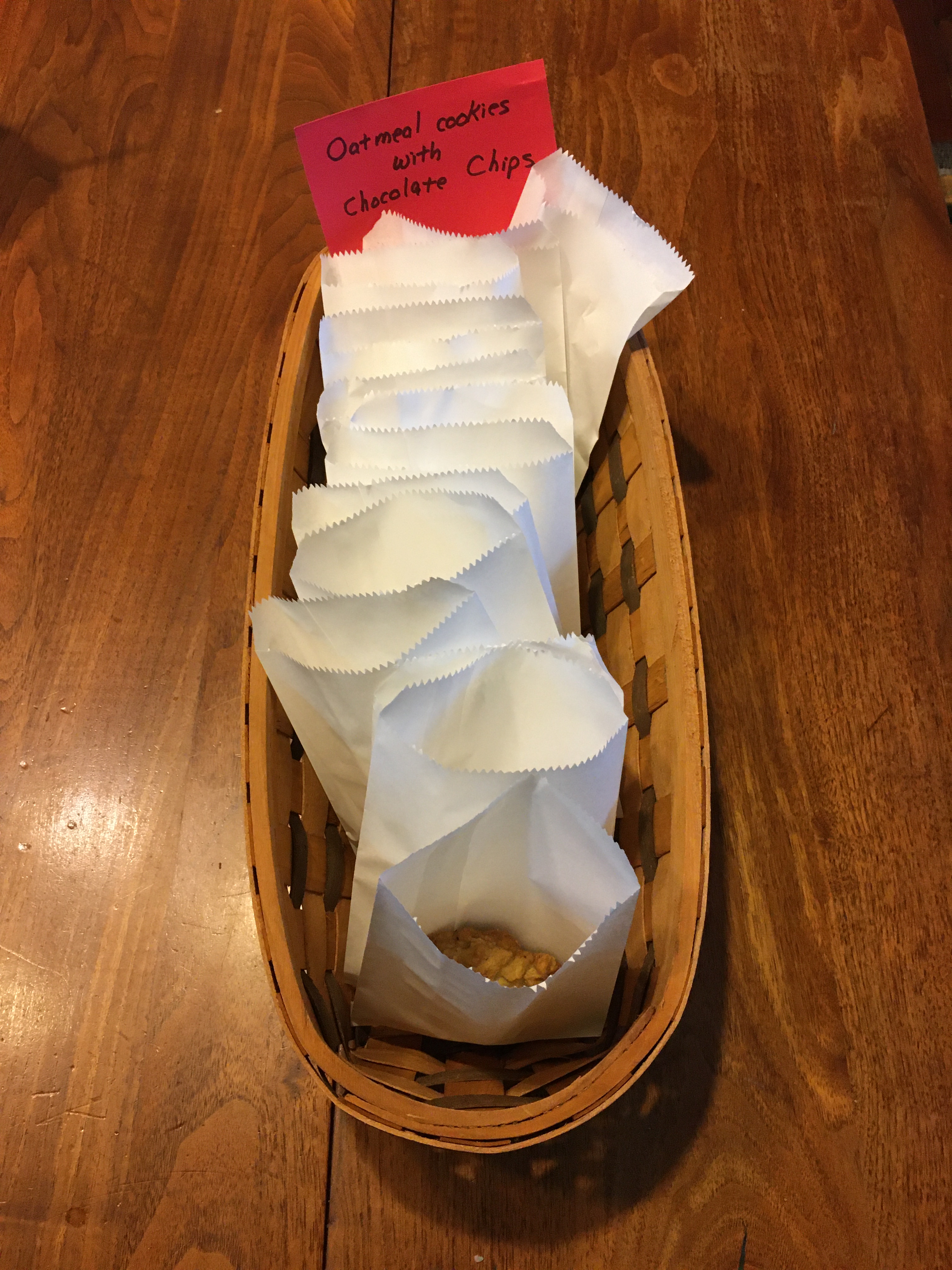
Here’s what I decided to do. I baked a batch of home-made oatmeal cookies with chocolate chips, and put one cookie each inside a single paper sleeve.

I had found a supply of these online when preparing a promotion of Grandma Georgia’s Recipe File at an old-time crafts festival.

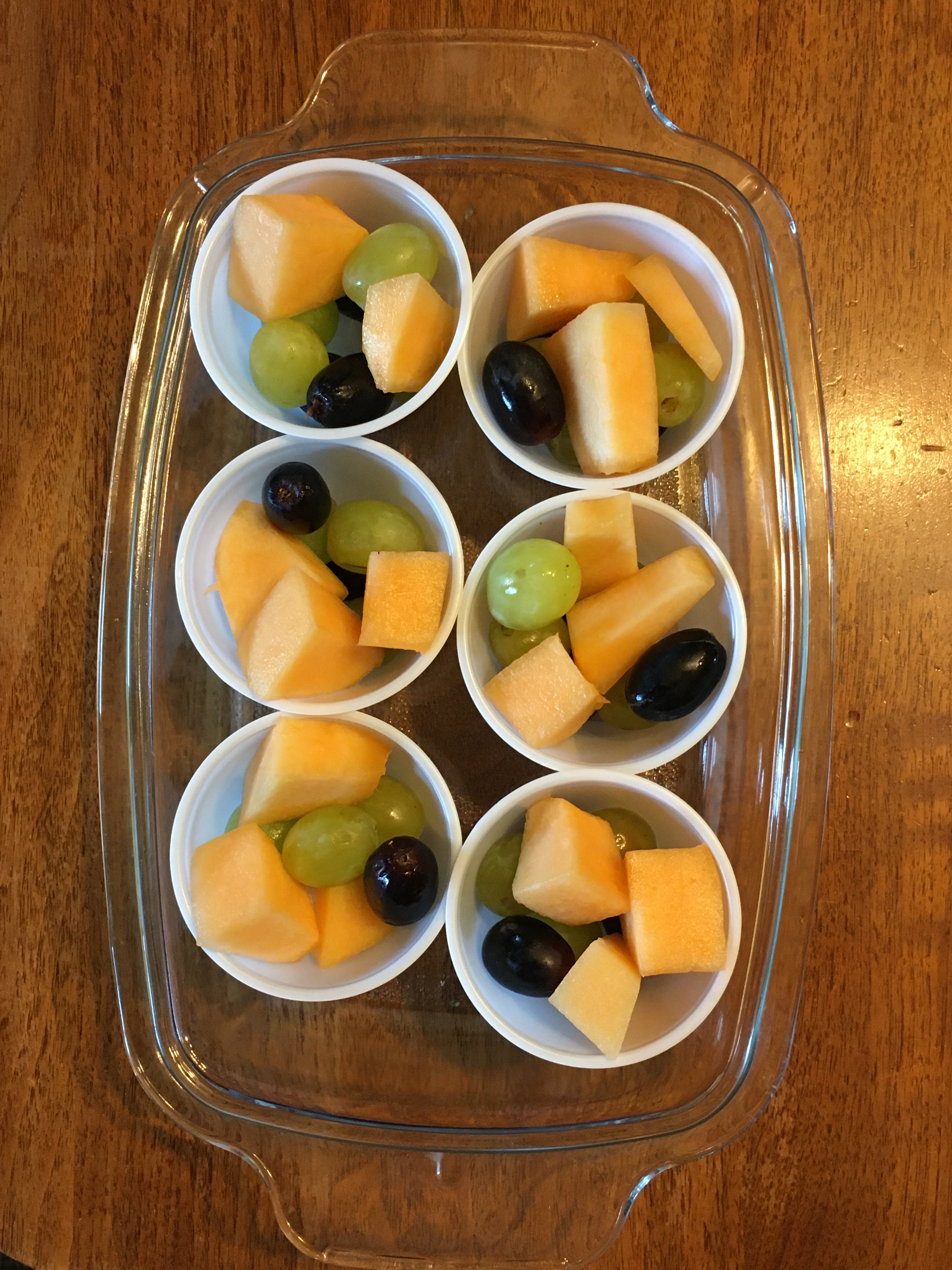
Then I cleaned and sanitized 24 small plastic cups that included plastic lids, which came with the free USDA summer lunches provided during COVID for the grandson. I selected ripe and attractive grapes, chunks of melon, and a bing cherry, and made two dozen fresh fruit cups. I sealed them with the cleaned lids. Okay, I know. This was still in plastic, but at least it was re-used plastic before it was tossed into the trash bins.

(Fruit cups similar to the picnic items. I forgot to take a picture of those.)

This reducing plastic thing is hard. It’s everywhere, and we’re so used to it, we don’t even think about it anymore.

Moving Toward Zero Plastic One Step at a Time

After watching the documentary The Story of Plastic with several friends and neighbors last month, and reading Beth Terry’s Plastic-Free: How I Kicked the Plastic Habit and How You Can Too,  I am convinced we need to move toward a plastic free world sooner, rather than later. Like maybe, yesterday. Or last year.

It’s not going to be easy. Look around. Nearly everything we do, everything we have, everything we shop for at the local stores is–if not made of plastic itself–wrapped up in it, sealed with it, packaged, bottled, bagged in it. We are so used to plastic in our lives, where do we even begin?

Beth Terry has some really good ideas about that. Her book is chock-full of tips, personal stories (mostly from her experiences), and suggestions for alternatives. I highly recommend it for everyone. It’s written so engagingly, that I was trying some of her ideas with each chapter, without waiting to finish the book. For quick starters, she also blogs at https://myplasticfreelife.com/

For instance, take plastic bags. These nuisances are very bad for the environment, totally unnecessary, but so hard to avoid. I am old enough to recall the days before plastic bags when everything was bagged in paper bags. And of course, we were urged to change our habits then to save the trees! What about the days before paper bag convenience? What about a hundred years ago? What, even, do some other countries do today (or at least in the more recent past, before the bag-pushers got to them)?

People once were responsible for providing their own take-out crates, bags, or boxes. And in some places, that custom still exists. Here at home, it seems that every worthy organization offers free re-usable shopping bags. Some are more road-worthy than others, but at least they aren’t hard to find. I have a dozen in my car, ready for toting new purchases. The good thing about cloth bags is that they can be tossed into the laundry and cleaned for reuse. We just have to remember to take a few into the store when we get the week’s provisions.

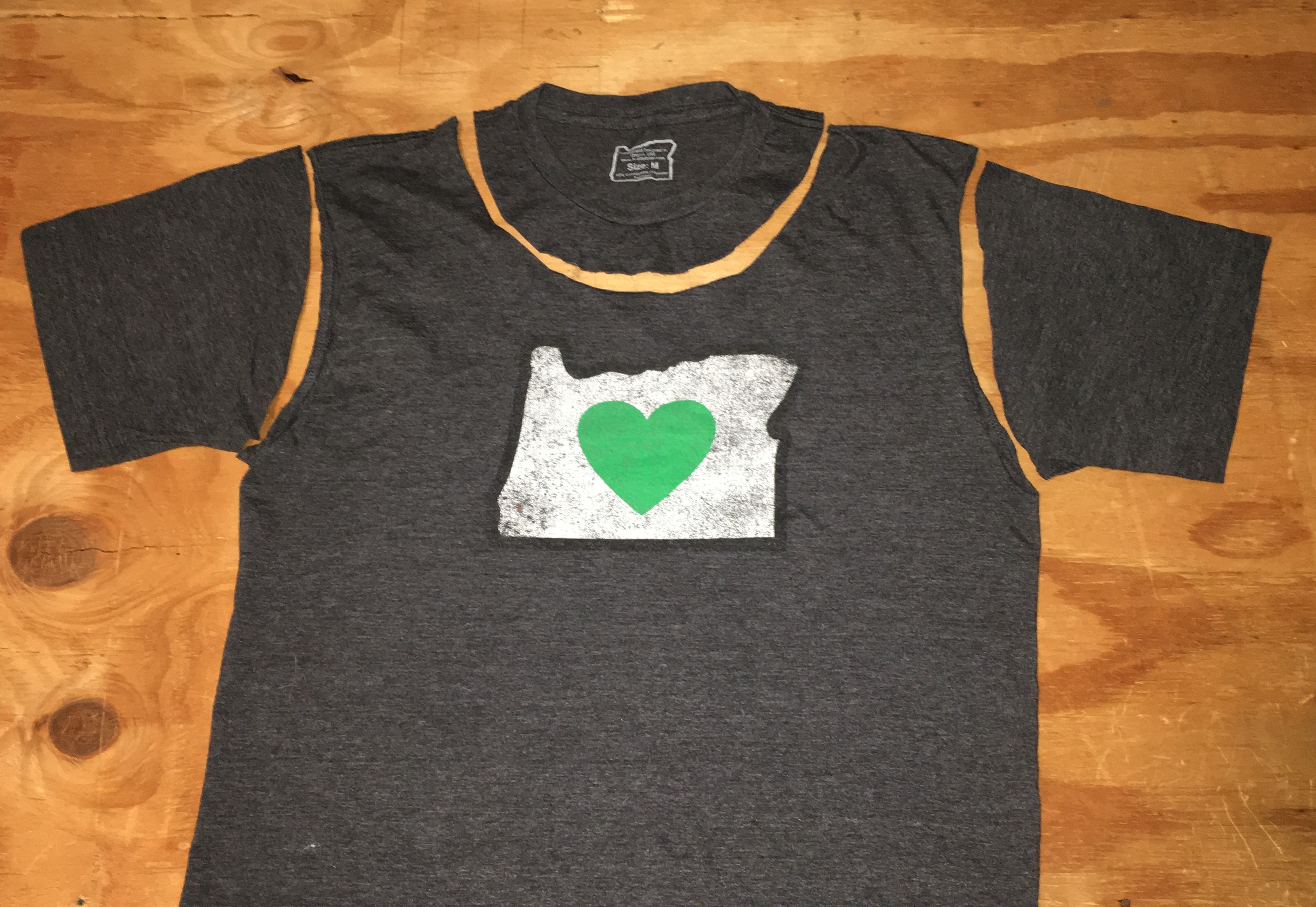
If you are a little short on bags, Beth Terry offered good ideas for making your own. How many of us have a drawer-full of old t-shirts we’ve collected at various events? I know I do. They serve a purpose for a day or two, and then gradually get buried under other shirts. Try digging out some t-shirts you haven’t worn for years and make them into shopping bags.

It’s easy–

  1. Trim the sleeves off, just outside the seams. Trim the neckline to make the top opening bigger. This need not be hemmed, just leave it raw cut.
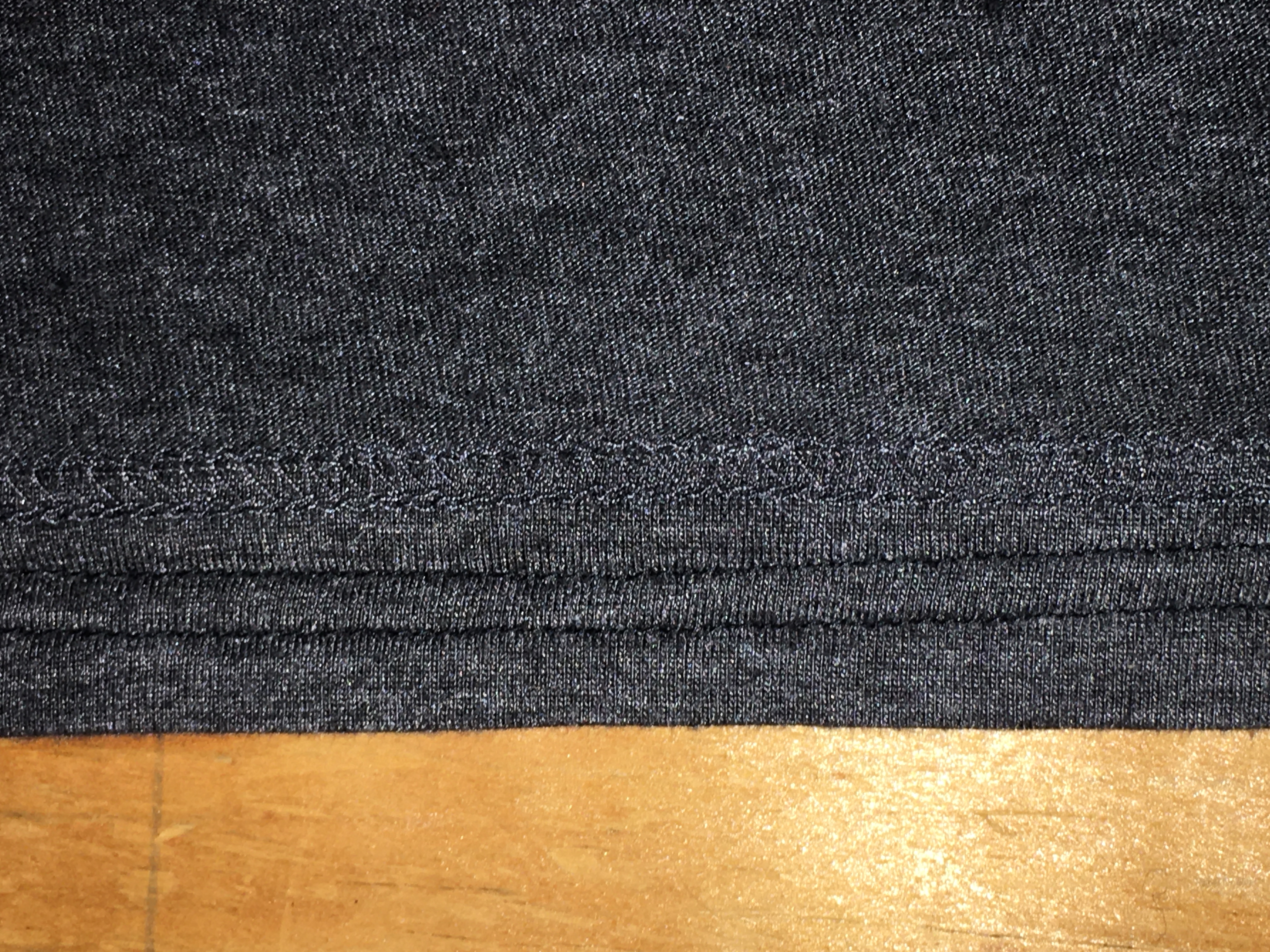
  2. Turn the shirt inside out and sew two seams across the bottom. Two seams adds strength.
  3. Turn it right-side out, and you’ve got a bag.

If you happen to have a tank top that hasn’t been worn for a long time, it’s even easier. No sleeves to trim! Just double-seam the bottom edge and it’s a ready-made bag.

If you have no sewing machine, just cut a fringe and tie knots along the bottom. For a festive look, add beads, or other bits of things.

You can express yourself with the shirts you choose, and have a Uniquely You collection of reusable shopping bags. Or make some to give away each time you shop.

One other homemade  bag suggested in the book is one crocheted out of plarn. I had never heard of plarn, but it’s a thing. Google it and you’ll find all kinds of video instructions on how to make a ball of “plarn” (that is, plastic yarn) from shopping bags. There are detailed instructions on the crocheting process, and even patterns for other items, like bedrolls for homeless people. (Really!) Talk about re-using something. A bedroll would take lots of bags from landfills already overflowing with once-used plastic stuff, or re-purpose hundreds that otherwise might blow into the trees in your hometown or the pond in your park, and might even provide a bit of comfort for those with precious little of that commodity.

My experimental plarn bag, still light-weight, but with the strength of 50 single-use bags:

Show and tell reusable homemade bags at the screening of The Story of Plastic:

Zero Plastic, Step One: Carry (and use!) reusable shopping bags.

Plastics and Me

Trash in the forest

Sometimes I am so overwhelmed by a glut of information on a topic, the immensity of a problem or a challenge, that I quite literally don’t know where to begin. Plastic pollution is such a topic. Plastics and me have had a decades-long feud. Though I grew up in the early days of the plastic boom, love for the natural world and wilderness led me to associate plastics with everything cheap and shoddy. The preponderance of the growing available products—from cheap tourist souvenirs to Tupperware (remember the parties??!)—helped me associate the word “plastic” with things that lacked authenticity: cheap imitations, counterfeit, false, fake, superficial, synthetic, and MAN-MADE.

As I moved from my parents’ home, my older sister gave me a set of dinnerware; four each of plates, bowls, and cups—a generous gift to start my adult life. But I was horrified because they were PLASTIC! I’m sure she felt conflicted and confused by my reaction, but the plastic set was returned to the store and traded for a couple pieces of cast iron cookware. (I later settled on a set of ceramic dinnerware.)

Shortly after that, I discovered No More Plastic Jesus by Adam Daniel Finnerty that became a guide book for life. Once again here, plastic meant fake, artificial, and superficial. It has been my lifelong passion to seek genuine things. Some of those are indeed crafted by human hands (take pianos, for example, or the handcrafted furniture in my office made in my father’s woodworking shop), but they use what Nature provides, not what chemists can create by manipulating petroleum into indestructible other stuff.

Having studied a science discipline in my undergraduate curriculum, (geology, a “natural science”) I get testy when people sneer at science and scientists in general. I recall a class I took in preparation for a secondary teaching certificate in the physical sciences. It was called “Science, Technology, and Society” and was a forum to examine ethical questions behind scientific exploitation of Nature’s gifts. Just because we CAN do something, doesn’t mean we SHOULD.

Chemists are scientists too. Just because we know how to re-form the molecules in petroleum and natural gas into long, indestructible polymers, doesn’t necessarily mean we should. Discarded plastic products pile up in waste streams and emit the toxins added somewhat secretly by petro-chemical companies to enhance product qualities, clog waterways and swirl in our oceans. It’s becoming clear that even though we humans discovered how to make cheap single-use plastic products, we should not be inundating our planet with the stuff.

Environmental writers around the world note that some plastic products are very beneficial. In the medical field, plastics save lives. In transportation, they help make our vehicles more fuel efficient. On a piano keyboard, plastic saves the lives of elephants whose tusks formerly were used to cover wooden keysticks.

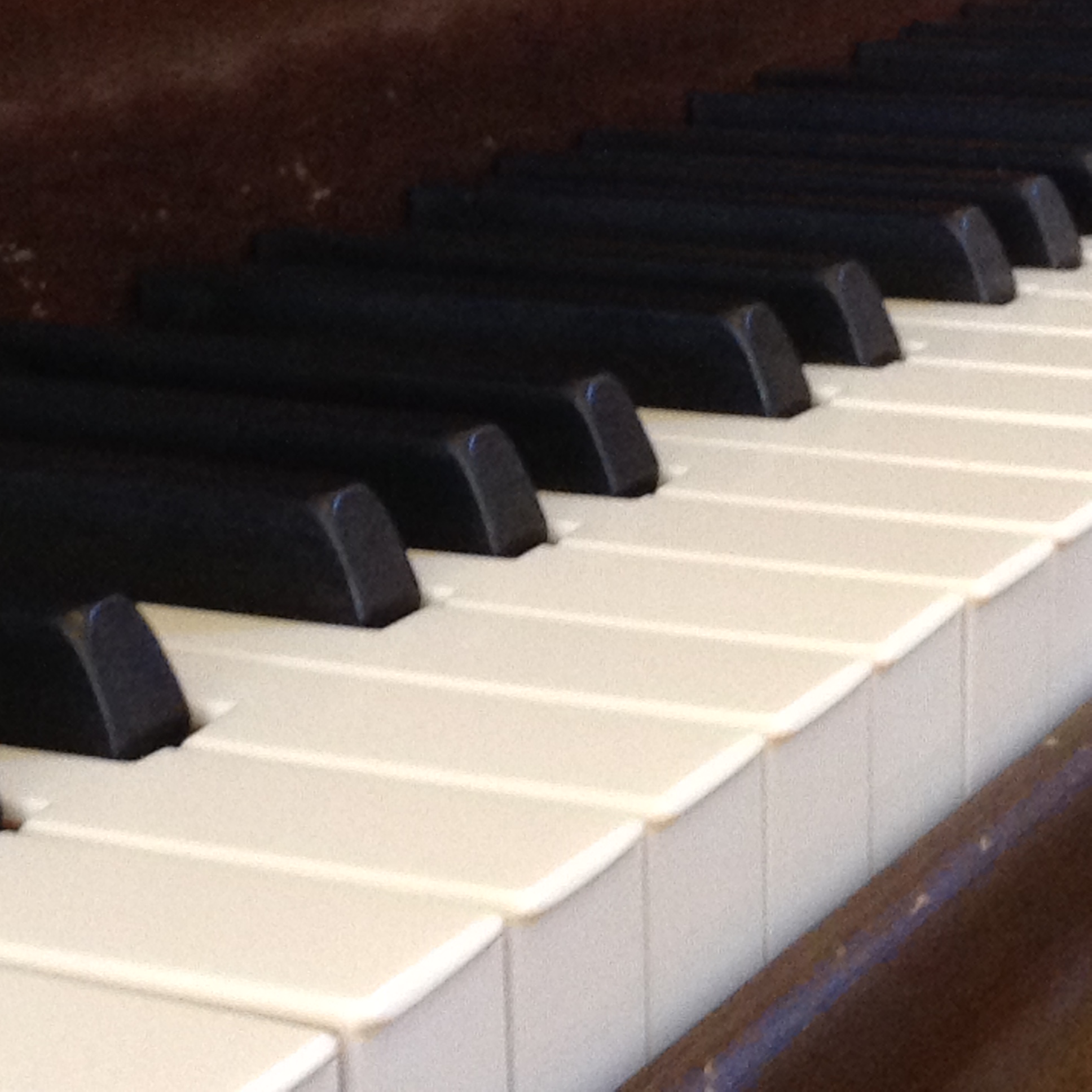
Piano keys

Most of the beneficial plastics are meant to endure for decades. Those we encounter on grocery shopping trips are meant to be thrown away. Single-use plastic products, packaging, and shopping bags have become a huge global problem. And that’s got lots of people riled up, justifiably.

This month of July has become the month of plastic trash awareness in my house. YES! Magazine issued an invitation to join their team for a “Plastic Free Ecochallenge” through July. On the website are hundreds of ideas to cut or eliminate personal plastic consumption in areas of food, personal care, life style, pets, family, and community action. There are campaigns against single-use plastic around the globe. Break Free From Plastic lists campaigns by the groups Beyond Plastic, City to Sea, GAIA, Greenpeace, People Over Petro, Plastic Free Seas, Plastic Pollution Coalition, Plastic Soup Foundation, Recycling Network, Friends of the Earth, Surfrider Foundation, and others. GAIA offers a “Zero Waste World Masterplan.”

I’ve been reading Gone Tomorrow: The Hidden Life of Garbage by Heather Rogers, Turning the Tide on Plastic by Lucy Siegle, and Plastic Free: How I Kicked the Plastic Habit and How You Can Too by Beth Terry. In addition, there are numerous blogs addressing plastic pollution with ideas for each of us to make a statement–and a difference–in various ways.

The pictures painted by each of these authors show a global emergency. If we don’t curtail the production and use of single-use disposable plastics before the plastics industry is a century old, there will be more plastic items in the Earth’s oceans than ocean life. No form of animal life –not even humans—will be free from synthetic polymers in the organs of their bodies. (Discover Magazine, “Microplastics are Everywhere, But Their Health Effects on Humans are Still Unclear”, Jillian Mock, January 11, 2020)

Plastic pollution is a global crisis and it’s driven by the petro-chemical industry. In my hometown, every year a group of volunteers cleans our beautiful park of plastic trash as an April, Earth Day project. How disheartening to see the confounded stuff return before May 1! Some trash blows in, other items are carelessly littered, still more is “harvested” from appropriate trash receptacles by roaming nocturnal wildlife.

Our homes are filled with the indestructible polymers. With daunting names like low density polyethylene, (LDPE), high density polyethylene (HDPE), polypropylene (PP), polyvinyl chloride (PVC), polystyrene, (PS), polytetrafluoroethylene (PTFE), polychlorotrifluoroethylene (PCTFE), nylon, or thermoplastic polyurethane (TPU), these “poly-mers” are found in items from children’s toys to floor coverings, to toothbrushes, to water pipes, to cookware and grocery packaging to nearly everything else.

The Story of Stuff organization has produced a documentary, The Story of Plastic. This film takes a sweeping look at the man-made crisis of plastic pollution and the worldwide effect it has on the health of our planet and the people who inhabit it. Spanning three continents, the film illustrates the ongoing catastrophe: fields full of garbage, veritable mountains of trash, rivers and seas clogged with waste, and skies choked with the poisonous emissions from plastic production and processing. With engaging original animation, archival industry footage beginning in the 1930s, and first-person accounts of the unfolding emergency, the film distills a complex problem that is increasingly affecting the well-being of the planet and its residents.

Locally, we’ve been given a chance to view this highly acclaimed film as part of Marquee’s Green Screen summer film series, Saturday July 24, 7:00 pm in the lobby of the theater. Local residents are invited to come to the screening. There is no admission charge. To view the film’s trailer, check https://www.youtube.com/watch?v=37PDwW0c1so. Bring questions and ideas about combatting the local glut of plastic trash. Be sure to RSVP on Marquee’s Facebook event page so organizers can plan accordingly.  For a five-minute animated condensation of the documentary, see https://www.storyofstuff.org/movies/story-of-plastic-animation/

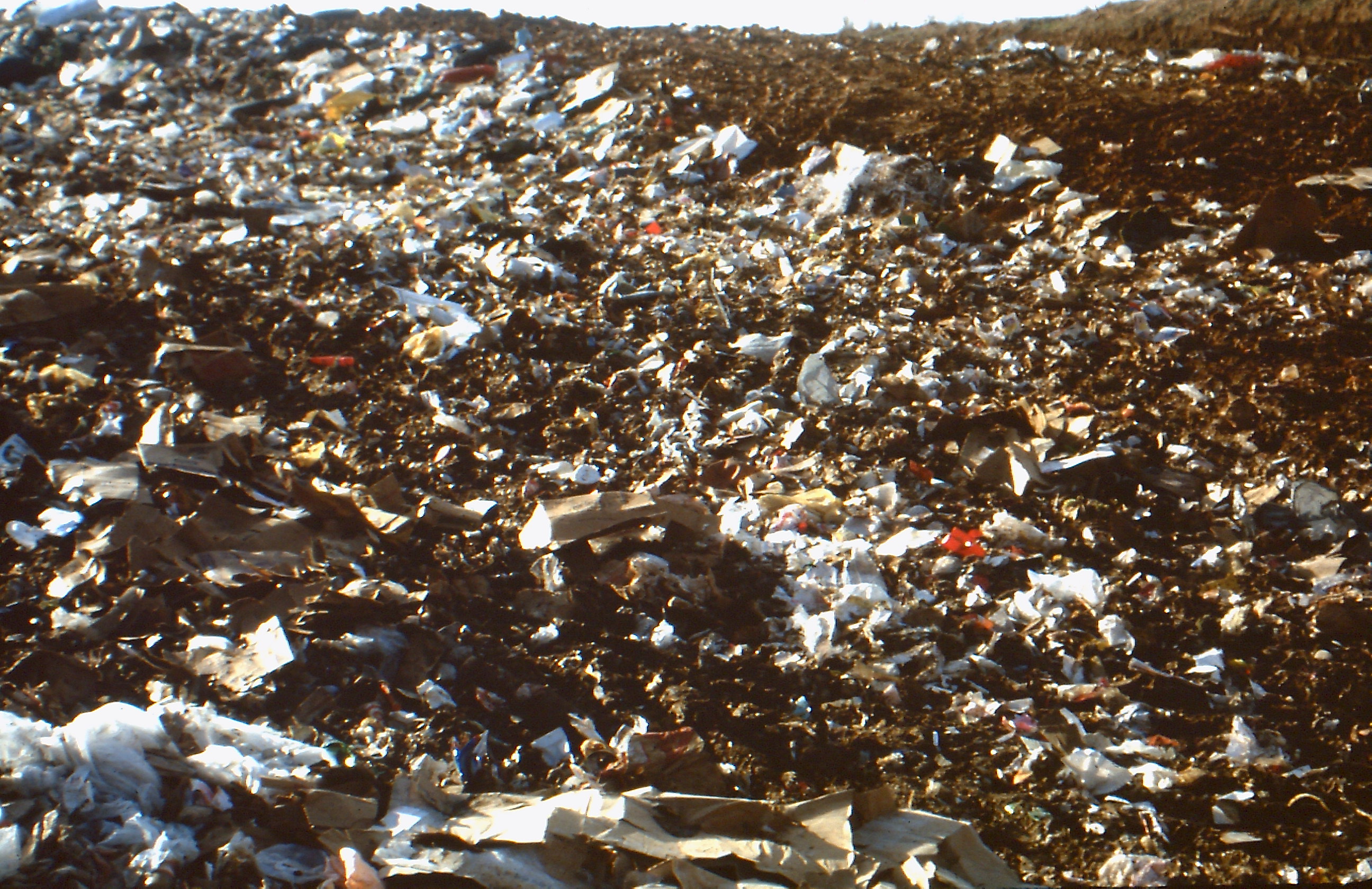
Landfill trash

On Hope, Peace, and our Future

During this tumultuous and challenging time, today’s holiday to remember one of history’s honored leaders, Dr. Martin Luther King, Jr., gives a chance to pause and reflect on some of his favorite speeches. Excerpts from addresses of Dr. King through the course of his career can be found engraved in granite at the MLK memorial in Washington, D.C.

Out of the mountain of despair, a Stone of Hope

We visited there a few years ago. The impact of those words gave a hush of reverence to the area. Today, I remember Dr. King, and ponder his life and his words, in the spirit of hope that the memorial offers to a divided country and world.

A few of Dr. King’s words, surrounding the massive mountain and engraved for posterity in granite, testify to the power of our spirit, through language. Long may the words provide hope for those in the midst of a struggle for justice and equality, until the day when everyone on Earth is valued as an equal member of the worldwide community.

I have the audacity to believe that peoples everywhere can have three meals a day for their bodies, education and culture for their minds, and dignity, equality, and freedom for their spirits.                                                                             (Norway 1964)

The ultimate measure of a man is not where he stands in moments of comfort and convenience, but where he stands at times of challenge and controversy.          (1963)

I believe that unarmed truth and unconditional love will have the final word in reality. This is why right, temporarily defeated, is stronger than evil triumphant.          (Norway 1964)

Injustice anywhere is a threat to justice everywhere. We are caught in an inescapable network of mutuality, tied in a single garment of destiny. Whatever affects one directly, affects all indirectly.    (Alabama 1963)

Make a career of humanity. Commit yourself to the noble struggle for equal rights. You will make a greater person of yourself, a greater nation of your country, and a finer world to live in.     (District of Columbia 1959)

I oppose the war in Vietnam because I love America. I speak out against it not in anger but with anxiety and sorrow in my heart, and above all with a passionate desire to see our beloved country stand as a moral example of the world.  (California 1967)

It is not enough to say, “We must not wage war.” It is necessary to love peace and sacrifice for it. We must concentrate not only on the negative expulsion of war, but on the positive affirmation of peace.    (California 1967)

Every nation must now develop an overriding loyalty to mankind as a whole in order to preserve the best in their individual societies.  (New York 1962)

If we are to have peace on Earth, our loyalties must become ecumenical, rather than sectional. Our loyalties must transcend our race, our tribe, our class, and our nation, and this means we must develop a world perspective.  (Georgia 1967)

We shall overcome because the arc of the moral universe is long, but it bends toward justice.   (District of Columbia 1968)

Darkness cannot drive out darkness. Only light can do that. Hate cannot drive out hate. Only love can do that.    (1963)

This is not a complete collection of the quotations at the memorial. But it is most of them. One could spend hours there, meditating on the life of Dr. Martin Luther King, Jr., and pondering his legacy which is forever established through the power of his words. Located amidst the awe-inspiring memorials in our nation’s capital, it is fitting to remember this man’s life today, on the holiday declared to honor his life and legacy. And we return to that stone of hope during these difficult times, with renewed anticipation that a corner of our history has been turned and we will look toward renewed progress to uplift every person, and every living thing on Earth, with honor and respect.