Grieve and then Resist

Here we are, one week post-election, one week post D-day (diagnosis day for our flailing democracy.) Most of you share the horror and grief I feel after the count, so I’m “preaching to the choir” so to speak. If you happen to be someone who felt smug and victorious after the tally, I don’t know what to say to you. When my nephew was left homeless after a hurricane ravaged his mountain town (Asheville) 400 miles inland, when cousins in southern California find their neighborhood threatened by raging wildfires, when my Cuban friend’s parents near Havana have been without electricity for weeks, I am dumbstruck to realize so many of my countrymen would vote for an aging insurrectionist, convicted felon, rapist, and conman when one of his first orders of business is to increase the drilling and use of fossil fuels.

Are you one who would object, “But wait, I didn’t vote for him!”  Yet at the same time, you couldn’t bring yourself to vote for the one candidate who had the best chance to defeat the ugliness and destruction that’s bound to happen. Since my first visit abroad in 1977, I have worked to disprove the myth of the “ugly American.” Yet with this election, you have helped engrave it deeper in the history of the world.

Most of my friends, though, feel as I do. We’re compatriots, we’re family in a broad adoptive sense of the word, and I take comfort from our conversations and correspondence. We need each other to talk to, to share our mutual pain, our disbelief, and our fears. It means a lot to me that we have connected, not only during the weeks before November 5, but in the days since. Bolstering friendships has been one positive thing to come from this heartbreak.

A couple of thoughts about the outcome. I find a smidge of agreement on one of the MAGA points, though the target is polar opposite of theirs. We should beware one certain immigrant from South Africa who just bought a president with his billions.

For those who were all about—“Oh, the New World Order! We can’t have that. Biden has those plans in WRITING!”

Welcome to the New World Order. After the election, Elon Musk crowed on his X account, “Novus ordo seclorum” (Latin for New World Order.) And the written plan? Project 2025, which some have claimed was all lies. They aren’t even trying to deny the project now, and it has been in WRITING the whole time.

For the rest of us who are hurting and grieving over what we’ve lost—a country founded on democratic principles—I will say a few words about grief. We’ve probably all faced loss at some earlier point in our lives. As someone intimately familiar with that deepest of human emotions, I will remind you that you are not alone. Please remember that there is no “right” or “wrong” way to grieve. Allow yourself the privilege to mourn as you are called to, and then join the resistance. I caution you not to blame yourself for the election’s outcome, especially if you did everything you could to prevent the disaster. Try to avoid assigning blame to others, also. There is likely a myriad cluster of circumstances that brought this on us and we will all suffer the consequences together. Some groups will feel it first and worst. We need to support those of our friends who are at greatest risk.

From my own history of loss and recovery, I will offer this: it’s easier in small doses. One day at a time. One hour. Maybe even minute by minute. To that end, I plan to start a thread called, “Just for Today,” in which I’ll share ideas for facing the world and resisting the worst, finding resilience and ways to persevere. If you have ideas to share, let me know.

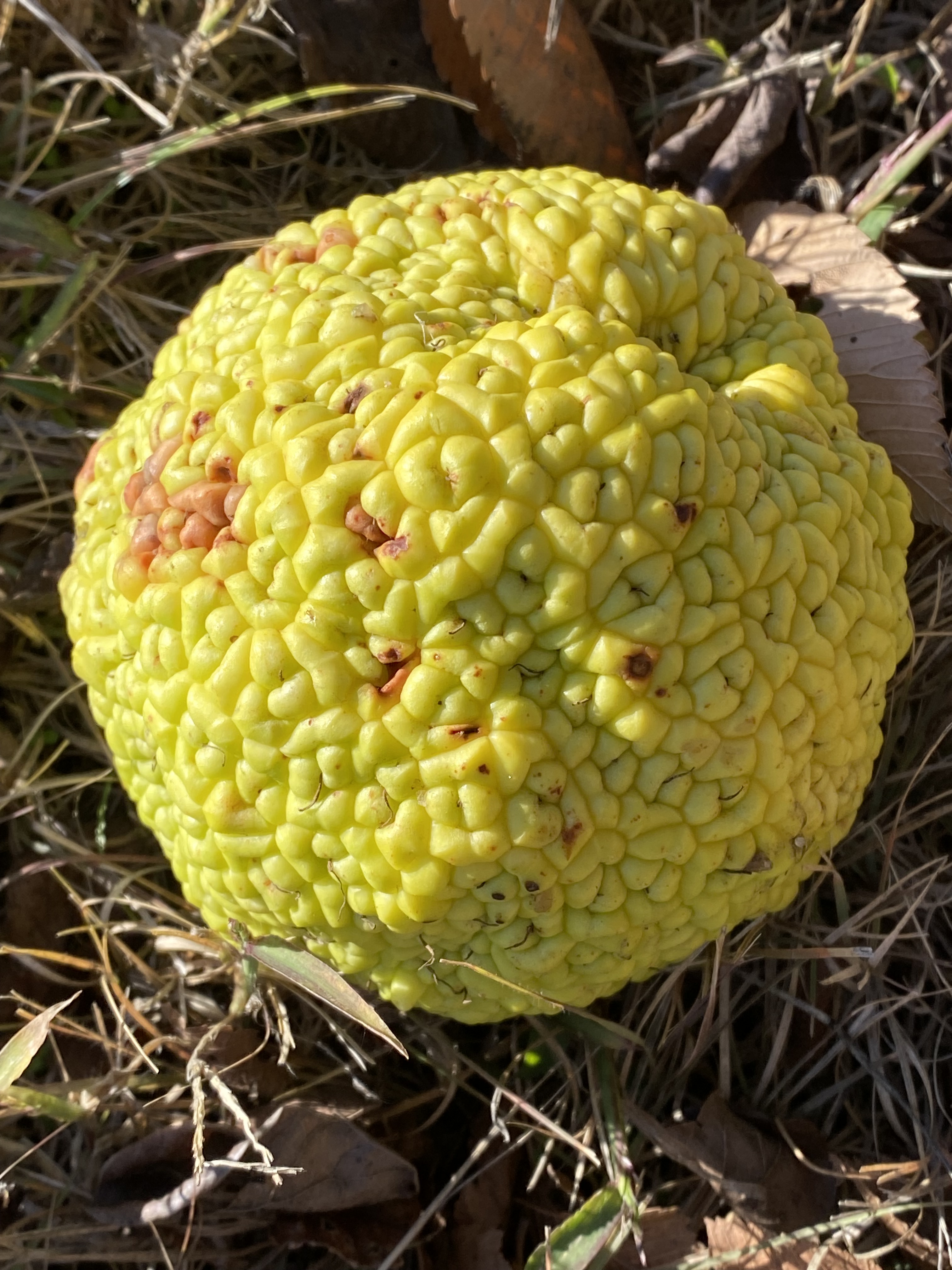
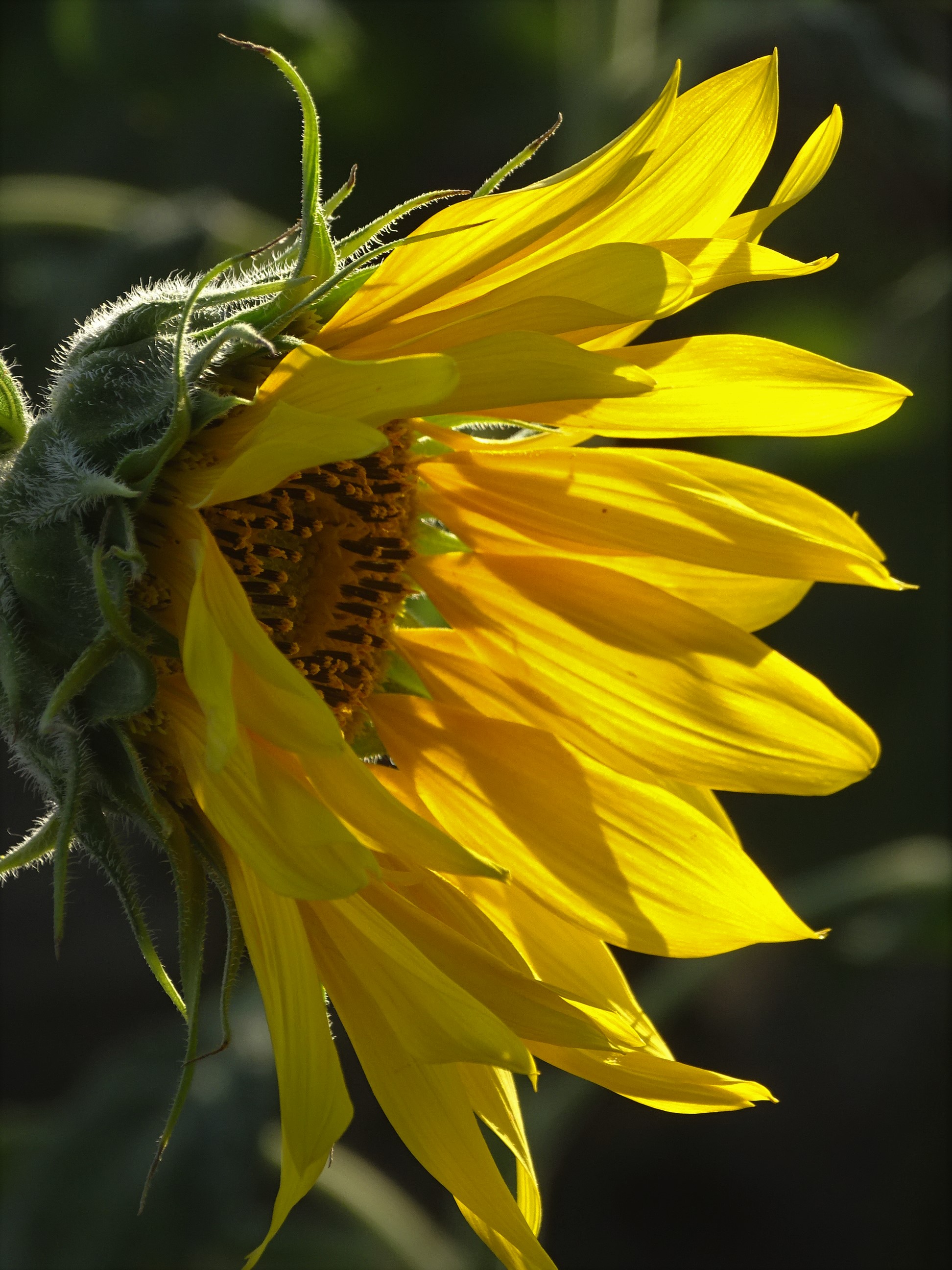
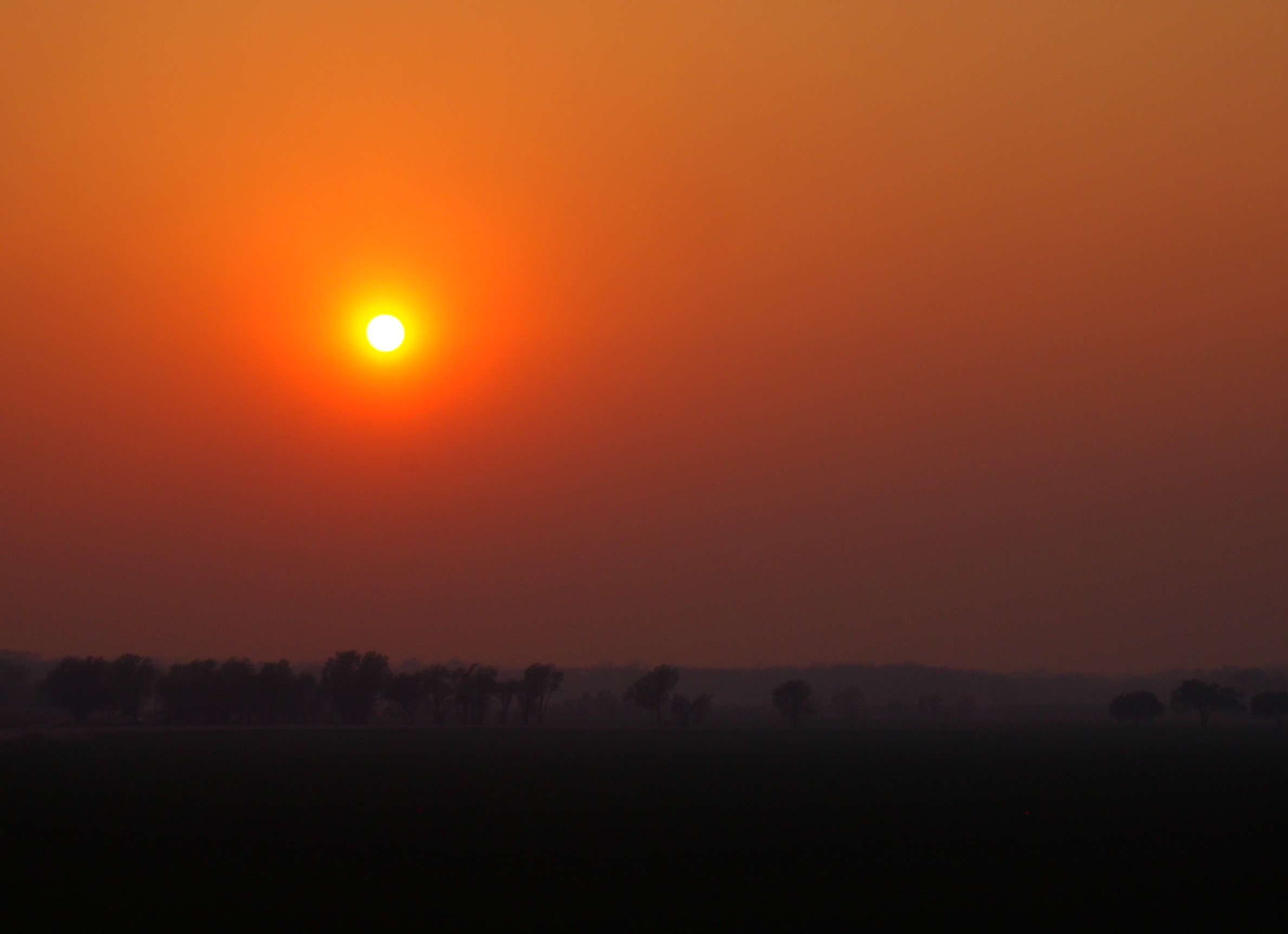
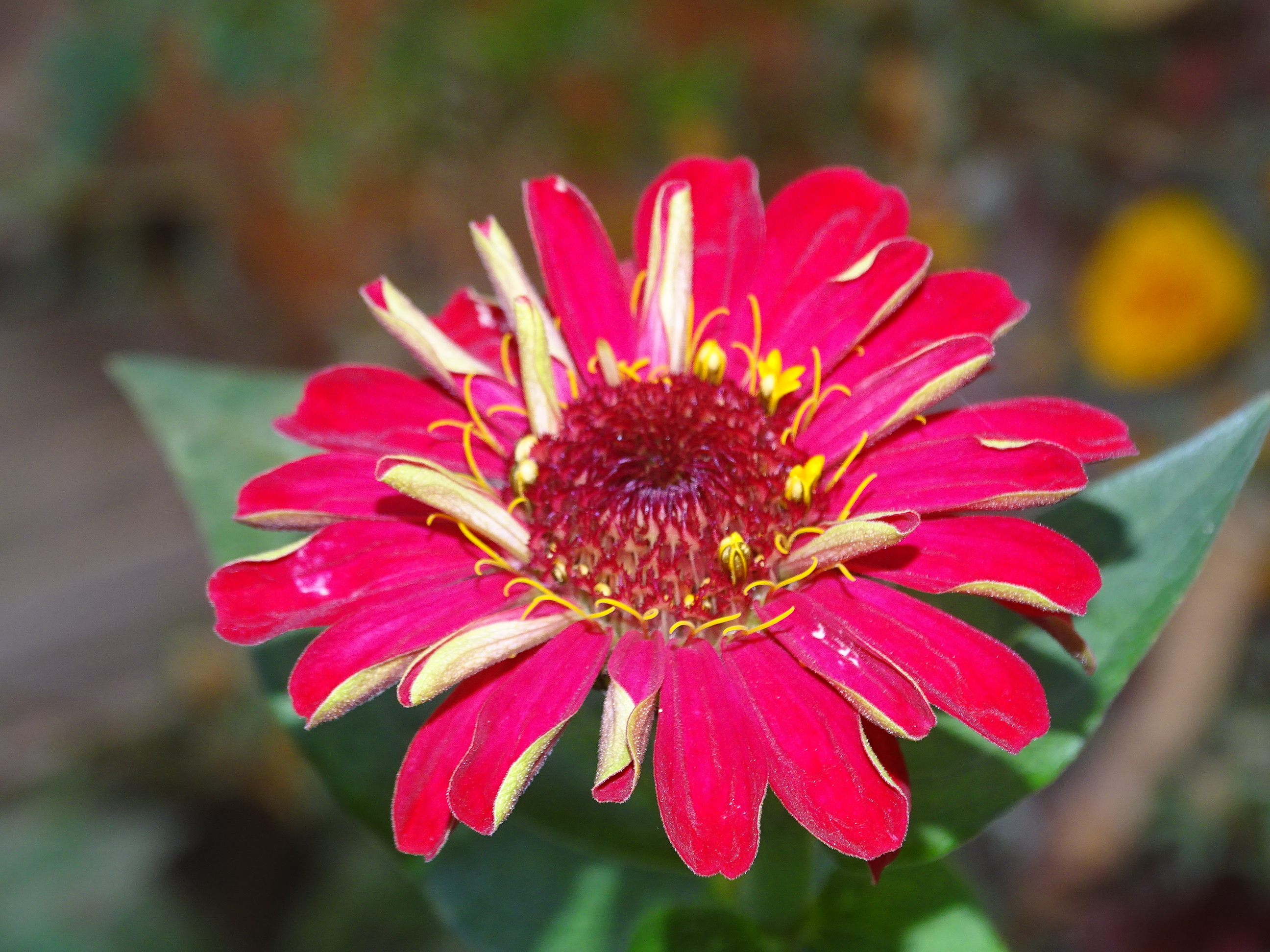
(See Post #1 Just for Today: I will find something beautiful provided by Nature.)

What a Difference a Smile Makes

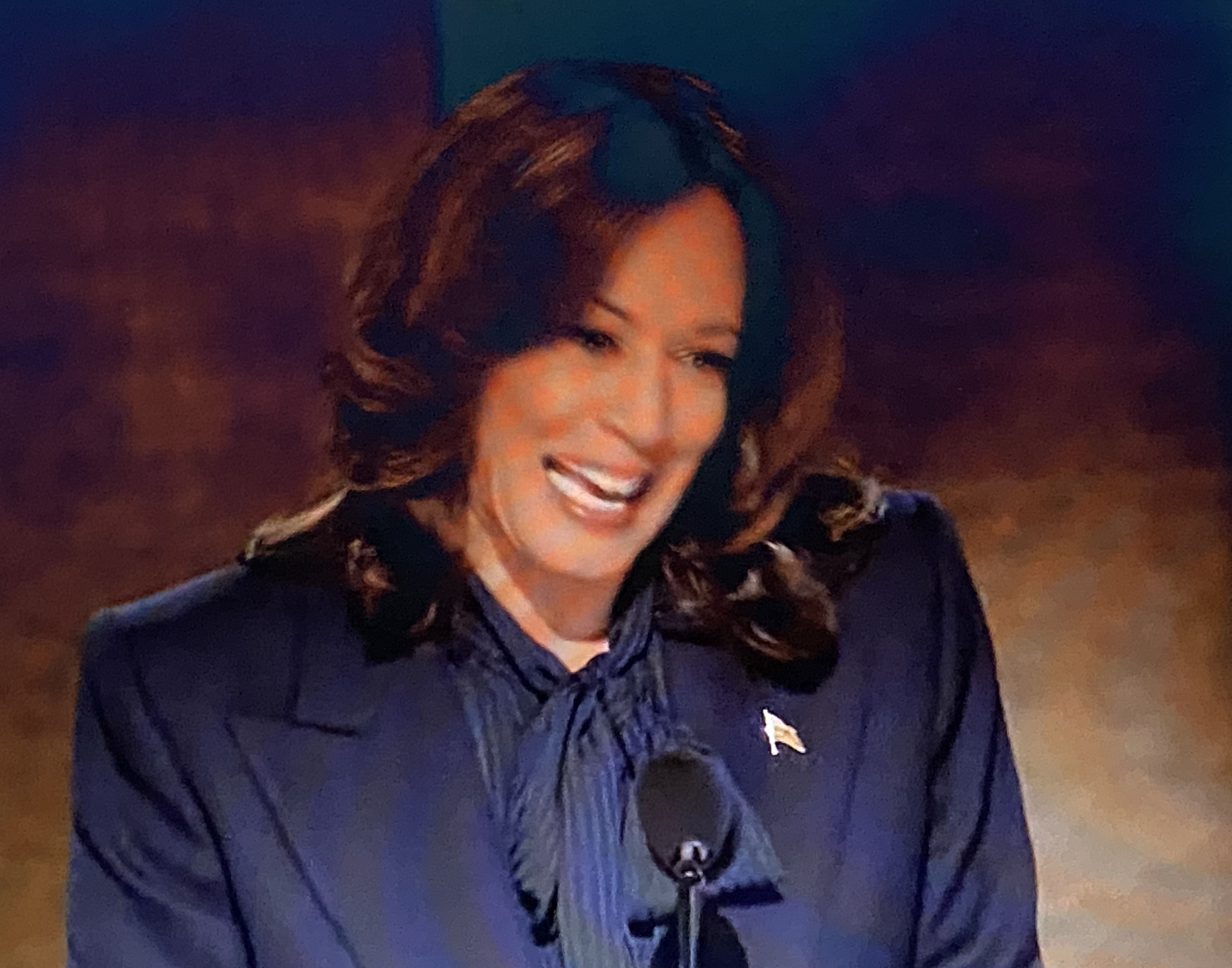
One of the starkest contrasts between the presidential candidates of 2024 involves their facial demeanors. While Donald Trump puts on a stern, angry façade, Kamala Harris is often seen smiling. Anger versus joy. Which is really a symbol of strength?

In my personal history, when I feel strong, capable, competent and on-top-of-the-world, I have often completed a difficult goal, like mastery of a Liszt piano composition. What a thrill! My heart is buoyed and I smile easily at anyone and everyone. When I have had a bad day and feel overwhelmed, when I lack confidence in my capabilities, when I doubt myself, I am gruff and sullen, giving off a vibe of anger.

Anger reveals doubt and lack of confidence. It often accompanies people who try to make themselves feel bigger, better, and more important by stripping others of their dignity. People who behave like that are called bullies.

In my world, joy spells confidence and strength.

Remember the childhood fable that describes a contest between the north wind and the sun? The two decide to test their strength and see who can remove a solitary traveler’s coat. The north wind goes first and blows ferociously, outdoing itself in its bid to strip a man of his coat. No matter how hard the wind blows, the man draws his coat closer around himself and clutches it tighter. Then the sun takes a turn. It shines warmly on the traveler until the man sheds his coat voluntarily, soaking up the sunshine.

Joy is like that.

Another area that might need closer scrutiny is the nature of true wealth. Some of the world’s richest men in their acquisition of dollars tend to support the angry, bitter candidate, the one who feels powerful because he can make others miserable.  Where it really counts though, the joyful candidate is far wealthier—in kindness, compassion, and generosity that morph into a wealth of public support, small dollar donations, election volunteers, and crowd sizes at rallies.

Which candidate is wealthier in things that really matter? It’s clear to me that joy yields far greater rewards than anger.

The prevalence of disinformation and misinformation assaulting us from every source—from mainstream media to social media—makes it difficult to determine what is factual and what isn’t. Both sides level accusations at each other that echo distrust, fear of ulterior motives, or conspiracies to gain unlimited power over the country and the world.

How do we know what to believe? How can we find the truth?

Henry David Thoreau, long recognized for his stand on civil disobedience, wrote, “What I have to do is to see, at any rate, that I do not lend myself to the wrong which I condemn.” I cannot adopt the bitter, vengeful tactics that I find so repulsive. Do Trump supporters view their neighbors, relatives, and co-workers repulsive just because we seek joy in our lives?

It behooves us all to examine with care what we hear and read in our search for underlying truths. For me, the power of joy and the promise it delivers speak very well for truth.

“I’m Not Going to Vote”

I’ve heard that from a few people lately. The reason they give is that they don’t like either candidate. Not one or the other, as if there is only one race on the ballot.

Obviously, they are referring to the presidential race, but there always others on the ballot. Every congressional representative must be elected or re-elected on a two-year schedule. Some US Senators are up for re-election also, though none from Kansas are this year.

The state Senate is a different story. My hometown is electing both state Senator and local representative. These are important races. In addition, there are county, city, precinct and township races, judges at the district level, and judges in the State Appeals court, not to mention a very important State Board of Education race.

You don’t have to vote for the presidential electors if you don’t want to, but consider the races closer to home that will impact your life as much as the presidential outcome—or even more.

Back to the presidential contest. This election cycle has been called one of the most important—if not THE MOST important—election of our lives. There is a lot at stake for us in America, but also for our allies around the world. My personal election history has not been overwhelming. I can’t think of one candidate I ever voted for who thought exactly as I did and listed priorities to match mine. You could say that I have never really “liked” any candidate for president.

Does that mean I didn’t vote? Of course not. Does it mean I shouldn’t have bothered? No way. In my family, thoughtful voting was billed as an adult responsibility. I’d never shirk my duty. In most cases, I cast my presidential vote for the person who most closely aligned with my values. Sometimes it was simply who I thought would do less damage—not so much voting “for” my favorite but voting “against” someone who raised grave concerns in my mind.

This could be such an election for those friends who “don’t like” either candidate. Consider voting against the least desirable ticket. But using the excuse that you don’t like either one is not a valid excuse to ignore voting altogether. We simply must do it. For most of us, our votes are our only voice in this grand self-governing experiment. Though we don’t have a perfect system, it’s better than those of many other countries. I wouldn’t give it up so casually.

Turning to the electoral college, it seems apparent to me that that particular arrangement needs to be revised and updated. Since my first presidential election opportunity (in 1976) I have only once cast my vote for the candidate who captured the state electors to the electoral college. And that was an election which ended up going to the other candidate nationally. In subsequent elections, my vote in sometimes matched the national winner, but the state electors stood for the other candidate. It could be said that my vote for the last 48 years has been pointless. I admit it does get discouraging to think that my vote never really counts for much. But when the candidate I voted for won—even though my electors went the other way—it was exhilarating, though my vote amounted to essentially nothing.

Should I just stop voting in presidential elections? I don’t think so. It’s still important to be an adult and shoulder my responsibilities. To simply not vote is the same as giving up and giving in. Somewhere I read that you aren’t really beaten until you quit trying. So I persevere. And I urge you to do the same. The futures envisioned by each of the 2024 presidential candidates are vastly different—scary as hell in one case.

Which do you want to support?

The Power of Music

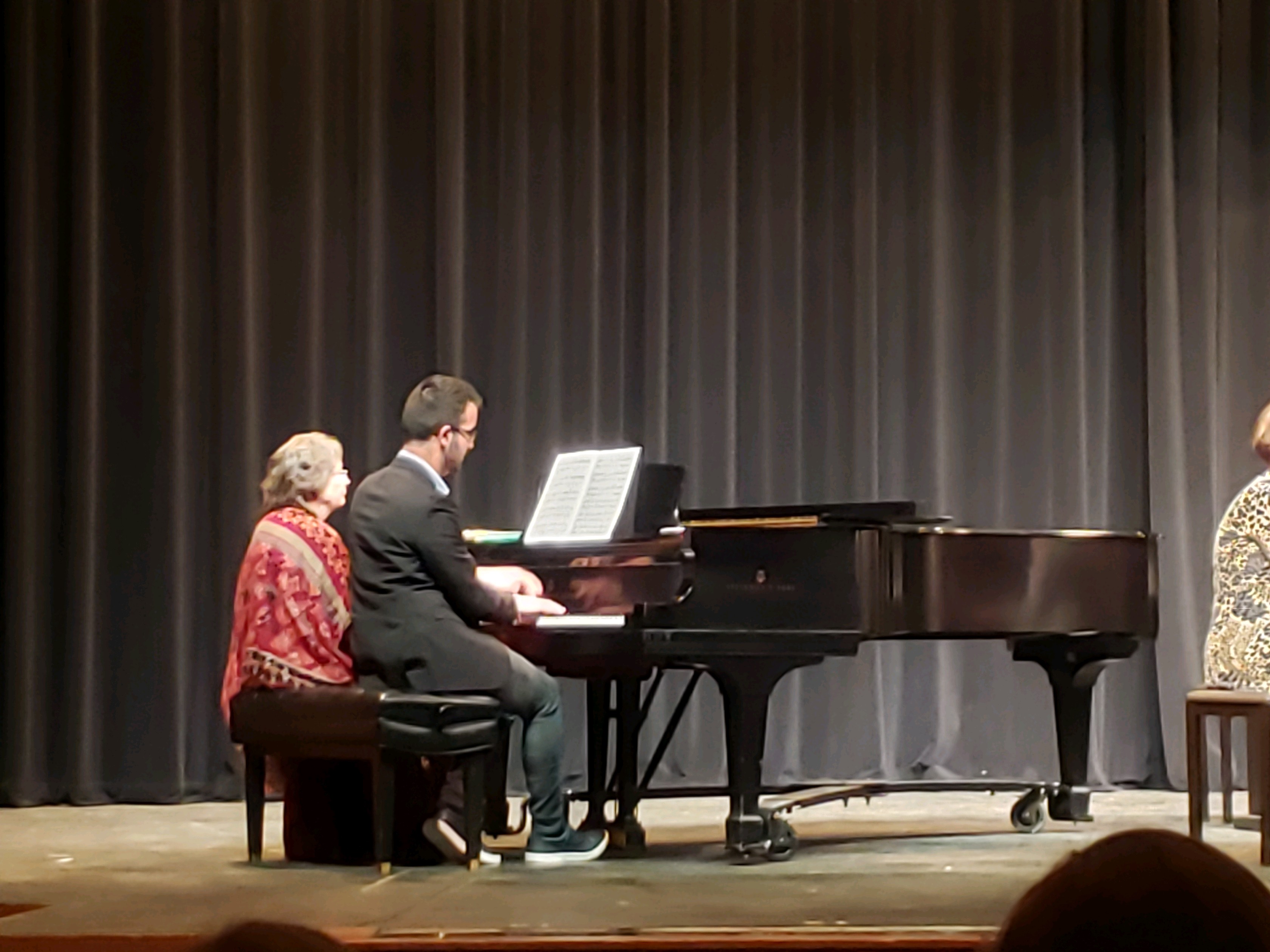
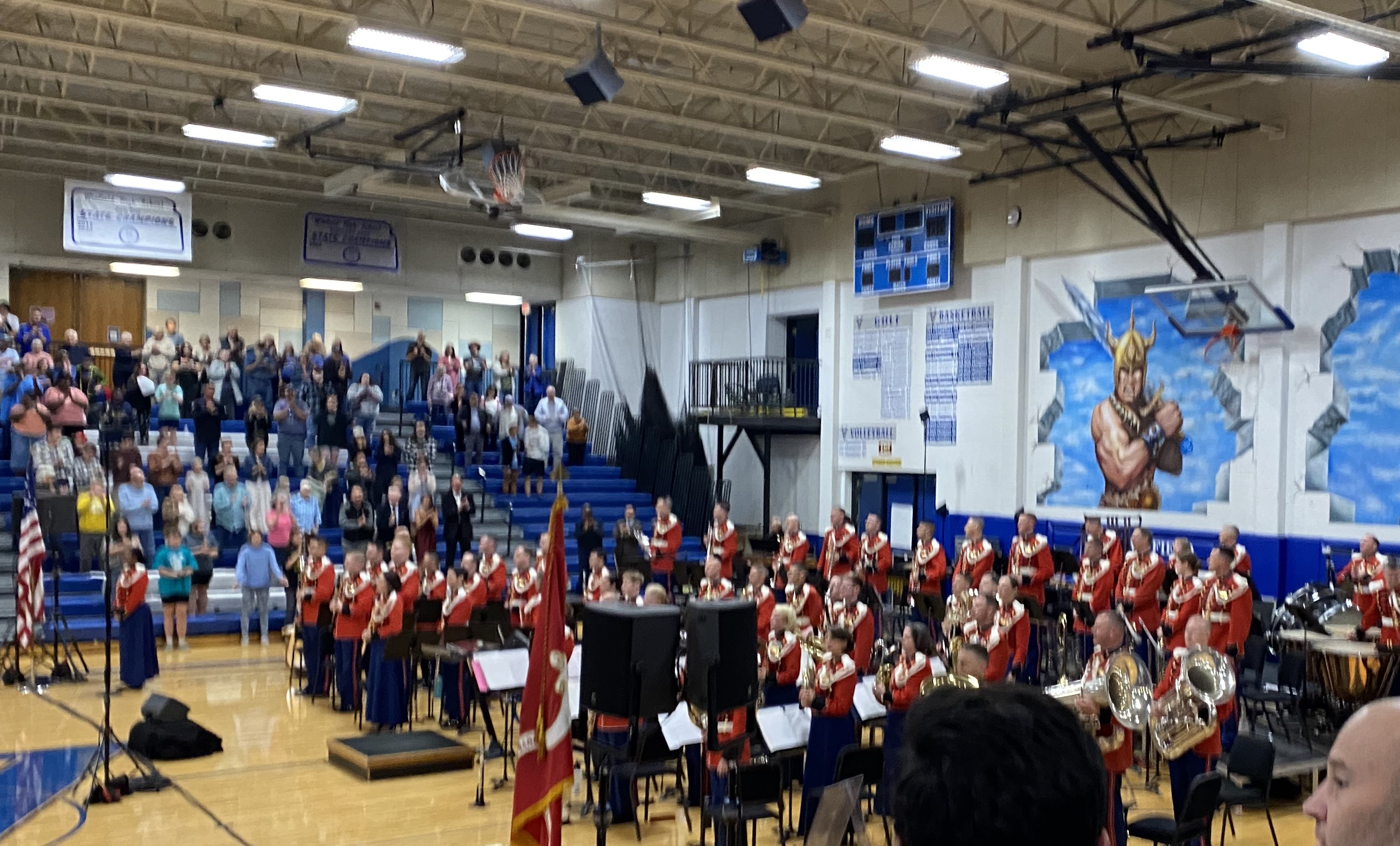
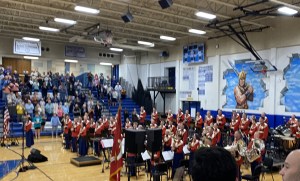
Months ago, the local Island Park Productions contracted an evening of music by “The President’s Own” United States Marine Band. As explained in the program, the US Marine Band was established in the year 1798 by an act of Congress. As such, it is the oldest continuously active professional musical group in the country. There are Marine Corps bands at several bases, but there’s only one called “The President’s Own.” Its mission is to provide music for the President of the United States and the Commandant of the US Marine Corps. Since neither of those leaders were present in Winfield last Monday night, the performance by “The President’s Own” US Marine Corps Band was indeed a privileged and special event for us commoners.

The planners were ecstatic to book the Band, and tickets for this free concert became available a month in advance. Most of the music events billed as “Duck Jams” are held at the Amphitheater in Island Park. However, the Marine Corps Band required an indoor venue. The location was to be the local High School auditorium, with limited seating. Though there was no admission charge, tickets were required in order to attend.

We got our tickets early. Noting that they would be honored only until fifteen minutes prior to the concert when any remaining seats would be opened to non-ticket holders, we arrived thirty minutes early. The high school parking lot was already packed with cars, more than I recall ever seeing at any other event. A line of attendees stretched around the auxiliary gymnasium and north, halfway to the office doors. There was no way all these people would fit in the auditorium.

Evidently, the event planners agreed. We made our way to the end of the line, and followed its progression inside, to discover that the venue had shifted to the main gymnasium. Bleachers on three sides were open, and row upon row of chairs were set on the gym floor facing risers at the east end reserved for the Band. Some people brought in camp chairs and set them up at the railings above the bleachers. There was a seat for everyone who came. Nobody was turned away.

We found a place in the bleachers amidst friends and strangers, and awaited the first downbeat. It was an impeccable performance. The musicians filed in, all wearing uniforms of red coats and blue trousers (or for some women, skirts). With the precision one would expect from the US military, the program started exactly on time. For two hours, people from all walks of life, and from every political party tapped and clapped to America’s music. From traditional marches to classical compositions, from jazz to opera, the music lifted our hearts. For the space of two hours, we forgot our differences. We were all Americans, united by this honored military band.

Did the musicians know this is an election year? Undoubtedly. Did they know we were weeks away from what is likely to be the most important election of our lives? Most certainly they did. But it didn’t matter. They brought us an event that was perfect for these times. At the end they played a medley of songs that identified each branch of the US military and asked us to stand for the correct theme if we, or a family member, had served in that branch. For my own family, going back to my parents’ generation in WWII, the branches represented in my family included the army, the navy, the air force and the marines.

The audience provided three standing ovations during the performance—and for each, right then and there, the band performed an additional song that wasn’t in the printed program. For me, the highlight of the evening was the encore solo which the concert moderator sang following her soprano solo from Gounod’s Romeo and Juliet. SSgt Hannah Davis sang “You’ll Never Walk Alone,” a song that bolstered my difficult adolescence and gave me hope as well as strength to keep going years ago. The song itself is from an 1945 Rodgers and Hammerstein musical, Carousel, but I learned it two decades later. I hadn’t thought about the song for a long time, but Monday night as SSgt Davis shared its message for everyone in the gym, I thought, “How appropriate.”

When you walk through a storm

Hold your head up high

And don’t be afraid of the dark.


At the end of the storm

There’s a golden sky

And the sweet silver song of a lark.


Walk on through the wind

Walk on through the rain

Though your dreams be tossed and blown.


Walk on, walk on

With hope in your heart

And you’ll never walk alone.

You’ll never walk alone.

We can all take its message to heart. Those of us in attendance at the US Marine Corps Band concert were Americans, every last one of us. For one magical evening, we were united by music.
No

When my children were young, there was a slogan promoted at every school in every grade, “Just Say No.” It was an effort to reduce the use of illegal and addictive drugs, and it echoes in my mind in so many other ways.

In a land of plenty, we are blasted with advertisements to purchase things, and more things. Most of us have more than enough. We should learn to “Just Say No.” Other times, people beseech us for contributions, no matter how small, for charities or political campaigns. Some of these are quite worthwhile causes. Some are not. We’ve been conditioned since our early days to listen and give in. Half of the adult population in America feels as if they can’t say no.

We don’t want to make waves. So we don’t say no.

We need approval in social settings. So we don’t say no.

We don’t want to appear stupid, or like we lack class. We want to latch onto whatever our idols do or have. So we don’t say no.

Yet experience has taught me we should learn how to turn down unnecessary solicitations, products, or activities. What we need and what we want are different things. If something will harm others, even on the other side of the globe, or exploit the planet we rely on, I should just say no. When I am asked to support a political candidate who promotes discrimination, selfishness, lethal weapons used against children, or hatred toward entire groups of people? A definite no.

What about plastic bags we use once and then pitch?

No. Too often these end up trashing someone else’s home town, or killing innocent wildlife.

Gas-guzzling cars and trucks?

No, especially with the EV alternatives taking off.

Products that use palm oil? Palm plantations decimate native equatorial rain forests. Don’t need that.

Another toy for a child who has too many already?

No.

More new clothes in my closet?

I have enough.

With every acquisition, more seconds of my day and more minutes of my remaining years are stolen from me by upkeep and maintenance. Possessions can become burdens if we aren’t careful to (you guessed it) say NO!

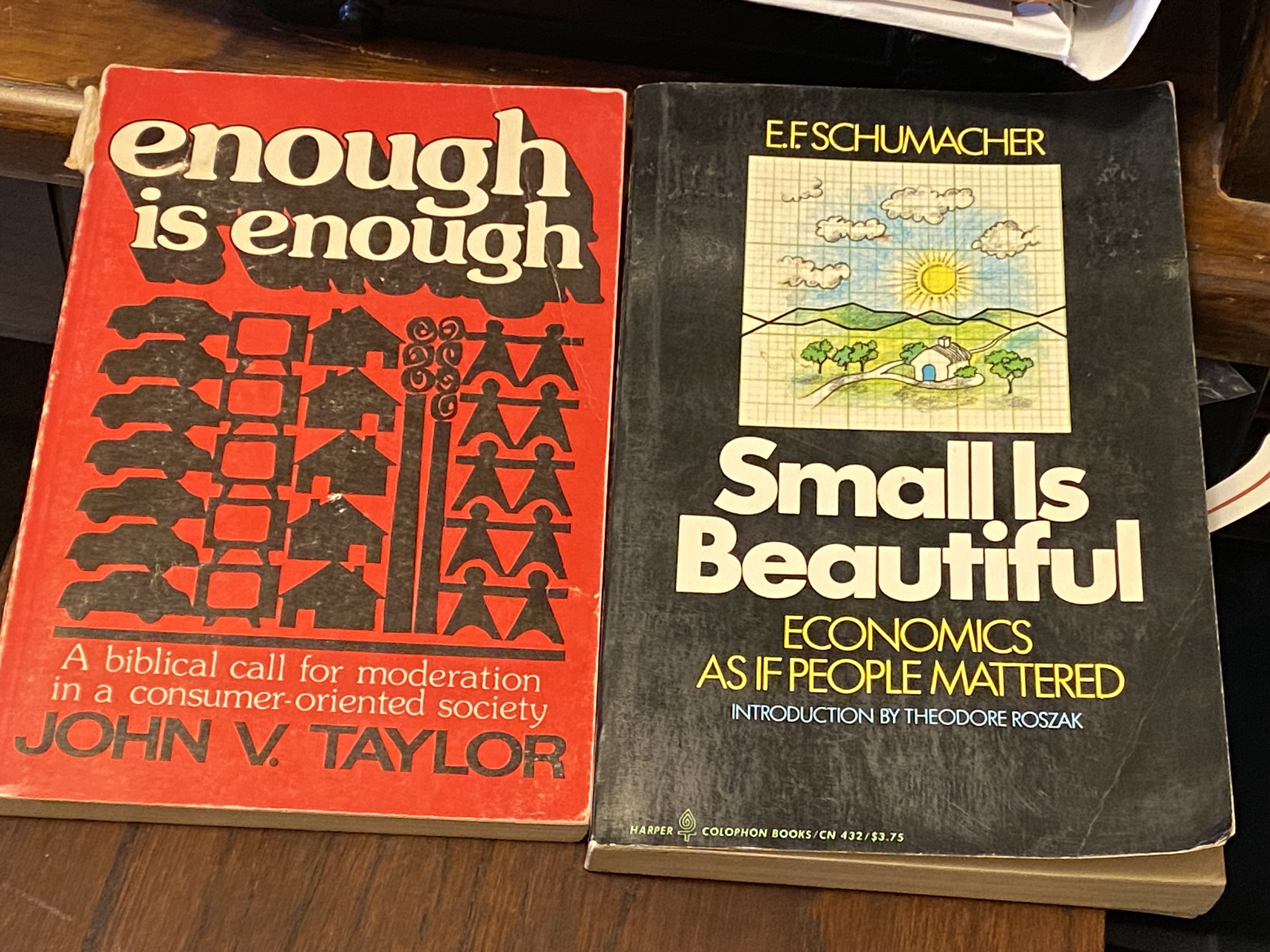
A growing number of economists and philosophers recognize the dangers of perpetual growth. In a finite system like the small planet we share with every other living thing we know,  unchecked economic growth–the basic idea of capitalism– destroys the foundations of what we need to survive. Check out Naomi Klein (This Changes Everything: Capitalism vs. the Climate) and Kohei Saito (Slow Down: The Degrowth Manifesto).

Enough truly is enough, especially when “more” involves bringing harm to others. I need to say “no” more often, to let go of purchasing whims, of the seduction of products and the ease with which we can order stuff online, “fundamentally useless things,” according to Saito. When will we learn? Letting go of the frenzy and learning to appreciate what we have leads to contentment, one of the highest of life’s art forms.

Many Facets of Grief

“This is so sad.” My husband said as he read a post on Facebook.

A former student of his, now working as a nurse in Wichita, had found her soulmate and recently became engaged to a man at the hospital where she worked. He was an EMT on helicopter runs. They excitedly planned a wedding and looked forward to their future together.

Then the helicopter he was on crashed in Oklahoma on a return flight from delivering a patient. Her fiancé, the love of her life, died in that crash. And her world fell apart.

It is sad. My husband looked at me and asked, “Do you think it would help her if we sent your book?”

He was referring to my memoir In the Shadow of the Wind, telling my own story from younger years of a lost love and how I was able to embrace life after the loss. “Someday maybe,” I answered. “This is too fresh for her. The book can be hard to read if your grief is fresh.”

It got me to thinking about grief again. We all experience the devastation of loss at times in our lives. To love someone is to risk heartbreak. One or the other in a loving relationship will someday face that inevitable loss. You just hope it will be years down the road, not tomorrow. But when a tragic accident happens, what can we do to help the survivor?

First, I think, we need to understand that every loss is complex. If no two people are identical, it can also be said that no two losses can be the same either. Nor is there any “proper” way to grieve. Each survivor has to find their own way forward, best done without others suggesting that they need to try a different approach, that their feelings are wrong, or mistaken.

There is no proper way to grieve. What we can do to help is just be there. Offer hugs, if hugs are wanted. Listen to a grieving friend without trying to solve a problem for them. Just listen. Give them a safe place to open their hearts and work through their grief.

It’s easy to understand the emptiness someone feels when they lose a friend, a fiancé, or a spouse. It’s perhaps more difficult to realize the many faces their grief takes on. The young nurse who lost her love already knows that the future they planned is gone. It no longer exists. She grieves for their lost years. Perhaps they talked of children. They too are gone, before they were born, along with all the family holidays and vacations, birthday parties, visits to grandparents, sports outings—everything that might have been is different now. It has changed and cannot be recovered. Each of those burst dreams compounds her feelings of grief.

What this newly bereaved nurse can benefit from are friends who listen as she rails against the universe and cries for her fiancé, and as she bemoans those babes who will never be born, as she lets go of the future they once dreamed together. She needs friends who wrap her in love and compassion and offer hugs to ease heavy arms that ache to hold her soulmate and those babes. She needs friends who travel the path with her as she lets go of a future that has evaporated in a fraction of a second, and give her permission to grieve in a way that works for her, never pushing her to be done with it, but recognizing that her journey is her own.

There is no right or wrong way to travel that road. The upheaval will grow easier with time, but the journey never ends. And each survivor’s path is unique.

A Matter of Perspective

I sat way up in the balcony at church a few weeks ago as an acquaintance rose to speak. Her contribution to the Sunday worship service was not planned, so there was no way to know she’d tell her story. But I’m glad she did. I found myself relating to life events and feelings she described which I would never have guessed she struggled with. I always thought she had her stuff together, if anyone did.

Me, on the other hand—well, whew! Like her, I experience self-doubt. I lack confidence. I struggle with self-esteem, feeling unworthy, inadequate, damaged. I’m not good enough. I don’t matter.

I do care. But what can little-old-me do to make a difference? Is there any point to trying?

This woman, a friend, a fellow mom who struggles still with an imperfect family—like me in so many ways—has the same feelings I do. The thought captivated me. I never would have guessed her history. I only know my own.

But her message reminded me of an important lesson I have learned and re-learned over the years. How I view myself is unlikely to be the same as how others view me.

I tell myself this often to bolster my courage, or to get out in the world, sometimes even to make a phone call. When I am down or I feel discouraged about a turn of events, when hopelessness creeps in and all I want to do is crawl into my friendly office and hide, that’s a good time to remember that how I feel about myself is not what others may feel. They may see me quite differently than I see myself. After all we wear many hats.

Perhaps it’s normal to think everyone feels what I feel and thinks what I think. But in reality, we all see the world—and each other—from our own unique perspectives. It’s the gift of a writer to help us see the world from other perspectives.

When we are able to do that, hope can be re-born. I may be one insignificant human in a sea of billions, but that shouldn’t discourage me from taking a stand on issues that matter. Though I feel inadequate and unsure of myself, I never know who else may be watching.

Choices Make a Difference

“Do I HAVE to?” Who hasn’t grumbled those words? I’m guessing it’s a universal childhood lament when asked by a parent to handle one task or another.

This was fairly common when I was a girl. My sisters and I had responsibilities every day, along with weekly chores. Of course, we’d rather play with the neighbors, read a book, or watch TV. So, “Do I have to?”

To which the quick answer was, of course, “Yes. You have to.”

Until it wasn’t the answer. I can’t recall the task my dad asked me to tend to. Maybe it was helping set the table for dinner. Maybe it was drying the dishes which my sister washed. Maybe it was making my bed, or tidying my room, or raking leaves on our lawn. But whatever the request, my practiced response, shoulders drooping, was, “Do I have to?”

This time was different. My dad was likely tired. Perhaps he was exasperated after a long day at his job. Maybe he’d heard this phrase one too many times lately. Instead of responding with the expected, “Yes,” he sighed deeply and said, “No. There is really nothing on Earth that you ever have to do.”

His words. The message I got, however, was far deeper and is one I’ve never forgotten. If there’s nothing I ever really have to do, it’s what I choose to do that counts. That has stuck with me for over fifty years. The unspoken message influenced my life from that day forward. I may have hesitated after that day before I spouted the trite lament when I was asked to do my share. But I quit objecting to the chores. Rather, I chose to follow through and I learned it wasn’t so bad.

It’s kind of like Robert Frost’s two roads diverging in a wood. When faced with conflicting options, what I choose to do makes a difference.

Savoring the Middle Ground

Do you remember the Atlanta summer Olympics of 1996?

Who would unless you participated as an athlete, or lived in Atlanta, right? That seems an odd memory to bring up in January 2024, but I’ve been thinking about it often of late. Not that we attended the event in any way whatsoever, so maybe saying memories of the Atlanta Olympics skirts the edge of my topic. What I do recall is that there was a team of Georgia State Police officers that rode bicycles across the entire country in advance of the opening ceremony. They took turns carrying the Olympic Torch, so in effect, it was a relay across the country. And they rode right past our home.

The schedule and route were publicized accurately enough that we knew approximately when to expect them. We packed a quilt, snacks, and drinks, and set up a picnic at the end of our driveway to watch for the riders.

And we saw them!

This was back in the day of 35mm photography, when the internet and cell phones were in their infancy, so there was no easy video footage or sequence of still shots. But when the escort with flashing lights came over the rise leading the cyclists, I got my camera ready and took one good shot as the team rode past.

I’ve been thinking of this relay which brought the flame to the ’96 games as a metaphor for life. When the death of my father more than a decade ago put me in the family’s senior generation, I entered the Elder phase of life rather reluctantly. We age and we prepare to pass the flame on to the next generation, intentionally or not. But it happens.

As my own elders and mentors passed away, it fell to those of my generation to assist younger adults as they encountered the ever-increasing and dire challenges Earth residents face. We easily recognize what an elder is: someone on the downslope of life whose accrued wisdom can be beneficial to those on the way up the slope.

We might be less familiar with the term as a verb, an active and intentional process. To “elder” implies a conscious and willing sharing of lessons learned, offering our stories in a benevolent manner. Acceptance of what we share is completely voluntary by younger folks. But not to offer, not to continue our attempts to make things better for the coming generations—in other words, to give up—is not an option.

I ran across a note I’d written to myself years ago on the back side of a printed copy of the Prayer of St. Francis of Assisi.

“Giving up. It’s the original sin.” (Attributed to Anne Sullivan)

With this post, I introduce a category of “Eldering”. Through sketches of my younger years, I will offer some ideas, events, and lessons that were turning points for me. Eldering fits aptly in The Bridge blog since it effectively builds bridges from ancestors who have already left this life to the newest shining faces. We have lived through much in our decades, and been influenced even more by our own long-gone parents and grandparents, but there is much left to do. The future is built on the past and today’s needs are urgent. Letting go and giving up are not options. It’s time to savor the middle ground, to be a bridge from the ancestors to the children, to accept the torch and prepare to pass it on.


Tuned Up!

My adventure at the mini-Chautauqua event sponsored by the Winfield Public Library through Humanities Kansas

For the last few months, a traveling Smithsonian exhibit has circulated around the state, setting up in six different cities, with one more to go. The Voices and Votes: Democracy in America exhibit has spent the last month at our local library and will soon travel on to Belleville in the northern tier of counties.

Each hosting community has featured something specific about how that location supported the sharing of information, citizen involvement, and the voting process.

Winfield’s focus was on the Chautauqua meetings of a hundred or more years ago.

Founded in 1874 in Lake Chautauqua, New York as an educational tool for adults, its original intent by founder Rev. Joh Heyl Vincent, a Methodist minister, and businessman Lewis Miller was to expand the idea of a Sunday School for adults. The idea soon grew until Chautauqua meetings became an important source of education, culture, recreation, and socialization for millions of Americans. Everyone was welcome.

Winfield’s Chautauqua events were held annually at the town’s iconic Island Park from 1887 to 1924. Some years, as many as 10,000 people flocked to the island, camping in an area reserved for family tents for a week to ten days. For a number of years, it ranked as the third most popular Chautauqua event in the nation.

The Winfield Public Library staff selected the historic Chautauqua events, with their focus toward education and giving people a platform to share ideas and opinions, as the local highlight for the Smithsonian exhibit. As part of that, a mini-Chautauqua was held last Sunday evening in the community building. Ten local citizens were invited to present short talks about “It’s Intense: Voices on Good Tension.” It was my honor to be included as one of those ten.

Other speakers included business managers, the newspaper publisher, a farmer, a county judge, city manager, physical therapist, and a retired activist teacher. The emcee shared a short bio for each of us. My presentation used images to focus on  metaphorical tension from the perspective of a professional piano tuner.

Bio: A young widow with a preschool daughter, Ann Fell came to Winfield 35 years ago to teach at Winfield High School. She met and married fellow teacher Mike Fell and with their combined resources they raised a blended family. After a few years she quit teaching and opened a regional piano service business. With the loss of her parents a few years ago, she returned to her early calling—writing—and now has six published books. A dedicated environmentalist, musician, grandmother, and writer, she is no stranger to life’s tensions. Here’s Ann to talk about keeping life Tuned Up!

A dictionary tells me that tension is the act of being stretched to stiffness, maintaining a balance between opposing forces.

As a piano tuner, it’s my job to adjust tension—over and over again.

All stringed instruments need tuning as well,

but with 88 keys in a piano and multiple strings for most keys there are around 225 strings to tune.

With an average 160 pounds of tension per string, that gives an ordinary piano about 18 tons of tension across its plate–30 tons for a concert grand. That’s a lot of tension! Believe it or not, I spend half the year lowering tension, and half the year raising it, since wooden soundboards react to our seasonal humidity changes.

If a string is stretched too tight, it can break. On the other hand, if it doesn’t have enough tension and is limp it will not vibrate with the desired pitch. It will not sing.

It’s all about balance.

In our lives, tension just happens, and we stretch between opposing forces. Some of those forces relate to daily family interactions,

disagreements between parents about children,  disagreements between children and their parents. I might find myself facing a troubling medical diagnosis, or watching financial reserves dribble away.

I might have opposing opinions about current issues with extended family. I might be asked by our amazing local librarians to prepare a 5 minute presentation about Good Tension. I might face major life changes like starting a new job or moving to another community.

I might find myself dealing with tragic loss and grief, balancing the emptiness of the future with joyous memories.

How do I find the optimum balance for tension in life? In the piano tuning world, we have special tools.

But what about tools to balance life tension?

Nothing as concrete as tools I’d find in the kitchen or garden.

What tools are good for tense life situations?

I suggest intrinsic ones, habits, and careful choices.

Perhaps many of us have identified passions in our lives,

answering questions like “Who am I?”

and “Why am I here?” Hopefully most of our passions will leave a better place for those who come after us.

The details can be different for everyone, but we find a cause that we can support.

Maybe two or three.

When it’s time to raise the pitch—to increase tension and produce harmony—I find ways to follow my passions and take a stand on issues of the day,

to engage in life, to volunteer, befriend someone who needs a friend.

I try to recognize those things that I can let go and those I will support in every way I can think of.

But what can I do when the weather changes and I sense a storm coming? How do I keep from breaking under tension? Tools to relieve tension arrive as life gifts, different for everyone.

Some may go for a run or a bike ride.

Others grab a book to escape to an imaginary world, or write in a journal. Some people make music.

I like to take a camera and look for beauty in the world around me. And the world responds.

Some things I have learned:

Life is complicated—there is nothing simple about it.

Acknowledgement of mistakes helps build bridges.

Love is the greatest power.

Laughter heals.

At least half of communication involves listening.

There is beauty and wisdom in tiny things and overlooked places. It’s healing to find wonder in miniature worlds.

I always find what I’m looking for, so I try to look for the positives.

When the future looms dim, I hold fast to my values, and take one small thing at a time.

Bird by bird, scene by scene, note by note, day by day or even minute by minute, I can make choices that support my values.

Like a seed, sprouting under dire conditions, but sprouting anyway. That is the essence of optimism.

Danielle Orner, a young woman who has battled cancer since she was a teenager said, “Life is a balance between what we can control and what we cannot.”

Between effort and surrender—two forces in life that keep us in tune. That is the essence of good tension, insuring that those yet to come can sing.

(P.S. To answer your question: I should add photographer to my list of dedicated endeavors in the above bio. Yes, I took all the photos, except for those in which I appear, and the group of Haitian children.)