Another Broken Treaty

Painting by Ardith Fell

Last fall I met Haskell Indian Nations University professor Daniel Wildcat at the Kansas Book Fair in Topeka. He spoke about his recent book On Indigenuity: Learning the Lessons of Mother Earth (2023 Fulcrum Publishing). Robin Wall Kimmerer calls the book “a compelling framework to rethink the role of the western worldview . . .” His presentation proved compelling as well. I left with a deep sense of gratitude for indigenous leadership in these trying times, and an autographed copy of his book.

That was before the 2024 election reduced our hope for a viable future on this planet to warm ashes. One of the latest hits to our collective understanding of America was the firing of 30% of Haskell’s staff on Valentine’s Day this year. Students were left mid-semester without mentors and instructors. Banned faculty evidently faced arrest should they set foot on campus to teach, even at no compensation. Volunteers require federal approval.

Friends in Lawrence tell me that Haskell is one of two schools the government supports through treaties to provide higher education to Native Americans. The other is Southwestern Indian Polytechnic Institution. Both schools had significant cuts enacted on Valentine’s Day.

Another treaty with the Indians, broken like many before.

Do we care?

As Daniel writes in his book, “. . . not caring is too lonely a space to occupy.” He exhorts us in an opening poem to “Stand up. For those whose voices are silenced . . . Stand up. With those who fight for justice unmoved by fear and moved by love.”

As he autographed the book I had purchased, I asked how to express gratitude in his native language. Smiling, he coached me.

Thus: For the long-suffering spirit of resilience that never gives up; for the leadership in treating our home planet with the reverence it deserves; for the quick willingness to forgive us European settlers eons of arrogant thoughtlessness—

Sonjae Keriocitae.

(my attempt at phonetic spelling of the Yuchee/Creek expression for “Thank you.” Any inaccuracies belong to me, the student, not to Prof. Wildcat.)

Let us stand up for the Native Americans and others now, as the rogue government rips uncaring through our communities.

Painting by Ardith Fell

Wisdom of Geese

I’ve been trying to figure out what the first step in resistance to tyranny should look like in my life.(Timothy Snyder–“Do not obey in advance.”)

I think perhaps it’s simple: just keep on keepin’ on. I will attempt to do what I do, to be who I am called to be, to stand for my values and ethics through every avenue available to me, as long as I am able.

That step was confirmed by the geese I watched this morning. On my daily route across the pasture, a flock of Canadian geese swept into the sky from their morning pursuit of gleaning seeds from a field across the road. The immediate and overwhelming cacophony stopped me in my tracks. Something had spooked the winged crowd and they all took flight. The racket drowned out even highway noise. They circled for a few minutes, settled quietly down again, and returned to being the geese they were called to be. Kept on. Flew on. Settled down, and returned to their geesehood pursuits.


Yes. That’s it. “Do not obey in advance.” Doesn’t mean to ignore stimuli (bad news, calls to action), but do not let it take over my life either. Keep on keepin’ on.


As Edmund Burke said, “Never, no never, did Nature say one thing and Wisdom say another.”


Winter Petunias

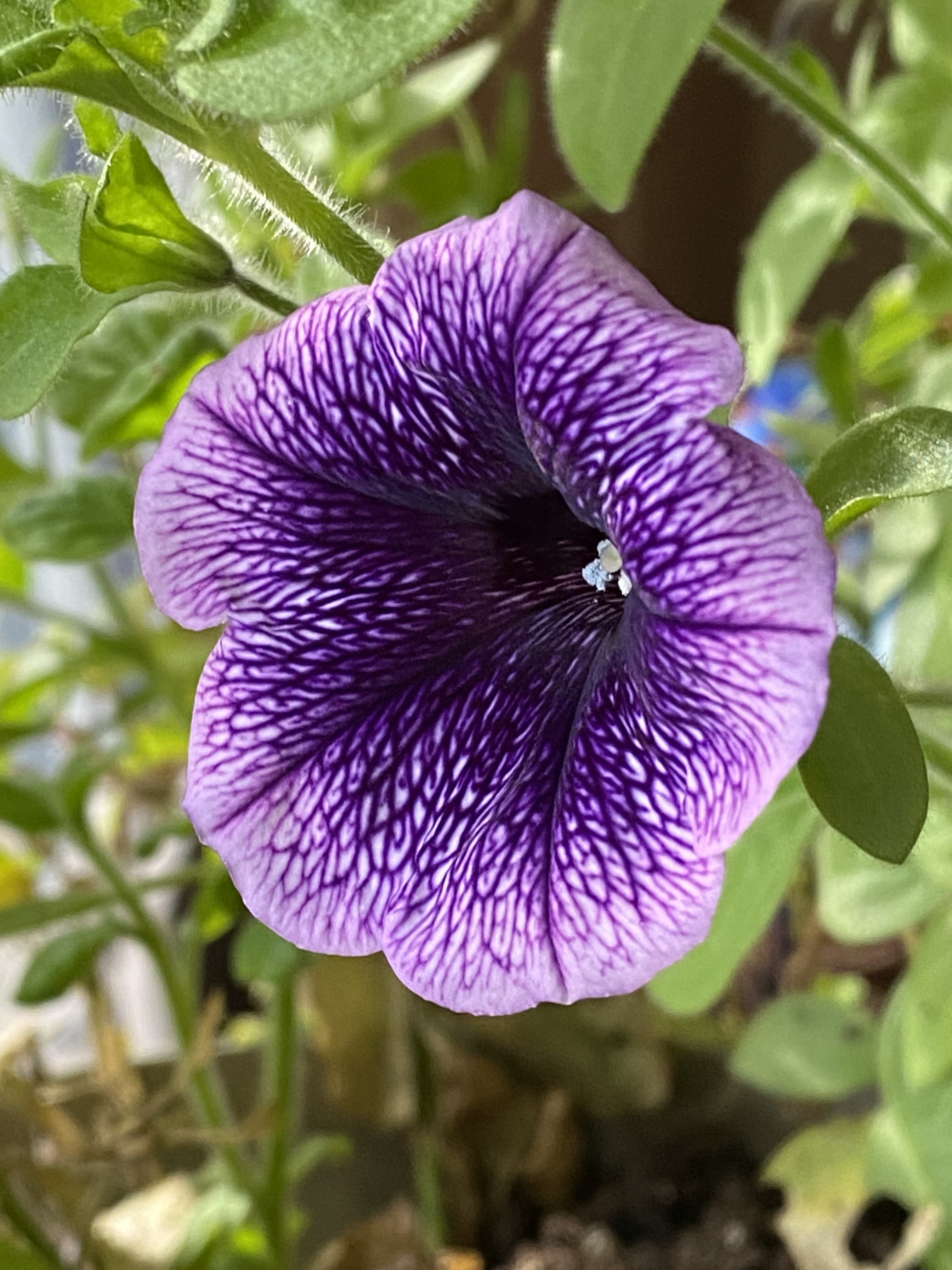
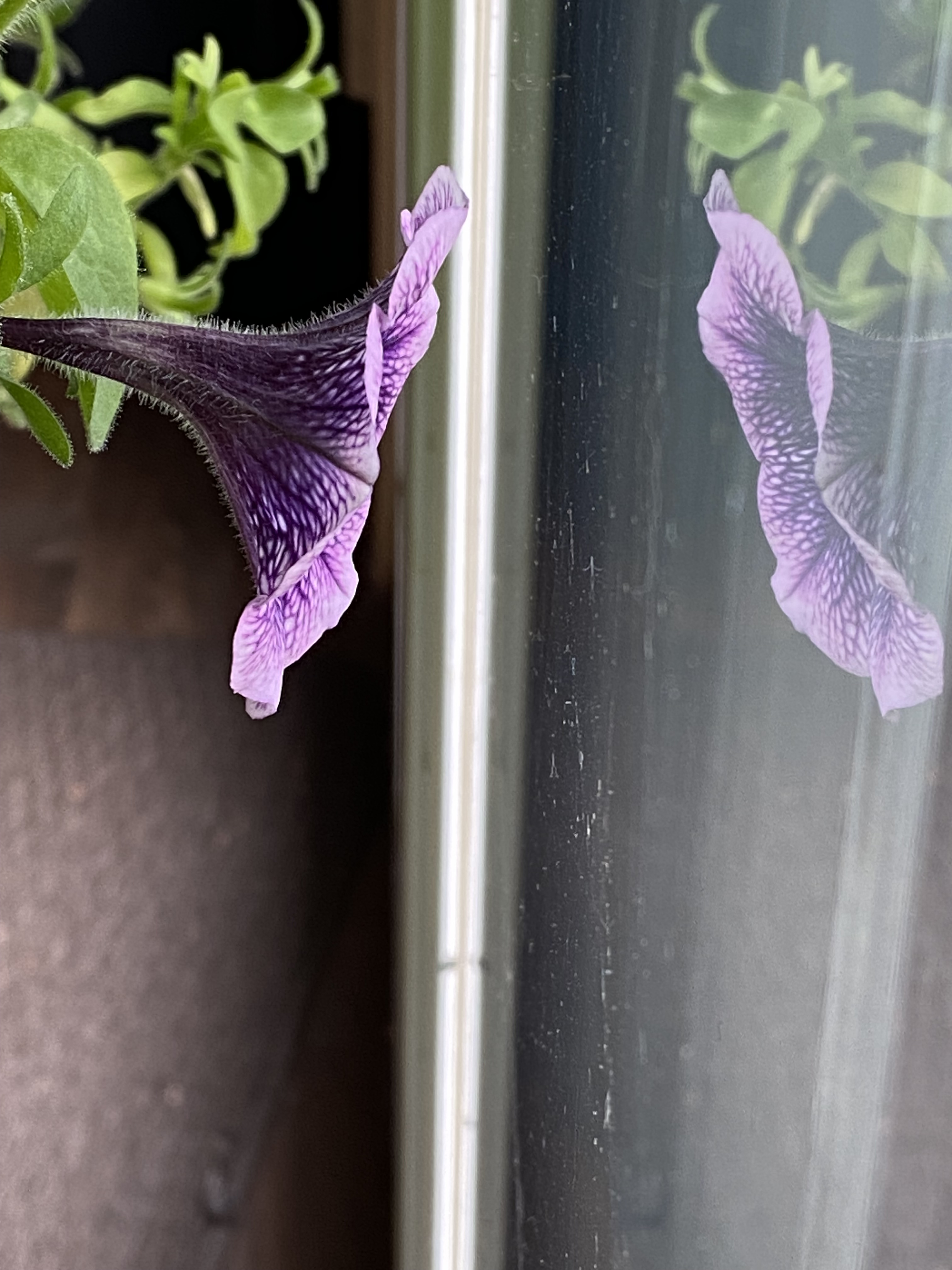
A petunia seed sprouted in a large container on my deck late in the summer, and I brought it inside before frost. It is companion to a succulent that would not last the winter, sharing the same pot. Since then, this petunia put out quite a few blossoms, even though it’s wintertime.

It longs to be outside in warm summer sunshine.

But it wouldn’t last long in the snow! So it just looks out the window, daydreaming about what life would bring in a different time.

May we all be like Miss Petunia–longing for better times, but putting out our blooms anyway. We will need to be as resilient in the coming days, taking what comes our way, and doing our best with it.

Bloom anyway.

Craig, Carter, and Compassion

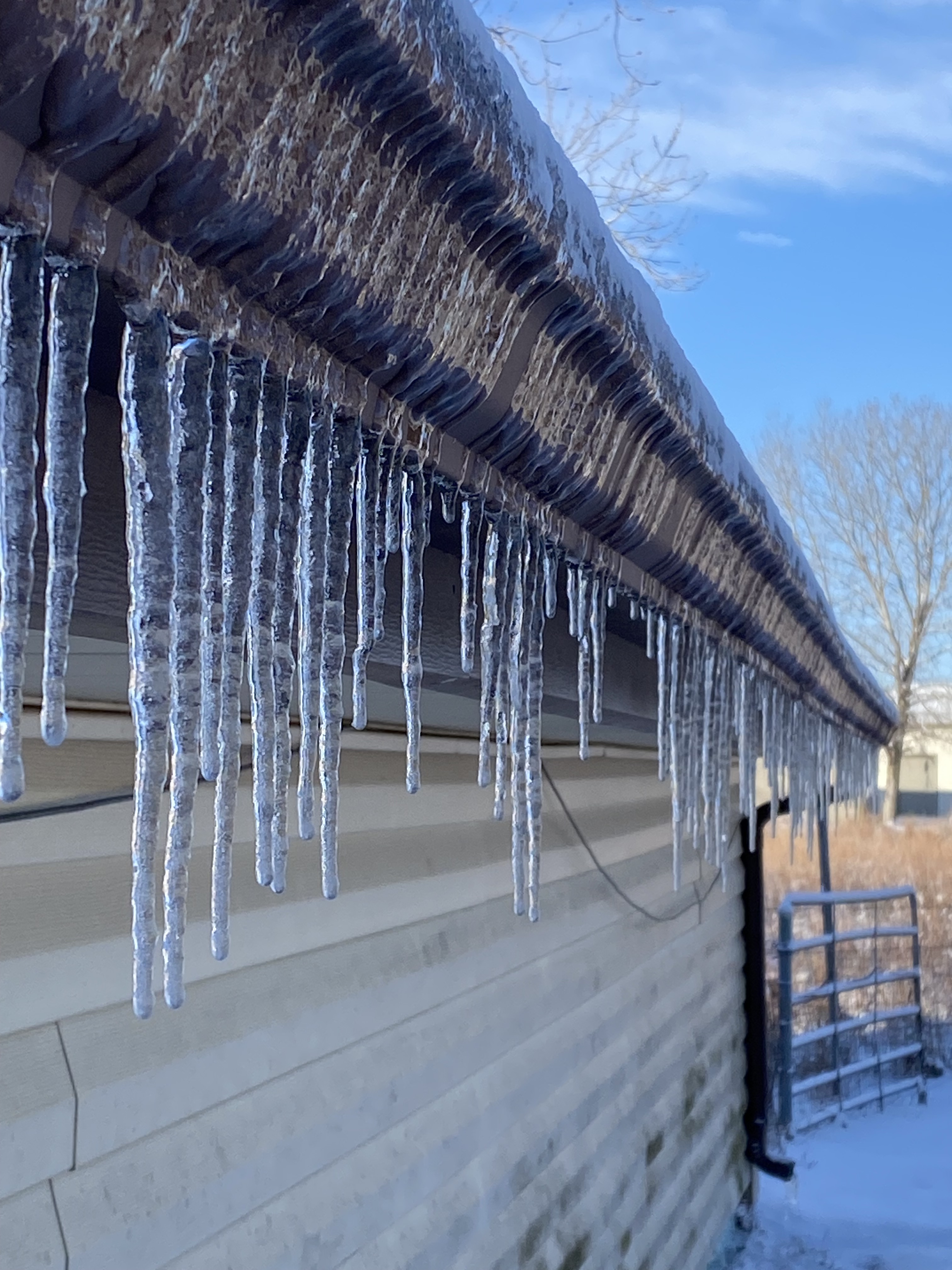
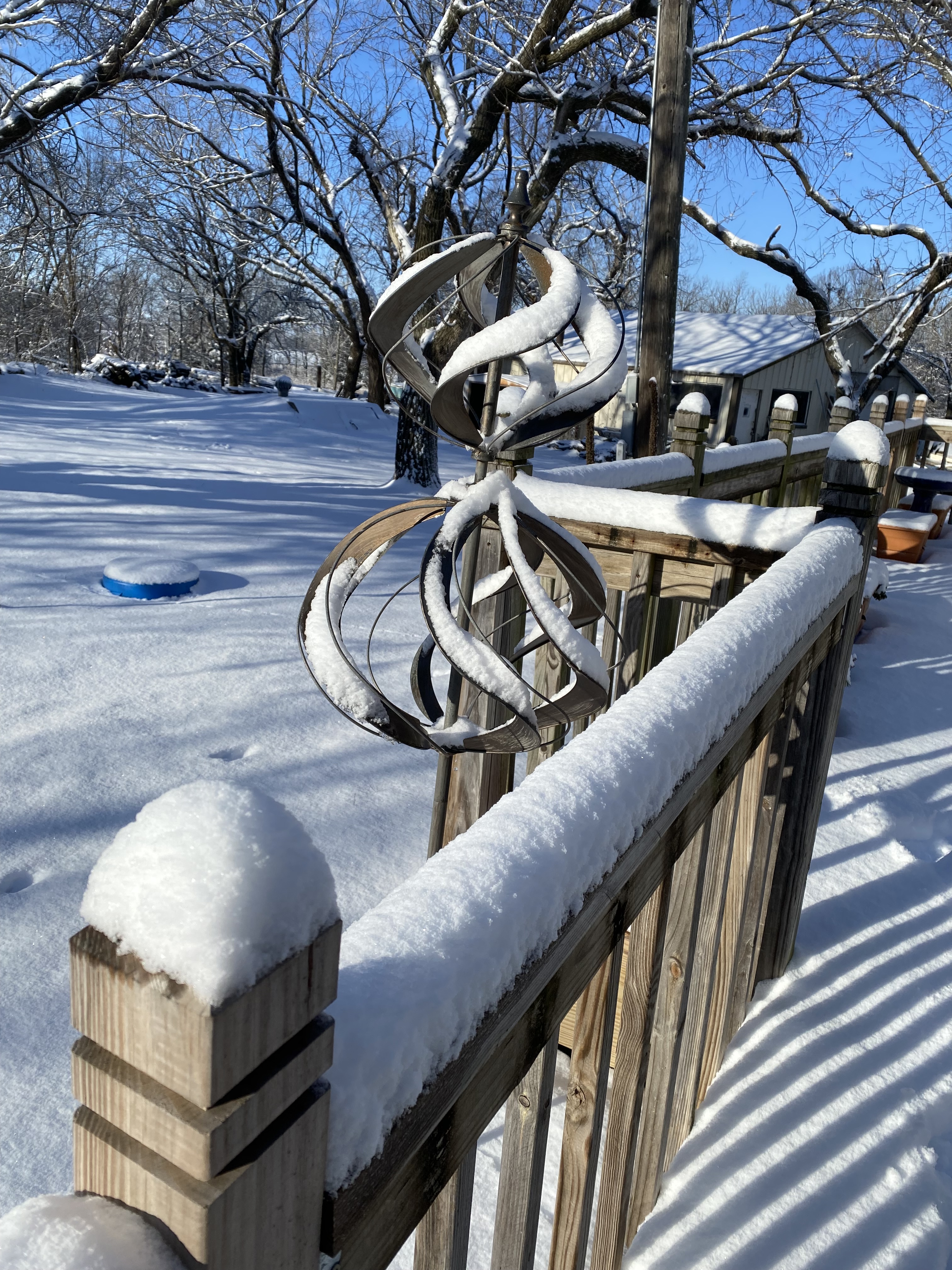
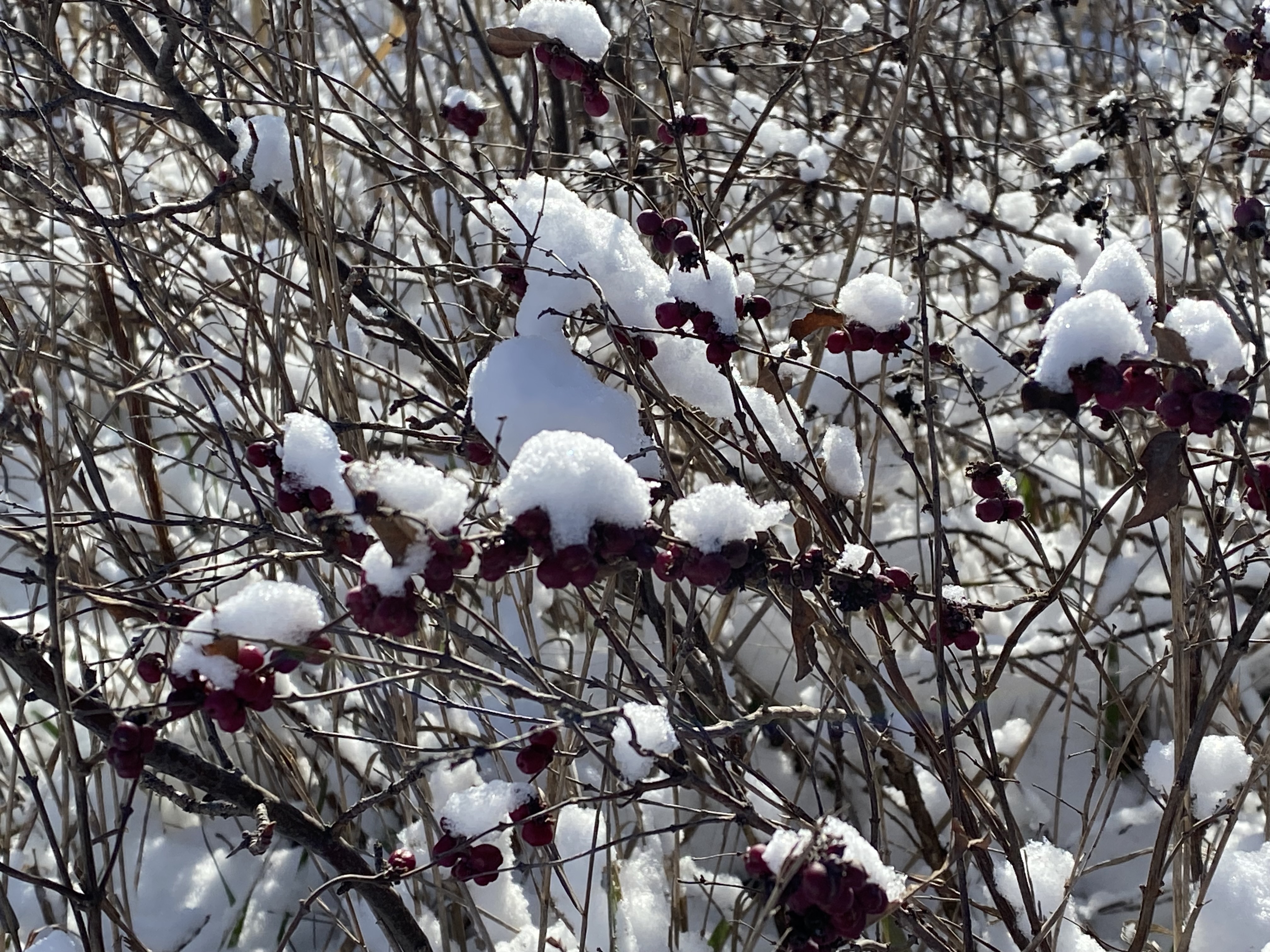
Seventy-three years ago today, at 10:10 in the morning, a baby boy arrived in this world who would become a significant part of my life. Two decades later, I met Craig Winter in college at FHSU. We enjoyed traipsing around public parks and nature reserves in Kansas with our cameras, taking pictures of the wonders of nature. This morning I celebrated his life with a walk in the winter wonderland, taking a few pictures of the snow that fell overnight.

Craig and I were married in 1977, during Jimmy Carter’s presidency. Having taken a class in the biology department at FHSU together–a class called “Can Man Survive?” that examined all the environmental issues of the day, including the greenhouse effect and global warming as climate change was called then–we were united in our commitment to support the natural world and reduce humanity’s harmful effects that were due to our unmitigated greed. Jimmy Carter was our guy. They say he was ahead of his time. I don’t think so. The probability of a global consequence to our short-sighted ravaging of our planet was known more than 100 years ago. Society knew all the benefits of alternative energy in the 60s and 70s. But harnessing free energy from the sun didn’t make any corporations much money. Craig and I were supporters of Carter’s conservation methods–turn down the winter thermostat, 55 mph speed limit, his installation of solar panels on the White House. And we dreamed of becoming reliant on our own private energy production, even then.

Carter acted with the well-being of his neighbors in mind, a true Christian quality. He wasn’t ahead of his time. The “resistance” at that time was just way behind. Look where that got us as they gained and assumed power.

Craig became a cancer statistic 9 days after his 33rd birthday in 1985, and I became a widow. (Quite the stigma for someone not yet 30 years old.) But I haven’t forgotten our joint priorities, nor our admiration for President Jimmy Carter.

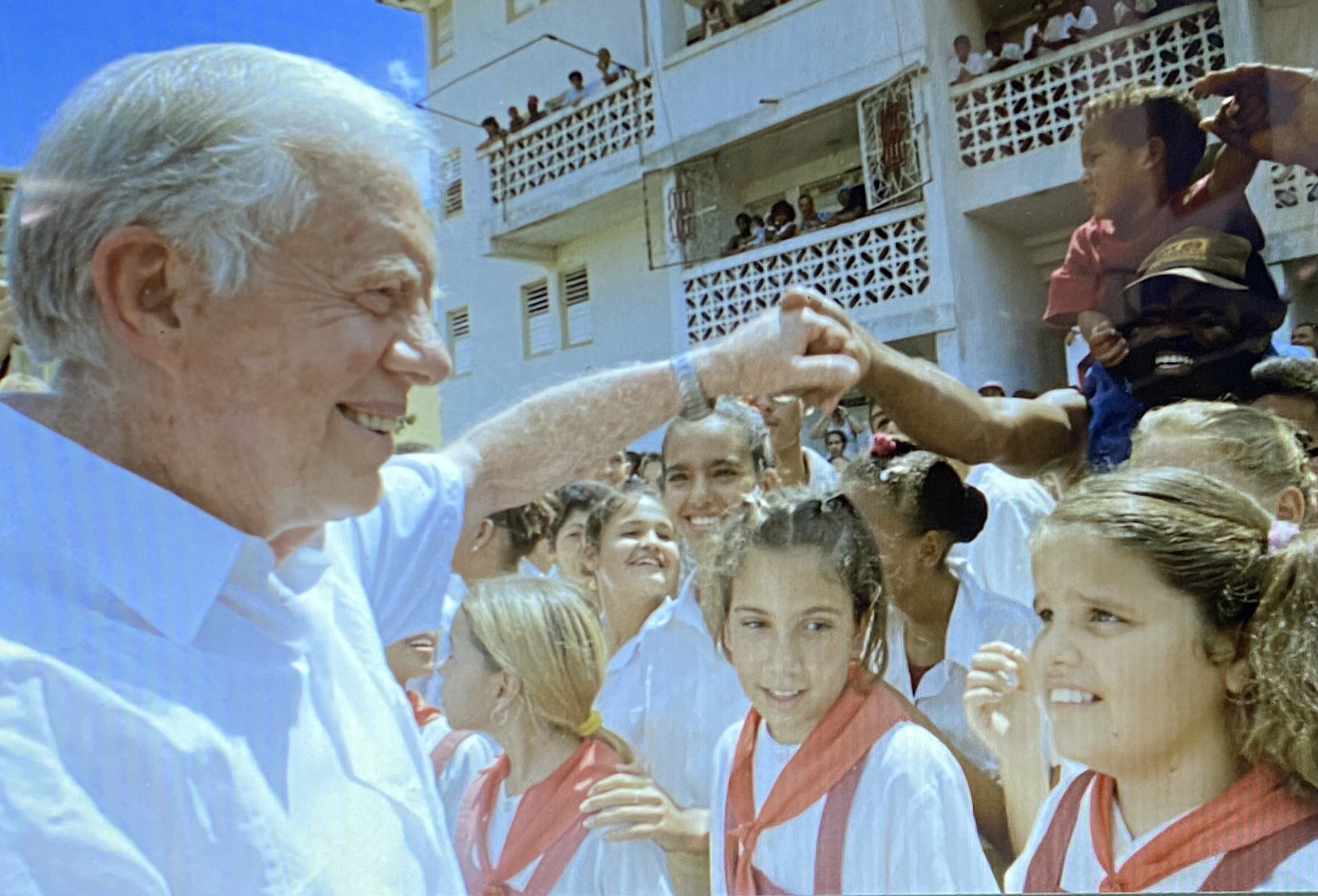
Photo courtesy of The Carter Center.             Cuba 2002–The Carter Center’s delegation to Cuba, being the first time since the 1959 Revolution that a sitting or former president visited Cuba.

After his time in office ended, President Carter showed that you don’t have to be the elected leader of the country to make a huge difference, and today, a day after President Jimmy Carter’s funeral in Washington, DC, I renew my commitment to make a difference for those in my circle, for the inhabitants of Earth’s future, and for all the non-human neighbors that are as dependent on this planet as we are dependent on their well-being. Those of us with the future of our planet and its life forms in mind are now the “resistance.”

This morning, in honor of Craig Winter, I was trekking around our acreage in the fresh snow with my camera, capturing scenes, just like we used to do. Thinking of you Craigie, as I always do on this day. With love.

NOTE: I am deeply grateful and indebted to my second husband, Mike, for his generous and compassionate heart for the last 36 years. He has never objected to my memories or to my honoring people from my personal history that helped make me what I am today. We are all products of our histories and our memories, not just the stimuli we receive at the present time. Thank you for being dad to all our children, and grandpa to all our grandchildren as well as allowing my heart to grieve through the years.

On the Verge

Remember what it was like. After a long wait, it finally happened. With guarded optimism, you look forward to the big event. Though you know things can happen, chances are you won’t be in that slim margin. So you dance. You laugh. You hug everyone and share the good news. You imagine life after the event, the realization of a dream come true. The anticipation of anniversaries, holidays, and journeys to wondrous locations, savoring the unfettered excitement as your long-awaited dream discovers the world. Never a dull moment. Of course there will be challenges, but nothing you can’t work through and be stronger for it. You look forward to years of living, loving, and learning together.

Until there are none.

It all comes crashing down. Something was wrong at a routine checkpoint. No  heart beat. Emergency trip to the hospital. Before you have time to process the news, joy morphs into heartbreak. A birth becomes a funeral. It’s over. Dreams die hard.

After November 5, it struck me how similar the election loss was to the loss of an infant. Though it’s been decades ago, I feel the same sad aimless wandering and hopelessness with the election results as with my two sweet babes who died before they had a chance to live. Gone are the anticipated celebrations and birth anniversaries. Gone are all the anticipated years of discovering the world together. Gone are the memories and the history I looked forward to making.

Every morning brings more bad news to my inbox and I move through life on the verge of tears, almost—yet not quite—ready to open the floodgates.

How will I manage the coming hard times? How will I step forward, keep moving, go through the motions, when my heart is sorely wounded? How can I show up for others when I can’t even manage to cheer myself up? Where did all the good in the world, all the anticipated conquests of our precarious future—where did they go?

One of the writers I follow suggested asking two questions every day.

  • What do I still know and believe as truth?
  • Is my heart still beating?

In other words, my values remain and I can embrace them until my dying breath. It reminds me of the weeks and months following the burials of my sweet babes. It’s been forty years. (Almost 43 for the first and 42 for the second.) How did I work through the devastation?

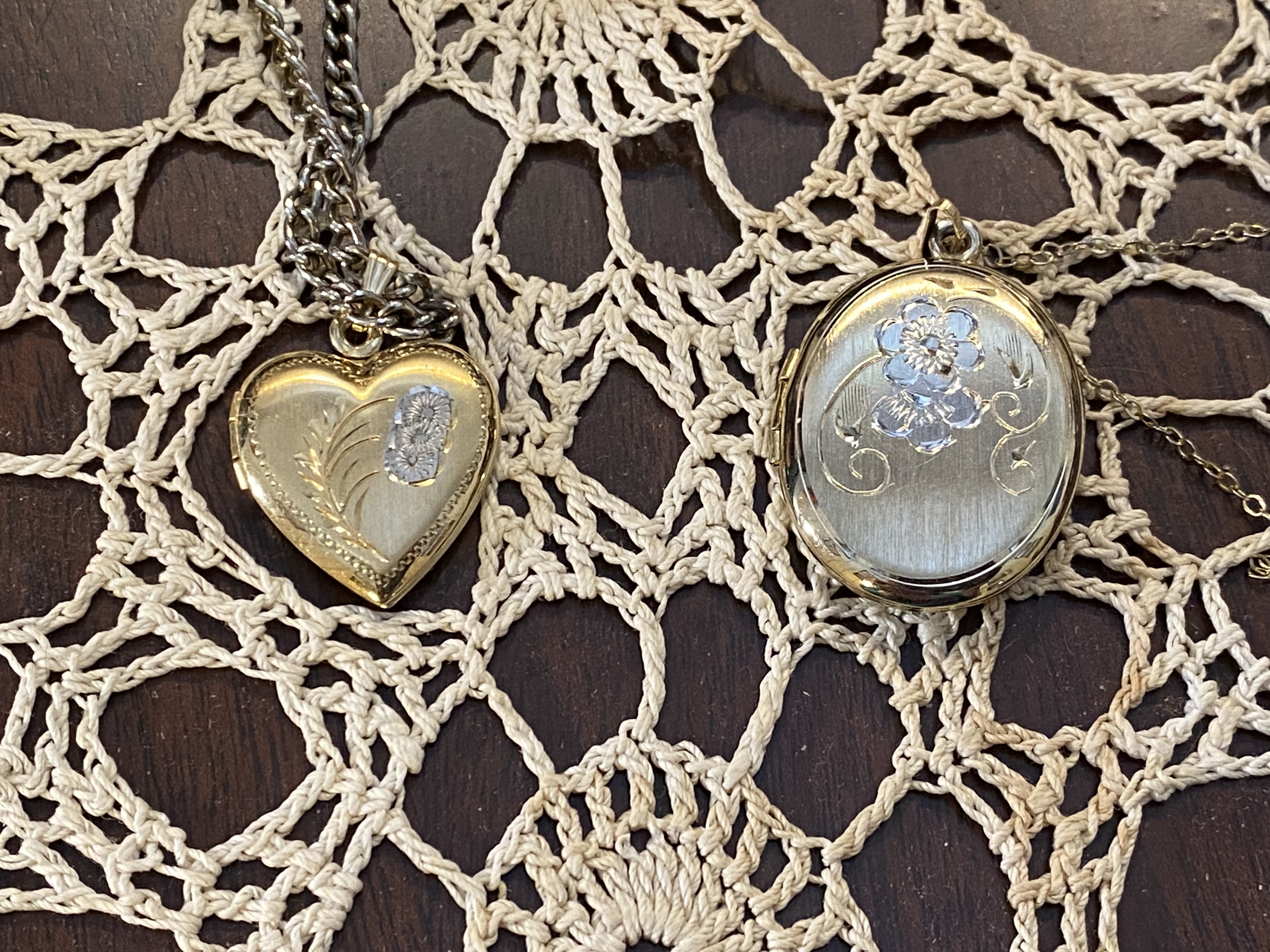
Perhaps some things I did then will help now too. I journaled regularly, poured my soul onto pages in my notebooks. With tiny locks of hair and photos that spoke to me, I made lockets and hung them near my heart. Little by little, I dared to venture forth. I told myself I would make choices and take actions—small at first—but I would do it for the lost children. I would live for those who didn’t have the chance, and I would face each day for the sake of my lost loved ones. I would do my best to make a good life. For them.

I don’t know what lies ahead, though I face it with a certain amount of dread. I can only work with what is here, today, and do my best to make a difference for my family and for as many others as I can.

Do all the good you can,
By all the means you can,
In all the ways you can,
In all the places you can,
At all the times you can,
To all the people you can,
As long as ever you can.
― John Wesley

I will find something beautiful provided by Nature

Last month I attended a few presentations at the Kansas Book Festival in Topeka. The one I remember most was by author and administrator at Haskell Indian Nations University Daniel R. Wildcat. I bought his book, On Indigenuity: Learning the Lessons of Mother Earth, a long essay on what indigenous peoples can teach the rest of us about protecting our miraculous home planet. I have long been concerned about protecting the home we share with all life forms, including people around the world and millions of other species. When greed and lust for power impact the lives of innocents around the world, I am enraged. Destruction of the biosphere that sustains us is now threatened with acceleration. Communities of wild things and minority populations will be the first to feel the impact.

In the early pages of his book, Daniel Wildcat recommended that we should become more familiar with Nature. One thing which compounds and complicates the rampant destruction of our planet is our distance from the elements. We sit inside our comfortable homes in front of screens far too much, and should become more familiar with how the natural world near us is impacted by our decisions and policies. To that end, today I decided I would walk the deer trails on my small patch of virgin tall grass prairie and look for the beauty in Nature. Even if you aren’t close to a 40-acre meadow, you can still take a walk and feel the fresh air and sunshine, listen to whatever birds are in the trees lining the streets, and enjoy the colors of autumn.

These scenes are from my morning walk today.

Sweetgum tree in our front yard, blazing orange.

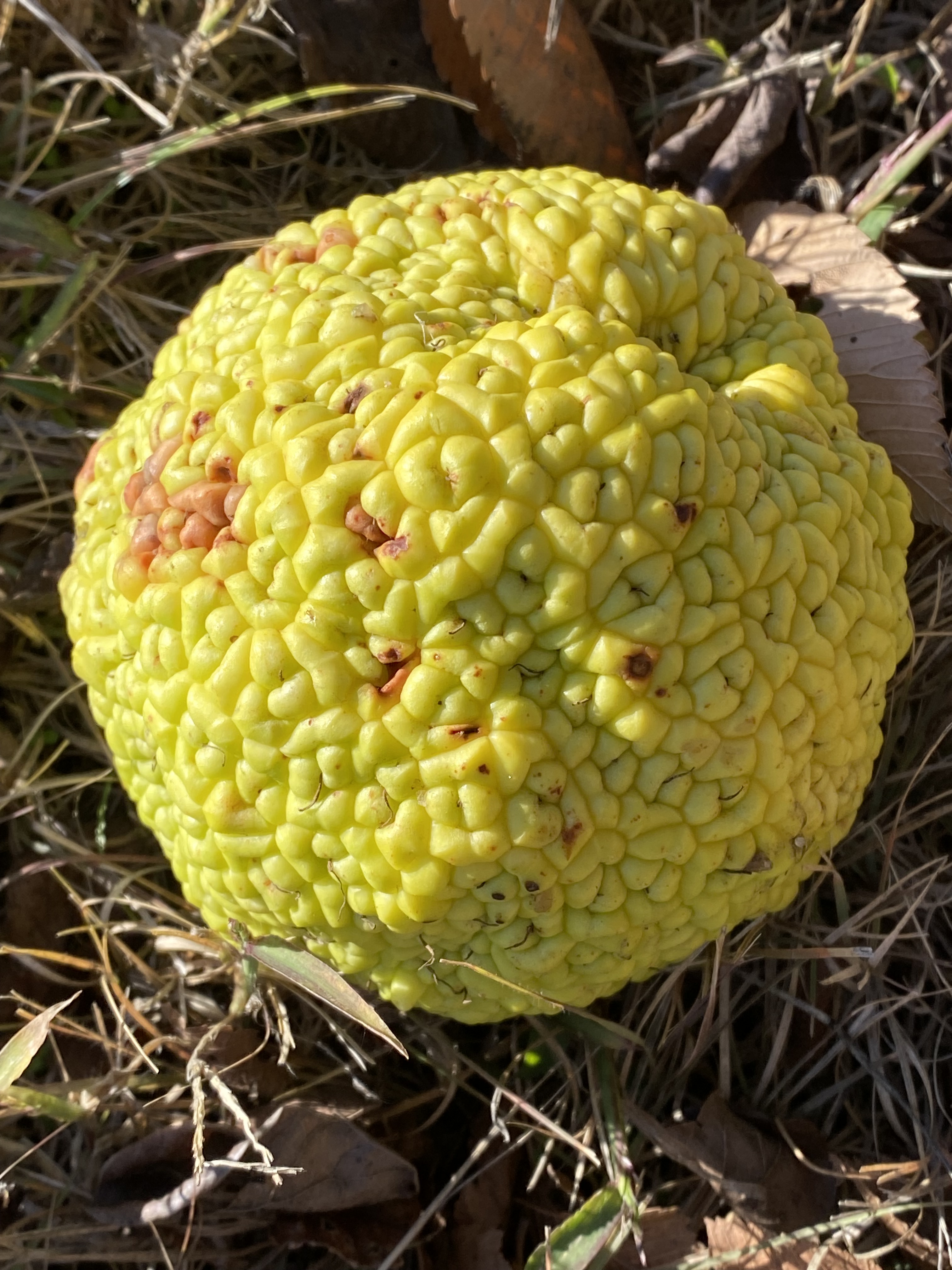
A fallen Osage orange, with closely fitted puzzle-piece segments. No two alike. Just like people.

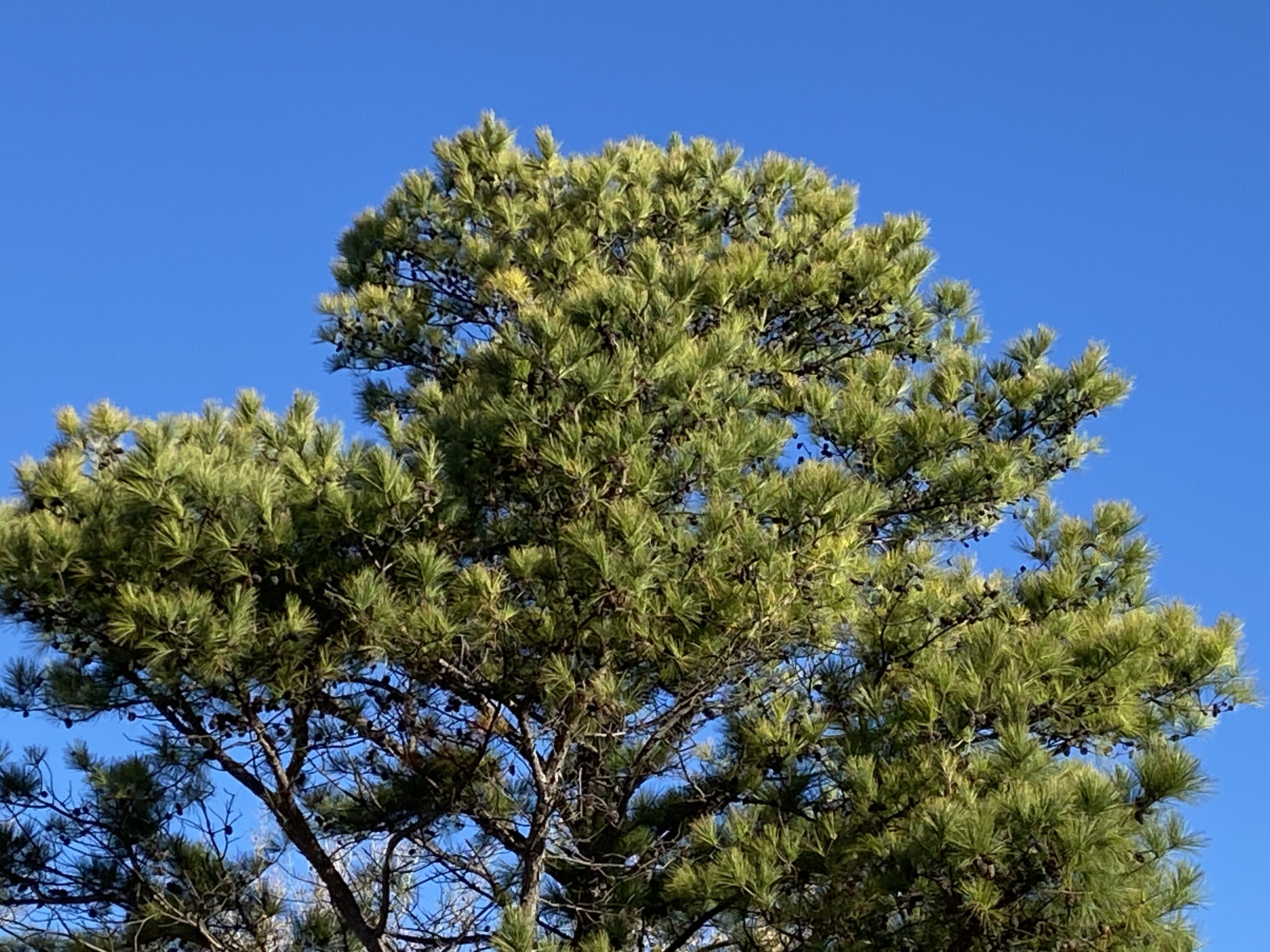
One of the two pine trees on our place, laden with pinecones. I keep wondering when the pine bark beetles will invade, but so far we’ve been lucky.

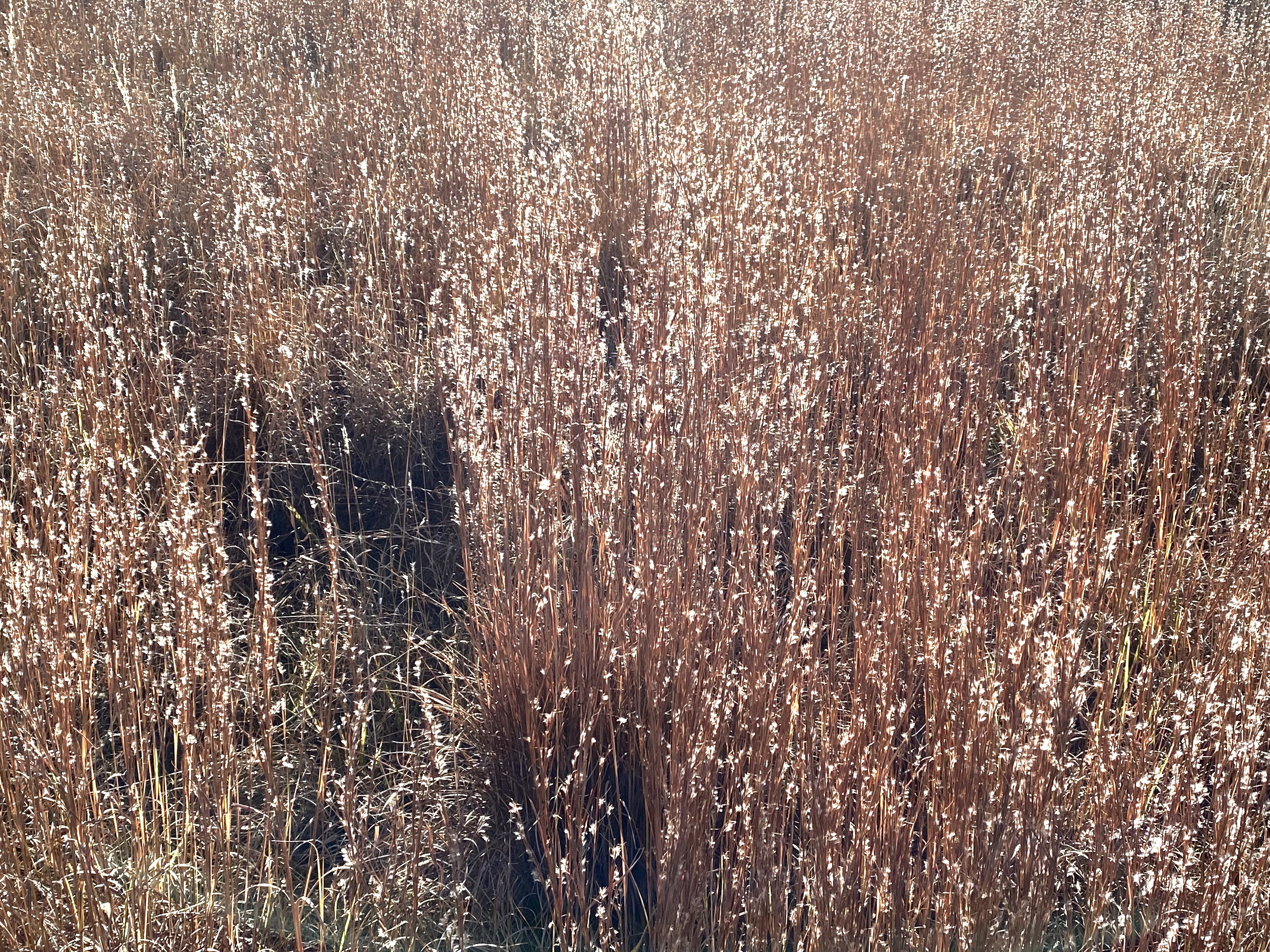
A backlit patch of little bluestem, with fluffs of seeds gleaming like a field of fallen stars.

One of my favorite grasses: Indian grass. The seedheads are still there, though they are far more impressive earlier in the autumn season. This reminds me of Native American writers that I admire, including Daniel Wildcat and Robin Wall Kimmerer. Kimmerer’s book Braiding Sweetgrass changed my life during the Covid shutdown.

No

When my children were young, there was a slogan promoted at every school in every grade, “Just Say No.” It was an effort to reduce the use of illegal and addictive drugs, and it echoes in my mind in so many other ways.

In a land of plenty, we are blasted with advertisements to purchase things, and more things. Most of us have more than enough. We should learn to “Just Say No.” Other times, people beseech us for contributions, no matter how small, for charities or political campaigns. Some of these are quite worthwhile causes. Some are not. We’ve been conditioned since our early days to listen and give in. Half of the adult population in America feels as if they can’t say no.

We don’t want to make waves. So we don’t say no.

We need approval in social settings. So we don’t say no.

We don’t want to appear stupid, or like we lack class. We want to latch onto whatever our idols do or have. So we don’t say no.

Yet experience has taught me we should learn how to turn down unnecessary solicitations, products, or activities. What we need and what we want are different things. If something will harm others, even on the other side of the globe, or exploit the planet we rely on, I should just say no. When I am asked to support a political candidate who promotes discrimination, selfishness, lethal weapons used against children, or hatred toward entire groups of people? A definite no.
What about plastic bags we use once and then pitch?

No. Too often these end up trashing someone else’s home town, or killing innocent wildlife.

Gas-guzzling cars and trucks?

No, especially with the EV alternatives taking off.

Products that use palm oil? Palm plantations decimate native equatorial rain forests. Don’t need that.

Another toy for a child who has too many already?

No.

More new clothes in my closet?

I have enough.

With every acquisition, more seconds of my day and more minutes of my remaining years are stolen from me by upkeep and maintenance. Possessions can become burdens if we aren’t careful to (you guessed it) say NO!

A growing number of economists and philosophers recognize the dangers of perpetual growth. In a finite system like the small planet we share with every other living thing we know,  unchecked economic growth–the basic idea of capitalism– destroys the foundations of what we need to survive. Check out Naomi Klein (This Changes Everything: Capitalism vs. the Climate) and Kohei Saito (Slow Down: The Degrowth Manifesto).

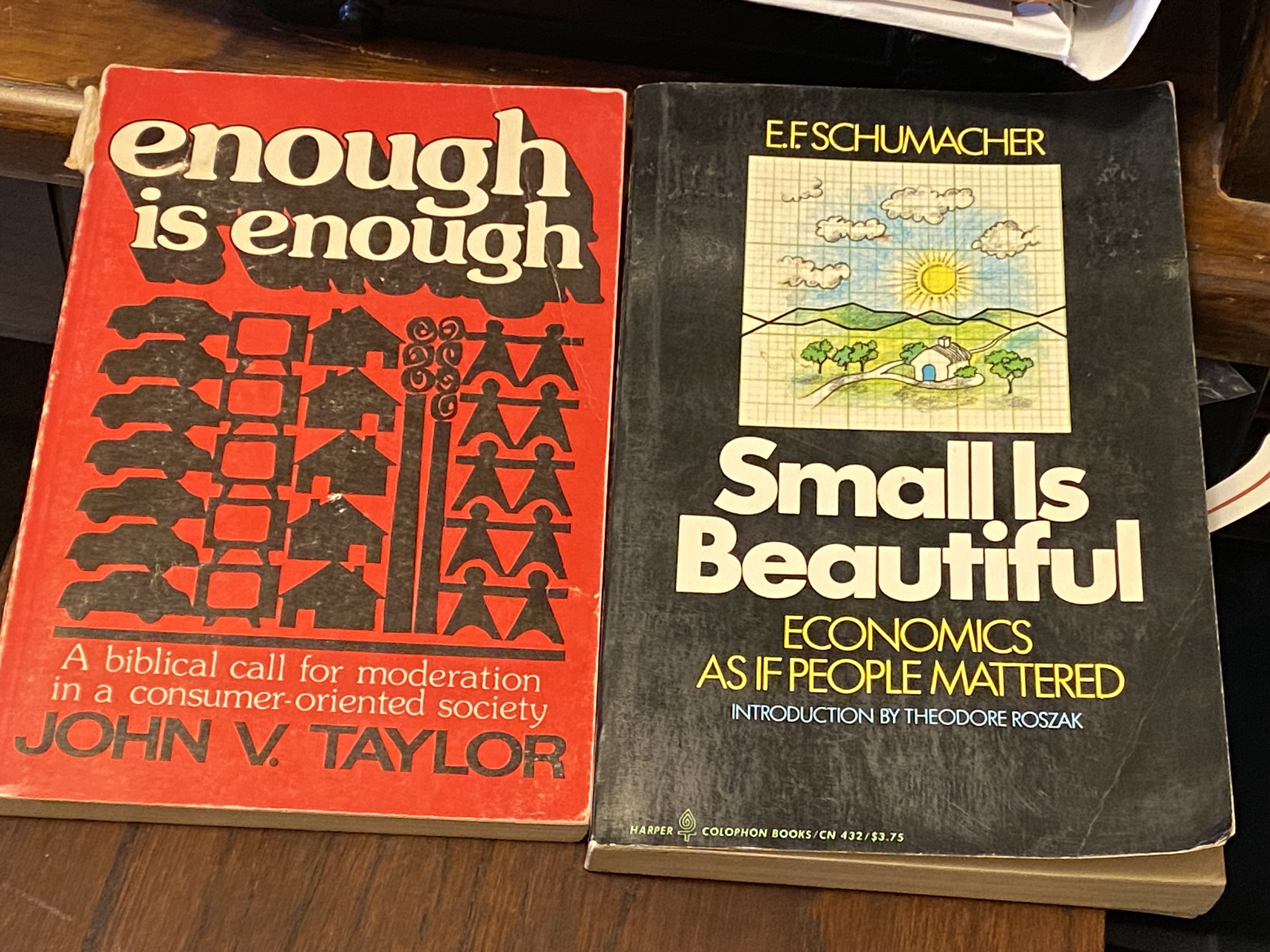
Enough truly is enough, especially when “more” involves bringing harm to others. I need to say “no” more often, to let go of purchasing whims, of the seduction of products and the ease with which we can order stuff online, “fundamentally useless things,” according to Saito. When will we learn? Letting go of the frenzy and learning to appreciate what we have leads to contentment, one of the highest of life’s art forms.

Many Facets of Grief

“This is so sad.” My husband said as he read a post on Facebook.

A former student of his, now working as a nurse in Wichita, had found her soulmate and recently became engaged to a man at the hospital where she worked. He was an EMT on helicopter runs. They excitedly planned a wedding and looked forward to their future together.

Then the helicopter he was on crashed in Oklahoma on a return flight from delivering a patient. Her fiancé, the love of her life, died in that crash. And her world fell apart.

It is sad. My husband looked at me and asked, “Do you think it would help her if we sent your book?”

He was referring to my memoir In the Shadow of the Wind, telling my own story from younger years of a lost love and how I was able to embrace life after the loss. “Someday maybe,” I answered. “This is too fresh for her. The book can be hard to read if your grief is fresh.”

It got me to thinking about grief again. We all experience the devastation of loss at times in our lives. To love someone is to risk heartbreak. One or the other in a loving relationship will someday face that inevitable loss. You just hope it will be years down the road, not tomorrow. But when a tragic accident happens, what can we do to help the survivor?

First, I think, we need to understand that every loss is complex. If no two people are identical, it can also be said that no two losses can be the same either. Nor is there any “proper” way to grieve. Each survivor has to find their own way forward, best done without others suggesting that they need to try a different approach, that their feelings are wrong, or mistaken.

There is no proper way to grieve. What we can do to help is just be there. Offer hugs, if hugs are wanted. Listen to a grieving friend without trying to solve a problem for them. Just listen. Give them a safe place to open their hearts and work through their grief.

It’s easy to understand the emptiness someone feels when they lose a friend, a fiancé, or a spouse. It’s perhaps more difficult to realize the many faces their grief takes on. The young nurse who lost her love already knows that the future they planned is gone. It no longer exists. She grieves for their lost years. Perhaps they talked of children. They too are gone, before they were born, along with all the family holidays and vacations, birthday parties, visits to grandparents, sports outings—everything that might have been is different now. It has changed and cannot be recovered. Each of those burst dreams compounds her feelings of grief.

What this newly bereaved nurse can benefit from are friends who listen as she rails against the universe and cries for her fiancé, and as she bemoans those babes who will never be born, as she lets go of the future they once dreamed together. She needs friends who wrap her in love and compassion and offer hugs to ease heavy arms that ache to hold her soulmate and those babes. She needs friends who travel the path with her as she lets go of a future that has evaporated in a fraction of a second, and give her permission to grieve in a way that works for her, never pushing her to be done with it, but recognizing that her journey is her own.

There is no right or wrong way to travel that road. The upheaval will grow easier with time, but the journey never ends. And each survivor’s path is unique.

A Matter of Perspective

I sat way up in the balcony at church a few weeks ago as an acquaintance rose to speak. Her contribution to the Sunday worship service was not planned, so there was no way to know she’d tell her story. But I’m glad she did. I found myself relating to life events and feelings she described which I would never have guessed she struggled with. I always thought she had her stuff together, if anyone did.

Me, on the other hand—well, whew! Like her, I experience self-doubt. I lack confidence. I struggle with self-esteem, feeling unworthy, inadequate, damaged. I’m not good enough. I don’t matter.

I do care. But what can little-old-me do to make a difference? Is there any point to trying?

This woman, a friend, a fellow mom who struggles still with an imperfect family—like me in so many ways—has the same feelings I do. The thought captivated me. I never would have guessed her history. I only know my own.

But her message reminded me of an important lesson I have learned and re-learned over the years. How I view myself is unlikely to be the same as how others view me.

I tell myself this often to bolster my courage, or to get out in the world, sometimes even to make a phone call. When I am down or I feel discouraged about a turn of events, when hopelessness creeps in and all I want to do is crawl into my friendly office and hide, that’s a good time to remember that how I feel about myself is not what others may feel. They may see me quite differently than I see myself. After all we wear many hats.

Perhaps it’s normal to think everyone feels what I feel and thinks what I think. But in reality, we all see the world—and each other—from our own unique perspectives. It’s the gift of a writer to help us see the world from other perspectives.

When we are able to do that, hope can be re-born. I may be one insignificant human in a sea of billions, but that shouldn’t discourage me from taking a stand on issues that matter. Though I feel inadequate and unsure of myself, I never know who else may be watching.

Choices Make a Difference

“Do I HAVE to?” Who hasn’t grumbled those words? I’m guessing it’s a universal childhood lament when asked by a parent to handle one task or another.

This was fairly common when I was a girl. My sisters and I had responsibilities every day, along with weekly chores. Of course, we’d rather play with the neighbors, read a book, or watch TV. So, “Do I have to?”

To which the quick answer was, of course, “Yes. You have to.”

Until it wasn’t the answer. I can’t recall the task my dad asked me to tend to. Maybe it was helping set the table for dinner. Maybe it was drying the dishes which my sister washed. Maybe it was making my bed, or tidying my room, or raking leaves on our lawn. But whatever the request, my practiced response, shoulders drooping, was, “Do I have to?”

This time was different. My dad was likely tired. Perhaps he was exasperated after a long day at his job. Maybe he’d heard this phrase one too many times lately. Instead of responding with the expected, “Yes,” he sighed deeply and said, “No. There is really nothing on Earth that you ever have to do.”

His words. The message I got, however, was far deeper and is one I’ve never forgotten. If there’s nothing I ever really have to do, it’s what I choose to do that counts. That has stuck with me for over fifty years. The unspoken message influenced my life from that day forward. I may have hesitated after that day before I spouted the trite lament when I was asked to do my share. But I quit objecting to the chores. Rather, I chose to follow through and I learned it wasn’t so bad.

It’s kind of like Robert Frost’s two roads diverging in a wood. When faced with conflicting options, what I choose to do makes a difference.