Tuned Up!

My adventure at the mini-Chautauqua event sponsored by the Winfield Public Library through Humanities Kansas
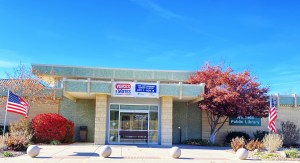
For the last few months, a traveling Smithsonian exhibit has circulated around the state, setting up in six different cities, with one more to go. The Voices and Votes: Democracy in America exhibit has spent the last month at our local library and will soon travel on to Belleville in the northern tier of counties.

Each hosting community has featured something specific about how that location supported the sharing of information, citizen involvement, and the voting process.
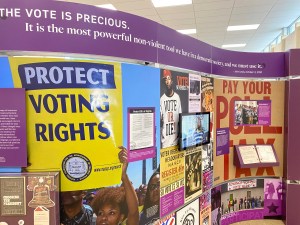
Winfield’s focus was on the Chautauqua meetings of a hundred or more years ago.

Founded in 1874 in Lake Chautauqua, New York as an educational tool for adults, its original intent by founder Rev. Joh Heyl Vincent, a Methodist minister, and businessman Lewis Miller was to expand the idea of a Sunday School for adults. The idea soon grew until Chautauqua meetings became an important source of education, culture, recreation, and socialization for millions of Americans. Everyone was welcome.

Winfield’s Chautauqua events were held annually at the town’s iconic Island Park from 1887 to 1924. Some years, as many as 10,000 people flocked to the island, camping in an area reserved for family tents for a week to ten days. For a number of years, it ranked as the third most popular Chautauqua event in the nation.

The Winfield Public Library staff selected the historic Chautauqua events, with their focus toward education and giving people a platform to share ideas and opinions, as the local highlight for the Smithsonian exhibit. As part of that, a mini-Chautauqua was held last Sunday evening in the community building. Ten local citizens were invited to present short talks about “It’s Intense: Voices on Good Tension.” It was my honor to be included as one of those ten.

Other speakers included business managers, the newspaper publisher, a farmer, a county judge, city manager, physical therapist, and a retired activist teacher. The emcee shared a short bio for each of us. My presentation used images to focus on  metaphorical tension from the perspective of a professional piano tuner.

Bio: A young widow with a preschool daughter, Ann Fell came to Winfield 35 years ago to teach at Winfield High School. She met and married fellow teacher Mike Fell and with their combined resources they raised a blended family. After a few years she quit teaching and opened a regional piano service business. With the loss of her parents a few years ago, she returned to her early calling—writing—and now has six published books. A dedicated environmentalist, musician, grandmother, and writer, she is no stranger to life’s tensions. Here’s Ann to talk about keeping life Tuned Up!

A dictionary tells me that tension is the act of being stretched to stiffness, maintaining a balance between opposing forces.

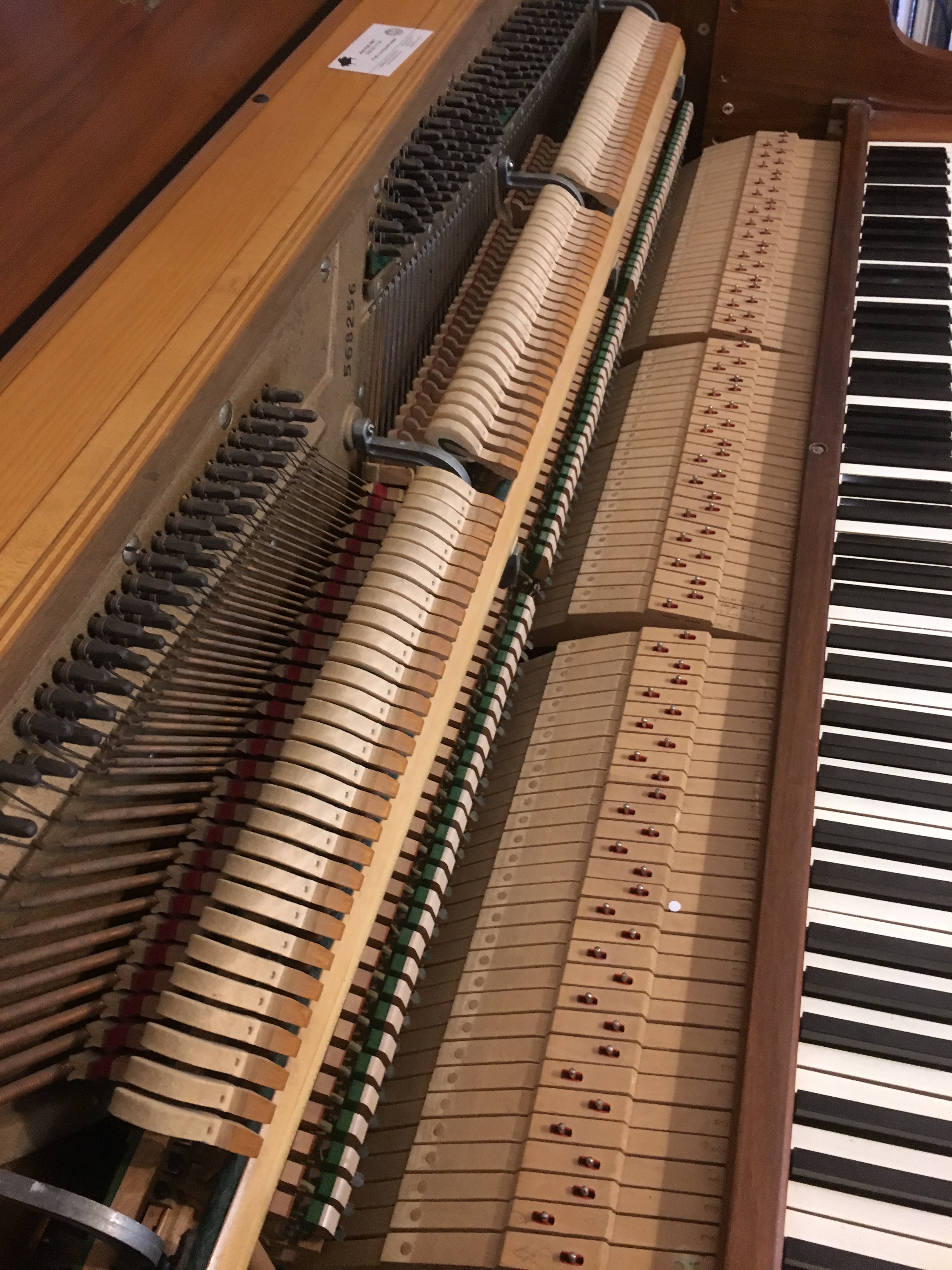
As a piano tuner, it’s my job to adjust tension—over and over again.

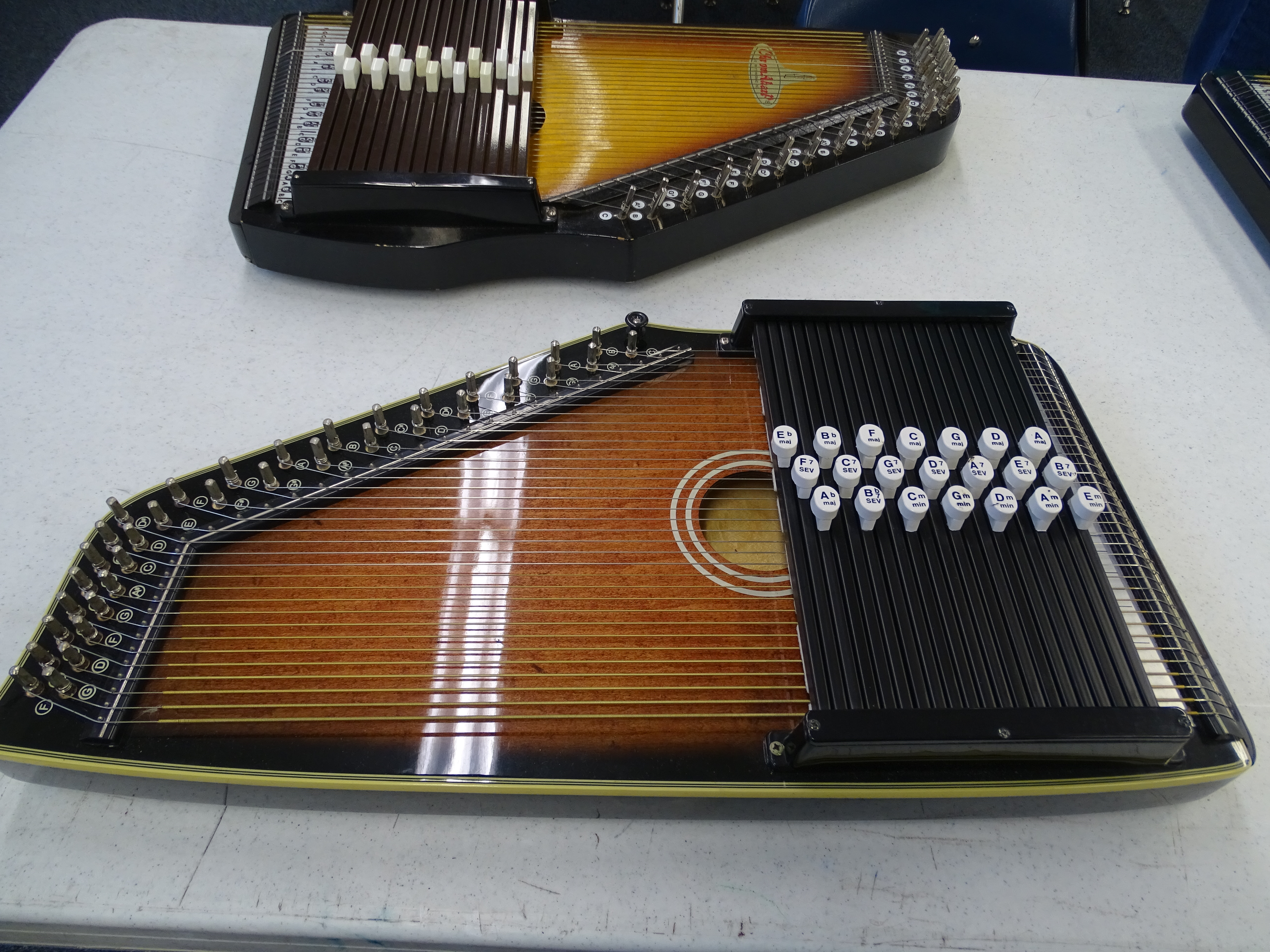
All stringed instruments need tuning as well,

but with 88 keys in a piano and multiple strings for most keys there are around 225 strings to tune.
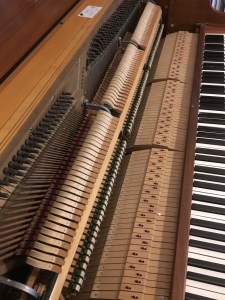
With an average 160 pounds of tension per string, that gives an ordinary piano about 18 tons of tension across its plate–30 tons for a concert grand. That’s a lot of tension! Believe it or not, I spend half the year lowering tension, and half the year raising it, since wooden soundboards react to our seasonal humidity changes.
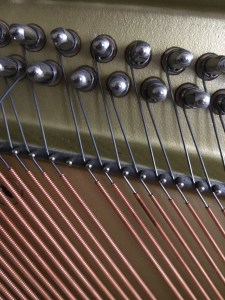
If a string is stretched too tight, it can break. On the other hand, if it doesn’t have enough tension and is limp it will not vibrate with the desired pitch. It will not sing.
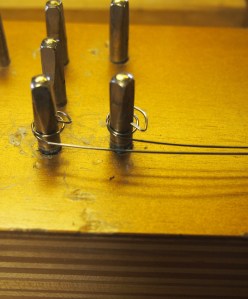
It’s all about balance.

In our lives, tension just happens, and we stretch between opposing forces. Some of those forces relate to daily family interactions,

disagreements between parents about children,  disagreements between children and their parents. I might find myself facing a troubling medical diagnosis, or watching financial reserves dribble away.

I might have opposing opinions about current issues with extended family. I might be asked by our amazing local librarians to prepare a 5 minute presentation about Good Tension. I might face major life changes like starting a new job or moving to another community.

I might find myself dealing with tragic loss and grief, balancing the emptiness of the future with joyous memories.

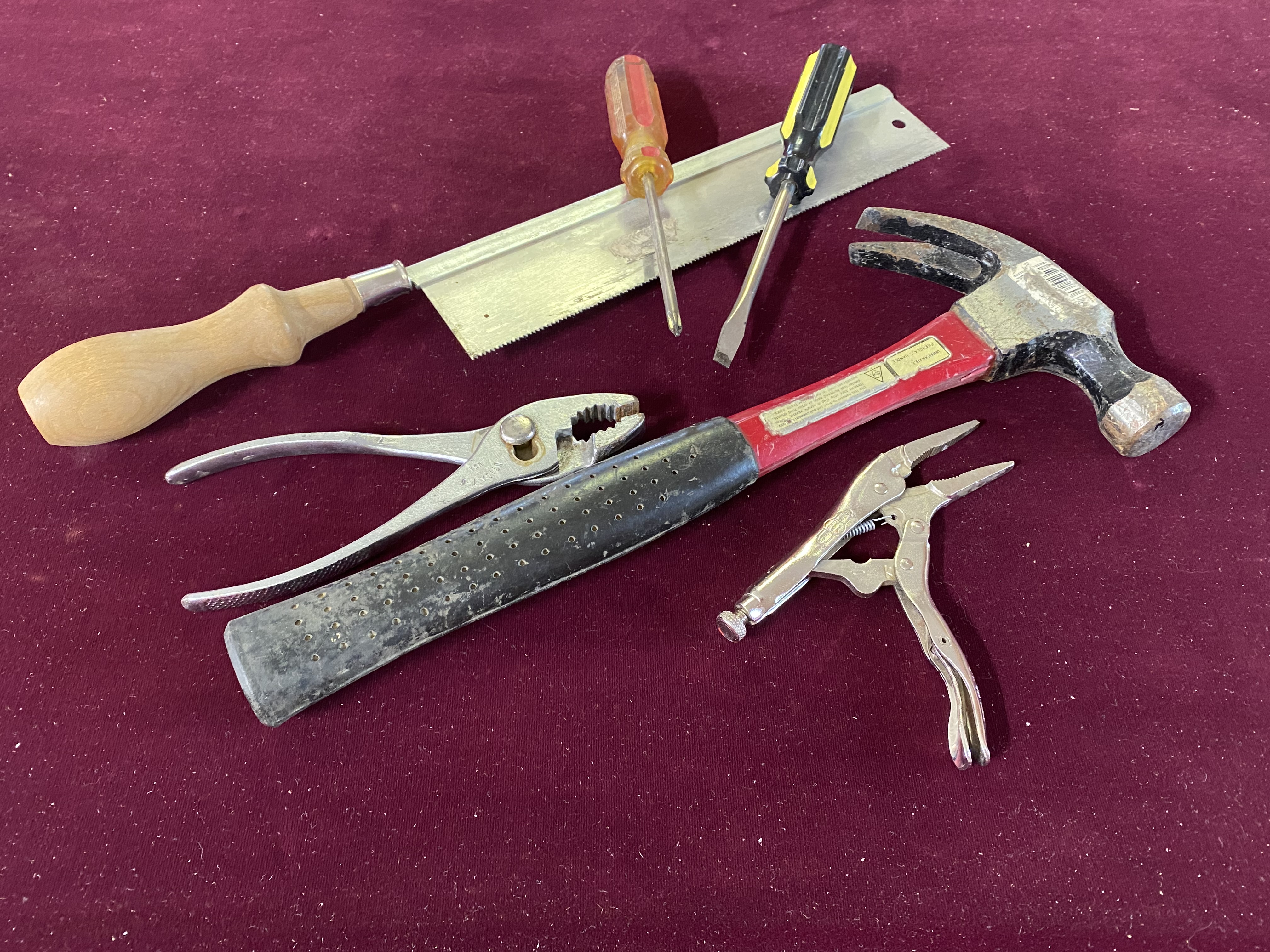
How do I find the optimum balance for tension in life? In the piano tuning world, we have special tools.

But what about tools to balance life tension?

Nothing as concrete as tools I’d find in the kitchen or garden.
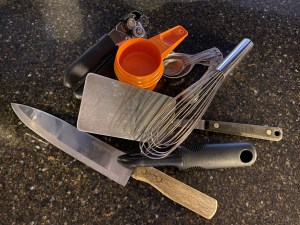
What tools are good for tense life situations?

I suggest intrinsic ones, habits, and careful choices.

Perhaps many of us have identified passions in our lives,

answering questions like “Who am I?”

and “Why am I here?” Hopefully most of our passions will leave a better place for those who come after us.

The details can be different for everyone, but we find a cause that we can support.
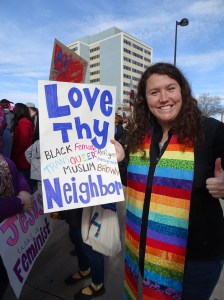
Maybe two or three.

When it’s time to raise the pitch—to increase tension and produce harmony—I find ways to follow my passions and take a stand on issues of the day,
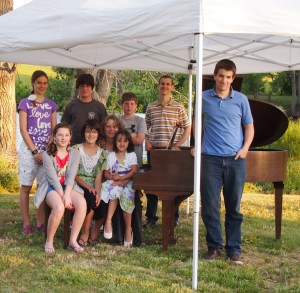
to engage in life, to volunteer, befriend someone who needs a friend.
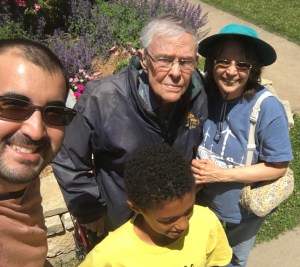
I try to recognize those things that I can let go and those I will support in every way I can think of.

But what can I do when the weather changes and I sense a storm coming? How do I keep from breaking under tension? Tools to relieve tension arrive as life gifts, different for everyone.
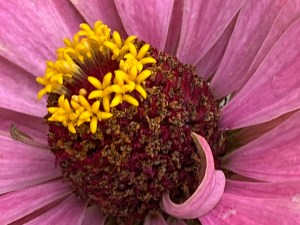
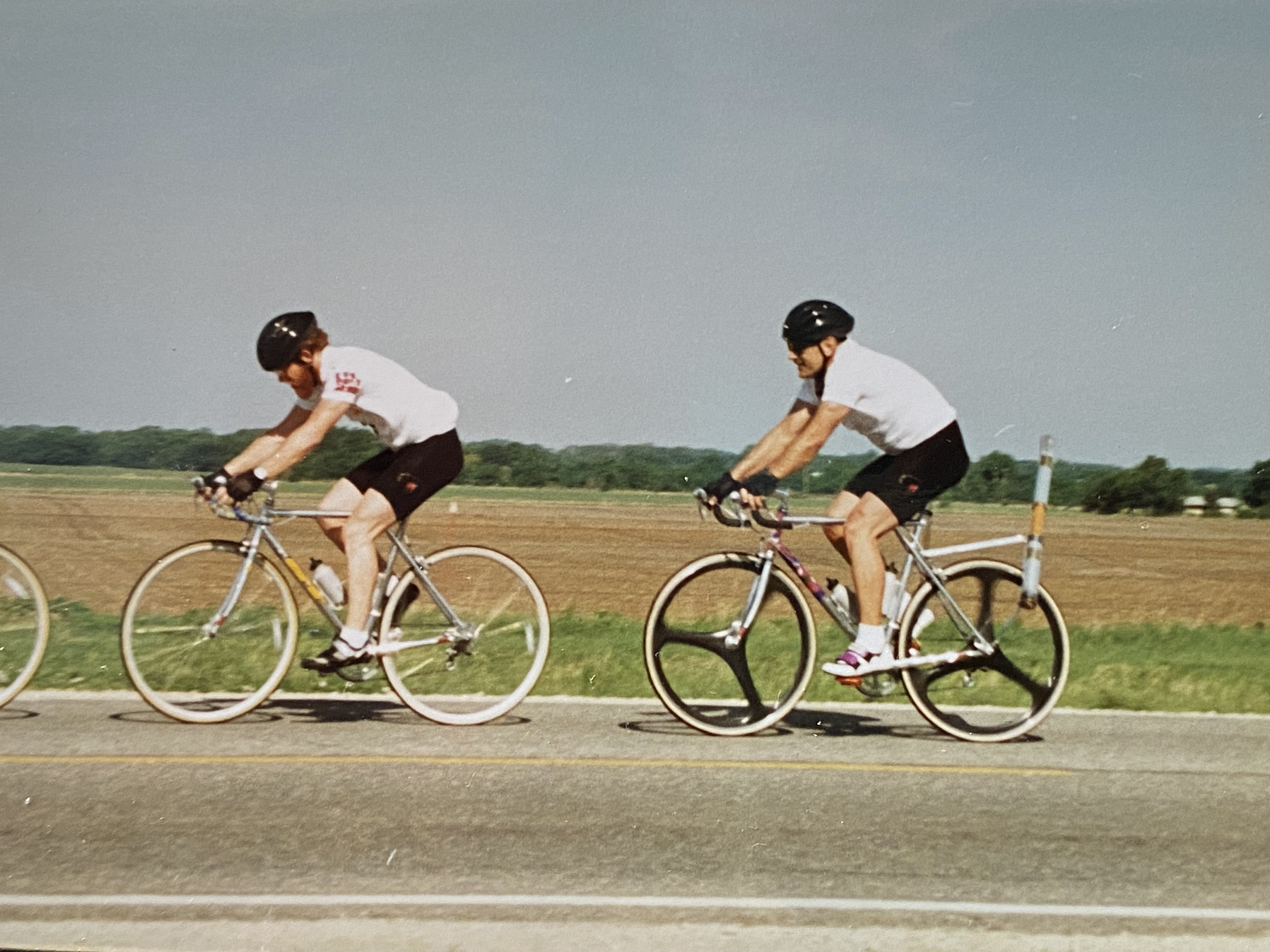
Some may go for a run or a bike ride.

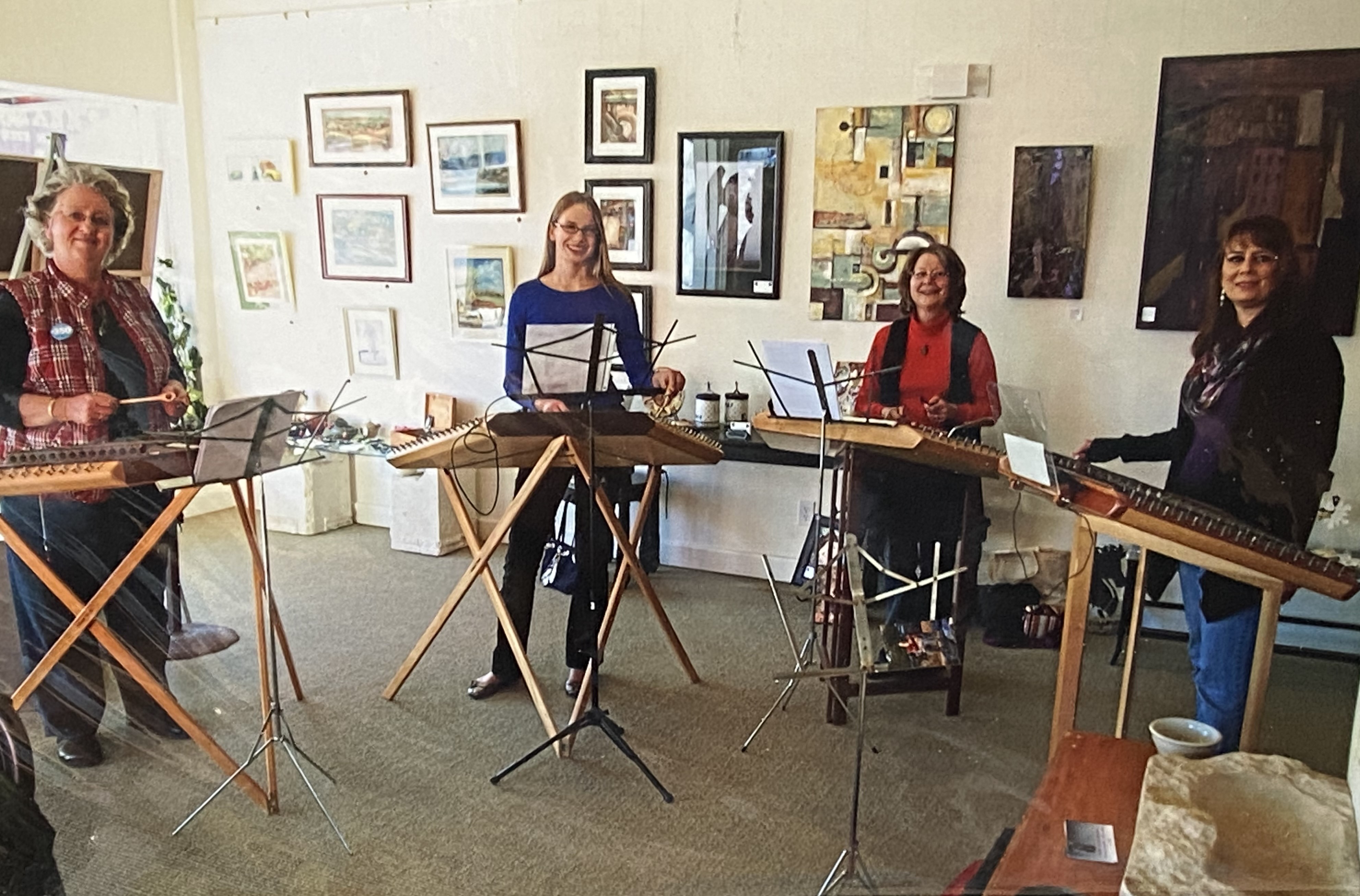
Others grab a book to escape to an imaginary world, or write in a journal. Some people make music.

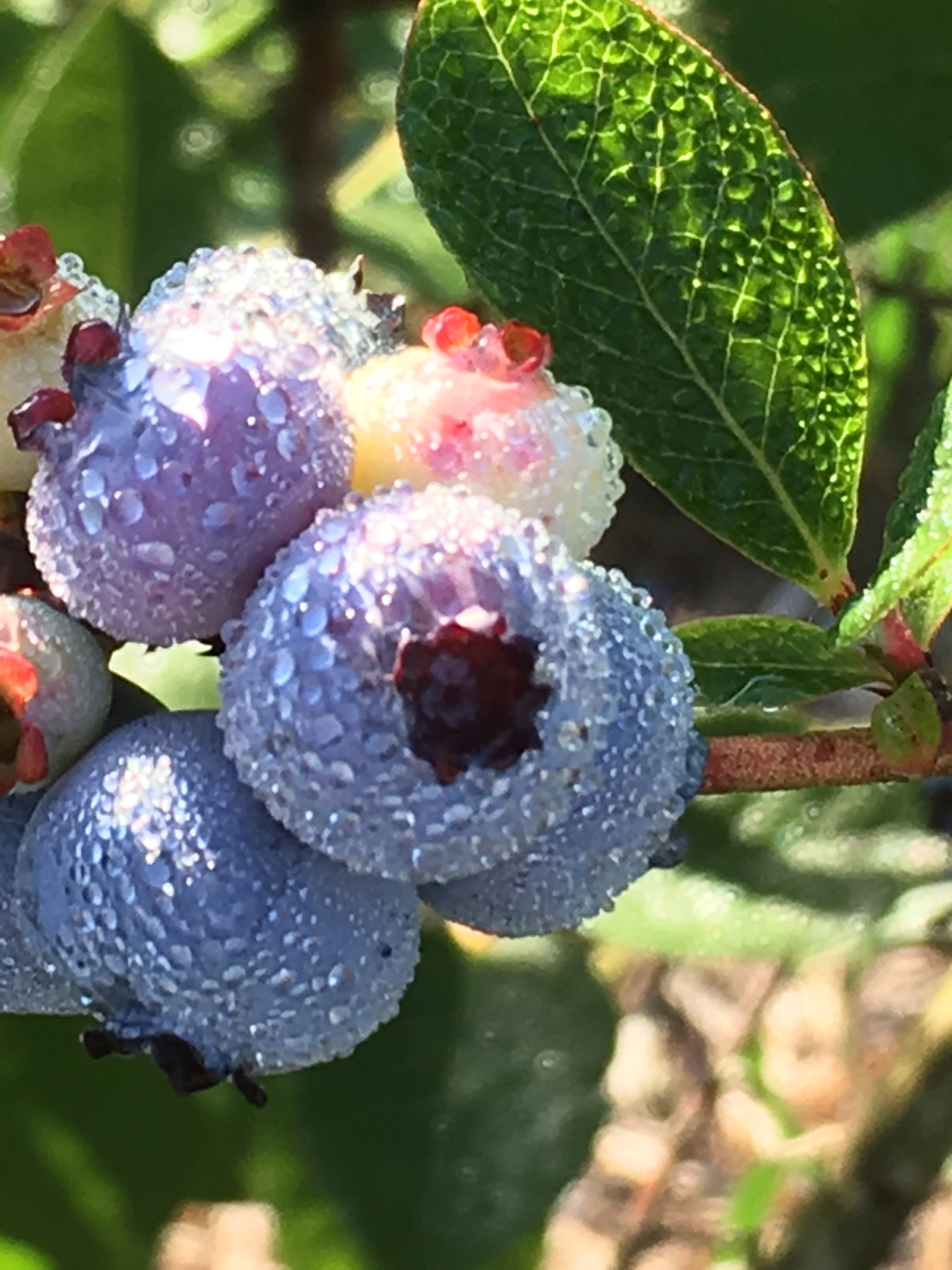
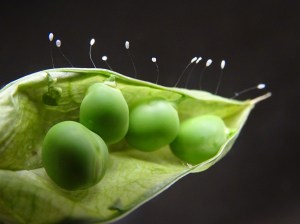
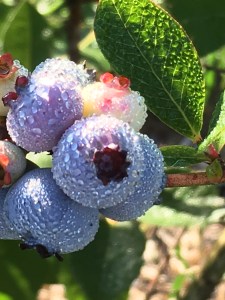
I like to take a camera and look for beauty in the world around me. And the world responds.
Some things I have learned:

Life is complicated—there is nothing simple about it.

Acknowledgement of mistakes helps build bridges.
Love is the greatest power.

Laughter heals.

At least half of communication involves listening.

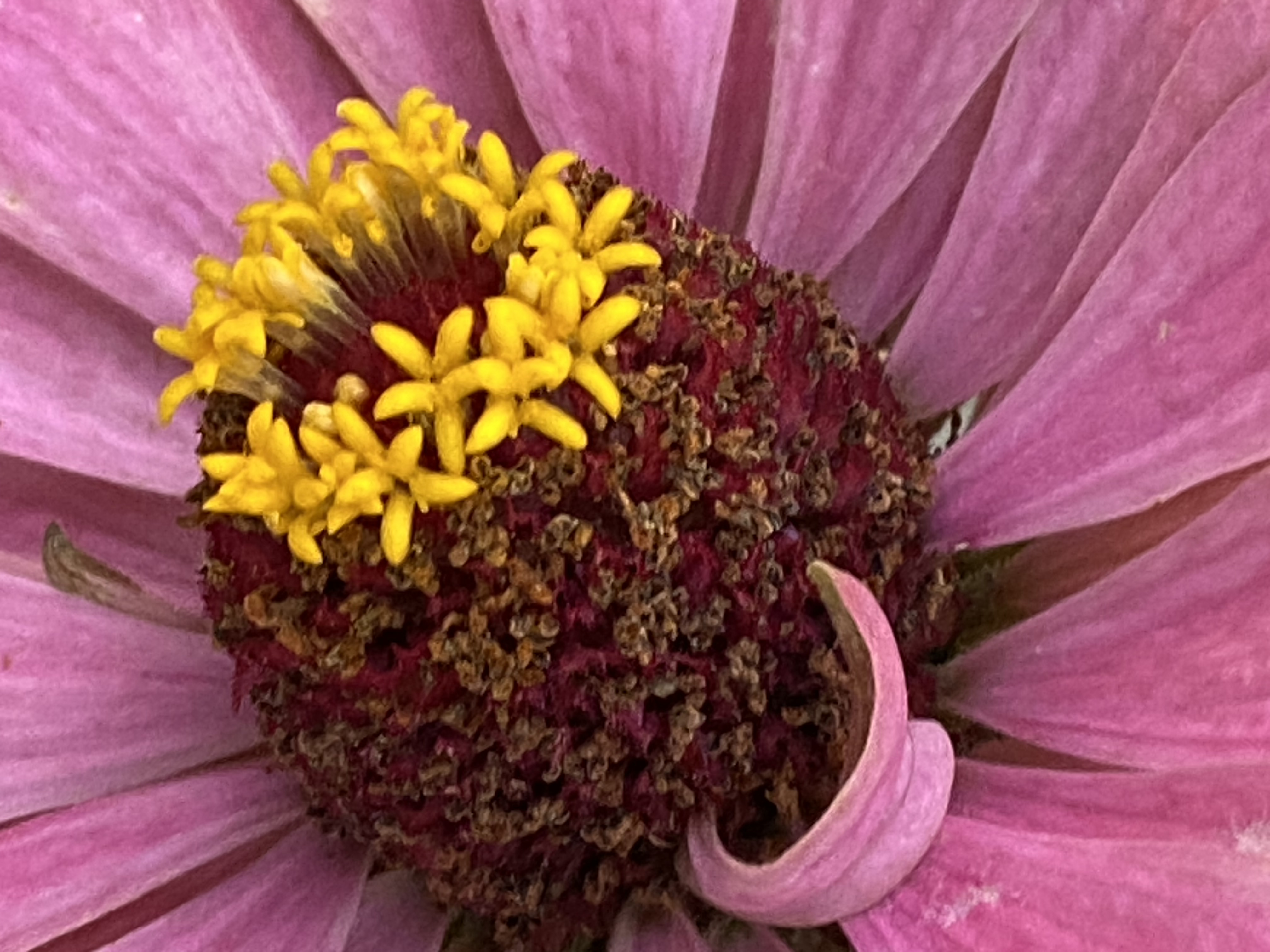
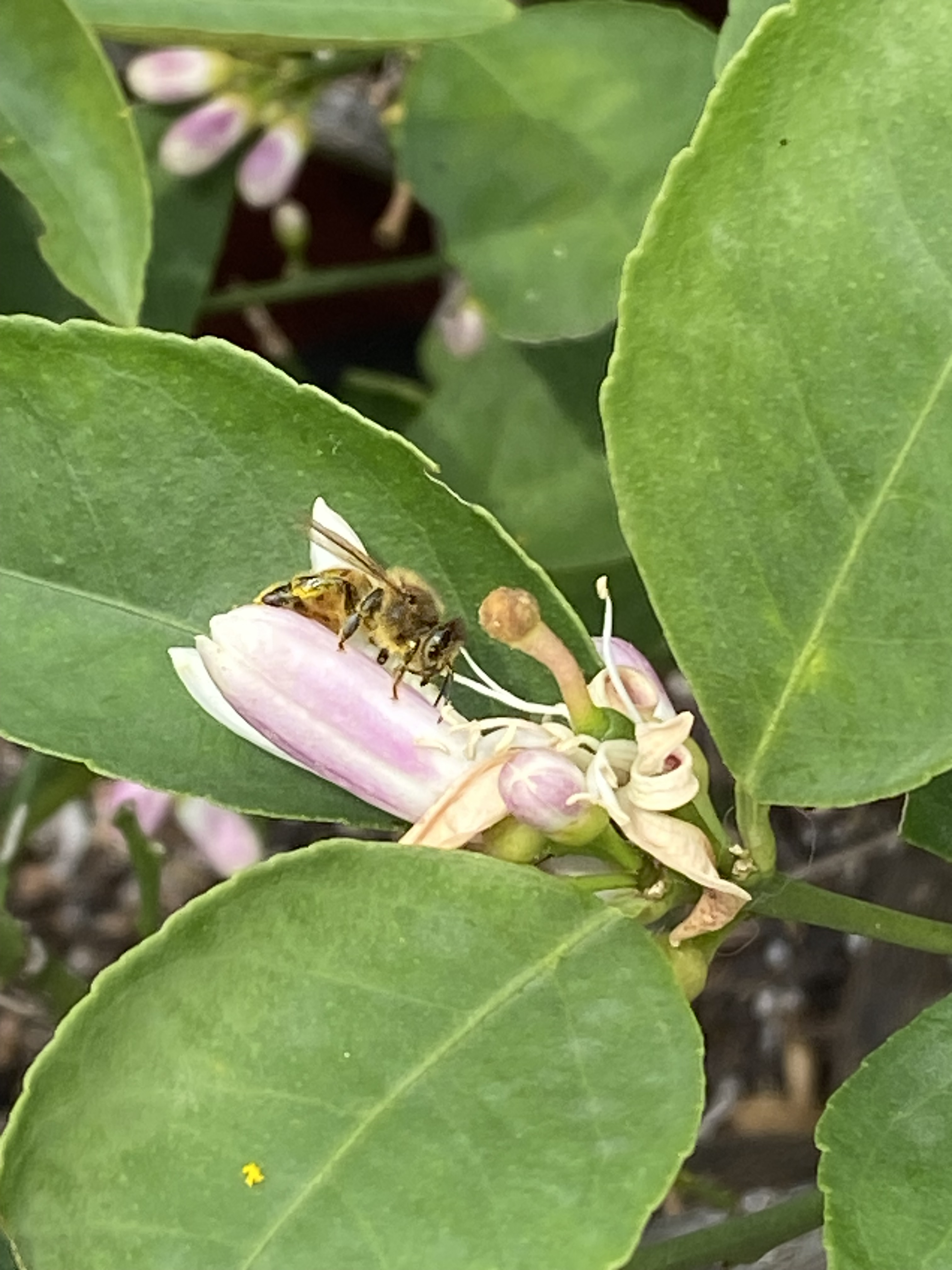
There is beauty and wisdom in tiny things and overlooked places. It’s healing to find wonder in miniature worlds.

I always find what I’m looking for, so I try to look for the positives.

When the future looms dim, I hold fast to my values, and take one small thing at a time.

Bird by bird, scene by scene, note by note, day by day or even minute by minute, I can make choices that support my values.

Like a seed, sprouting under dire conditions, but sprouting anyway. That is the essence of optimism.

Danielle Orner, a young woman who has battled cancer since she was a teenager said, “Life is a balance between what we can control and what we cannot.”

Between effort and surrender—two forces in life that keep us in tune. That is the essence of good tension, insuring that those yet to come can sing.

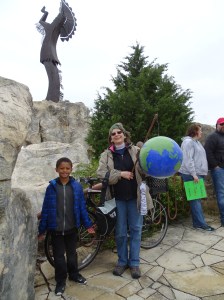
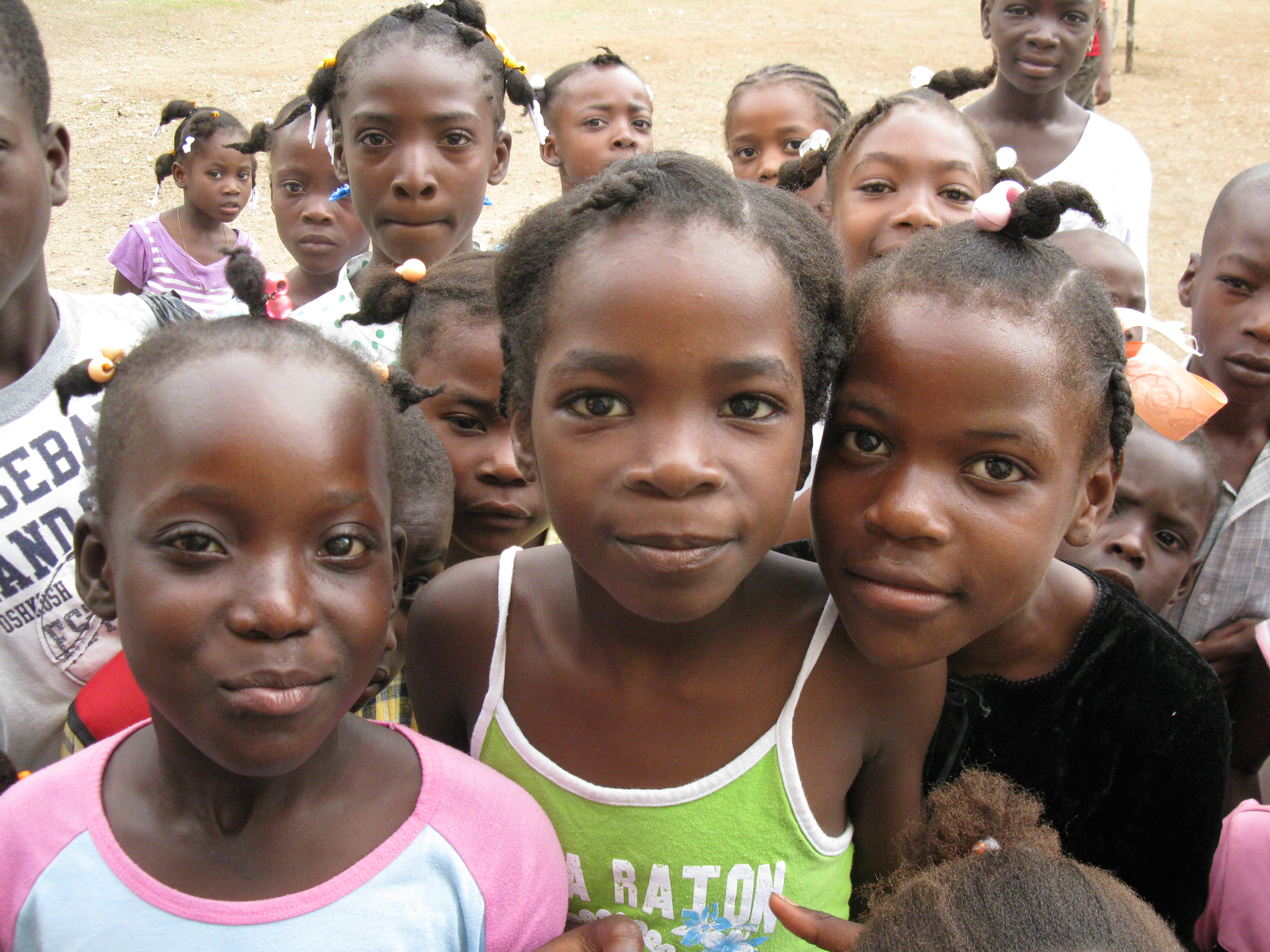
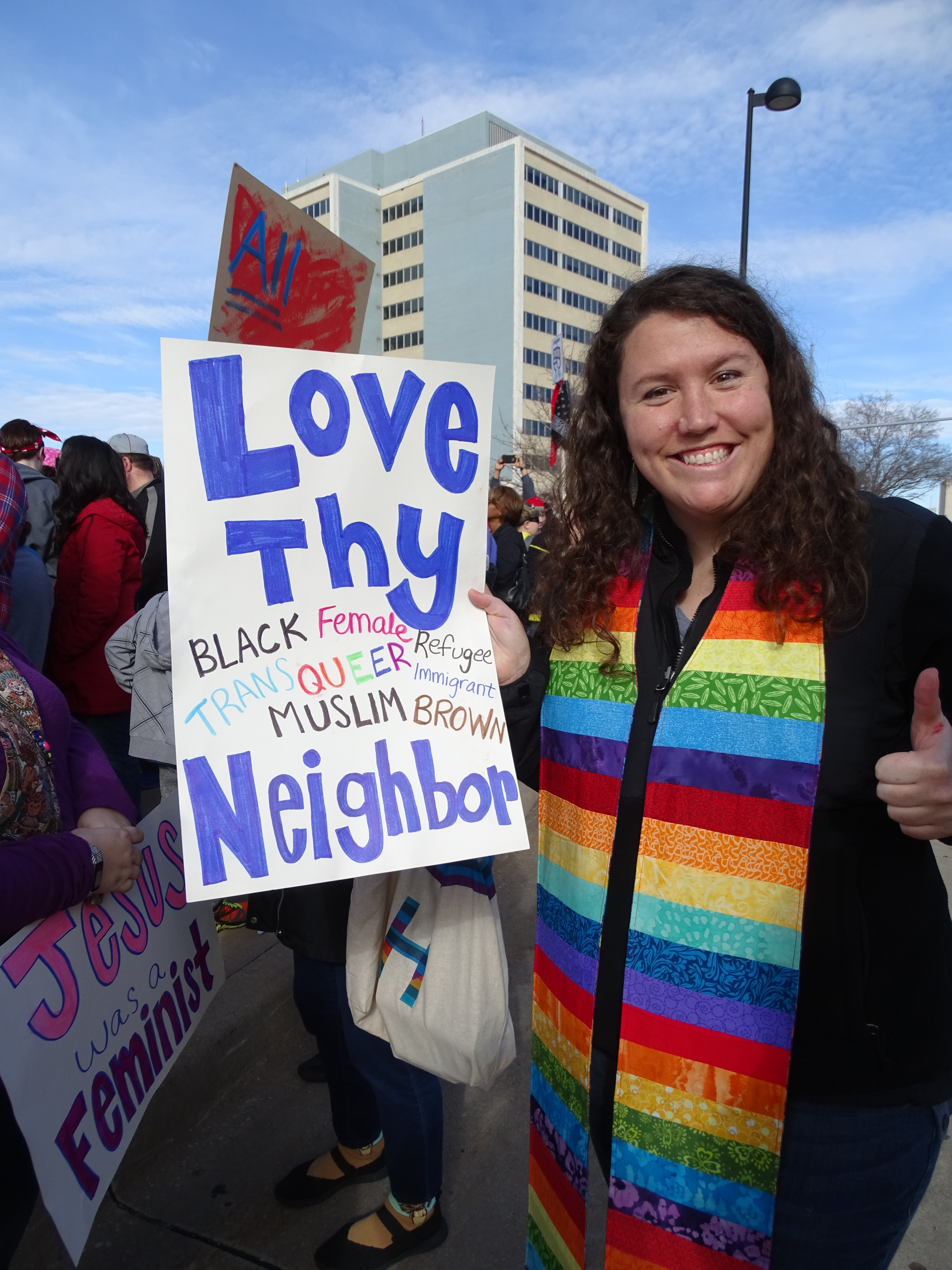
(P.S. To answer your question: I should add photographer to my list of dedicated endeavors in the above bio. Yes, I took all the photos, except for those in which I appear, and the group of Haitian children.)

A Place Where Friendships Bloom

The walnut trees along the Cottonwood River blazed yellow. Crimson sumac foliage lined the hillsides near the new settlement of Cottonwood Falls, Kansas. It was autumn 1871 and businesses along Broadway Street bustled with ranchers from around the county who had converged for an election.

Settler Isaac Alexander leaned against a tree at the south end of the street. Often poll workers nodded his direction, gesticulating in a referral that sent distant neighbors his way. They all wanted the same information. “You are donating land for the building?”

With a nod, Isaac affirmed his offer. “Two and a half acres. If the project is approved, this square will belong to the county.”

By evening, with the votes tallied, the result was clear. Voters had approved the building project and Chase County would have a new courthouse. Those still in town cheered at the announcement and Isaac stepped forward. When he had the crowd’s attention, he affirmed his gift. “I am pleased to provide this square for our new courthouse. It’s something we need in order for our county to thrive. I have but one condition. The building will sit on the hilltop in the center of the square. But the land surrounding it is to be used as a park area and gathering place or my offer will be retracted. That is my condition.”

The crowd burst into resounding hurrahs, and the project moved forward.

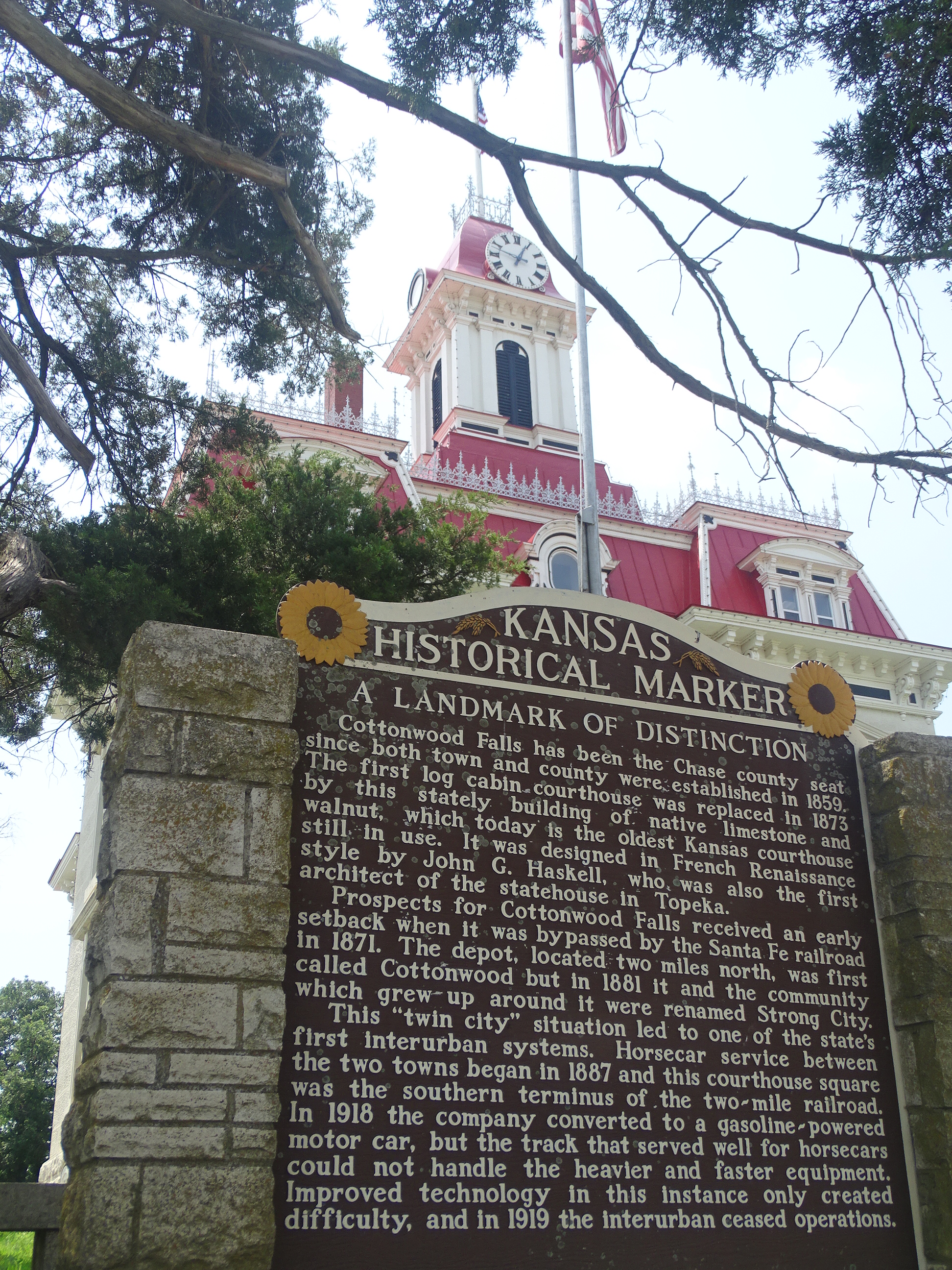
A Leavenworth contractor employed an architect to design the three-story limestone structure. It utilized a French Renaissance Chateau design from the Louis XIII period, durable enough to remain in constant use for 150 years and beyond. Workers quarried and hand-cut limestone blocks from Isaac Alexander’s land on Spring Creek, a half mile west of the site. The stones were transported to the building in horse-drawn wagons, some blocks weighing over six tons.

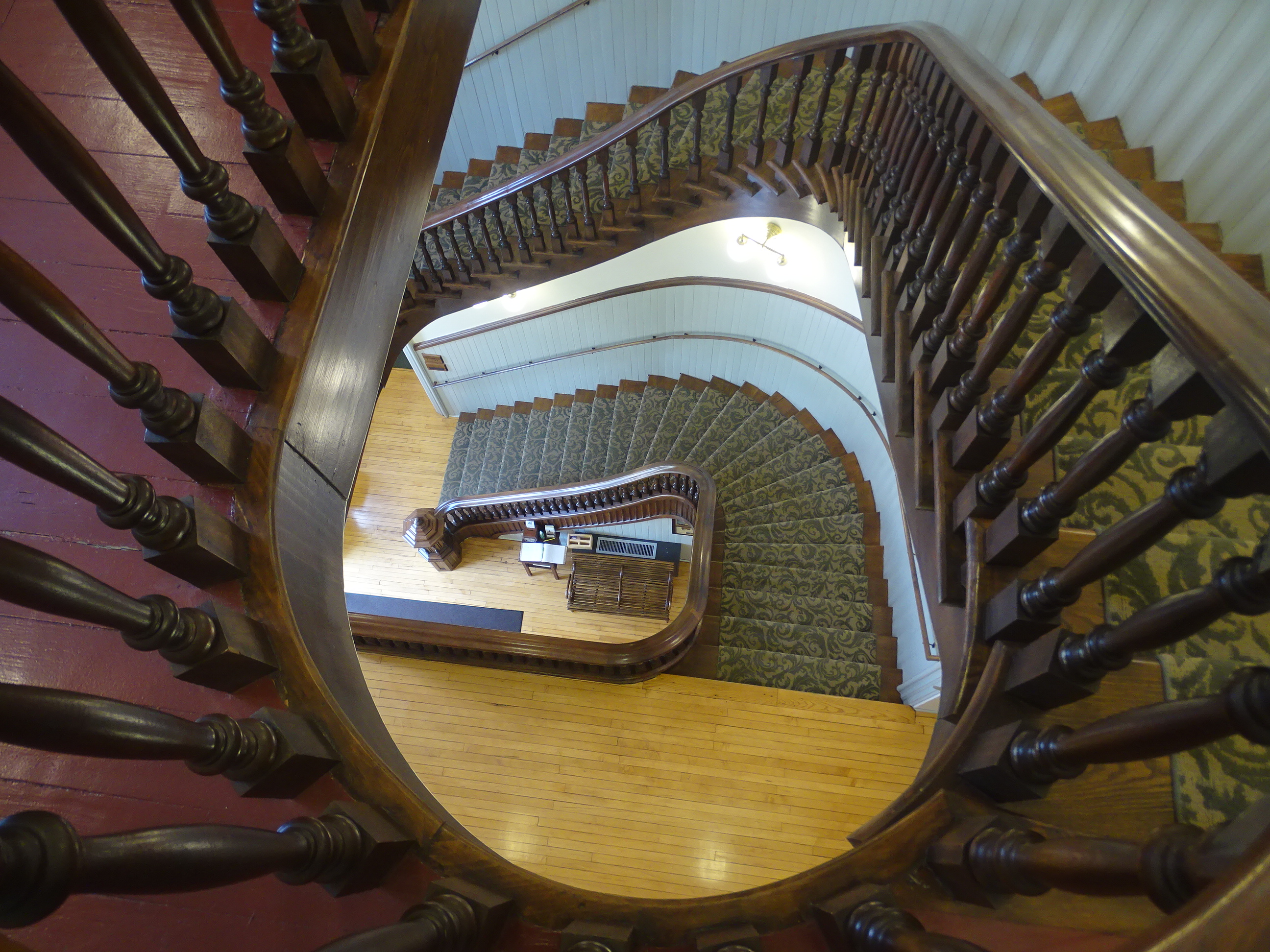
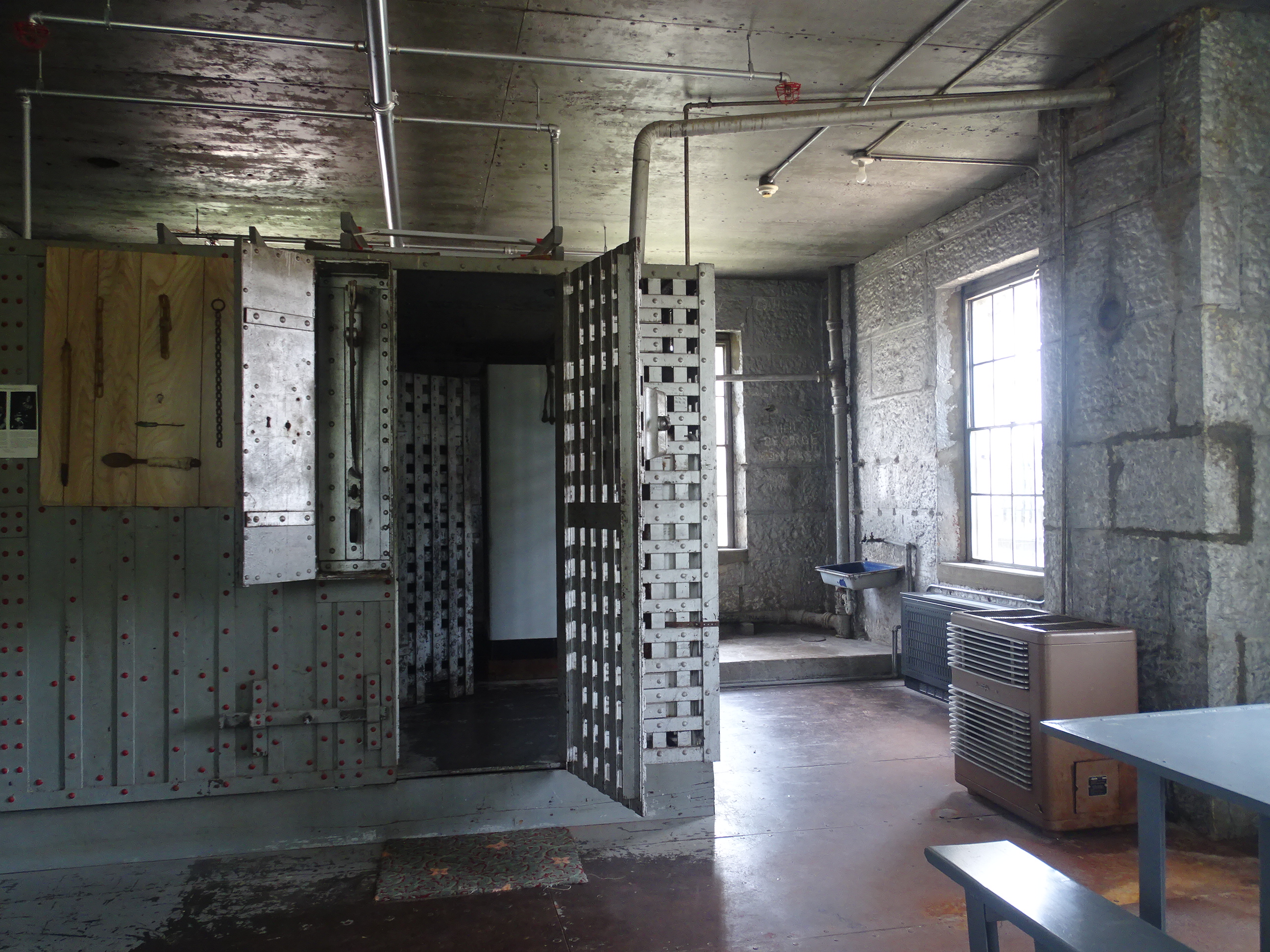
Inside, spiral staircases wound complete circles between the floors, each spiral directly in line with the one above or below. Locally harvested black walnut trees were crafted into the stairway balustrades. A jail on the second story was accessed through the courtroom and jury room. In use for a hundred years, new safety regulations in the 1970s forced the jail’s closure.

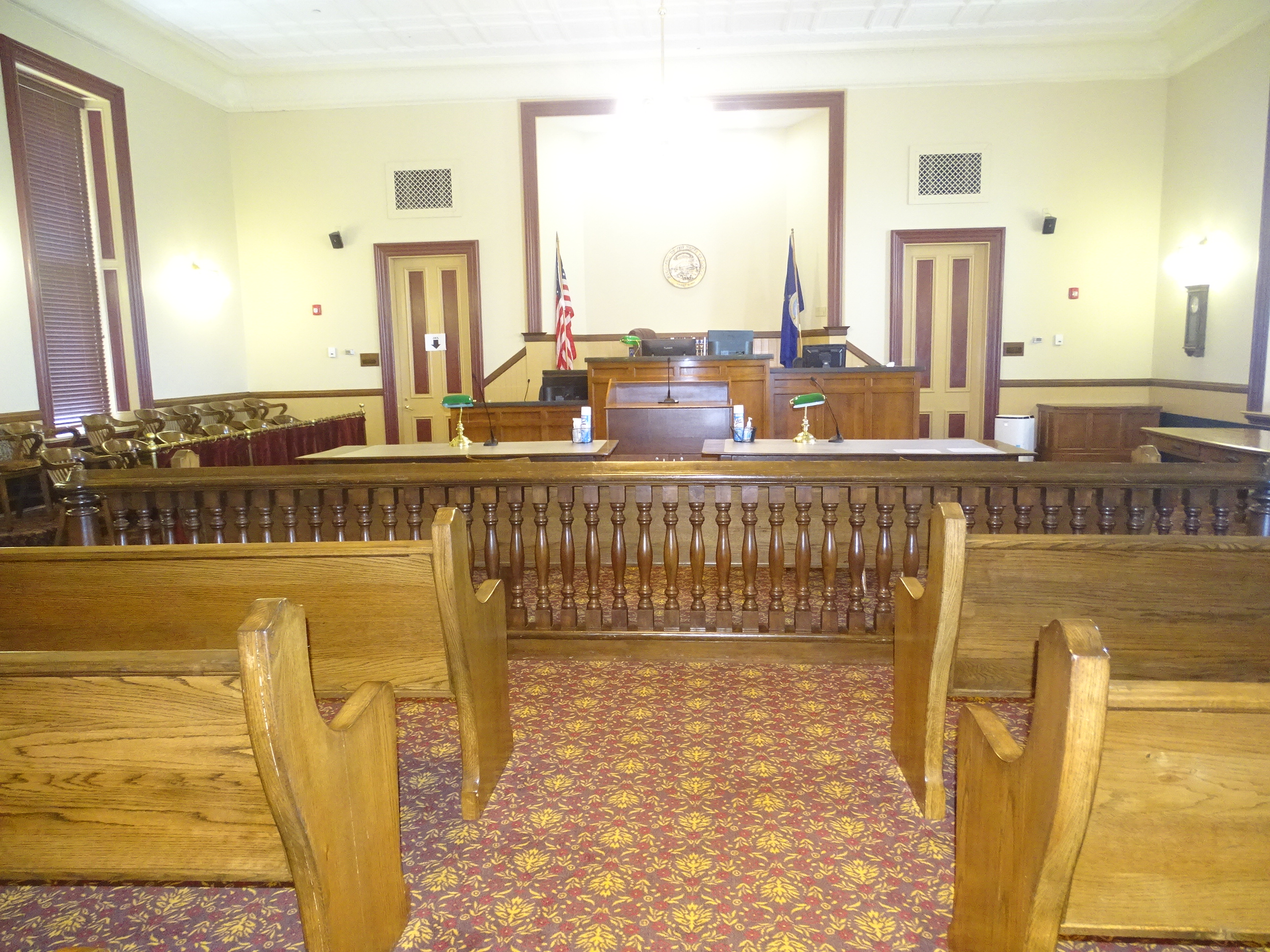
Construction on the courthouse took two years, but on October 8, 1873, it was complete. The people celebrated with a grand ball in the courtroom itself.

A hundred and fifty years later, the celebrations continue. Shady areas surrounding the building still host concerts, galas, dances, and festivals. At one corner of the square, the Roniger Memorial Museum showcases life in the Flint Hills past and present. Exhibits include stellar collections of indigenous artifacts crafted from flint nodules infused in the limestone layers.

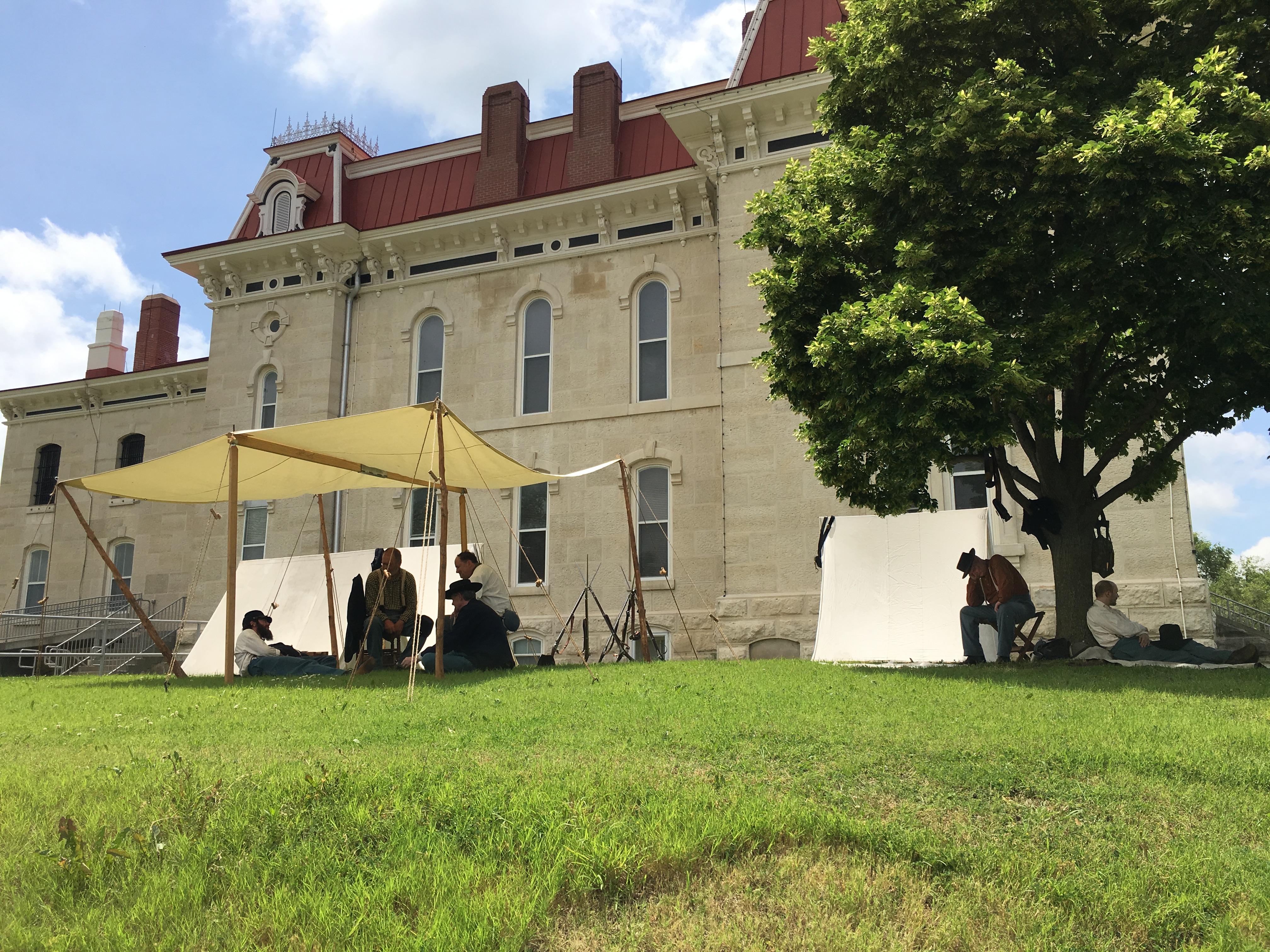
The Flint Hills Folklife Festival in June has attracted travelers to historical booths and demonstrations for the last twenty-five years. Festival organizer Sue Smith is quick to point out that the Chase County Courthouse, the oldest courthouse in the state still in daily use, is the most frequently photographed building in Kansas, even more than the capitol building in Topeka.

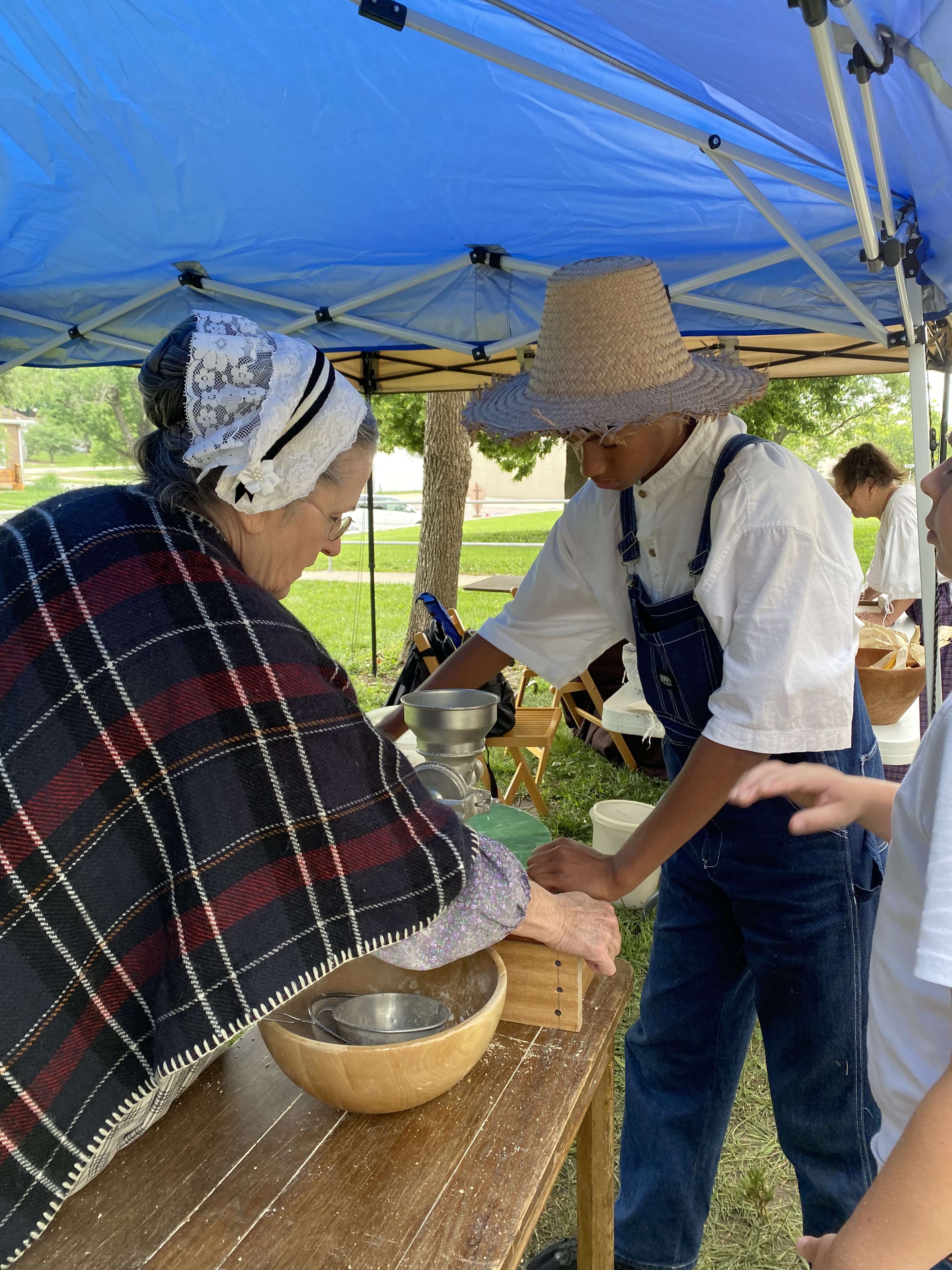
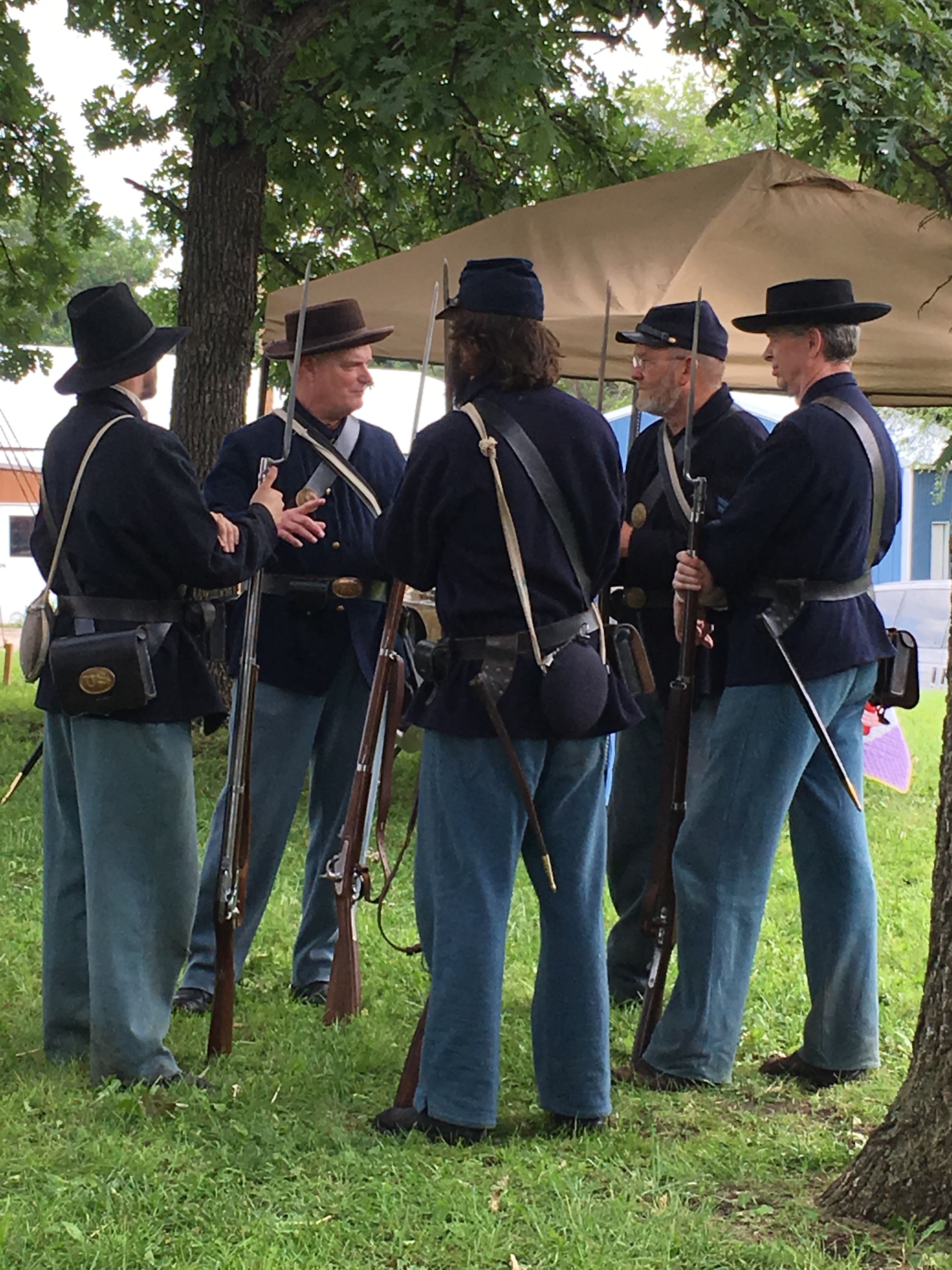
Folklife vendors and reenactors surrounded the courthouse in June this year. Many had returned year after year. Some had local roots but others traveled from distant places to be part of the Folklife Festival community.

Marti McCartney, who has been a vendor at the Festival most of its 25-year history, explained why she returns every summer. “I love it when people who don’t know each other connect with shared memories and traditions. I love sharing history—we’re all part of the same history in our own ways.”

First-year attendee Melissa Mathis circled the tents continually with her camera to capture important scenes. She agreed with Marti. “The history and techniques once commonplace are dying. We need to hold onto that history and keep it alive.”

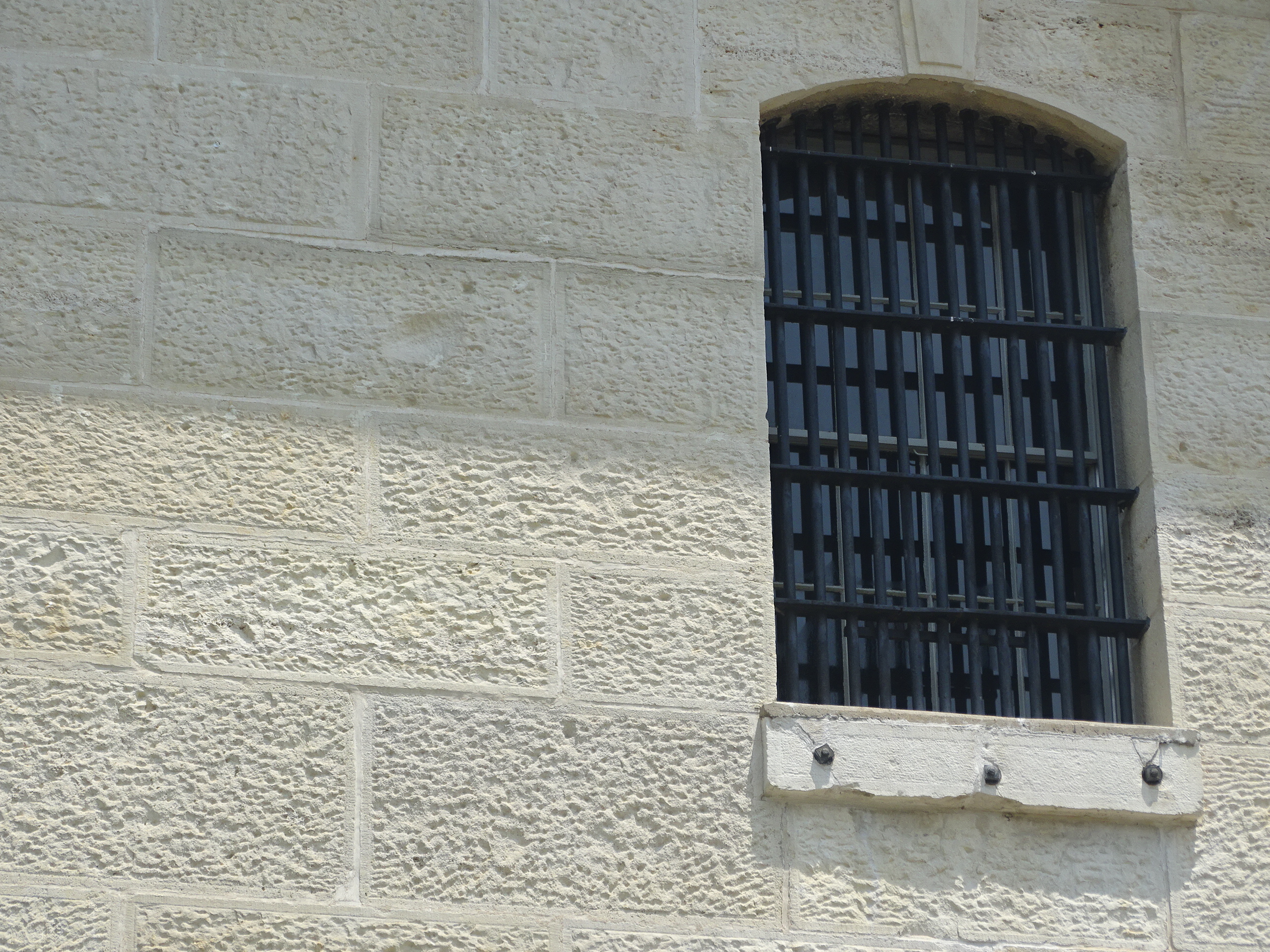
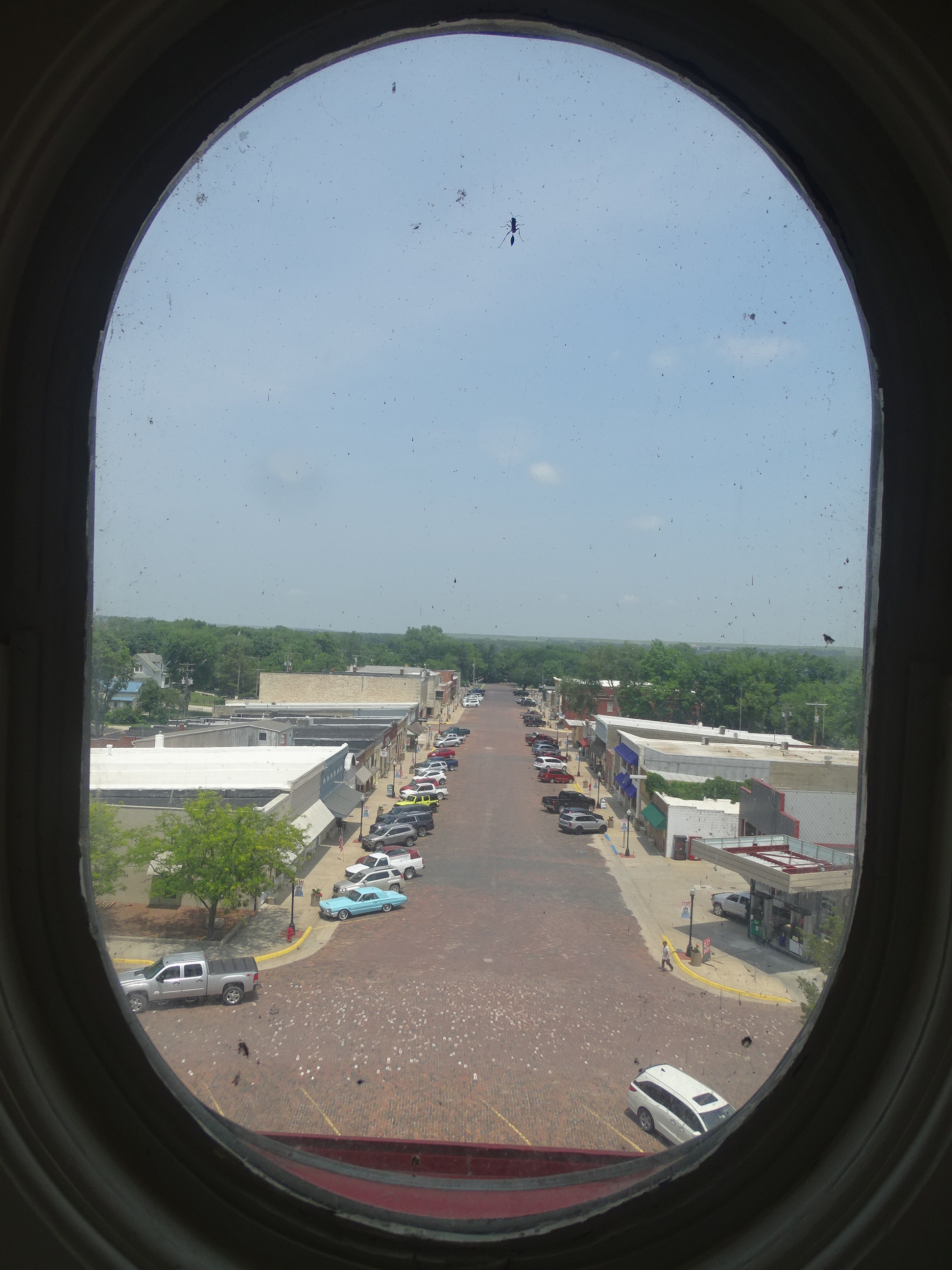
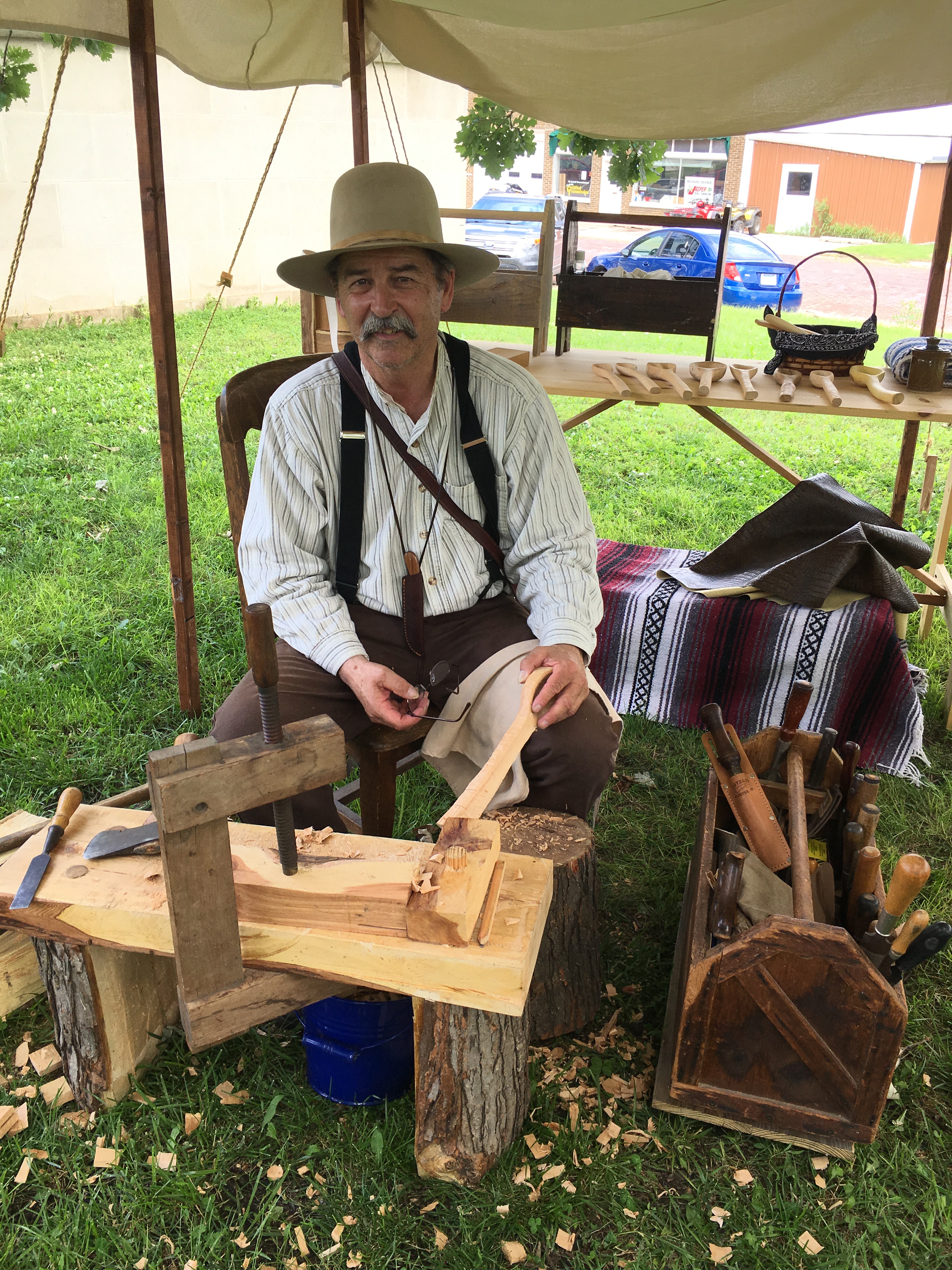
Darrell Kerr, luthier and knife maker at Silver Dollar City, raved, “What really caught my eye this year were the second story windows with bars. They mark the former jail.”

Still intact, though not in use, the jail draws curious visitors year-round. Former city resident Nancy Zirkel recalled stories about the jail. Her favorite involved Sheriff Towle in the early 1970s. County Sheriffs and their families used to live in the courthouse directly below the jail. At one point Sheriff Towle rescued a fawn whose mother had been hit on the highway. He raised the young deer in his family’s courthouse apartment.

Basket makers Al and Teri Seeger have enjoyed bringing baskets to the Festival for the last three years. “There’s a sense of community among vendors,” says Teri. “It’s fun to see people who return every year.”

Petin Hammerton voiced agreement. She and her husband Jerry grew up in southern California, but now call Lindsborg home. “The people here make you feel like family,” Petin said.

“I’ve searched my whole life for a lifestyle that’s right for me and people who share similar values,” Jerry said. “I found what I was looking for here in Kansas.”

Though the Flint Hills Folklife Festival may have seen its final year, Sue Smith pointed out many other reasons to sit under the oaks on the courthouse lawn. History thrives on the square along with modern activities. Concerts, contra dances, and re-enactments are scheduled throughout the year. Every June, the Kansas City Symphony holds a concert on the nearby prairie. The Chase County Courthouse is only a few miles from the Tallgrass Prairie National Preserve. And a big celebration is planned on the Courthouse square for October 6 and 7 this year to observe the sesquicentennial of this historic landmark.

Sue summed it up. “Such memories! And such great friends!”

Isaac Alexander would be pleased.

A Festive Time at College Hill Coffee

Come chat with Ann and take a look at Firestorm Sonata.

Saturday, September 23, 2023

Noon until 2:00 pm

College Hill Coffee, 403 Soward Street, Winfield, Kansas

About Firestorm Sonata:

In peak condition, scout Sharenda Kamine is certain her field skills will insure her safety as she seeks supplies needed by the fortress she calls home. She must, however, prove her worth to the authoritarian commander of this isolated pocket of survivors. With reluctance, he grants her request to work alone and she heads across dust dunes of what once was southern Kansas, confident she will master any challenge she meets. But she is unprepared to find a window into the past, which simultaneously offers a future ripe with possibilities. She must decide whether she will honor her commitment to the Fort, or escape to freedom with Gran, the only family she knows.

Firestorm Sonata is the third in a series of dramatic stories featuring pianos and their families. It follows Sundrop Sonata (2016) and Sonata of Elsie Lenore (2020). Book 3, Firestorm Sonata, is the first book in the series which is set in a future with very different landscapes than we know today. A Climate Fiction tale, it explores the roles of pianos and musicians in a changing environment such as those predicted by today’s climatologists.

Known to many as the local piano tuner, few people realize that Ann Christine Fell has been a naturalist all her life and taught science in the Winfield schools before she opened her piano business. As a musician, piano technician, photographer, mother, and grandmother, she has gleaned details from a lifetime of wide-ranging experiences that bring her fictional stories to life for Kansas friends and neighbors. She lives on the edge of the scenic Kansas Flint Hills with her husband, her grandson, and her piano.


Firestorm Sonata: The Story Behind the Story

The third novel in my Sonata series of adventure tales featuring pianos and their families is now available on Amazon. I have mixed feelings about it. The completion of this journey has been months in the making and I’m relieved to finally get there. It’s been a lot of hard work, with repeated readings and editing through the summer, each time thinking this would be it, and each time finding more things that needed to change. I finally drew a line. This is it. Ready or not. And Firestorm is launched. May she find a path through the maze of words out there in the cyberverse and not disappoint.

Firestorm Sonata:

In peak condition, scout Sharenda Kamine is certain her field skills will insure her safety as she seeks supplies needed by the fortress she calls home. She must, however, prove her worth to the authoritarian commander of this isolated pocket of survivors. With reluctance, he grants her request to work alone and she heads across dust dunes of what once was southern Kansas, confident she will master any challenge she meets. But she is unprepared to find a window into the past, which simultaneously offers a future ripe with possibilities. She must decide whether she will honor her commitment to the Fort, or escape to freedom with Gran, the only family she knows.

This tale is a first for me, to set the events in the future. During my work on the second Sonata, Sonata of Elsie Lenore, a friend I respect, a retired college professor and elder in my community, shared an article with me. “Confronting the Climate Crisis Through Fiction: Visualizing a climate-ravaged world may actually be the key to mobilizing action.” Those who know me well know my passion for the natural world, for the planet Earth. As a college freshman 50 years ago—get that FIFTY—I took a life-changing class called “Can Man Survive?” in the biology department at Fort Hays State University in Kansas. It was based on the then-current knowledge about all the impacts our human activities had on water, air, land—and climate. We’ve known about greenhouse gasses for my entire life. Even longer. Some folks predicted serious impacts early in the industrial revolution, over a hundred years ago.

The evidence is mounting in 2023. This summer is already setting records. Extreme weather events around the world fill the news from catastrophic flooding to record-setting temperatures and untamable fires. Chile, Canada, Greece, Italy, China, India, Japan, Taiwan, Philippines, Sudan, Madagascar, Zimbabwe–the list goes on. In North America, water temperatures in the Gulf of Mexico hit 100+ in places, with 100% mortality in some coral reefs.

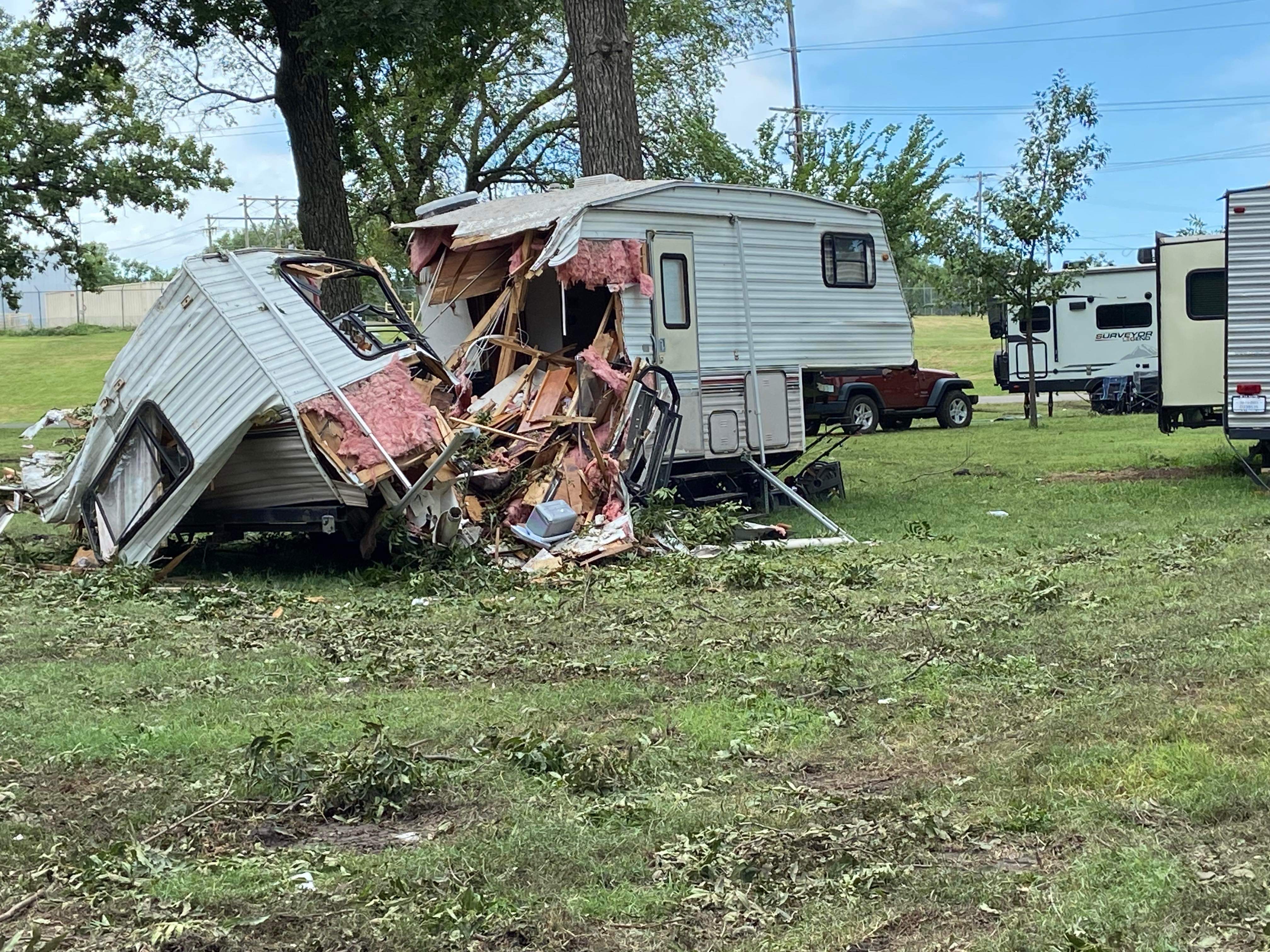
My own community cleans up after a straight-line windstorm that downed whole trees in our favorite parks and city streets, demolished our neighbor’s hay storage barn, and wreaked havoc on the county fair. Cleanup will continue for weeks. The cost has soared toward $2,000,000 already in our one small town.  And yet, we humans continue a path deemed to be disastrous for all life on the planet, just so oil companies can reap growing mega-profits at the expense of everything else we hold dear. If fictional tales set in a grim future environment will shake us into action, I decided I must try.

It’s been my privilege to offer continued piano service across south-central Kansas for nearly thirty years. I’ve kept climate records at each job, recording temperature and humidity. It’s increasingly hard to advise piano owners what their best plan of service should be. With seasonal swings in temperature and humidity becoming more unpredictable, the effects on pianos are easy to see. Tuning stability is now a figment of the imagination.

Pianos are my world. So is the prairie ecosystem. I began to ask some hard questions as I twisted those pins on my annual calls. “What’s with all the earthquakes in Kansas and Oklahoma?” In my college geology classes I learned this area is the “stable” part of the continent. Earthquakes are supposed to be extremely rare. And yet here we are.

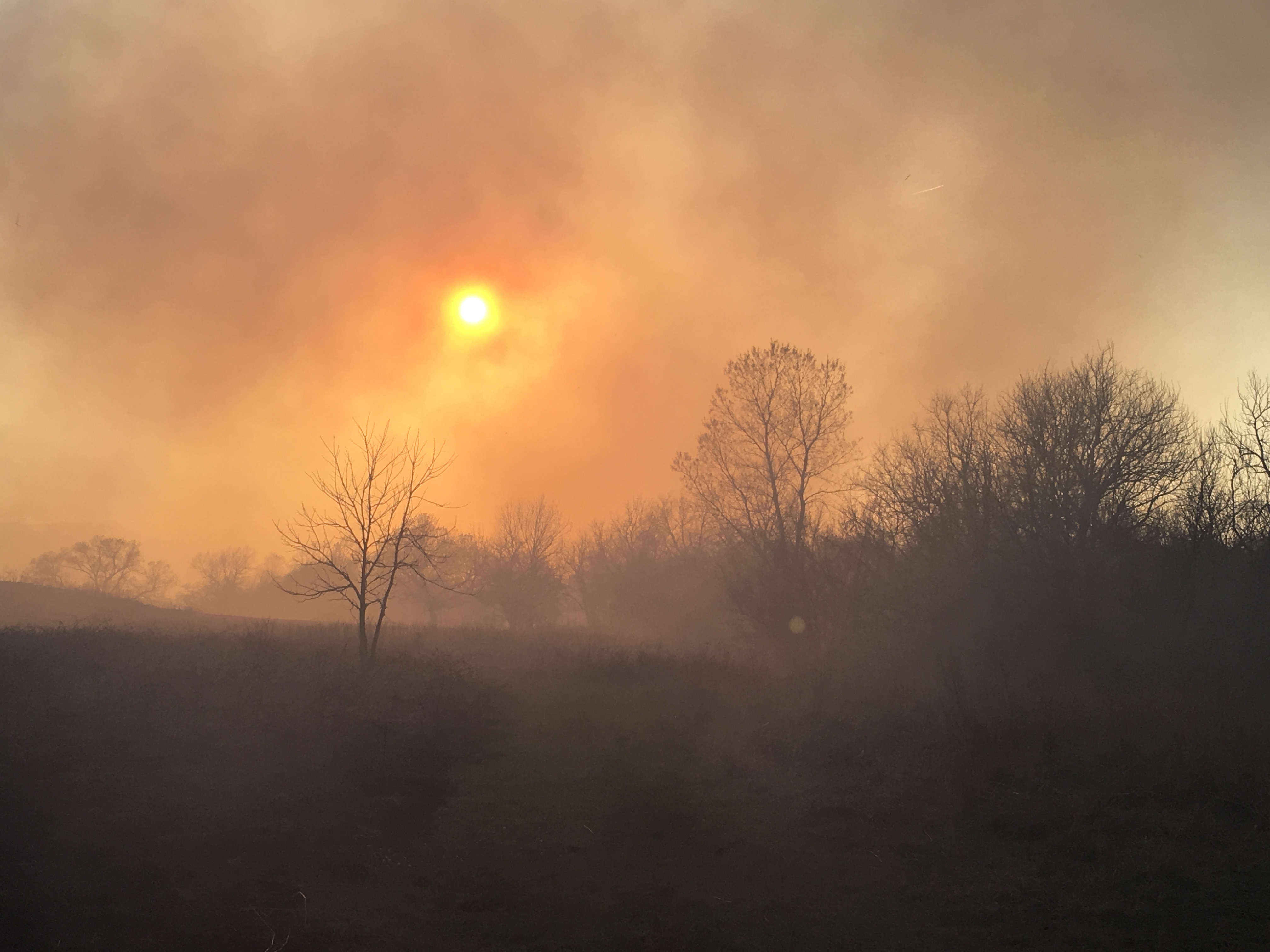
“What about the wildfires?” Every year we hear about more extreme fires. California, Oregon, Texas, Idaho. There have been successive record-breaking fires that started in Oklahoma and raged across the state line into Kansas, burning hundreds of thousands of grass acres, killing animals (including livestock) that were trapped in its path.April 2016, a fire burned over 400,000 acres, the largest blaze ever in Kansas (at the time);  March 2017, 600,000 acres burned in southwest Kansas, people were evacuated from small towns in the area; December 2021—fires in northwest Kansas, fanned by winds stronger than hurricane force, burned 400,000 acres.

Then there were the Canadian fires this summer that burned for weeks, sending ash and smoke into the air across northern US. And Maui—MAUI?? An island in the middle of the Pacific Ocean with a drought and a spark? The death toll from the Maui fire continues to grow.

I tried to imagine what my home county would look like after an extended drought, followed by a massive firestorm. Perhaps lightning would ignite an oil spill created by one of those fracking earthquakes. Add to the mix technology that can’t receive satellite signals, towers that topple in storms, and no way to receive news from the rest of the world.

The field of stepping stones.

What would my piano family do? What would become of them and their pianos? Would it even matter anymore if basic survival was the most pressing need? Unfortunately basic survival is already the most pressing need for far too many of Earth’s creatures, including pockets of human beings.

Thus, Firestorm Sonata was born. My deepest thanks to everyone who begged for another tale, who listened when I felt discouraged, and who offered words that bolstered me to keep on writing. You all comprise the village which raised Firestorm Sonata from a small seed to fruition. May she have wings to take her beyond my imagination and in her own way make our planet and our future a little brighter for all living things.


Of Snow and Violins

I don’t recall a time when I didn’t love books. I must have been hooked at my first page in my first picture book. Naturally, I wanted to write them also. English class in Junior High expanded my love of language. When the home economics teacher there assigned everyone to write a picture book for preschool children, a passion was born. I embarked on a lifelong adventure with words.

Though there have been lengthy gaps when I was too involved with family matters to spend time with a pen and typewriter, whenever I could  I outlined projects, made deadlines for myself, subscribed to writing magazines, and submitted my work.

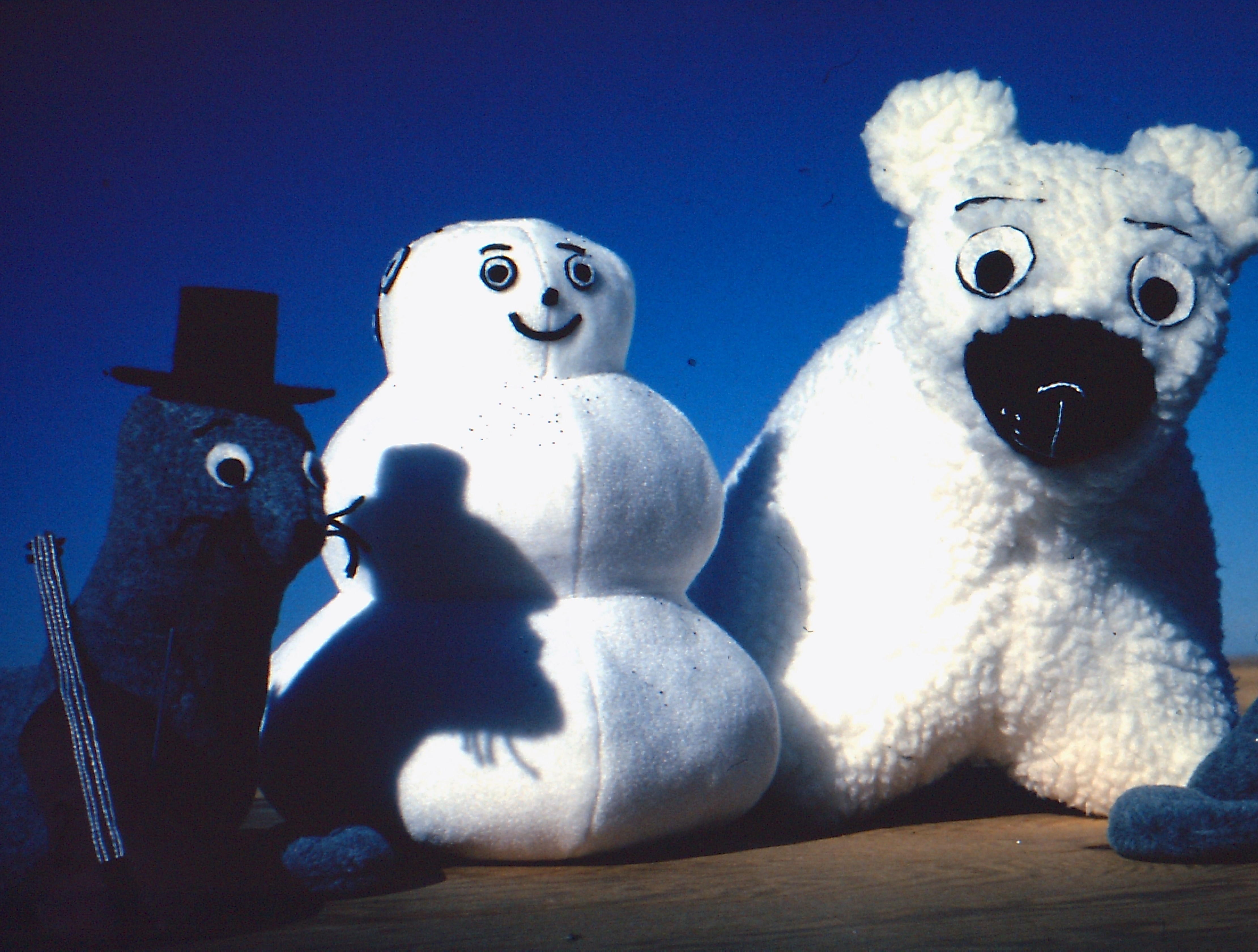
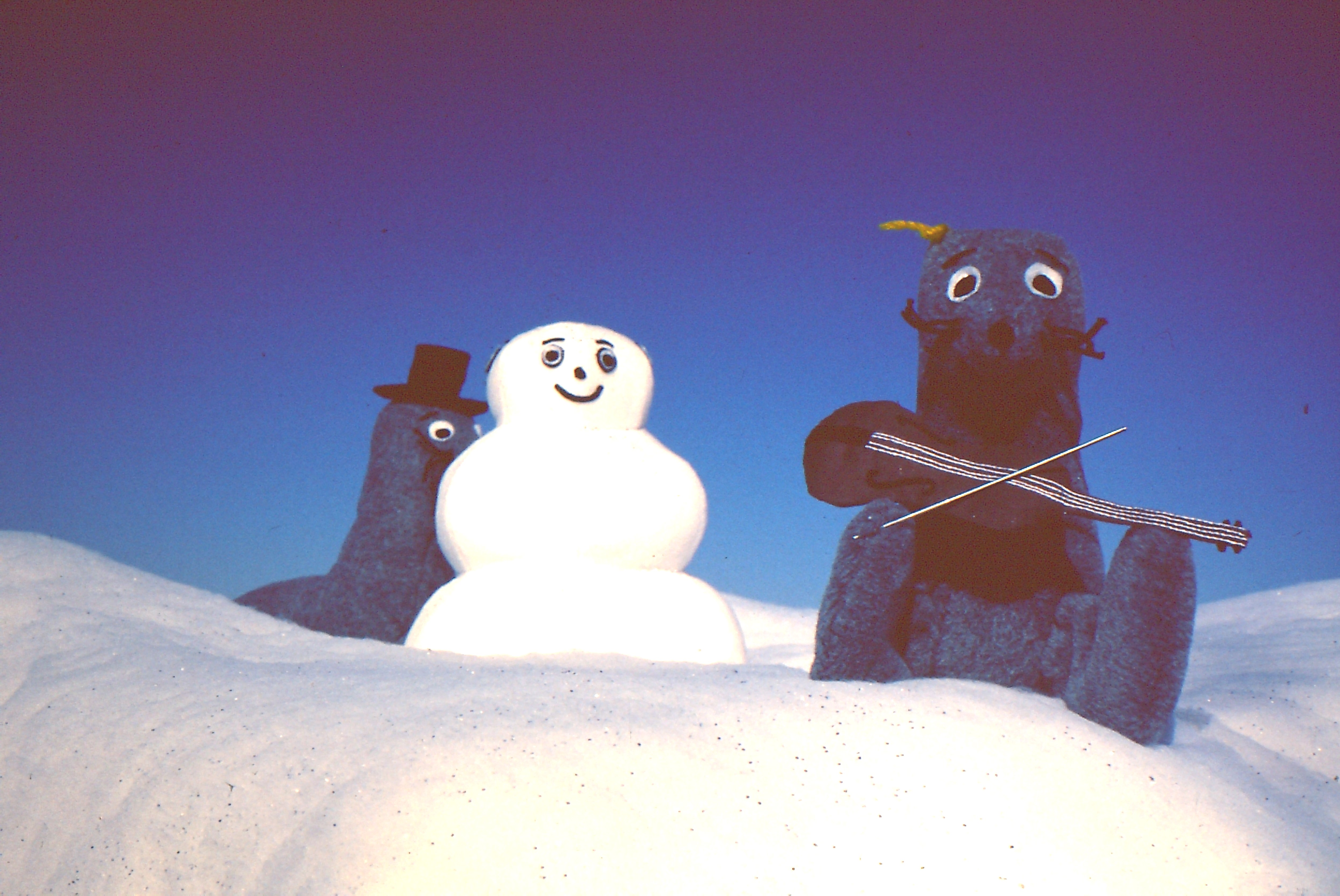
One early project started with a dream.  I don’t recall my age when this dream seared itself into my subconscious, but upon recollection it was an outlandish and delightful story. In my young adulthood, married but BC (before children) I decided to write the dream story as a picture book. It involved a couple of seals and a polar bear in the Arctic, a snowman, and a violin. A violin you ask? Yes. A violin.

Not skilled with paint or colored pencils, I figured I could illustrate this Arctic story using my photographic skills. I needed only to make the characters. I designed patterns to sew stuffed animals as well as stuffed snowmen and a violin. After careful construction, I lined up the cast on a board covered with quilt batting sprinkled with glitter, set up my trusty OM-1 35mm SLR on a tripod, and headed into the morning sunshine outside the little farmhouse we rented in Morton County, Kansas.

Crowned with a bluer-than-blue sky, the still morning was perfect for the illustrative slides. I had a blast moving the characters through the plot and snapping photos of every scene. When the slides returned from the processor, I had the story and the illustrations. I submitted the idea and samples to a few children’s book publishers, and received their kind rejections. I eventually chose Plan B and took the collection of stuffed animals, a slide projector, screen, and the story to several local libraries as a guest reader for their children’s story times. Again, I had a blast and the kids enjoyed hands-on time with the characters from the story.

The years raced by. Life happened. My own children arrived. Daily routines became strictly regimented trying to keep up with everyone’s activities. Other than a session or two sharing the story with my own kids, the stuffed characters were stored away in a big plastic tub until last December.

As Christmas approached last year, I recognized there was no good reason to hide the stuffed animals away. My daughters were grown with children of their own—and half of the grandkids were already too old for picture books. Either I pull the old critters out of the closet, or I never would. I gifted a couple to my 6-year-old granddaughter for Christmas and took along the set of photos to read her the story. On our homeward journey I realized that I now had the means to publish A Very Special Snowman myself. After digitizing the illustrations and formatting a children’s book, I sent this same granddaughter her very own copy of the book featuring the Arctic characters for her 7th birthday in March.

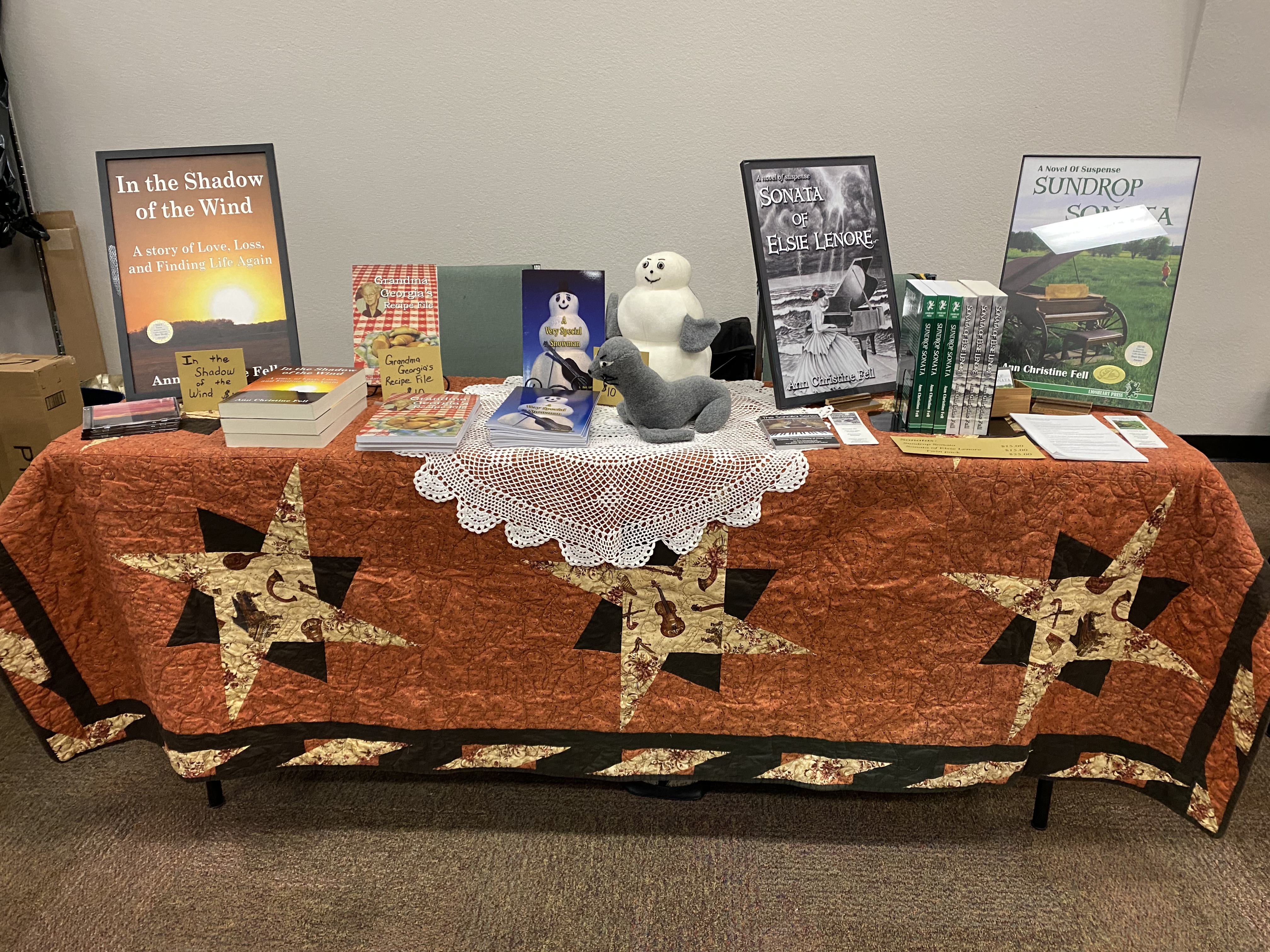
I launched the decades-old project to the public Thursday April 20. The “Women Score Higher” conference in Wichita solicited women authors as vendors and I was happy to be able to bring a variety of books for many different readers, including the freshly published A Very Special Snowman.

A few days after 7-year-old Mia received her book in the mail, her 9-year-old sister wrote to me saying she was writing a book and wanted to know how to publish it. It makes a grandmother proud.

Even with a peaceful ending for two careless seal pups, A Very Special Snowman is a little sad for me. Since those days of innocence long ago, the emergency situation in the Arctic has escalated as our warming Earth melts the polar ice. The fate of Arctic animals like polar bears and seals has taken a perilous turn since my early writing years.

But every stage of this project has been a thrill for me—from the dream, to construction of the characters, to photographing the scenes, telling the story, and designing a book in 2023. And the piercing blue sky in the photos of 1979 amazes me still, a reminder that this precious planet is very much worth defending for all of us, polar bears and seals included.


STOP THE PIRATES!

There is only one week left before we’ll know where our future is heading. If you are still undecided about candidates and questions on the ballot, I recommend staying as far from the Republican Party of “No” as possible. Even if Democratic candidates seem inexperienced, at least they are likely to be honest. Here in a state—purple even though we’re lumped in with red states—elected Democrats have to be more responsive to the needs and concerns of the people than any of their Republican opponents will be. If they aren’t, they’ll be railroaded out pronto. If you want politicians who care about your concerns, vote for the Democratic candidates. They will listen.

Take a look at what the Democratic Party has brought to us.

Women’s Right to Vote (Woodrow Wilson)

Social Security (FDR) This, unlike the hype, is a program that belongs to the people who contributed to it from their wages throughout their careers. It is not a government handout.

Minimum Wage Law (FDR)

Unemployment Insurance (FDR)

FDIC Bank Account Insurance (FDR)

G.I. Bill of Rights (FDR)

Securities & Exchange Act (FDR)

Marshall Plan (Truman)

Water Quality Act of 1948 (Truman)

Peace Corps (Kennedy)

First Man on the Moon (Kennedy)

Civil Rights Act of 1964 (LBJ)

Voting Rights Act of 1965 (LBJ)

Medicare (LBJ) Again, paid for by the workers throughout their careers.

Medicaid (LBJ)

Guaranteed Pell Student Loan Program (LBJ)

Operation Head Start (LBJ)

Motor Voter Act (Clinton)

Budget Surplus (Clinton)

Family and Medical Leave Act (Clinton)

Affordable Care Act (Obama)

Inflation Reduction Act (Biden)

American Rescue Plan (Biden)

Violence Against Women Act (Biden)

Hate Crime Prevention Act

What has Republican leadership offered? Massive tax cuts for the richest billionaires among us, and vows to fight every program and act that benefit all of us. The party of “No.”

Recognizing how unpopular their typical “no” stance is among the majority of voters, they have resorted to underhanded tactics. They flood the post office with flyers spewing ridiculous fiction about honest candidates. They resort to tricks to manage and control voters. It all reminds me of pirates.

We face modern day piracy in our recent elections. Remember the scenes from the popular Disney movie Pirates of the Caribbean? In the scene where Will Turner meets Jack Sparrow,  Jack pulls an unconventional move to disarm Will.

Will says, “You cheated.”

Jack, rolling his eyes, “Pirate.” (As if what else did you expect?)

Will answers, “You didn’t beat me. You ignored the rules of engagement. In a fair fight I’d have killed you.”

To which Jack says, “That’s not much incentive for me to fight fair then, is it?”

I can hear the same exchange between our two major political parties. Republicans are the pirates, taking steps to ignore free and fair elections, those “rules of engagement” we have in the past taken for granted. But we now have ridiculously gerrymandered lines for voting districts, purging of voter lists, challenging results of an honest election, stacking of the courts, refusal to accept a peaceful transfer of power, declarations of refusal to accept future election results if they don’t go the way  a candidate wants—throwing out the rules so that the far-right extremists can “win”. We have promiscuous lying. And the extremists already in power set important constitutional questions on the ballot in historically low-turnout elections. Every conceivable trick has been employed to control the outcome of elections at every level.

This is piracy.

The situation is dire. If the extremists on the political right prevail in next week’s election, this very well could be the Last Election open to all voters in our country. If they prevail, and continue reckless exploitation of the planet, the future for all of us—democrats, republicans, adults, children, unborn, indeed all life on earth—will be taxed to the extreme by climate crises already set in motion.

Cheating? Given the fact that there are more non-Republican voters in Kansas than those who identify as Republican, is it any wonder that they are taking every step to cheat and control the outcomes while they can? Non-Republicans include the Democrats and non-affiliated voters. In a fair fight, the people’s will would be clearly heard. But we can’t have that, can we? Republicans have taken steps to hold onto power every which way they can. Call it cheating. It certainly lacks fairness.

Yet . . . If the extremists prevail, it will be the end of Earth as a habitable planet. We have to make this election count!

Remember the pirate motto:

“Take what you can. Give nothing back.”

And they won’t.

Please vote!

Who Do You Trust?

Steady . . . 

A dear friend, one of my first writing companions from decades ago, recently asked, “Are you better off than you were two years ago?”

I have given it some thought, and my answer is this: I think we are all better off now than we were when Donald Trump was in the White House.

Are things perfect? No. When are they ever? But with leaders who will tackle problems that will help make life better for all the people rather than their  billionaire friends, there is hope. And I want to preserve that in our country’s leadership.

I find it sad that many of my friends and neighbors have been pulled in by the lies fed to us continually by the former president and his supporters. My friend sent me a link to a speech by someone she trusts, an online Reverend who has a YouTube channel. I googled his name and ended up with a lot of red flags. I don’t see myself trusting him. With all the extreme rhetoric on many topics, how do you trust anyone?

I lean more toward someone like Dan Rather and his comments on Steady. As news anchor on CBS for much of my life, Dan Rather has covered a lot of  topics in the past five decades. He’s from my parents’ generation and I respect the perspective on history the elders have. Like others I hold in high esteem in his generation, Dan Rather has never seen anything as troubling for our country as Donald Trump’s leadership.

From a recent post on his Steady website, ( https://steady.substack.com ):

“Let us not pretend everything is okay.”

“Let us not give up hope.”

“Let us not minimize the problems before us.”

“Let us not deny reality.”

“Let us not demonize one another.”

“We are facing a midterm election in which everything feels like it is at stake. And indeed it is.”

It’s tempting to raise my hands in despair, thinking that all is already lost. But we can’t afford that. The keynote speaker at the recent convention for the Kansas Authors Club mentioned it’s okay to keep trying, even if you don’t know whether you’ll ever succeed. Not knowing doesn’t relieve us of the obligation to try.

And we can’t stop trying to make a better world for our descendants. It is our obligation for the future.

Electing politicians who will negate the results of the next election they don’t like will be disastrous to everything we hold dear,  even the future of our home planet.

Now is the time to get out the vote. Let’s not sit this one out, friends.

NOT One-Size-Fits-All, or What Would You Tell a Pregnant 10-year-old?

I turned in my primary election ballot this morning. Folks can still request an advance ballot until tomorrow, or they can vote early at the courthouse for another week. Election day is August 2. For those who might be confused about the amendment issue on the ballot, I think it boils down to whether you trust the legislature to protect the health and future of everyone, or just the unborn? In other words, what would you want for a pregnant 10-year-old rape victim? As I think about my own innocent grandchildren, ages from 1 to 12, the answer is clear to me. A child at that age should not be forced to carry an unwanted pregnancy to term.

Nobody I know is “pro-abortion”. We are, however, pro-choice. Abortion is an option that is tragic, but it is not a simple, right-or-wrong, black-or-white issue. We must keep legal abortion available as an option for women–and girls–in crisis pregnancies.

Before you write me off as a “Baby Killer,” let me assure you I am not. I hate to see anyone or anything hurting. All my life I have befriended the friendless, rescued turtles crossing highways, and taken steps to avoid hurting most other living things for as long as I can remember. (Exceptions: mosquitoes, ticks, and flies.) It is preposterous to think I could choose to end the life of my own unborn child. It’s simply not within the realm of possibilities.

But this is not a simple thing. It’s not a “one-size-fits-all” issue. It is not “one solution for every situation.”

There is not a person on earth who can anticipate all the different factors facing a mother who is considering abortion. Each situation is unique and must be considered individually by those involved—the distressed mother, her family, and the medical team. The rest of us have no right to interfere or to judge.

I come to this realization through a sequence of events unique to my own life. And I wonder, how many of those so quick to condemn other women facing dismal choices know what it’s like to lose a baby?

I do. I lost two. Not through abortion, but through natural deaths. They were both stillborn. The babes would both be 39 and 40 now and not a day goes by that I don’t miss them. They were very much loved and wanted, but it was not to be. I do believe God loves them too and I find comfort thinking they entered his benevolent care the moment of their deaths. We can’t forget what lies beyond.

How many women quick to condemn others for a difficult decision have ever been offered the option of ending a problem pregnancy through abortion? I have. Twice.

After the first baby’s death, the best my medical team had to offer was frequent sonograms during two subsequent pregnancies. They would then recommend an abortion should things start to go wrong.

I declined. Note again: I DECLINED. I couldn’t have opted for an abortion on either one. Instead, I chose not to have any sonograms at all. If something was to happen, I didn’t want to know it.

I am grateful to this day, however, that I was offered the choice. The decision was ultimately mine to make, and nobody else’s. My choice was to cherish every moment I had with my children, for as much time as we had together.

I lost the second baby too. But the third pregnancy, six years later, left me with a precious girl who now has two healthy girls of her own.

I wonder other things about those outspoken critics of pro-choice folks. How many of them have felt the knife-twist of agony to hear that an un-named teenage girl has chosen an abortion for her child rather than allow you to adopt the infant? I have. And I grieved anew for another baby lost. (But I still support her right to choose.)
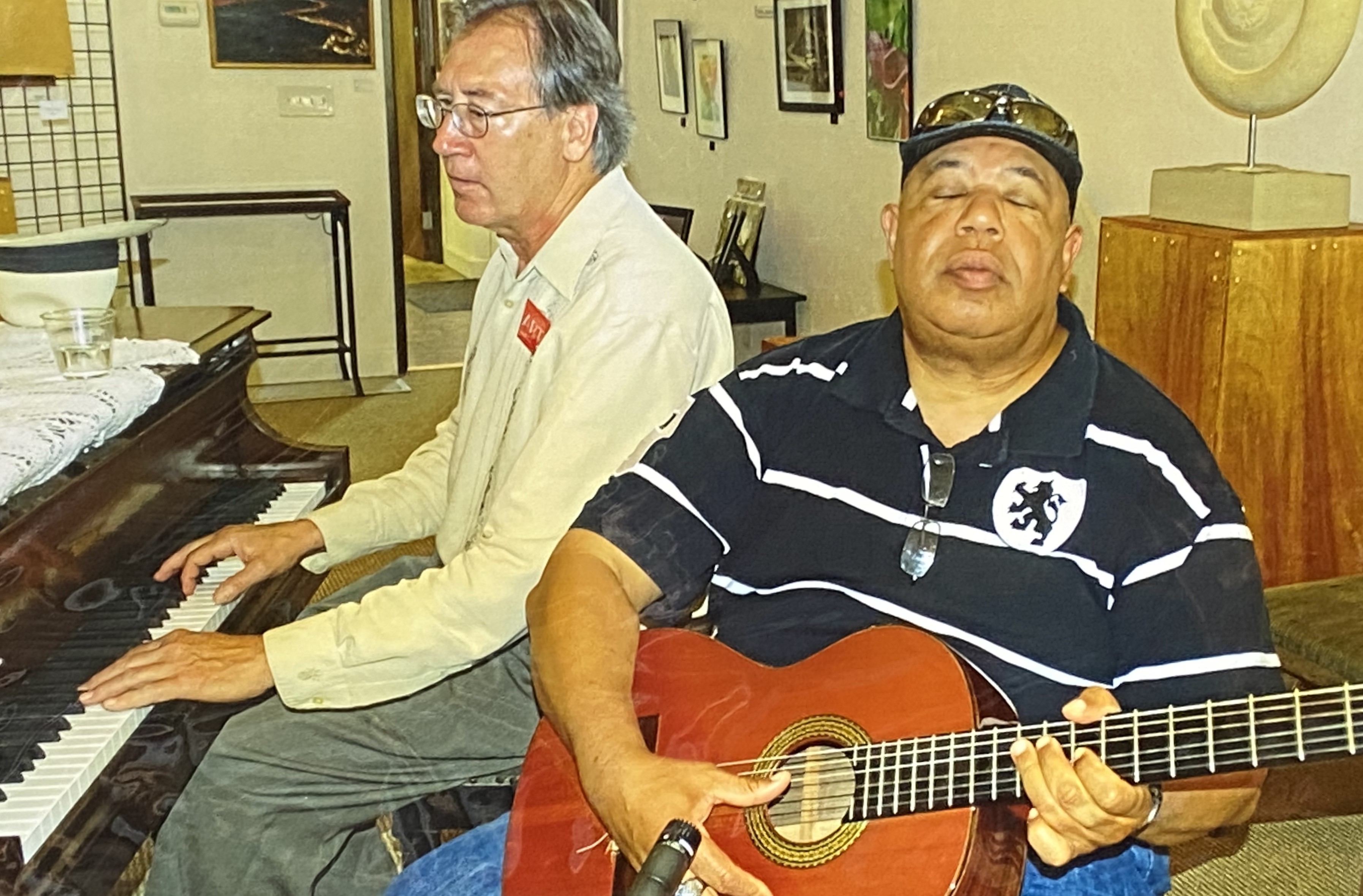
How many critics have opened their homes to raise a child brought into the world by others? I have. The adoption and the parenting of my daughter proved to be one of the most challenging decisions of my life.

How many have opened their homes, offering shelter to young women wrestling with an unwanted pregnancy? Instead of condemning the unknown young woman who chose abortion over adoption, I became an advocate for girls in crisis situations, offering my home to house them until delivery. I hoped that my actions helped reassure those women that their unborn child would be treasured in an adoptive family.

How many have experienced conversations with a woman who, after hearing my story of loss and adoption, tearfully confessed to ending an unexpected pregnancy years previously. She agonized over her decision and felt a need to apologize to me, an adoptive mom. I offered her my shoulder to cry on and my compassion.

There is nothing simple about this issue.  I’ve never encountered a child as young as age 10 who had to confront the question. I have heard, though, that there were recently three 11-year-olds in my state whose parents sought to end their pregnancies. It should be an individual choice, not something politicians can dictate.

I’m glad I was offered a choice. I chose life for my children. It was God who had other plans for some of them.

With the temperature of our planet climbing beyond the point of no return, there is much more to be concerned with now. I choose life again—life for all of us, born and unborn, children, youth, adults and the aging, people on every continent and island nation, the threatened species on our beautiful and diverse planet.

Preserve individual choice with compassionate support for distressed mothers and let’s move forward. We have a lot of work to do. I am not a baby-killer. I don’t want to be a planet-killer either.

Stop. Just Stop.

This is getting complicated.

So the word is out. There have been millions of babies killed through abortions since the procedure was legalized. I wonder about that. How many of those were fetuses that would never have lived, had they been born? How many procedures were done to save the mother’s life? I have grave reservations about the truth of that statement. Twenty-five million giggly babies just snuffed out? That’s trying to simplify a very complex statistic. After all, in recent years, the objections to terminating a pregnancy have yielded strict limitations on just what kind of pregnancy is eligible.

I am old enough to have come of age during the original fight to legalize abortion. When I was an adolescent, the procedure was illegal. But that didn’t mean abortions didn’t happen. And consequences were severe for desperate women seeking help. Too often, illegal abortions ended up killing or maiming the mother anyway. The legalization of abortion was a life-saving step. Just making it illegal will not stop desperate women from seeking to end a desperate pregnancy.

This all alludes to a sort of class warfare. Did you know, for instance, that 75% of abortions in recent years were for women at or below the federal poverty line? 60% of the women already had children at home that they couldn’t afford to feed. 55% of women who received abortions were single. They had precious little financial help to reach the $196,984 cost of raising a child to age 18. (Yes! Magazine Spring 2022)

It might have been in the early years that the procedure was sought too lightly. But no more. Today, almost all the people I know, pro-choice as well as pro-life, agree that abortion should never be used as a simple form of birth control. We must keep other contraceptives available and affordable and eliminate unwanted pregnancies. Is that a point we all can agree on?

You might find it surprising how many pro-choicers abhor the fact that some women have used abortion as a contraceptive. You might also be surprised how many of us pro-choicers, if offered the choice due to abnormal fetus development, would choose to continue our own pregnancies. After all, if faced with some dire news, you would do that. I would too. But it would be our own choice.

None of us have the right, though, to tell others what they can or can’t do. We simply don’t know all the details.

So has abortion been misused? Sadly, yes, by some. Therefore, you say, we should outlaw all abortions again. It’s just like:

A few people who misuse alcohol and drive drunk. Innocent people have been killed by drunk drivers. Obviously, we’ve banned all alcohol and all cars, right?

Or—A few people misuse guns, and go on shooting rampages, killing children in their school classrooms, and people in shopping centers or theaters or at parades. So of course, we have instituted a national ban on guns, haven’t we?

Oh. . . Wait. . . .

I get it. This is different.

Or is it?

Does mis-use of abortion by a few mean we have to remove that option for all? And if that’s what we gotta do, how about those guns anyway?  Surely the right to life, liberty and the pursuit of happiness for school age children is more important than the right to bear arms.

The intrusion into a person’s medical history and privacy is an unconscionable overstep by our government into our private lives and personal rights. None of us has the right to judge another on this extremely personal matter, nor to tell them what to do. We can offer love, compassion, and assistance, but we can’t make difficult choices impossible by removing options. There is nothing simple about pregnancy. Since every case is different, there is no single solution. All options need to be available. And nobody outside the triumvirate of parents and physician should even have a say in tough personal, medical decisions. No two pregnancies are alike. We can’t possibly know the inside stories of other families.

Vote No August 2. Keep abortion legal.

Reflections on Independence in 2022

In the aftermath of the high court decisions stripping people of privacy and personal rights, I have seen on Facebook where some of my friends plan to wear black on July 4. Some will fly the American flag upside down. And some will celebrate with cookouts and fireworks as always. I haven’t decided what I will do yet. Maybe I will enjoy the explosion of blossoms after recent rains. Flowers do a great job of mimicking those fleeting displays, without all the noise. Or maybe just sharing these musings will be my way of observing the 4th of July, 2022.

Thomas Paine wrote in 1776, “These are the times that try men’s souls.” We have more of those times this year, 246 years after the Declaration of Independence. In Kansas, the day of reckoning fast approaches. It’s interesting to me to note that the original document, though given the date of July 4, 1776, was not fully signed by our founders until August 2, 1776. August 2, 2022 is a very important day for Kansas voters. It’s our primary election day. But not only that, in their infinite wisdom (NOT!) the legislature slated a vote for an amendment on the Kansas constitution on primary day.

This is a problem because voter turnout is typically low for such elections. If you are an independent voter, you usually have no reason whatsoever to go. But this year, even independent voters have the right to vote on the proposed amendment. Use that right and cast your vote, even if it’s the only thing on the ballot you have a say in.

The amendment itself removes a woman’s constitutional right to an abortion and leaves it up to our “esteemed” legislature to decide when and if abortion as health care is warranted. That is a problem right there. These people are not necessarily doctors. Few of them are medically trained. Though some folks, notably the director of Family Life Services in a neighboring town, are confident that the legislature will not ban abortions for cases of rape, incest or ectopic pregnancy, I don’t share that confidence. I don’t trust politicians. Most of them no longer listen to the people they serve. (Kuddos to those who are still trying!)

A very concise letter to the editor of our local newspaper had the best summary of voting on this amendment that I have seen.

Simply this:

  • If you are pro-choice, Vote No.
  • If you are pro-life but want some exceptions in the rule for cases of rape, incest, and health of the mother, Vote No.
  • If you are pro-life and want zero abortions, zero exceptions, then you Vote Yes.


Where do I stand in those three groups? I think many of us lean toward the middle, and I am one of those. It is heartbreaking when a pregnancy becomes problematic, even more so when a mother has to make the insane choice about whether to end her pregnancy. We certainly don’t need to open the doors to prosecute women who have just lived through a personal crisis. Or to have investigators show up at the door of someone who miscarried, suspicious about a pre-meditated ending of the life of the unborn.

In a meeting I attended in early June, an attorney familiar with the Kansas constitution pointed out that since statehood in 1861, there have been 98 amendments passed by the people. This is one of a very few, perhaps the only one, that would REMOVE rights previously established by the constitution. Think carefully about this amendment.

Complicating the issue is the fact that abortions are already highly regulated in the state, so essentially the amendment is not necessary. Already, abortions must be performed by a licensed physician. They are prohibited after 22 weeks, except in cases of life or health endangerment. Late-term abortions, and abortions based on gender selection are absolutely prohibited. Private insurance coverage is limited to cases of life endangerment. Public funding for abortion is available only in cases of life endangerment, rape, or incest. Patients must undergo an ultrasound before a procedure. There is a 24 hour waiting period after state-directed counseling prior to a procedure. Parental consent is required for minors seeking an abortion.

Just as no two people are alike, there are no two pregnancies alike either. In my own immediate family there are six women, from my mother, to her three daughters (of which I am one) and my two daughters. Though all six of us bore children, four of us experienced failed pregnancies. That is 67%. For us, those pregnancies were wanted, the babies anticipated, and their natural demise was tragic. If abortion becomes illegal—zero exceptions—the grief we felt at our losses could be compounded exponentially in future miscarriages by investigating detectives and charges of murder.

If you have never experienced a failed pregnancy, count your lucky stars. Current statistics on failed pregnancies (miscarriages and stillbirths) indicate that 20% of conceptions in North America fail naturally. For those families who eagerly anticipated a bright bubbly baby, and have to go home to an empty nursery, the pain is already too much to bear. It is unconscionable to add the possibility of prosecution for the failure on top of it all.

Given current trends to thwart environmental protections in favor of big corporations, the incidence of failed pregnancies is likely to explode. Naomi Klein states in her book This Changes Everything: Capitalism vs the Climate, “For all the talk about the right to life and the rights of the unborn, our culture pays precious little attention to the particular vulnerabilities of children, let alone developing life. Risk assessments most often focus on effects to adults.”

She quotes biologist Sandra Steingraber who has studied the issue. Steingraber: “Entire regulatory systems are premised on the assumption that all members of the population basically act, biologically, like middle-aged men.” [5’7”, 157# white men at that].

Klein puts it into perspective: “More than three quarters of the mass-produced chemicals in the United States have never been tested for their impacts on fetuses or children. That means they are being released in the environment with no consideration for how they will impact those who weigh, say twenty pounds, like your average one-year-old girl, let alone a half-pound, like a nineteen-week fetus.”

And yet, it’s becoming clear that proximity to environmental degradation, including fracking, increases low birth weight by 50%, and the chances of a low Apgar score double at birth. Communities near refineries or massive tar sands extraction are seeing the normal miscarriage rate double.

The recent high court ruling against the EPA’s ability to regulate emissions from power plants almost certainly will increase environmental hazards. Mutations of growing fetuses, viability at birth, and the incidence of miscarriage will increase. Be prepared.

With a nod to Thomas Paine, These are the times that try a woman’s soul, as well as all who value constitutional freedom.

And in Kansas, the choice is clear. We must keep the option of abortion by trained medical personnel open and legal.

Vote No on the constitutional amendment August 2.