Heirloom Begonia

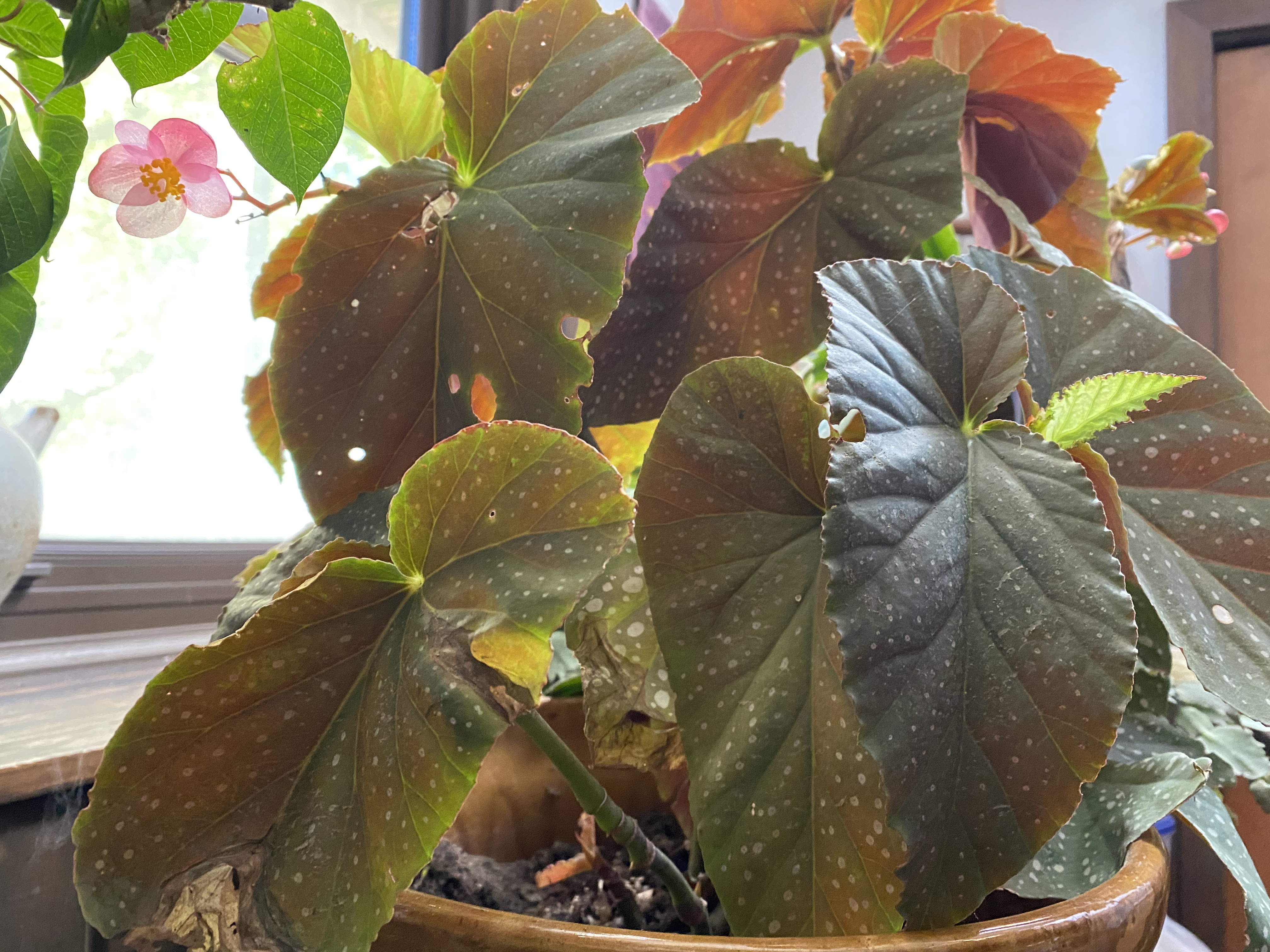
I conclude my series on Plants that are some of my Favorite People on this last day of 2025 with a tribute to a cherished begonia and the people she represents. Long ago, my Grandma Georgia tended her angelwing begonia in the west window of her front room. The stand beneath it was likely crafted by my dad, her son, in his woodworking shop. All of her grandchildren noticed this solitary plant, the only one she kept inside. Its showy speckled leaves were indeed shaped like wings, with many colors—from green to red, and silver speckles. Grandma told me that she had received this begonia from her mother, who got it from her mother, and so on and so forth. It is a living family heirloom. The cuttings keep going over many generations, and decades, and multiple centuries. Who is to know how old this plant really is? For Grandma, it dated back to the 1800s. It’s now part of my 21st century garden.

And so the angelwing begonia is esteemed in my collection. It represents the family’s values—among which are resilience, persistence, continuity, and devotion. It is determined and dedicated, regardless of its human caretakers, and just keeps on keepin’ on, fulfilling the purpose the universe has assigned to it.

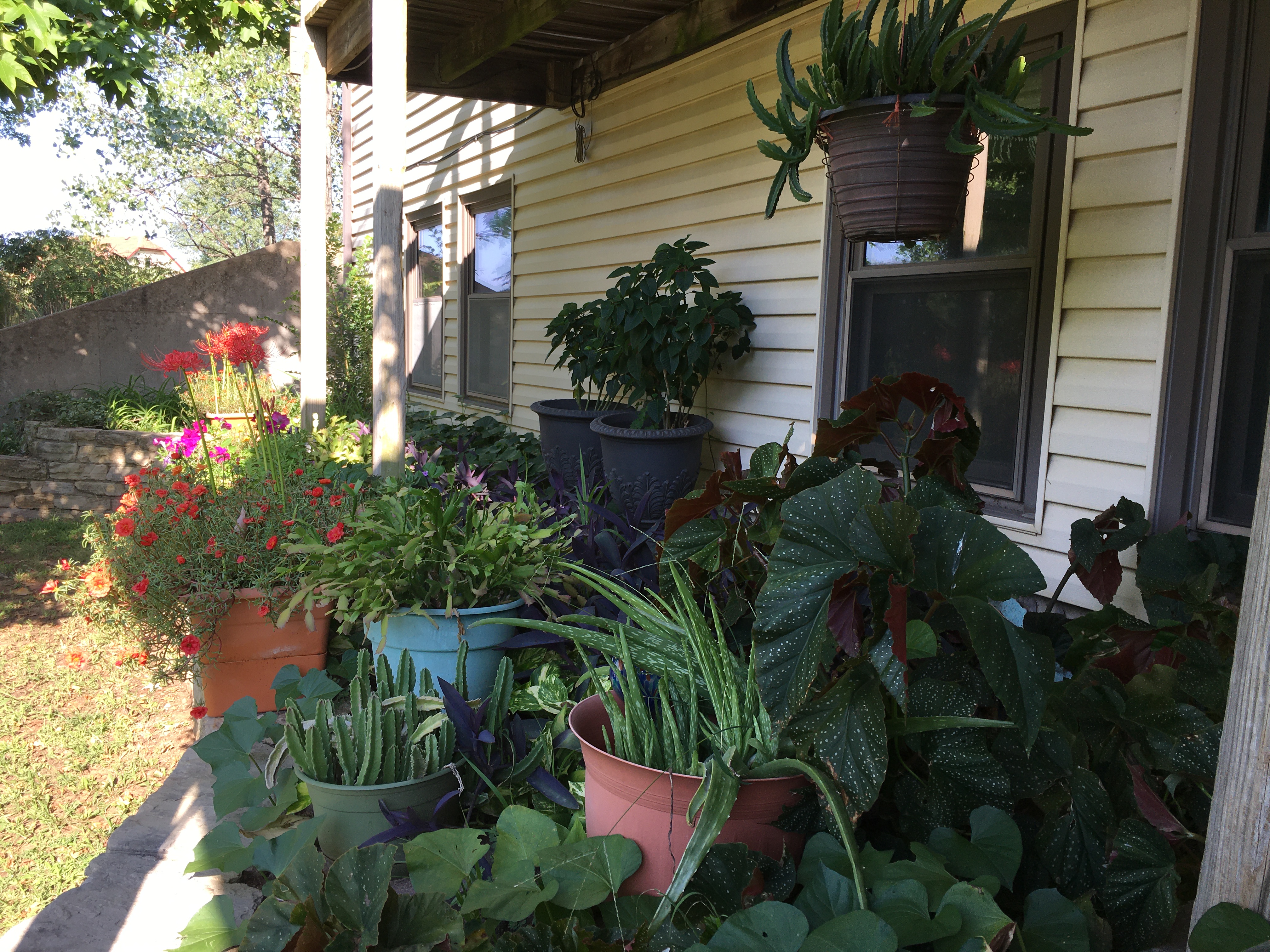
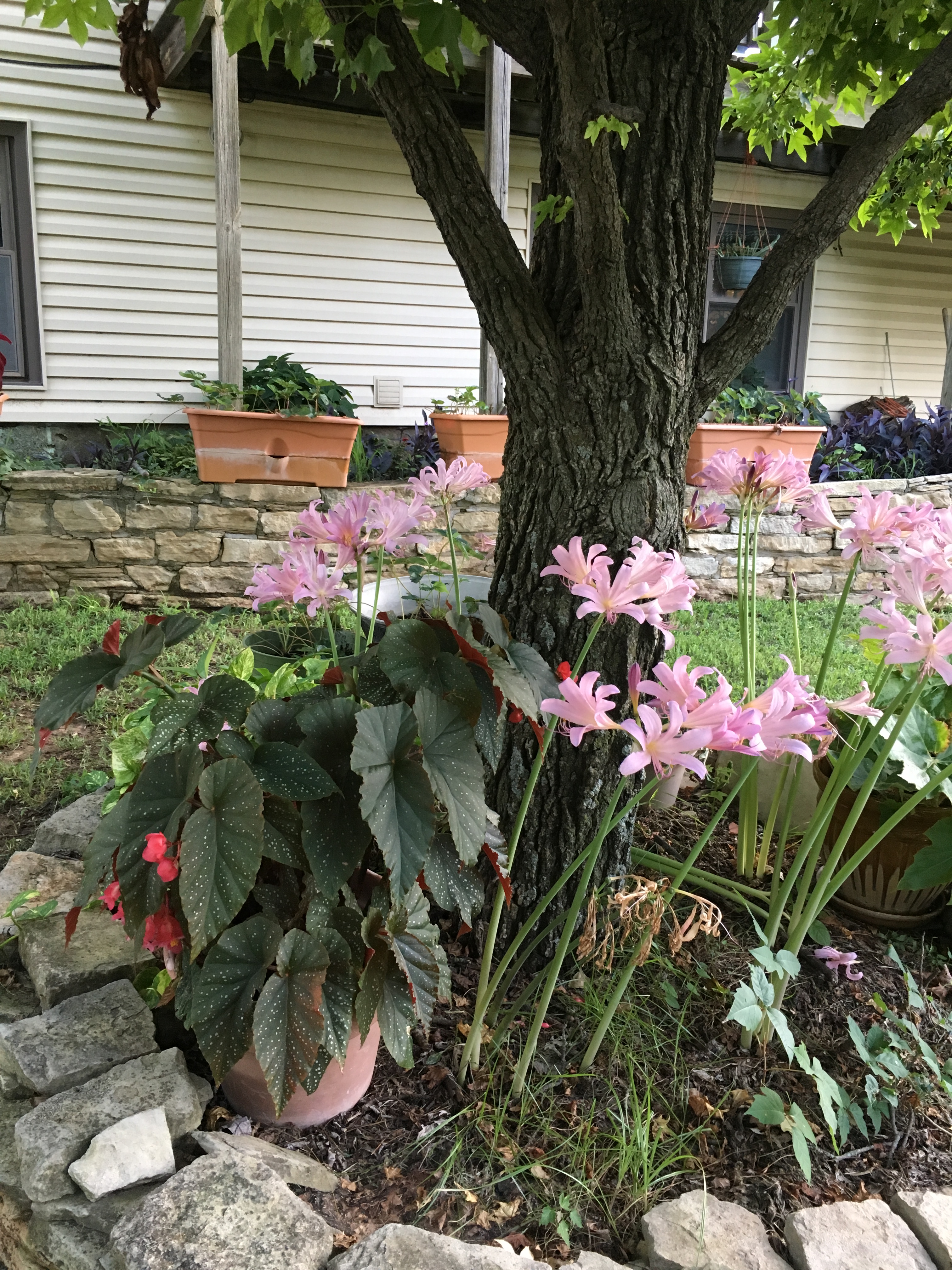
My treasured angelwing begonia has graced my window ledge in winter and the outdoor planting beds in the summer for many years. Like Grandma Georgia, I have shared cuttings with cousins, sisters, nieces, and friends. With appreciation for the begonia’s connection to my grandmother, I saved this post for the last in the series for two reasons. One was the reminder of the cyclical nature of life on earth and the resilience of life as we prepare to welcome a new year. May the begonia deliver hope for the weeks and months to come.

The second was to honor the memory of a dear cousin who passed away one week ago today, on the day before Christmas. Like my sisters and me, she was a granddaughter of Grandma Georgia. One of my favorite memories of Maureen is her quiet request for one of the begonia cuttings a few years ago. I prepared one for her and we met in the parking lot of the Episcopal Church in Derby for the exchange. Now my angelwing begonia connects me to her as well as other loved ones who have donned their own angel wings in the great beyond.

Maureen, you will be missed.

On the Verge

Remember what it was like. After a long wait, it finally happened. With guarded optimism, you look forward to the big event. Though you know things can happen, chances are you won’t be in that slim margin. So you dance. You laugh. You hug everyone and share the good news. You imagine life after the event, the realization of a dream come true. The anticipation of anniversaries, holidays, and journeys to wondrous locations, savoring the unfettered excitement as your long-awaited dream discovers the world. Never a dull moment. Of course there will be challenges, but nothing you can’t work through and be stronger for it. You look forward to years of living, loving, and learning together.

Until there are none.

It all comes crashing down. Something was wrong at a routine checkpoint. No  heart beat. Emergency trip to the hospital. Before you have time to process the news, joy morphs into heartbreak. A birth becomes a funeral. It’s over. Dreams die hard.

After November 5, it struck me how similar the election loss was to the loss of an infant. Though it’s been decades ago, I feel the same sad aimless wandering and hopelessness with the election results as with my two sweet babes who died before they had a chance to live. Gone are the anticipated celebrations and birth anniversaries. Gone are all the anticipated years of discovering the world together. Gone are the memories and the history I looked forward to making.

Every morning brings more bad news to my inbox and I move through life on the verge of tears, almost—yet not quite—ready to open the floodgates.

How will I manage the coming hard times? How will I step forward, keep moving, go through the motions, when my heart is sorely wounded? How can I show up for others when I can’t even manage to cheer myself up? Where did all the good in the world, all the anticipated conquests of our precarious future—where did they go?

One of the writers I follow suggested asking two questions every day.

  • What do I still know and believe as truth?
  • Is my heart still beating?

In other words, my values remain and I can embrace them until my dying breath. It reminds me of the weeks and months following the burials of my sweet babes. It’s been forty years. (Almost 43 for the first and 42 for the second.) How did I work through the devastation?

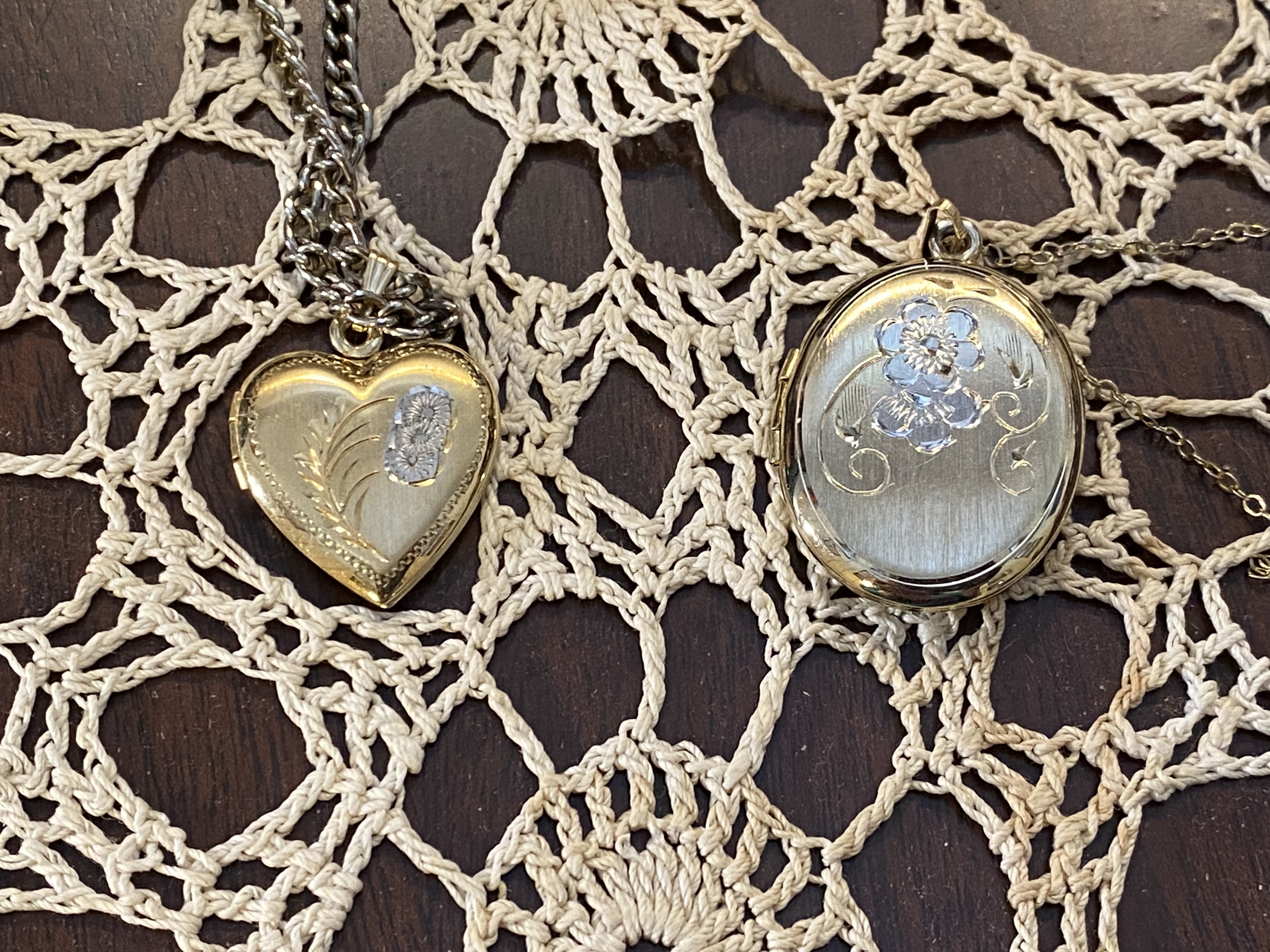
Perhaps some things I did then will help now too. I journaled regularly, poured my soul onto pages in my notebooks. With tiny locks of hair and photos that spoke to me, I made lockets and hung them near my heart. Little by little, I dared to venture forth. I told myself I would make choices and take actions—small at first—but I would do it for the lost children. I would live for those who didn’t have the chance, and I would face each day for the sake of my lost loved ones. I would do my best to make a good life. For them.

I don’t know what lies ahead, though I face it with a certain amount of dread. I can only work with what is here, today, and do my best to make a difference for my family and for as many others as I can.

Do all the good you can,
By all the means you can,
In all the ways you can,
In all the places you can,
At all the times you can,
To all the people you can,
As long as ever you can.
― John Wesley

Grieve and then Resist

Here we are, one week post-election, one week post D-day (diagnosis day for our flailing democracy.) Most of you share the horror and grief I feel after the count, so I’m “preaching to the choir” so to speak. If you happen to be someone who felt smug and victorious after the tally, I don’t know what to say to you. When my nephew was left homeless after a hurricane ravaged his mountain town (Asheville) 400 miles inland, when cousins in southern California find their neighborhood threatened by raging wildfires, when my Cuban friend’s parents near Havana have been without electricity for weeks, I am dumbstruck to realize so many of my countrymen would vote for an aging insurrectionist, convicted felon, rapist, and conman when one of his first orders of business is to increase the drilling and use of fossil fuels.

Are you one who would object, “But wait, I didn’t vote for him!”  Yet at the same time, you couldn’t bring yourself to vote for the one candidate who had the best chance to defeat the ugliness and destruction that’s bound to happen. Since my first visit abroad in 1977, I have worked to disprove the myth of the “ugly American.” Yet with this election, you have helped engrave it deeper in the history of the world.

Most of my friends, though, feel as I do. We’re compatriots, we’re family in a broad adoptive sense of the word, and I take comfort from our conversations and correspondence. We need each other to talk to, to share our mutual pain, our disbelief, and our fears. It means a lot to me that we have connected, not only during the weeks before November 5, but in the days since. Bolstering friendships has been one positive thing to come from this heartbreak.

A couple of thoughts about the outcome. I find a smidge of agreement on one of the MAGA points, though the target is polar opposite of theirs. We should beware one certain immigrant from South Africa who just bought a president with his billions.

For those who were all about—“Oh, the New World Order! We can’t have that. Biden has those plans in WRITING!”

Welcome to the New World Order. After the election, Elon Musk crowed on his X account, “Novus ordo seclorum” (Latin for New World Order.) And the written plan? Project 2025, which some have claimed was all lies. They aren’t even trying to deny the project now, and it has been in WRITING the whole time.

For the rest of us who are hurting and grieving over what we’ve lost—a country founded on democratic principles—I will say a few words about grief. We’ve probably all faced loss at some earlier point in our lives. As someone intimately familiar with that deepest of human emotions, I will remind you that you are not alone. Please remember that there is no “right” or “wrong” way to grieve. Allow yourself the privilege to mourn as you are called to, and then join the resistance. I caution you not to blame yourself for the election’s outcome, especially if you did everything you could to prevent the disaster. Try to avoid assigning blame to others, also. There is likely a myriad cluster of circumstances that brought this on us and we will all suffer the consequences together. Some groups will feel it first and worst. We need to support those of our friends who are at greatest risk.

From my own history of loss and recovery, I will offer this: it’s easier in small doses. One day at a time. One hour. Maybe even minute by minute. To that end, I plan to start a thread called, “Just for Today,” in which I’ll share ideas for facing the world and resisting the worst, finding resilience and ways to persevere. If you have ideas to share, let me know.

(See Post #1 Just for Today: I will find something beautiful provided by Nature.)

Many Facets of Grief

“This is so sad.” My husband said as he read a post on Facebook.

A former student of his, now working as a nurse in Wichita, had found her soulmate and recently became engaged to a man at the hospital where she worked. He was an EMT on helicopter runs. They excitedly planned a wedding and looked forward to their future together.

Then the helicopter he was on crashed in Oklahoma on a return flight from delivering a patient. Her fiancé, the love of her life, died in that crash. And her world fell apart.

It is sad. My husband looked at me and asked, “Do you think it would help her if we sent your book?”

He was referring to my memoir In the Shadow of the Wind, telling my own story from younger years of a lost love and how I was able to embrace life after the loss. “Someday maybe,” I answered. “This is too fresh for her. The book can be hard to read if your grief is fresh.”

It got me to thinking about grief again. We all experience the devastation of loss at times in our lives. To love someone is to risk heartbreak. One or the other in a loving relationship will someday face that inevitable loss. You just hope it will be years down the road, not tomorrow. But when a tragic accident happens, what can we do to help the survivor?

First, I think, we need to understand that every loss is complex. If no two people are identical, it can also be said that no two losses can be the same either. Nor is there any “proper” way to grieve. Each survivor has to find their own way forward, best done without others suggesting that they need to try a different approach, that their feelings are wrong, or mistaken.

There is no proper way to grieve. What we can do to help is just be there. Offer hugs, if hugs are wanted. Listen to a grieving friend without trying to solve a problem for them. Just listen. Give them a safe place to open their hearts and work through their grief.

It’s easy to understand the emptiness someone feels when they lose a friend, a fiancé, or a spouse. It’s perhaps more difficult to realize the many faces their grief takes on. The young nurse who lost her love already knows that the future they planned is gone. It no longer exists. She grieves for their lost years. Perhaps they talked of children. They too are gone, before they were born, along with all the family holidays and vacations, birthday parties, visits to grandparents, sports outings—everything that might have been is different now. It has changed and cannot be recovered. Each of those burst dreams compounds her feelings of grief.

What this newly bereaved nurse can benefit from are friends who listen as she rails against the universe and cries for her fiancé, and as she bemoans those babes who will never be born, as she lets go of the future they once dreamed together. She needs friends who wrap her in love and compassion and offer hugs to ease heavy arms that ache to hold her soulmate and those babes. She needs friends who travel the path with her as she lets go of a future that has evaporated in a fraction of a second, and give her permission to grieve in a way that works for her, never pushing her to be done with it, but recognizing that her journey is her own.

There is no right or wrong way to travel that road. The upheaval will grow easier with time, but the journey never ends. And each survivor’s path is unique.

Day 4: Hot Buttons and Getting Hotter

Dear Tanna,

The top priority in changing the course of our nation for some people is to abolish abortion. But I don’t think it’s that simple. Abortion is not an either/or issue, not simply “yes” or “no.” It’s not black and white. There are many shades of gray. There always are with complicated issues.

For me, the environment is the hot button issue. Exploitation, degradation, and destruction of the natural systems we all rely on for basic necessities are the biggest problems we face. Environmental destruction will destroy us, if we don’t hearken to the urgency. And then it won’t matter if women can govern their own bodies, or if we can shop for the latest fashions, or a new car, or even if we have enough to eat.

It. Won’t. Matter.

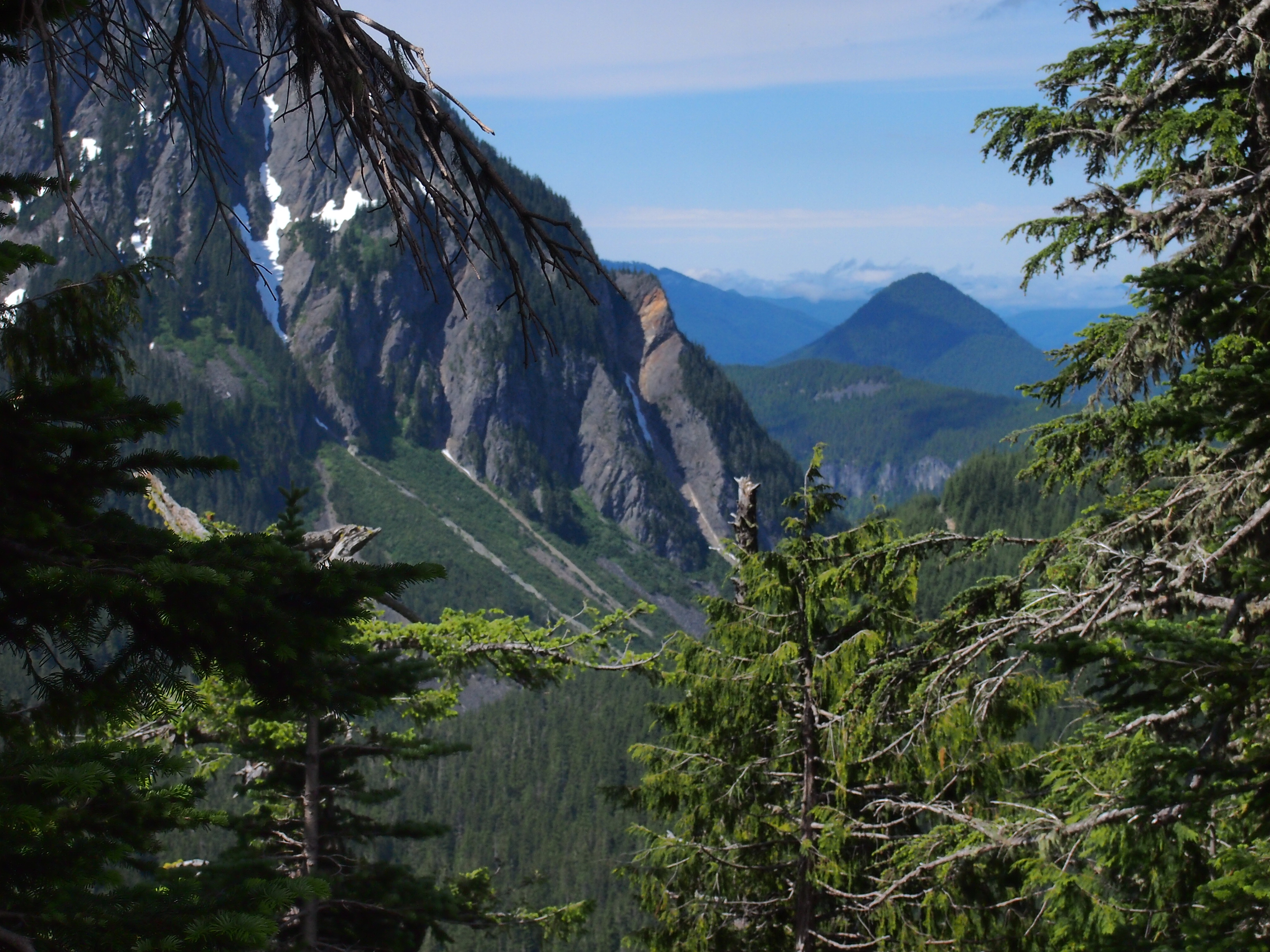
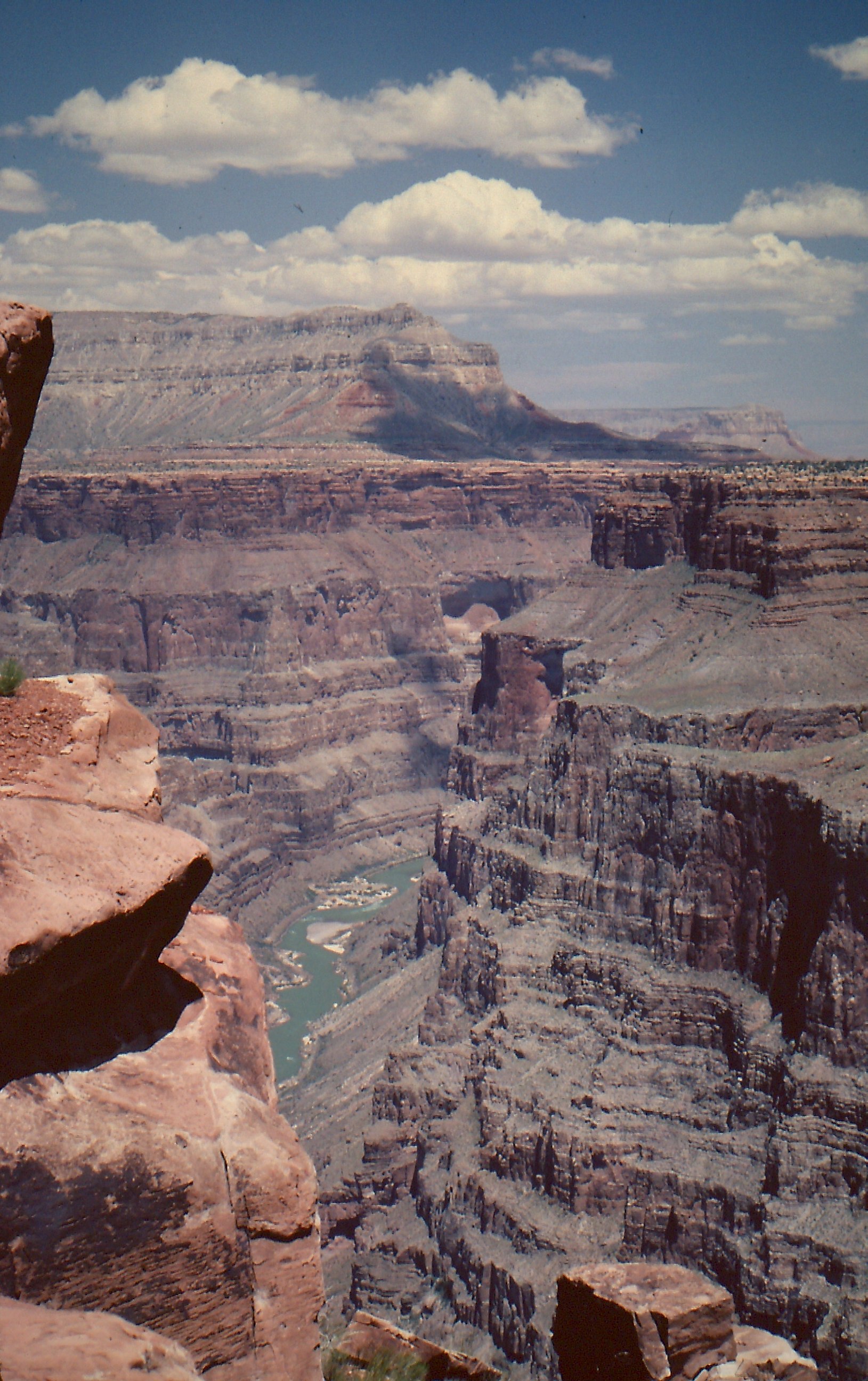
My love of the natural world goes back to my childhood. We traveled and camped every chance we had, all over the western states. I hope, Tanna, that you will have access to the amazing redwood forests like I did. I hope you will experience awe as you look over magnificent mountain scenes, canyons, rivers, and oceans of grass. This is truly a remarkable land and I hope we find the ingenuity—and the will—to preserve it far beyond your generation. Like every other child, you deserve the chance to feel wonder at the annual butterfly migrations, to catch your breath when an unexpected wild visitor turns your head, to watch a white-tailed deer chew its cud, to fill your lungs with fresh, clean air in an autumn breeze.

The concern for our wanton destruction and exploitation of nature is not new. It was well documented before I was born. By the time I entered college, there were ecology classes focused on our careless destruction of the natural world, and what that would inevitably mean to every living thing on the planet.

We are some of those living things.

To me, nature is teacher and healer, a holy place where I retreat to seek the divine. Nature can be that for you, also, if you learn how to listen.

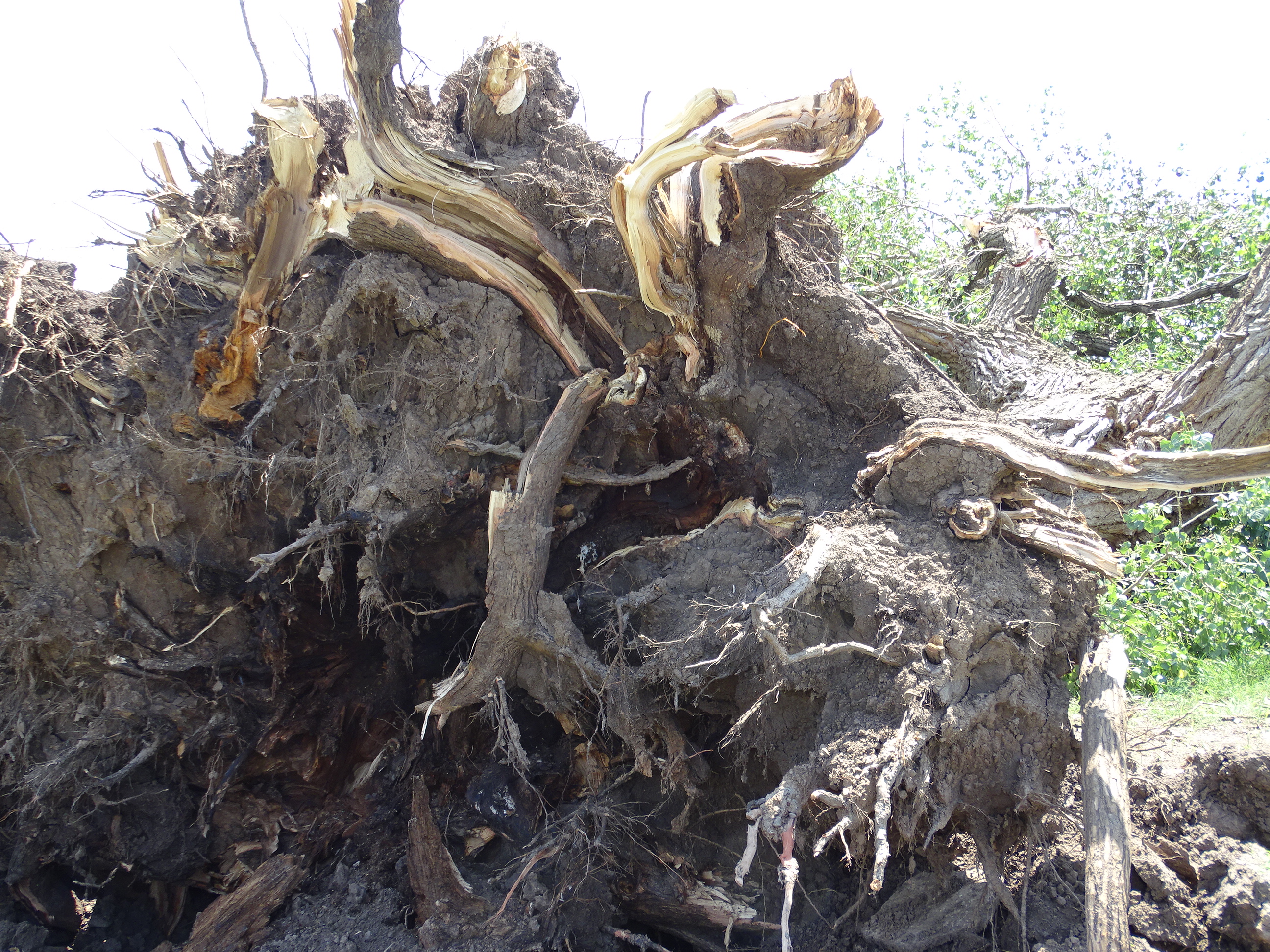
I once watched an exhausted moose lunge through shoulder-deep snow and I learned the dangers of choosing an easy path. In a downpour I heard the rain plummet from the heavens and it spoke to me of cycles in life. I watched a family of ducks chase madly from one point to another and back again and I saw human fads and opinions mirror the whimsical parade of a flock of ducks. I watched my best friend waste away in a losing battle with cancer and I understood how the growing demands of humanity sap the vitality of our home planet in a similar fashion. Meadowlarks leapt into the wind so they might gain lift and fly away. And I learned I must face the adversities in my life before I could ever rise above them. A stately and beautiful tree crashed to the ground in tornado-strength straight line winds, and whispered that sometimes our roots will not be able to support us against a barrage of adversity. Messages arrive on the dust of a sunbeam and the wings of the wind.

Long ago, I read books by Thor Heyerdahl. One was titled Fatu Hiva: Back to Nature.  In the narrative of his return to simple life on a remote island, he described the music he found in nature. “There is fine music everywhere in nature between moss-covered stones and foliage. . .The lights, the colors, the sounds, the perfumes, the touch, the shapes were never the same, and were always playing on our minds like a vast orchestra. We could hardly take in more music—and I do not mean the singing of birds and the tinkling of a rivulet: . . .I mean music beyond the eardrums. We have had to create flutes and violins to leave impressions deeper in than the eardrums, where nature used to play.”

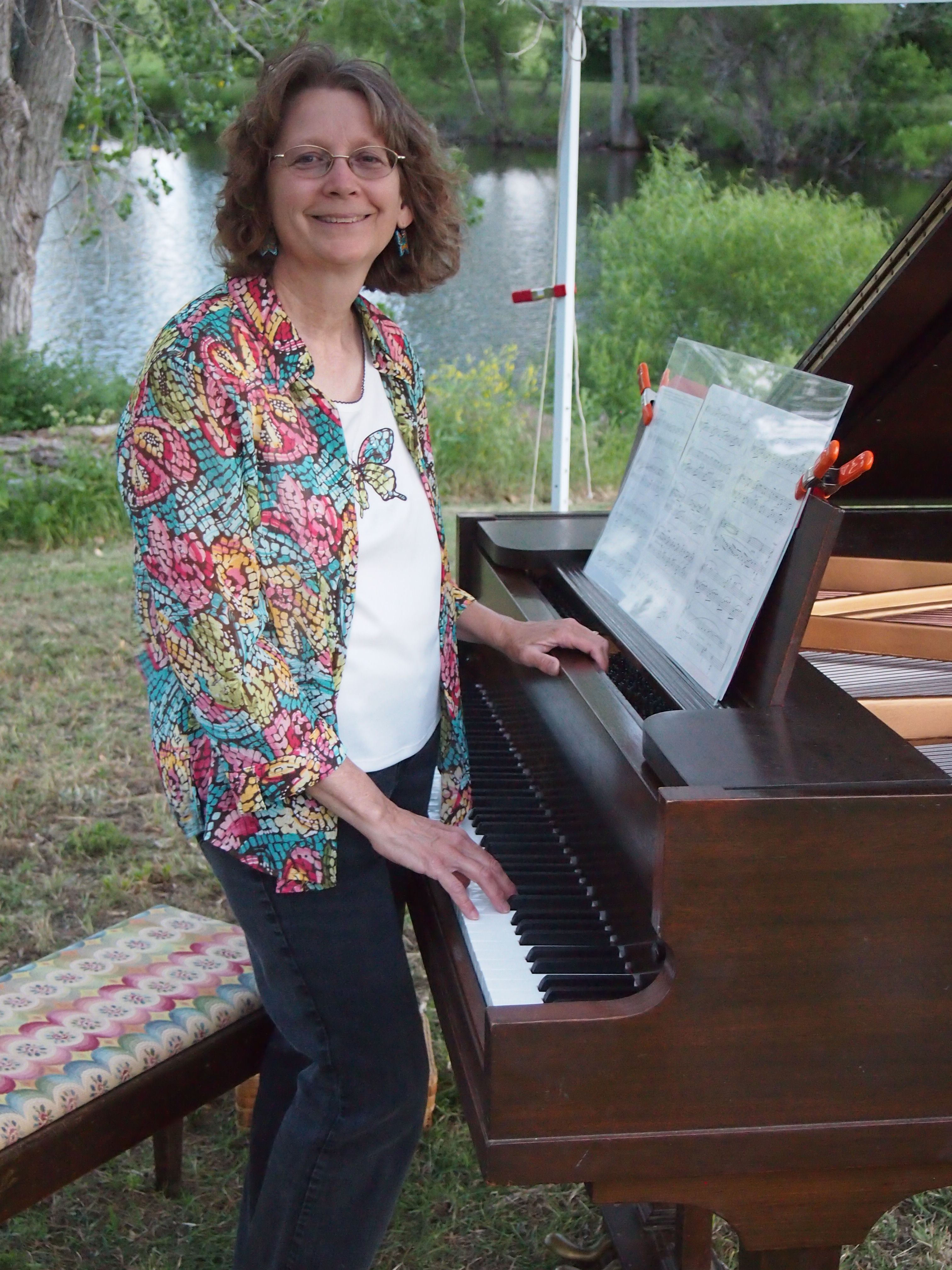
The musician inside me revels in the symphony of nature. I have delighted in taking piano students (and a grand piano) to outdoor recitals where every piece they played showed a musical glimpse of nature. Everything we humans have created has its source in nature, one way or another. I cannot find words to describe that inner union of my consciousness with the constant prairie symphony in my backyard. Without nature, I would be nothing.

Nature is not exactly constant. It is, if anything, constantly changing, providing variety in daily life. Even the sky presents many faces and no two are the same. We see a lot of sky out here above the prairie. It is our grandiose landscape. Clouds provide our mountains, the earth propels us forward, and the view changes hourly.

From observing my grandchildren, I realize fresh eyes see things as new and wondrous, no matter how much they have changed in my lifetime. My wish for my grandchildren—times seven generations and more—is that they never lose a sense of wonder. Natural processes continue. Even the Earth’s response to humanity’s bludgeoning of the biosphere is Nature’s way to restore a sort of balance. What will emerge from this process is something I can’t imagine, but will be awesome in its own right. Perhaps your generation, if there is one, Tanna, will be able to answer that question.

In the evolution of homo sapiens, our intellect seems to have surpassed our compassion. We have developed the ability to manipulate the physical world—to the point where we even create earthquakes—but not the will or the heart to care enough to halt in our tracks and find another path, a better path, a path that leads to sustainability and life for future generations.

Currently I am dealing with a sense of profound loss for what I once knew the natural world to be. In some ways, this can be compared to the radical loss a person feels after the death of a spouse and soulmate. The loss of a spouse is a radical loss, tearing a hole in the fabric of your being. You not only have lost a person, a partner, and a friend, you have lost a marriage, a relationship, the shared experiences, the dreams and plans you made together. Everything—Yes EVERYTHING—has changed.


What do you do? Widowhood can become a very empty place. In some respects, the changes occurring on Earth are like witnessing the last agonized moments of a beloved soulmate. Many of us are grieving already, to the point where we are paralyzed by hopelessness and inaction.

Grief is not possible without love. And, perhaps, love is not possible without grief. If you never feel sad, lonely, or in despair, you will never appreciate the times you feel ecstatic and joyful. I treasure the joyful memories of a vibrant natural world. The process of working through the sense of loss makes me wonder many things. Are things so far gone that there is no hope? In our final attempts to right the wrongs of humanity toward nature, are we merely playing as hospice workers in a futile attempt to ease that final decline?

“Hospice care is a special kind of care that focuses on the quality of life for those who are experiencing an advanced, life-limiting illness.” How can one person provide this kind of care for an entire dying planet? How can thousands of us? Millions? How can we restore quality to the living systems surrounding us?

That is a huge question. I think the answer begins with hope. And I will tell you more about that tomorrow.

With my enduring love,

Your Seventh Generation Grandmother

Your Dreams are Over

Tribute to a Friend who Died much too Young

J. Scott, your dreams are over,

Snared in your youth by the Big M—

            Heartless,

            Trickster

            Devil.

Your gentle tortured soul now free

            But

Your words live on in our troubled world.

The genius of your soul—

Kneeling in awe of the literary greats

F. Scott (you know) Fitzgerald

            Hawthorne

            Rowling

            Thoreau

            Bronte

            Tolstoy

            Huxley

            Tolkien

            Dickens

            Lee

Spouting quotes from the pens of the masters

You read long before.

Once.

Genius.

The journeys you drew me into

Expanded my understanding of family.

We are all part of

            The human one.

You took me places I’d never dreamed.

            Courtroom witness stand

            Visitation at a Maximum security

Lockup

            Pre-dawn in the empty parking lot

                        Of the Johnson County Jail

            911 emergency call for an

                        Ambulance

            Visits to a residential rehabilitation home

Through it all you shared your dreams

Your hopes

Your disappointments

Your fears


Your open, gentle spirit showed great devotion

To young Kassidy, a child sister ripped by cancer

From this heartless life.

“I love God,” she taught from her heart.

“And God loves me. That’s all there is

            To it.”

In your world religion rejected and

            Judged you

            Without mercy

For your deviations from the norm.

Kassidy showed you—God Is Love.

But not even she could stop Big M.

You searched for your place,

A home that would love you always.

On the journey, you befriended

            The friendless,

Fought for those

            In the margins.

You took up causes of those

With little voice.

And you wrote for them.

Because you were one of them

And they needed you.

The Pen is Greater Than the Sword, Scott. Or the Needle.

And your words live.

            Even if you don’t.

Big M stole you from those who care.

In this age of rigid conservatism

And legal discrimination,

The civic powers criminalized

Your disability.  Your addiction.

When you needed help,

They served you blame.

They pulled the rug of security

And assistance

            From under your feet.

And you fell.

Forever.

In your words, “Life is suffering. . .

            But God is Love.”

As your spirit takes its first

Hesitant flight in freedom,

May you find the Winds of that Love,

And may they bear you

            Ever higher.

                        Scotty.

The wind is blowing.

Rise up with it and ride.

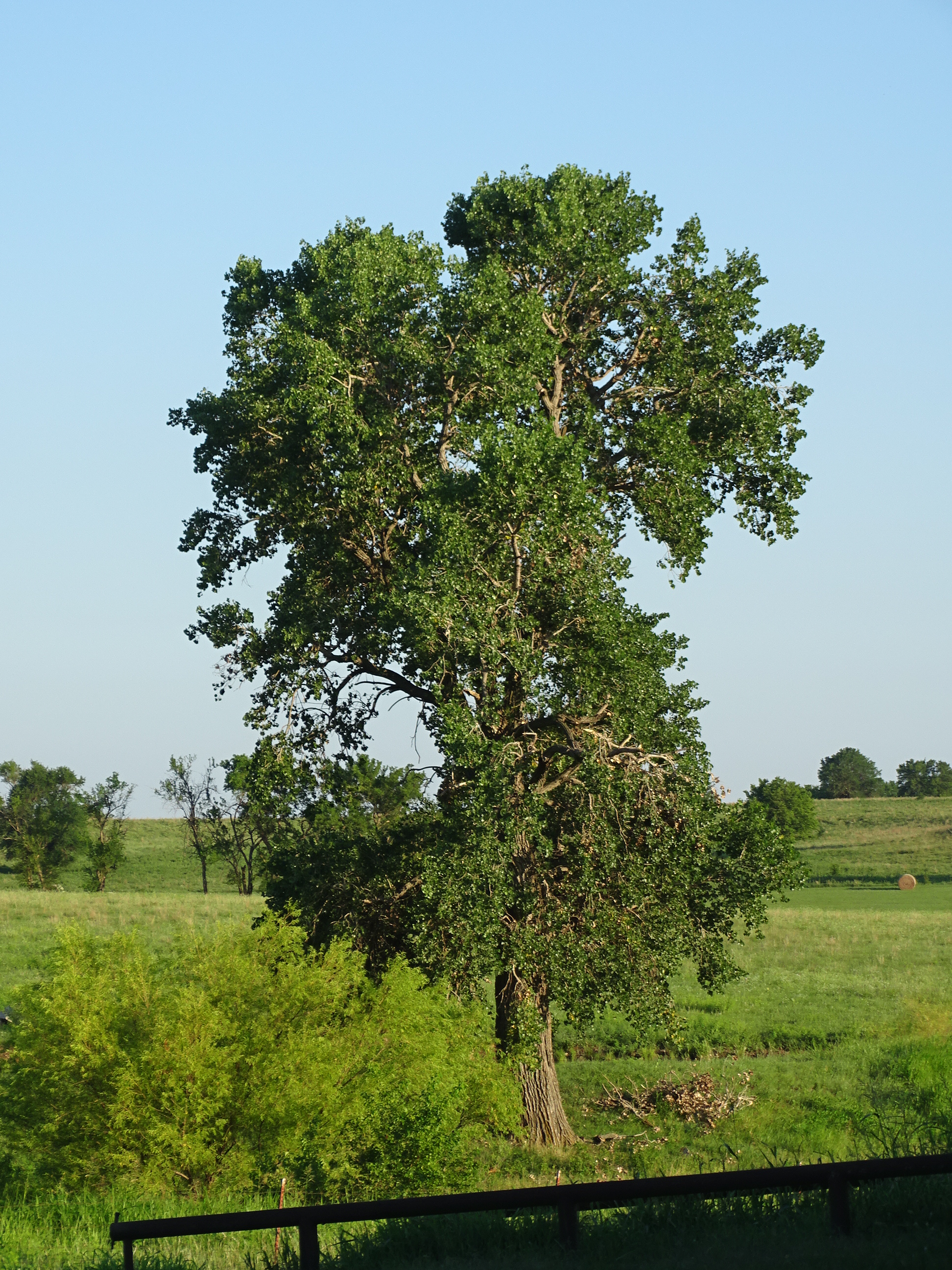
Tears for a Tree

 
Passed daily on my way to anywhere—
The world’s most beautiful tree,
Stately, spreading limbs, shading
Cattle on hot summer days,

Praying to the sun through winter’s dormancy,

Rustling leaves in a fresh spring breeze,

The symmetry—the shape—taking my breath,
My admiration, my appreciation, my awe.

Set in the valley downstream from our pond,
Water and sunshine in abundance,

A monument along the highway,
A monument to life, the perfect cottonwood tree.
 
But not quite.
 
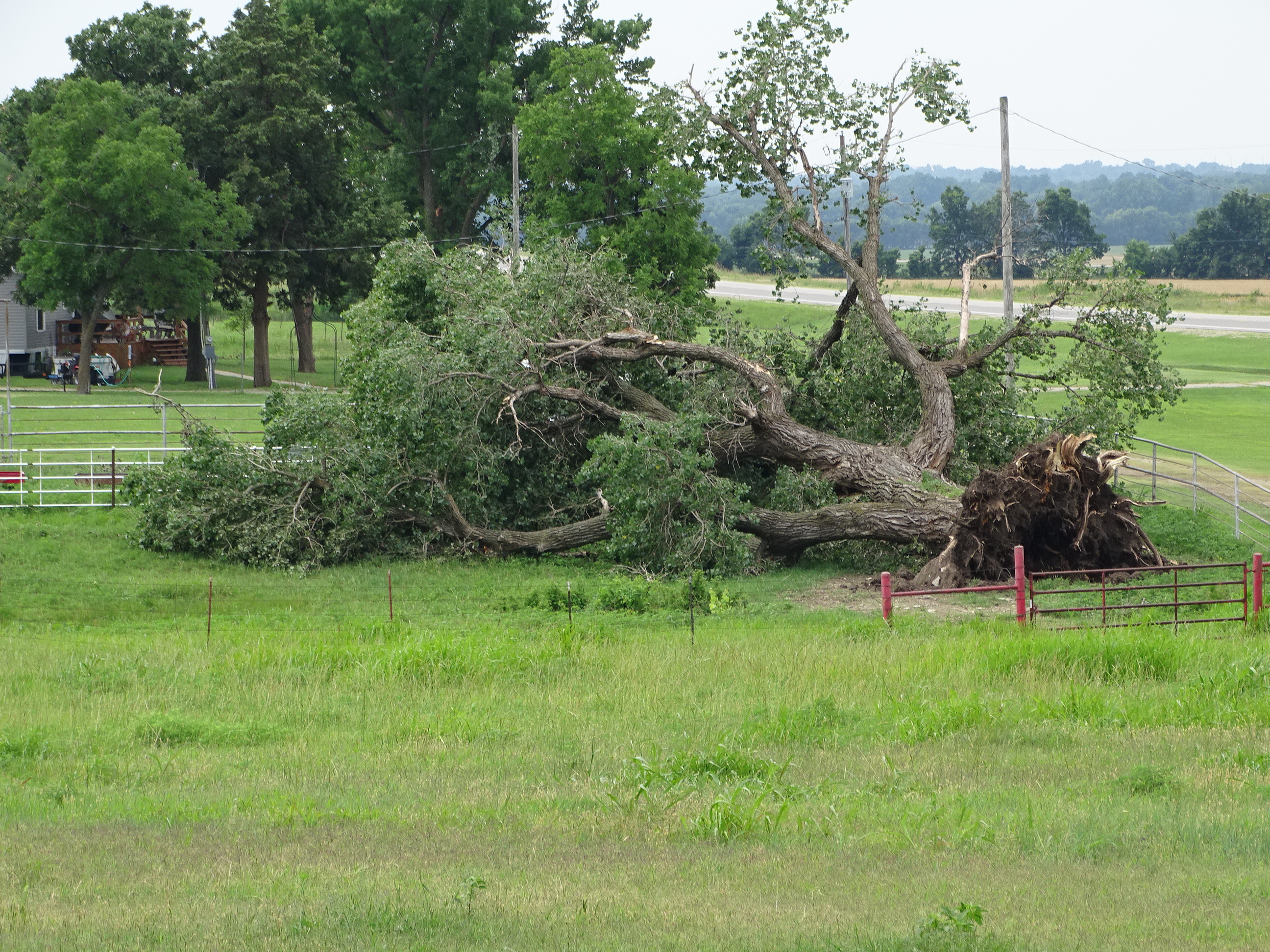
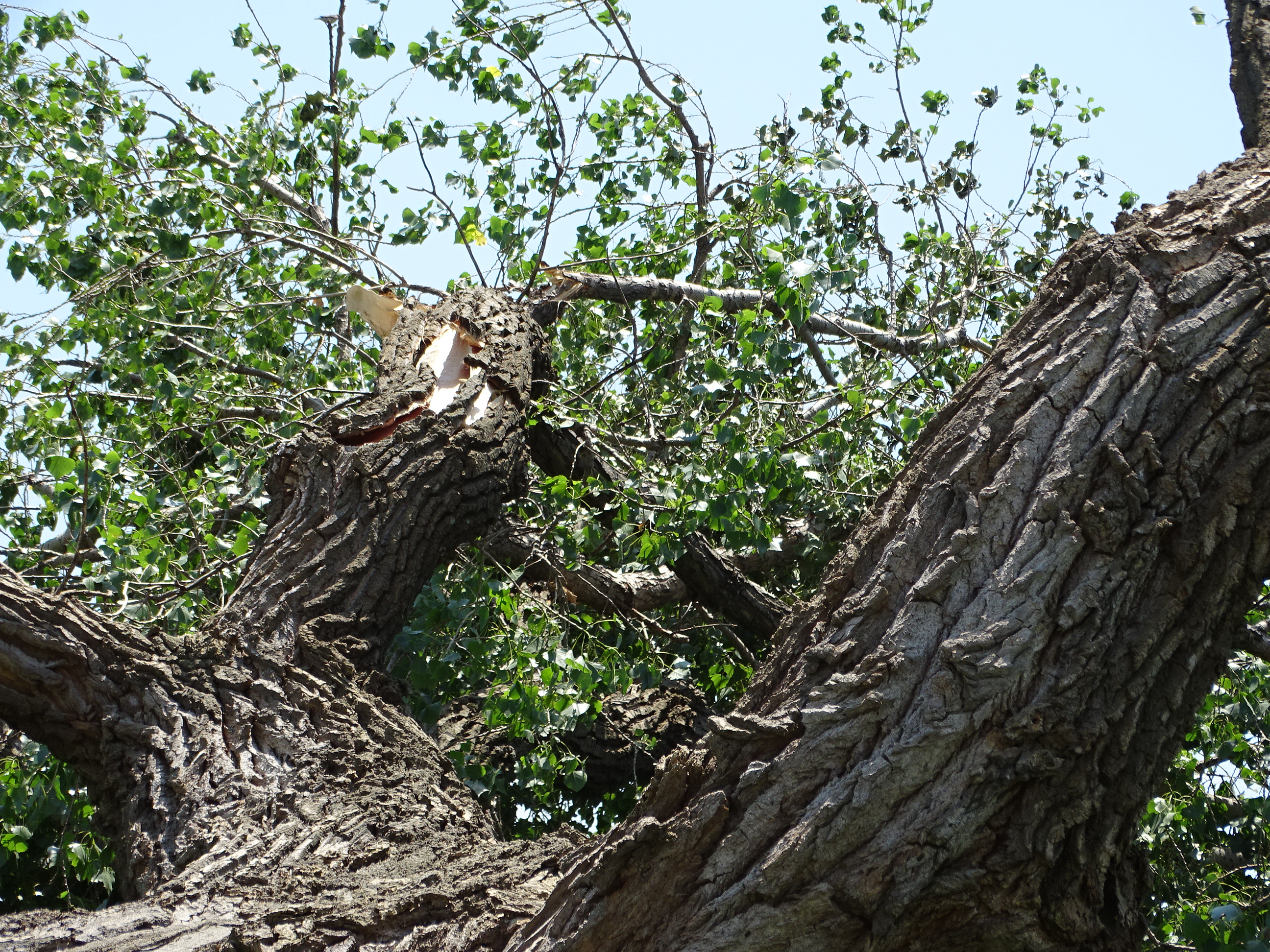
Mired against a culvert passing beneath the pavement,
The roots incomplete, impossible to anchor against moving water
Or against steel.
One night rain poured in sheets

And the wind blew.
The gale caught those beautiful boughs and
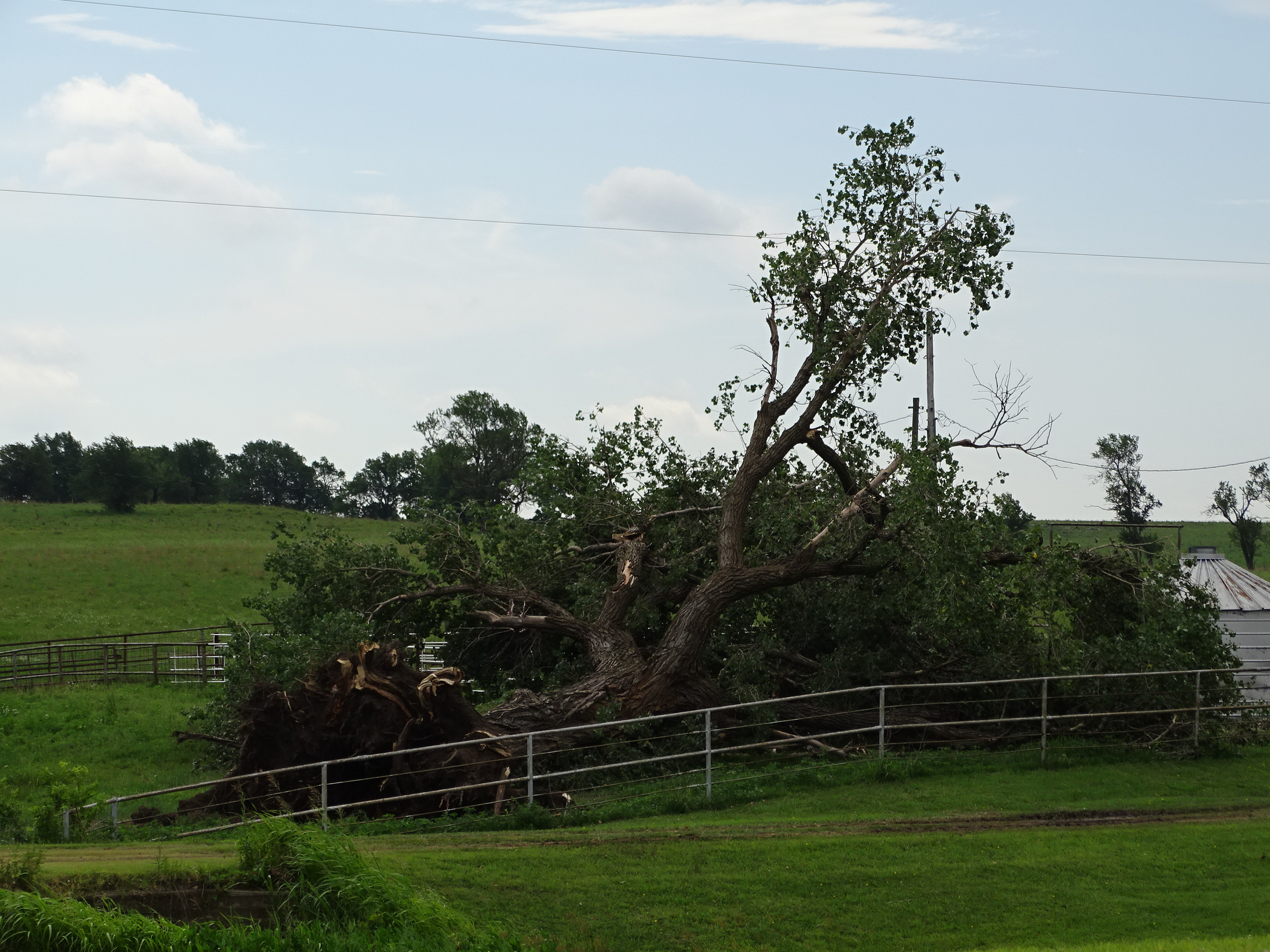
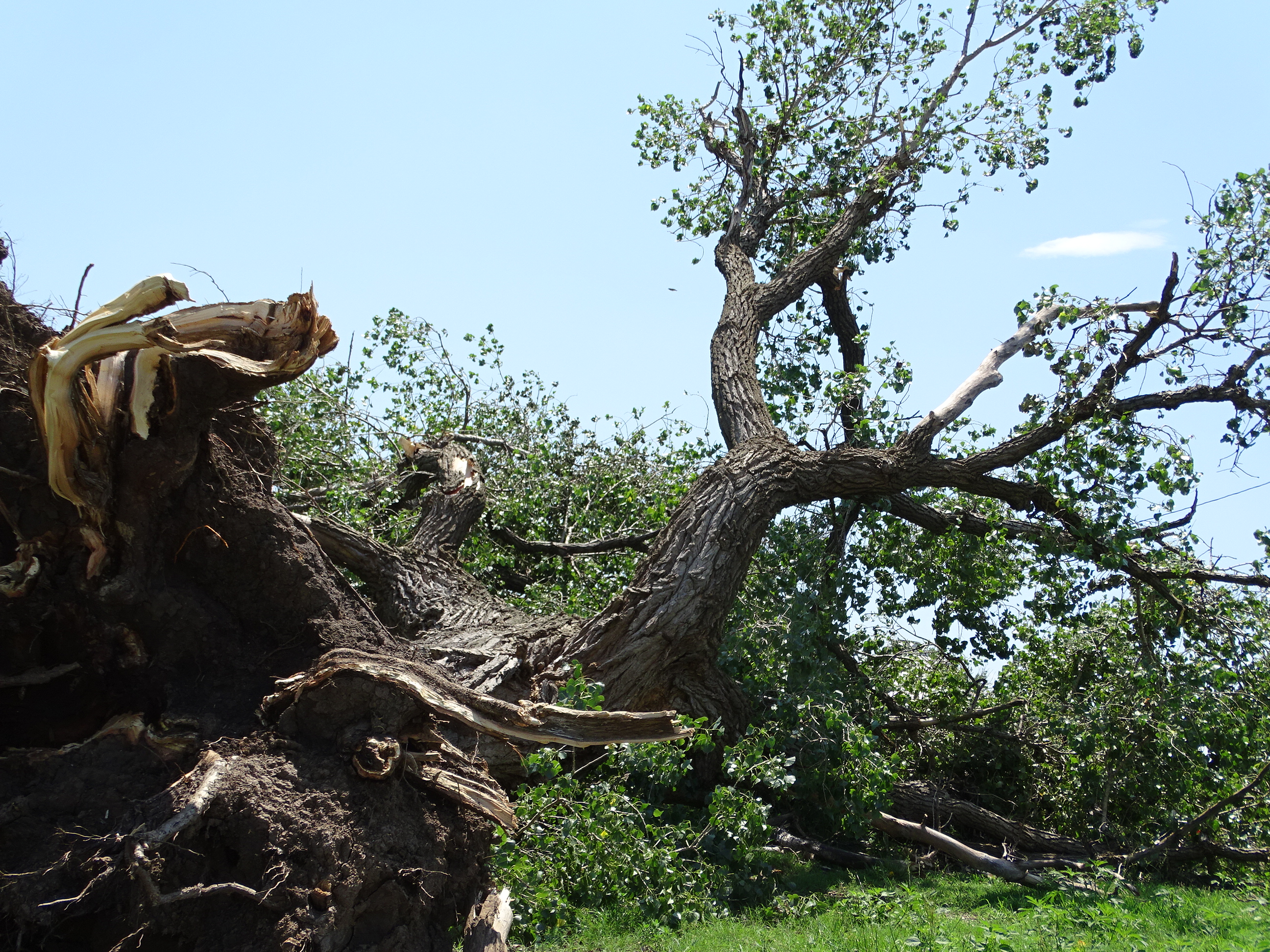
Toppled the tree.
 
The entire tree.
 
Next morning the sun shone on the ruined giant,
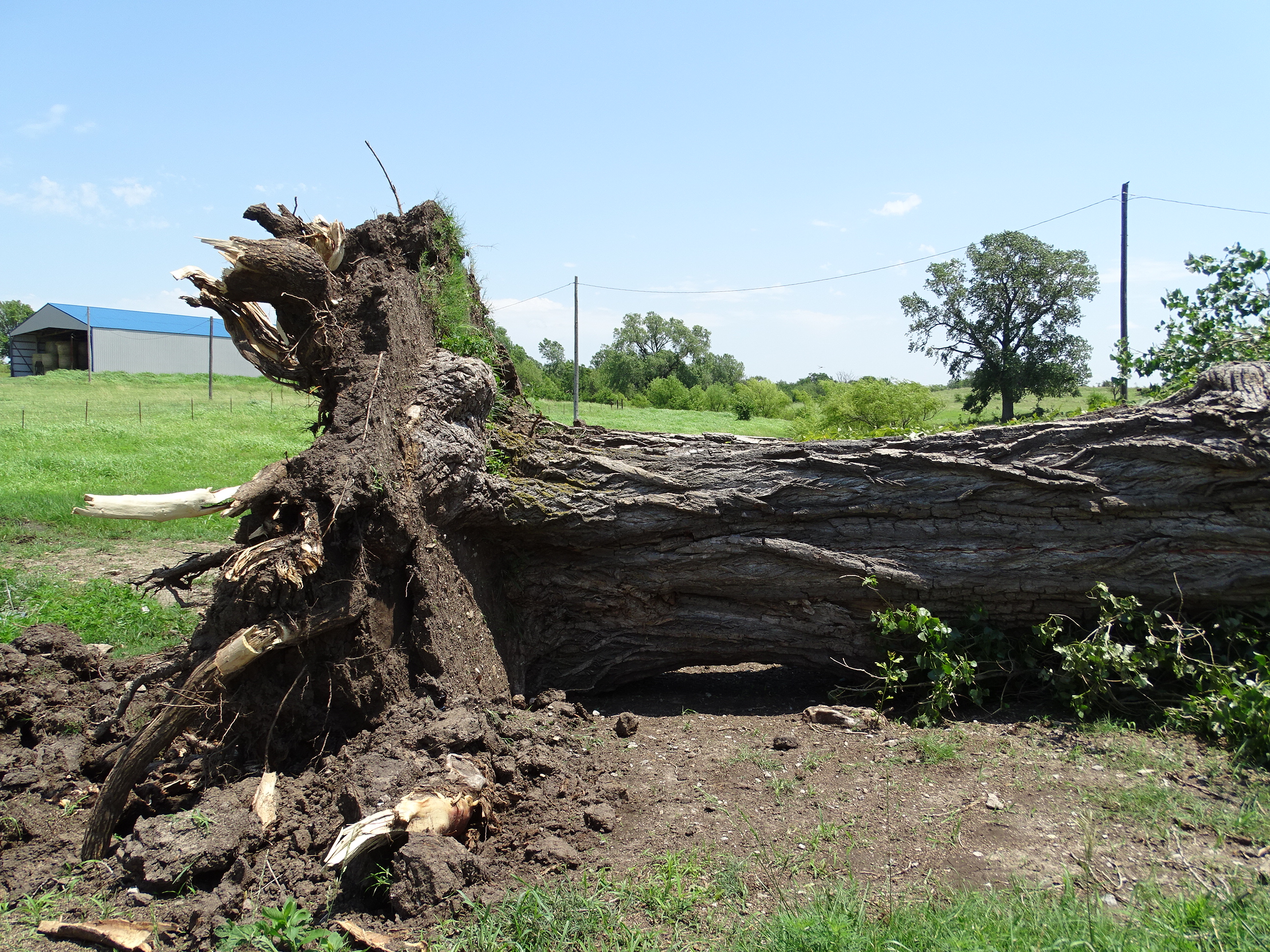
Uprooted by wind where the roots found no anchor.

I cry for the tree. And I wonder:
How many times have I been seduced by the
Appearance of perfection?

How many times have I basked in the seduction
Of incomplete beauty?
 
How many times have you?
Have we all?
In the dearth of the stately tree,
May the dry crumbling leaves

And the severed roots and branches
Remind me that beauty may beckon
Though it is flawed with hidden imperfections.
Monuments which steal our devotion
May crumble in life’s storms.
 
Beware what we revere lest a wind come
And topple the monarchs we extol.
Nothing, but nothing, is without a fault
And danger
Waits within that which is most alluring.

American Chess Game

american-chess

In recent weeks, overwhelmed by the gut-wrenching posts of gifted writers, I have written little worthy of sharing. But I spend hours reading what the rest of you write. And I hear you, friends. I share your pain. I understand the disbelief, the anger, the recurring horror following an election that spoke NOT for the majority of voters, but set us up for a nightmare administration that shakes us to our very foundations. We do, indeed, grieve.

Chatting with my thirty-something son yesterday, he shared his disappointment. “I really thought we were better than that, as a nation.”

I thought so, too. I grew up believing that we, as Americans, stood for progress, for humanitarian support around the world. Through our influence and assistance, we could help other people achieve the freedom to speak for themselves, without fear. When I was a child, I felt pride in my country. That is not the case today.

Echoing a dear friend, I say, “I so want us to be the good guys.”

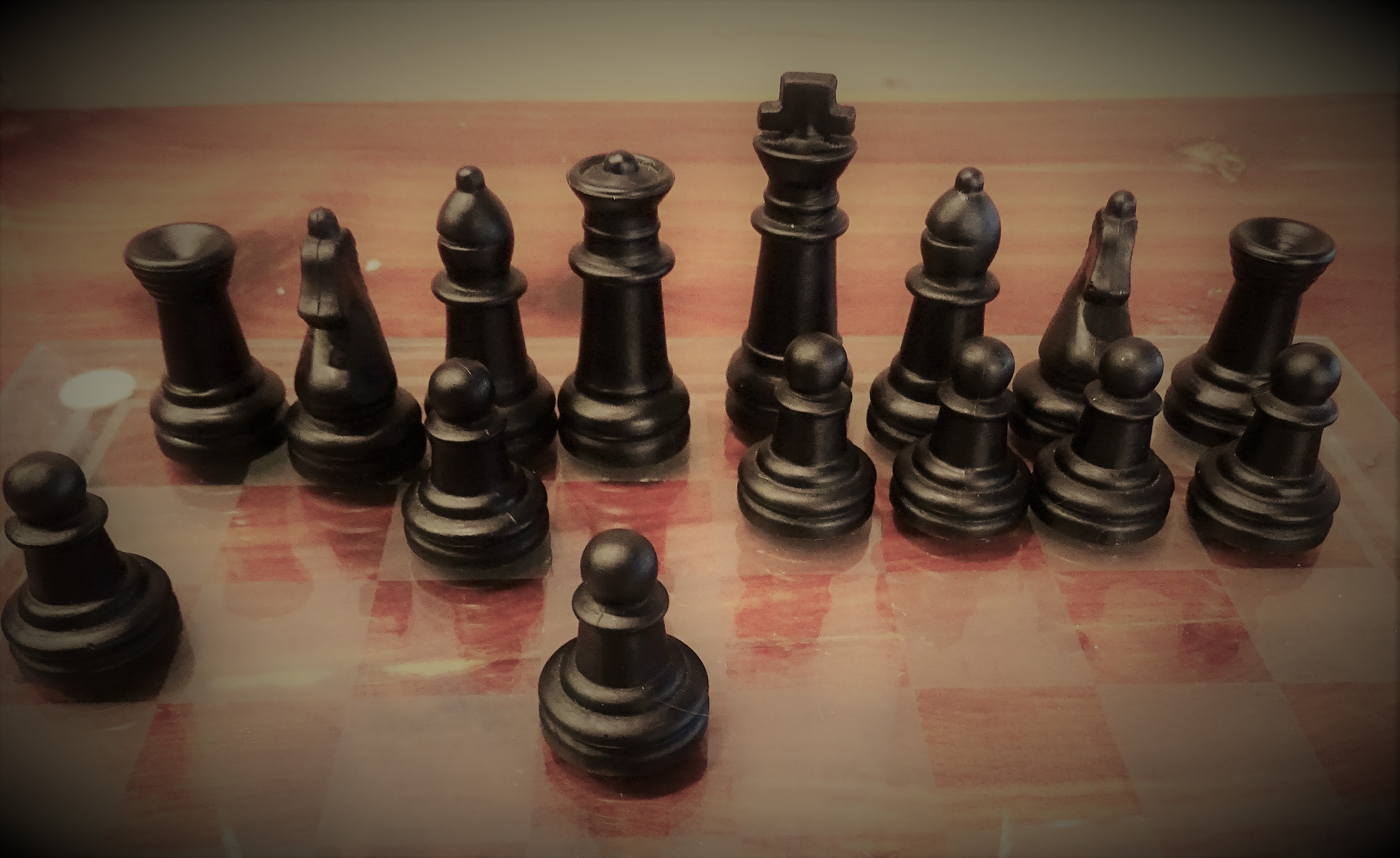
Yet now, it seems even though the majority of us still subscribe to decency, integrity and honesty, it matters less than if you have a lot of wealth and can buy your way into a misleading and dangerous leadership position. This is what happens when there is only one recognized litmus test for success and that test is money. Those with a lot of money control the game. The rest of us are pawns. We’re expendable. It’s a big game of power and apparently it’s been going on for decades.

Two weeks ago, on a long flight returning to the US from abroad, I chose to watch a movie on my seat’s private screen. All the President’s Men was available. Remember that one? It was the true story of two reporters in Washington DC who uncovered the Republican Party’s involvement in and cover-up of highly illegal activities intended to manipulate and influence the election in 1972. I was a high school student then, a member of my school’s Teen-Age Republicans. Watergate became a huge story. As a youth, I had no real idea what it meant, but it ended Nixon’s term early.

Watching the movie in 2017, all I could think was—“Republicans have been manipulating elections through any means available to them for a LONG time.”

To what end? This morning I read a post by Jon Perr, “The simple, sinister reason for the GOP’s never-ending war on Obamacare”. He described how the recent attack on the ACA was not an attempt to promote a better system or better care for millions of American people. There is nothing proposed to replace the contentious health care act. Indeed, the number-one reason Republicans chose to repeal Obamacare was apparently to stifle public approval and support for their opponents, the Democratic Party.

We are indeed pawns in a mega-chess game of power.

No wonder we grieve. We have suffered great loss. No stranger over the years to heart-wrenching farewells and grief of many origins, I recognize that our national reaction to events in Washington DC reflects many facets of loss. What are some things we have lost? Beyond the assurance that our healthcare needs will be answered, we grieve for much more.

We have lost the leadership of a remarkable president who consistently demonstrated his dedication to the welfare of our people and others around the world. Instead, through some political shenanigans, the reigns are handed to a tyrant who seems to care little for the majority of the people.

We’ve lost faith in the ideals and processes of our people-driven government. What might have been and where could we be now if, instead of choosing every action to make the people’s president fail, our senators and representatives had worked together for our common good? What might we have become over the past eight years? We will never know and can only wonder.

We’ve lost our belief in the basic goodness of humanity.

We’ve lost hope for the betterment of our future, for the preservation of a pristine and sacred planet to pass on to our grandchildren.

We’ve lost a dream of a future where each of us is treated with respect and dignity, and all things matter on a healthy and robust planet.  Instead, we have a vision of an Earth such as the one Wall-E was cleaning in the animated movie, because all that matters is money. Who has the most money and how will they use it to manipulate us pawns for their own greedy ends?

It is no wonder that we grieve. Loss of a dream is hard.

As a novelist, I find myself pondering some of the plotting techniques I learned in workshops over the past few years. Consider, for a moment, that we are collectively the protagonist in an edge-of-the-seat thriller story. The poor protagonist experiences set-back after set-back, crisis after crisis, conflict after increasingly intense conflict. Just when you think you’re in the clear, you’re not. (Election of Barack Obama as US president.) Just when you think it can’t possibly get worse, it does. (Inauguration of Trump, and his cabinet choices.)

Collectively, as a character in an on-going drama, we are riddled with internal conflict. The election of November 8, 2016  is one giant plot twist, catapulting us into the final climactic scenario. How will we cope? Can we find the means to pull through this era of consternation as a better nation? Will we even survive?

We pawns must write the ending to this story. Recently a Facebook friend shared a thought about grief. “Grief is really just love with no place to go. It’s all the love you want to give, but cannot.”

The way to move ahead is to find new avenues to spend that love, in honor of those people, dreams, or ideas we have lost.

I sometimes have the opportunity to counsel others working through grief. It’s hard. There’s no denying that. The event, the compound losses, have changed our lives. It’s up to us what we do now. We can work through it, and become stronger in the process. Or we can wallow in it and drown.

We can either let our grief make us better people and a better nation, or we can let it break us.

I choose to let it make us—make me—better. I’m not off the board yet. I may have little or no influence in Washington’s big game, but I can influence my home and hometown. The question is, “How?”

I refuse to be overcome by fear and suspicion of neighbors and family members on the other side of issues. I can choose to share love, to smile at strangers, to listen with compassion. I can increase my support of humanitarian causes, here at home. I can be an ambassador of goodwill wherever I may go. I can support the ideals of freedom and equality. I can defend the first constitutional amendment just as adamantly as others have defended the second amendment.

(Amendment I. Congress shall make no law respecting an establishment of religion, or prohibiting the free exercise thereof; or abridging the freedom of speech, or of the press; or the right of the people peaceably to assemble, and to petition the government for a redress of grievances.)

I can march in a near-by Sister March on Saturday morning, a peaceful way to celebrate human rights, diversity, freedom, and equality for all. (www.womensmarch.com)

Who knows, if pawns in every hometown opted to spread goodwill, understanding, and justice, maybe the sorry protagonist in this suspenseful story will manage to pull through and save the day after all.

Do you have ideas about ways to resist with love and compassion? If so, please share them in the blog comments. If you’re shopping for more great ideas, check out  johnpavlovitz.com/2017/01/14/10-acts-of-resistance-on-inauguration-day

There is Life After Loss

A year ago I launched The Bridge, following advice of several writing friends. It’s been an adventure for me, providing fulfillment in my life. I’ve learned a lot about the blogging world, but I admit I’m still a novice and have a lot more to learn.

This year, The Bridge is receiving a facelift. Again, advice from various writing sources convinced me that it should be narrowed in scope. The book I’ve labored to write for the last three years is nearly complete. I’m polishing a proposal. I’ve pitched it to a couple literary agents and a few small publishers. Excerpts from my memoir have won awards in writing contests in both Kansas and Oklahoma, OLYMPUS DIGITAL CAMERAfirst place in non-fiction in the 2012 Kansas Writers Association contest, and first place in non-fiction at the 2013 Rose State Writing workshop contest in Oklahoma.
I believe my story might help someone. I’ve done my best to write and polish the prose. I’m confused at times. Blog-related advice runs the gamut from “You can’t sell a book without a blog” to “Don’t start a blog until you know what you’re doing.”

I’m not sure I’ll ever know what I’m doing, but I believe I’ve been nudged from beyond— from across The Bridge—to proceed. My purpose in this venture seems to run counter to all the workshop advice. My goal has never been one of personal enrichment, of financial gain. Publishers and editors need to assess the marketable aspects of a manuscript. All I want to do is help somebody who needs a friend, somebody who might be going through a particularly rough time, somebody who might be struggling with a life-or-death crisis today. In some ways I am terrified to stir up the past and serve it to strangers. But if I can help someone, I need to find the courage to step forward. That is one of life’s big adventures—meeting your fears and laughing through the terror.

Let me tell you a little bit about the bridge photo in the header of this blog. More than three decades ago, I stood with my husband in the basement morgue of the hospital where our daughter—our precious child—had been stillborn. We gazed at her tiny face, stroked her cold cheeks, fingered her tiny hands, and bid her farewell. We had not thought to bring a camera. That was the one and only time we saw our baby girl.

After her memorial service in a windy hilltop cemetery, we wound our way through the hills of our county, just driving, not saying much. We did have our cameras though. Every so often, something caught our attention and we stopped to take a picture. The scenes were bleak, lonely, cold, PICT0548showing life buried by death, and dreams receding across a bridge. Together they expressed our unspeakable grief. The collage of photos became our picture of little Gabrielle, and the header of this blog was among them. It is a picture of my baby girl. Isn’t she amazing?PICT0547

Since the day three decades ago when I stood on a lonely road taking a picture of a bridge, I’ve bidden farewell to Gabrielle’s little brother. I’ve been widowed. My grandmother passed on, as well as a few friends. Most recently, I’ve been orphaned. Each loss opened a fresh wound and shook my faith in the goodness of life. Each loss was different, leaving a new kind of hole in my heart. Sometimes I thought I could not bear the pain. To watch someone you love die is to watch the world stop turning.

And yet, I survived. I’m here to say there is life after loss. All of us who love somebody risk the pain of loss and we will all have to bid that final farewell to our dear ones someday. After the frenzy surrounding a loss comes to an end, one thing that remains is the certainty that your life has changed forever.

But there is still life after loss. And it can be a good life. After losing my first husband, I met another wonderful man. After losing two children, together my husband and I have raised four. Now we are enjoying the antics of a grandson, and our youngest daughter is expecting a baby girl very soon. Life can be good indeed.

I offer The Bridge, re-designed, to feature topics related to grief and healing, to memorial tributes for my loved ones now gone, and to cover writing topics. Other facets of my life belong in another place. For those who may be facing terminal illness right now, or the sudden, unexpected death of a loved one, my heart goes out to you. I hope entries in The Bridge may provide a small bit of comfort and help with your healing journey. At least you’ll know you’re not alone. You have a friend.