
 The walnut trees along the Cottonwood River blazed yellow. Crimson sumac foliage lined the hillsides near the new settlement of Cottonwood Falls, Kansas. It was autumn 1871 and businesses along Broadway Street bustled with ranchers from around the county who had converged for an election.
Settler Isaac Alexander leaned against a tree at the south end of the street. Often poll workers nodded his direction, gesticulating in a referral that sent distant neighbors his way. They all wanted the same information. “You are donating land for the building?”
With a nod, Isaac affirmed his offer. “Two and a half acres. If the project is approved, this square will belong to the county.”
By evening, with the votes tallied, the result was clear. Voters had approved the building project and Chase County would have a new courthouse. Those still in town cheered at the announcement and Isaac stepped forward. When he had the crowd’s attention, he affirmed his gift. “I am pleased to provide this square for our new courthouse. It’s something we need in order for our county to thrive. I have but one condition. The building will sit on the hilltop in the center of the square. But the land surrounding it is to be used as a park area and gathering place or my offer will be retracted. That is my condition.”
The crowd burst into resounding hurrahs, and the project moved forward.

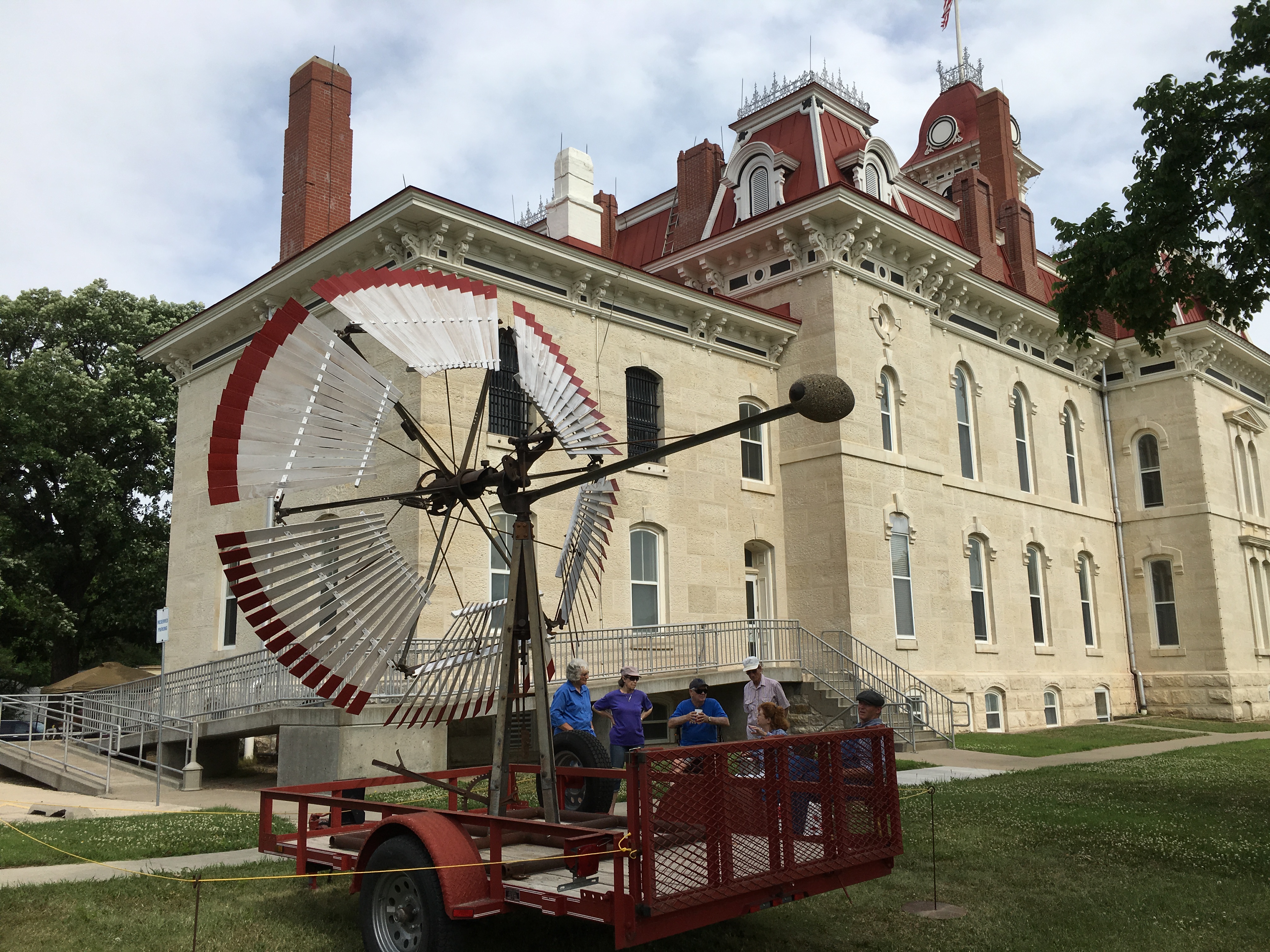
A Leavenworth contractor employed an architect to design the three-story limestone structure. It utilized a French Renaissance Chateau design from the Louis XIII period, durable enough to remain in constant use for 150 years and beyond. Workers quarried and hand-cut limestone blocks from Isaac Alexander’s land on Spring Creek, a half mile west of the site. The stones were transported to the building in horse-drawn wagons, some blocks weighing over six tons.
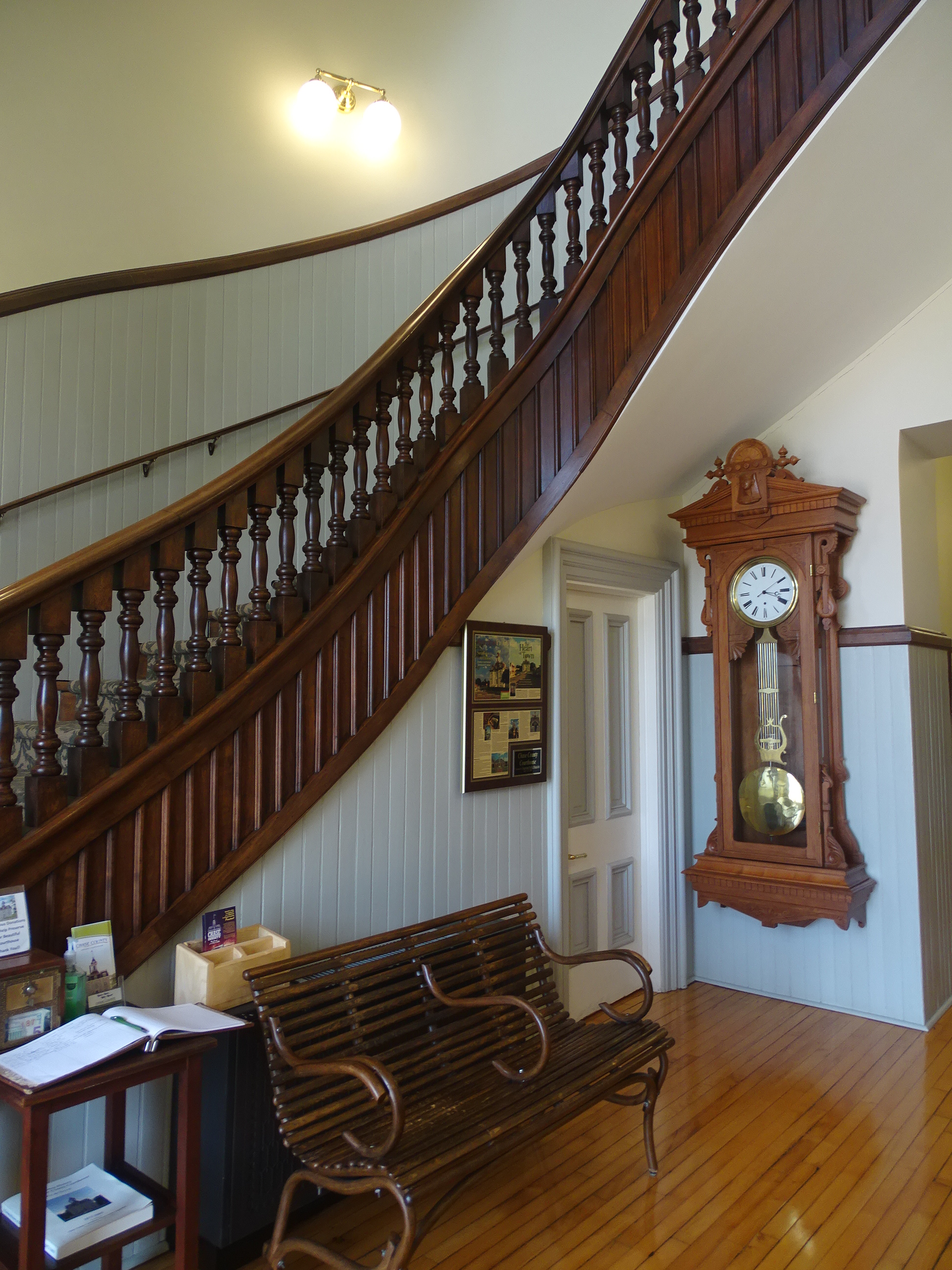
Inside, spiral staircases wound complete circles between the floors, each spiral directly in line with the one above or below. 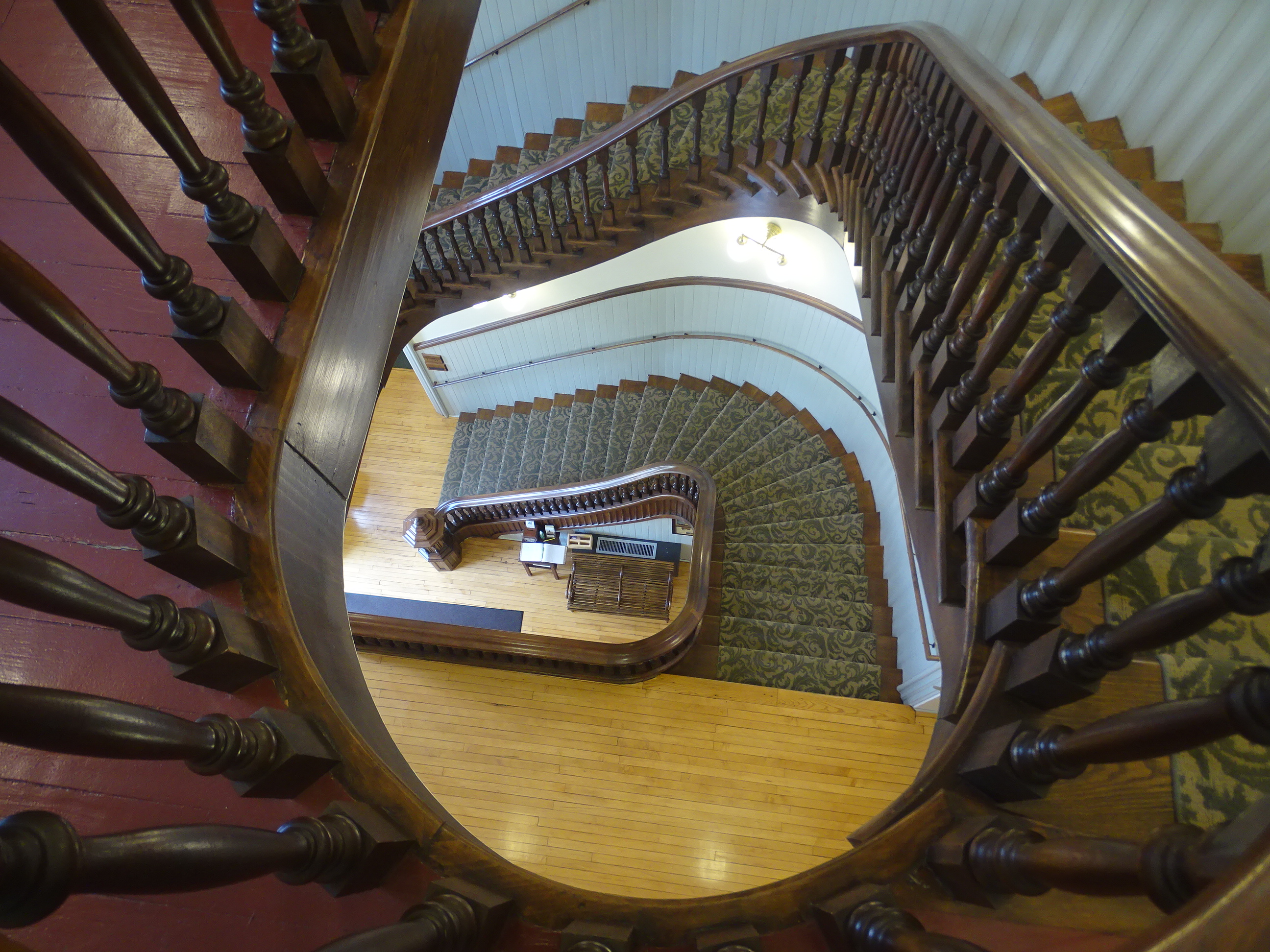 Locally harvested black walnut trees were crafted into the stairway balustrades.
 A jail on the second story was accessed through the courtroom and jury room.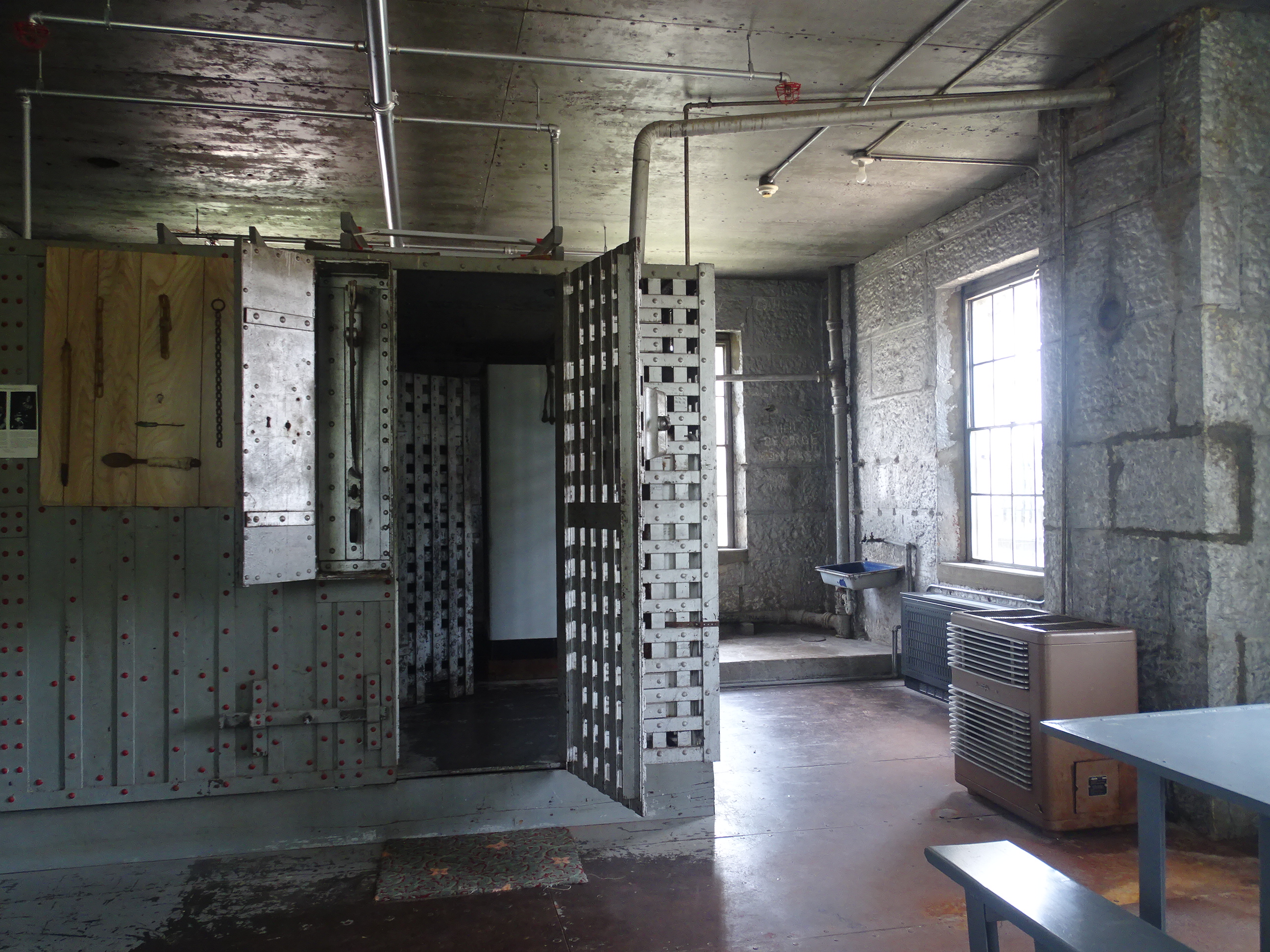
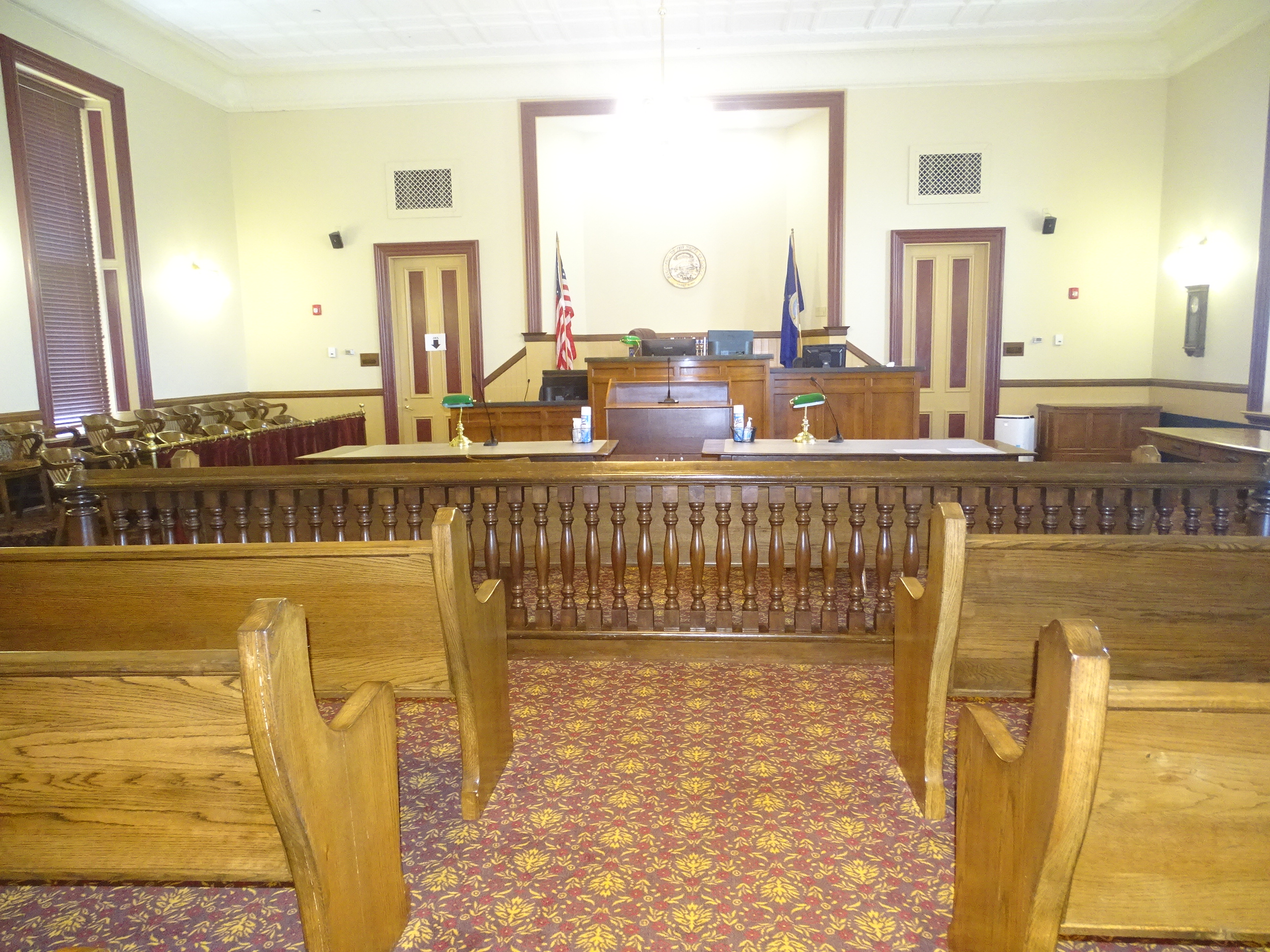 In use for a hundred years, new safety regulations in the 1970s forced the jail’s closure.
Construction on the courthouse took two years, but on October 8, 1873, it was complete. The people celebrated with a grand ball in the courtroom itself.

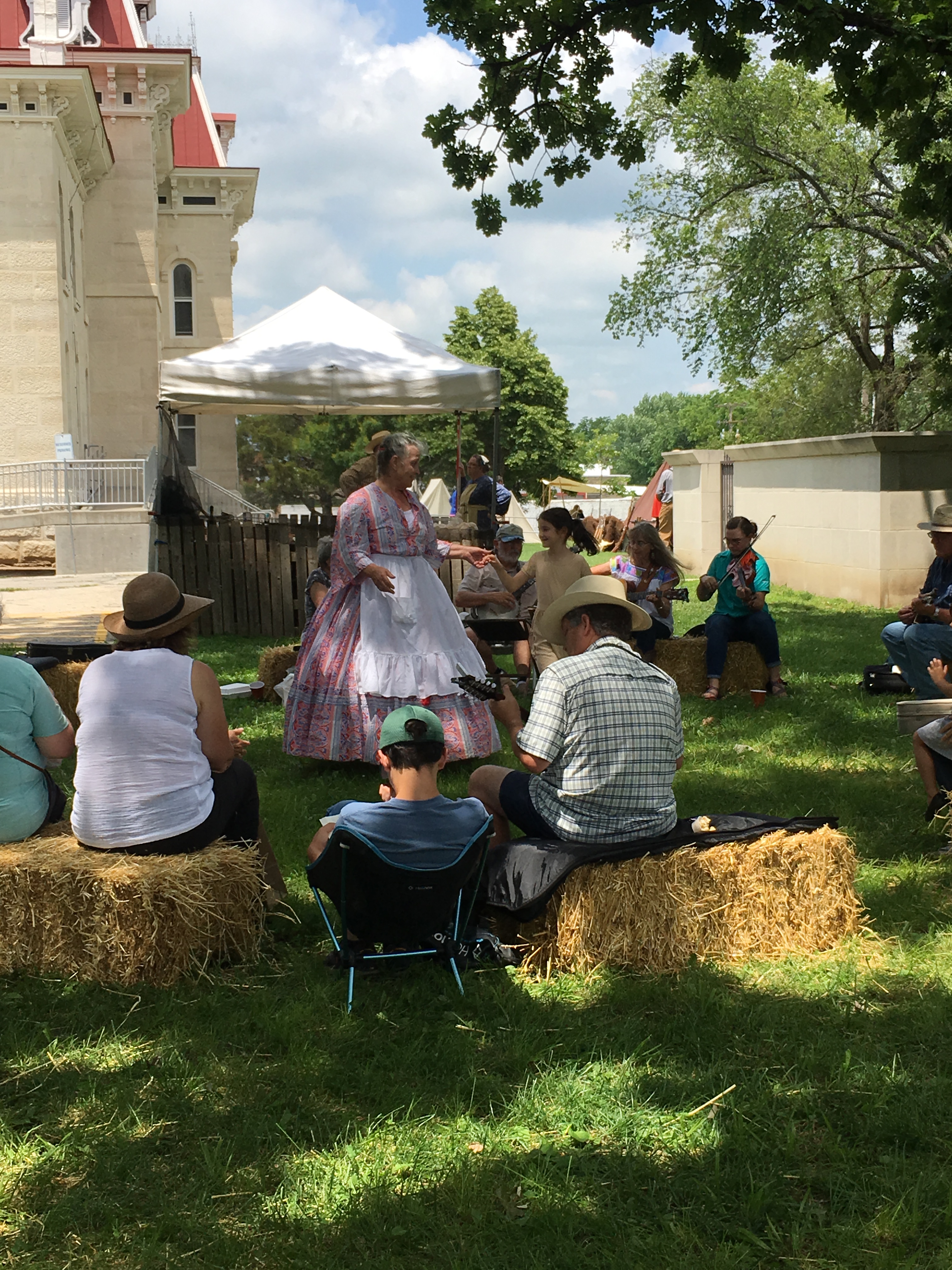
A hundred and fifty years later, the celebrations continue. Shady areas surrounding the building still host concerts, galas, dances, and festivals.  At one corner of the square, the Roniger Memorial Museum showcases life in the Flint Hills past and present. Exhibits include stellar collections of indigenous artifacts crafted from flint nodules infused in the limestone layers.
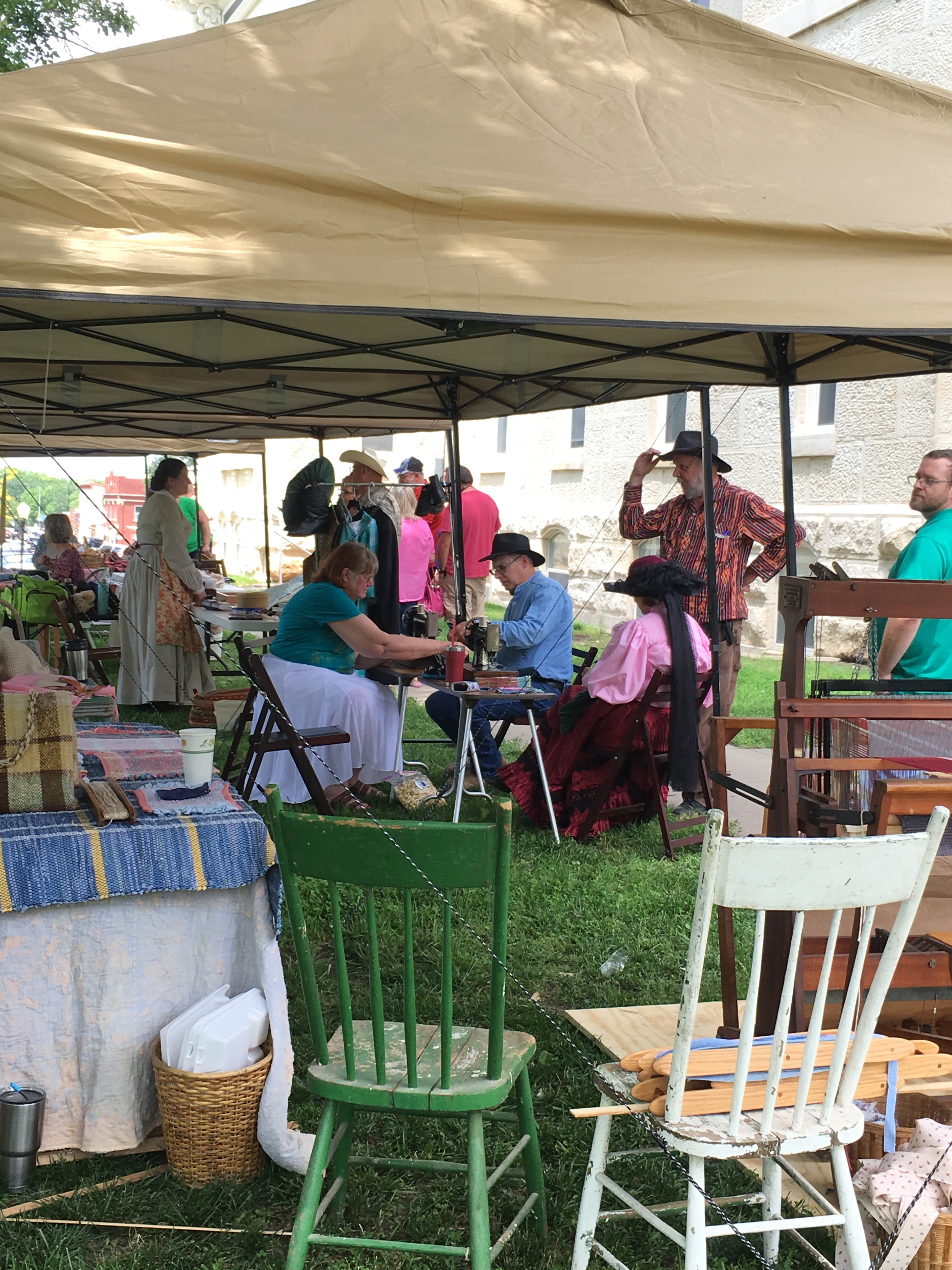
The Flint Hills Folklife Festival in June has attracted travelers to historical booths and demonstrations for the last twenty-five years. Festival organizer Sue Smith is quick to point out that the Chase County Courthouse, the oldest courthouse in the state still in daily use, is the most frequently photographed building in Kansas, even more than the capitol building in Topeka.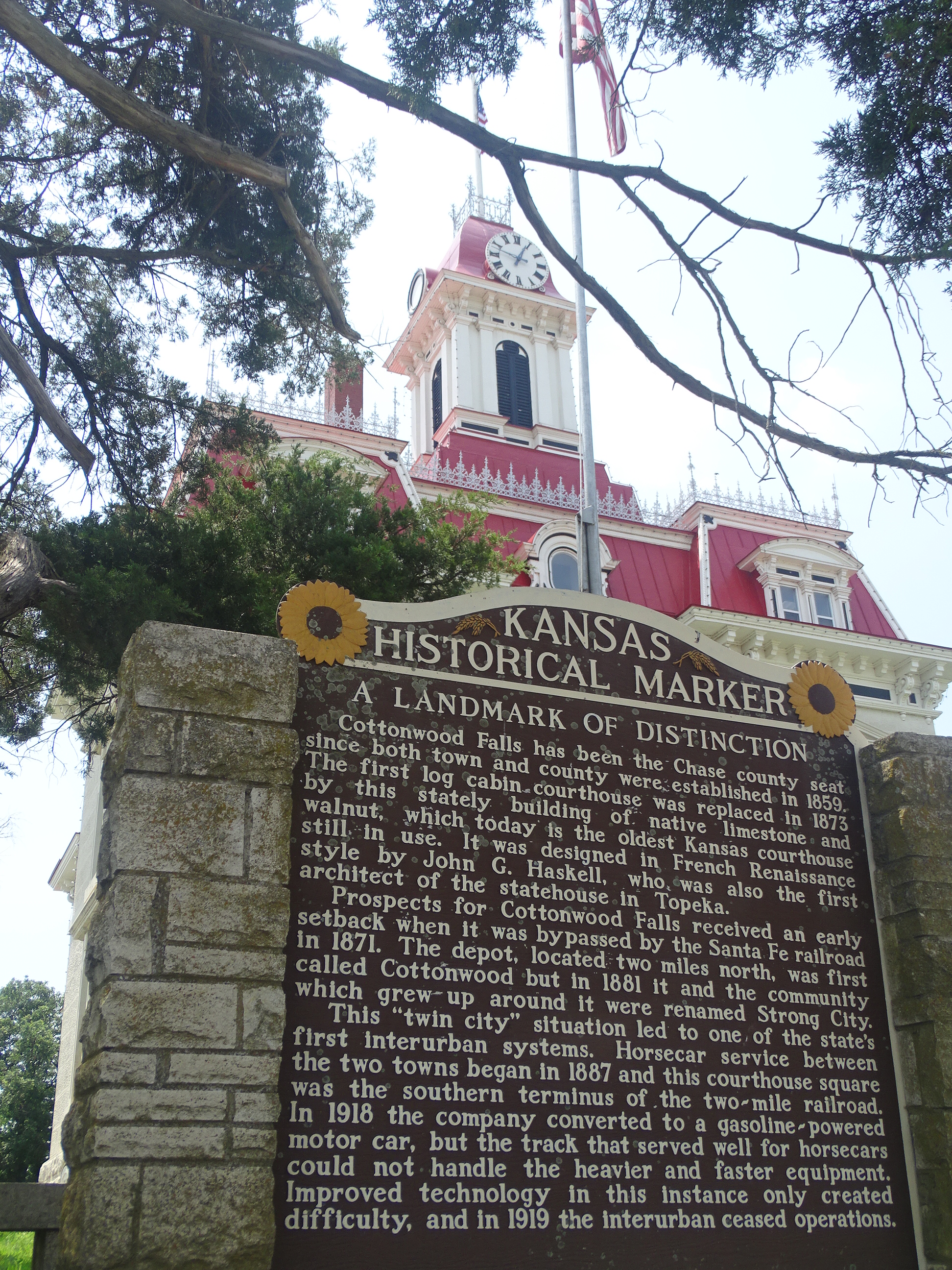
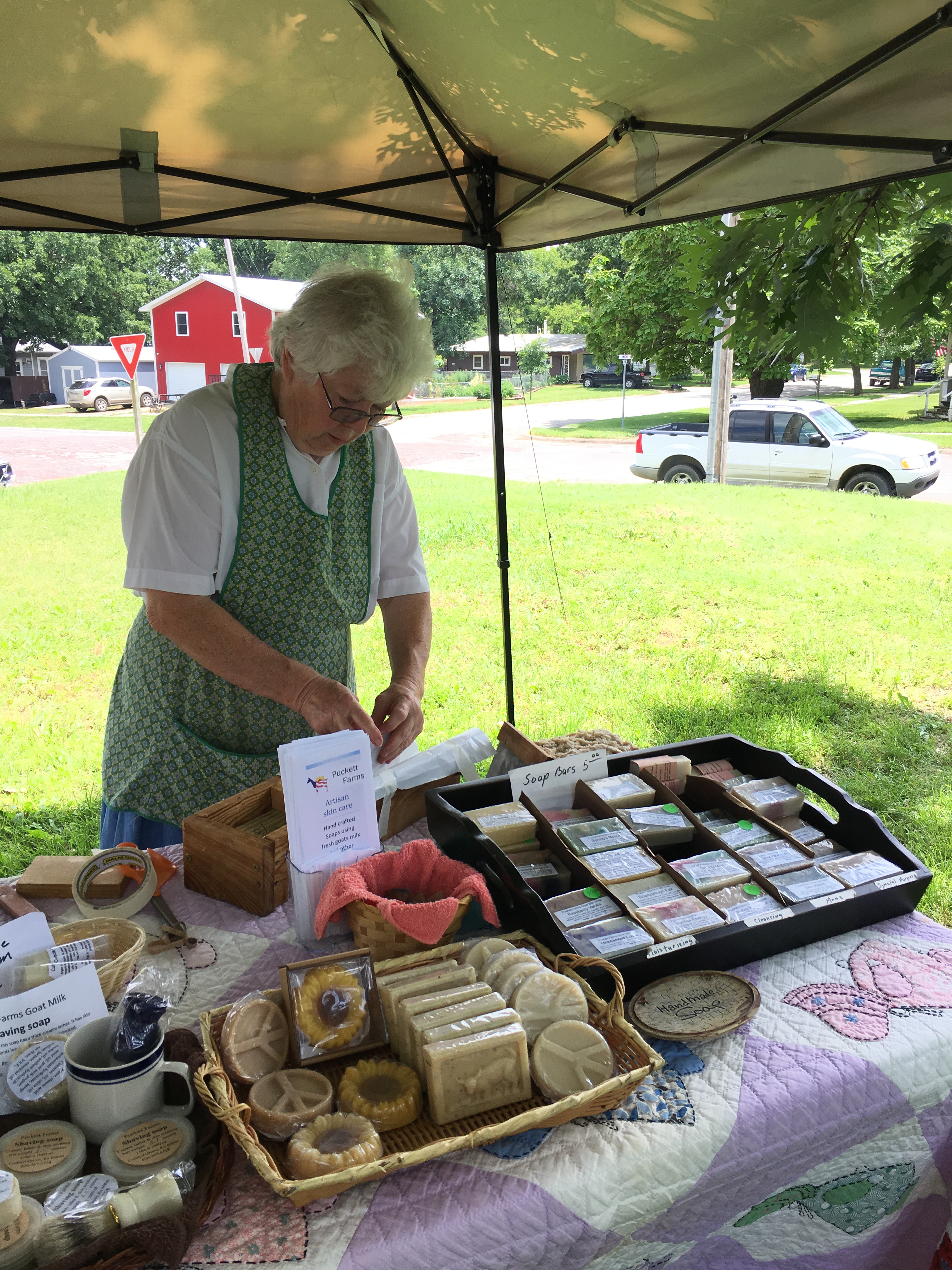
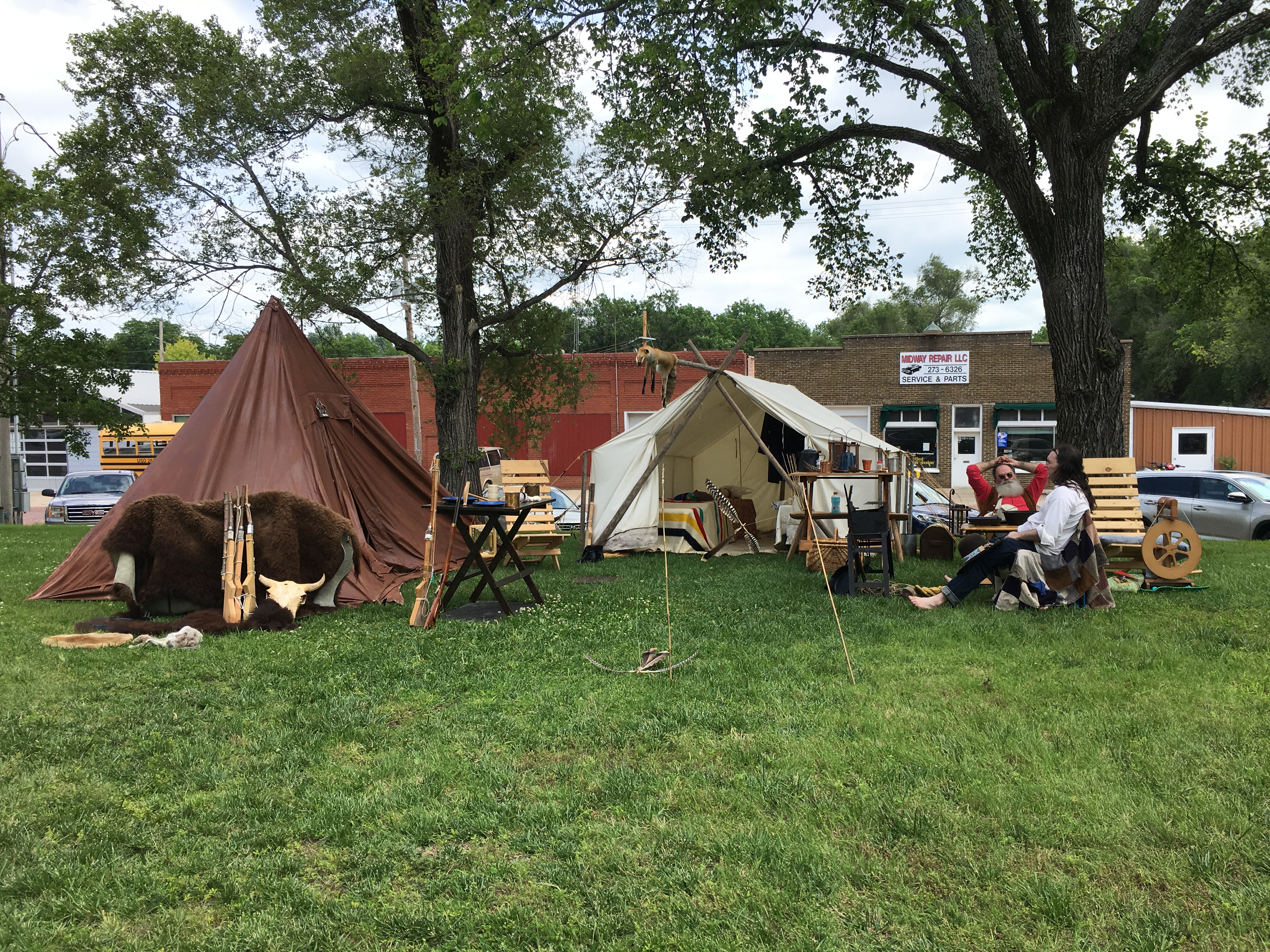
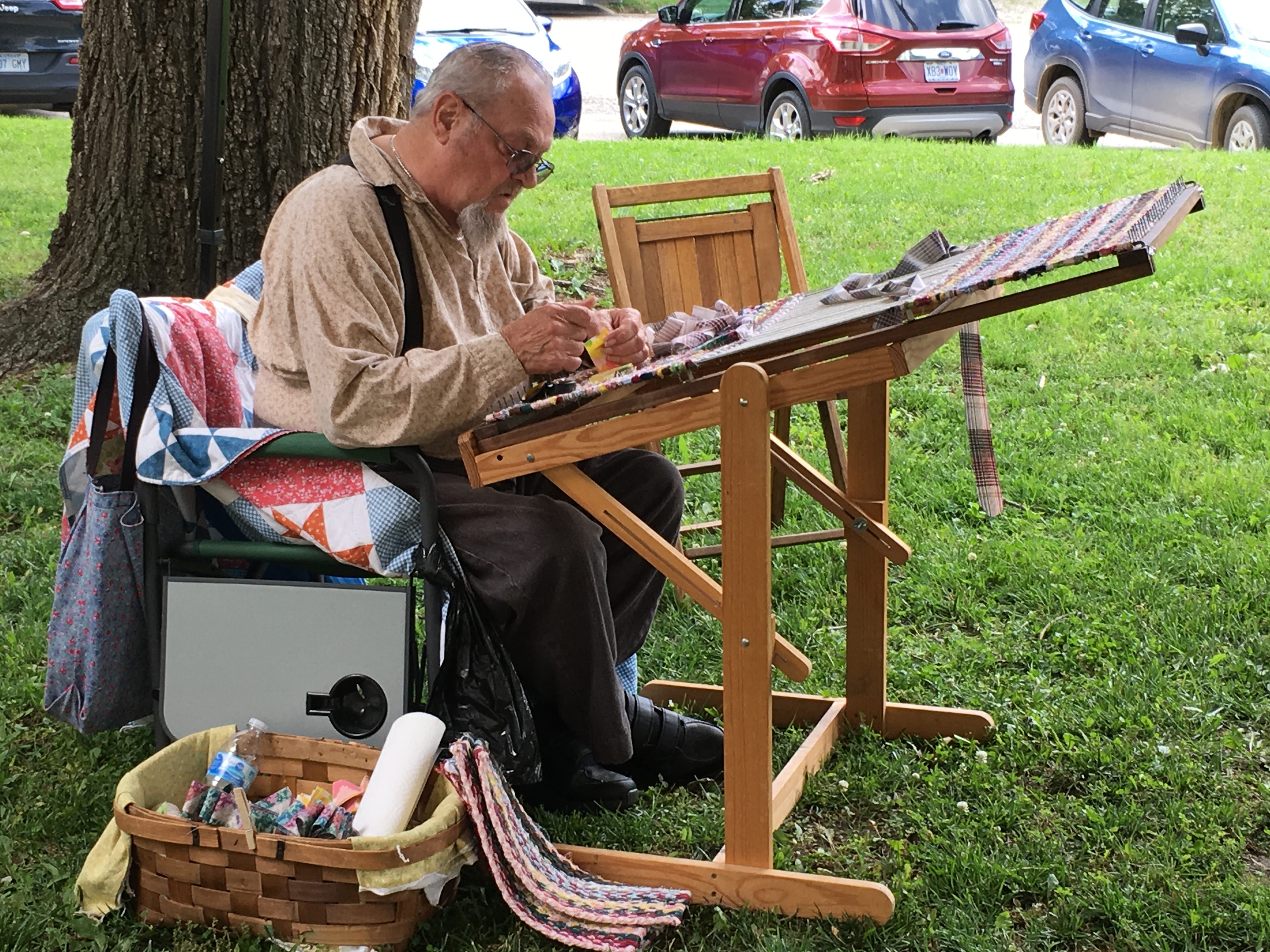
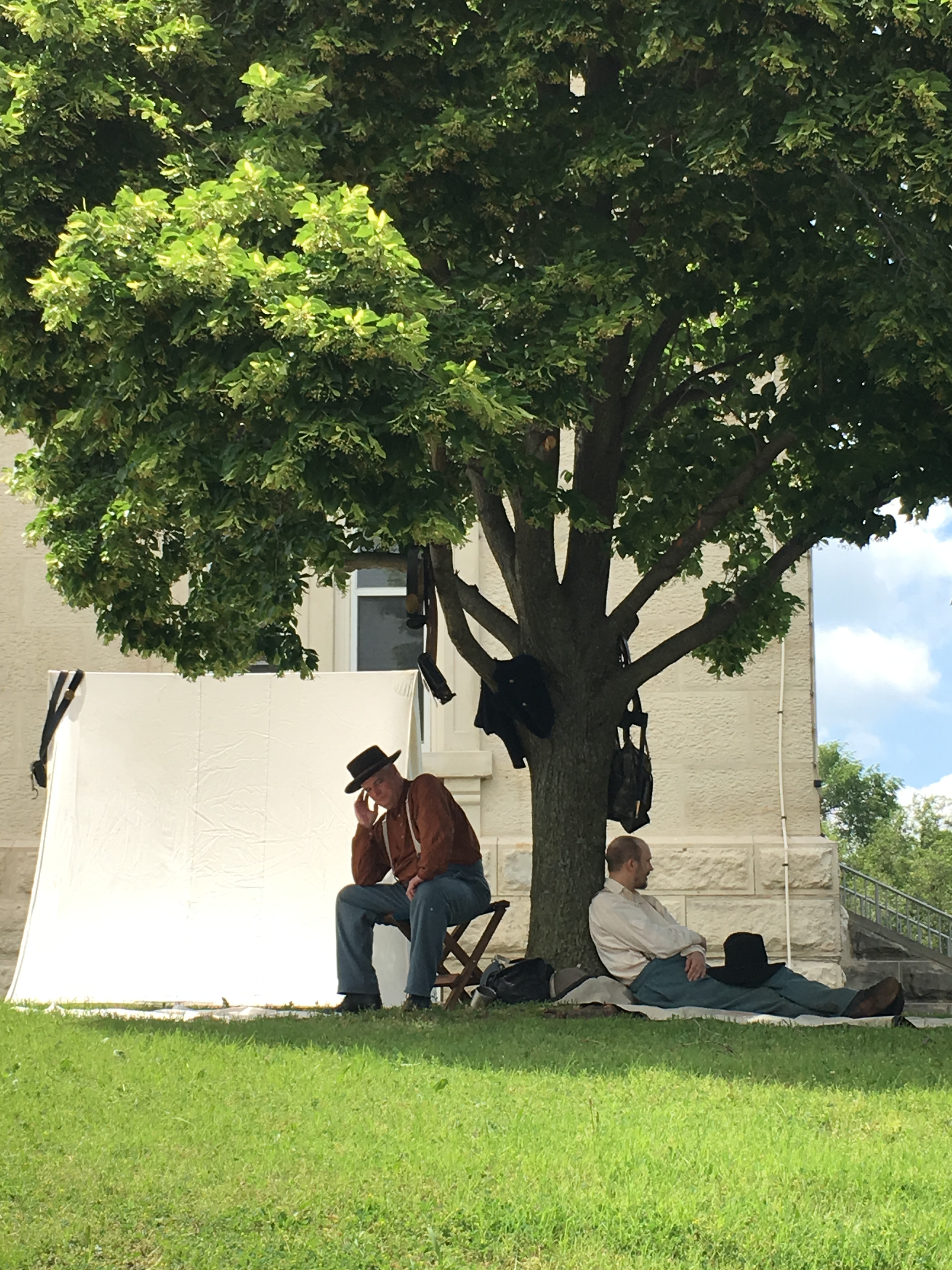
Folklife vendors and reenactors surrounded the courthouse in June this year. Many had returned year after year. Some had local roots but others traveled from distant places to be part of the Folklife Festival community.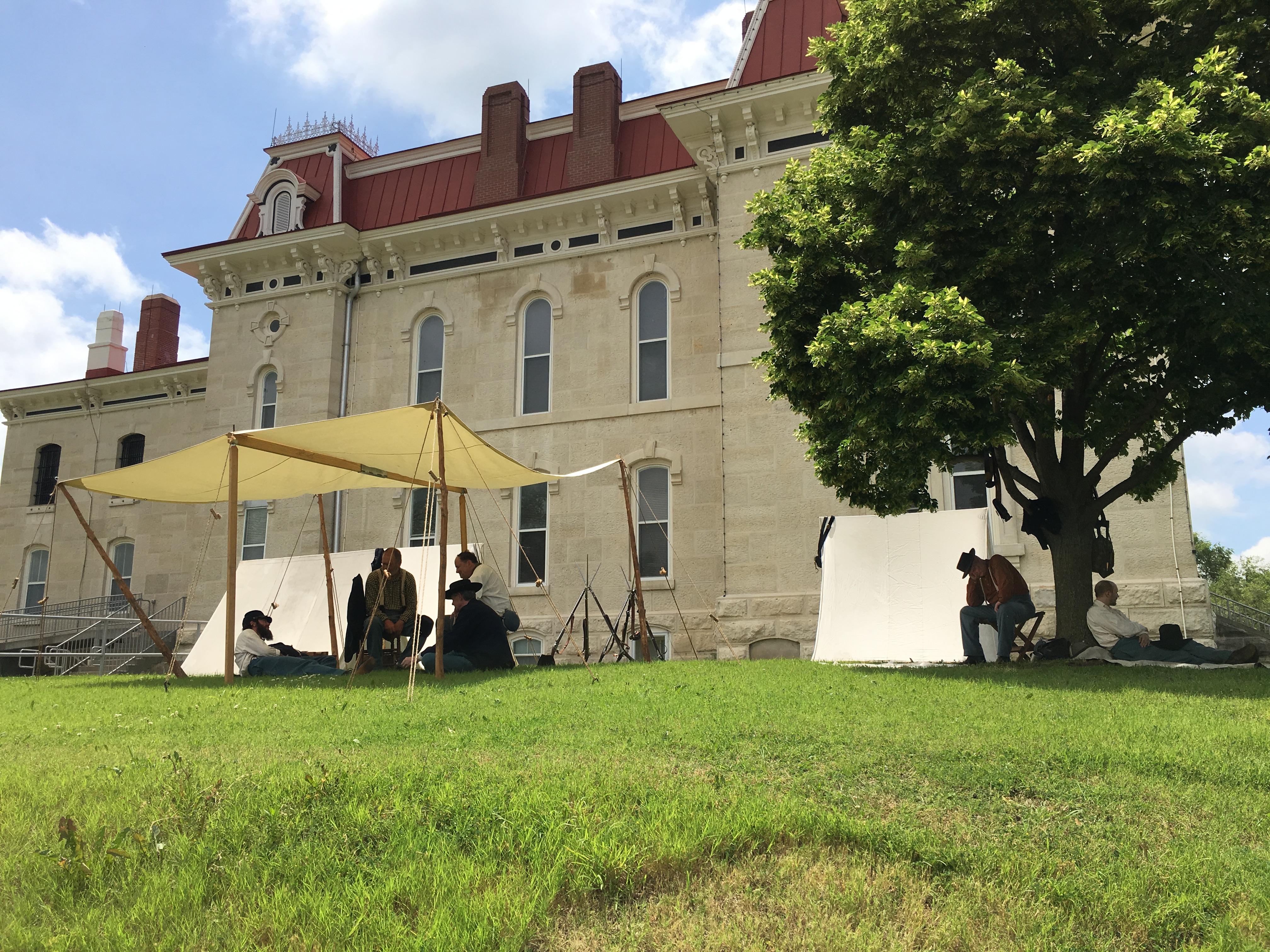

Marti McCartney, who has been a vendor at the Festival most of its 25-year history, explained why she returns every summer. “I love it when people who don’t know each other connect with shared memories and traditions. I love sharing history—we’re all part of the same history in our own ways.”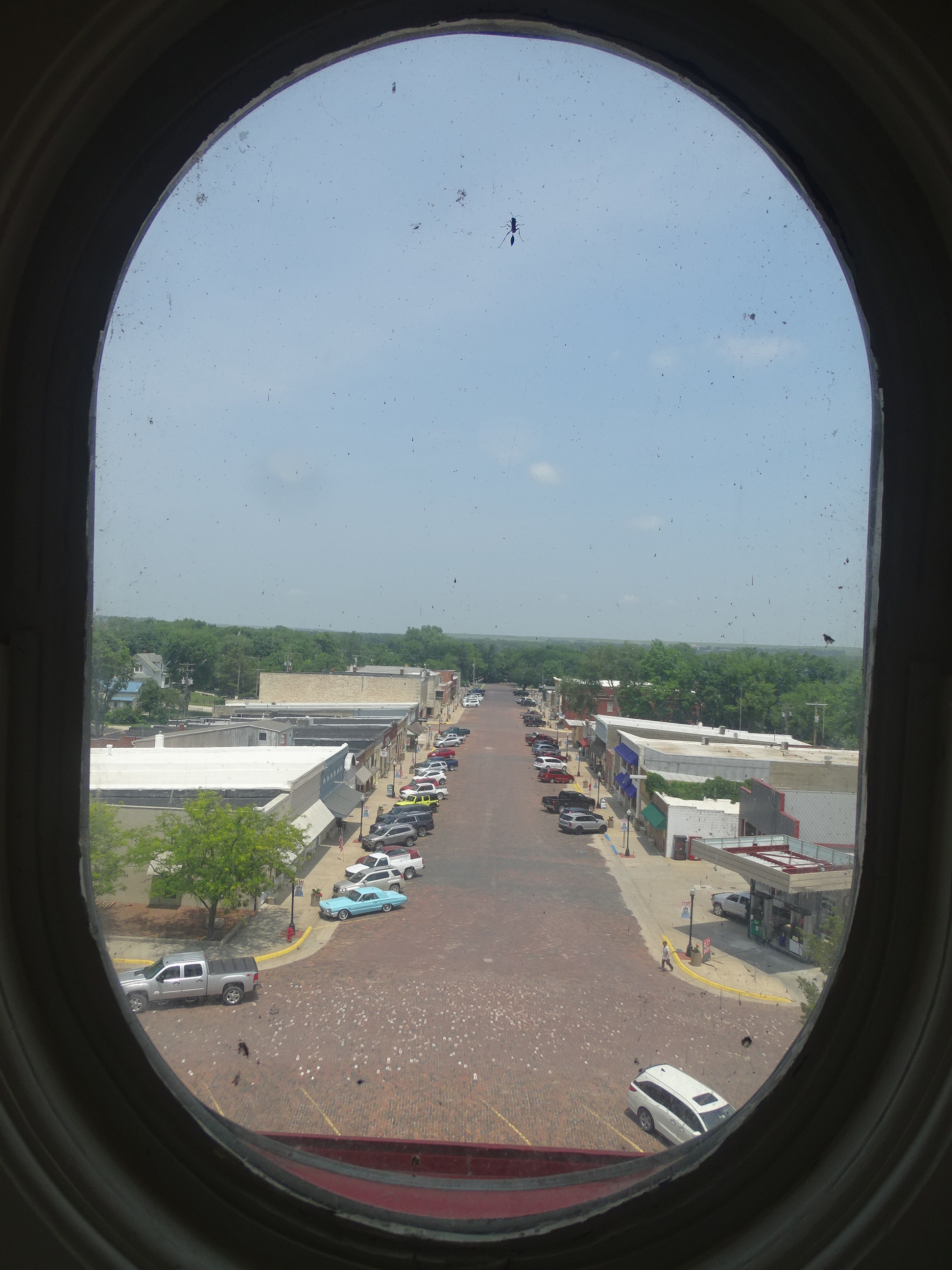
First-year attendee Melissa Mathis circled the tents continually with her camera to capture important scenes. She agreed with Marti. “The history and techniques once commonplace are dying. We need to hold onto that history and keep it alive.”
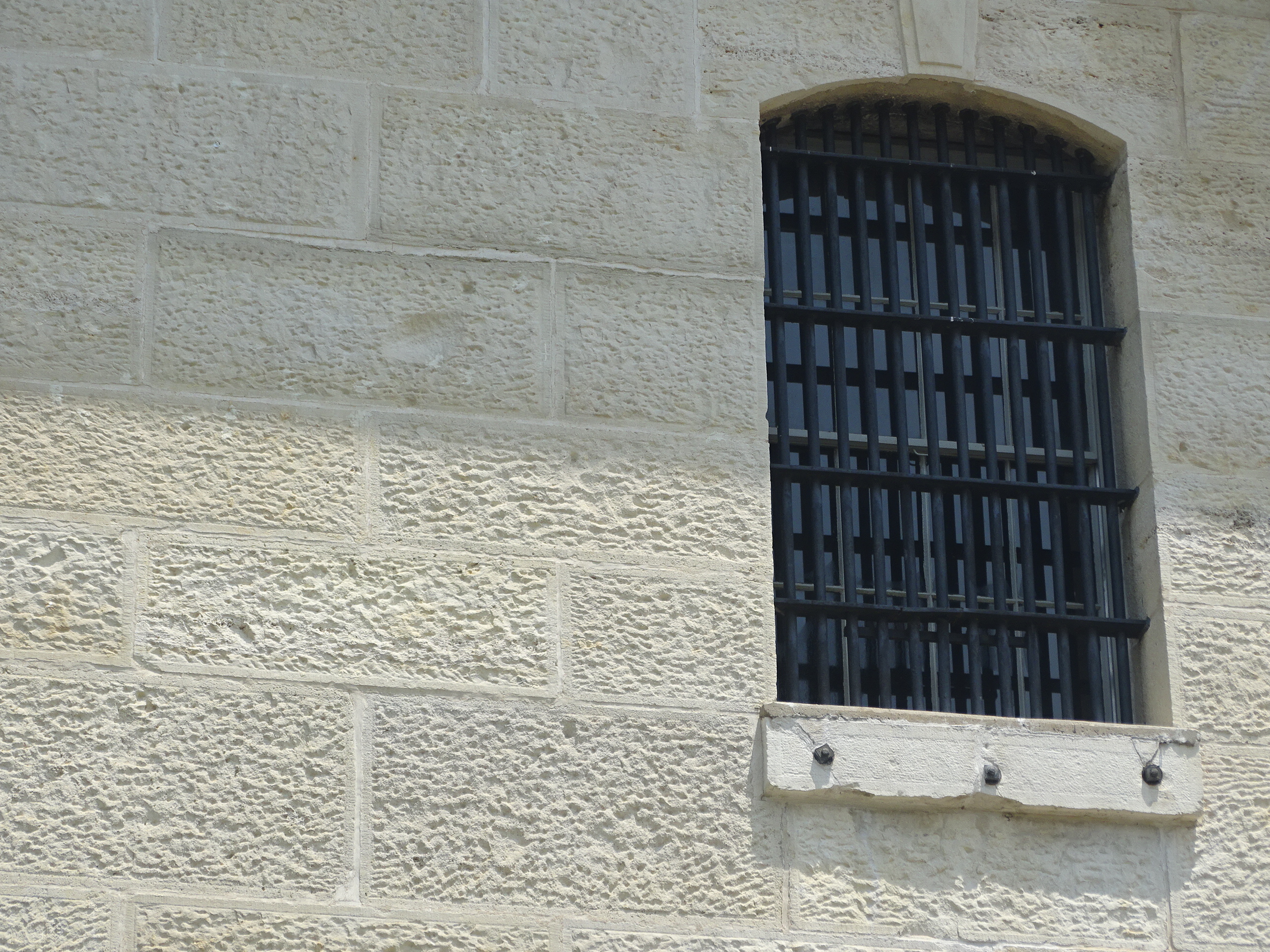
Darrell Kerr, luthier and knife maker at Silver Dollar City, raved, “What really caught my eye this year were the second story windows with bars. They mark the former jail.”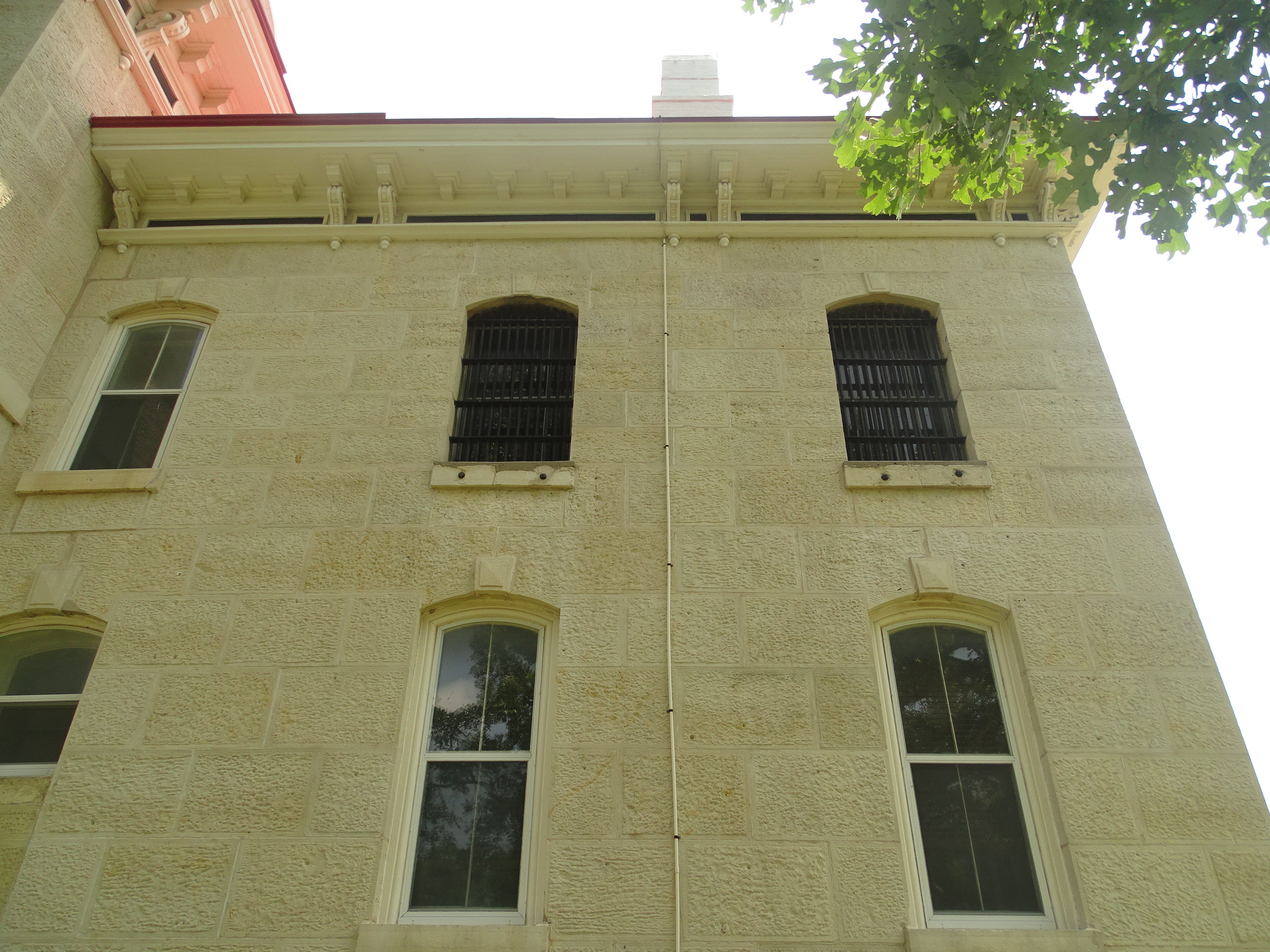
Still intact, though not in use, the jail draws curious visitors year-round. Former city resident Nancy Zirkel recalled stories about the jail. Her favorite involved Sheriff Towle in the early 1970s. County Sheriffs and their families used to live in the courthouse directly below the jail. At one point Sheriff Towle rescued a fawn whose mother had been hit on the highway. He raised the young deer in his family’s courthouse apartment.
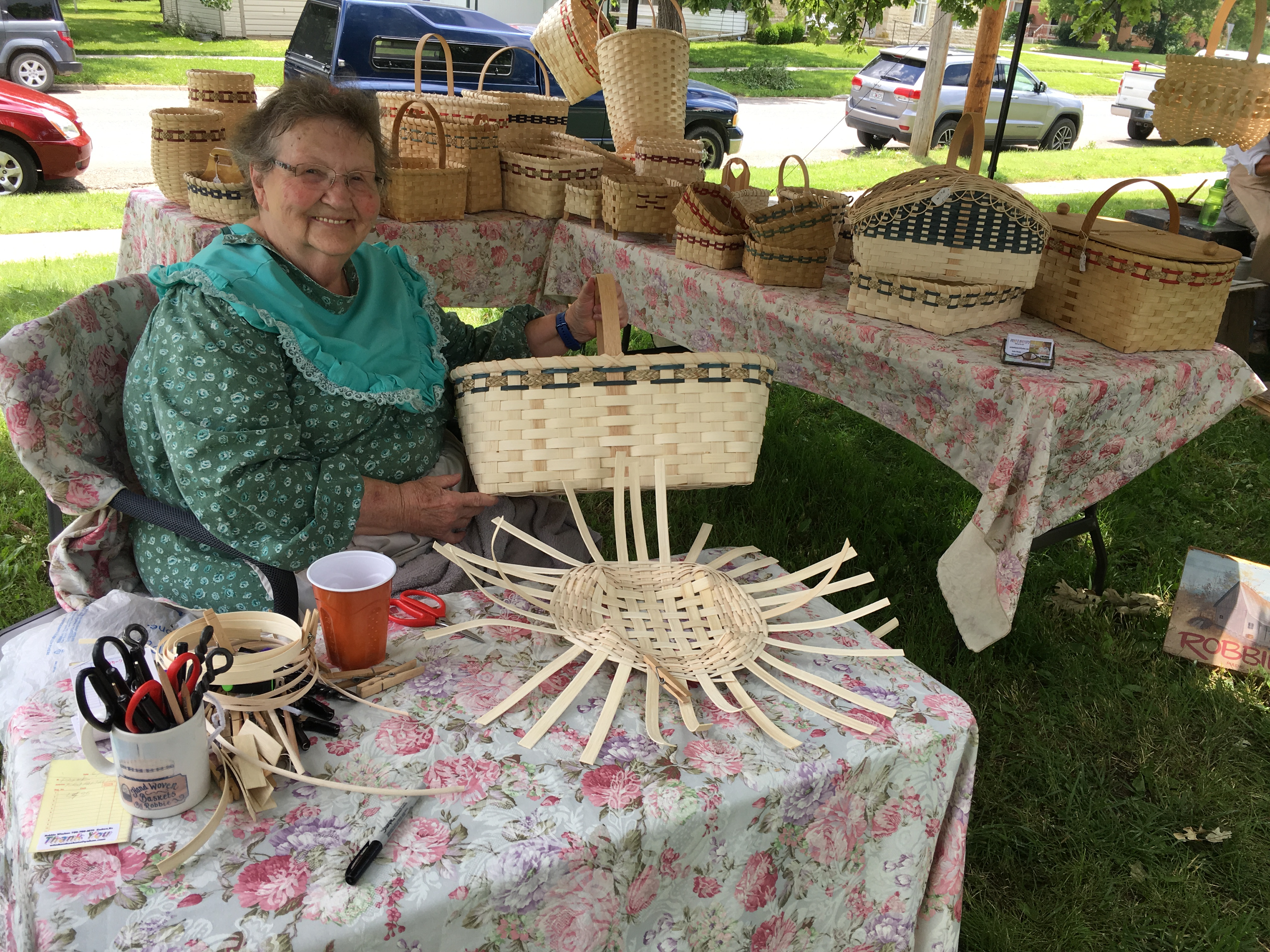
Basket makers Al and Teri Seeger have enjoyed bringing baskets to the Festival for the last three years. “There’s a sense of community among vendors,” says Teri. “It’s fun to see people who return every year.”
Petin Hammerton voiced agreement. She and her husband Jerry grew up in southern California, but now call Lindsborg home. “The people here make you feel like family,” Petin said.
“I’ve searched my whole life for a lifestyle that’s right for me and people who share similar values,” Jerry said. “I found what I was looking for here in Kansas.”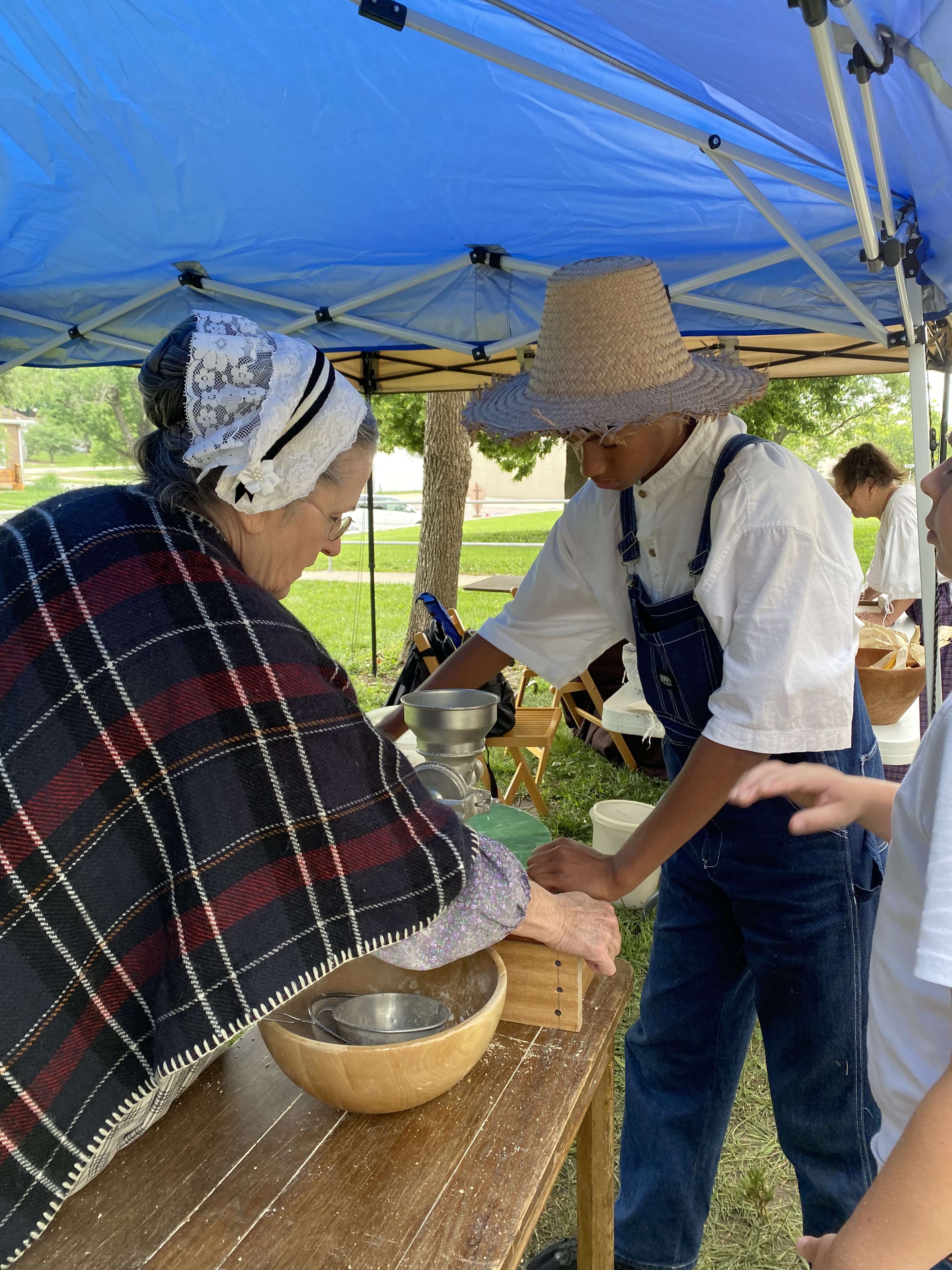

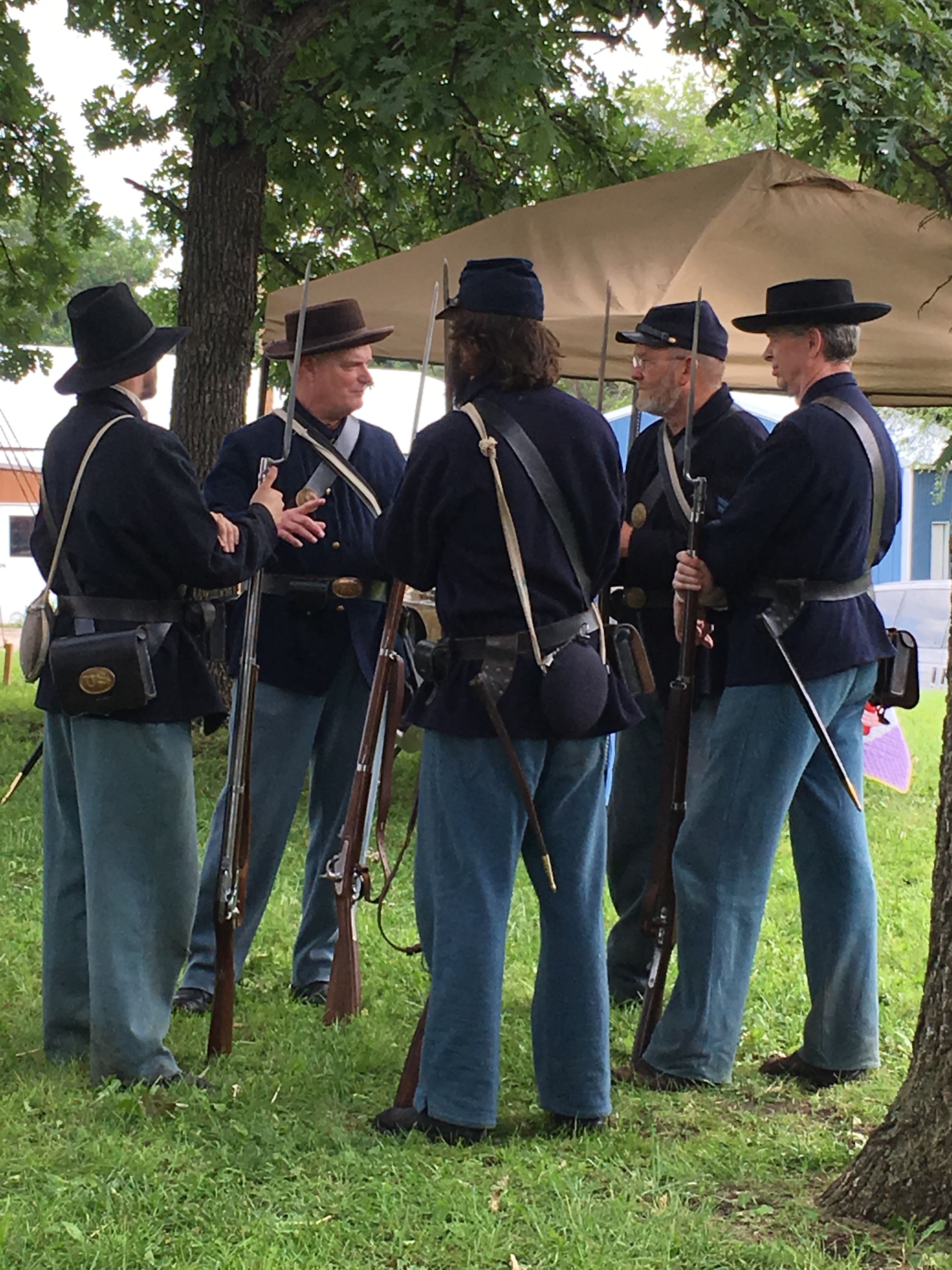

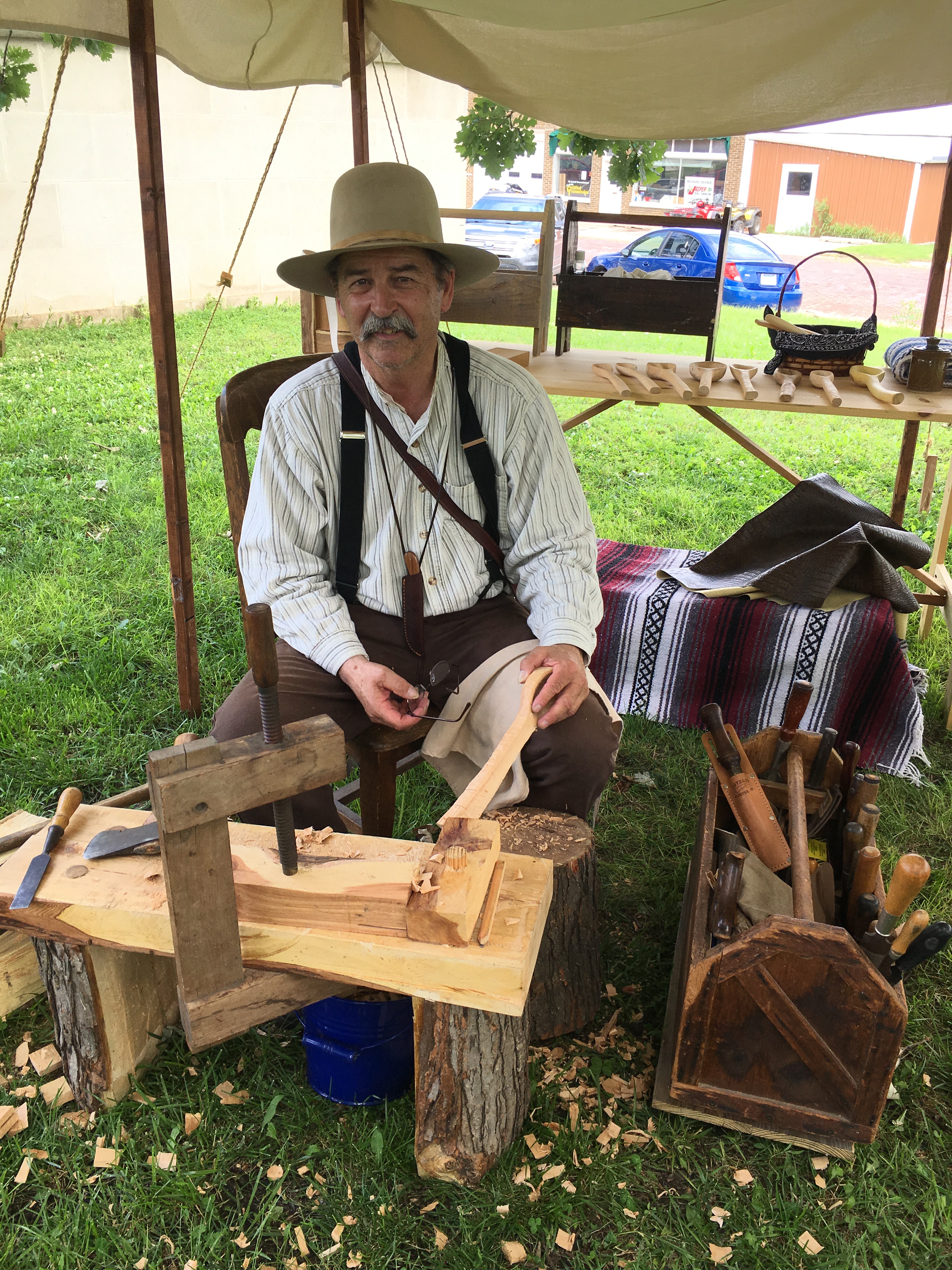

Though the Flint Hills Folklife Festival may have seen its final year, Sue Smith pointed out many other reasons to sit under the oaks on the courthouse lawn. History thrives on the square along with modern activities. Concerts, contra dances, and re-enactments are scheduled throughout the year. Every June, the Kansas City Symphony holds a concert on the nearby prairie. The Chase County Courthouse is only a few miles from the Tallgrass Prairie National Preserve. And a big celebration is planned on the Courthouse square for October 6 and 7 this year to observe the sesquicentennial of this historic landmark.
Sue summed it up. “Such memories! And such great friends!”
Isaac Alexander would be pleased.










 The Bridge