
In recent weeks, overwhelmed by the gut-wrenching posts of gifted writers, I have written little worthy of sharing. But I spend hours reading what the rest of you write. And I hear you, friends. I share your pain. I understand the disbelief, the anger, the recurring horror following an election that spoke NOT for the majority of voters, but set us up for a nightmare administration that shakes us to our very foundations. We do, indeed, grieve.
Chatting with my thirty-something son yesterday, he shared his disappointment. “I really thought we were better than that, as a nation.”
I thought so, too. I grew up believing that we, as Americans, stood for progress, for humanitarian support around the world. Through our influence and assistance, we could help other people achieve the freedom to speak for themselves, without fear. When I was a child, I felt pride in my country. That is not the case today.
Echoing a dear friend, I say, “I so want us to be the good guys.”
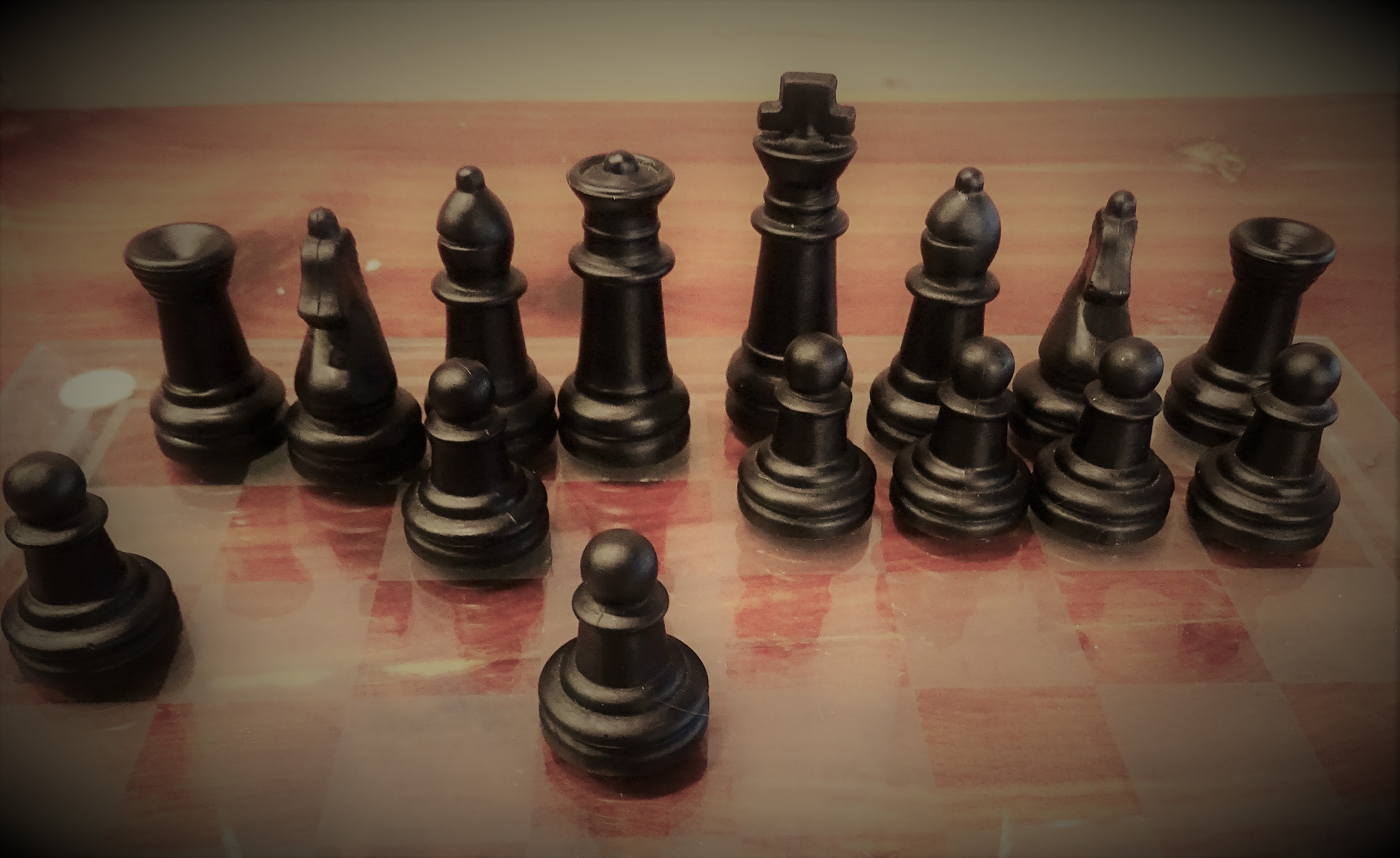
Yet now, it seems even though the majority of us still subscribe to decency, integrity and honesty, it matters less than if you have a lot of wealth and can buy your way into a misleading and dangerous leadership position. This is what happens when there is only one recognized litmus test for success and that test is money. Those with a lot of money control the game. The rest of us are pawns. We’re expendable. It’s a big game of power and apparently it’s been going on for decades.
Two weeks ago, on a long flight returning to the US from abroad, I chose to watch a movie on my seat’s private screen. All the President’s Men was available. Remember that one? It was the true story of two reporters in Washington DC who uncovered the Republican Party’s involvement in and cover-up of highly illegal activities intended to manipulate and influence the election in 1972. I was a high school student then, a member of my school’s Teen-Age Republicans. Watergate became a huge story. As a youth, I had no real idea what it meant, but it ended Nixon’s term early.
Watching the movie in 2017, all I could think was—“Republicans have been manipulating elections through any means available to them for a LONG time.”
To what end? This morning I read a post by Jon Perr, “The simple, sinister reason for the GOP’s never-ending war on Obamacare”. He described how the recent attack on the ACA was not an attempt to promote a better system or better care for millions of American people. There is nothing proposed to replace the contentious health care act. Indeed, the number-one reason Republicans chose to repeal Obamacare was apparently to stifle public approval and support for their opponents, the Democratic Party.
We are indeed pawns in a mega-chess game of power.
No wonder we grieve. We have suffered great loss. No stranger over the years to heart-wrenching farewells and grief of many origins, I recognize that our national reaction to events in Washington DC reflects many facets of loss. What are some things we have lost? Beyond the assurance that our healthcare needs will be answered, we grieve for much more.
We have lost the leadership of a remarkable president who consistently demonstrated his dedication to the welfare of our people and others around the world. Instead, through some political shenanigans, the reigns are handed to a tyrant who seems to care little for the majority of the people.
We’ve lost faith in the ideals and processes of our people-driven government. What might have been and where could we be now if, instead of choosing every action to make the people’s president fail, our senators and representatives had worked together for our common good? What might we have become over the past eight years? We will never know and can only wonder.
We’ve lost our belief in the basic goodness of humanity.
We’ve lost hope for the betterment of our future, for the preservation of a pristine and sacred planet to pass on to our grandchildren.
We’ve lost a dream of a future where each of us is treated with respect and dignity, and all things matter on a healthy and robust planet. Instead, we have a vision of an Earth such as the one Wall-E was cleaning in the animated movie, because all that matters is money. Who has the most money and how will they use it to manipulate us pawns for their own greedy ends?
It is no wonder that we grieve. Loss of a dream is hard.
As a novelist, I find myself pondering some of the plotting techniques I learned in workshops over the past few years. Consider, for a moment, that we are collectively the protagonist in an edge-of-the-seat thriller story. The poor protagonist experiences set-back after set-back, crisis after crisis, conflict after increasingly intense conflict. Just when you think you’re in the clear, you’re not. (Election of Barack Obama as US president.) Just when you think it can’t possibly get worse, it does. (Inauguration of Trump, and his cabinet choices.)
Collectively, as a character in an on-going drama, we are riddled with internal conflict. The election of November 8, 2016 is one giant plot twist, catapulting us into the final climactic scenario. How will we cope? Can we find the means to pull through this era of consternation as a better nation? Will we even survive?
We pawns must write the ending to this story. Recently a Facebook friend shared a thought about grief. “Grief is really just love with no place to go. It’s all the love you want to give, but cannot.”
The way to move ahead is to find new avenues to spend that love, in honor of those people, dreams, or ideas we have lost.
I sometimes have the opportunity to counsel others working through grief. It’s hard. There’s no denying that. The event, the compound losses, have changed our lives. It’s up to us what we do now. We can work through it, and become stronger in the process. Or we can wallow in it and drown.
We can either let our grief make us better people and a better nation, or we can let it break us.
I choose to let it make us—make me—better. I’m not off the board yet. I may have little or no influence in Washington’s big game, but I can influence my home and hometown. The question is, “How?”
I refuse to be overcome by fear and suspicion of neighbors and family members on the other side of issues. I can choose to share love, to smile at strangers, to listen with compassion. I can increase my support of humanitarian causes, here at home. I can be an ambassador of goodwill wherever I may go. I can support the ideals of freedom and equality. I can defend the first constitutional amendment just as adamantly as others have defended the second amendment.
(Amendment I. Congress shall make no law respecting an establishment of religion, or prohibiting the free exercise thereof; or abridging the freedom of speech, or of the press; or the right of the people peaceably to assemble, and to petition the government for a redress of grievances.)
I can march in a near-by Sister March on Saturday morning, a peaceful way to celebrate human rights, diversity, freedom, and equality for all. (www.womensmarch.com)
Who knows, if pawns in every hometown opted to spread goodwill, understanding, and justice, maybe the sorry protagonist in this suspenseful story will manage to pull through and save the day after all.
Do you have ideas about ways to resist with love and compassion? If so, please share them in the blog comments. If you’re shopping for more great ideas, check out johnpavlovitz.com/2017/01/14/10-acts-of-resistance-on-inauguration-day

 The Bridge