Choices Make a Difference

“Do I HAVE to?” Who hasn’t grumbled those words? I’m guessing it’s a universal childhood lament when asked by a parent to handle one task or another.

This was fairly common when I was a girl. My sisters and I had responsibilities every day, along with weekly chores. Of course, we’d rather play with the neighbors, read a book, or watch TV. So, “Do I have to?”

To which the quick answer was, of course, “Yes. You have to.”

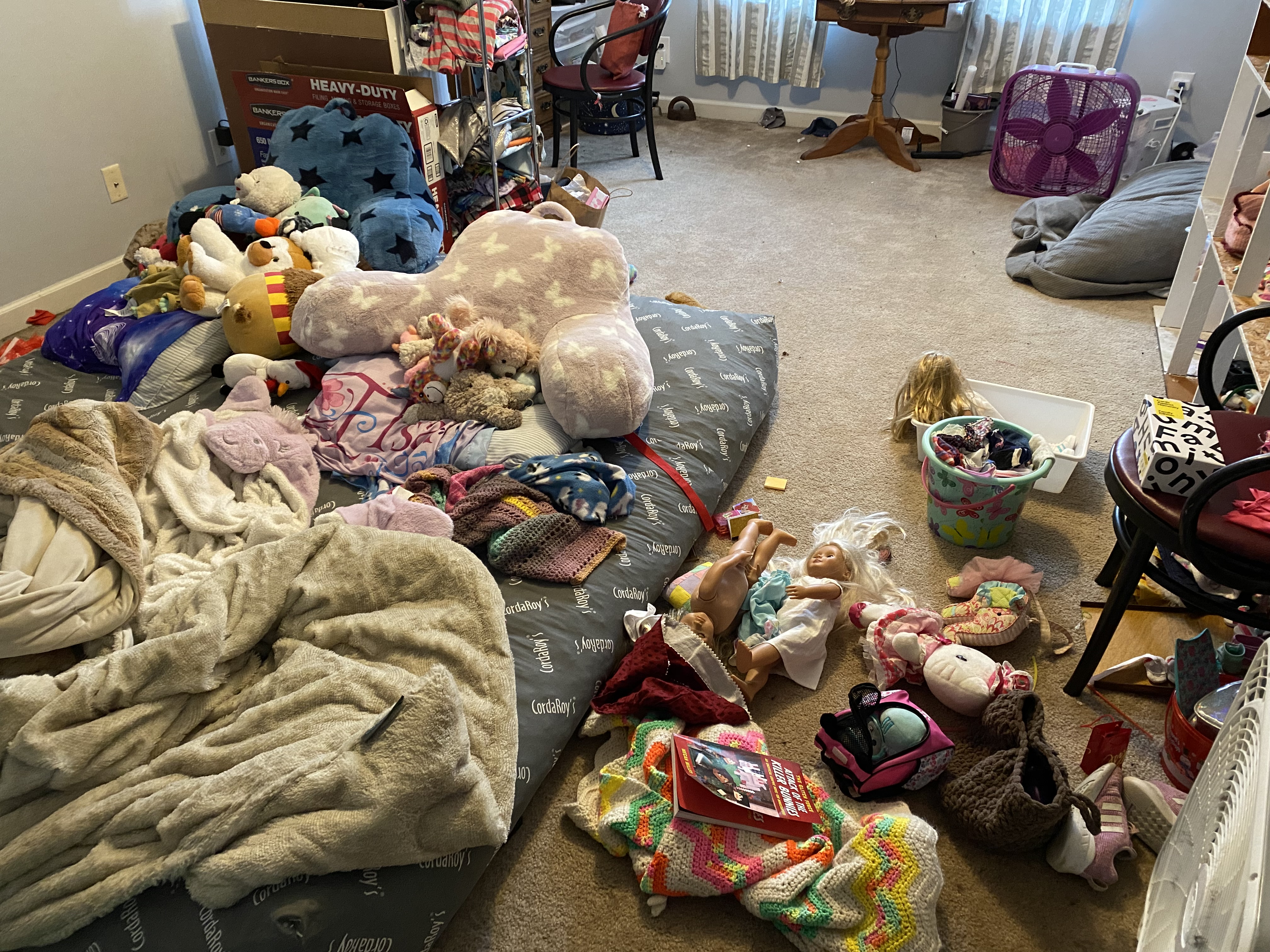
Until it wasn’t the answer. I can’t recall the task my dad asked me to tend to. Maybe it was helping set the table for dinner. Maybe it was drying the dishes which my sister washed. Maybe it was making my bed, or tidying my room, or raking leaves on our lawn. But whatever the request, my practiced response, shoulders drooping, was, “Do I have to?”

This time was different. My dad was likely tired. Perhaps he was exasperated after a long day at his job. Maybe he’d heard this phrase one too many times lately. Instead of responding with the expected, “Yes,” he sighed deeply and said, “No. There is really nothing on Earth that you ever have to do.”

His words. The message I got, however, was far deeper and is one I’ve never forgotten. If there’s nothing I ever really have to do, it’s what I choose to do that counts. That has stuck with me for over fifty years. The unspoken message influenced my life from that day forward. I may have hesitated after that day before I spouted the trite lament when I was asked to do my share. But I quit objecting to the chores. Rather, I chose to follow through and I learned it wasn’t so bad.

It’s kind of like Robert Frost’s two roads diverging in a wood. When faced with conflicting options, what I choose to do makes a difference.
Savoring the Middle Ground

Do you remember the Atlanta summer Olympics of 1996?

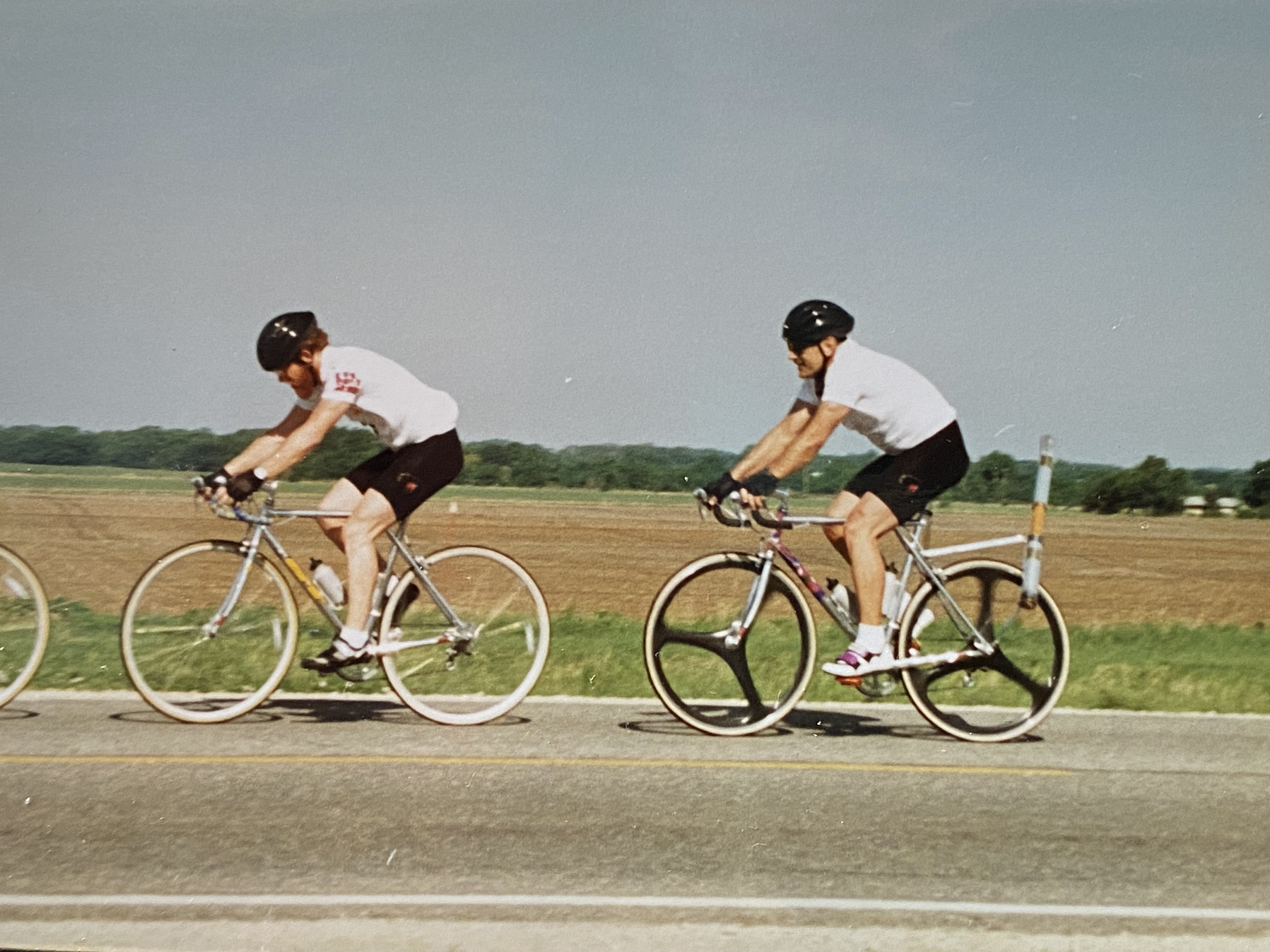
Who would unless you participated as an athlete, or lived in Atlanta, right? That seems an odd memory to bring up in January 2024, but I’ve been thinking about it often of late. Not that we attended the event in any way whatsoever, so maybe saying memories of the Atlanta Olympics skirts the edge of my topic. What I do recall is that there was a team of Georgia State Police officers that rode bicycles across the entire country in advance of the opening ceremony. They took turns carrying the Olympic Torch, so in effect, it was a relay across the country. And they rode right past our home.

The schedule and route were publicized accurately enough that we knew approximately when to expect them. We packed a quilt, snacks, and drinks, and set up a picnic at the end of our driveway to watch for the riders.

And we saw them!

This was back in the day of 35mm photography, when the internet and cell phones were in their infancy, so there was no easy video footage or sequence of still shots. But when the escort with flashing lights came over the rise leading the cyclists, I got my camera ready and took one good shot as the team rode past.

I’ve been thinking of this relay which brought the flame to the ’96 games as a metaphor for life. When the death of my father more than a decade ago put me in the family’s senior generation, I entered the Elder phase of life rather reluctantly. We age and we prepare to pass the flame on to the next generation, intentionally or not. But it happens.

As my own elders and mentors passed away, it fell to those of my generation to assist younger adults as they encountered the ever-increasing and dire challenges Earth residents face. We easily recognize what an elder is: someone on the downslope of life whose accrued wisdom can be beneficial to those on the way up the slope.

We might be less familiar with the term as a verb, an active and intentional process. To “elder” implies a conscious and willing sharing of lessons learned, offering our stories in a benevolent manner. Acceptance of what we share is completely voluntary by younger folks. But not to offer, not to continue our attempts to make things better for the coming generations—in other words, to give up—is not an option.

I ran across a note I’d written to myself years ago on the back side of a printed copy of the Prayer of St. Francis of Assisi.

“Giving up. It’s the original sin.” (Attributed to Anne Sullivan)

With this post, I introduce a category of “Eldering”. Through sketches of my younger years, I will offer some ideas, events, and lessons that were turning points for me. Eldering fits aptly in The Bridge blog since it effectively builds bridges from ancestors who have already left this life to the newest shining faces. We have lived through much in our decades, and been influenced even more by our own long-gone parents and grandparents, but there is much left to do. The future is built on the past and today’s needs are urgent. Letting go and giving up are not options. It’s time to savor the middle ground, to be a bridge from the ancestors to the children, to accept the torch and prepare to pass it on.