
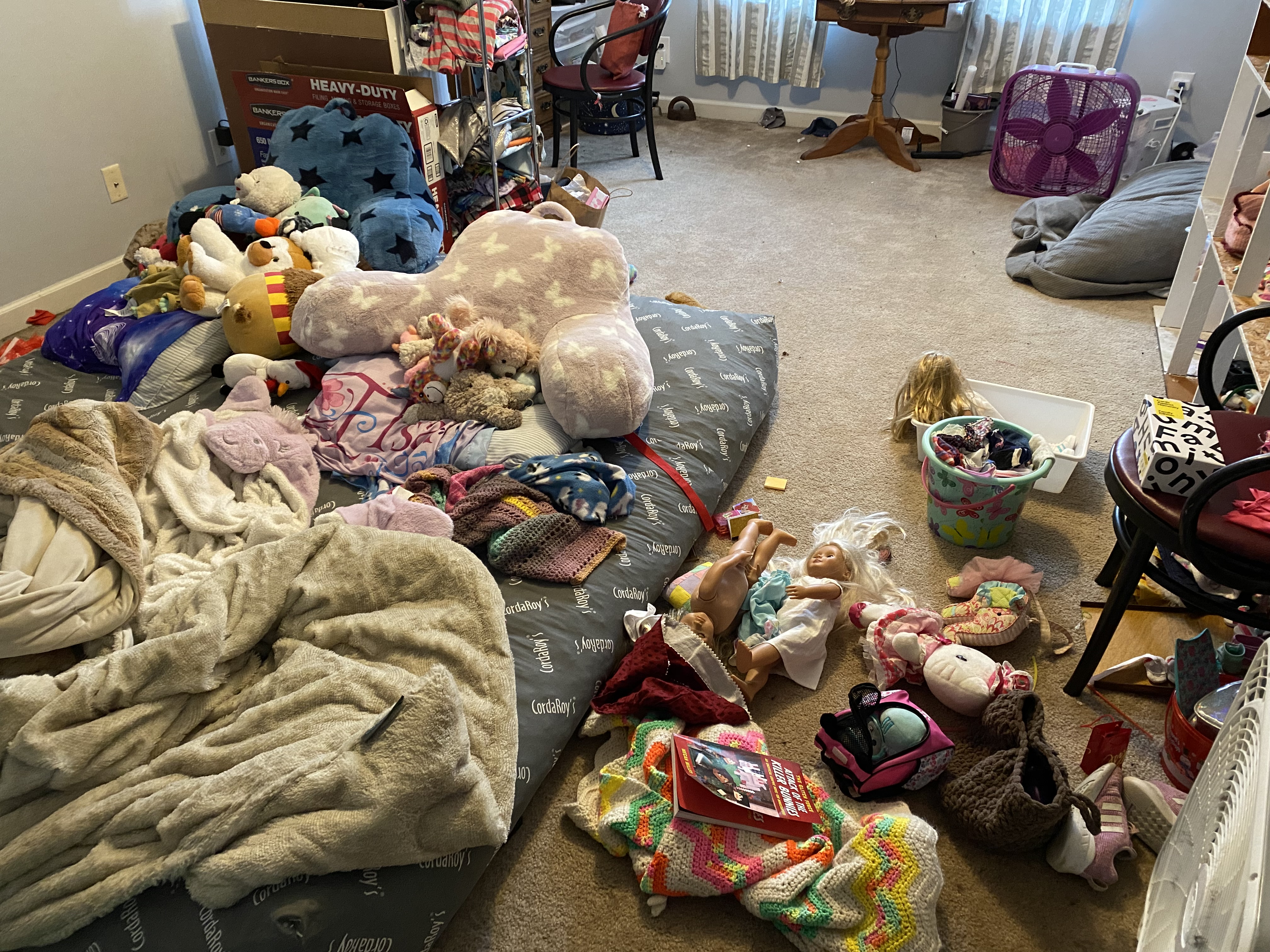
“Do I HAVE to?” Who hasn’t grumbled those words? I’m guessing it’s a universal childhood lament when asked by a parent to handle one task or another.
This was fairly common when I was a girl. My sisters and I had responsibilities every day, along with weekly chores. Of course, we’d rather play with the neighbors, read a book, or watch TV. So, “Do I have to?”
To which the quick answer was, of course, “Yes. You have to.”
Until it wasn’t the answer. I can’t recall the task my dad asked me to tend to. Maybe it was helping set the table for dinner. Maybe it was drying the dishes which my sister washed. Maybe it was making my bed, or tidying my room, or raking leaves on our lawn. But whatever the request, my practiced response, shoulders drooping, was, “Do I have to?”
This time was different. My dad was likely tired. Perhaps he was exasperated after a long day at his job. Maybe he’d heard this phrase one too many times lately. Instead of responding with the expected, “Yes,” he sighed deeply and said, “No. There is really nothing on Earth that you ever have to do.”
His words. The message I got, however, was far deeper and is one I’ve never forgotten. If there’s nothing I ever really have to do, it’s what I choose to do that counts. That has stuck with me for over fifty years. The unspoken message influenced my life from that day forward. I may have hesitated after that day before I spouted the trite lament when I was asked to do my share. But I quit objecting to the chores. Rather, I chose to follow through and I learned it wasn’t so bad.
It’s kind of like Robert Frost’s two roads diverging in a wood. When faced with conflicting options, what I choose to do makes a difference.



 The Bridge