Heirloom Begonia

I conclude my series on Plants that are some of my Favorite People on this last day of 2025 with a tribute to a cherished begonia and the people she represents. Long ago, my Grandma Georgia tended her angelwing begonia in the west window of her front room. The stand beneath it was likely crafted by my dad, her son, in his woodworking shop. All of her grandchildren noticed this solitary plant, the only one she kept inside. Its showy speckled leaves were indeed shaped like wings, with many colors—from green to red, and silver speckles. Grandma told me that she had received this begonia from her mother, who got it from her mother, and so on and so forth. It is a living family heirloom. The cuttings keep going over many generations, and decades, and multiple centuries. Who is to know how old this plant really is? For Grandma, it dated back to the 1800s. It’s now part of my 21st century garden.
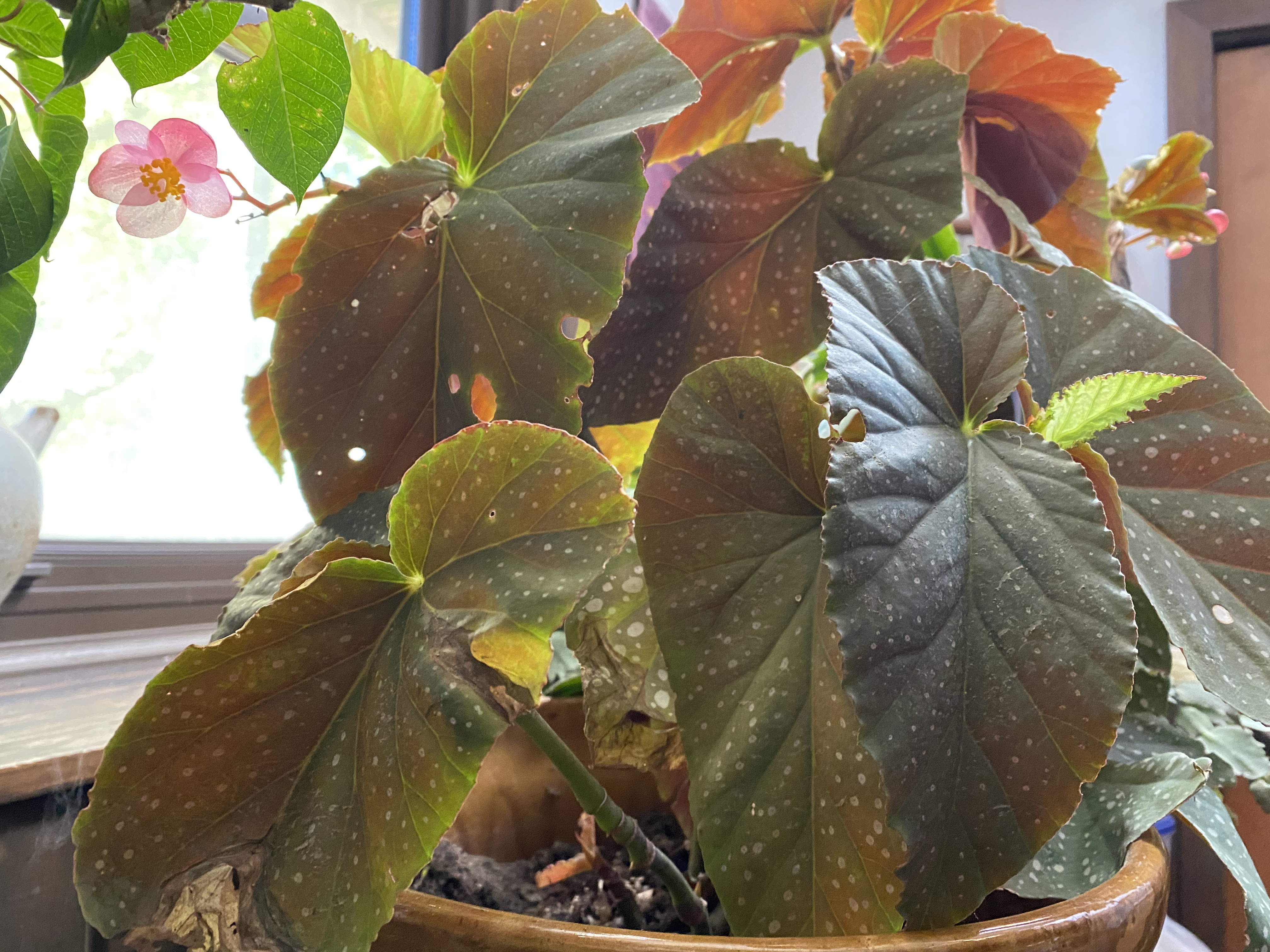
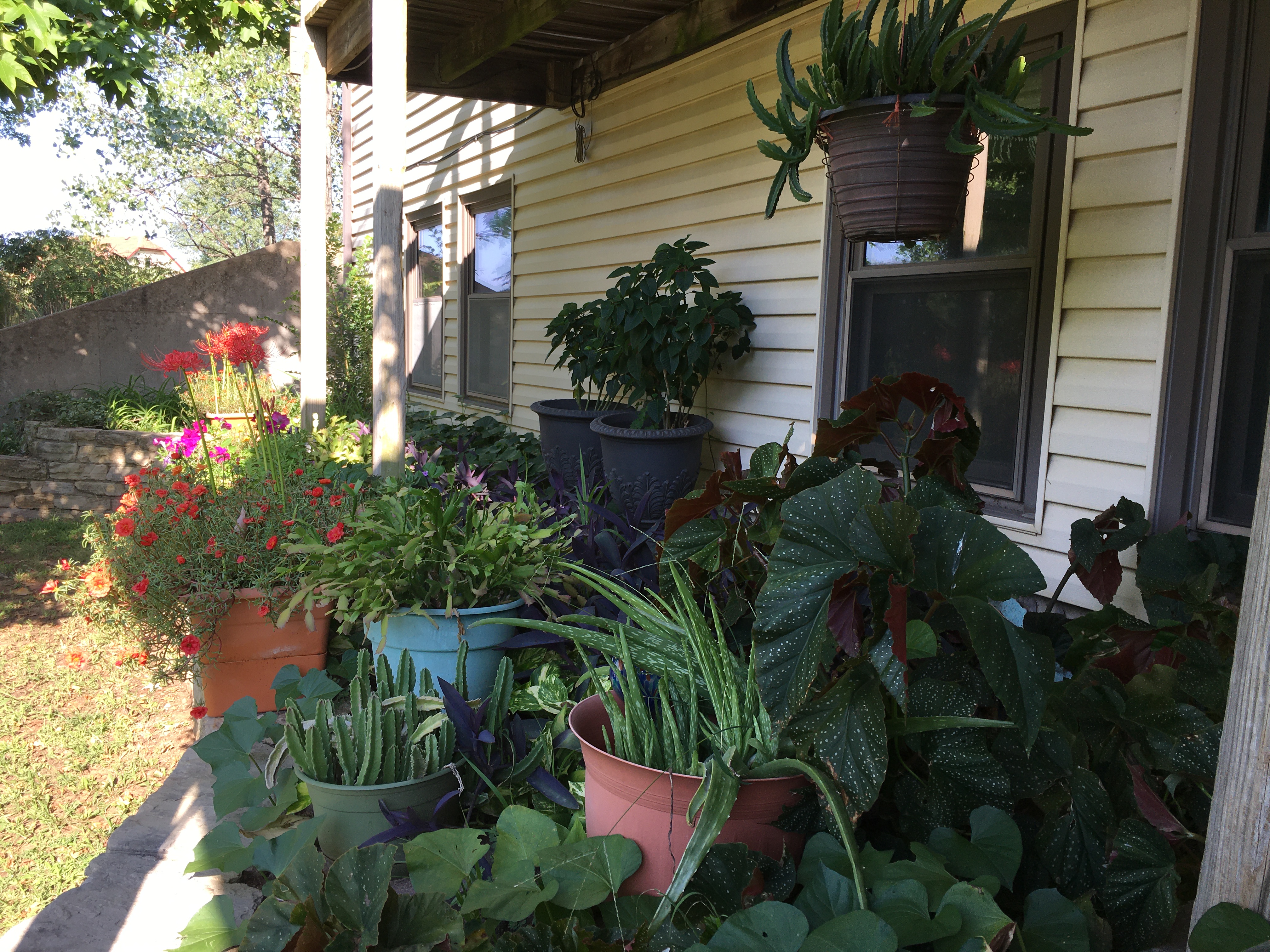
And so the angelwing begonia is esteemed in my collection. It represents the family’s values—among which are resilience, persistence, continuity, and devotion. It is determined and dedicated, regardless of its human caretakers, and just keeps on keepin’ on, fulfilling the purpose the universe has assigned to it.

My treasured angelwing begonia has graced my window ledge in winter and the outdoor planting beds in the summer for many years. Like Grandma Georgia, I have shared cuttings with cousins, sisters, nieces, and friends. With appreciation for the begonia’s connection to my grandmother, I saved this post for the last in the series for two reasons. One was the reminder of the cyclical nature of life on earth and the resilience of life as we prepare to welcome a new year. May the begonia deliver hope for the weeks and months to come.
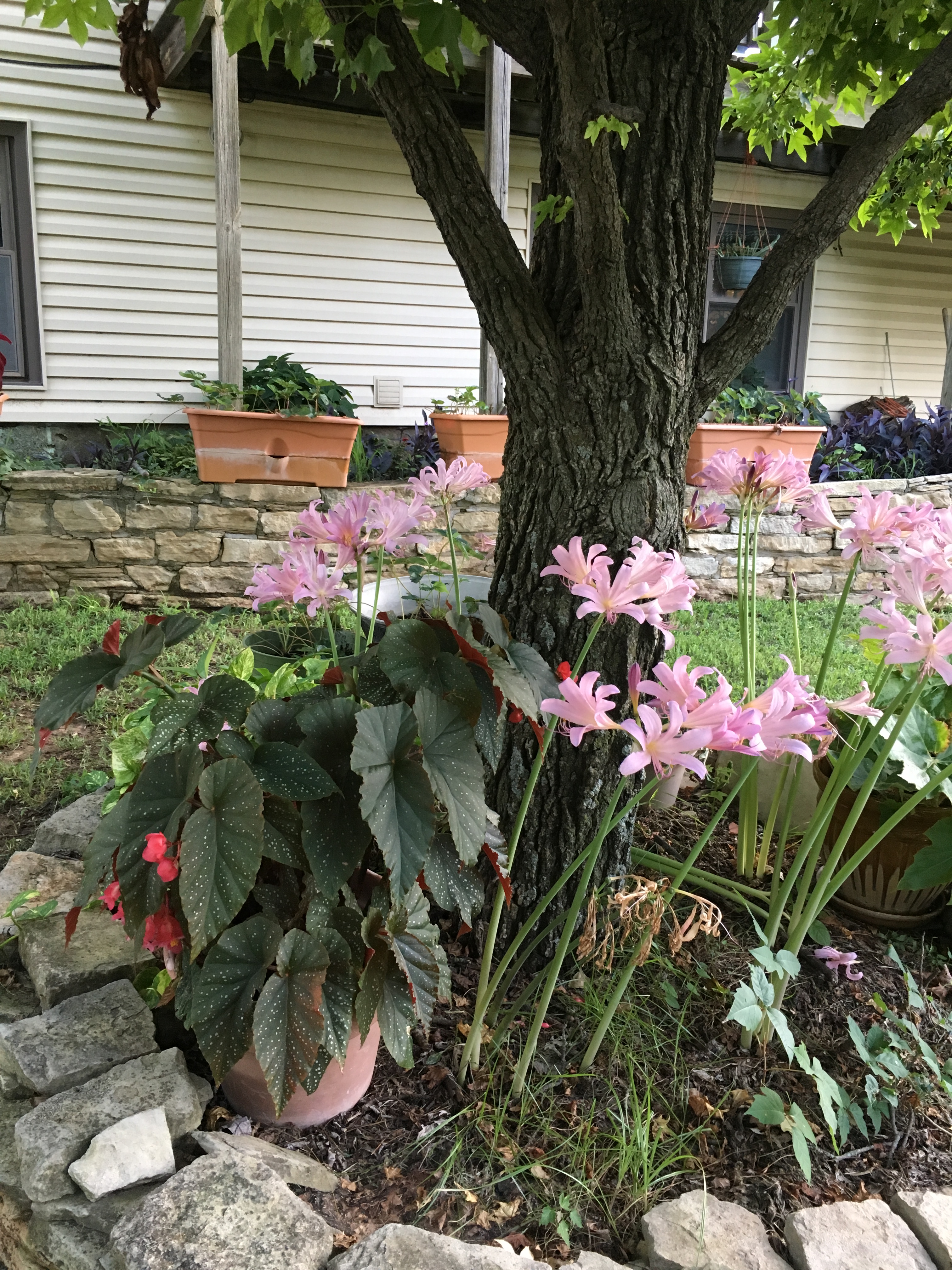
The second was to honor the memory of a dear cousin who passed away one week ago today, on the day before Christmas. Like my sisters and me, she was a granddaughter of Grandma Georgia. One of my favorite memories of Maureen is her quiet request for one of the begonia cuttings a few years ago. I prepared one for her and we met in the parking lot of the Episcopal Church in Derby for the exchange. Now my angelwing begonia connects me to her as well as other loved ones who have donned their own angel wings in the great beyond.

Maureen, you will be missed.

Meet Elizabeth Mames

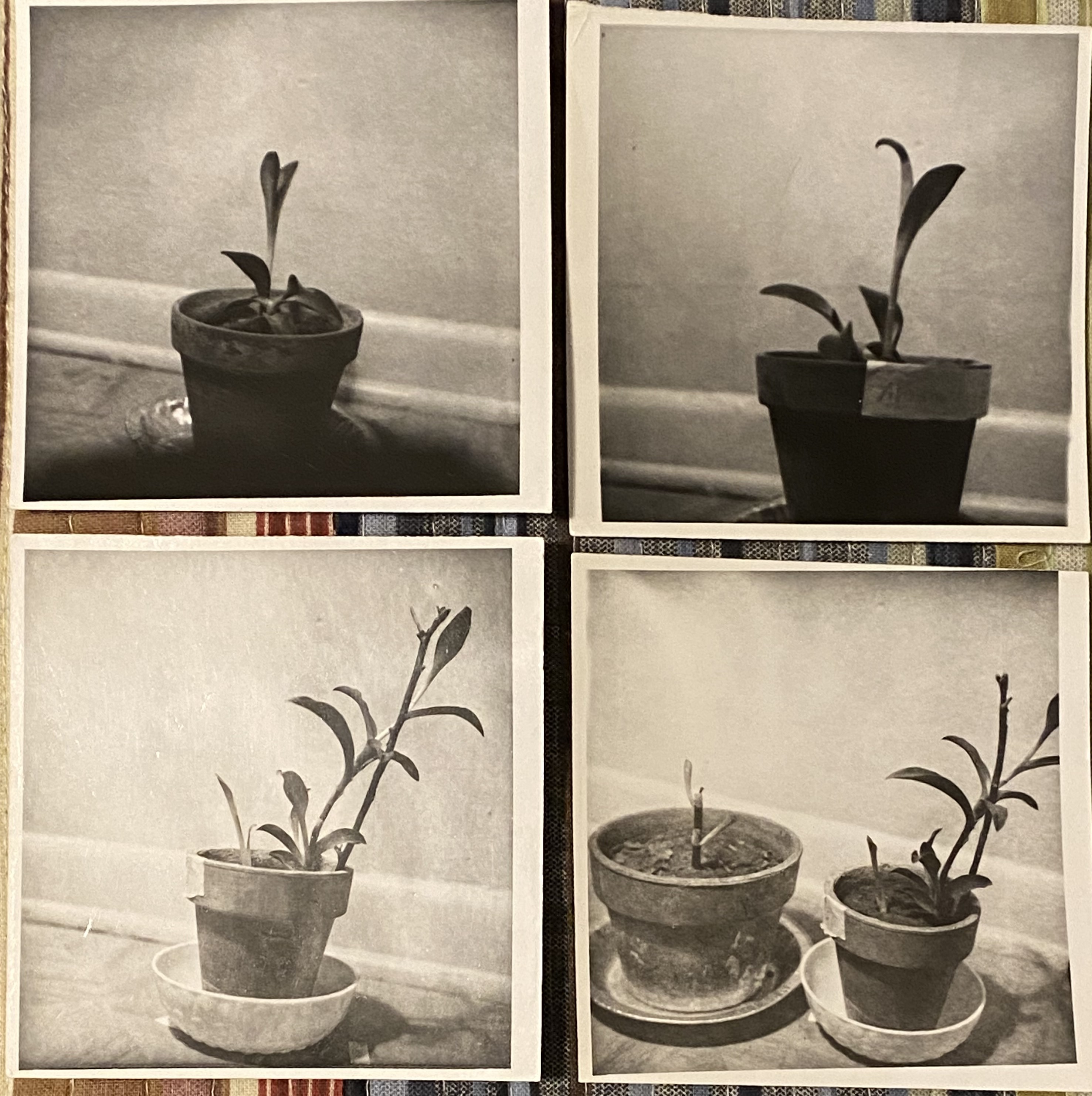
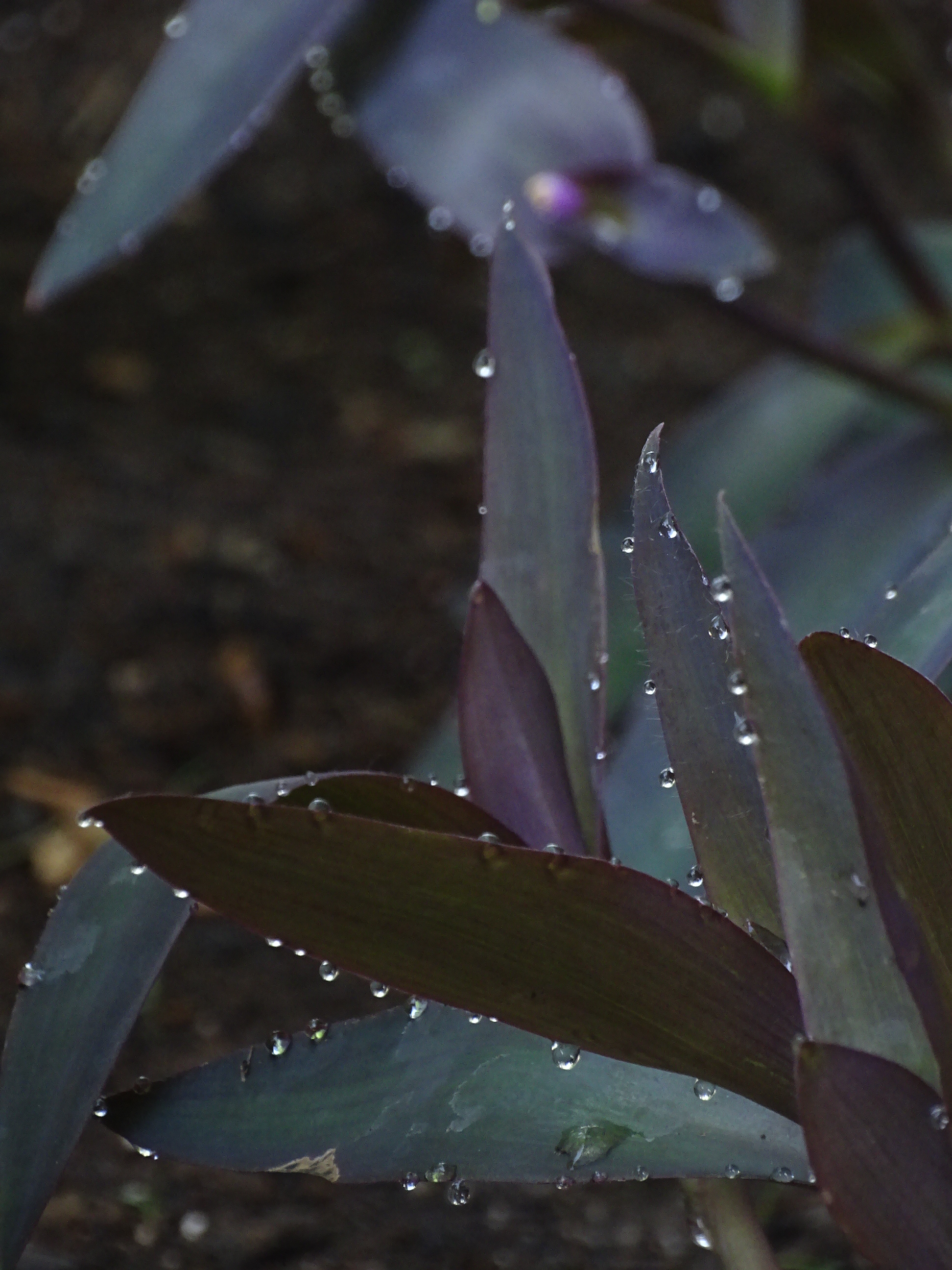
My tales of plant friends would not be complete without mention of my first pet plant. Meet Elizabeth Mames. When I was just 10 years old, I received a start of the classroom windowsill plant from my 5th grade teacher, Mrs. Pratt. She had pruned the potted plant that graced the window in our classroom and sent a start home with me, probably other classmates as well. It was striking with purple—not green—foliage, and tiny, delicate three-petaled flowers. Without blossoms to attract much attention, this was truly a foliage plant. Mrs. Pratt called the classroom plant a Wandering Jew. I named mine “Elizabeth Mames,” and Elizabeth Mames she has remained through the ensuing decades.

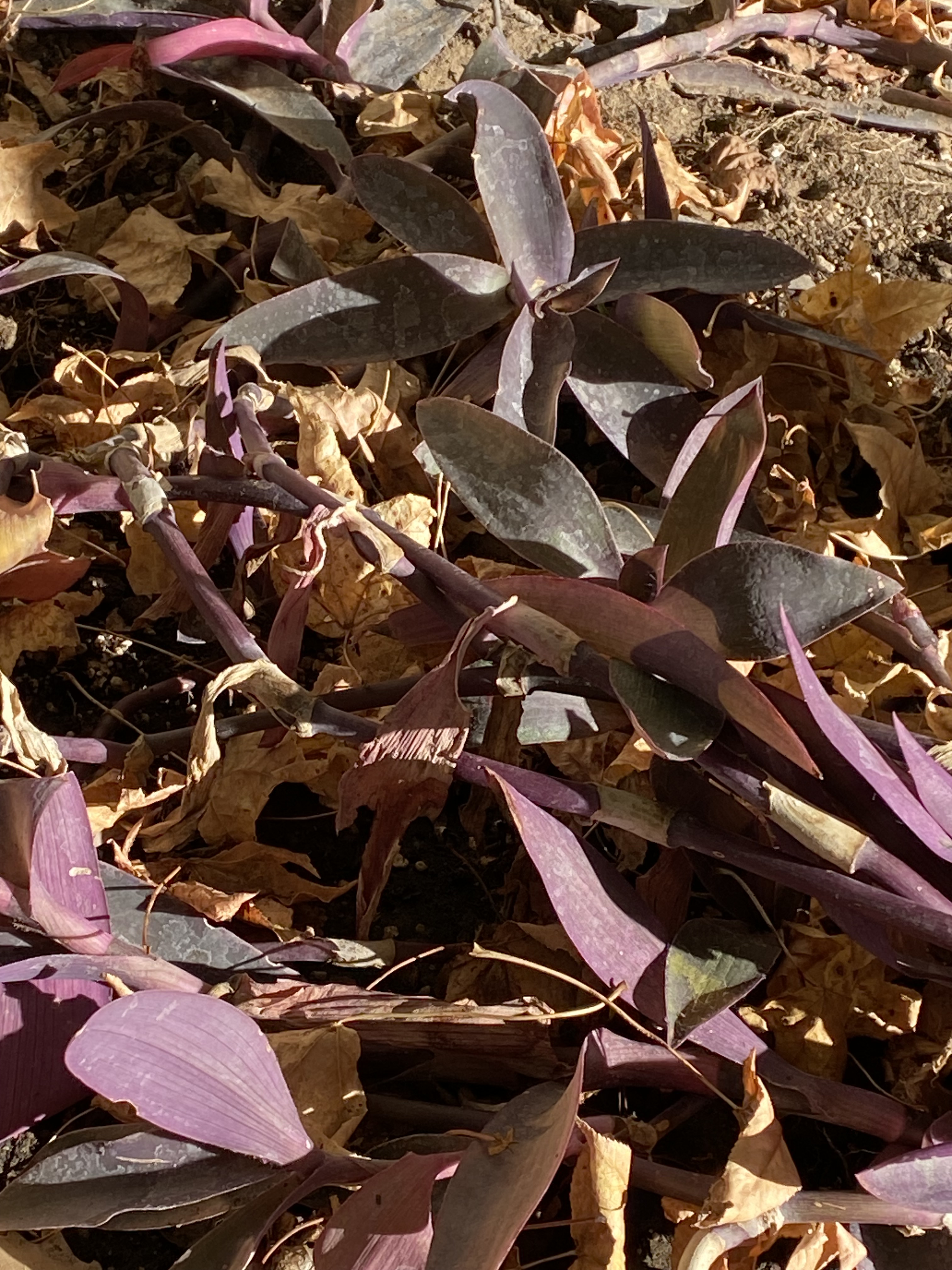
At home, I was fascinated to see white roots erupt from the purple stems I stuck in a glass of water. With guidance from my agronomist father, I potted Elizabeth Mames and for several weeks took photos of her growth. (In black and white, of course. No color photos back then. Yes, I’m that old.) She has stayed with me through several life moves, through thick and thin, through heartache and celebration. At some point in time, I realized that Elizabeth Mames would do quite well outside during the warm months, but I was careful to collect starts before frost wilted the purple leaves every autumn. Several years ago, I was amazed to see that she would come back from her underground roots when the weather warms in springtime, unless we experienced a polar vortex, as we have a time or two. So, I still collect a few stems to keep her going through the winter.

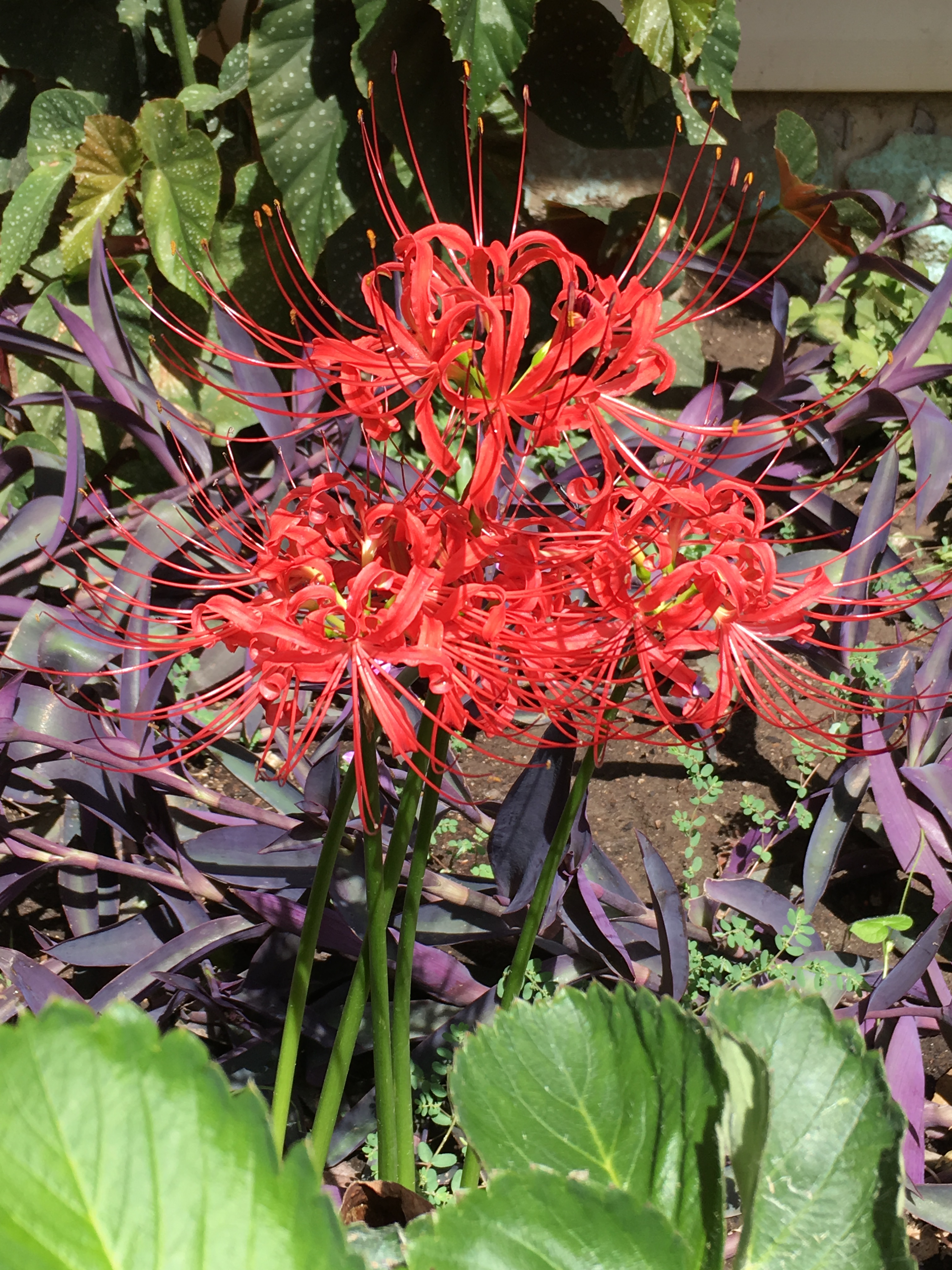
She’s not showy, but provides a lovely backdrop for my other plant friends in the summer planting beds. Elizabeth Mames has stayed with me for decades, sturdy and reliable. She helps me remember my stellar 5th grade teacher. When my own children reached 5th grade, I started looking for Mrs. Pratt and found her in another town and another state. She was delighted to hear from me and we corresponded until her death five years ago.

Thanks, Elizabeth Mames, for the memories.

Plants are some of my Favorite People #2

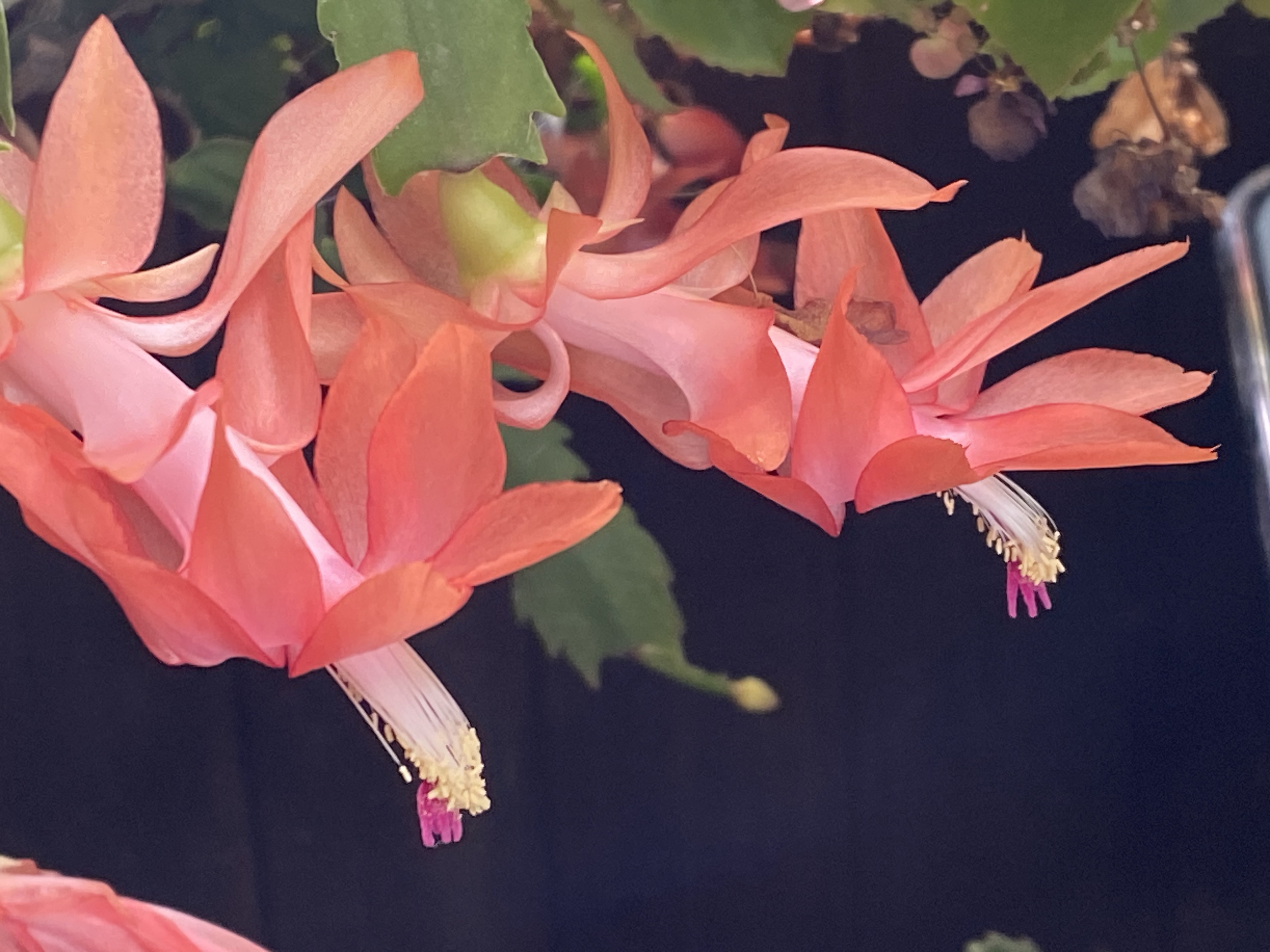
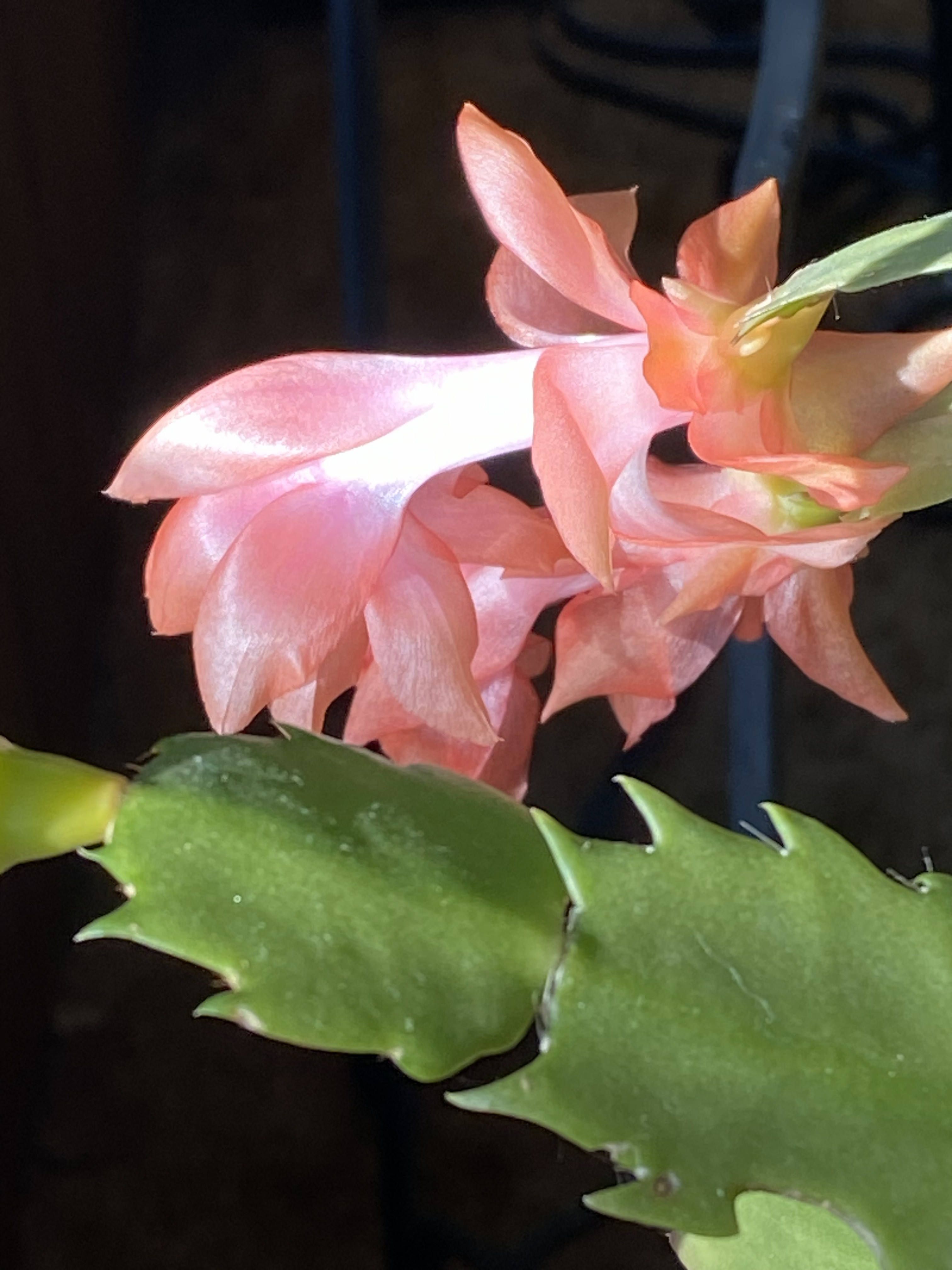
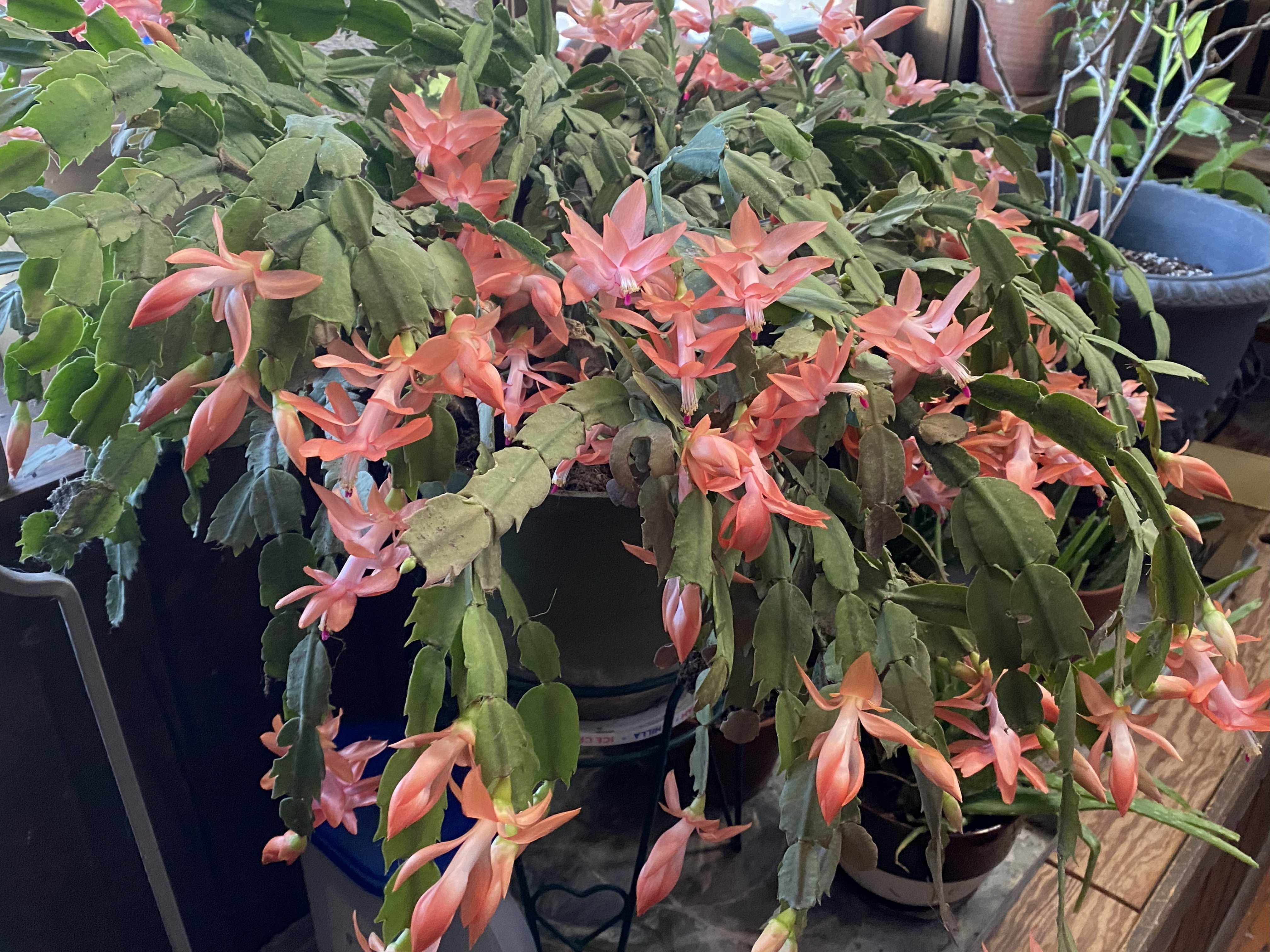
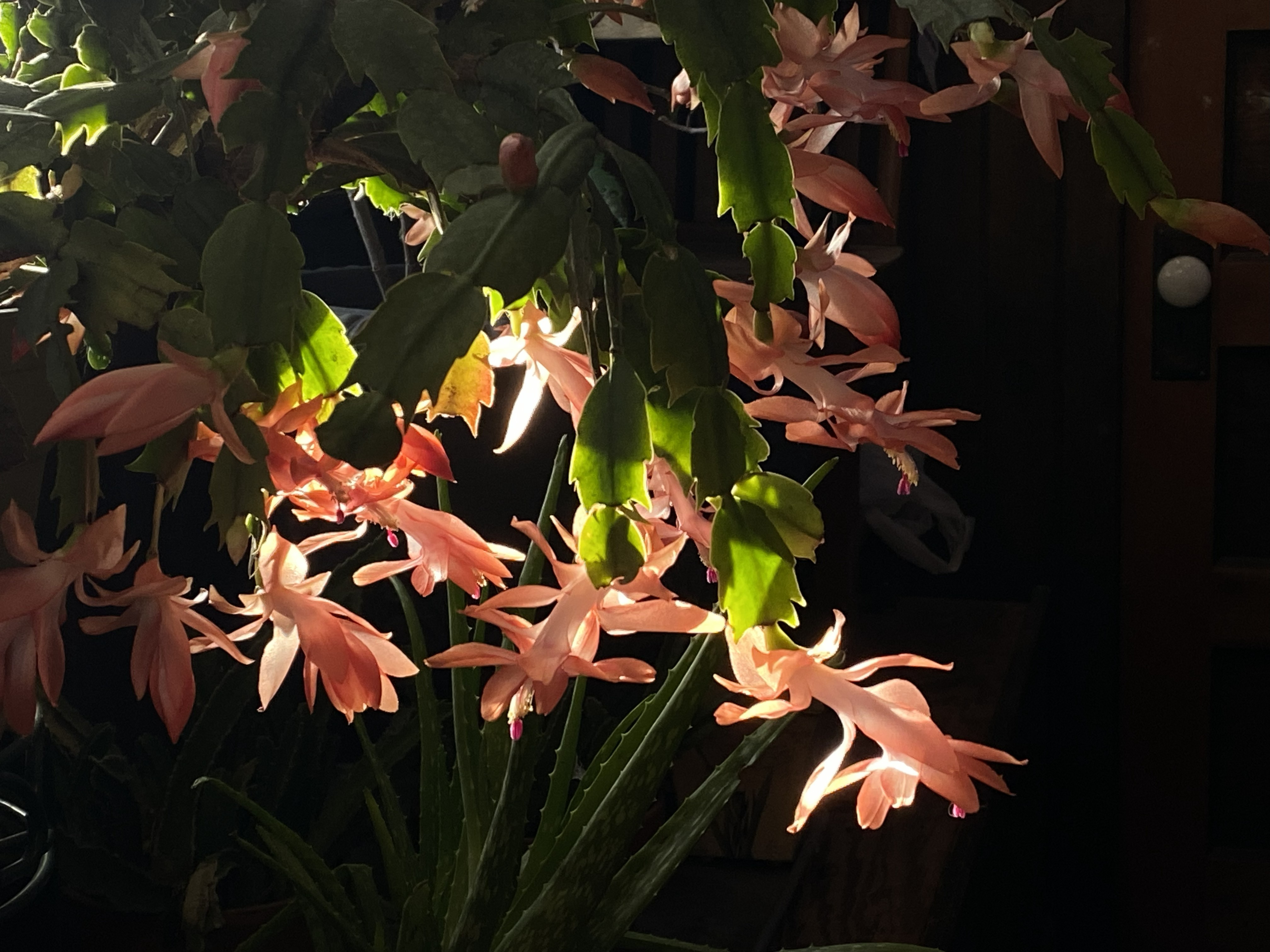
Plants connect me to people from long ago and far away. From a Rocky Mountain high with the Mother succulent, I think of another daughter who has moved around a lot with her husband for the US Marines. With a giant leap over my location, she is 1800 miles away from her sister, and 1400 miles away from me. She has tried to keep her young girls involved in the fascinating world of plants by creating mini-gardens in different locations. Now a first-grade teacher in Coastal Elementary School, she recently shared a photo of a blooming Christmas cactus one of her students gave her. That made me think of my own mother.

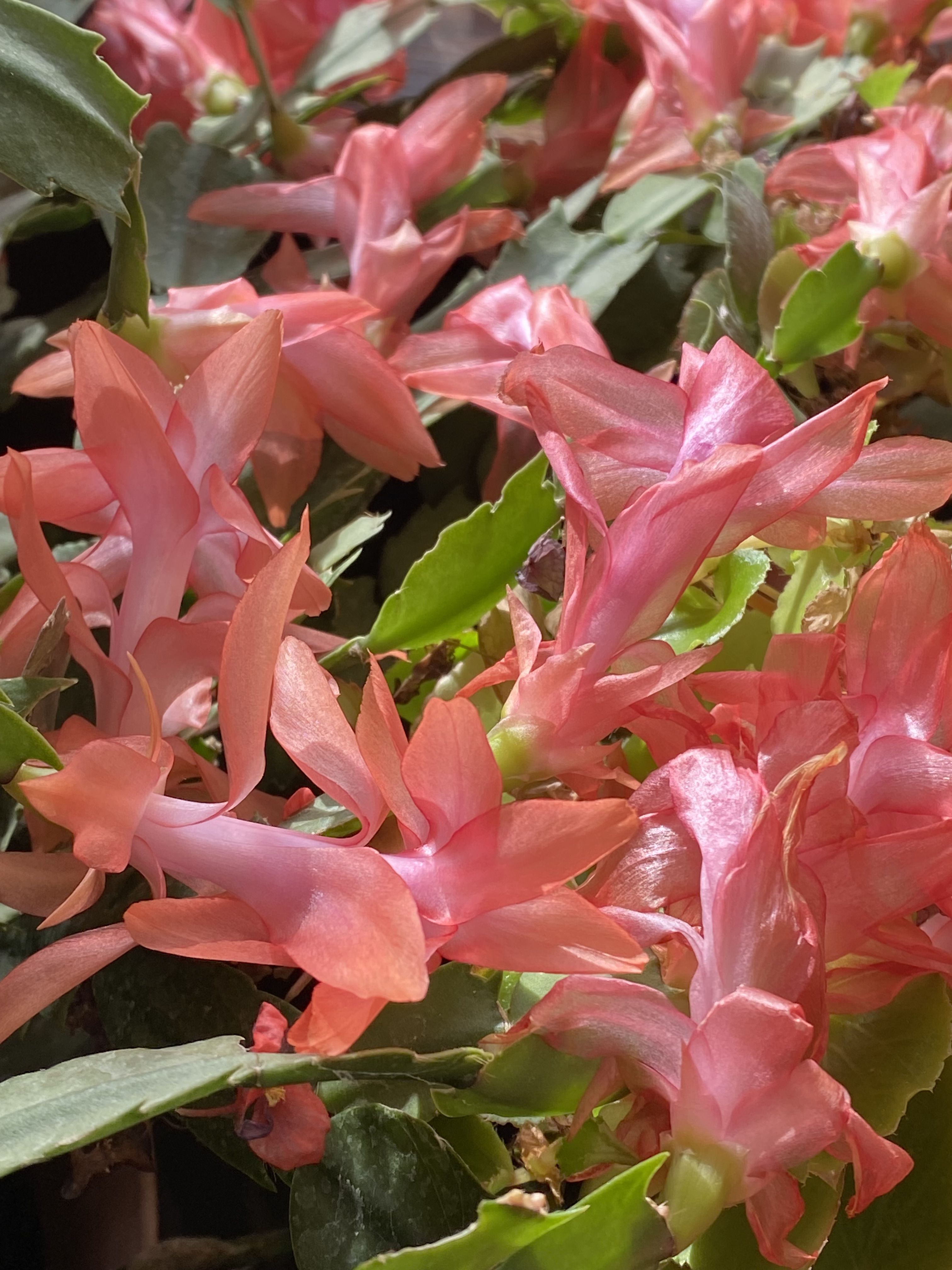
Mother wasn’t much for tending houseplants or flowers, though she always helped plant, weed, harvest, and preserve garden produce alongside my dad. About thirty years ago, a friend she’d known since her college days in the 1930s gave her a Christmas cactus start. This was long after I’d left home and started my own family. Mother shared some Christmas cactus starts with me soon after she planted her own. She has been gone more than twenty years now and when this plant faithfully blooms at Thanksgiving time each year, (not Christmas!) I think of her. This prolific plant connects me to both my mother and my daughter. The circle is unbroken.

To Trees, with Love


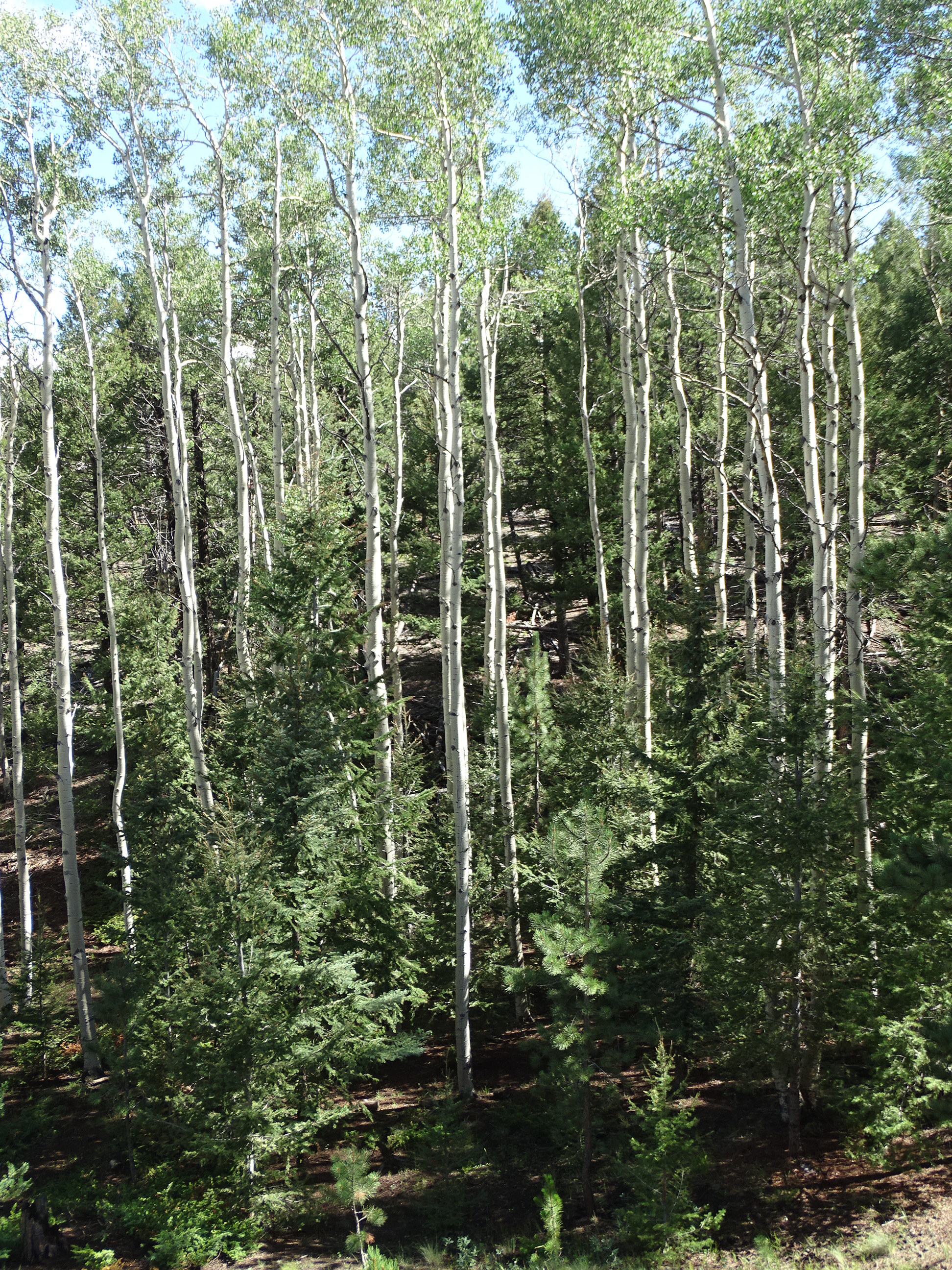
Lately, I have been looking at trees with renewed awareness and appreciation-the tips of spruce trees traveling miles in little circles when brushed by the wind; the clone communities of aspen, connected underground in secret companionship; the shade and shelter from blazing mountain sunshine; home to countless wild birds who wake us at first light with their songs; source of fuel, of energy, of life for the rest of the world’s systems.

Aspen in Colorado

Have you ever listened to hear a tree’s gentle message? Weeks now after completing my first read of Richard Powers’ The Overstory, I am practically at a loss to describe the novel’s impact.

“…the word tree and the word truth come from the same root,” Powers writes more than once in the pages of The Overstory. I looked them up. He’s right.

Toward the end, Nick (a character whose family history was wrapped up with American Chestnuts) gestured toward a stand of conifers where he was involved in creating artwork on a scale to be seen from orbiting satellites. “It amazes me how much they say, when you let them. They’re not hard to hear.”

To which his anonymous companion chuckled. “We’ve been trying to tell you that since 1492.”

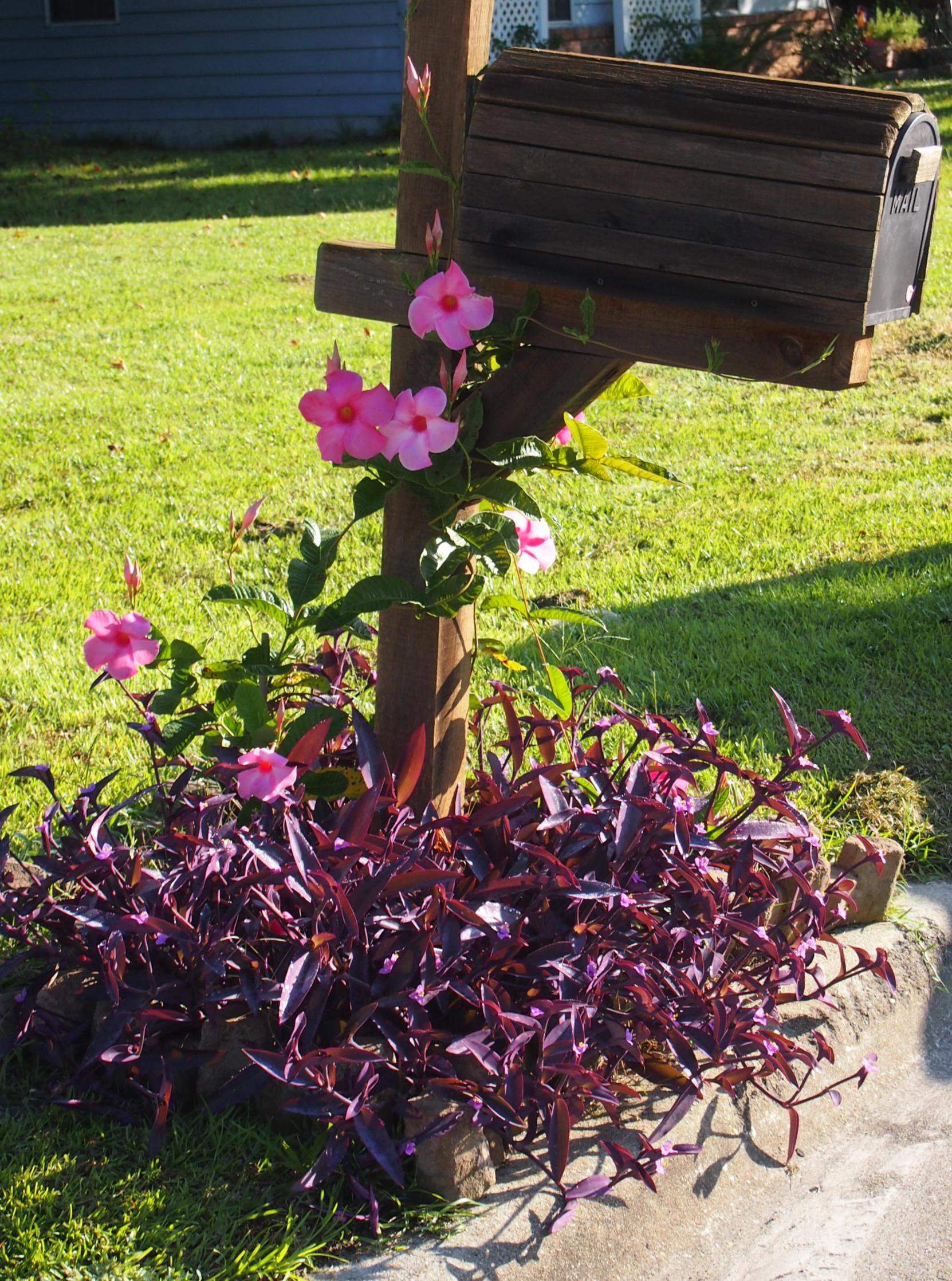
My own journey with trees in particular and plants in general goes back decades to my own childhood. I had numerous pet plants and I named some of them. There was Katrina, the pea plant, and Elizabeth Mames, a wandering Jew given to me by my 5th grade teacher. Elizabeth Mames fills my summer flower boxes still, purple foliage with small tri-petal blossoms.

Elizabeth Mames around a mailbox.

No stranger to aloneness that is often chosen but sometimes enforced, it never failed to fill me with peace when I worked with plants. I shied away from human crowds. Still do. But I felt at home under the trees. Did they speak to me? Not in words, exactly. Maybe with sensuality.

Here’s a poem I wrote as a young college student.

The Lonely Pine

Alone and lonely I met the Ponderosa pine,

Relaxed beneath its radial limbs,

Savored, in my loneliness, the sigh of wind

Through its thousands of fingers,

Pondered the cylindrical split of each

Cluster of three needles fallen to Earth,

Savored again the lonely whine of each live needle

Brushed by the strong south wind,

And I loved that tree.

None but me had ever noticed

—really noticed—that Ponderosa,

and we were companions in loneliness.

At that moment I sensed

All grasses of the prairies,

All trees of the forests,

All birds of the air,

All fish of the sea,

And all creatures of Earth

Were engulfed in the loneliness I knew.

Then, too, I sensed

That though all life may receive

And respond to love,

Only we humans initiate

The silting in of canyons of loneliness.

And then I loved

The Earth and its life,

So all things might be free of loneliness

Forevermore.

After reading The Overstory, I’m not sure any longer that only humans can make the first move toward reconciliation and community. Maybe the botanical world is trying to tell us something. If you can hear them, listen.