Heirloom Begonia

I conclude my series on Plants that are some of my Favorite People on this last day of 2025 with a tribute to a cherished begonia and the people she represents. Long ago, my Grandma Georgia tended her angelwing begonia in the west window of her front room. The stand beneath it was likely crafted by my dad, her son, in his woodworking shop. All of her grandchildren noticed this solitary plant, the only one she kept inside. Its showy speckled leaves were indeed shaped like wings, with many colors—from green to red, and silver speckles. Grandma told me that she had received this begonia from her mother, who got it from her mother, and so on and so forth. It is a living family heirloom. The cuttings keep going over many generations, and decades, and multiple centuries. Who is to know how old this plant really is? For Grandma, it dated back to the 1800s. It’s now part of my 21st century garden.
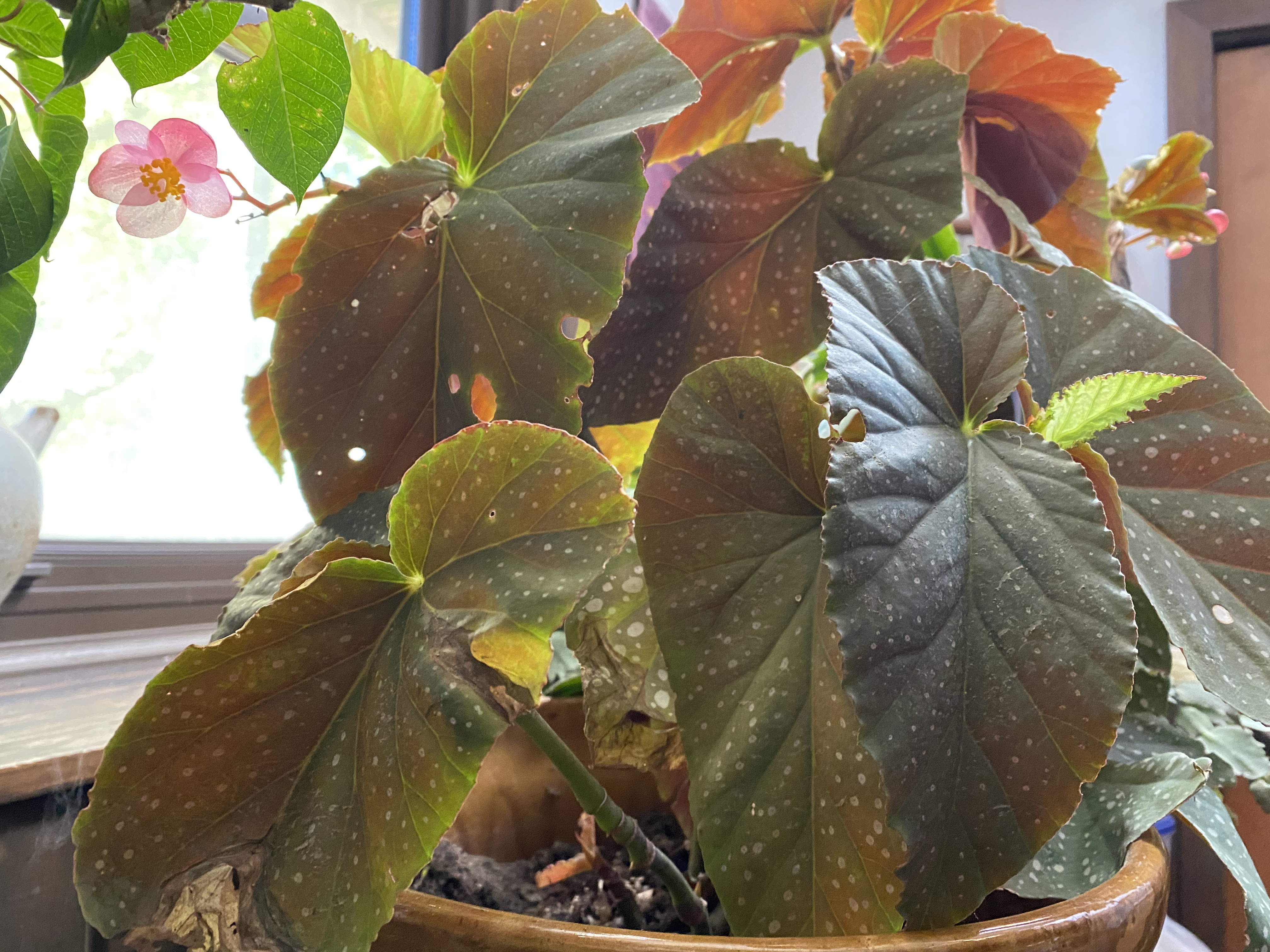
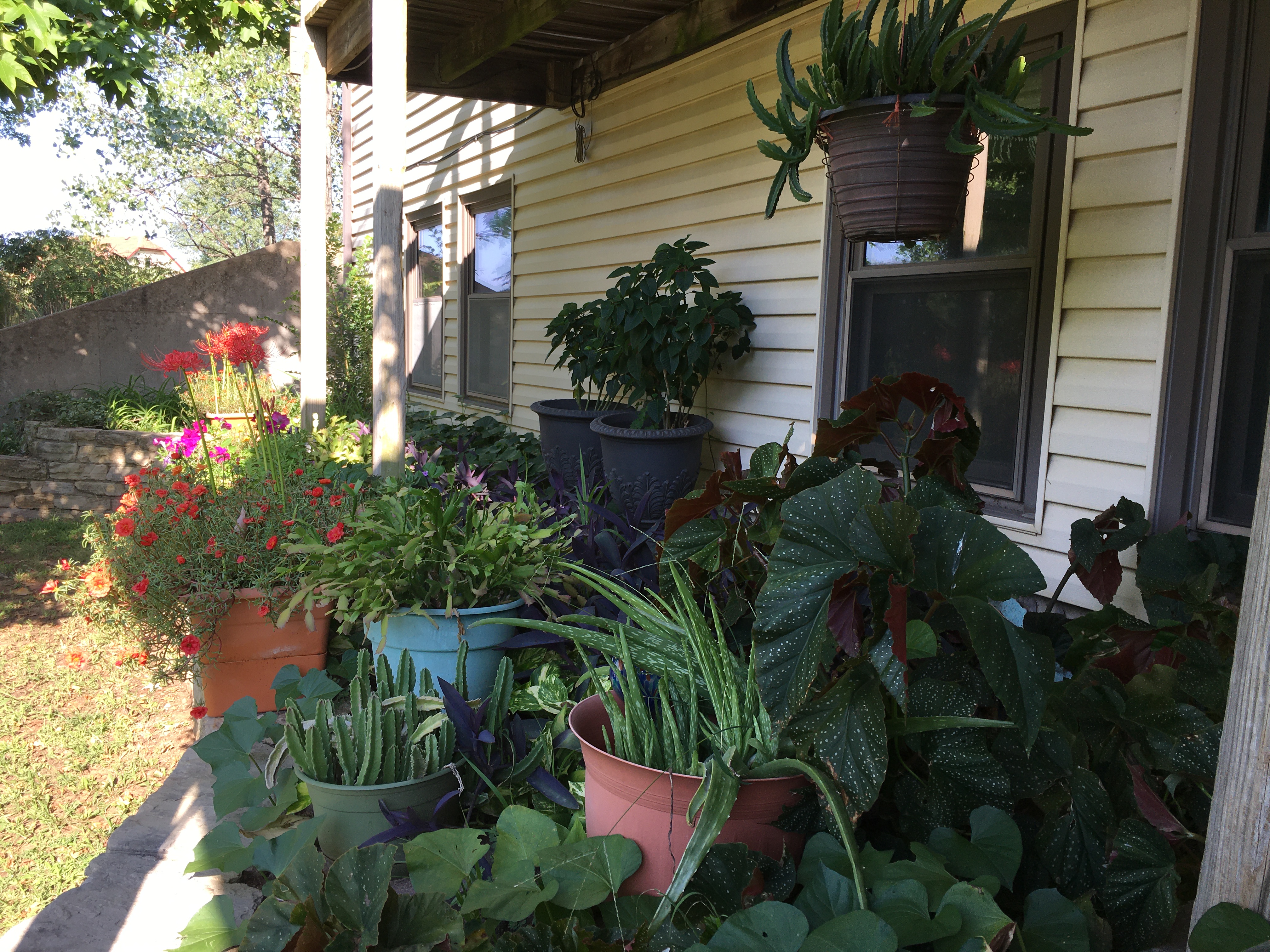
And so the angelwing begonia is esteemed in my collection. It represents the family’s values—among which are resilience, persistence, continuity, and devotion. It is determined and dedicated, regardless of its human caretakers, and just keeps on keepin’ on, fulfilling the purpose the universe has assigned to it.

My treasured angelwing begonia has graced my window ledge in winter and the outdoor planting beds in the summer for many years. Like Grandma Georgia, I have shared cuttings with cousins, sisters, nieces, and friends. With appreciation for the begonia’s connection to my grandmother, I saved this post for the last in the series for two reasons. One was the reminder of the cyclical nature of life on earth and the resilience of life as we prepare to welcome a new year. May the begonia deliver hope for the weeks and months to come.
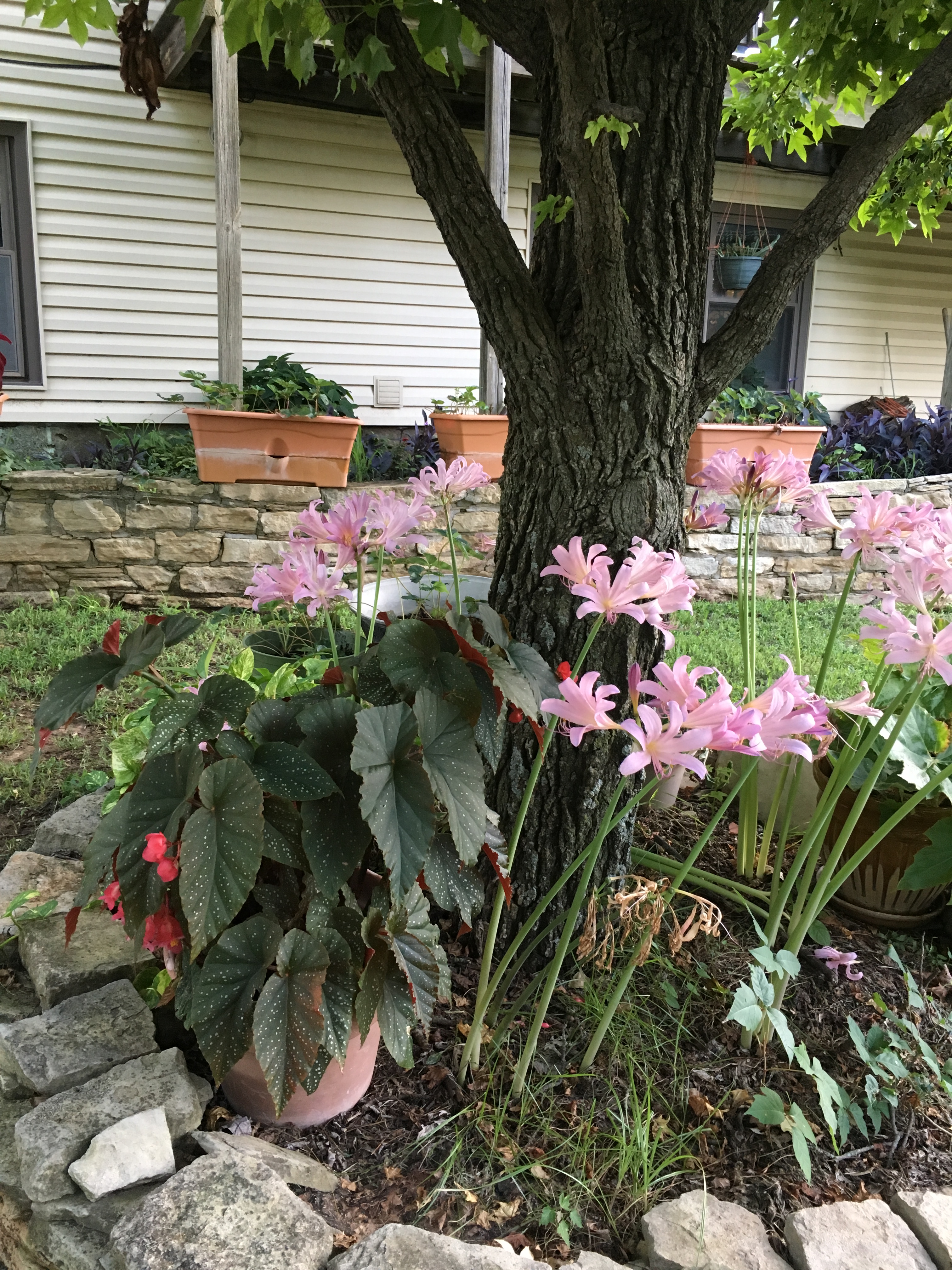
The second was to honor the memory of a dear cousin who passed away one week ago today, on the day before Christmas. Like my sisters and me, she was a granddaughter of Grandma Georgia. One of my favorite memories of Maureen is her quiet request for one of the begonia cuttings a few years ago. I prepared one for her and we met in the parking lot of the Episcopal Church in Derby for the exchange. Now my angelwing begonia connects me to her as well as other loved ones who have donned their own angel wings in the great beyond.

Maureen, you will be missed.

Meet Elizabeth Mames

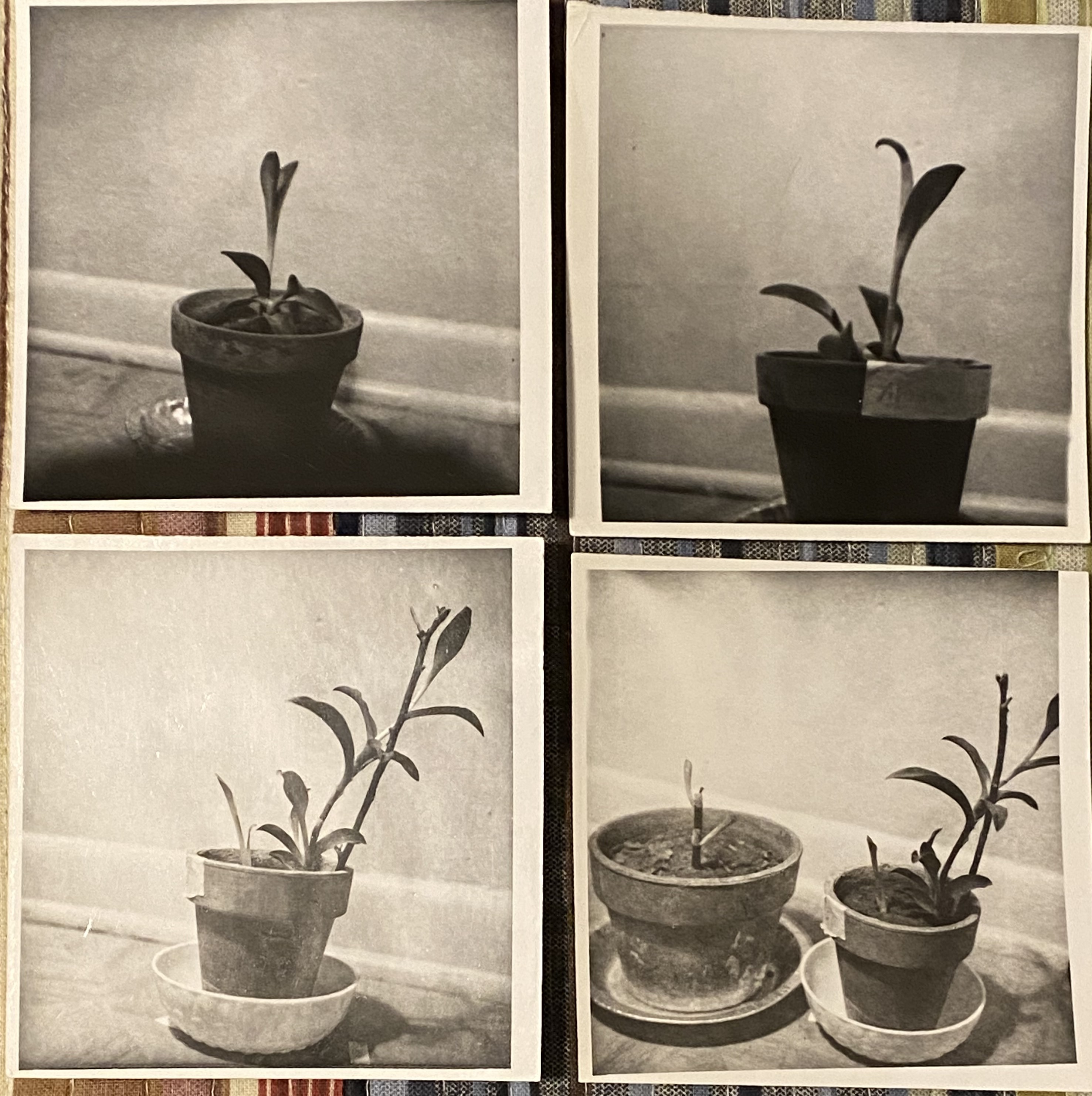
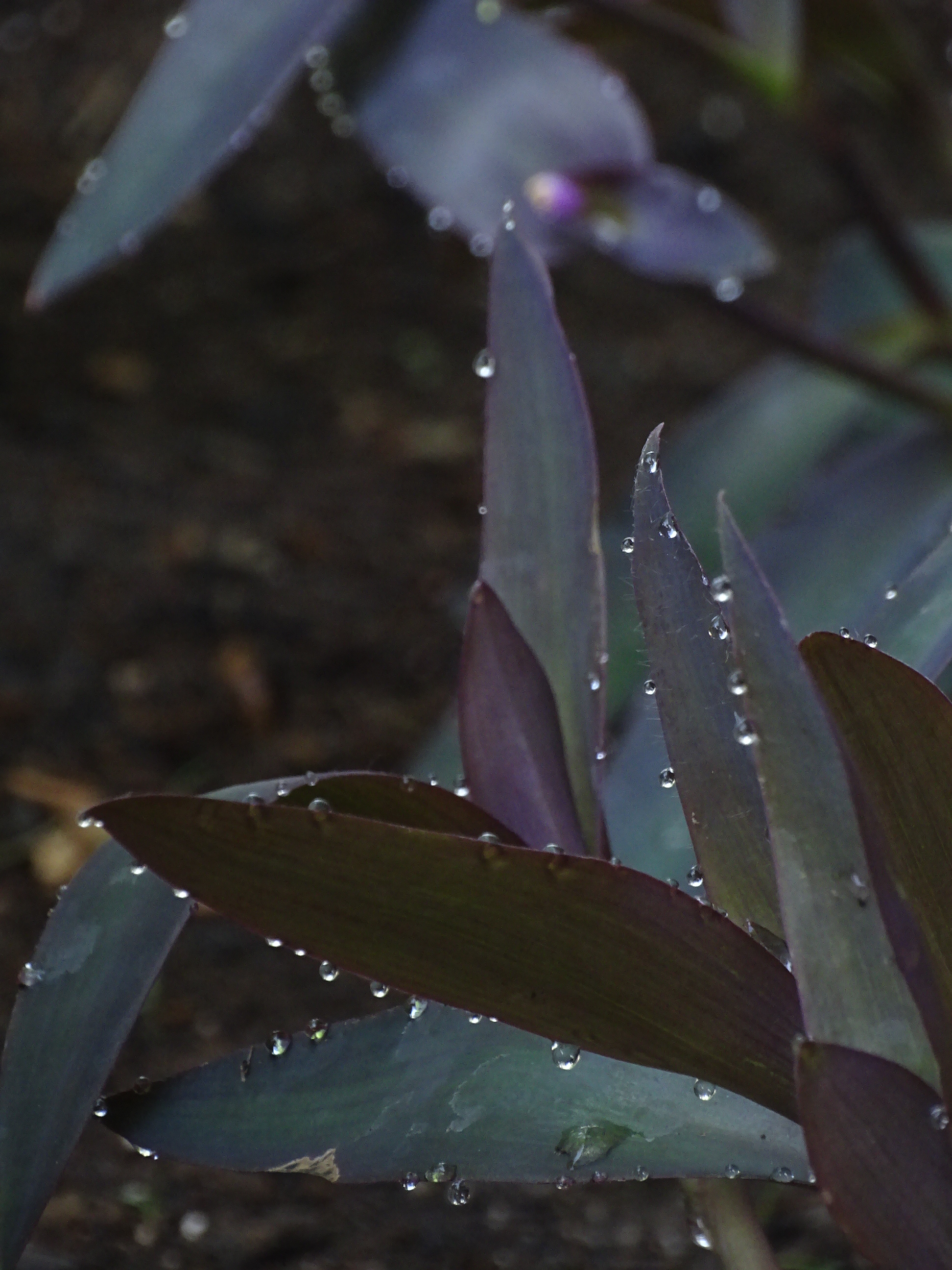
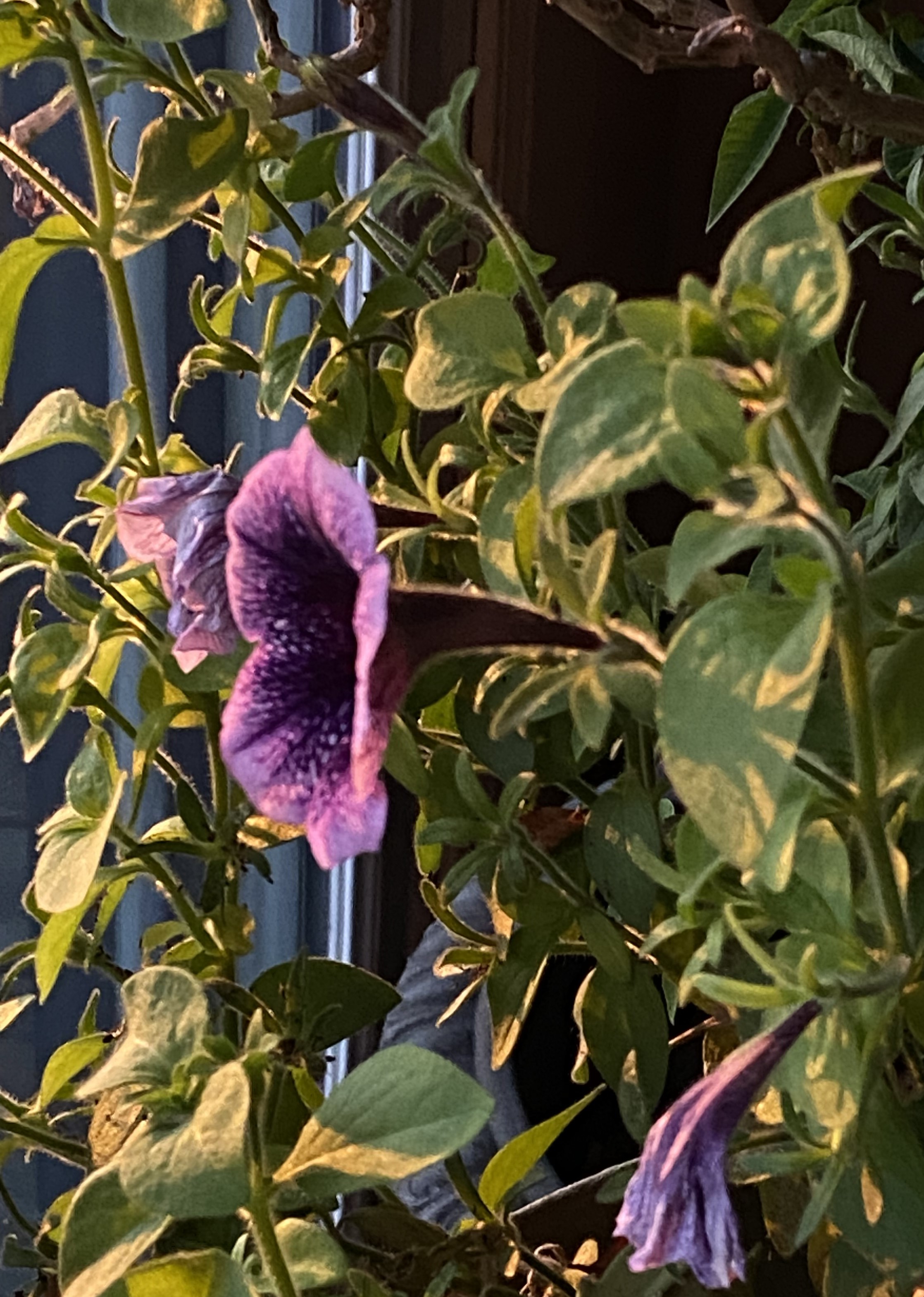
My tales of plant friends would not be complete without mention of my first pet plant. Meet Elizabeth Mames. When I was just 10 years old, I received a start of the classroom windowsill plant from my 5th grade teacher, Mrs. Pratt. She had pruned the potted plant that graced the window in our classroom and sent a start home with me, probably other classmates as well. It was striking with purple—not green—foliage, and tiny, delicate three-petaled flowers. Without blossoms to attract much attention, this was truly a foliage plant. Mrs. Pratt called the classroom plant a Wandering Jew. I named mine “Elizabeth Mames,” and Elizabeth Mames she has remained through the ensuing decades.

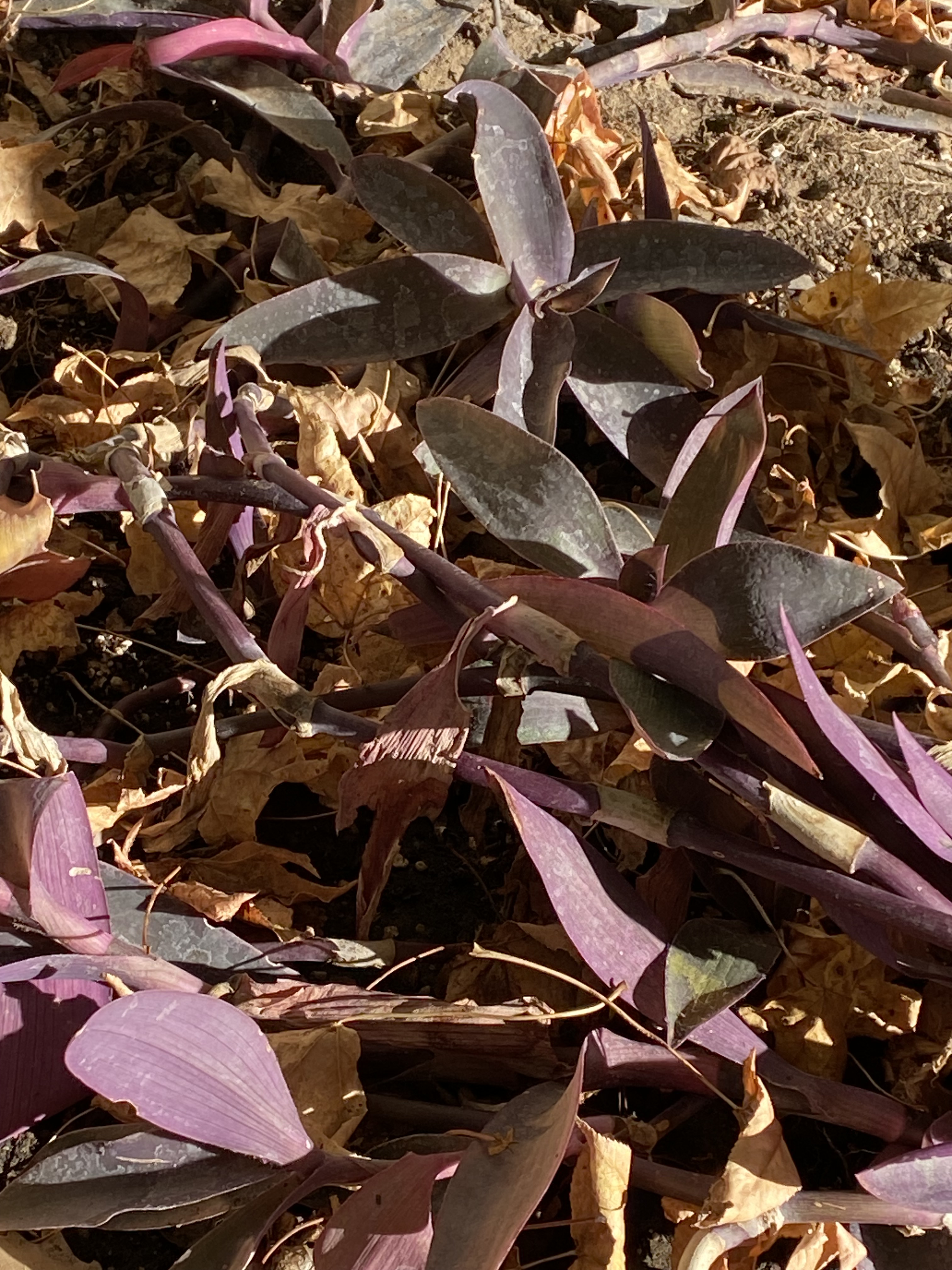
At home, I was fascinated to see white roots erupt from the purple stems I stuck in a glass of water. With guidance from my agronomist father, I potted Elizabeth Mames and for several weeks took photos of her growth. (In black and white, of course. No color photos back then. Yes, I’m that old.) She has stayed with me through several life moves, through thick and thin, through heartache and celebration. At some point in time, I realized that Elizabeth Mames would do quite well outside during the warm months, but I was careful to collect starts before frost wilted the purple leaves every autumn. Several years ago, I was amazed to see that she would come back from her underground roots when the weather warms in springtime, unless we experienced a polar vortex, as we have a time or two. So, I still collect a few stems to keep her going through the winter.

She’s not showy, but provides a lovely backdrop for my other plant friends in the summer planting beds. Elizabeth Mames has stayed with me for decades, sturdy and reliable. She helps me remember my stellar 5th grade teacher. When my own children reached 5th grade, I started looking for Mrs. Pratt and found her in another town and another state. She was delighted to hear from me and we corresponded until her death five years ago.

Thanks, Elizabeth Mames, for the memories.

Plants are some of my Favorite People #4

Plants bring me close to people who I consider adopted family too. Take Barry McGuire, for instance. The first time I met Barry I arrived at his home in Elk Falls to tune a piano he’d purchased from a music store in Wichita. The walkway to his door was lined with grow-boxes full of vibrant flowers. I learned that he was highly regarded as a sort of wizard with flowers from coast to coast, with gardens and friends all over. His Elk Falls story included a famous sunken flower garden that along with other local attractions brought busloads of tourists to Elk Falls.

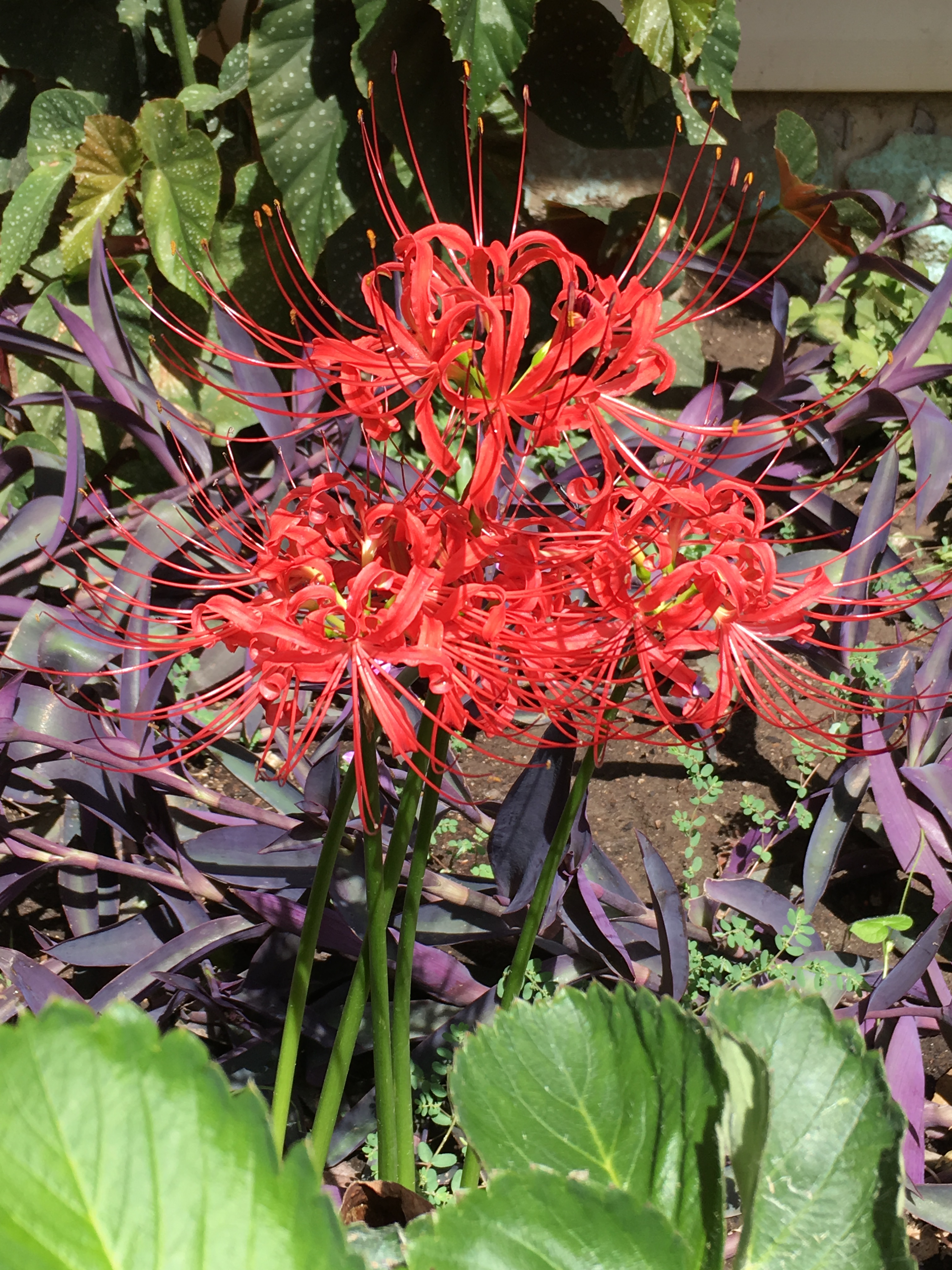
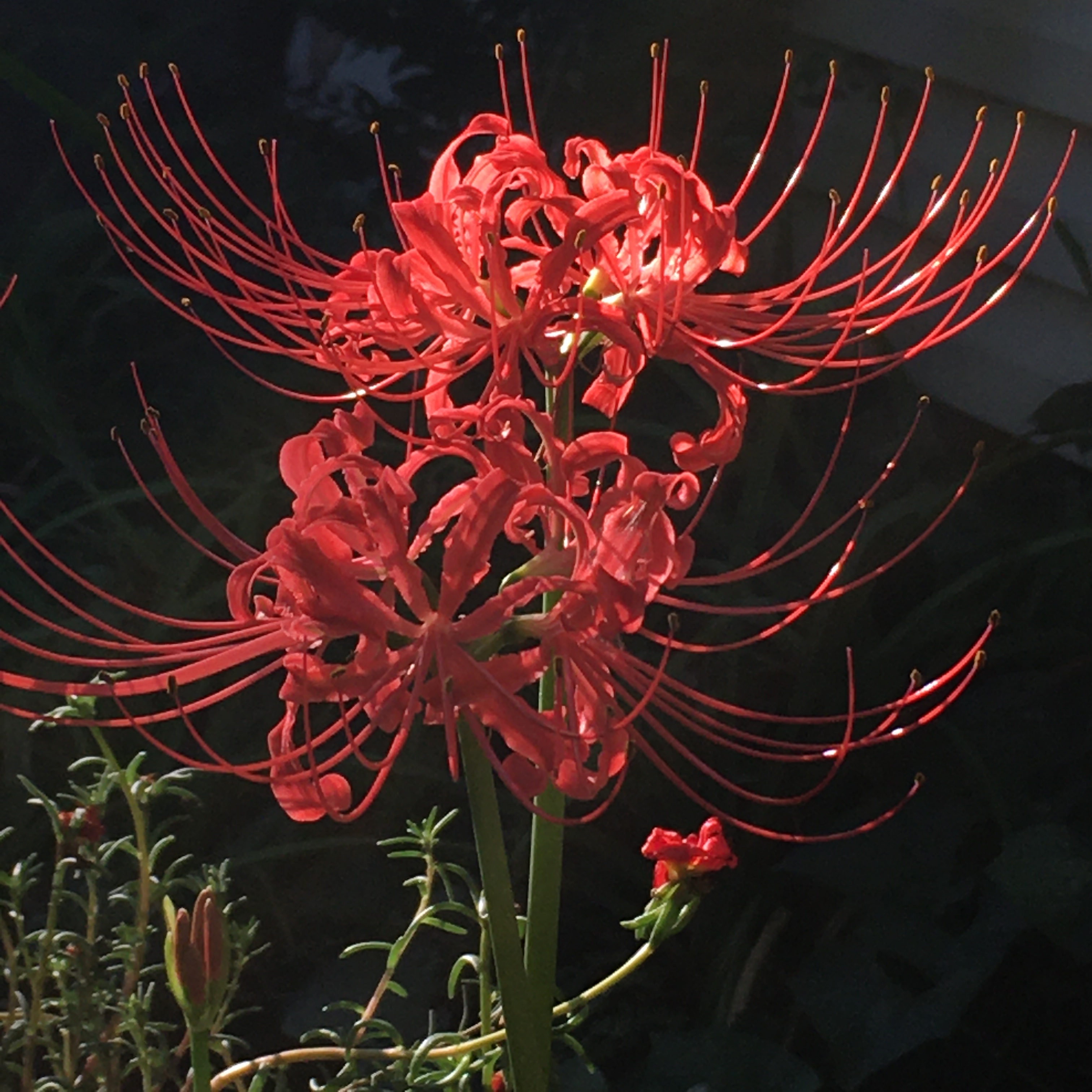
Barry didn’t do much with house plants inside, but he loved the seemingly infinite variety of blooming plants on our planet. When I told him about the “red spider lily” that had so impressed and mystified me, he got on his computer and looked it up. I was a little disappointed to find out that I didn’t have a new variety of the “naked ladies” my dad enjoyed. The red variety, which blooms a month later, actually originated in Japan. Its technical name is Lycoris radiata. With that in mind, it found an important place in my piano mystery.
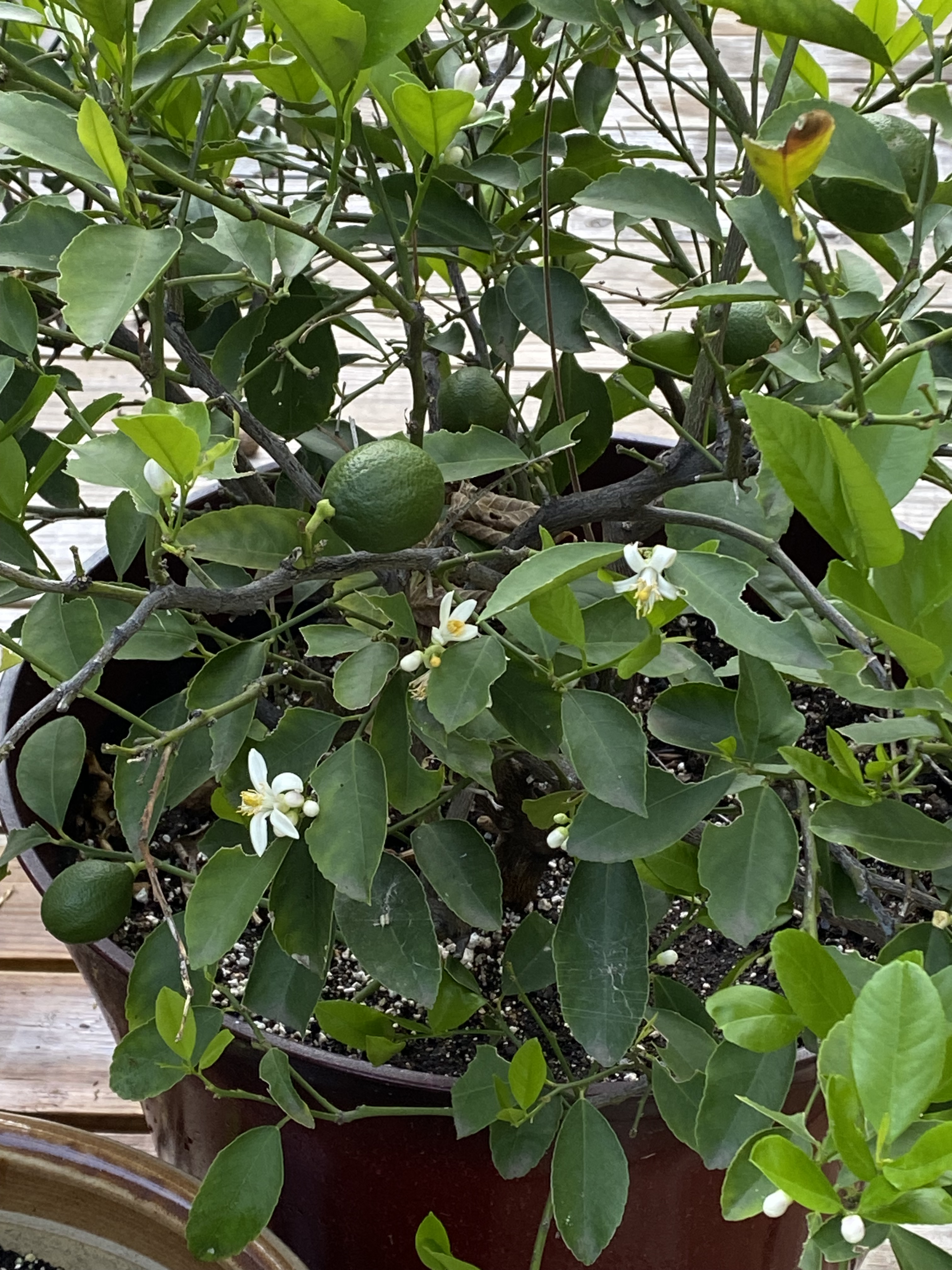
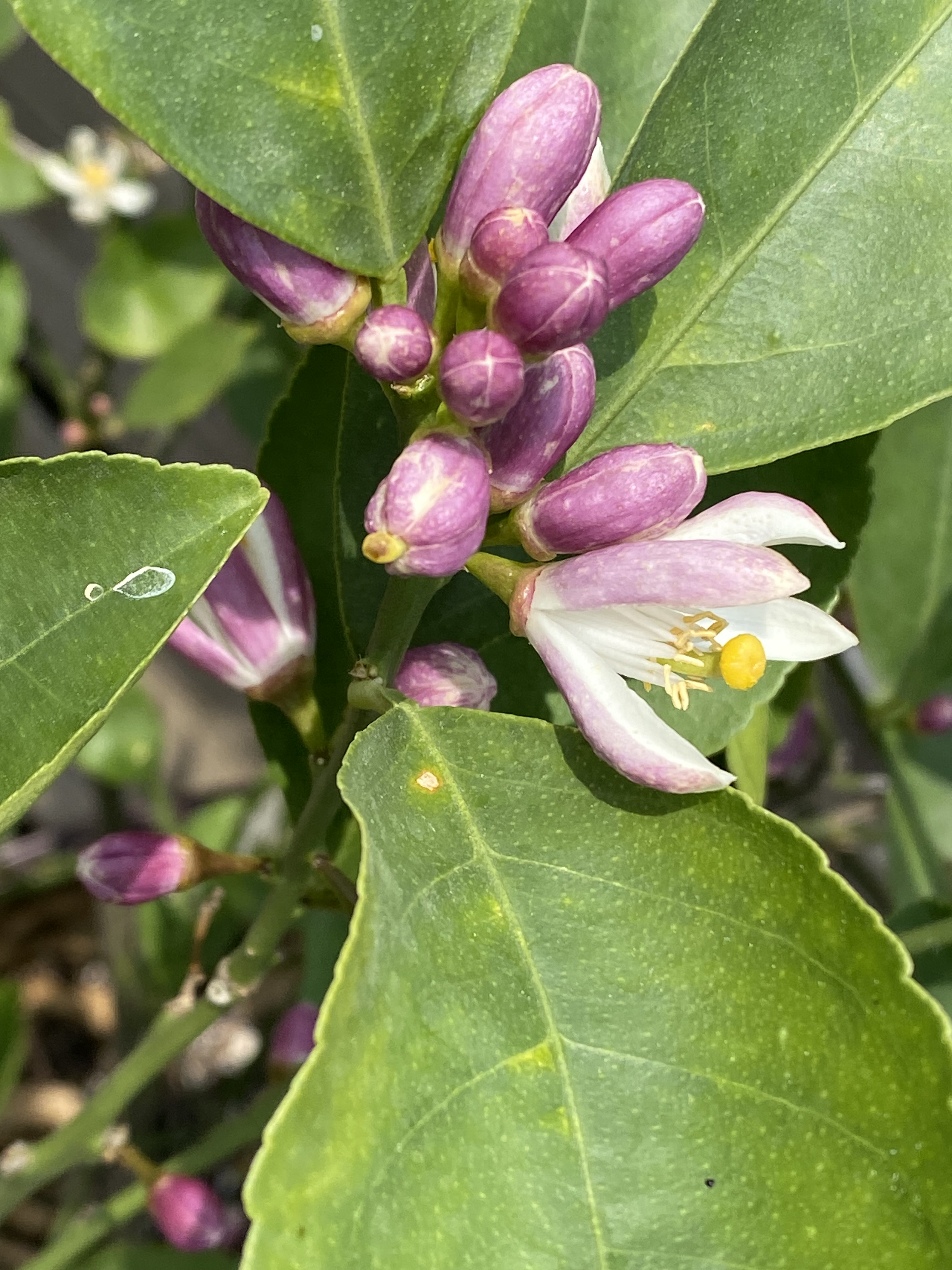
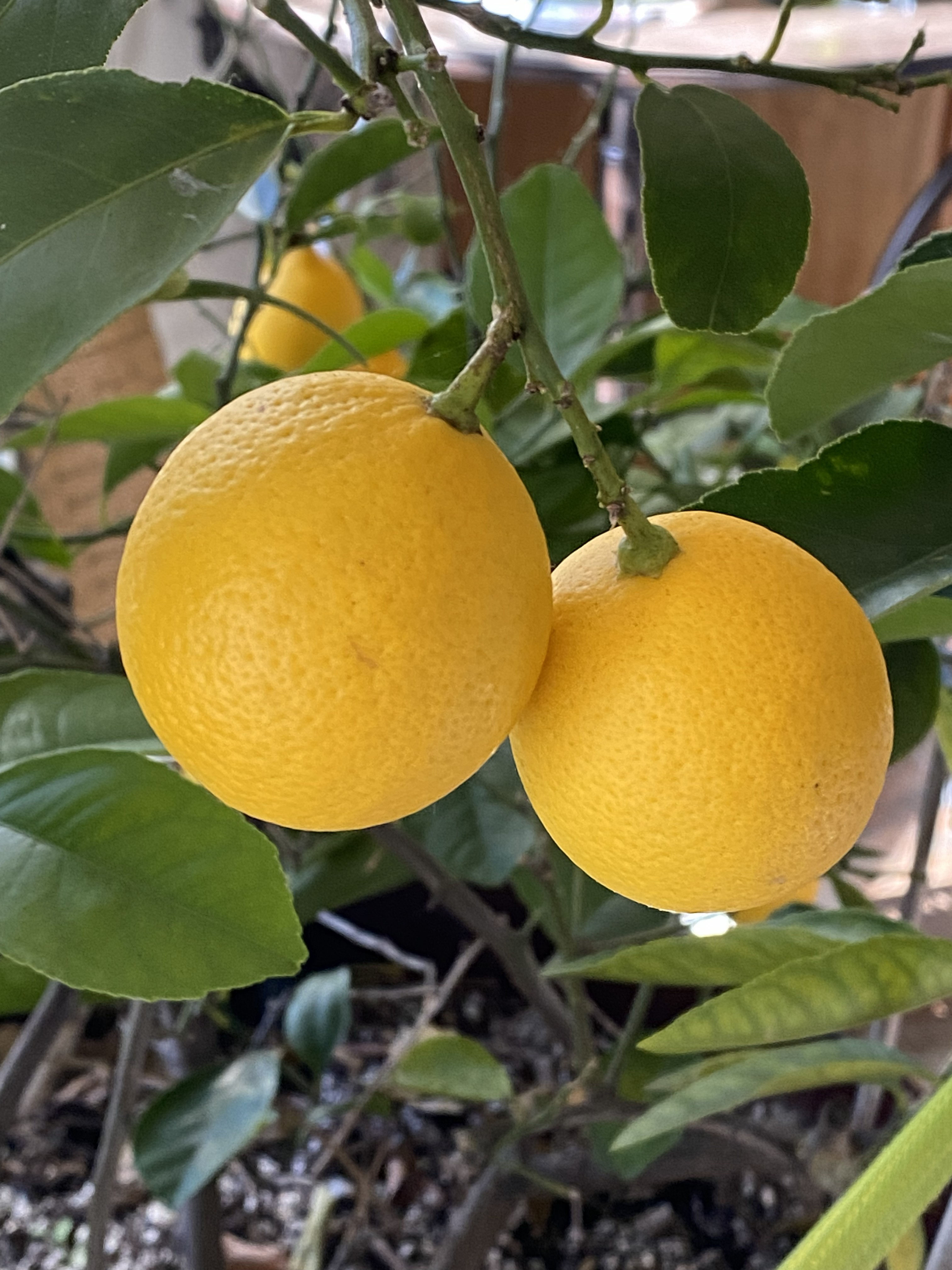
When Barry moved from Elk Falls to my hometown (slightly bigger with more conveniences available) he brought a small lemon tree in a container, his only house plant. He named the tree Jose Limon. I think it reminded him of happy times in southern California. Jose has to be brought inside during the cold winter months in the Great Plains region, so it stays in a pot. The tree grew and grew, though, and is now in the biggest pot I could find.

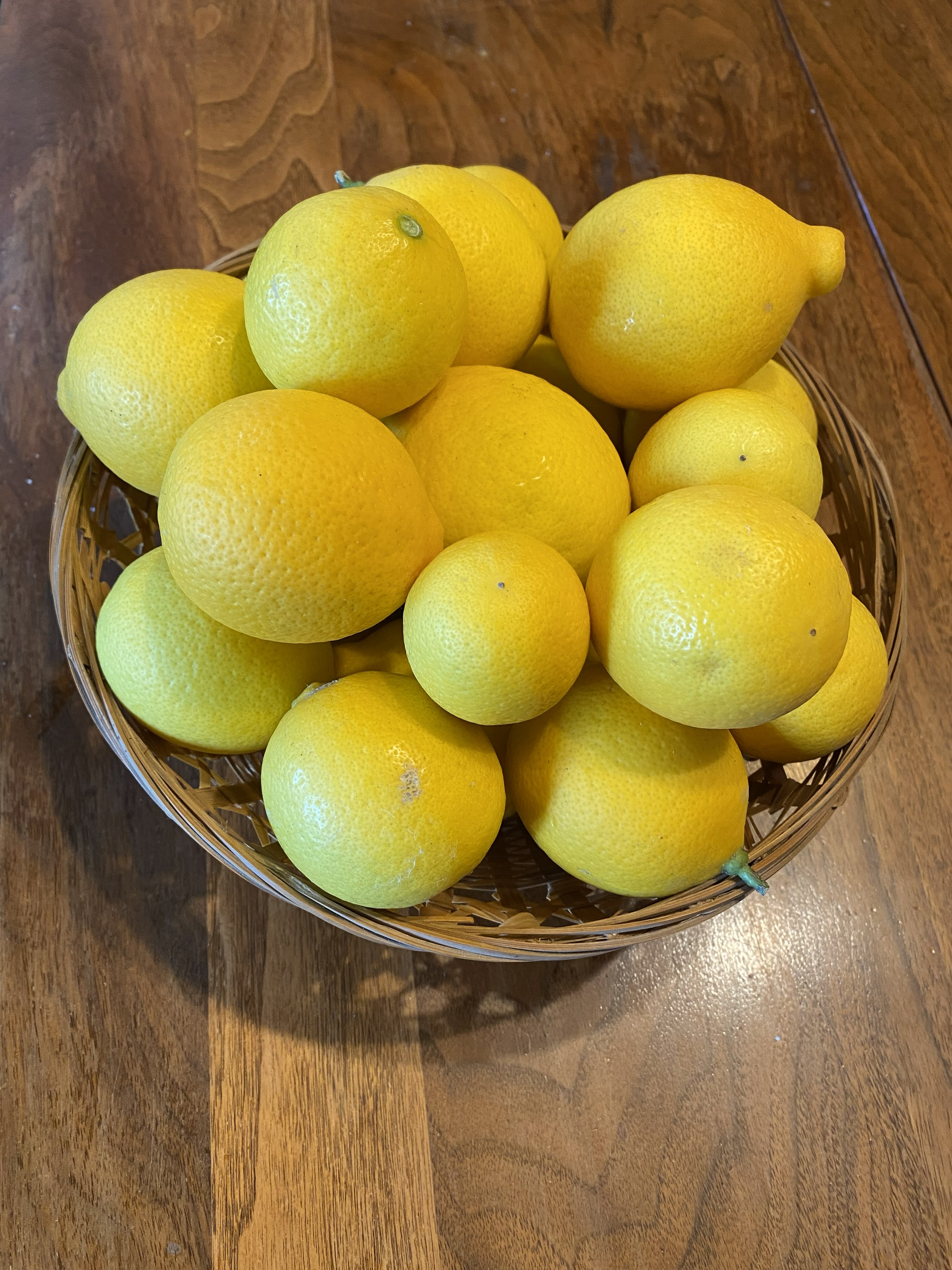
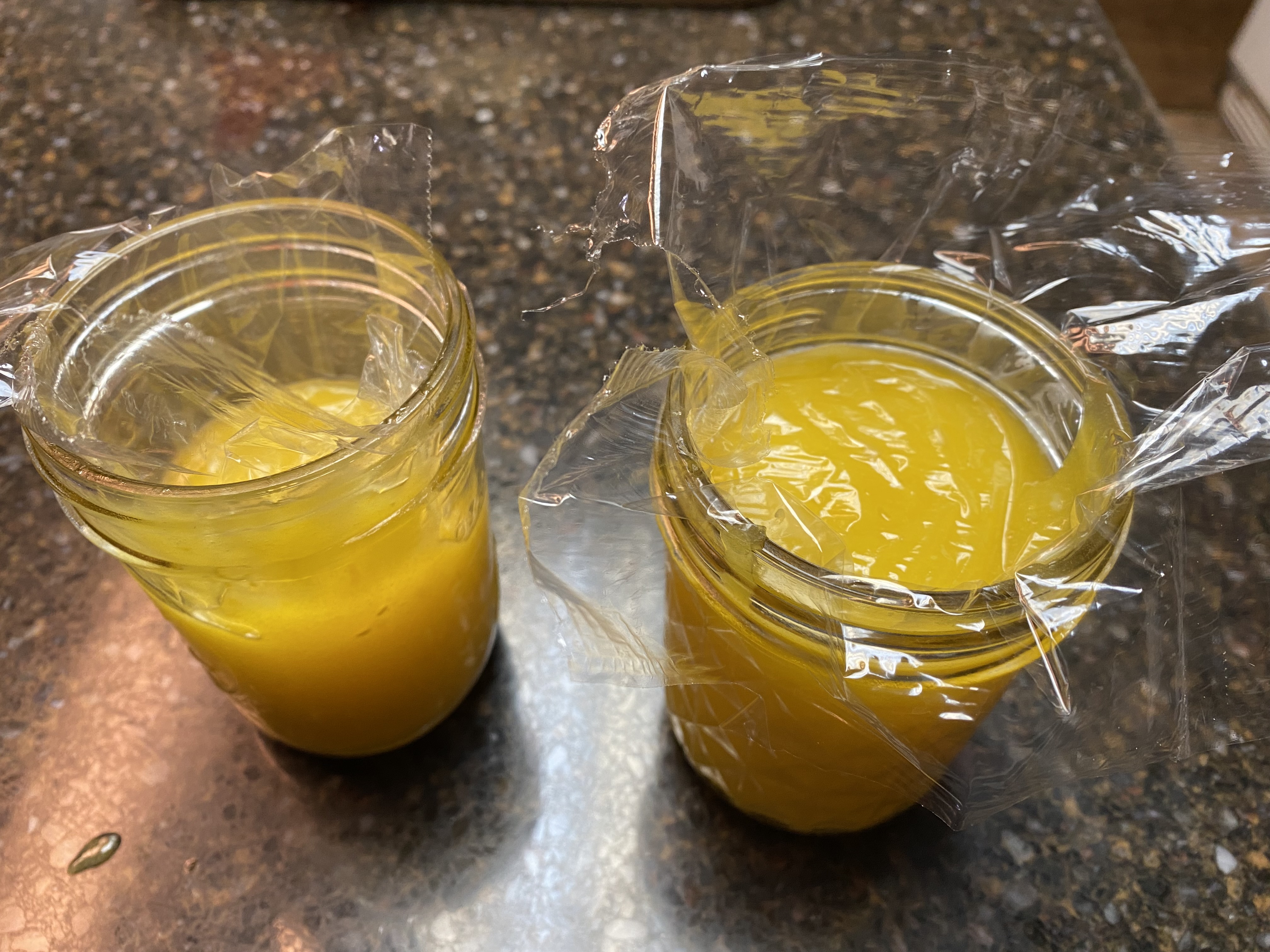
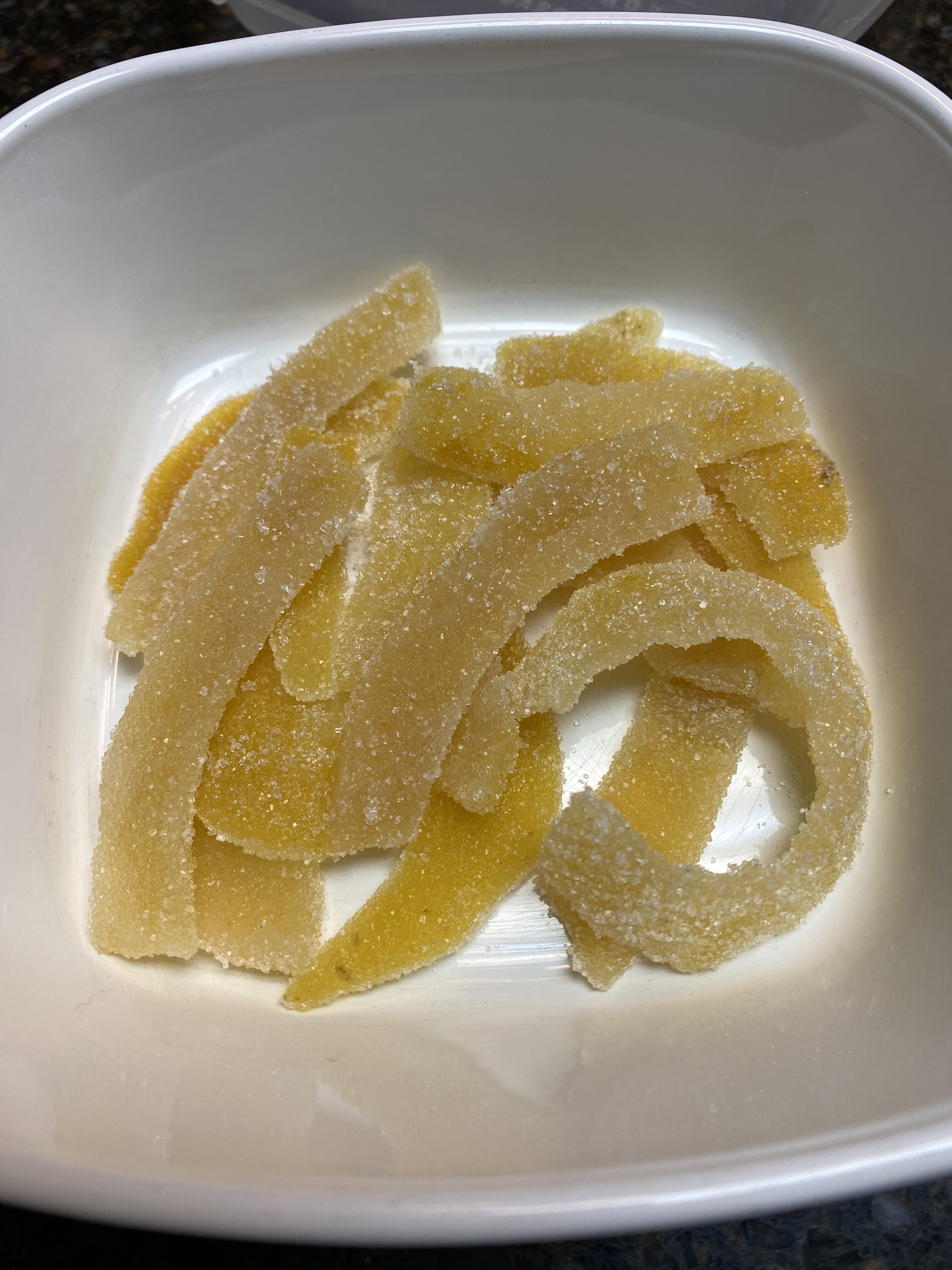
Barry moved hither and yon a couple more times before his final move to the great beyond, but he always came back to Kansas and his rural roots. In the end, he left me all his grow-boxes, and the lemon tree. This year was a good year for lemons, and good old Jose came through with a bumper crop. On harvest day, I picked 21 fruits off the branches, much like last year in December. I have learned how to make all kinds of lemon treats: lemon bars, of course, but also lemon curd (which is much like a jelly), and candied lemon peels.


I always think of Barry when I tend his lemon tree. He seems close by when Jose blooms and puts on a crop of fruits. Barry sure knew how to bring out the best in plants and I am grateful for that.

Plants are some of my Favorite People #3

My father influenced my love of the plant world more than anyone. I can hardly turn around without seeing a plant that makes me think of him.He grew up on the family farm which had been homesteaded by his grandfather. He always intended to farm it, I suppose. But after World War II, farming changed quite a bit and no longer could a farmer expect to support a family on 160 acres. The homestead stayed in the family for another six decades, though none of us lived or worked there. He, however, studied at universities in several states, earned a PhD in agronomy, and ended up as a college instructor, sharing his love for plants and agriculture with his students. His love for gardening and plants never waned. Nor did his sense of humor.

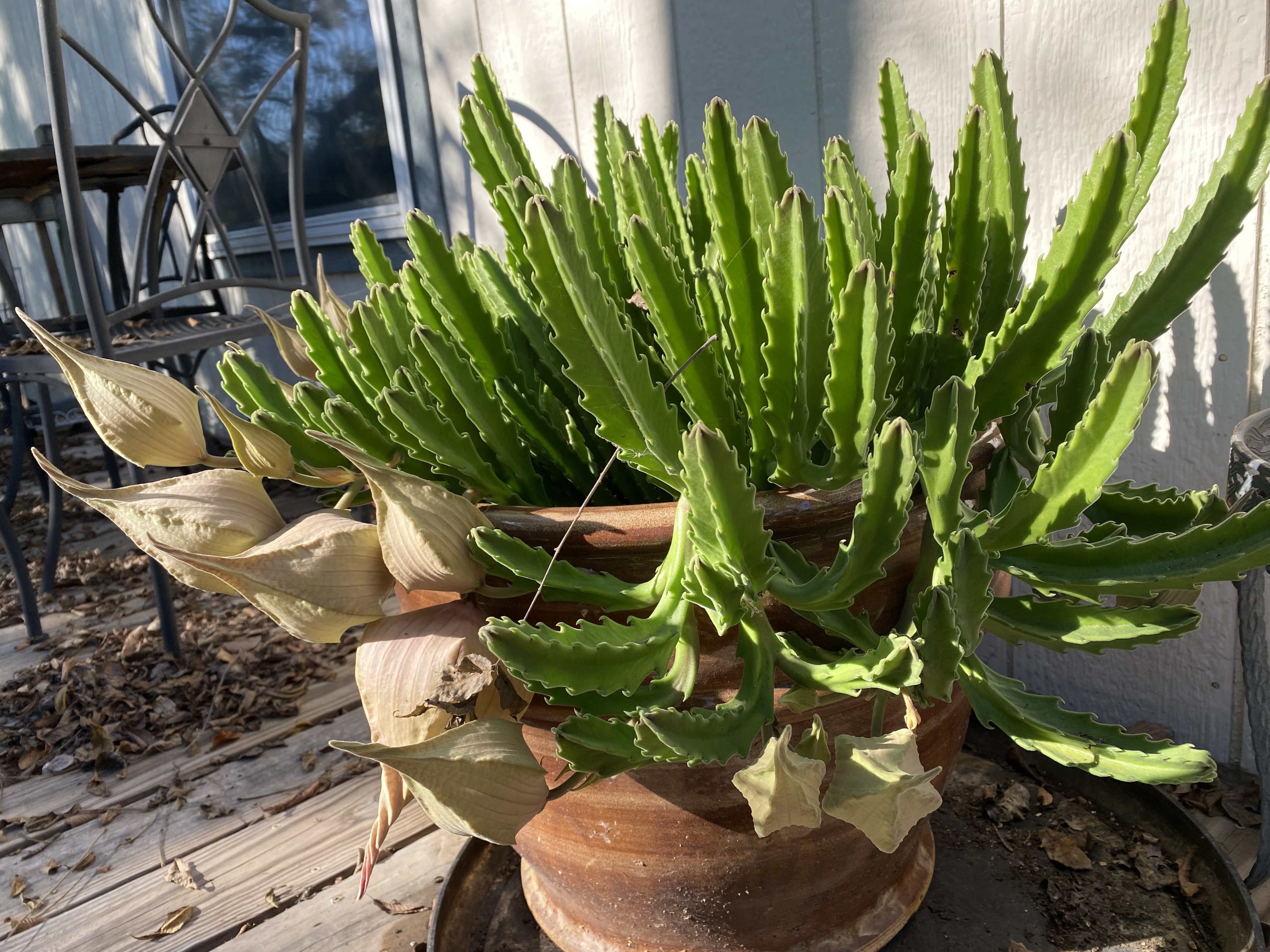
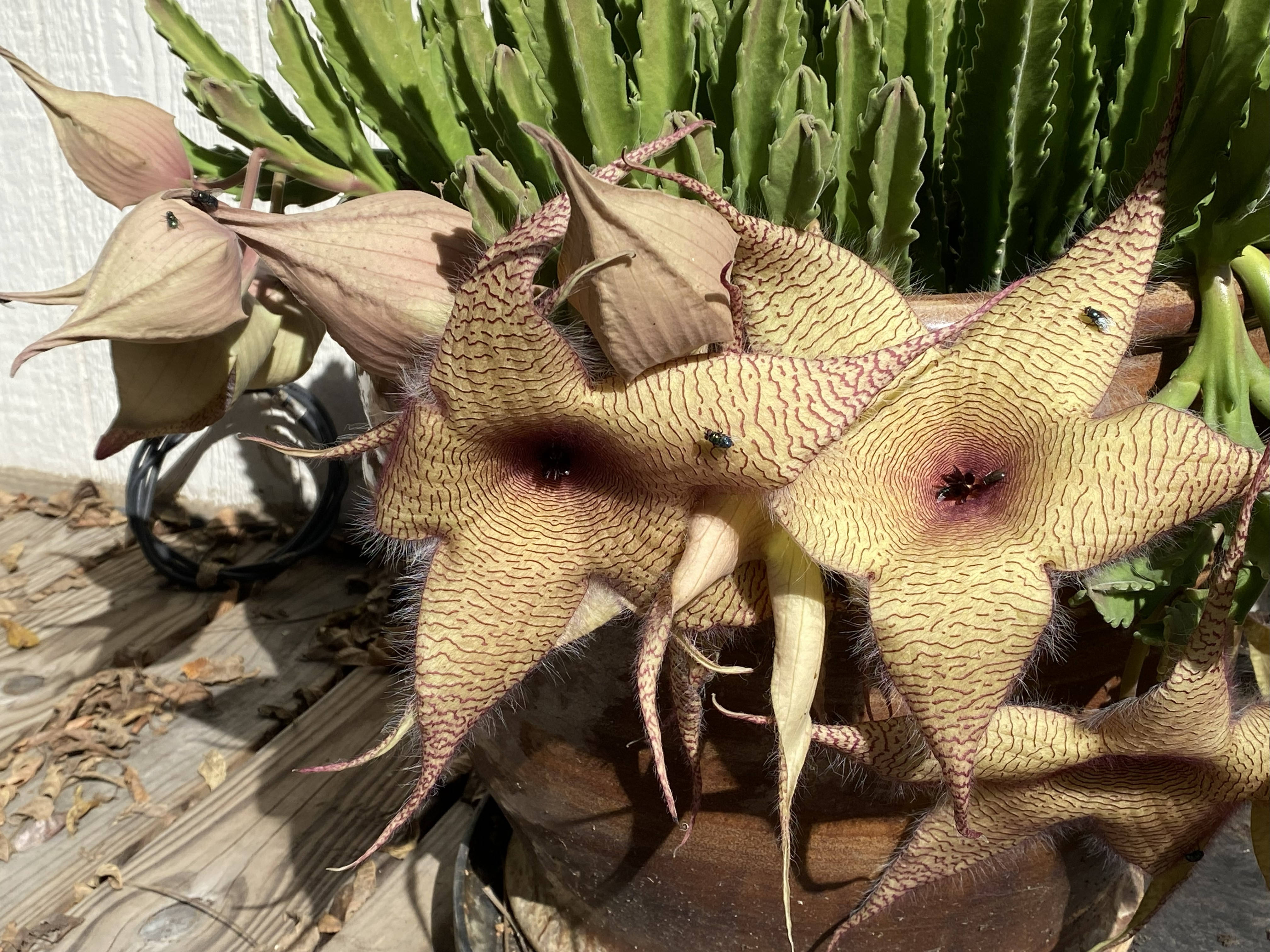
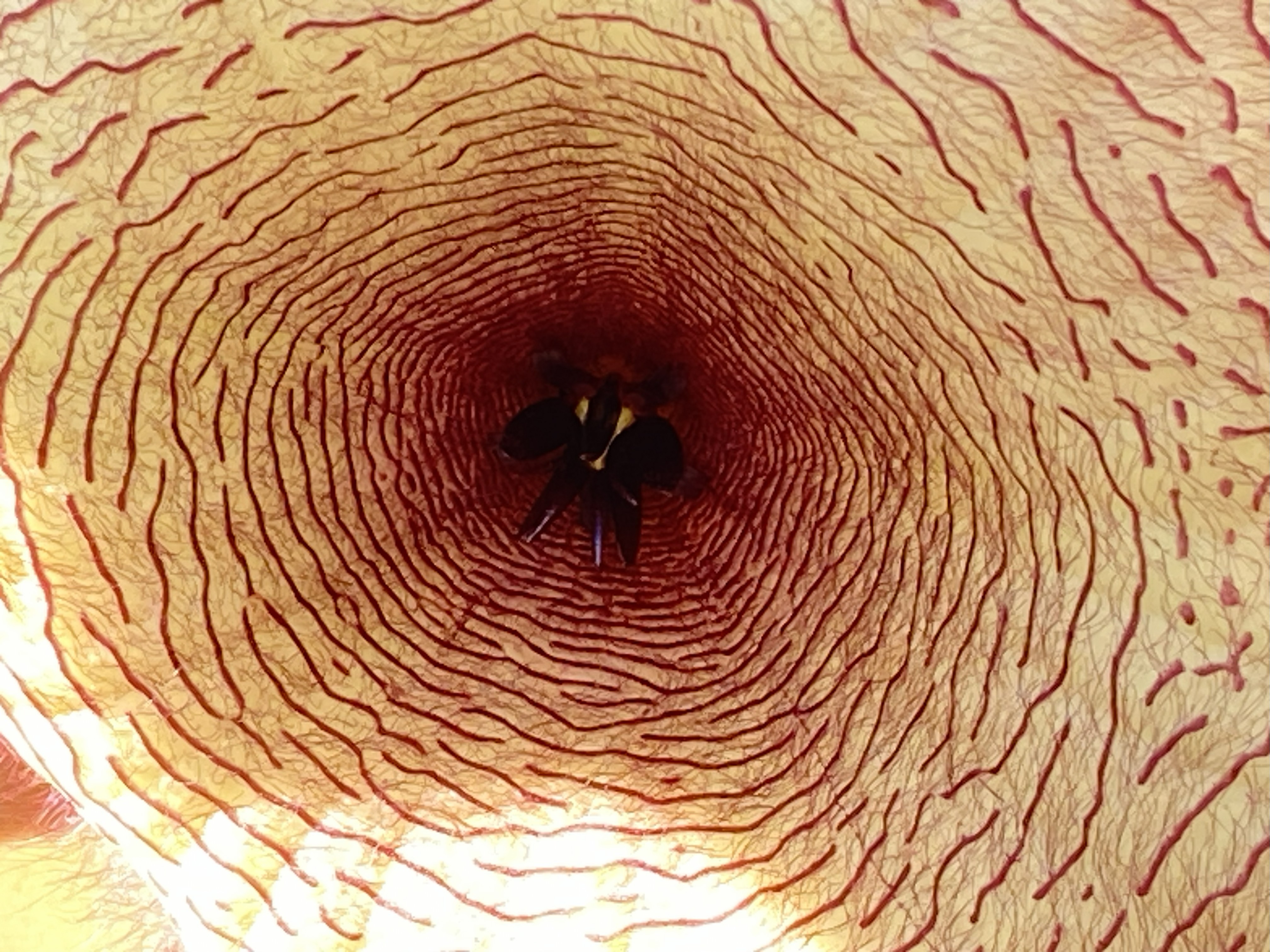
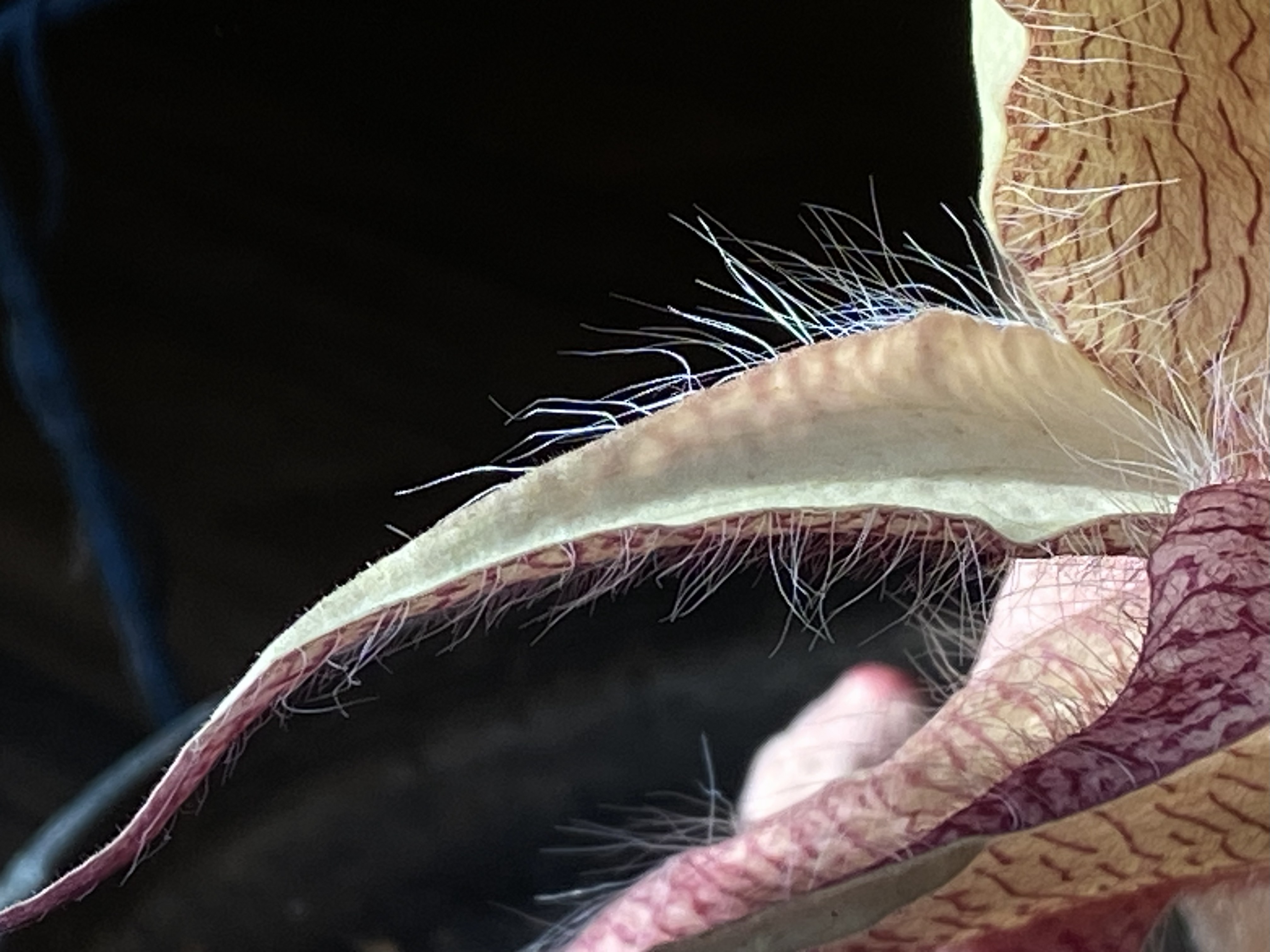
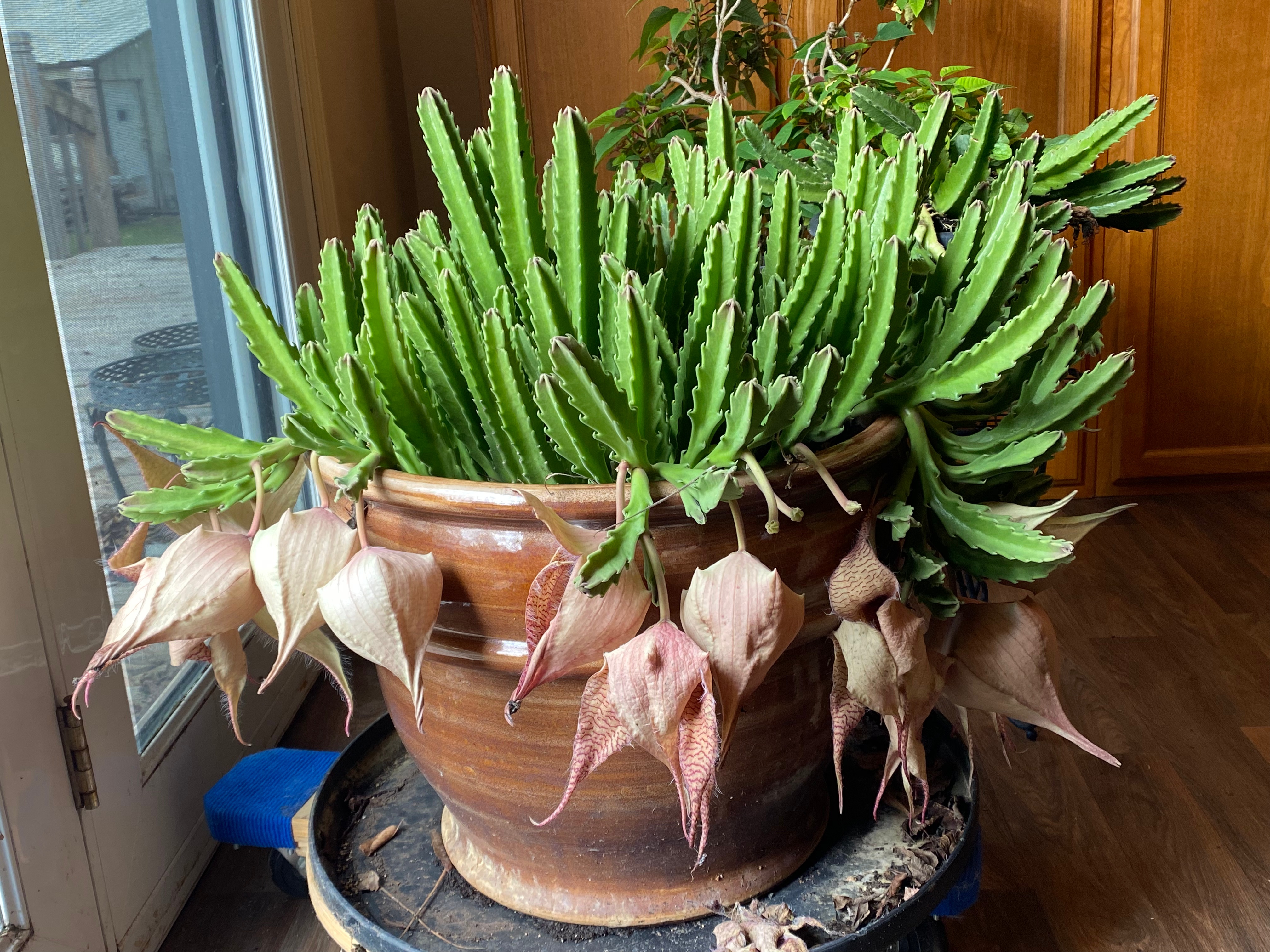
The Stephelia (Star Flower, Carrion plant) I inherited from my father is testament to his good humor. I have to chuckle remembering him when its buds pop open every autumn. Rather than attracting bees and butterflies, the Stephelia’s “fragrance” attracts houseflies. “A stinky plant,” says my sister.But its flowers are singularly remarkable. I understand why Daddy was fascinated with this succulent. This past summer was a good year for the Stephelia and it offered a stunning display of blossoms. I felt my dad close by as the buds swelled and then burst open into palm-sized blossoms covered in fuzz. Every year lately they have been awesome, in spite of the fragrance.

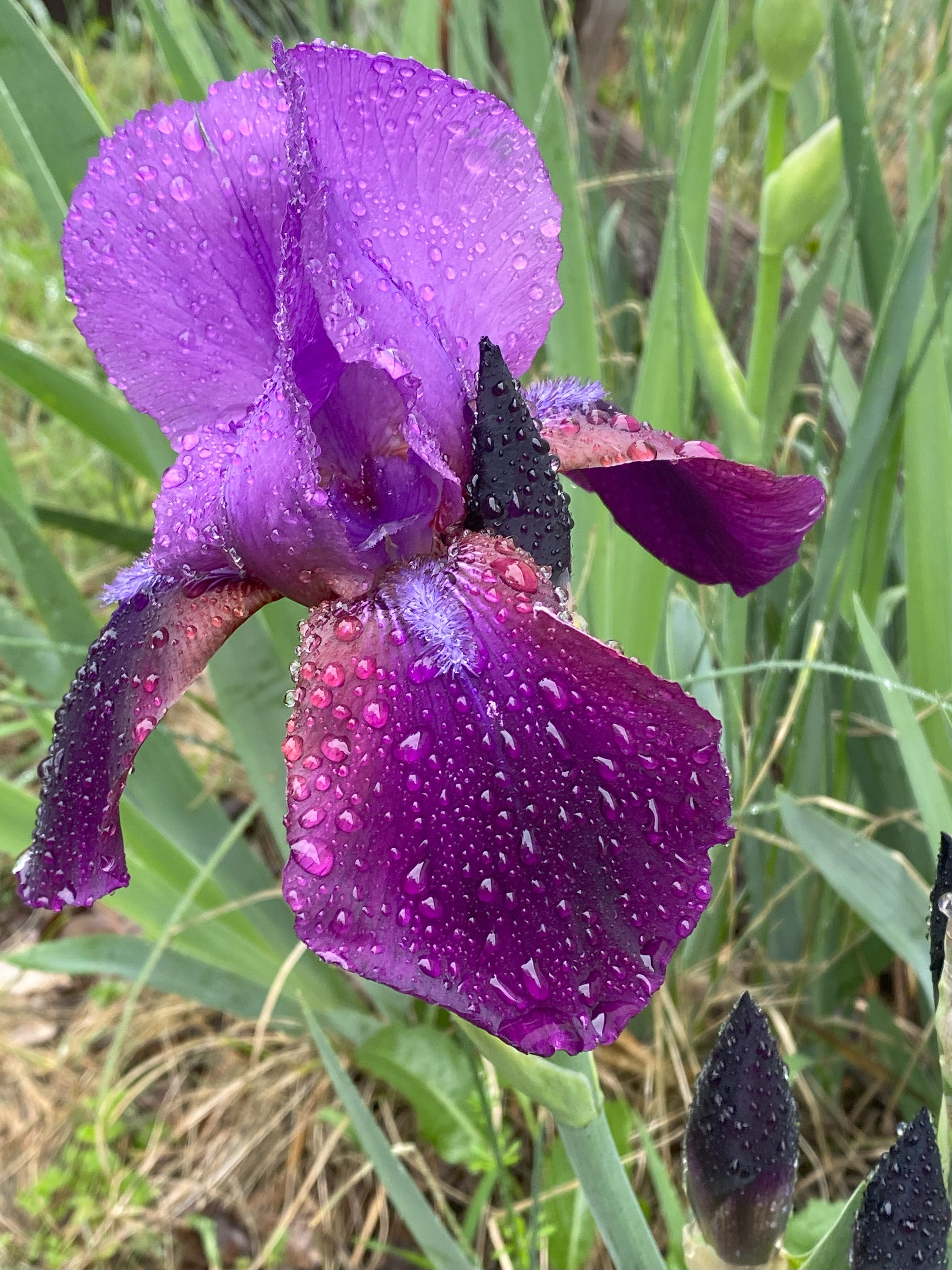
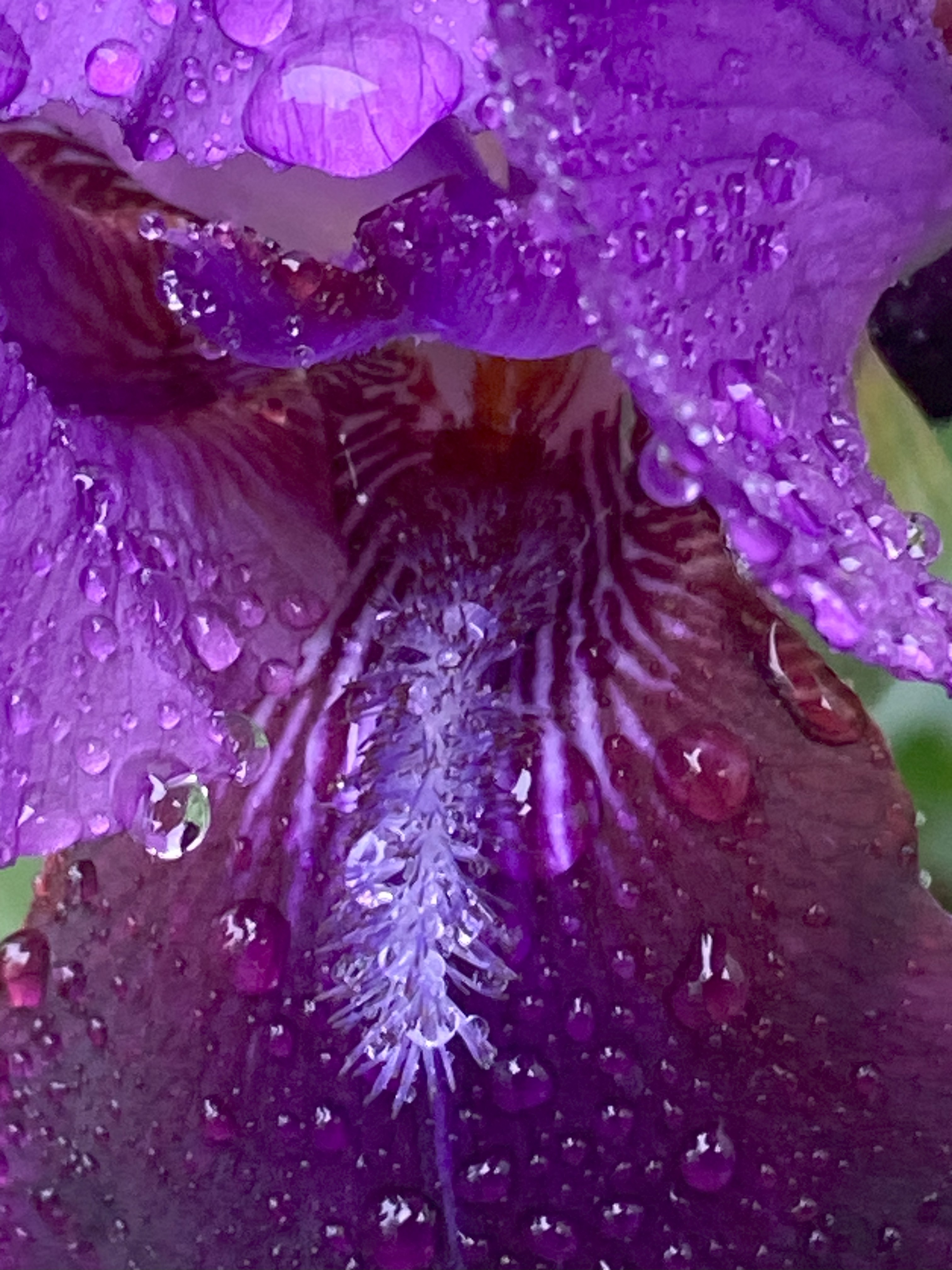
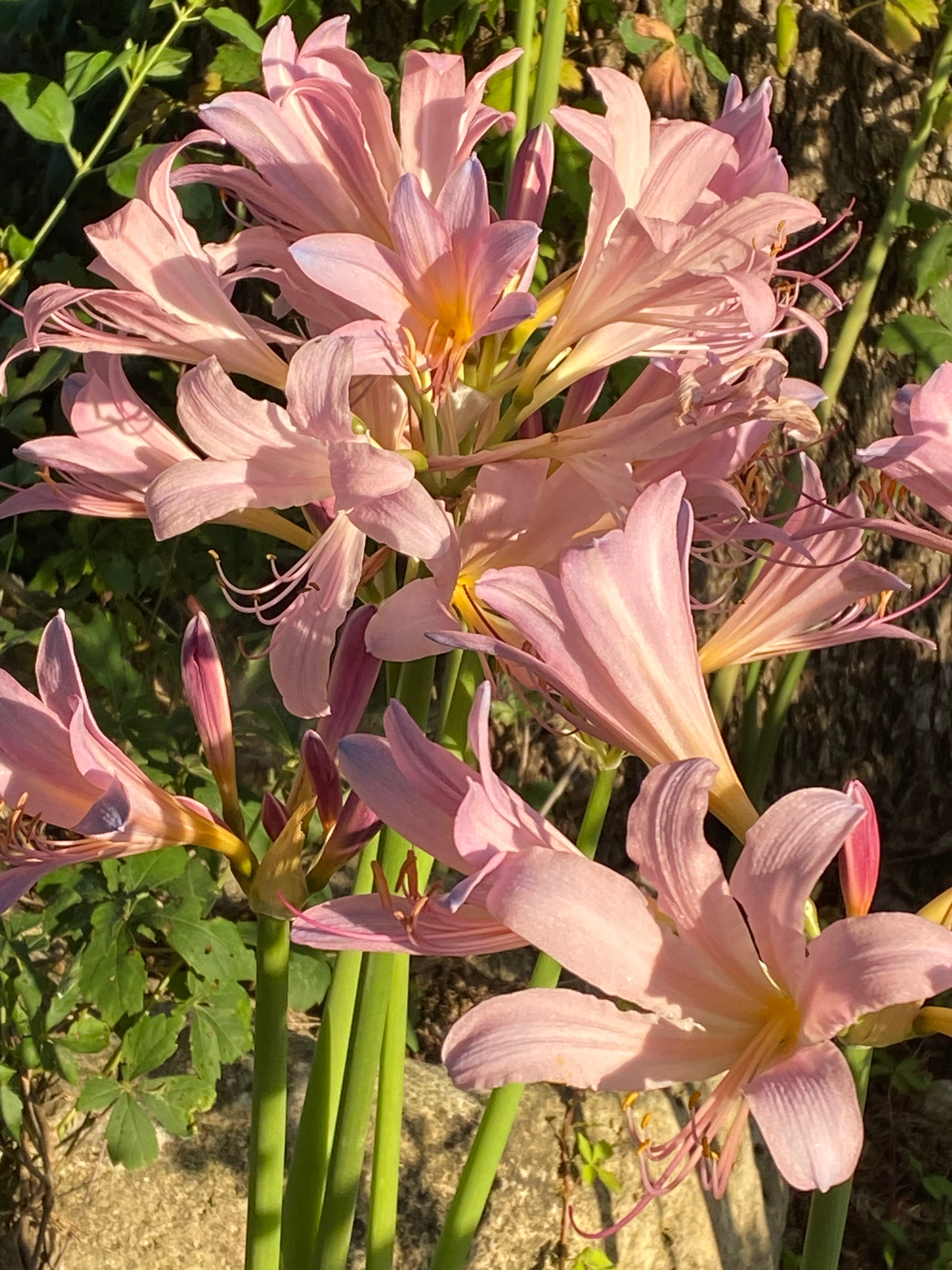
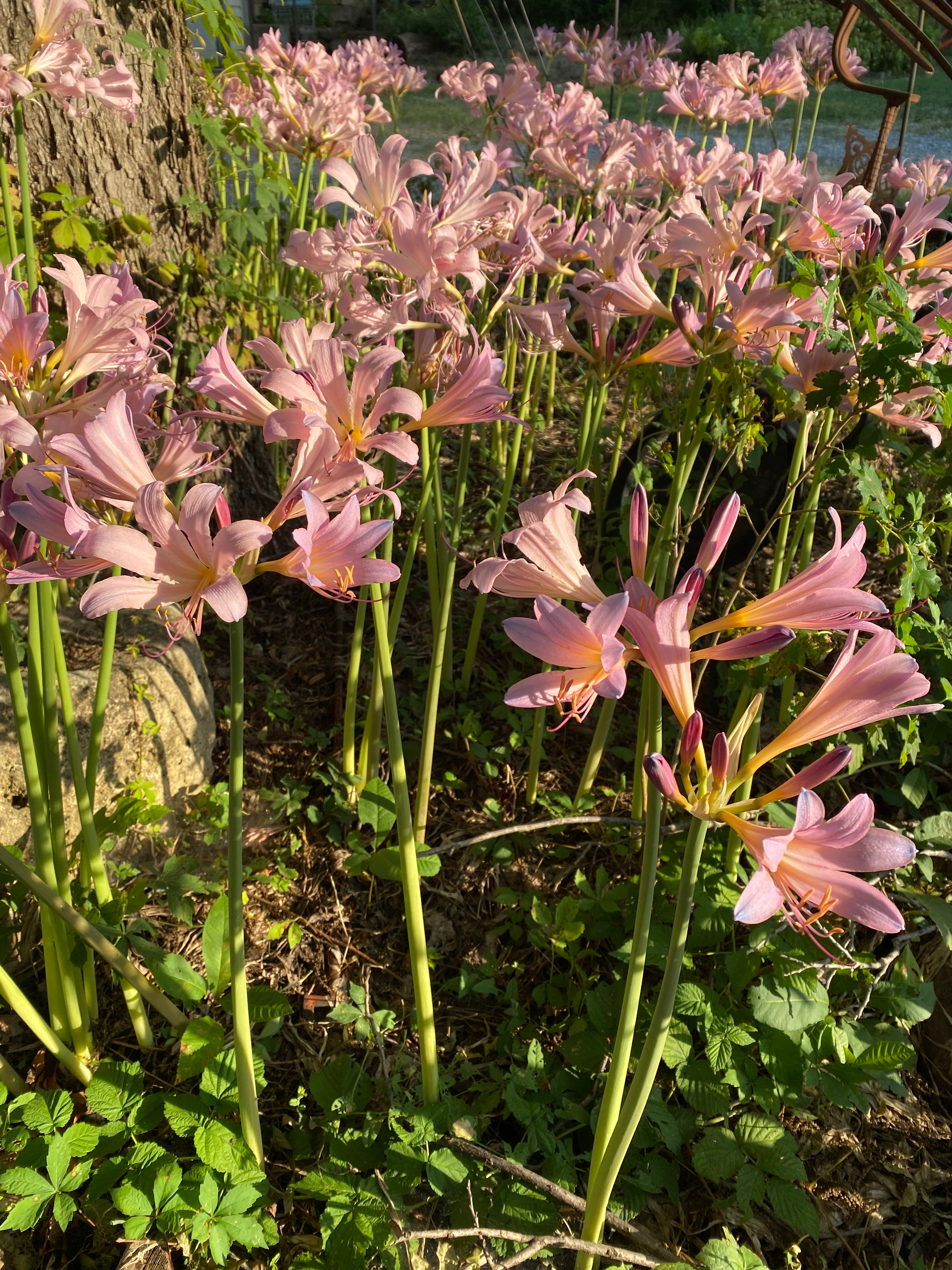
Like his mother, Daddy tended a large garden every year. He devoted a circular plot in his driveway to flowers. When time came to thin the bulbs, he eagerly shared iris bulbs with us, as well as those he called “naked ladies.” Other folks refer to them as “surprise lilies.” They aren’t true lilies, but instead belong to the amaryllis family. The bulbs send up green leaves early in the spring, but then die down so that you forget all about them until the leafless flower stalks shoot up, seemingly overnight, in late July. And they are magnificent, covered with striking pink flowers.

One year, after the surprise lilies Daddy shared with us had wilted, I noticed a thinner stalk with small red flowers erupt. I’d never seen anything like these September blooming “red spider lilies” before, and had no idea where they might have originated. I thought perhaps we had a mutated version of the pink naked ladies. The red version was astounding and vivid and inspired me to add them as “characters” in my first suspense novel, Sundrop Sonata. (More on these red spider lilies tomorrow.)

With plants that bloom at different times of the year, and the Stephelia that requires care indoors during winter months,I feel close to my dad many times each day. Though I miss my folks very much, they are with me in the thriving plants they shared long ago.

Plants are some of my Favorite People #2

Plants connect me to people from long ago and far away. From a Rocky Mountain high with the Mother succulent, I think of another daughter who has moved around a lot with her husband for the US Marines. With a giant leap over my location, she is 1800 miles away from her sister, and 1400 miles away from me. She has tried to keep her young girls involved in the fascinating world of plants by creating mini-gardens in different locations. Now a first-grade teacher in Coastal Elementary School, she recently shared a photo of a blooming Christmas cactus one of her students gave her. That made me think of my own mother.

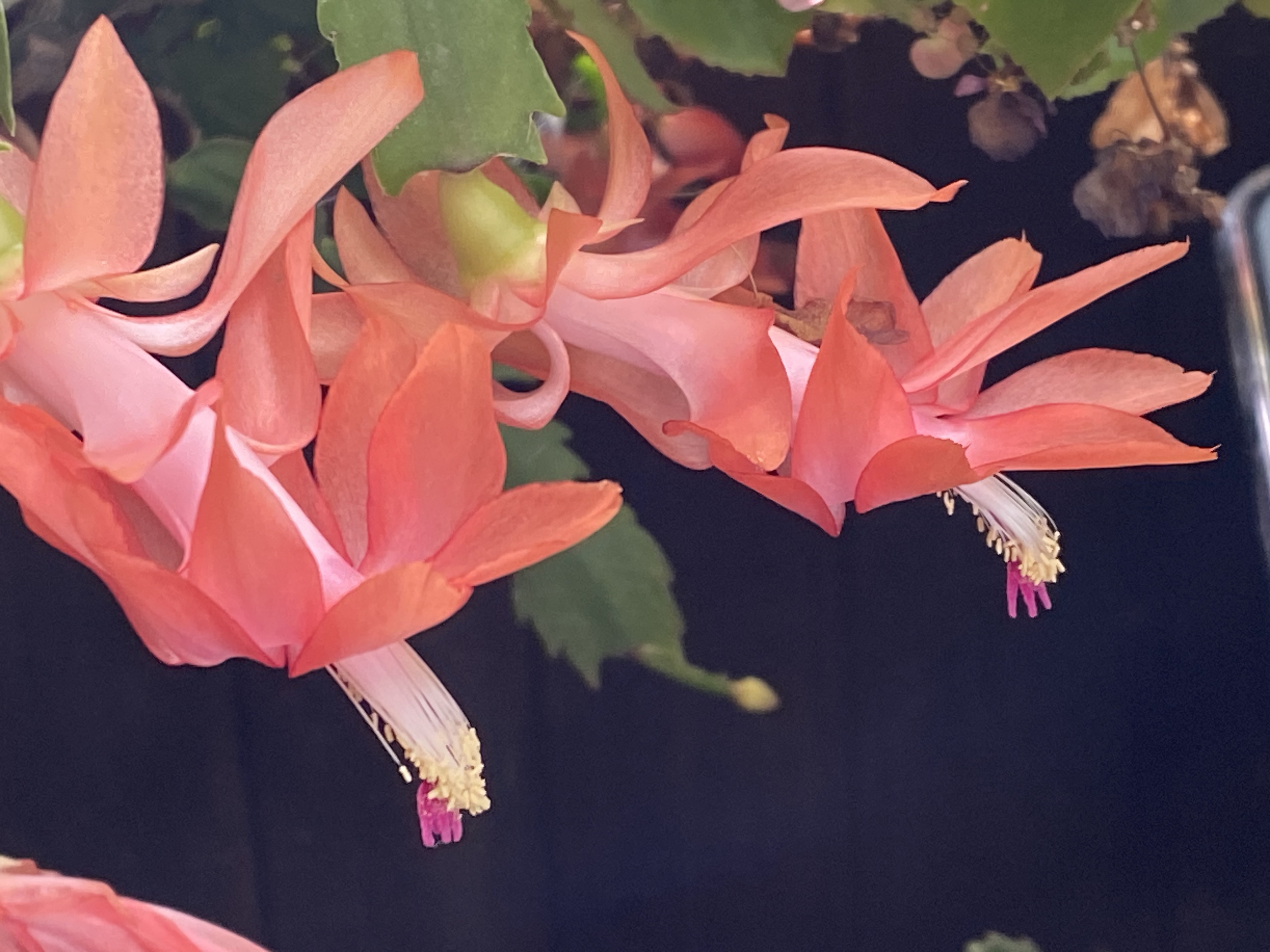
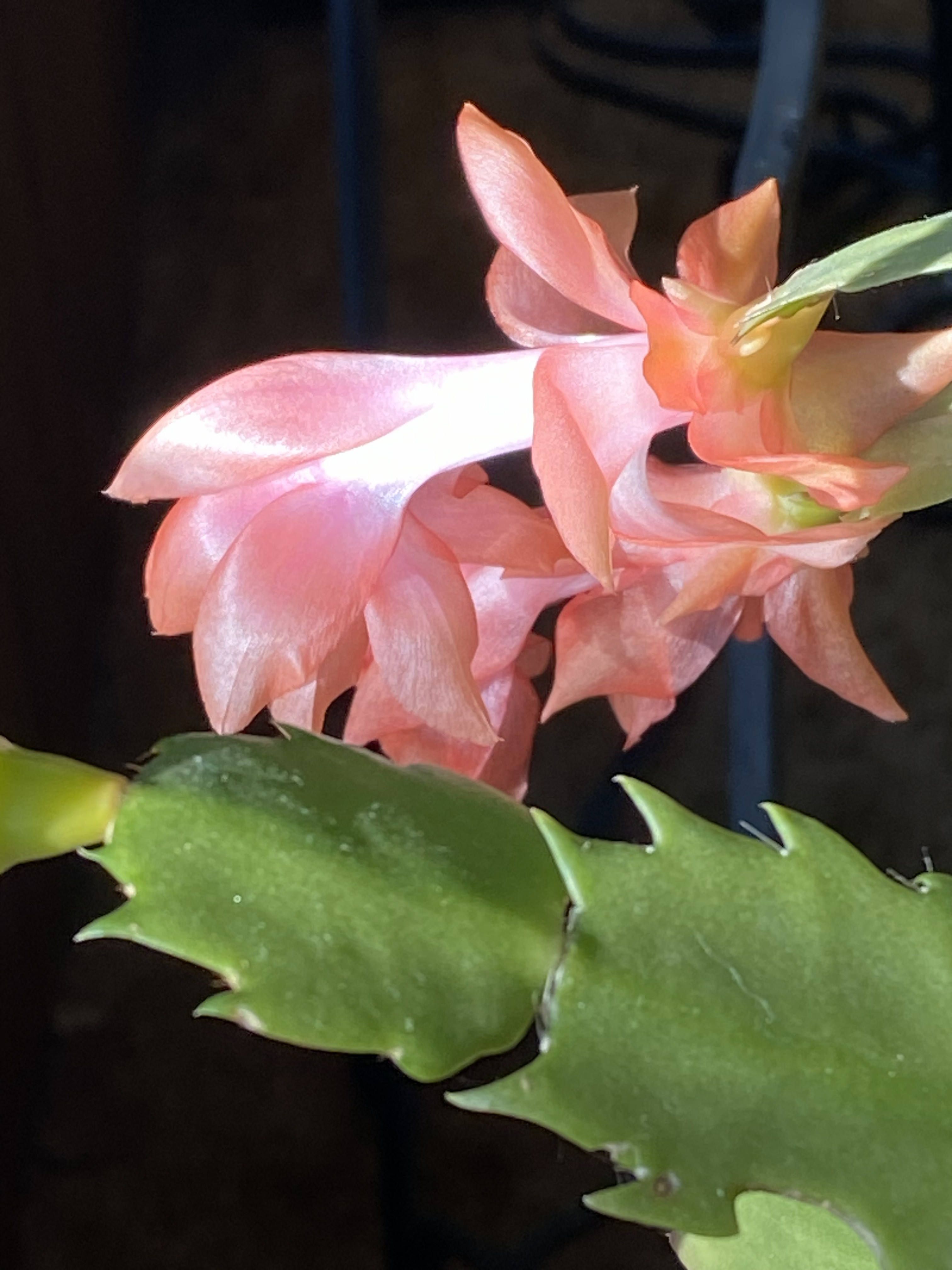
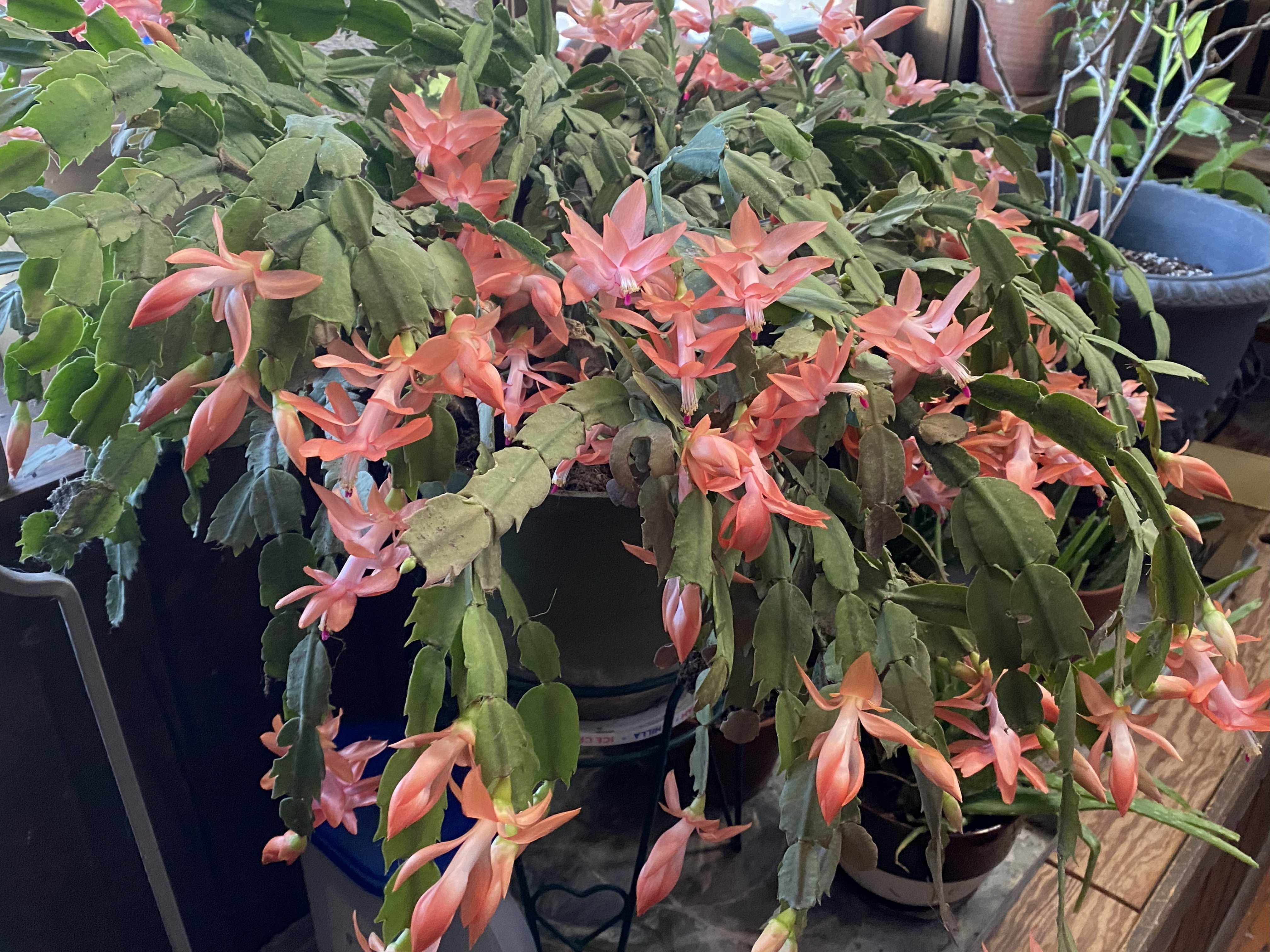
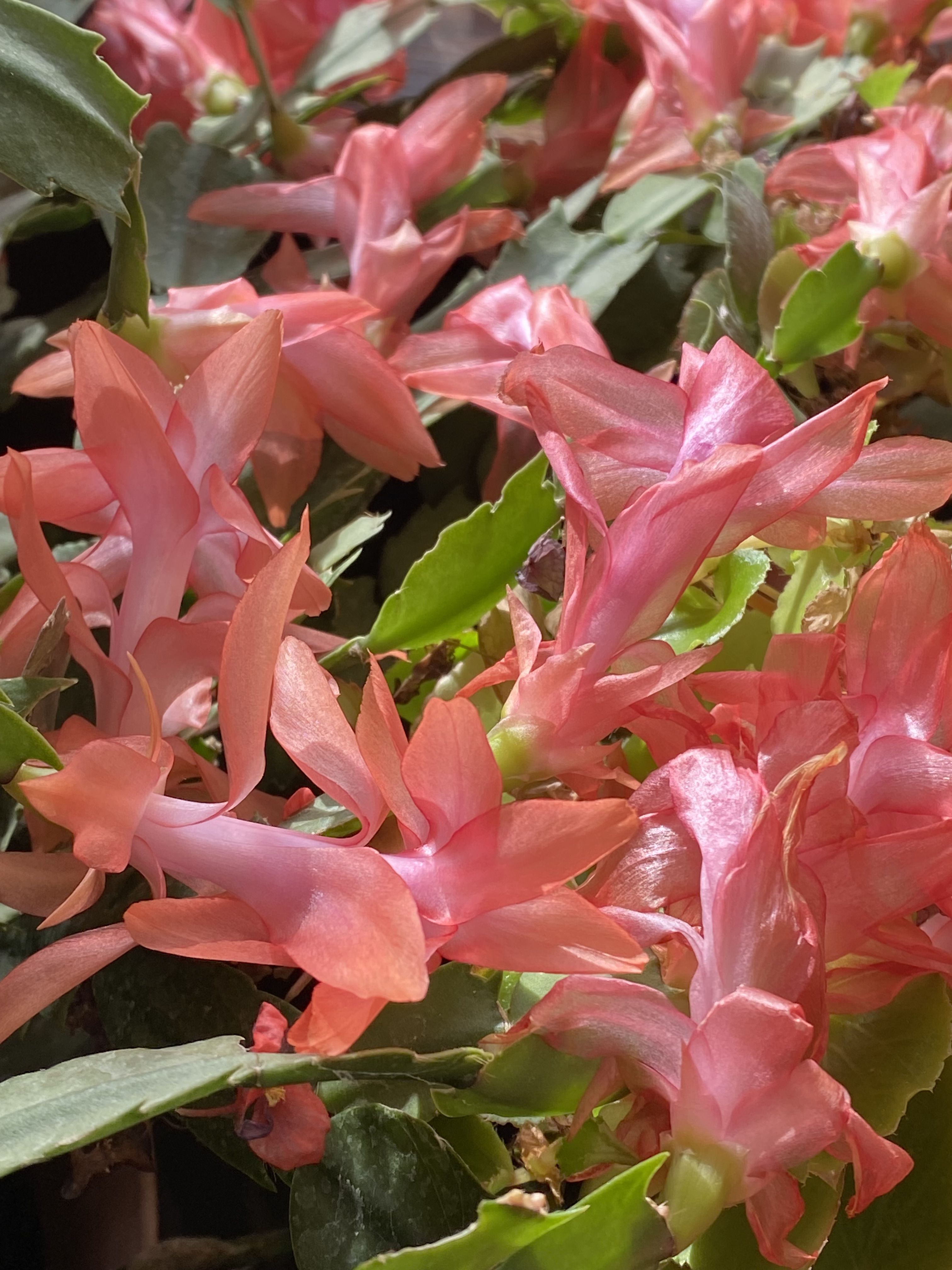
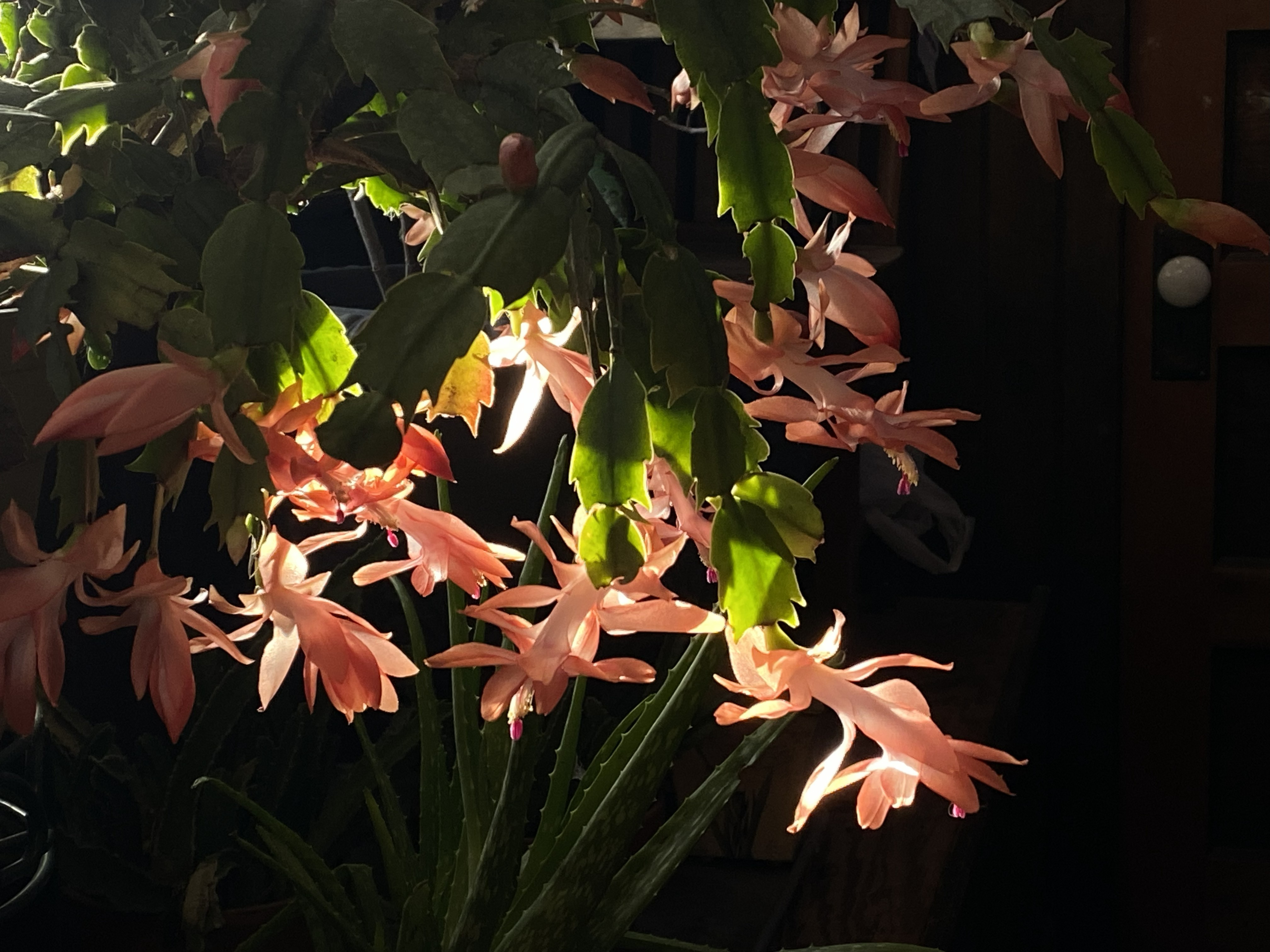
Mother wasn’t much for tending houseplants or flowers, though she always helped plant, weed, harvest, and preserve garden produce alongside my dad. About thirty years ago, a friend she’d known since her college days in the 1930s gave her a Christmas cactus start. This was long after I’d left home and started my own family. Mother shared some Christmas cactus starts with me soon after she planted her own. She has been gone more than twenty years now and when this plant faithfully blooms at Thanksgiving time each year, (not Christmas!) I think of her. This prolific plant connects me to both my mother and my daughter. The circle is unbroken.

Plants are Some of my Favorite People #1

For most of my life, I have had a thing for plants—call it fascination, devotion, friendship—something. It could have been the connections to my rural roots, links to the farm that I didn’t grow up on. Plants connect me to people also, and especially at this time of year, the plants in my windows are threads tying me to people in other places and other times. For the next few days, I will share the plants that have become part of my family throughout my life. Some have been with me for decades. Others are more recent arrivals.

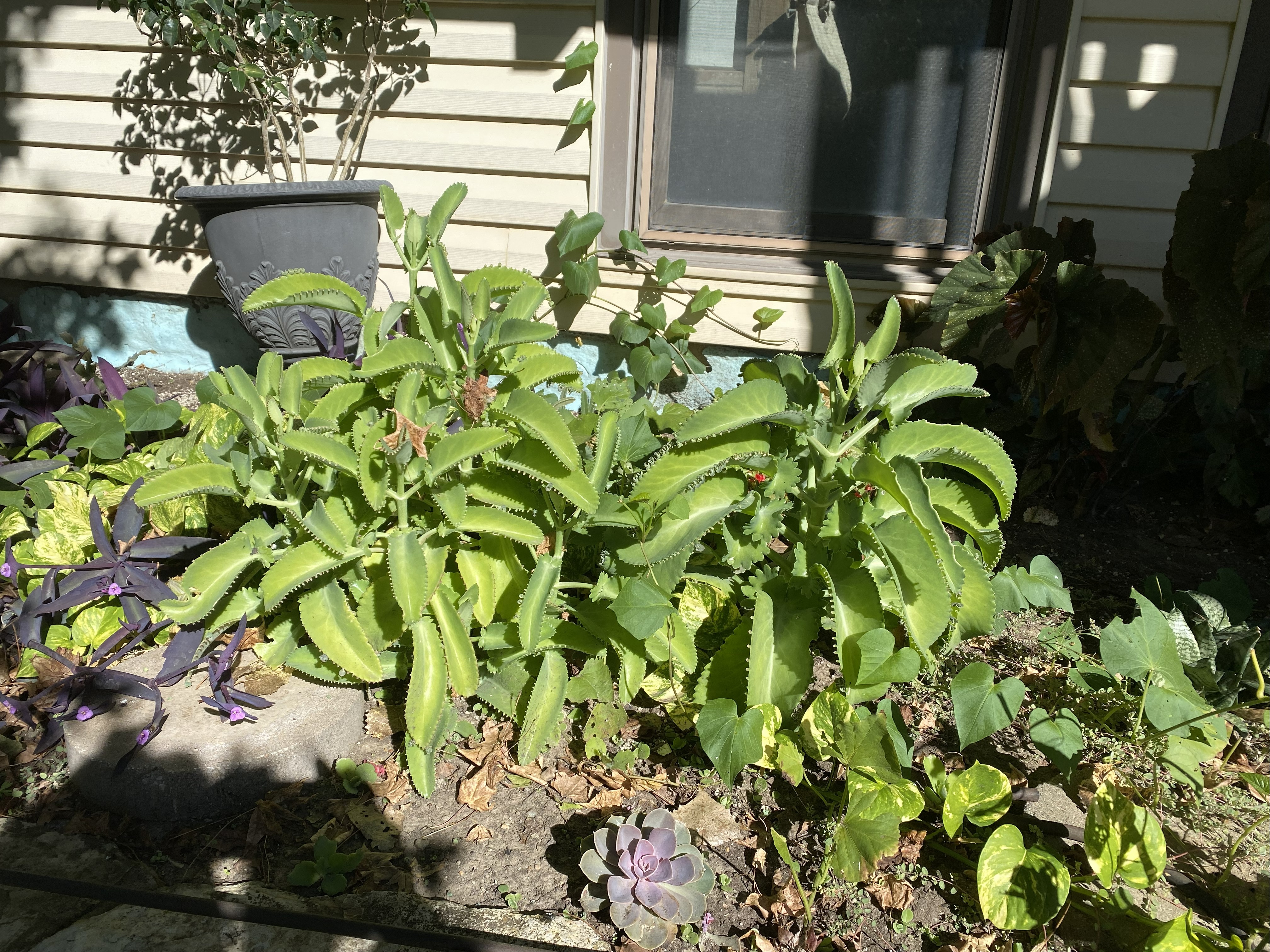
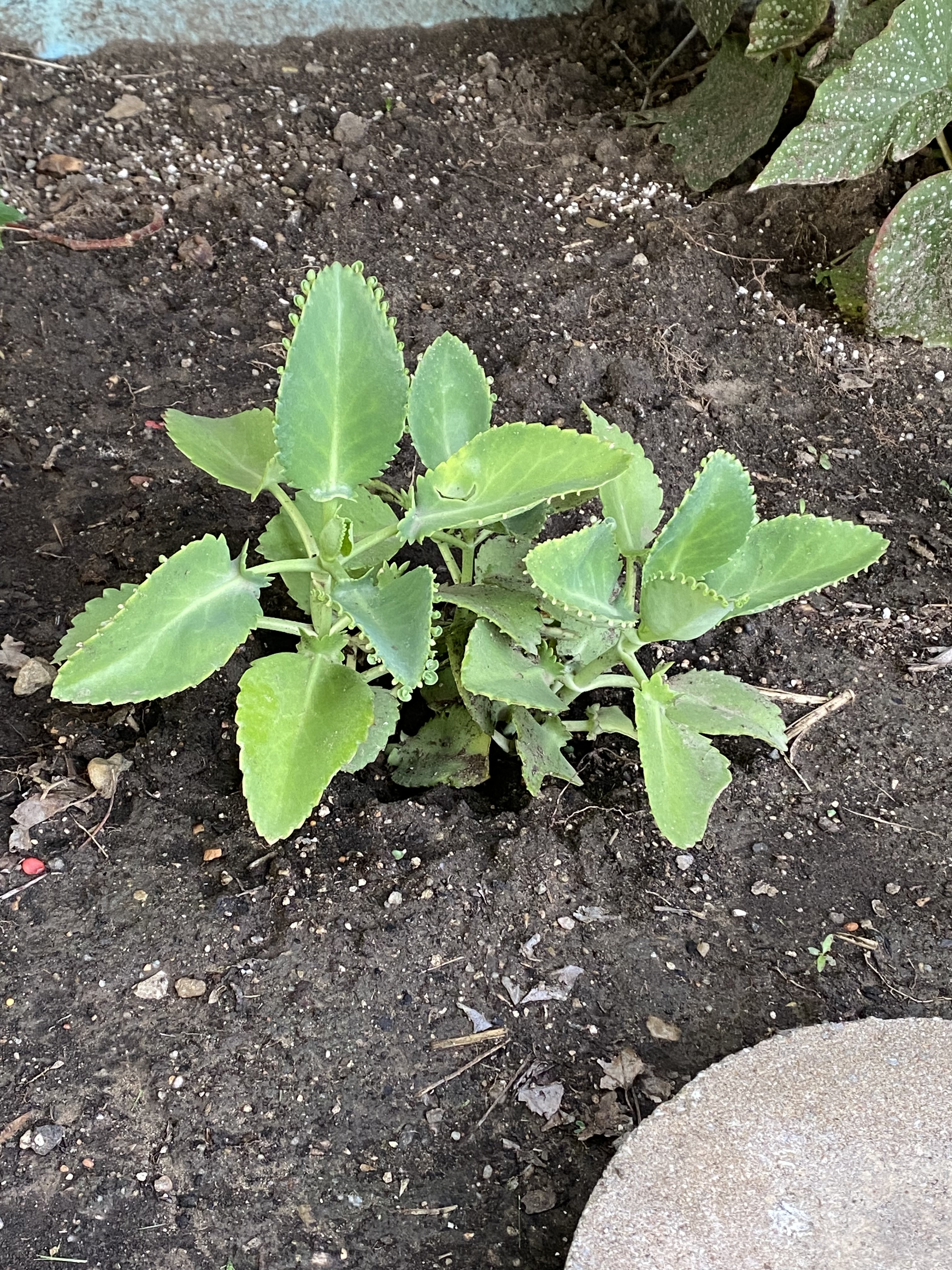
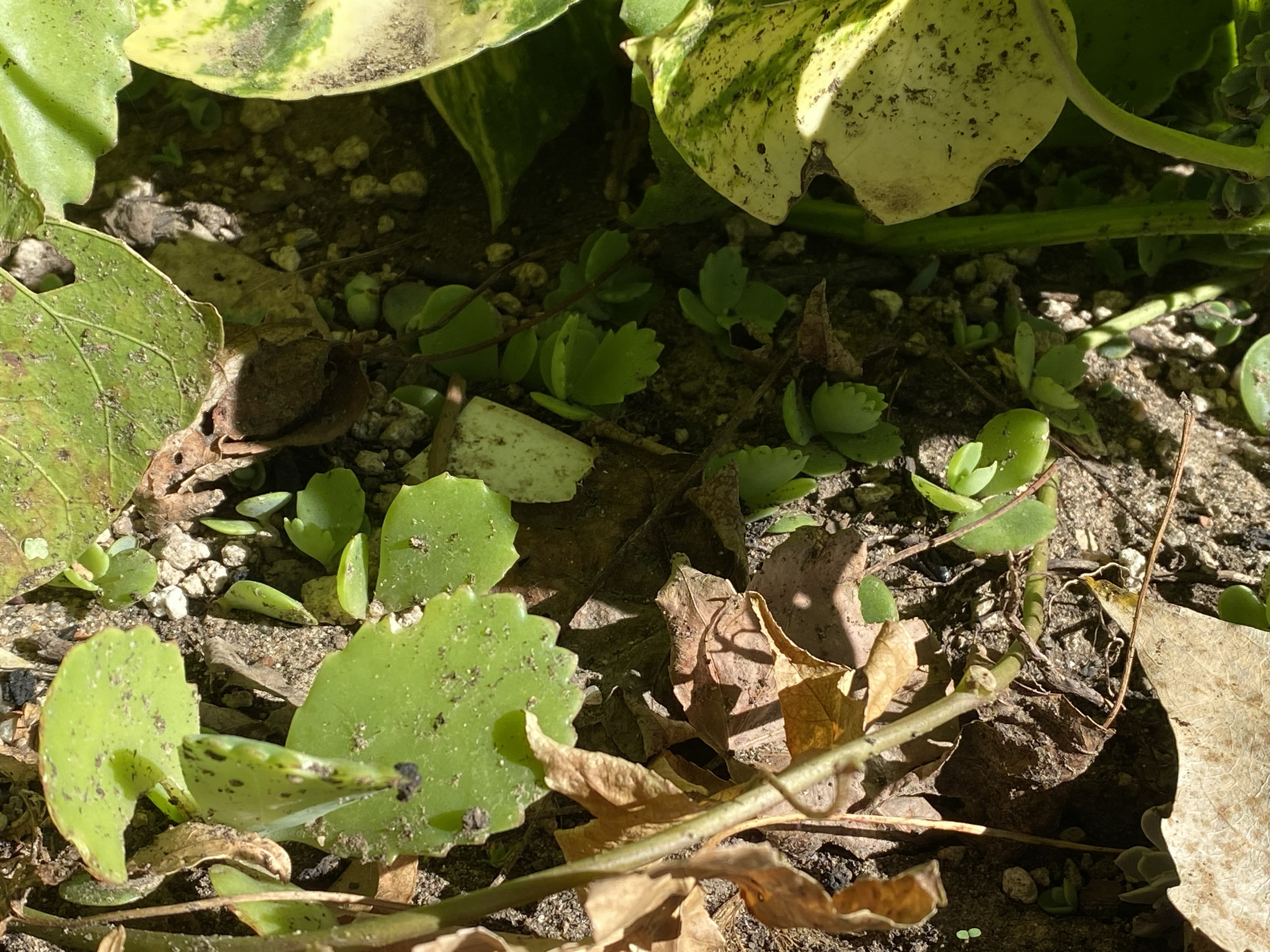
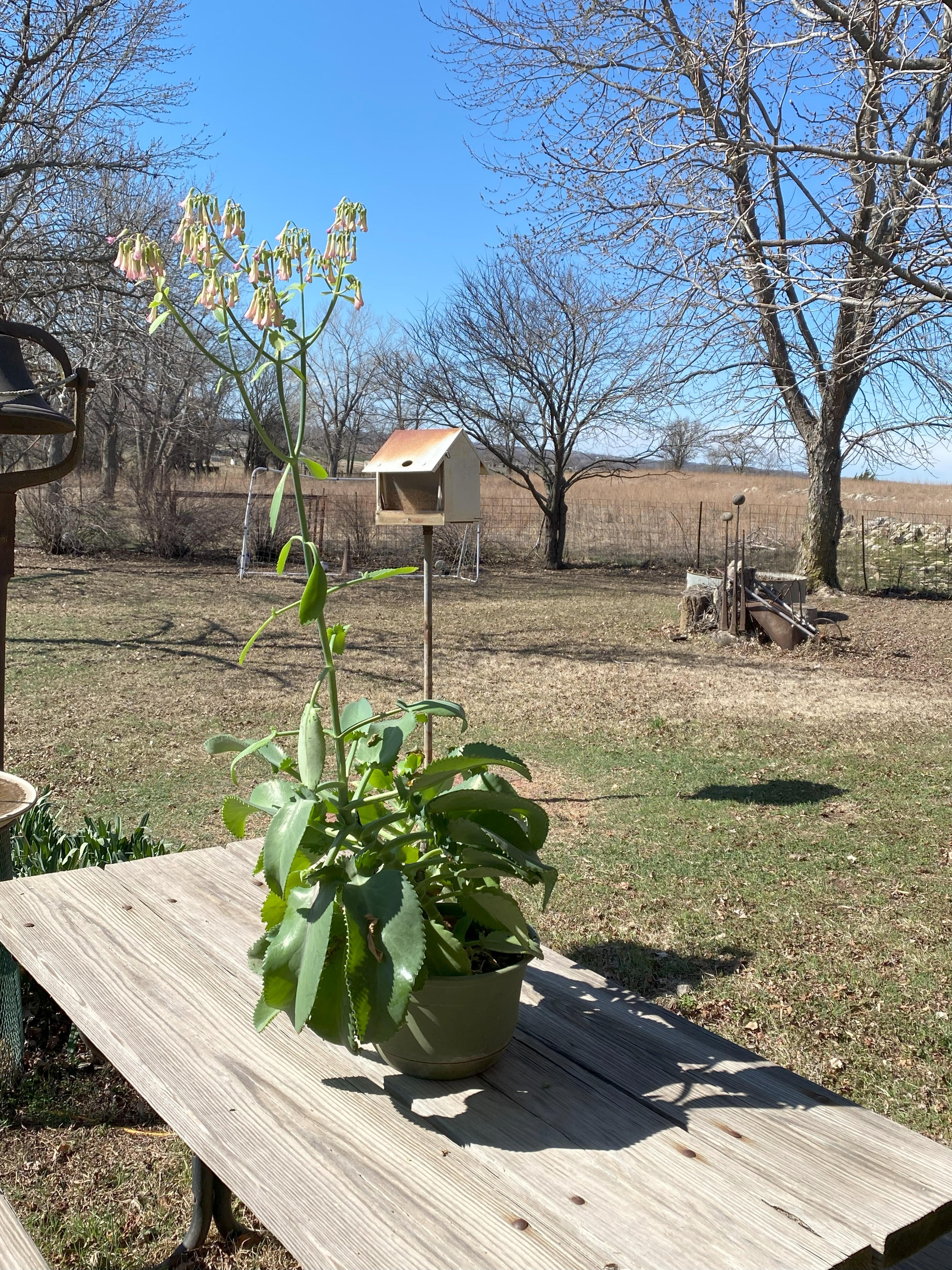
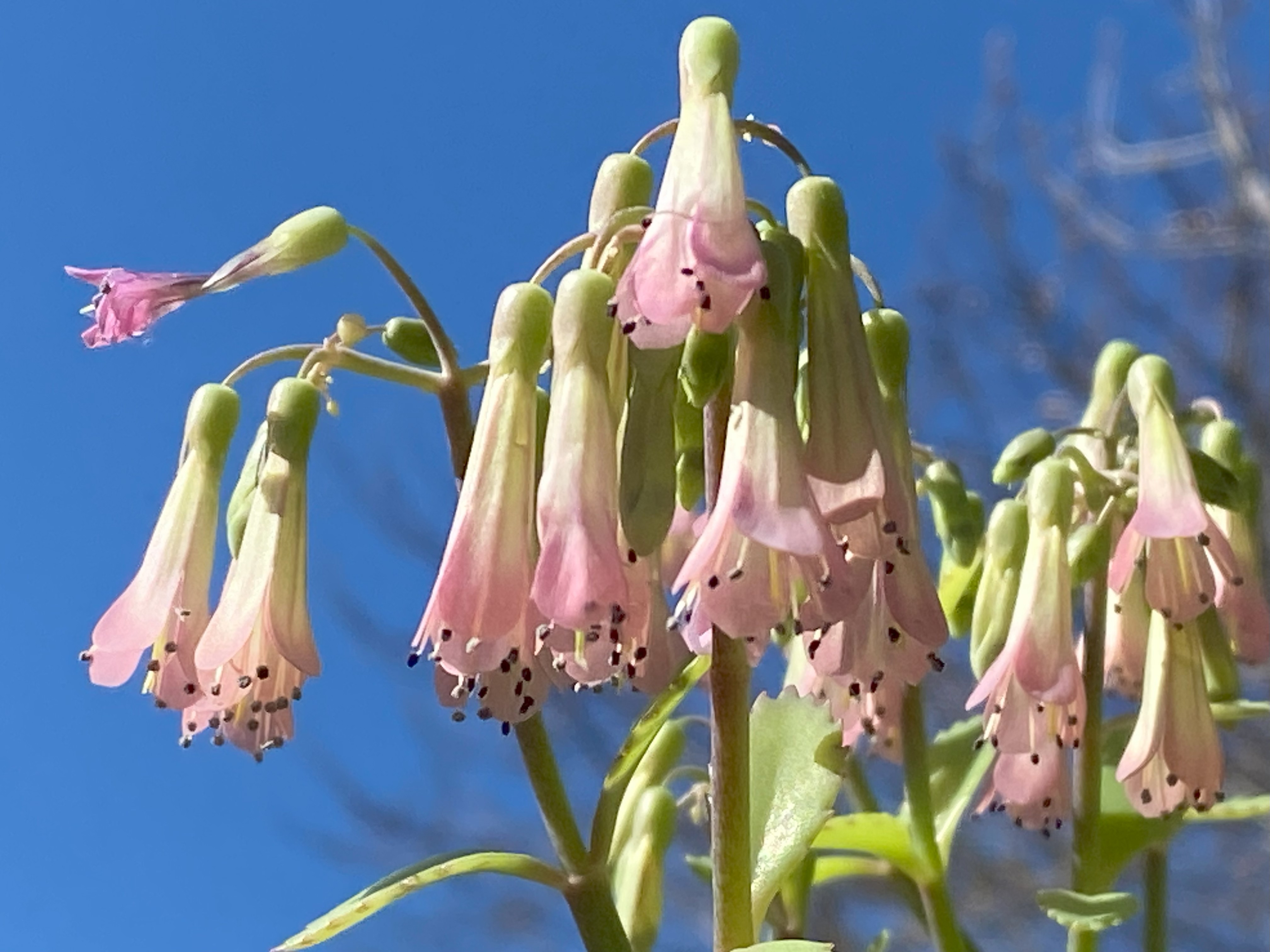
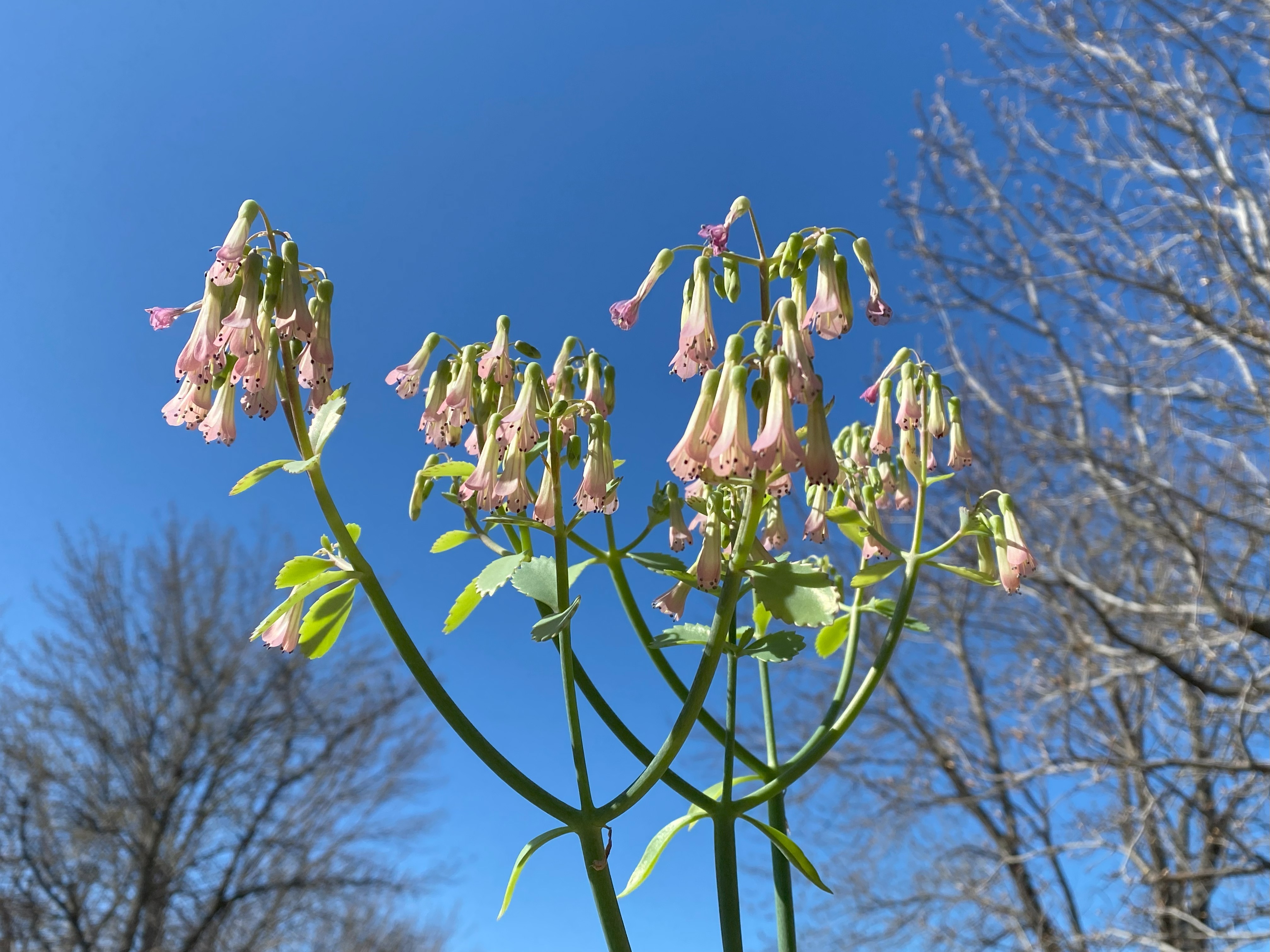
Take this fascinating succulent, for example. My daughter who lives 500 miles distant once gave me this “Mother of Thousands.” It grows fast and drops lots of miniscule offspring. On its large leaf pads, tiny clones pop up in each of the serrations around the edge. They fall and take root and propagate. The mother plant grows to be huge during the months it’s planted in the flower beds outside and I have had to cut it back to bring it inside for the winter. That seems to prompt a flower spike, which boasts unique blossoms. Once the petals have wilted, the stem itself produces tiny succulent shoots. I think of my daughter every time I see the plant and I have to wonder what she was trying to tell me by passing along a plant named “Mother of Thousands.” It is surely living up to its name.