
Dear Septanna,
Perhaps it was predictable that I should become an environmentalist, an earth-lover, a tree-hugger, defender of Nature from encroaching civilization. I was born in the month of May, the green month. 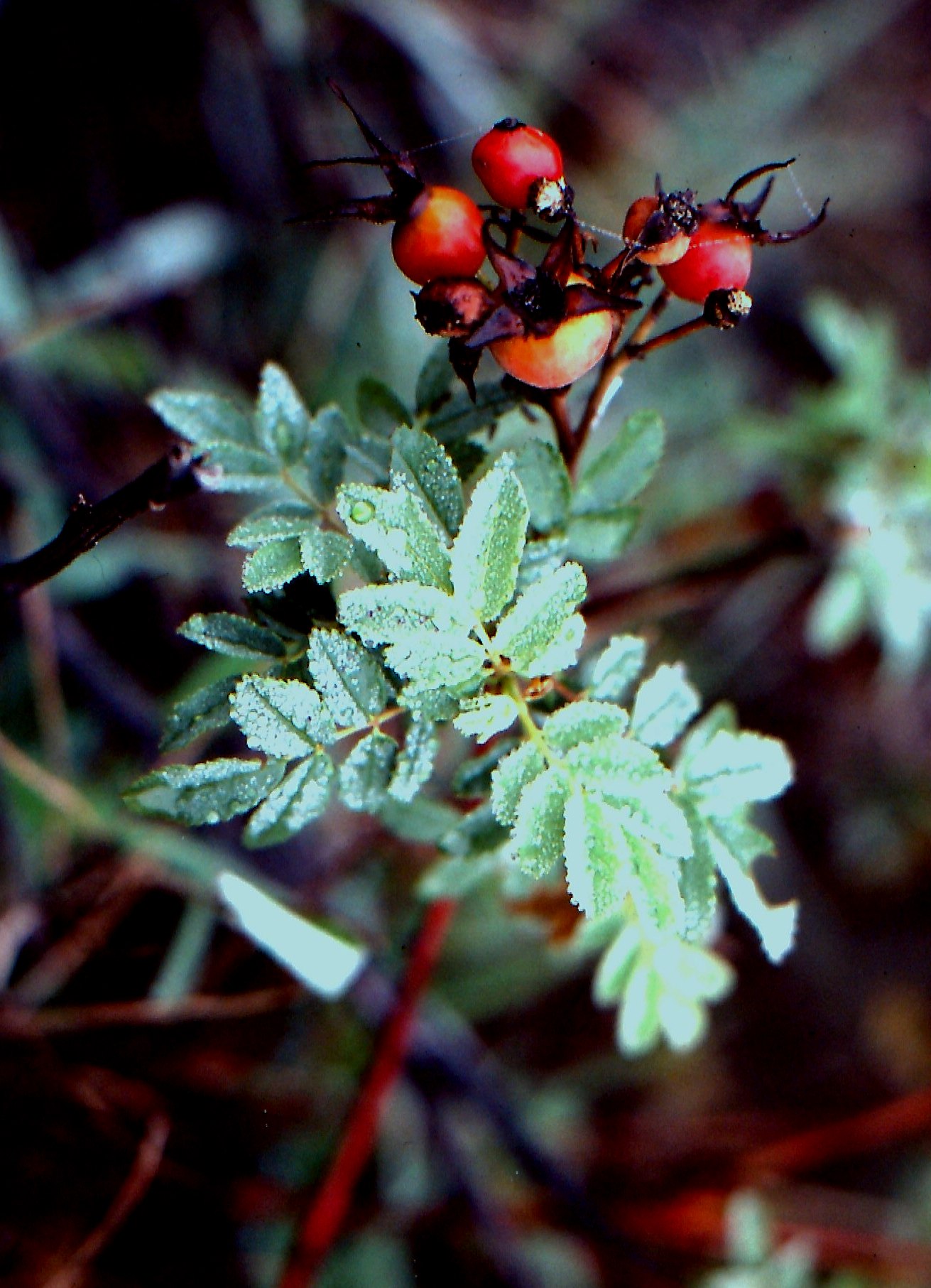 May’s stone is deep green emerald, the color which has always been my favorite. Green represents life, renewal, constancy, dependability. And hope. Green, the cool background color, frames splashes of vivid prairie blossoms during May. Just as the foliage of a wild rose bush catches and holds dew at night, green is a beautiful color, but in a quiet way.
 Like me. I’ve always been a quiet person. Public appearances never come easily to me. I am much more comfortable alone on my prairie, pen and notebook in hand, dogs panting happily at my feet after a run through the native pasture. The only sounds I hear besides their panting are wind whistling through bare branches on the trees surrounding our nearly-dry pond, and the screech of a hawk circling high above our heads.
Gentle and kind-hearted, I wouldn’t hurt a flea. Well, maybe a flea. But you get the idea. I am the calm greenness surrounding today’s flashy and assertive personalities.
So what happens when my prairie is in peril from the short-sighted choices of billions of people? What can I do to shake my fellow humans awake? You wouldn’t think there’d be much a timid, background sort of person could do. Those who have great wealth seem to possess the power on our planet today. They seem to be seduced by the prospects of even greater profits and will wield significant influence to exploit our finite planetary resources for short-term gain. At your expense, dear Septanna. But what can one shy grandmother do about it?
Just when I feel all is lost, I recall the rooster. And I find hope.
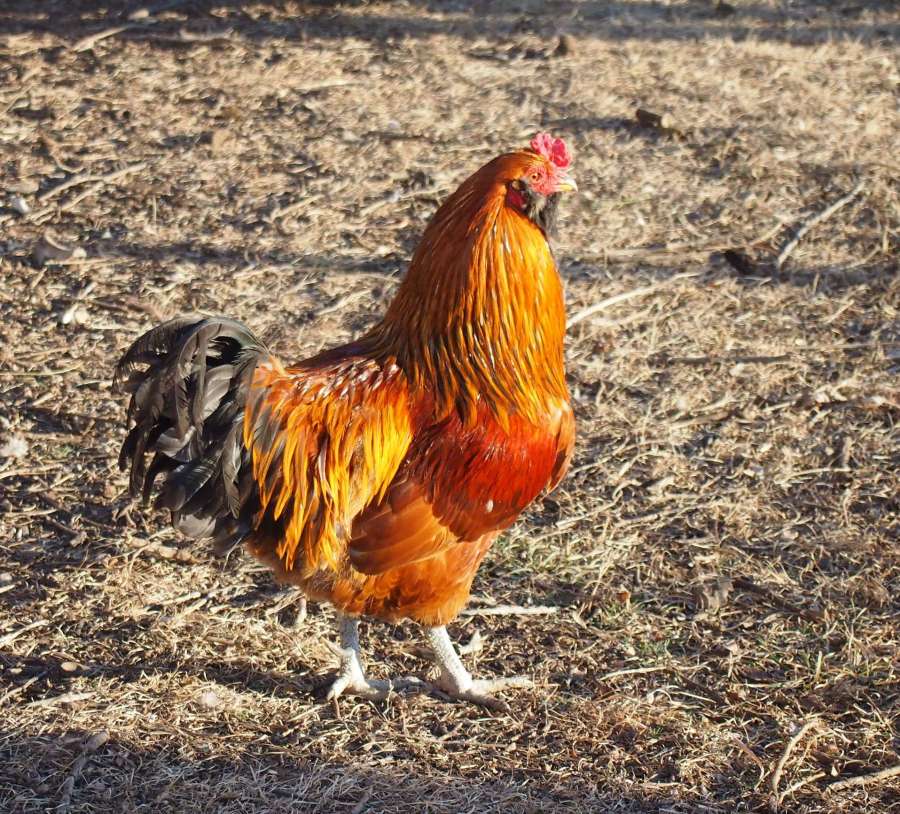
 Once there was this rooster.He was supposed to be a hen, an araucana hen, no less. He should have laid eggs with pastel green shells. Several years ago I bought three araucana pullets for the novelty of having green eggs. Two of those pullets turned out to be roosters. There was only one hen. Pullets are supposed to be female chicks so all three should have laid eggs.
Somebody made a mistake. Twice.
As these two roosters grew, they began to crow. One turned aggressive. He terrorized his brother, his sister, and every other hen in our chicken house.
I exiled him to fend for himself outside the chicken yard. You may be wondering why I didn’t just make some chicken noodle soup. Well, that’s me—prisoner of my own soft heart, I was incapable of harming this fighting cock. I couldn’t kill this rooster. But I wouldn’t have stopped a coyote from hauling him off. He was exiled. He paced the chicken yard perimeter day after day, month after month, even (yes) year after year. He plotted in his wee bird brain how he might gain access to the hens again.
I’d scatter some grain for him every morning—couldn’t let him starve either. But I wasn’t going to let him terrorize my hens.
So he charged me. Imagine that! I was the person who let him live, the provider of his daily food. But he charged me. He seemed to wait until I turned my back and, with a rush of feet across the ground and a flurry of wings, he launched himself toward my legs, spurs outstretched.
I took to carrying a child’s plastic bat with me to do chores. If I thumped the bat on the ground as I approached, he seemed to get the message. He left me alone. Most of the time.
There were still instances when I heard the rush and thunder of his charge behind me. Then some interesting things happened inside me. My heart rate jumped to double in about two seconds. I’d turn toward this fighting cock, raise that bat and swing with all my might. No thought process was involved, simply act and react, a mere instinct to fight my aggressor. On more than one occasion, the bat connected squarely with this rooster’s head. I knocked him silly. He’d stagger around and slump to the ground, quivering and jerking in spasms.
I felt instant remorse. “Oh my God, I’ve killed him!” I thought. As if that would be a bad thing. For me, though, kind-hearted timid little me, it was a bad thing. I dropped the bat and retreated to a safe distance. I watched until he struggled to his feet and dragged himself around the corner of the hen house.
Eventually this rooster met his fate, but not at my hands. However, because of his aggression, I learned that somewhere deep inside of me, I have the instincts and the adrenaline to fight when I feel threatened. I think that’s applicable to our world today, Septanna. My intuition tells me that many of the choices made by my fellow human beings pose a threat—not just to me, not just to my prairie, but to you as well. And there’s nothing more dangerous than an angry mother, be it a bear or a human being. Maybe it’s time to start carrying my bat again and fight for you in every way I can imagine.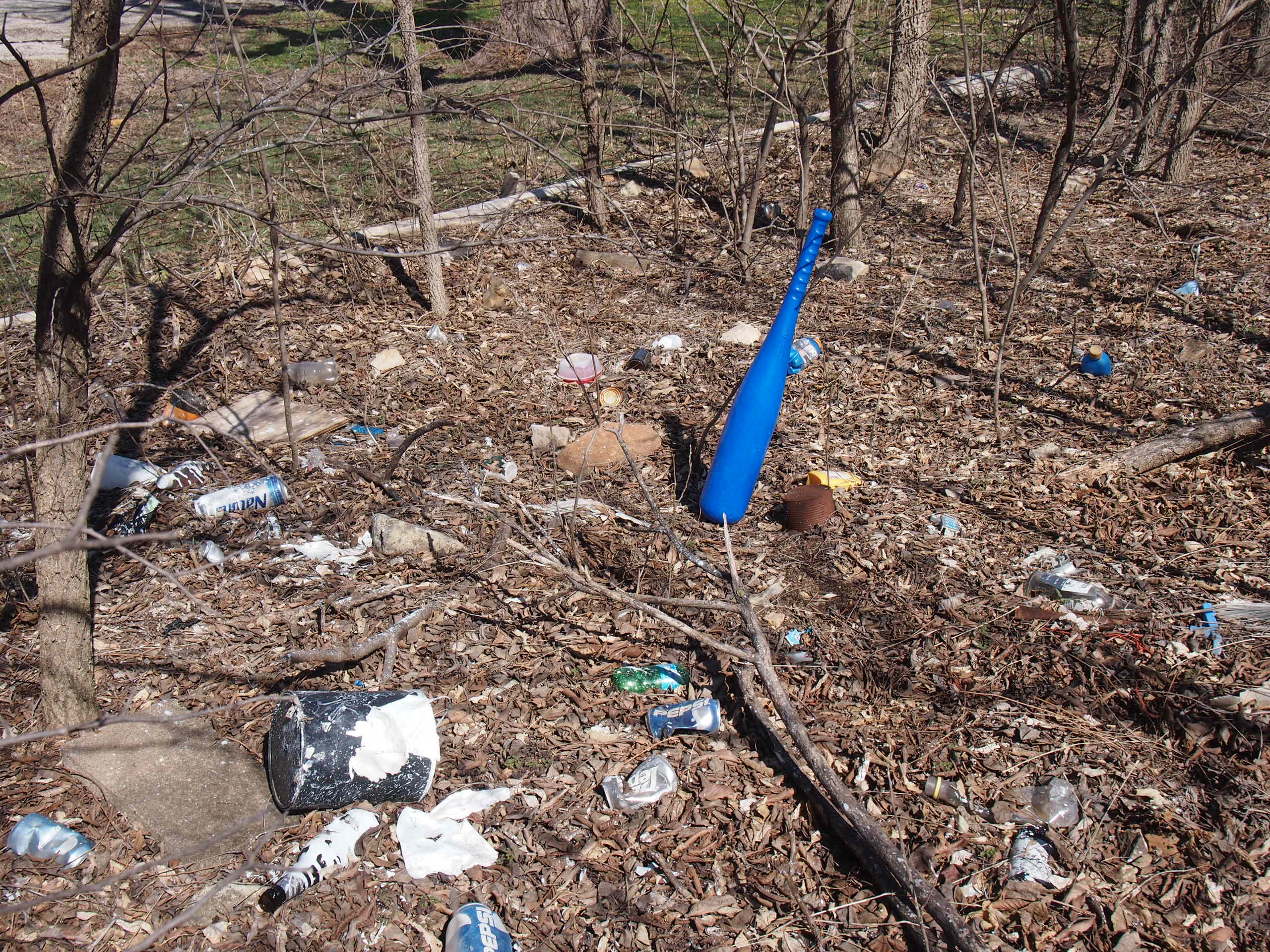













 The Bridge